High-performance Low-E double-glazed entry systems, passive house folding doors, and NFRC-rated window solutions built to exacting international standards.
An engineering analysis of low-emissivity coatings, thermal break extrusion profiles, and solar control parameters driving modern B2B entry door sourcing.
In modern architectural engineering, entry door design has evolved from purely structural entryways into complex energy management envelopes. The global demand for Custom OEM Low E Glass Front Doors is expanding rapidly, fueled by stringent carbon-neutrality mandates, rising energy costs, and updated municipal building codes across North America (IECC standard updates), Australia (NCC Section J compliance), and the European Union (EPBD Directive).
Low-Emissivity (Low-E) glass technology represents the cornerstone of modern fenestration engineering. By applying microscopically thin metallic oxide coatings—typically soft-coat sputtered silver nanolayers—onto high-clarity float glass, front door assemblies reflect long-wave infrared thermal radiation while permitting maximum visible light transmittance (VLT). For commercial buyers, building material distributors, and project contractors, sourcing certified Low-E entrance door systems is no longer optional; it is a fundamental engineering requirement for meeting Energy Star, Passivhaus, and LEED certification benchmarks.
Understanding the physics of thermal transfer is vital for regional importers and real estate developers. Heat transfers through door glazing via conduction, convection, and radiation. Traditional single-pane or clear double-glazed doors allow massive solar heat gain during cooling seasons and heat loss during heating seasons.
Our engineered Low-E glass front door series incorporates double-silver or triple-silver magnetron sputtering technology. The silver layers selectively filter the solar spectrum: shortwave solar energy passes through to naturally illuminate interior entry foyers, whereas room-temperature long-wave heat is reflected back inward during winter and outward during summer. When combined with 90%+ pure Argon gas injection and warm-edge Technoform spacer bars, the insulated glass unit (IGU) virtually eliminates perimeter condensation and reduces overall U-Factor ratings to optimal thermal thresholds.
Demonstrated manufacturing authority, rigorous quality control protocols, and verified supply chain execution by Foshan Primeval Doors Industry Co., Ltd.
Established in 2017, Foshan Primeval Doors Industry Co., Ltd. operates from a modern manufacturing facility of 12,000 m². Backed by 11 years of industry engineering experience and 5 years of international export trade, the company generates an annual export revenue of USD 8,500,000.
Quality control is strictly enforced through systematic IQC (Incoming Quality Control), IPQC (In-Process Quality Control), and FQC (Final Quality Control) inspection procedures along with rigorous thermal conductivity and salt-spray corrosion testing. A skilled QC team of 22 inspectors oversees every step of the production process. Supported by 420 trusted supply chain partners, our trade background covers direct OEM export and private-label customization, serving primary markets in Australia, New Zealand, and North America.
Our client base consists mainly of residential building supply importers, architectural designers, and regional wholesalers. Driven by continuous innovation, our R&D group of 38 engineers introduced 75 new entry door products last year. Customization options include custom frame depths, double-glazed decorative glass inserts, powder-coated color palettes, and heavy-duty weatherproofing seals.
Step-by-step visual documentation of our 10-stage manufacturing procedure, ensuring structural integrity, frame precision, and long-term seal reliability.
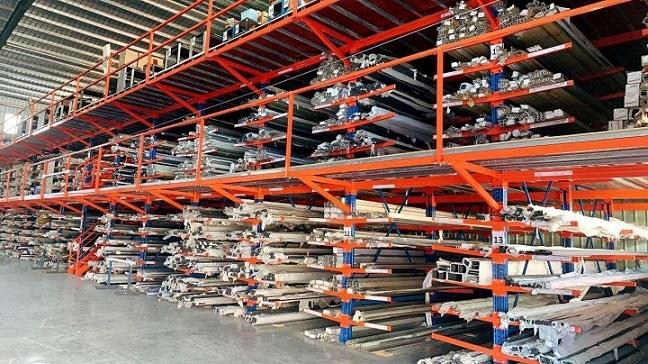
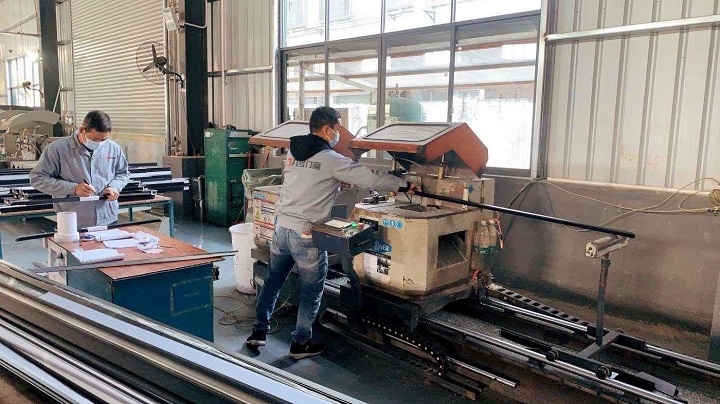
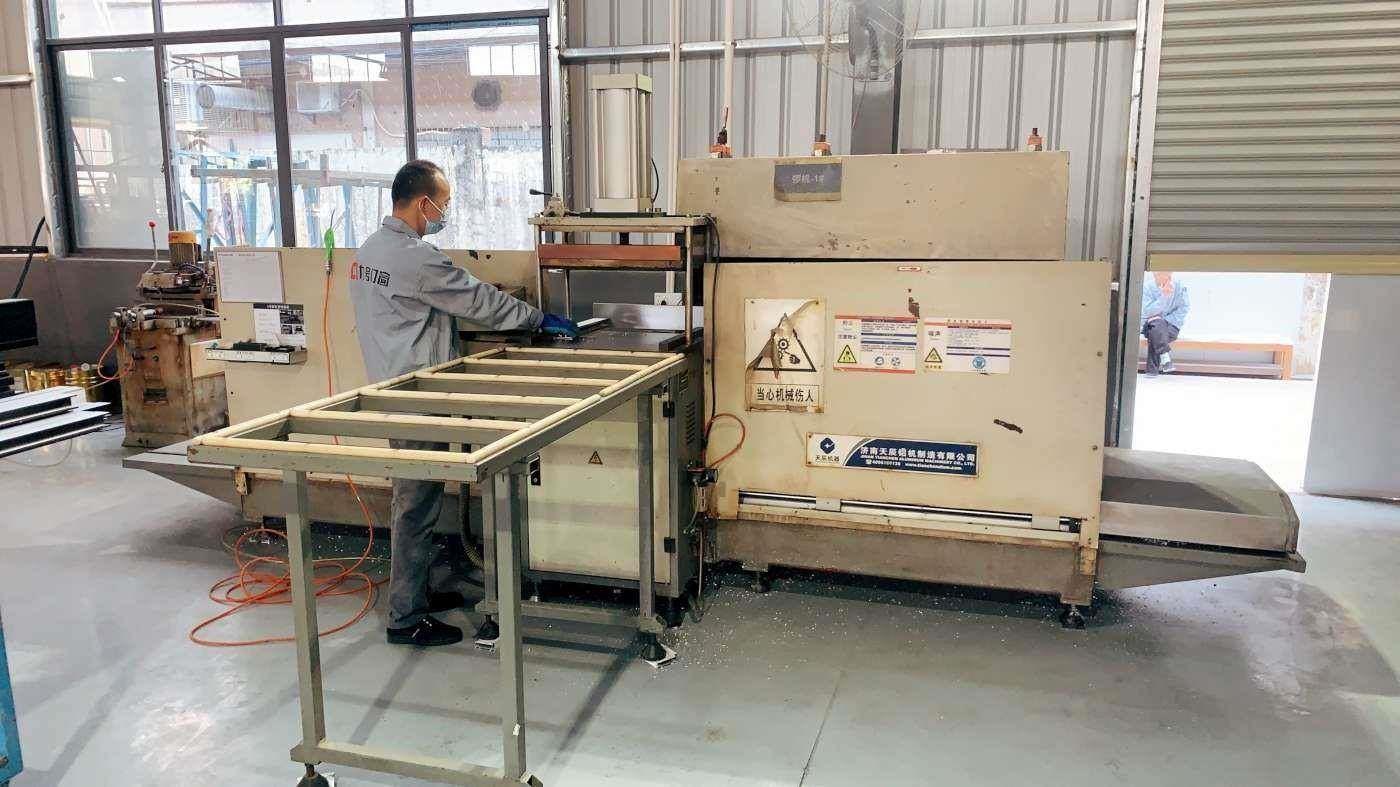
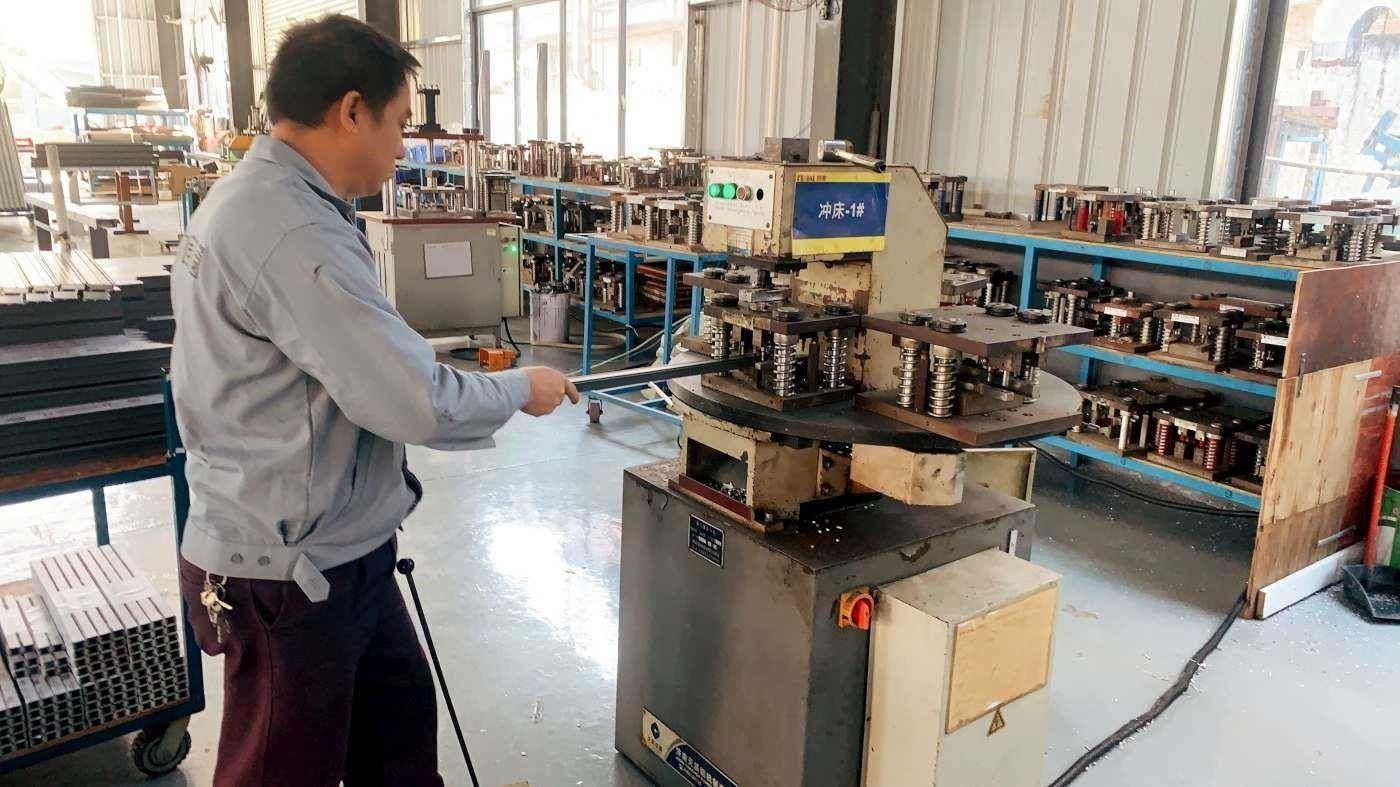
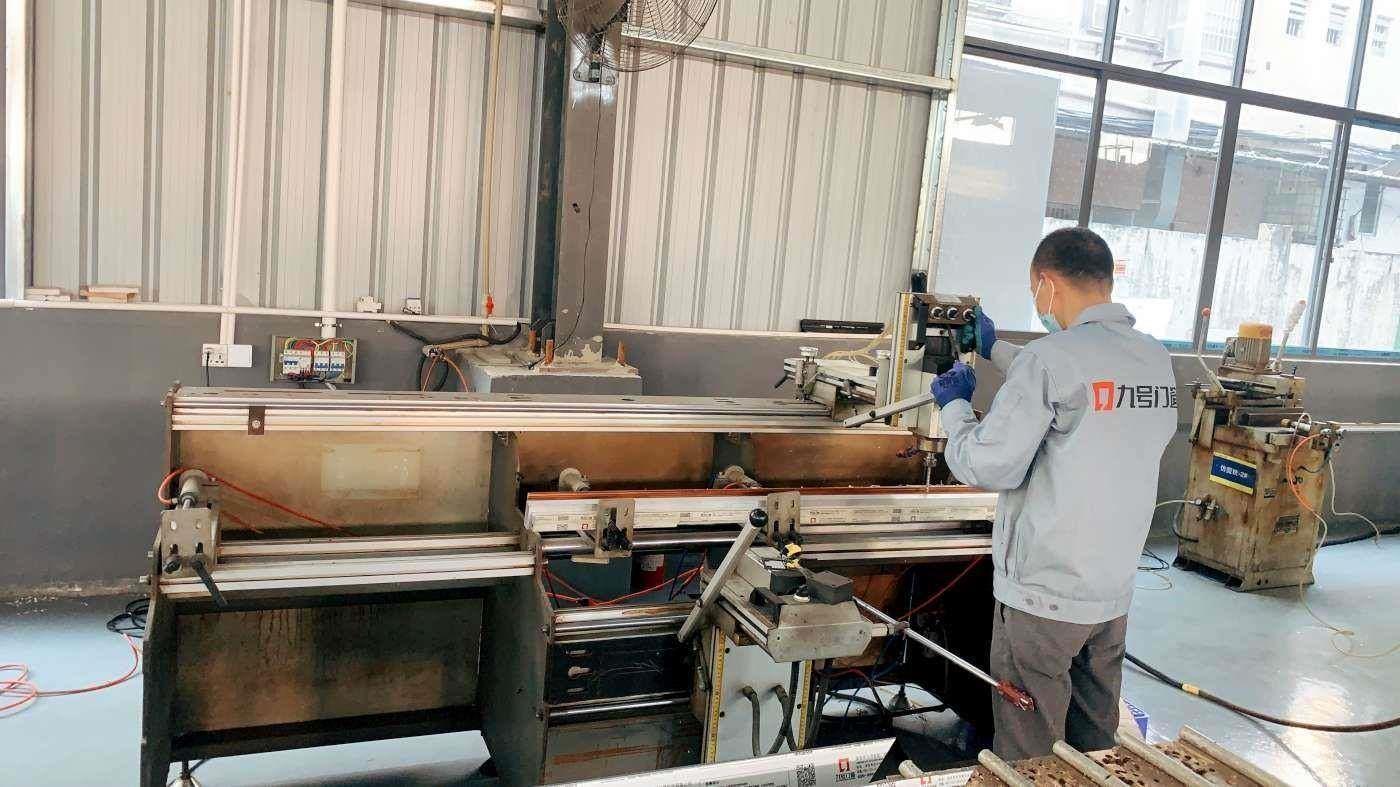
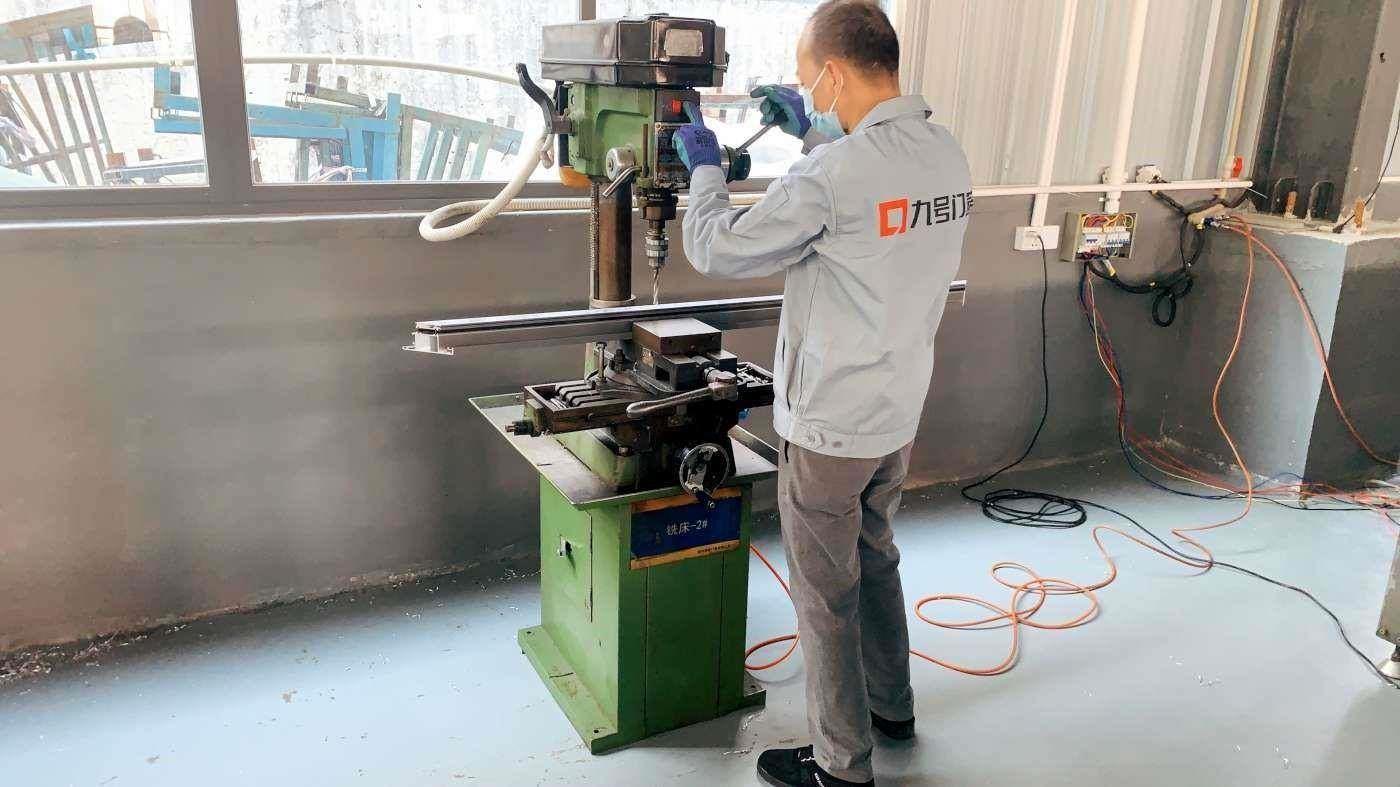
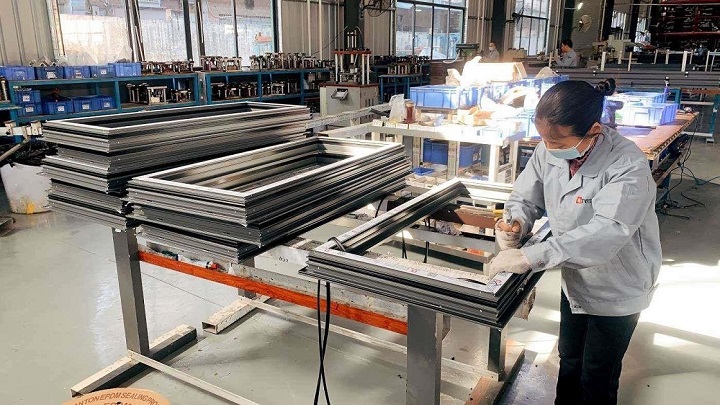
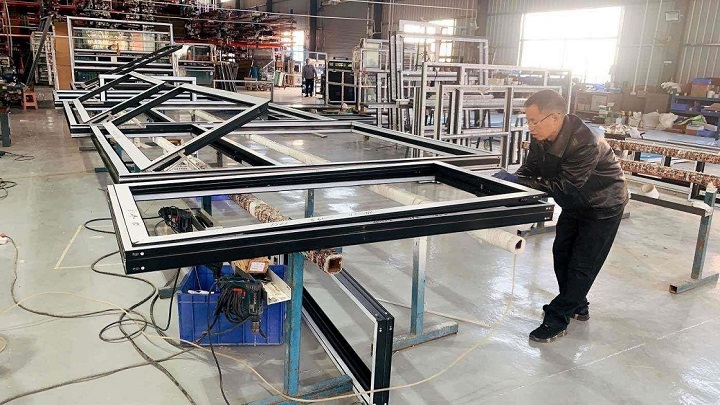
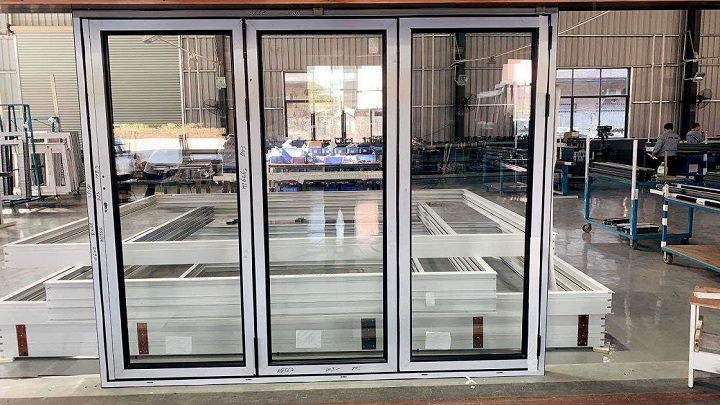
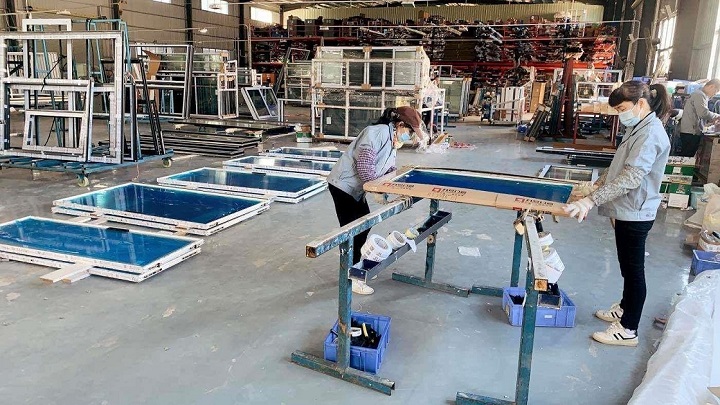
Heavy machinery infrastructure empowering custom frame depths, tight tolerances (±0.5mm), and high-throughput export capabilities.
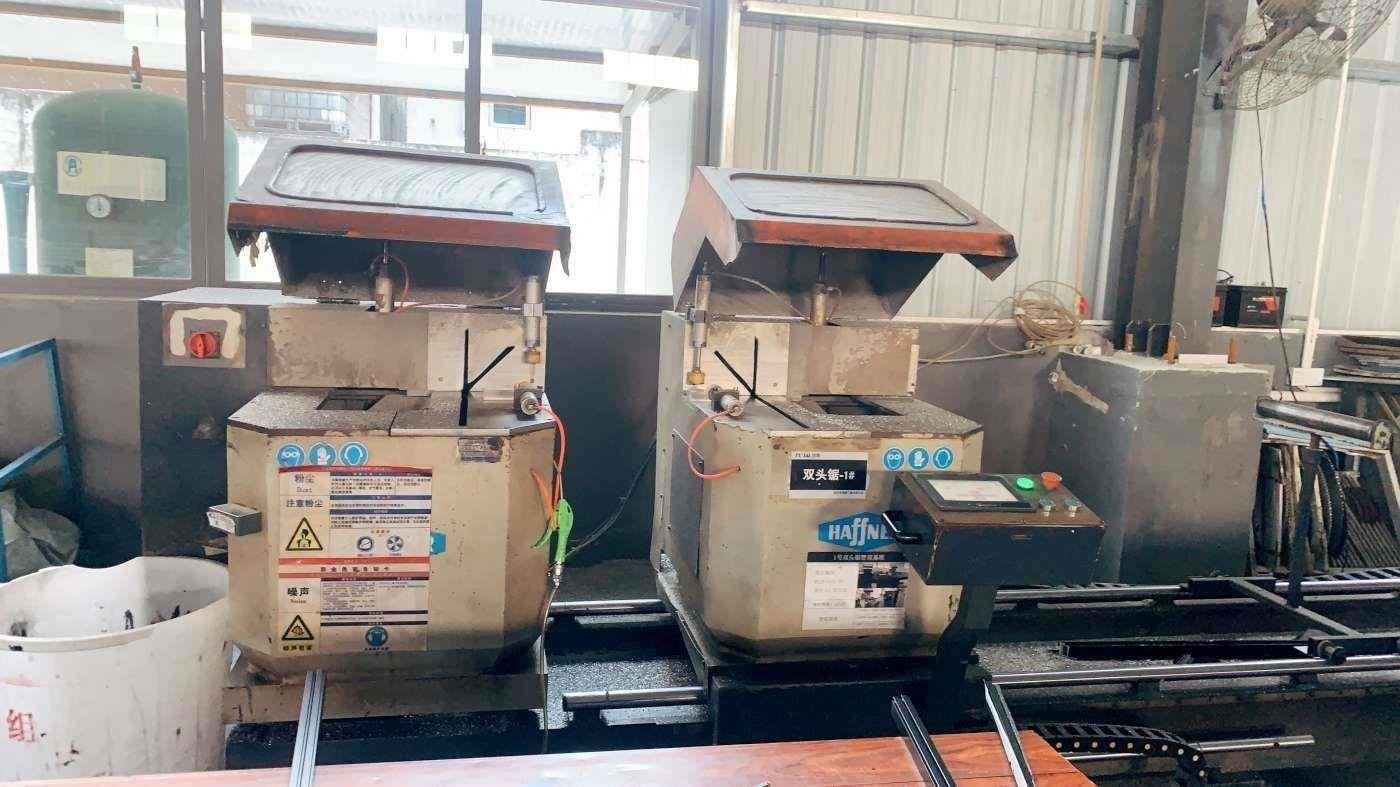
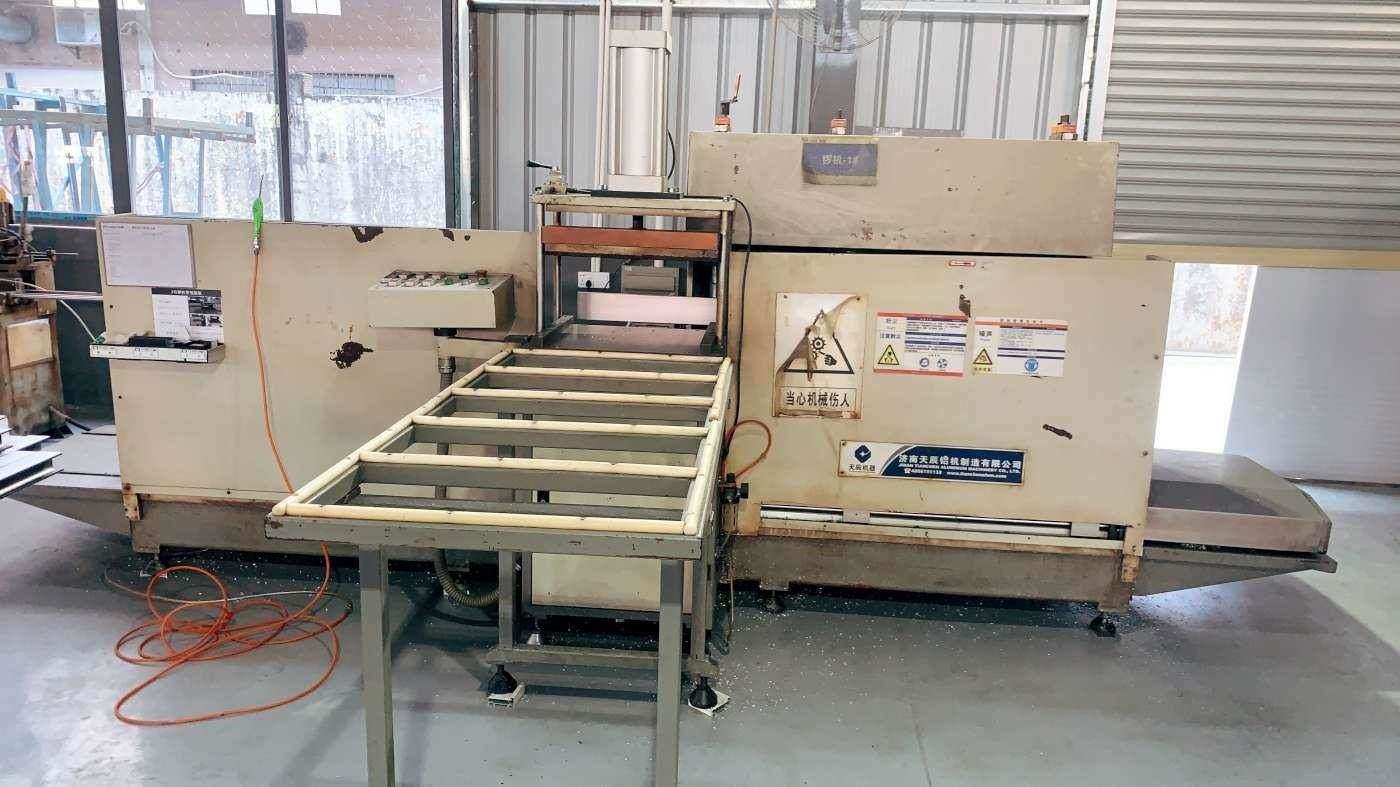
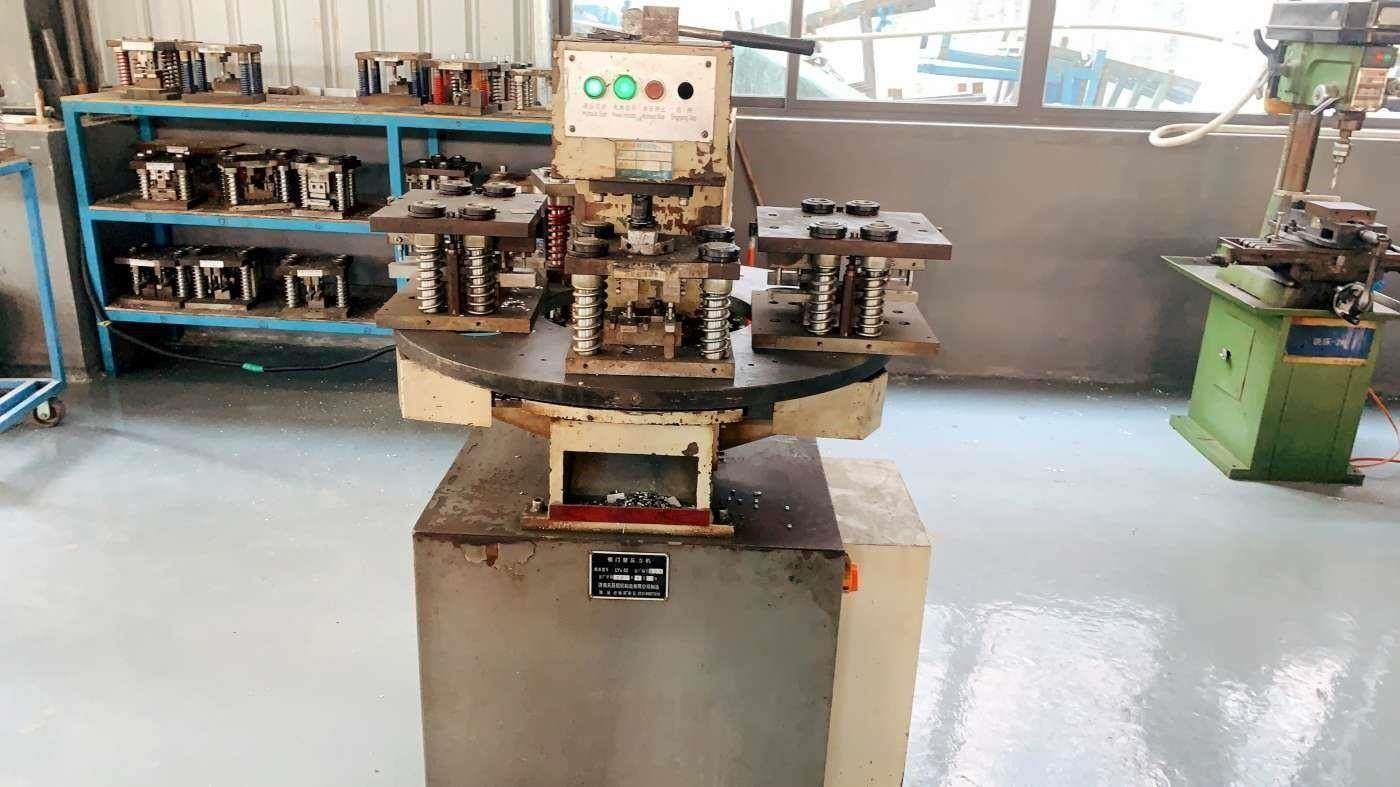
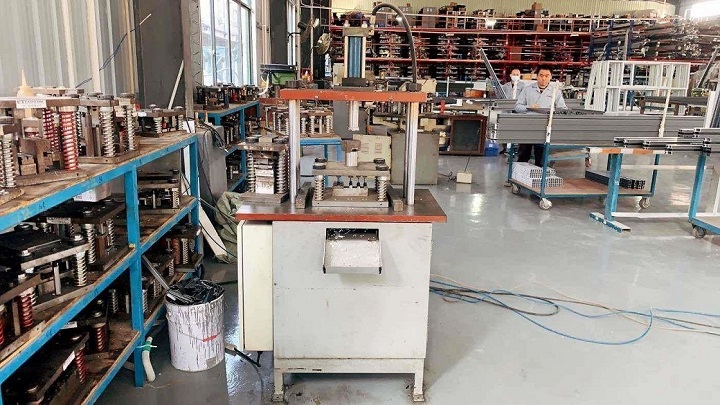
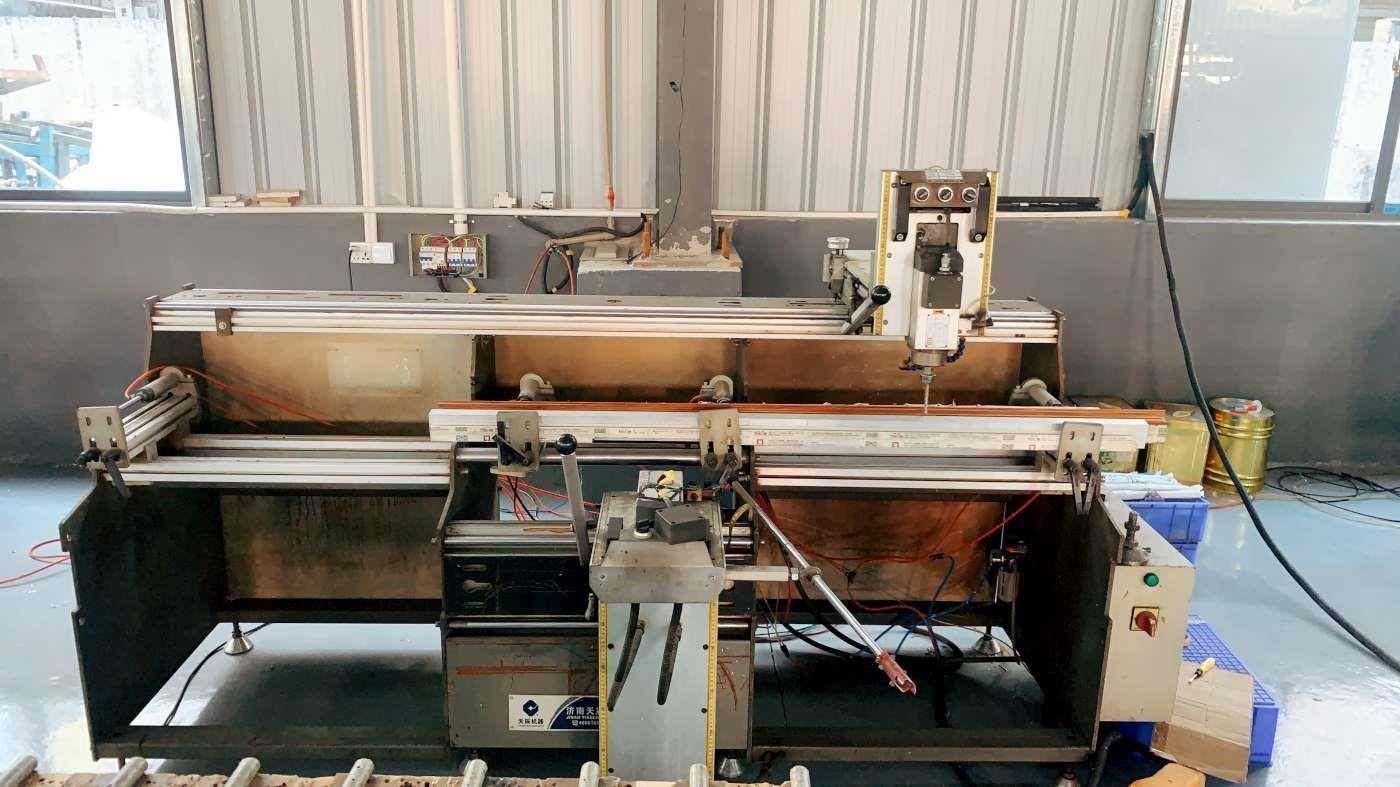
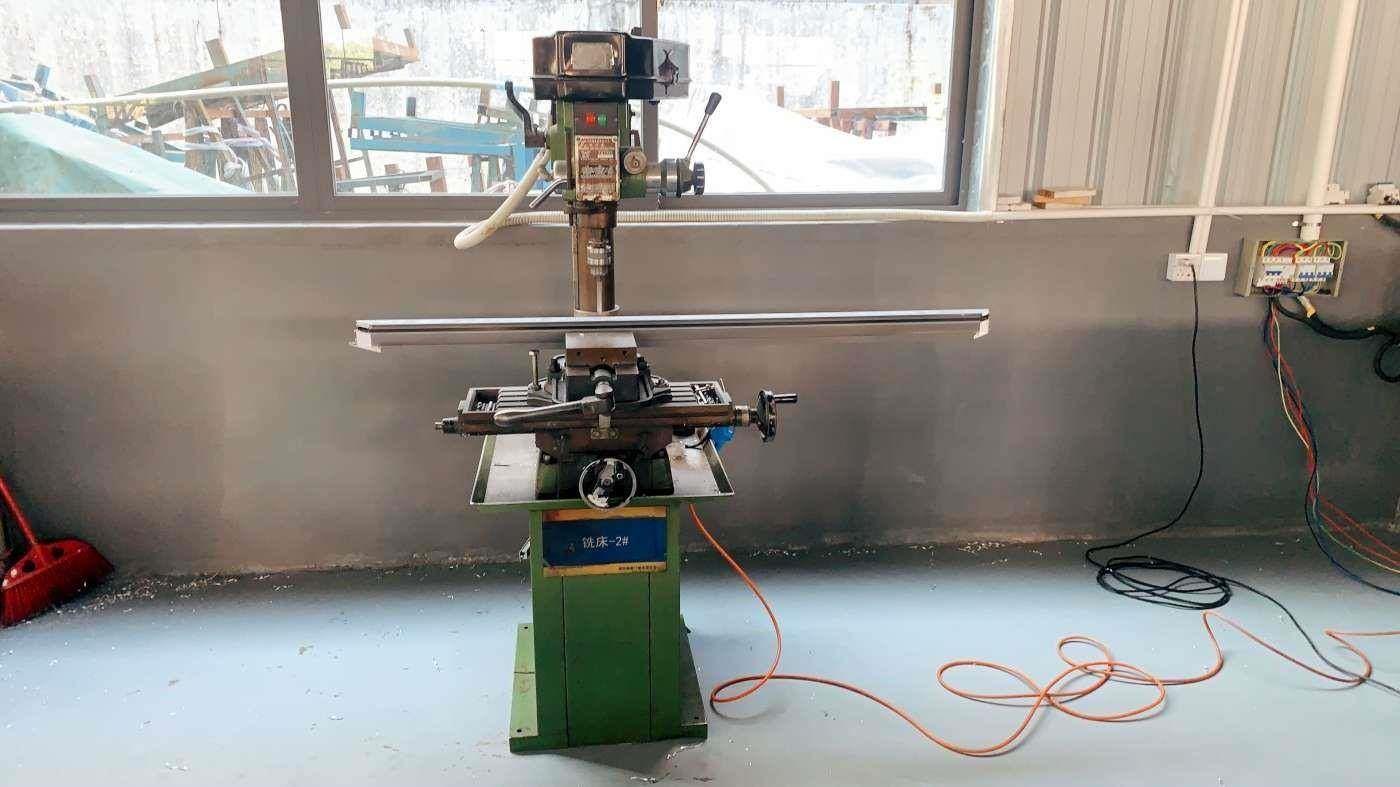
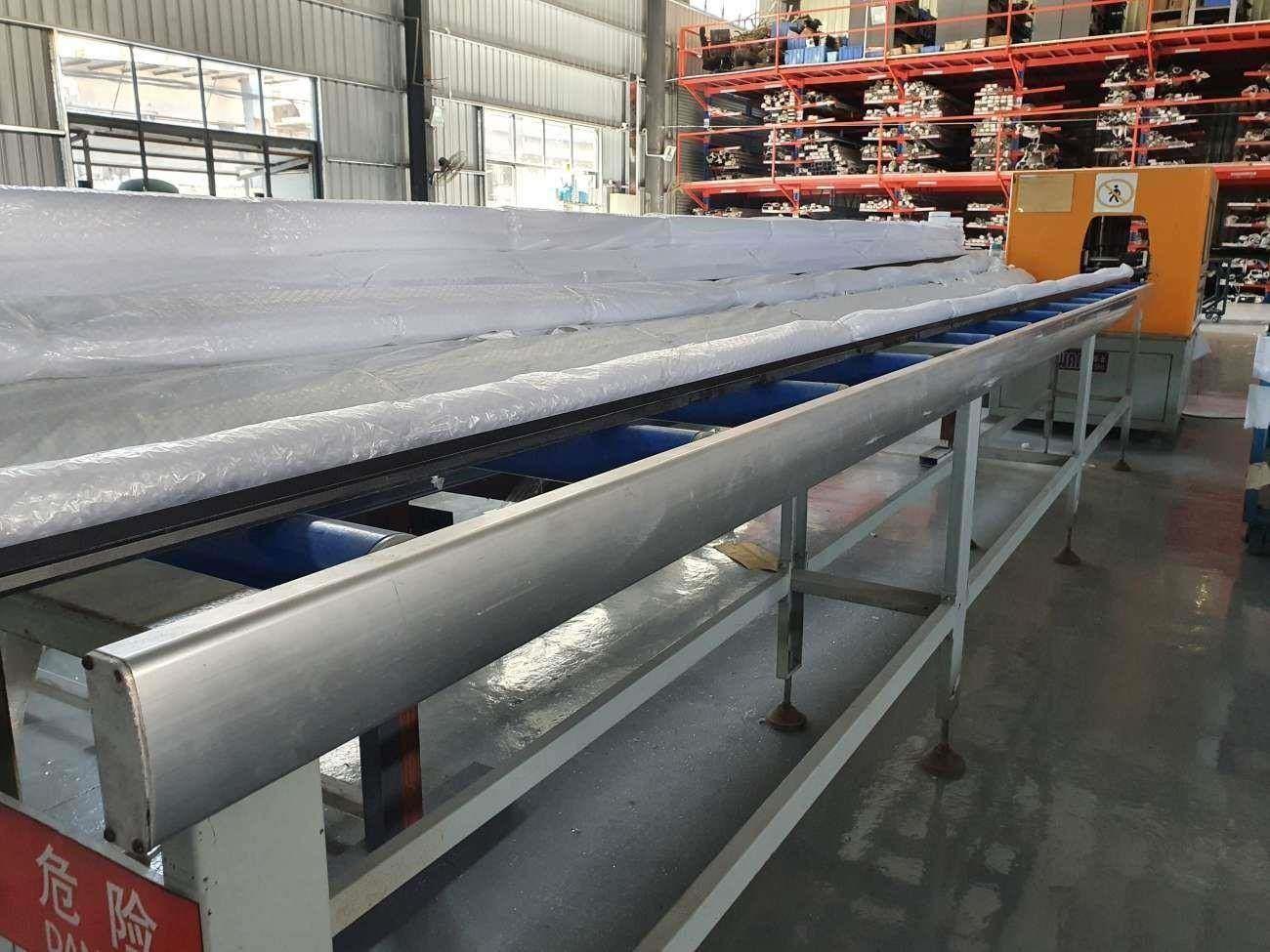
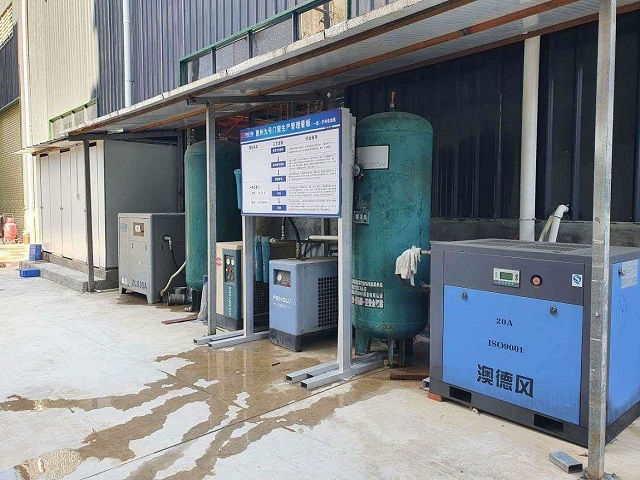
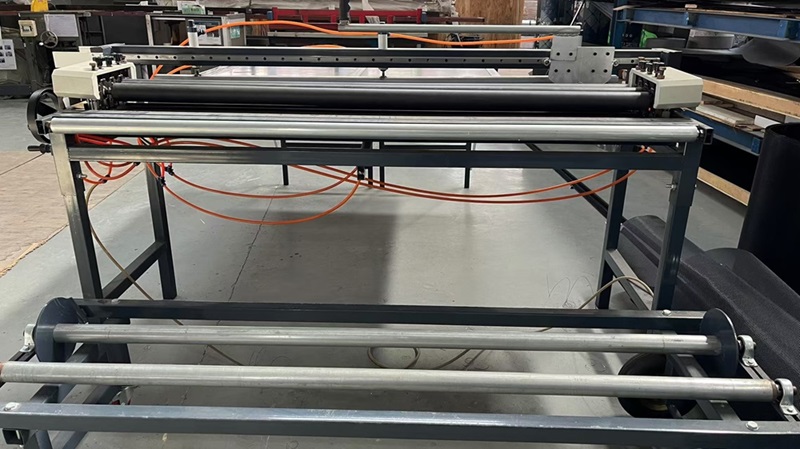
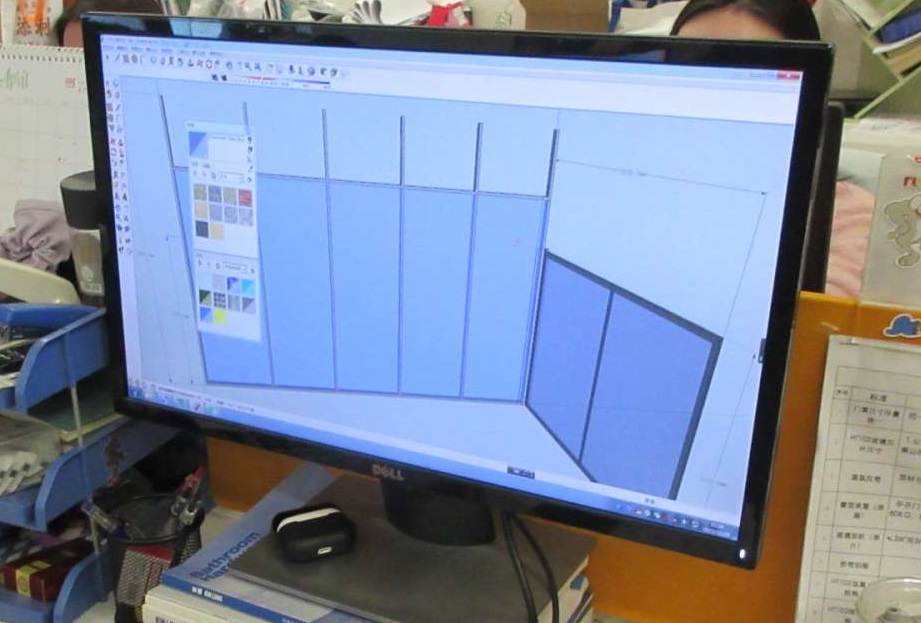
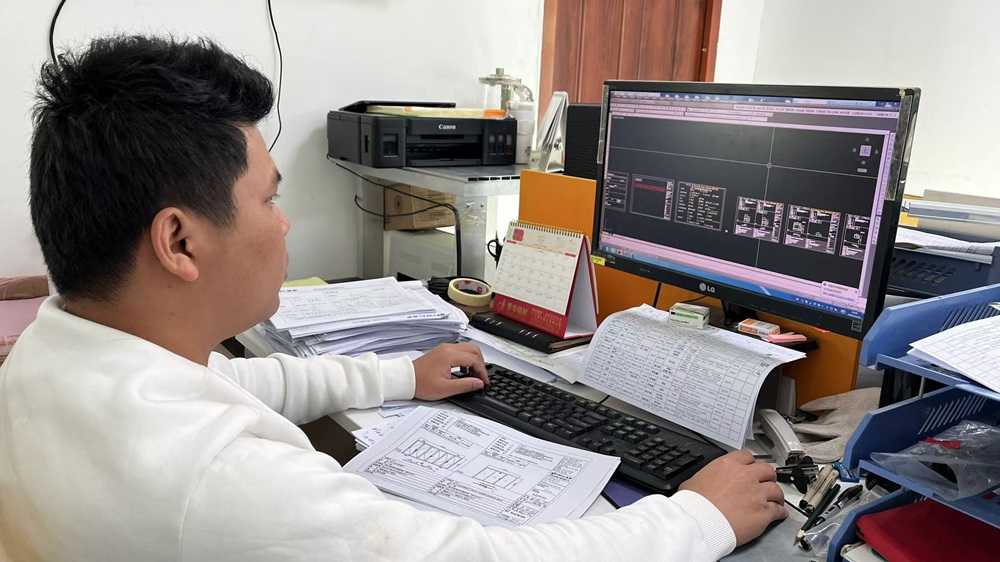
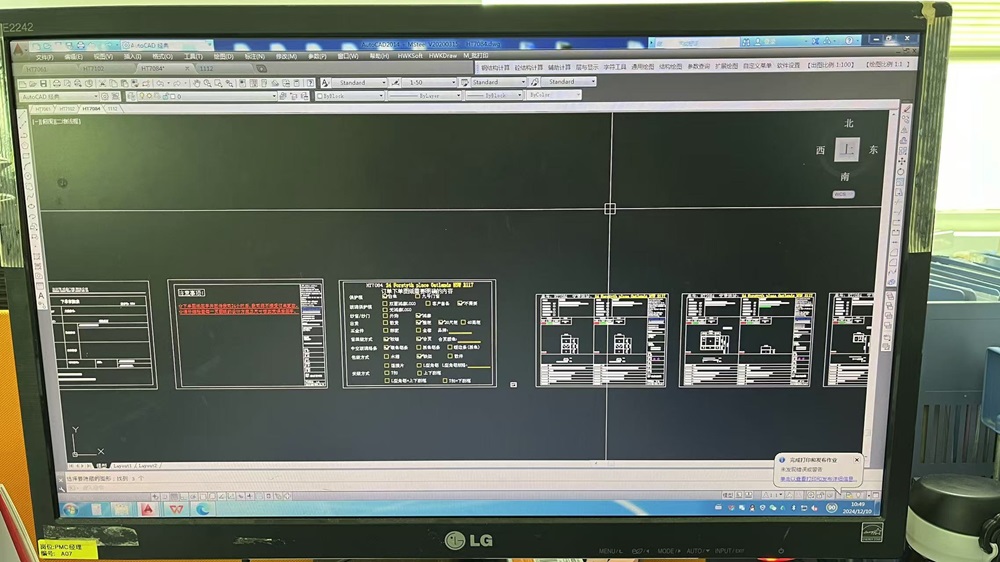
38 R&D engineers translating complex architectural CAD drawings into shop-ready manufacturing schematics.
Detailed technical benchmarks comparing standard clear double glazing against our optimized OEM Low-E glass door configurations.
| Performance Specification | Standard Double Clear Glazing | OEM Single Low-E (Hard Coat) | Primeval Double Silver Low-E + Argon | Triple Silver Low-E Passive House |
|---|---|---|---|---|
| U-Factor (W/m²K / BTU) | 2.80 / 0.49 | 1.90 / 0.33 | 1.30 / 0.23 | 0.85 / 0.15 |
| Solar Heat Gain Coefficient (SHGC) | 0.72 | 0.58 | 0.28 - 0.38 | 0.22 - 0.28 |
| Visible Light Transmittance (VLT) | 80% | 74% | 68% | 61% |
| UV Block Ratio | 35% | 55% | 84% | 99% |
| Acoustic Rating (STC / Rw) | STC 28 / Rw 29 | STC 32 / Rw 33 | STC 38 / Rw 39 | STC 44 / Rw 45 |
| Regulatory Target Market | Standard Domestic | Commercial Basic | USA Energy Star / AU AS2047 | EU Passivhaus / US High-Zone |
To support master distributors, builders, and developers, our custom Low-E glass front doors are engineered and certified to meet regional performance mandates across major global markets:
How our R&D center is integrating smart glass technology, vacuum glazing, and biometrics into next-generation entry doors.
Integrating dynamic electrochromic layers with Low-E coatings allows homeowners to electronically adjust glass tint levels via smartphone or smart home hubs, optimizing instantaneous SHGC values throughout varying sun angles.
By extracting air between glass panes to form a 0.1mm high-vacuum chamber, VIG combined with Low-E coatings delivers center-of-glass U-factors as low as 0.60 W/m²K in an ultra-slim 8mm total profile thickness.
Our OEM frames now incorporate multi-point motorized electronic locks concealed within thermal-break aluminum profiles, seamlessly connecting with facial recognition, keypad access, and biometric entry systems.
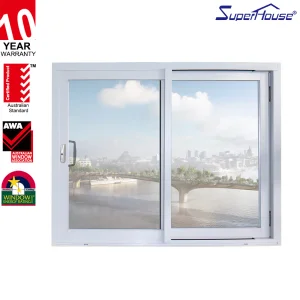
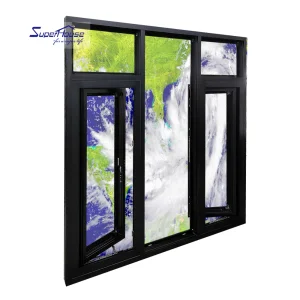
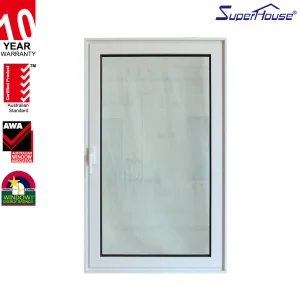
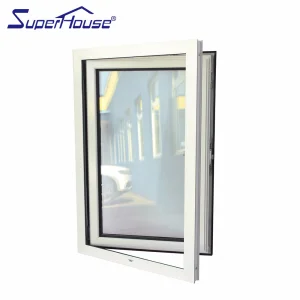
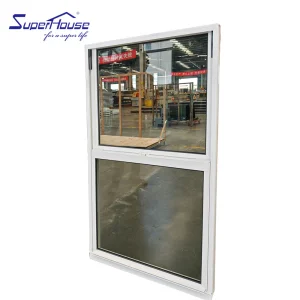
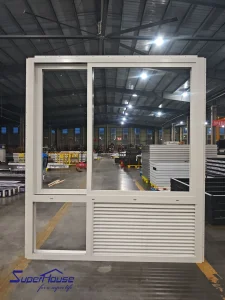
Explore our full line of specialized thermal-break sliding doors, tilt & turn windows, casements, and heavy-duty building entry solutions.
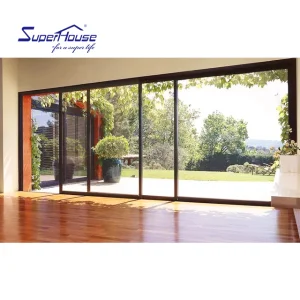
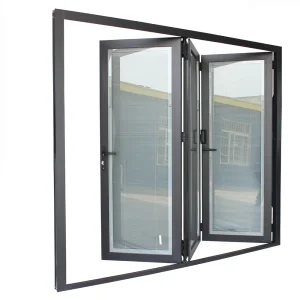
Direct technical guidance for procurement officers, real estate developers, and architectural hardware importers.
Low-Emissivity (Low-E) glass features a microscopic metallic coating that reflects long-wave thermal infrared radiation while letting short-wave visible light through. In front doors—which often serve as major architectural focal points—Low-E glass reduces solar heat gain in summer by up to 64% and prevents interior furnace heat from leaking in winter. This lowers annual HVAC energy costs and ensures compliance with building energy codes such as Energy Star in North America and NCC in Australia.
As a direct manufacturer, we offer extensive OEM and private-label customization options, including custom aluminum profile frame depths (ranging from 60mm to 150mm), thermally broken extrusion profiles (PA66 polyamide isolators), double/triple glazing options, customized Low-E solar coatings (single, double, or triple silver), powder-coated or fluorocarbon finishes (AAMA 2604/2605 compliant), integrated smart lock prep, and decorative grill/lattice designs.
We employ a 22-inspector quality control team enforcing a systematic IQC-IPQC-FQC protocol across our 12,000 m² production facility. Every door lot undergoes dimensional tolerance checks (±0.5mm), corner joint pull testing, thermal conductivity verification, air tightness testing, and salt-spray corrosion resistance testing to guarantee long-term durability in coastal or extreme temperature environments.
Our products are engineered to conform to primary international export certifications: NFRC and Energy Star for North America, AS2047 and AS1288 for Australia and New Zealand, and CE Marking (EN 14351-1) for Europe. Full test report documentation can be provided during order contract execution.
We use a multi-layer protective export packaging system: 1) Surface protective film on aluminum profiles, 2) Corner guard bumpers, 3) EPE foam wrapping, 4) Fully enclosed reinforced plywood crates (fumigation-free) with steel strapping. This ensures zero glass breakage and zero frame scratching during multi-modal ocean and inland transit.
 Primeval Doors