Engineered for High-Rise Commercial Projects, Luxury Hospitality, and Extreme Weather Zones
Analysis of Structural Performance, Thermal Optimization, and International Building Code Compliance
The global commercial and high-density residential building envelope market is undergoing a paradigm shift driven by stringent decarbonization mandates, evolving structural engineering requirements, and modern architectural aesthetics. As high-rise residential towers, luxury hospitality developments, and commercial storefronts expand across coastal and urban environments, the demand for precision-engineered aluminum sliding windows has escalated exponentially.
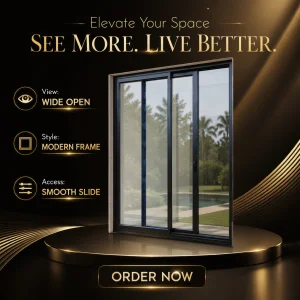
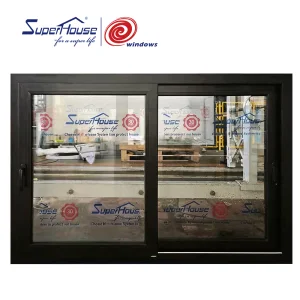
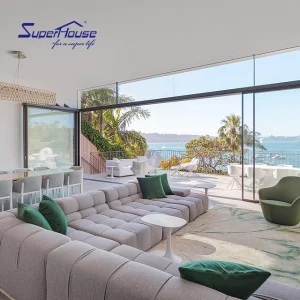
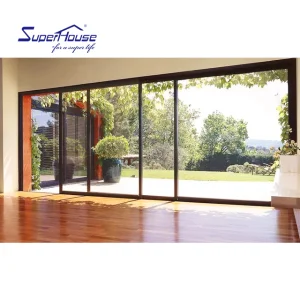
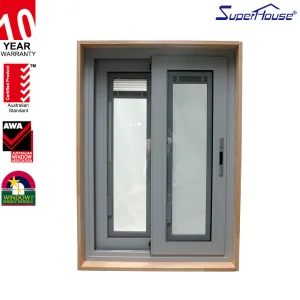
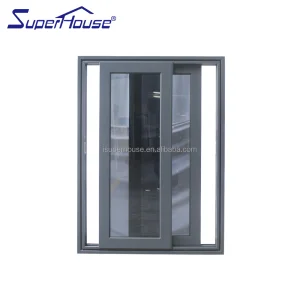
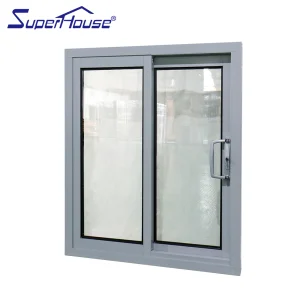
Modern architecture demands expansive structural glass panels with minimal visible profile frames. Our thermal break aluminum sliding window systems are rated for high DP (Design Pressure) values, capable of enduring extreme wind-load forces in excess of 140 mph, fully conforming to Miami-Dade NOA and Australian AS2047 engineering criteria.
Utilizing high-density polyamide (PA66GF25) thermal barriers, low-emissivity (Low-E) double/triple glazing filled with 90%+ Argon gas, and optional capillary equalization tube systems, our products achieve ultra-low U-Factor coefficients down to 0.22, significantly reducing HVAC energy loads.
Multi-point directional locking systems paired with SentryGlas® PVB laminated safety glass deliver acoustic performance exceeding STC 42 rating. Integrated stainless steel mesh screens and anti-lift structural blocks ensure unmatched security against forced entry.
Foshan Primeval Doors Industry Co., Ltd. Enterprise Capacity & Technical Operational Footprint
Established in 2017, Foshan Primeval Doors Industry Co., Ltd. operates from a modern manufacturing facility of 12,000 m². Backed by 11 years of industry engineering experience and 5 years of international export trade, the company generates an annual export revenue of USD 8,500,000.
Quality control is strictly enforced through systematic IQC-IPQC-FQC inspection procedures along with rigorous thermal conductivity and salt-spray corrosion testing. A skilled QC team of 22 inspectors oversees every step of the production process. Supported by 420 trusted supply chain partners, our trade background covers direct OEM export and private-label customization, serving primary markets in Australia, New Zealand, and North America.
Our client base consists mainly of residential building supply importers, architectural designers, and regional wholesalers. Driven by continuous innovation, our R&D group of 38 engineers introduced 75 new entry door and window products last year. Customization options include custom frame depths, double-glazed decorative glass inserts, powder-coated color palettes, and heavy-duty weatherproofing seals.
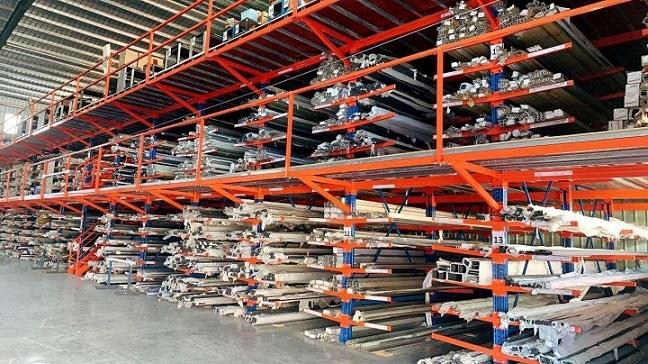 Raw Material
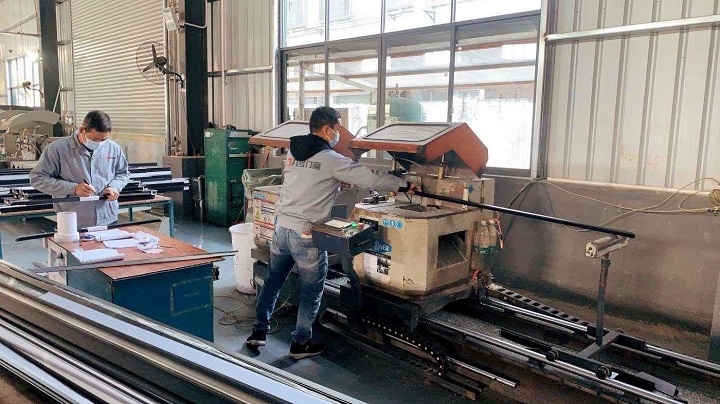 Profile Cutting
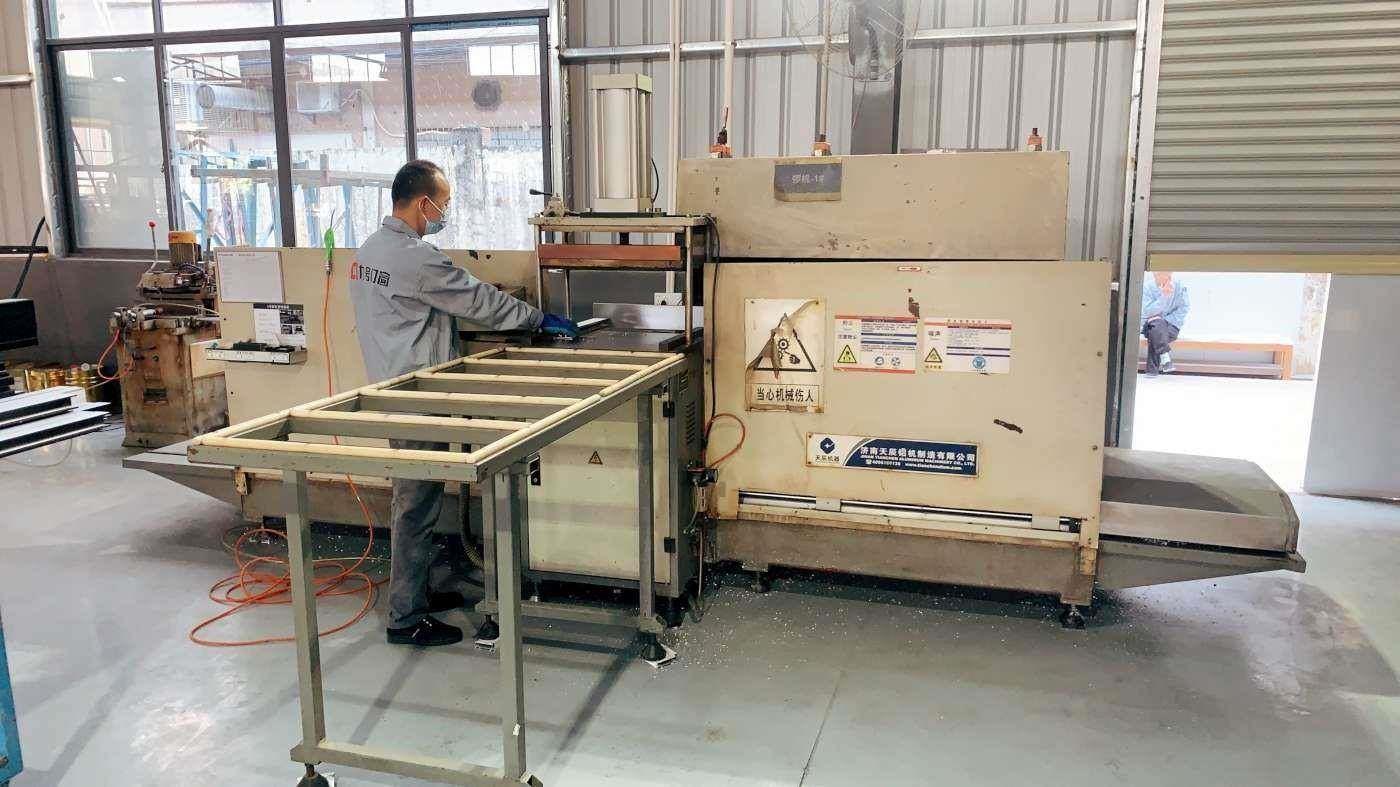 Milling Tenon
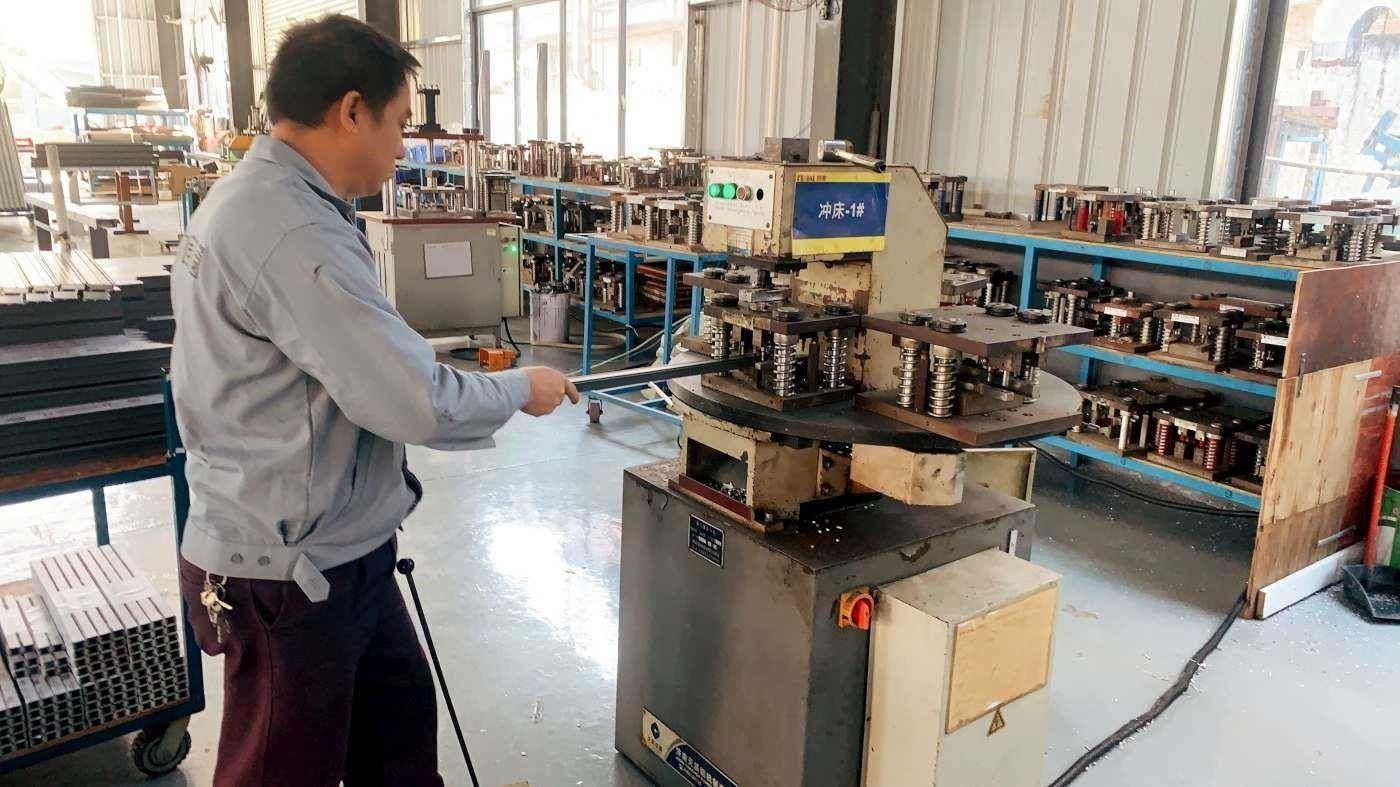 Punching
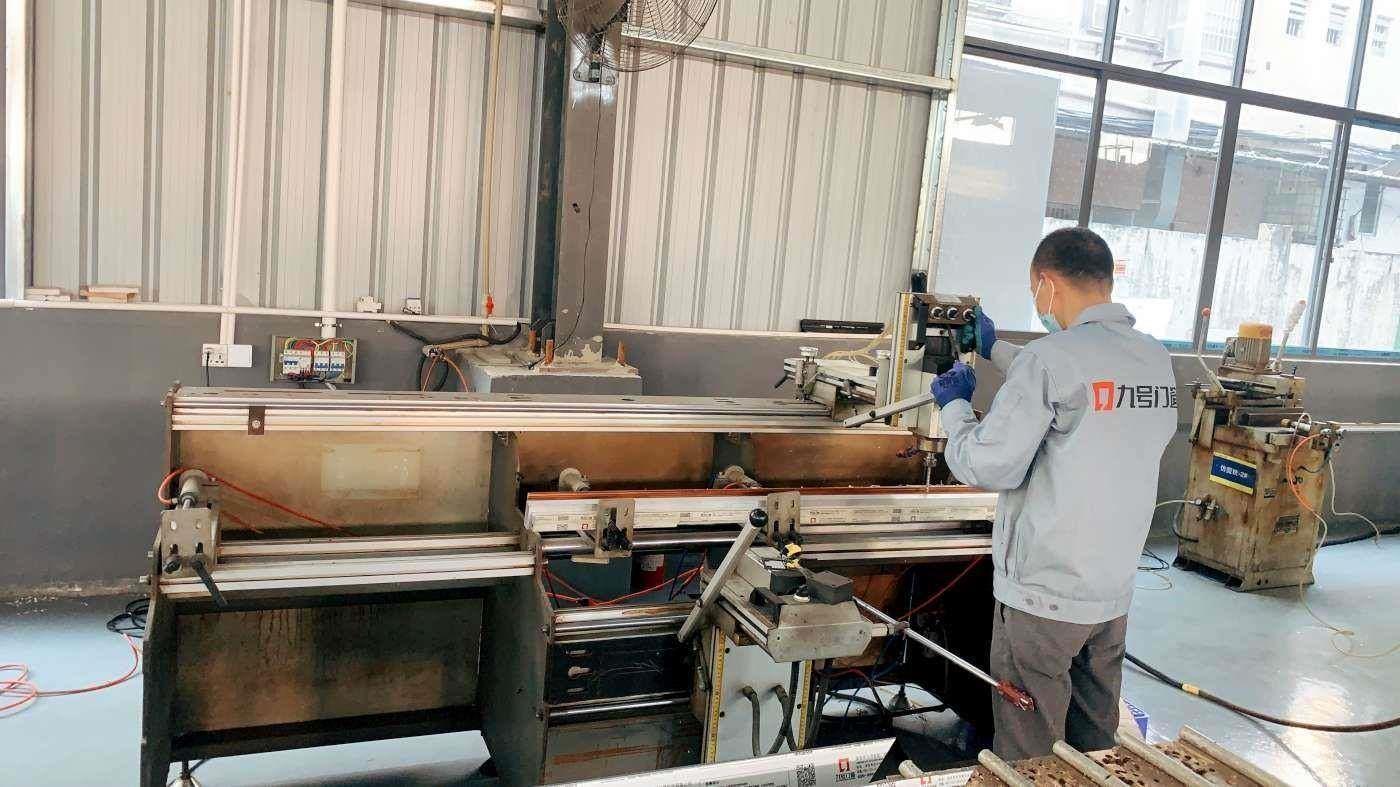 Profile Milling
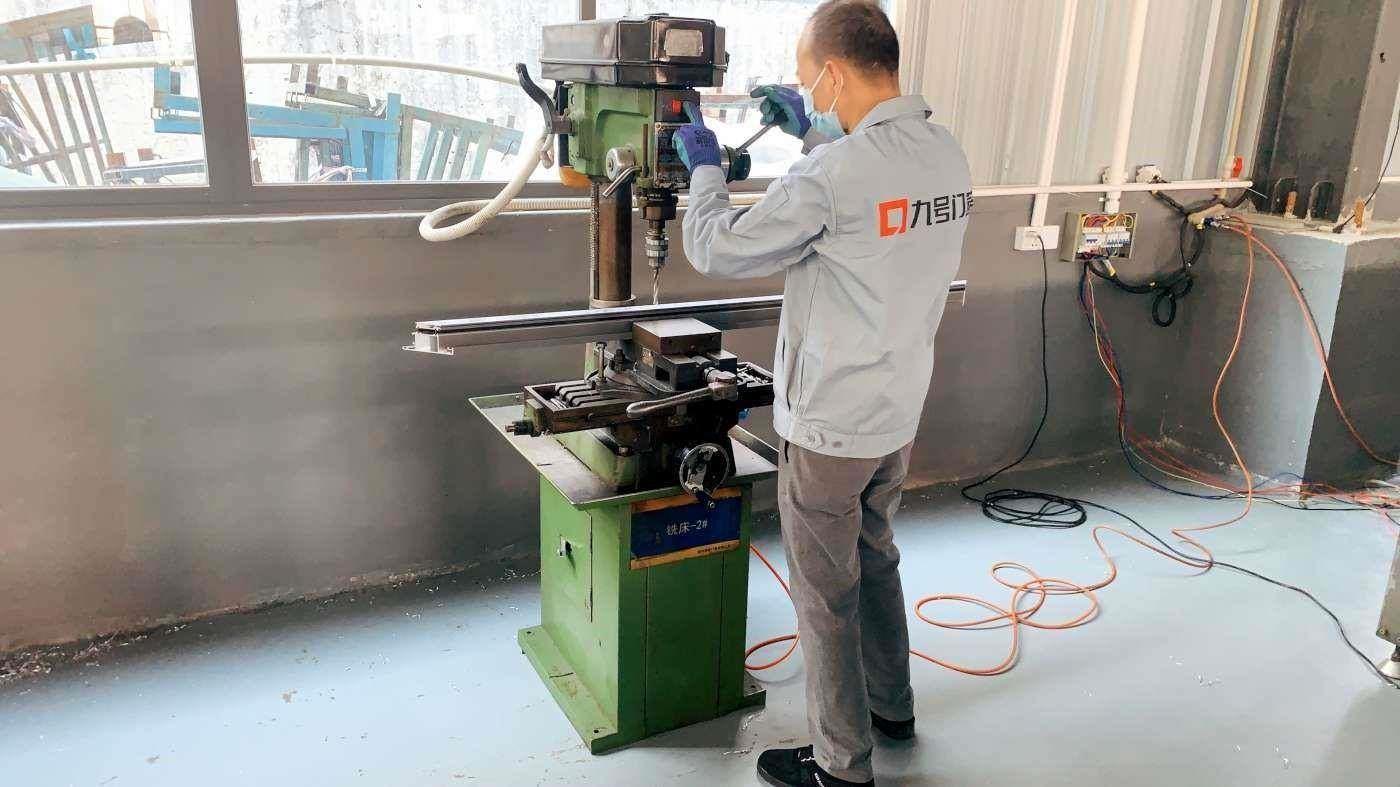 Drilling and Milling of Holes
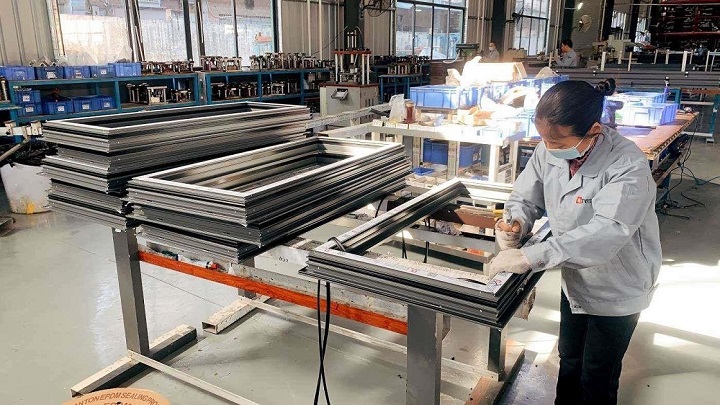 Frame Fan Assembly
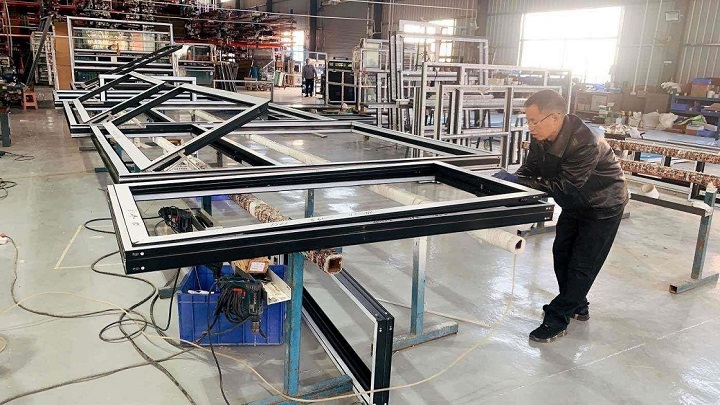 Hardware Assembly
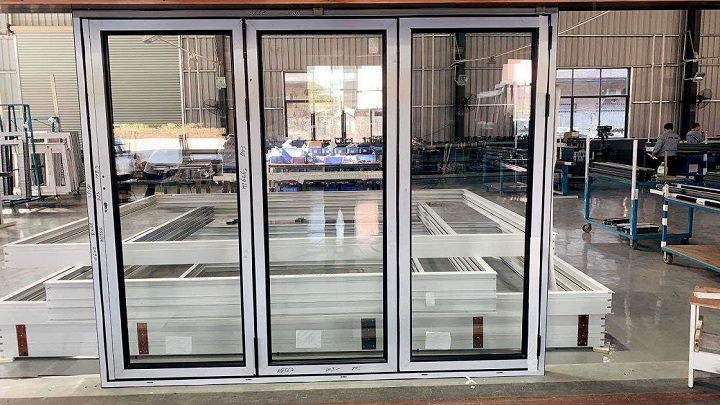 Product Commissioning
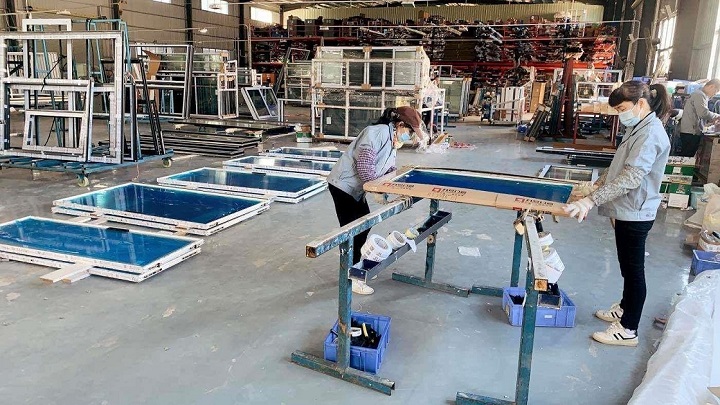 Finished Product Packaging
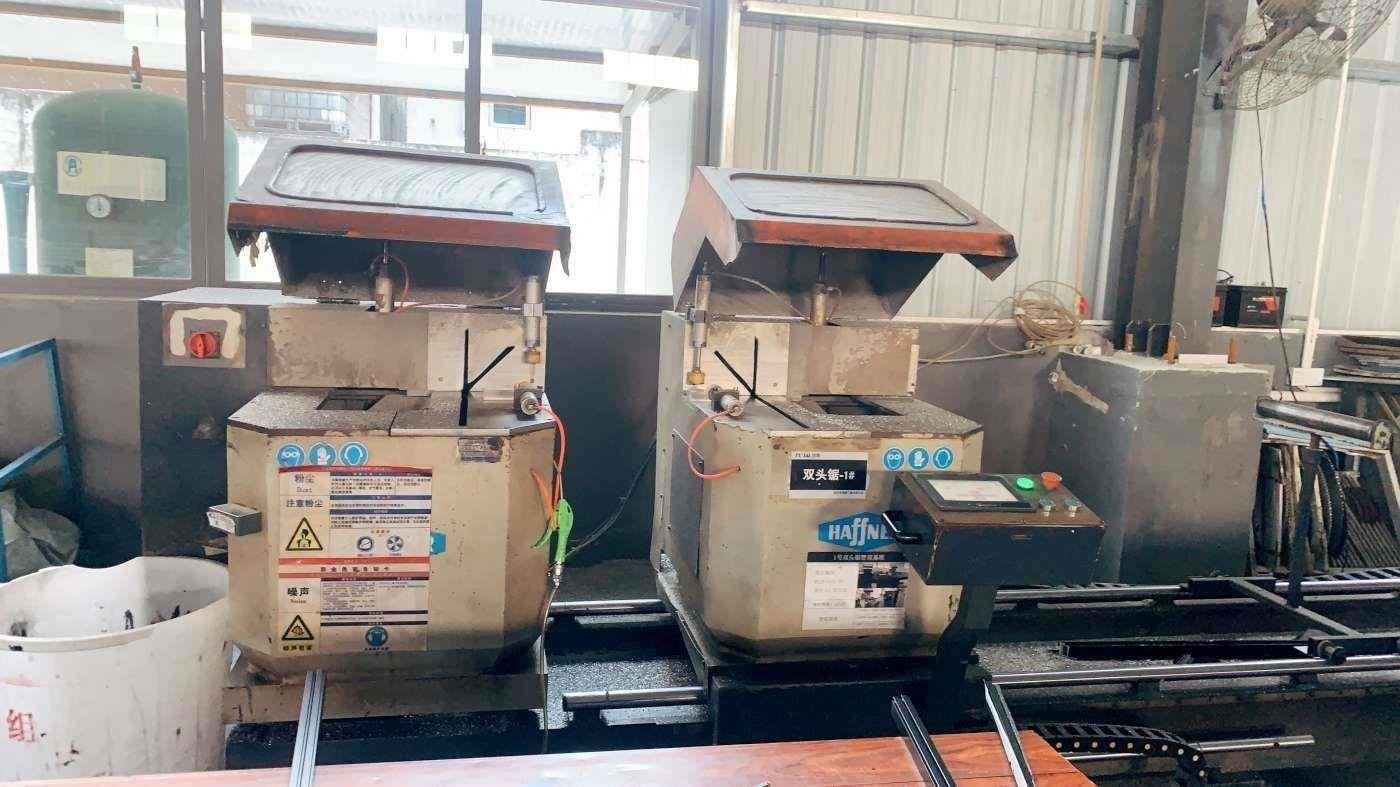 Profile Cutting Machine
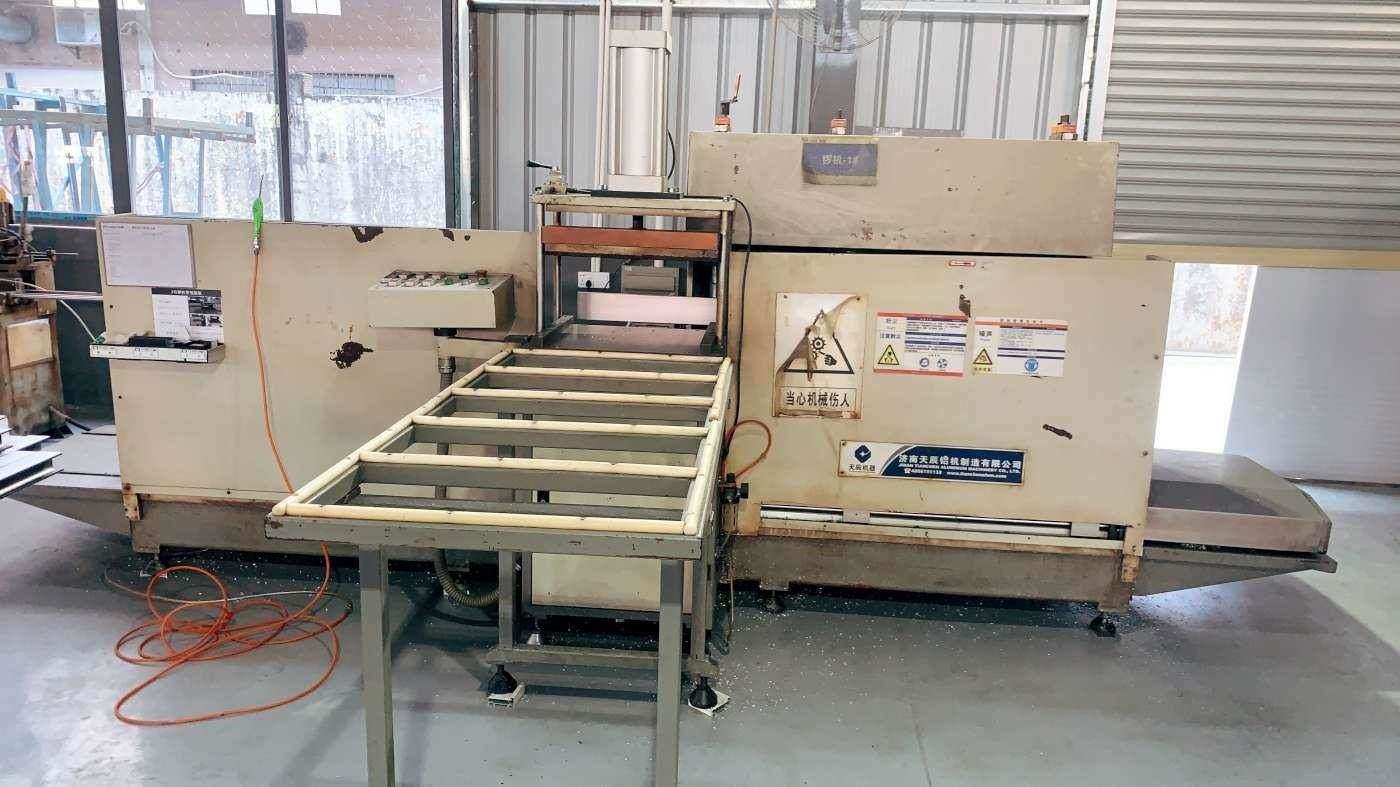 Milling Machine
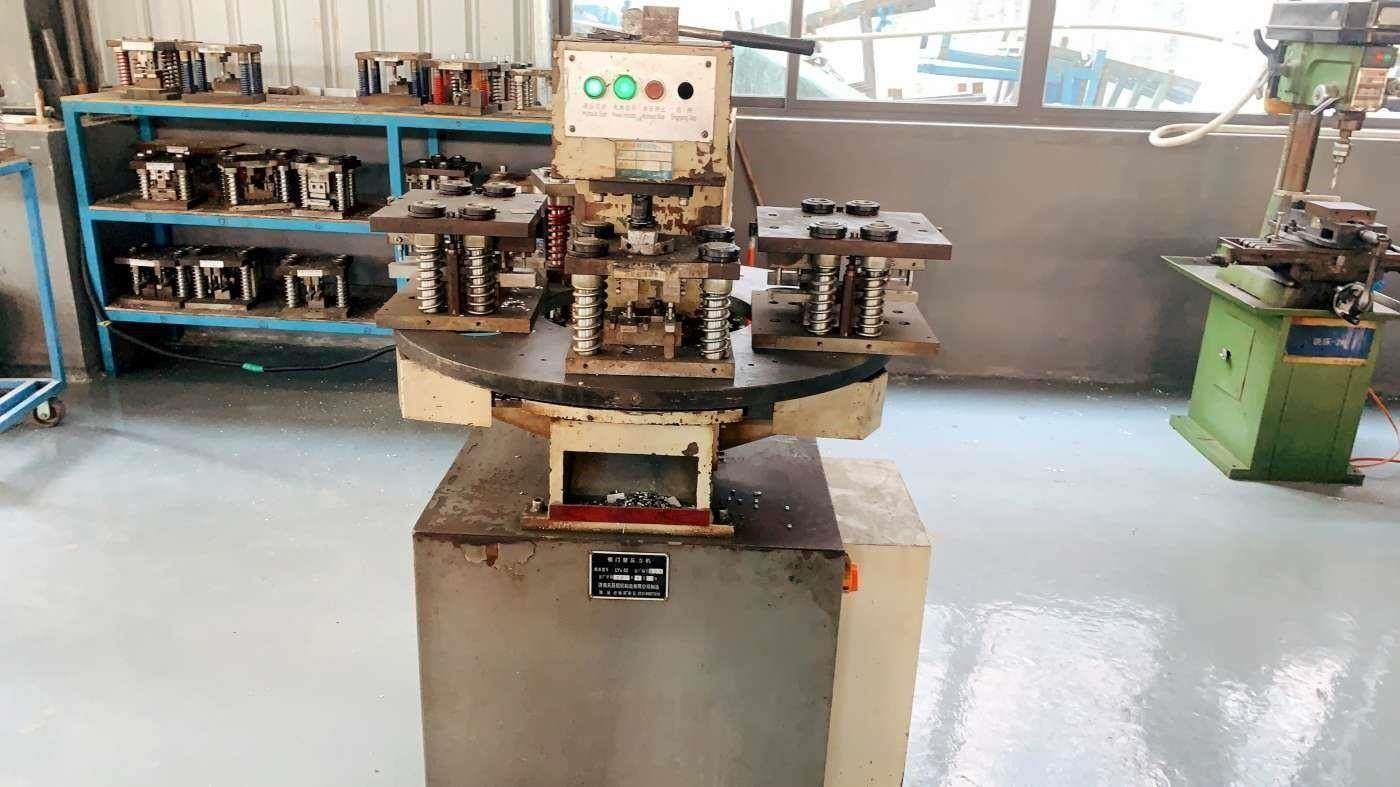 Punching Machine
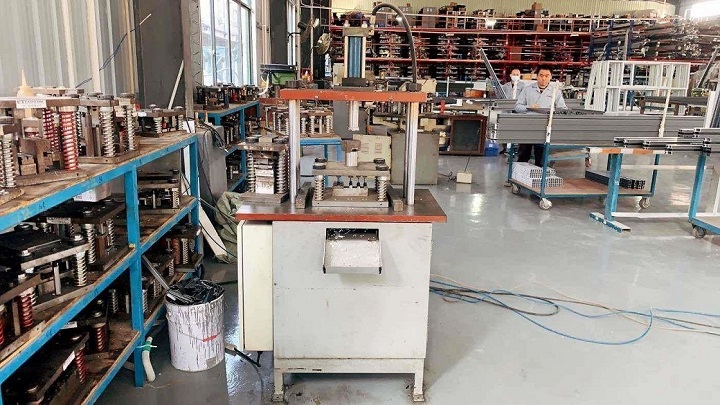 Punching Machine
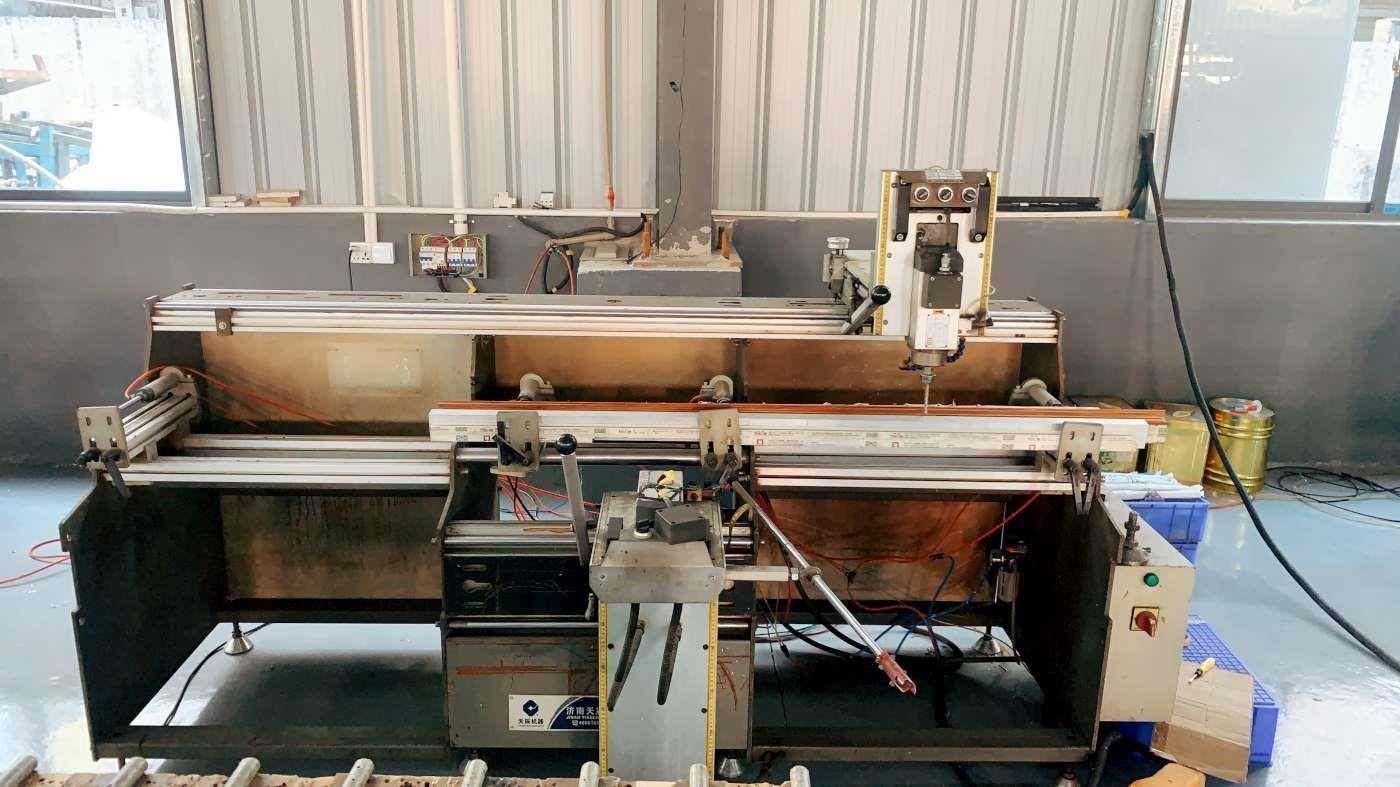 Profile Milling Machine
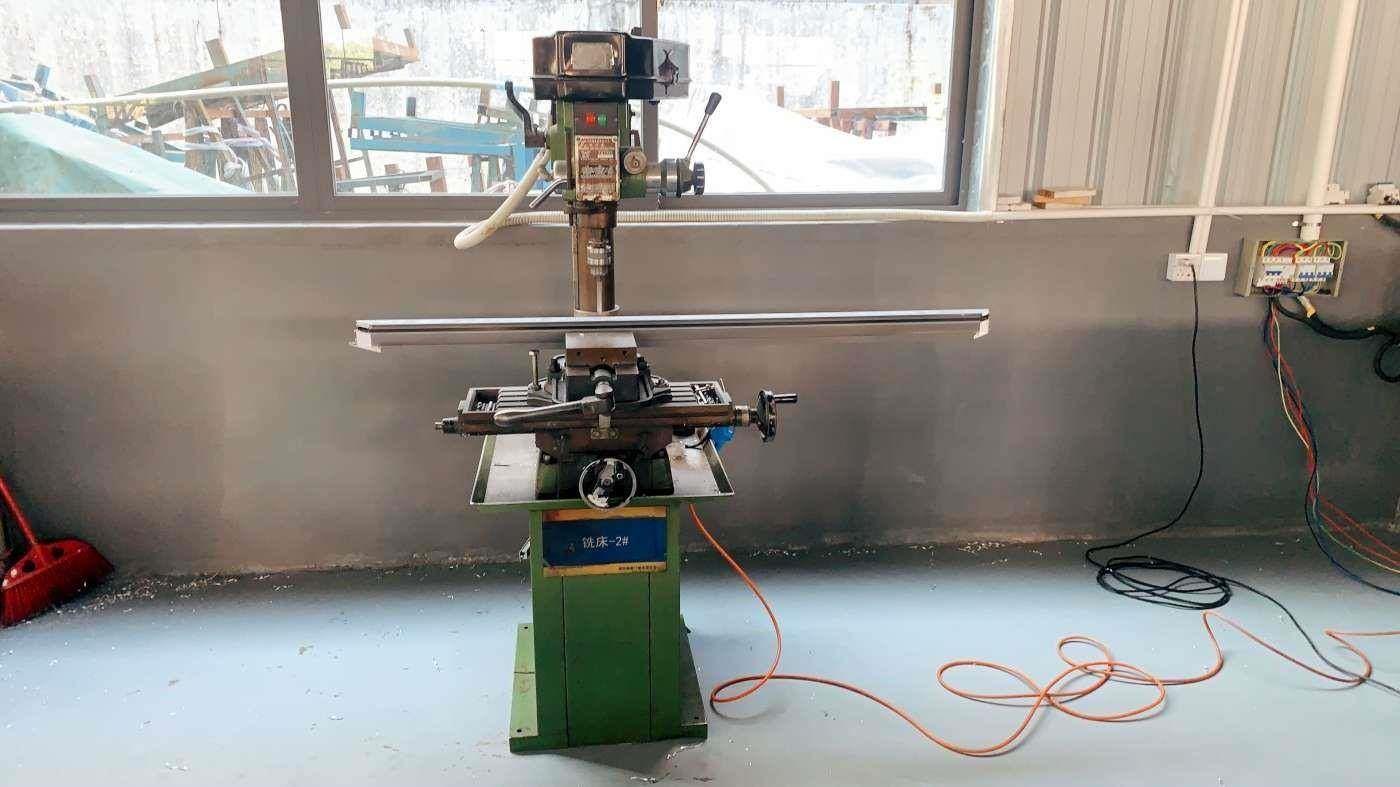 Drilling and Milling Machine
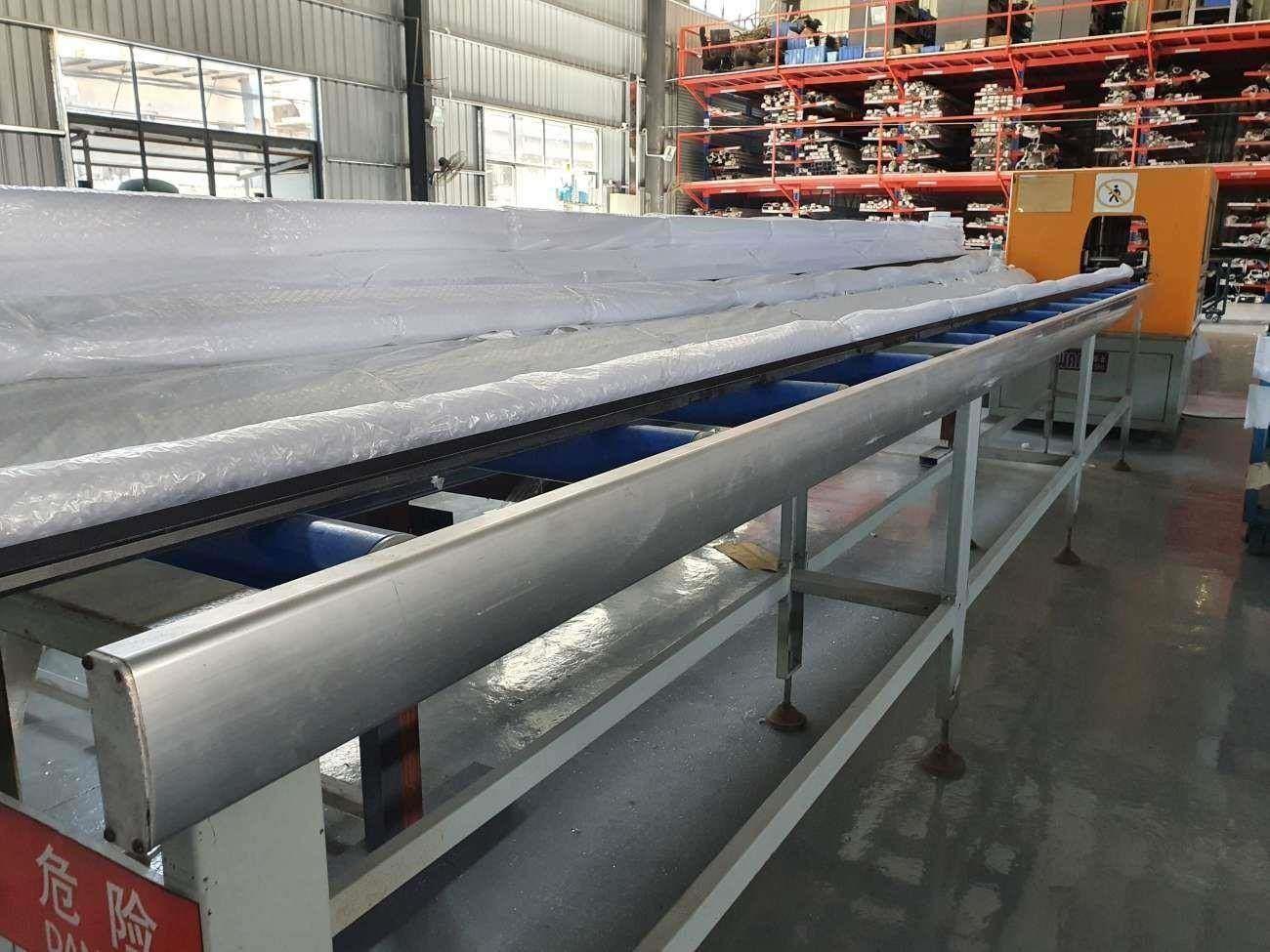 Lattice Machine
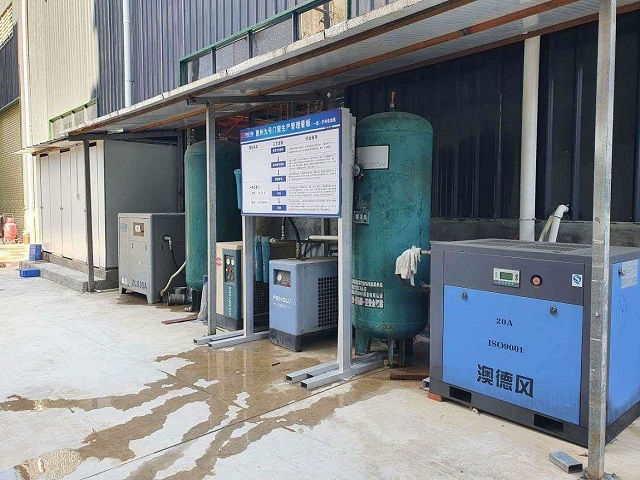 Air Compressor Machine
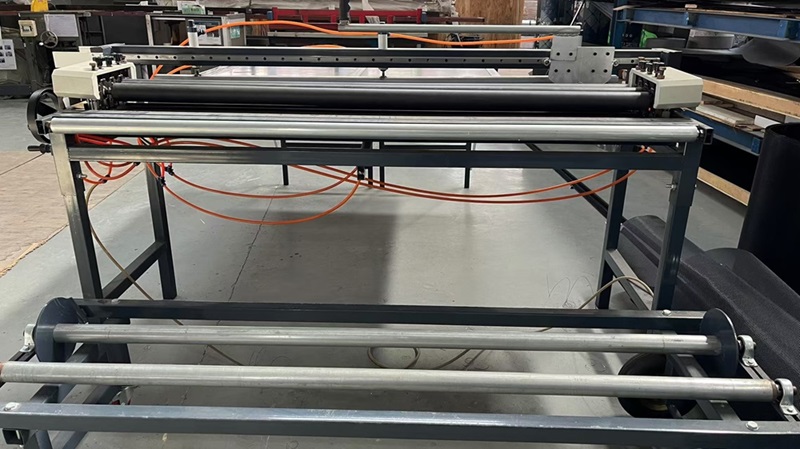 Flat Screen Cutting Machine
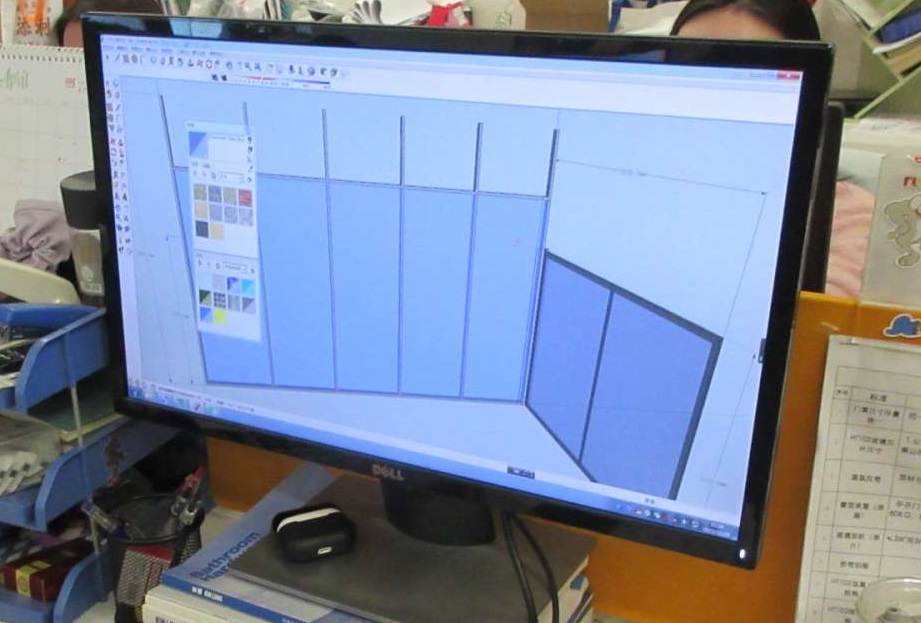 Engineering Drawing Specs
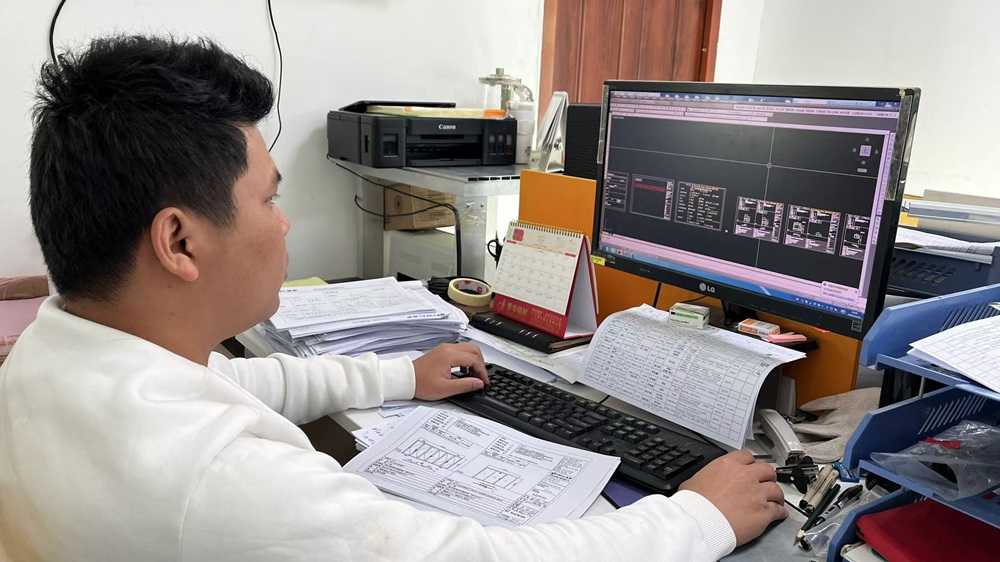 Structural Section Drawing
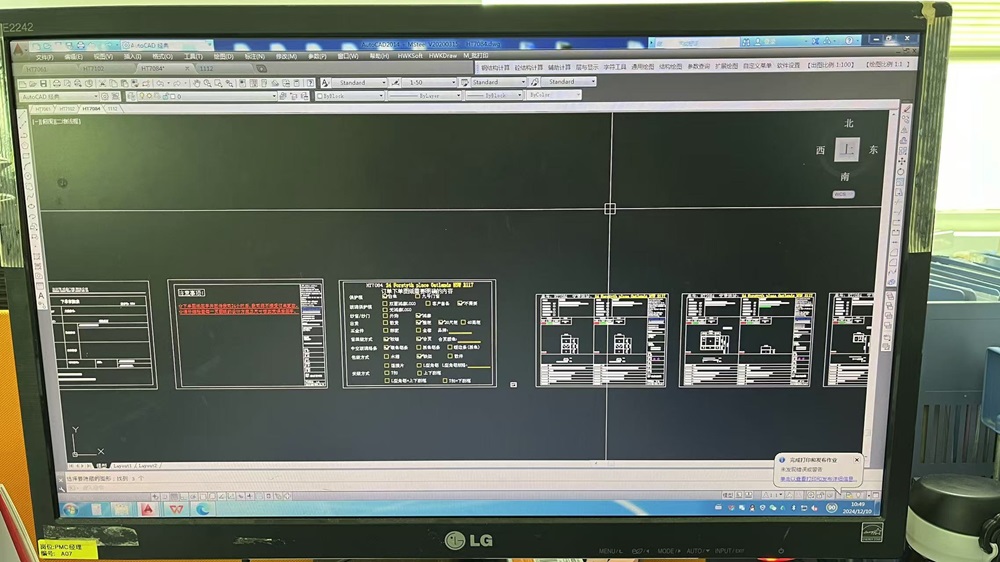 Computer CAD Analysis
Navigating International Building Codes: Standardizing Window Specifications across North America, Australia, and Europe
For US coastal and high-velocity hurricane zones (HVHZ), fenestration systems must undergo stringent cyclic wind pressure and large missile impact testing. Our Miami-Dade certified aluminum sliding windows integrate laminated glass configurations (e.g., 6mm Clear Tempered + 1.52mm PVB/SGP + 6mm Low-E Tempered) to prevent structural envelope breaching under extreme weather events.
Furthermore, National Fenestration Rating Council (NFRC) labeling ensures full compliance with Energy Star requirements, regulating Solar Heat Gain Coefficient (SHGC) and Visible Light Transmittance (VLT).
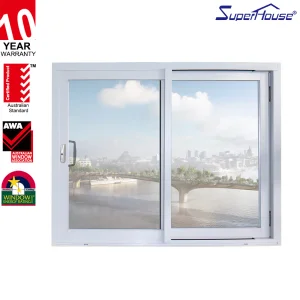
Importers and builders in Australia and New Zealand mandate structural compliance with AS2047 (Windows and External Glazed Doors in Buildings) and safety glazing compliance with AS1288. Our engineered sliding window profiles undergo rigorous deflection testing, water penetration resistance (up to 450Pa to 600Pa water rating), and ultimate strength evaluation.
Equipped with premium powder coating options (AkzoNobel / Dulux marine-grade), our extrusions resist salt-spray corrosion for over 3,000 hours in coastal installations.
Tailored Engineering Solutions for Hospitality, Coastal Condos, and High-Altitude Environments
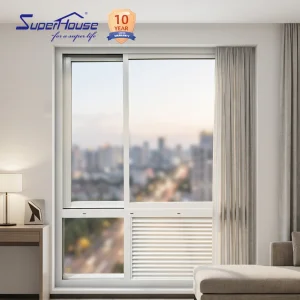
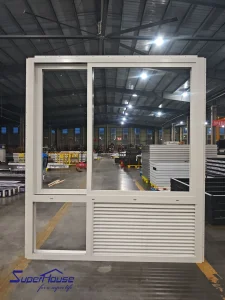
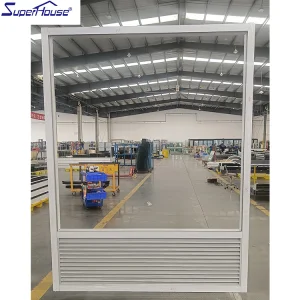
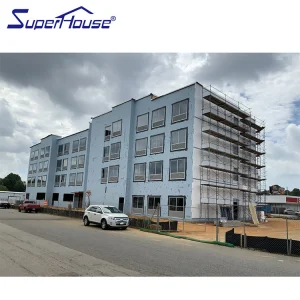
Designed specifically for luxury hotels (e.g., Home2 Suites, Holiday Inn, commercial resort chains), integrating PTAC (Packaged Terminal Air Conditioner) louvers, limit opening restrictors (4-inch safety limiters), and high STC acoustic glazing to deliver silent, climate-controlled guest rooms.
Heavy-duty horizontal sliding and stacker pocket systems providing seamless indoor-outdoor transition. Features multi-lock mechanism handles, sub-frame drainage tracks with heavy-duty weatherstrip seals, and high VLT ultra-clear glass for unobstructed ocean panoramas.
High-elevation projects face atmospheric pressure differentials that can distort insulated glass units (IGUs). Our specialized capillary tube insulated glass units equalize internal gas pressure during transit and installation, preventing glass expansion or implosion while maintaining thermal argon fill integrity.
Explore Extended Technical Configurations, Sub-frame Systems, and Specialty Architectural Glazing
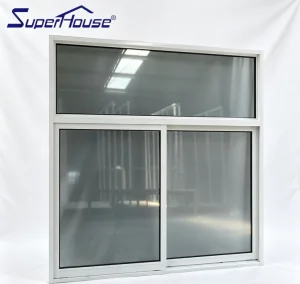
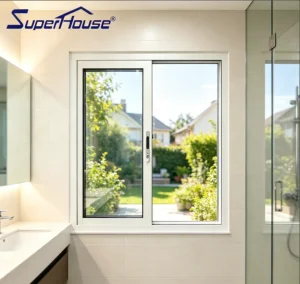
Expert Guidance for Procurement Officers, Structural Engineers, and Commercial Building Developers
Standard aluminum is a highly conductive metal that readily transfers heat and cold. Thermal break aluminum sliding windows feature a structural polyamide (PA66GF25) barrier inserted between the interior and exterior aluminum extrusions. This continuous thermal barrier breaks the heat conduction path, dramatically lowering thermal conductivity (U-Factor), eliminating internal condensation, and improving building energy efficiency by up to 40%.
When insulated glass units (IGUs) are manufactured at sea level and transported to high-altitude job sites (e.g., mountainous regions over 2,500 feet above sea level), the atmospheric pressure drop causes the air or argon inside the glass unit to expand, leading to glass bowing or seal failure. Capillary tubes are small stainless steel breather tubes installed in the IGU seal. Once the windows arrive at the elevation site, technicians seal or allow the capillary tube to continuously equalize pressure, ensuring structural glass flat visual appearance and thermal stability.
Our aluminum sliding window systems are engineered and tested in accordance with top global standards, including North American NFRC and Miami-Dade NOA (Hurricane Impact Rating), Australian AS2047 & AS1288 standards, and NAFS specifications. Detailed test reports and structural calculations are provided for project engineering approval.
Yes. Commercial hotel projects frequently require integrated PTAC (Packaged Terminal Air Conditioner) louvers beneath the window unit. Foshan Primeval custom-engineers sub-frames that accommodate PTAC units alongside code-compliant egress opening sizes, multi-point locks, anti-pinch guards, and restricted 4-inch limiters for child safety.
Standard production lead time ranges from 25 to 35 days post structural shop drawing approval and deposit receipt. For large enterprise projects requiring custom extrusion die tooling, sample extrusion testing adds approximately 10–14 days. Our annual export capacity exceeds $8.5M USD, supported by a supply chain network of 420 industrial partners.
 Primeval Doors