NFRC, AS2047, & CE Certified Vinyl & Aluminum Fenestration Systems engineered for high structural integrity and extreme thermal efficiency.
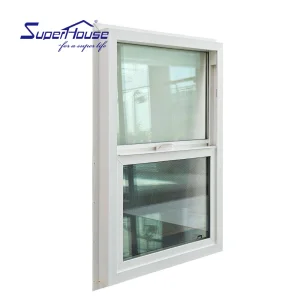
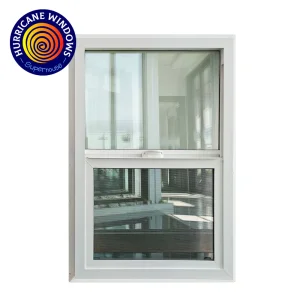
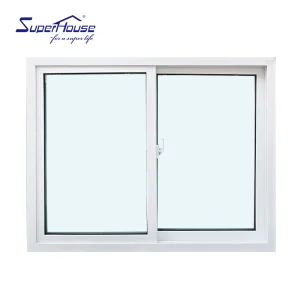
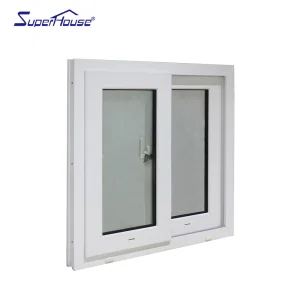
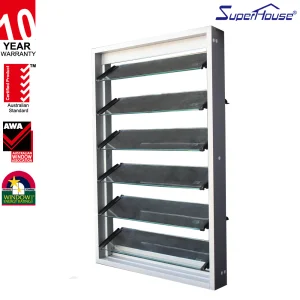
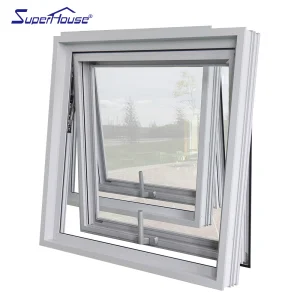
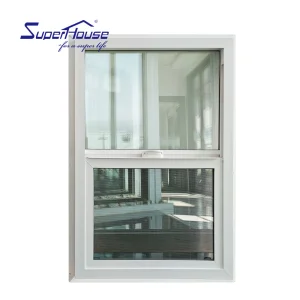
Industrial scale capabilities, stringent quality assurance protocols, and international supply chain governance.
Established in 2017, Foshan Primeval Doors Industry Co., Ltd. operates from a modern manufacturing facility of 12,000 m². Backed by 11 years of industry engineering experience and 5 years of international export trade, the company generates an annual export revenue of USD 8,500,000.
Quality control is strictly enforced through systematic IQC-IPQC-FQC inspection procedures along with rigorous thermal conductivity and salt-spray corrosion testing. A skilled QC team of 22 inspectors oversees every step of the production process. Supported by 420 trusted supply chain partners, our trade background covers direct OEM export and private-label customization, serving primary markets in Australia, New Zealand, and North America.
Our client base consists mainly of residential building supply importers, architectural designers, and regional wholesalers. Driven by continuous innovation, our R&D group of 38 engineers introduced 75 new entry door products last year. Customization options include custom frame depths, double-glazed decorative glass inserts, powder-coated color palettes, and heavy-duty weatherproofing seals.
An in-depth analysis of high-density unplasticized polyvinyl chloride (uPVC) fenestration systems in modern architectural decarbonization.
The global architectural fenestration market is undergoing a structural transition toward energy-efficient material science. Vinyl (uPVC) windows and doors have emerged as the primary standard across North America, Europe, and Oceania. This shift is driven by stringent thermal transmission mandates (such as ENERGY STAR 7.0 in North America and Section J requirements of the National Construction Code in Australia).
Unlike traditional aluminum frames that require complex thermal breaks to mitigate conductivity, unplasticized PVC profiles inherently possess an ultra-low thermal conductivity coefficient ($\lambda \approx 0.15\text{ W/m}\cdot\text{K}$). This material advantage drastically reduces operational HVAC energy loads, making vinyl profiles the preferred structural vector for Net-Zero Energy Buildings (NZEB) and Passive House (Passivhaus) certifications worldwide.
Industrial vinyl fenestration profile extrusion relies on precise polymer chemistry. Modern architectural vinyl profiles utilize a high-impact titanium dioxide ($\text{TiO}_2$) stabilized resin formulation, preventing photo-degradation and yellowing under high Solar Ultraviolet Radiation (UV Index 10+ regions).
Furthermore, structural reinforcing chambers inside multi-cavity uPVC extrusions incorporate hot-dip galvanized steel tubes (minimum yield strength $\ge 240\text{ MPa}$). This dynamic hybrid structure combines vinyl's corrosion resistance with steel's bending stiffness, preventing thermal deformation (bowing) even under extreme temperature gradients between internal climate-controlled environments and harsh ambient outdoor climates.
Global export compliance demands rigorous testing against regional climatic stressors. Modern B2B sourcing requires compliance across multiple certification frameworks:
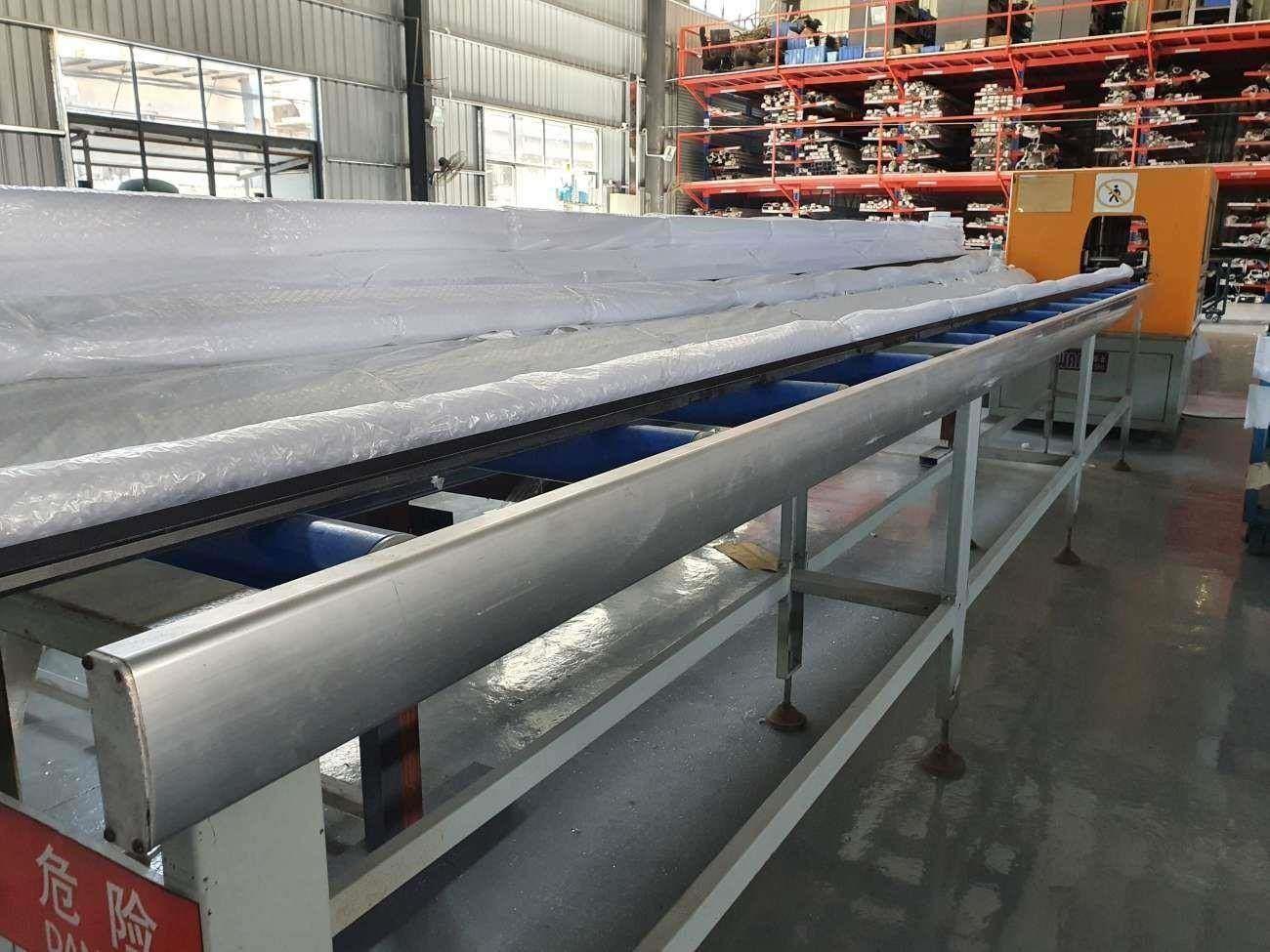
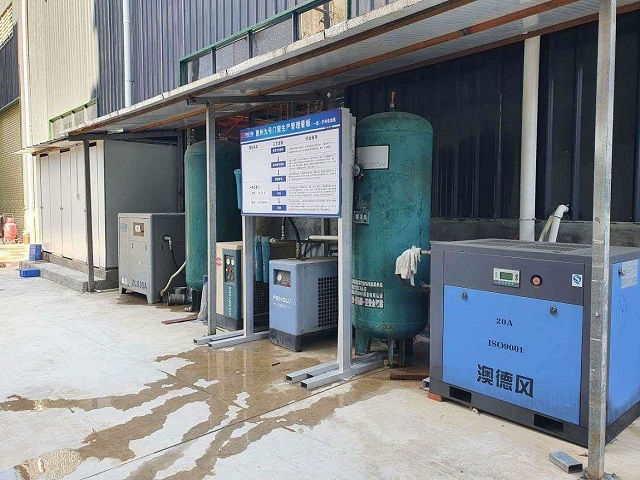
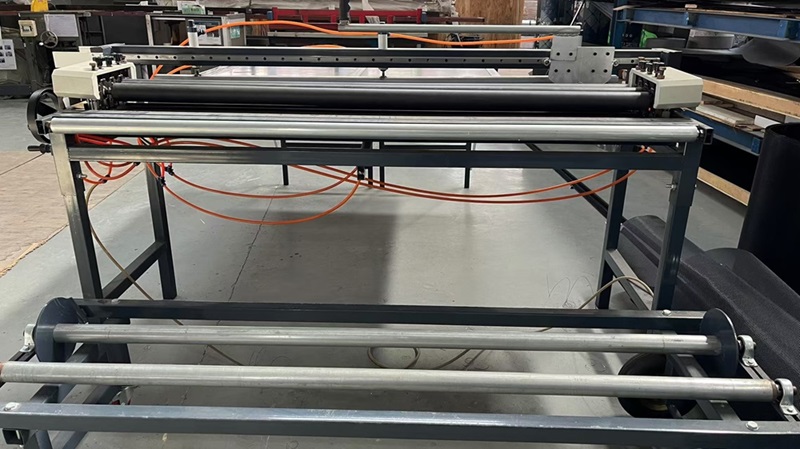
Full-spectrum inline fabrication process monitored by 22 certified quality control inspectors across 10 essential stages.
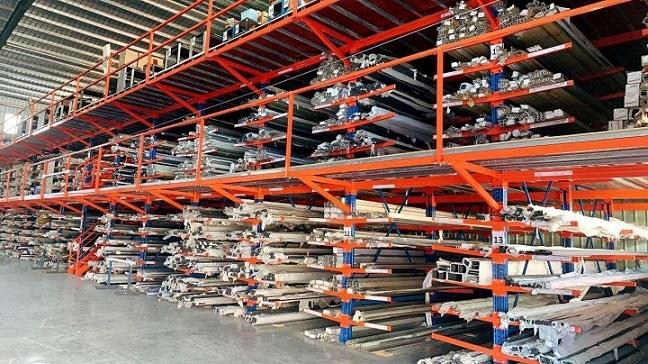
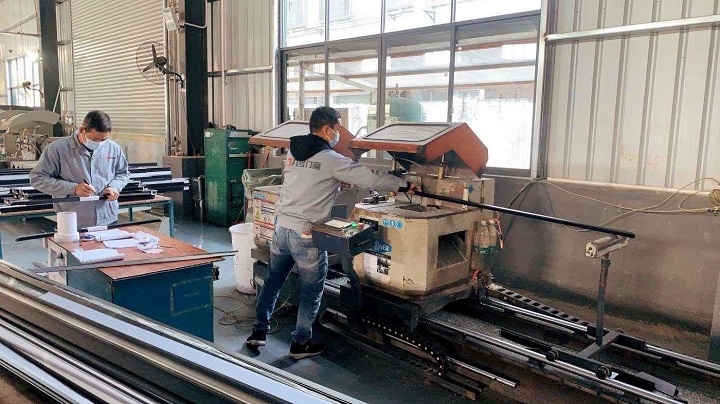
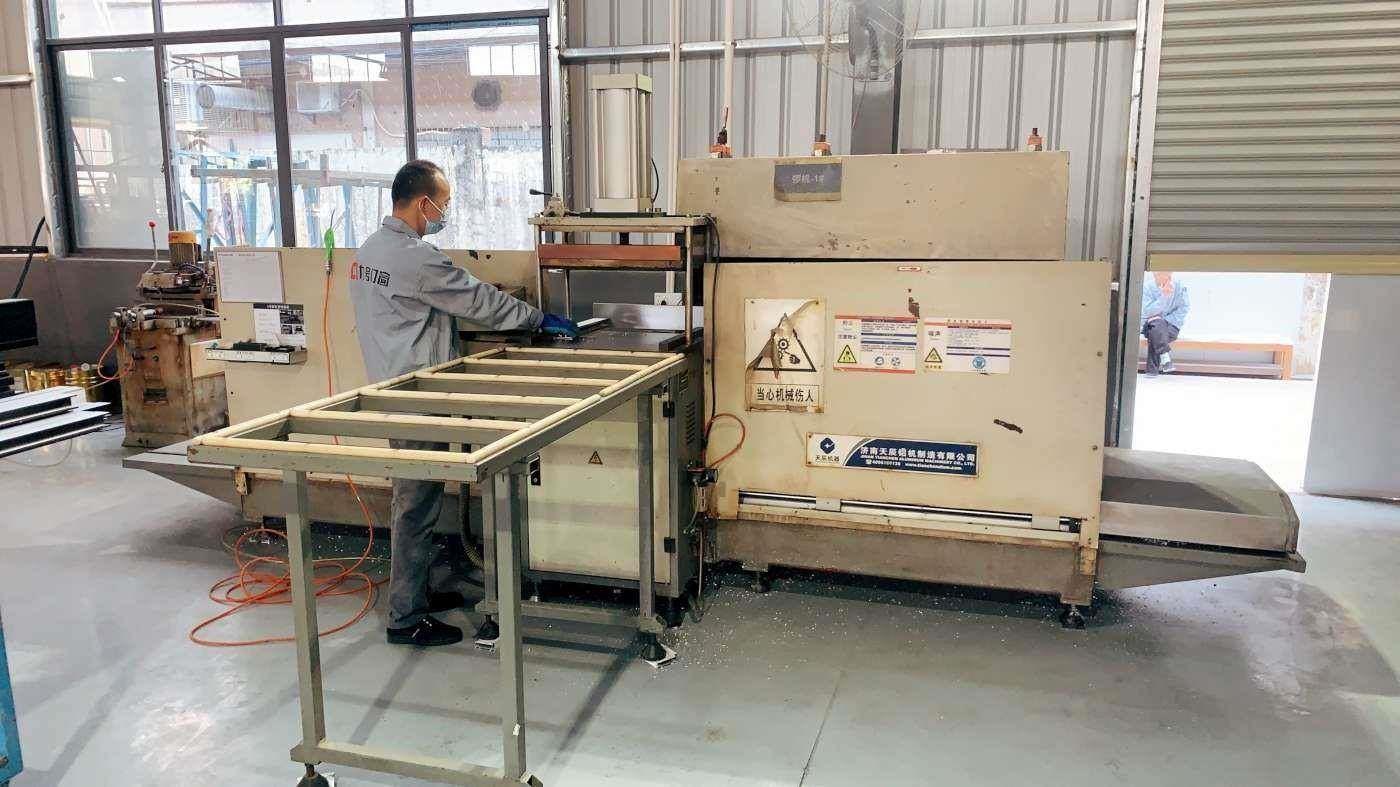
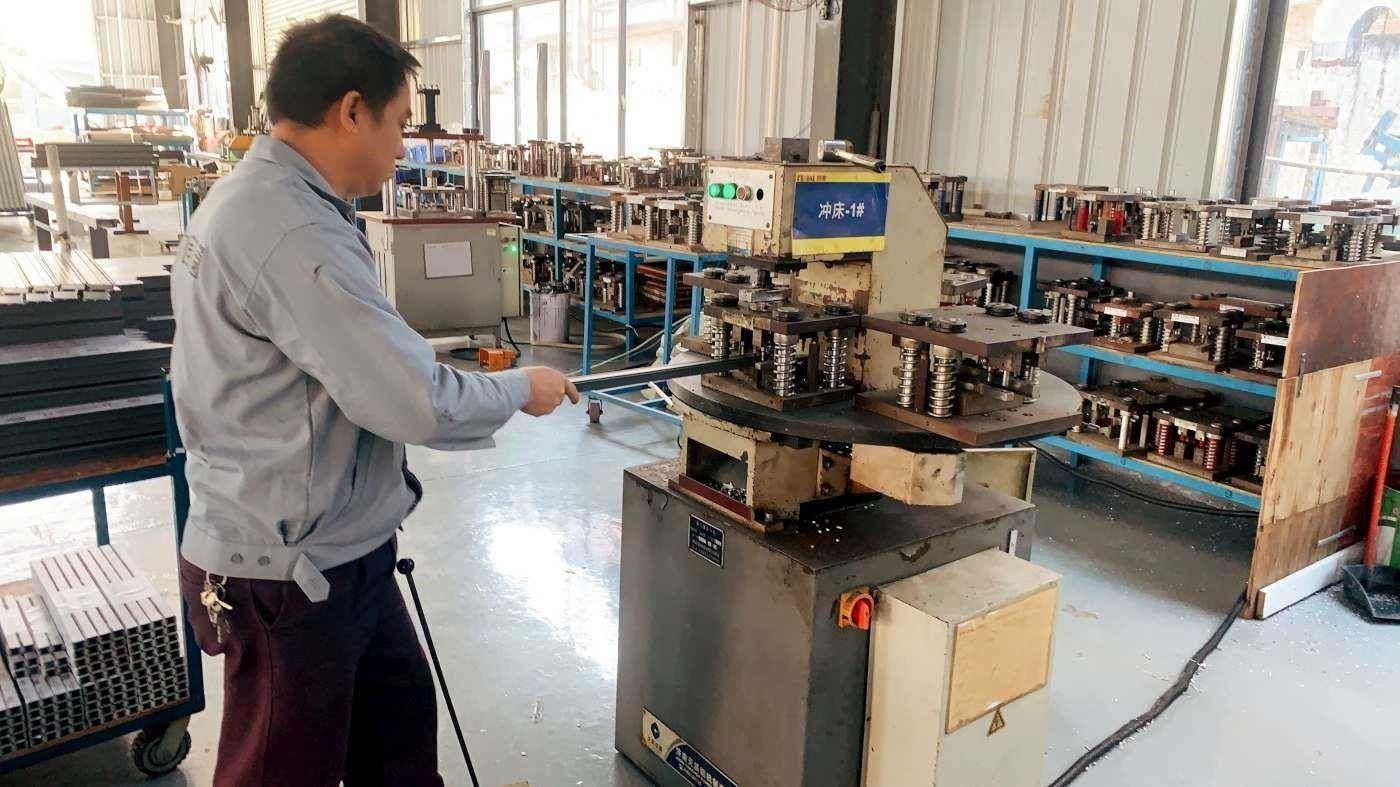
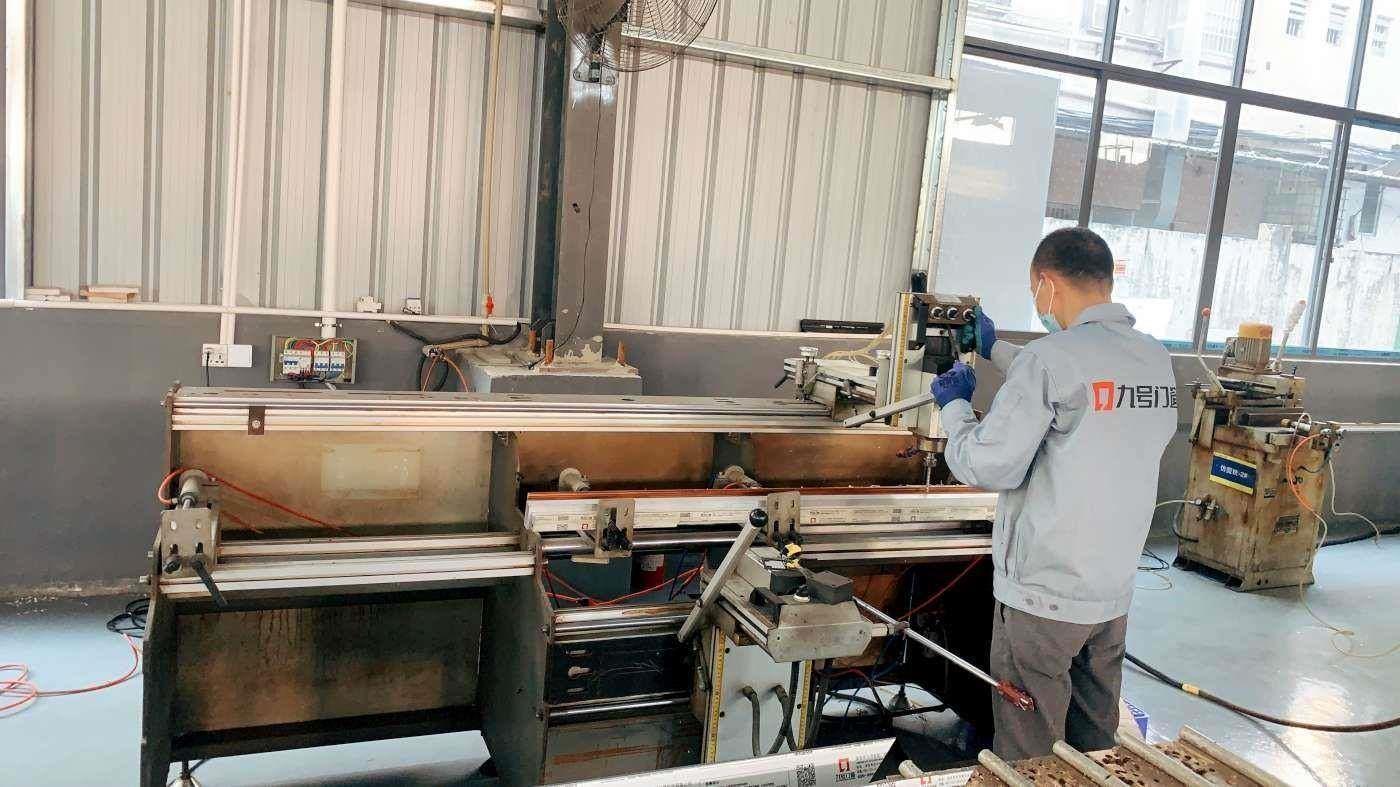
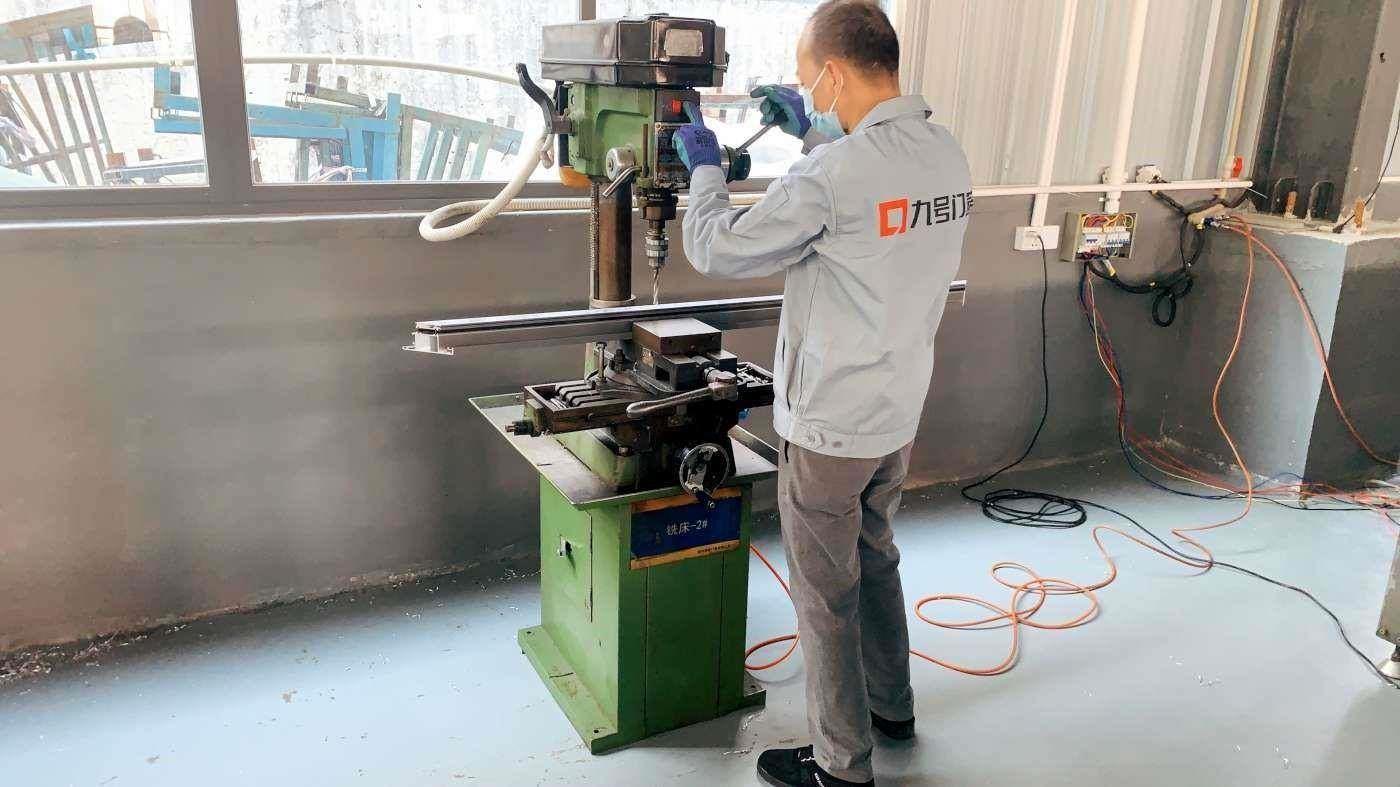
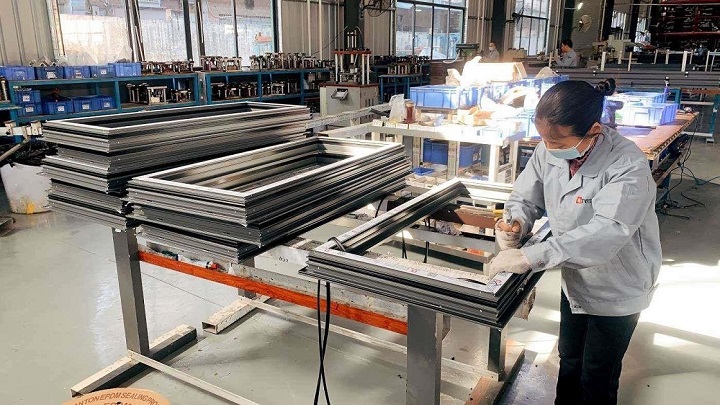
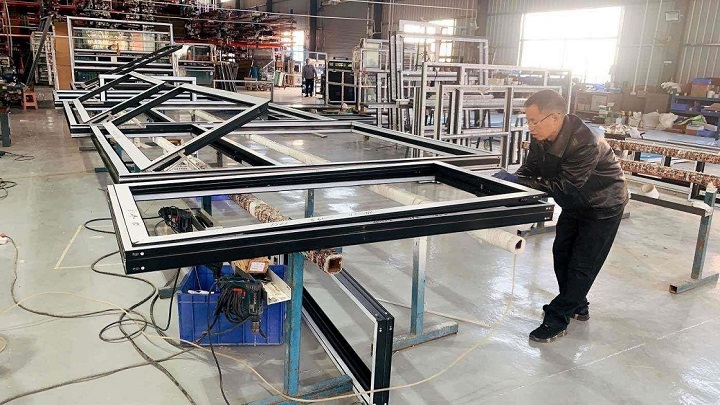
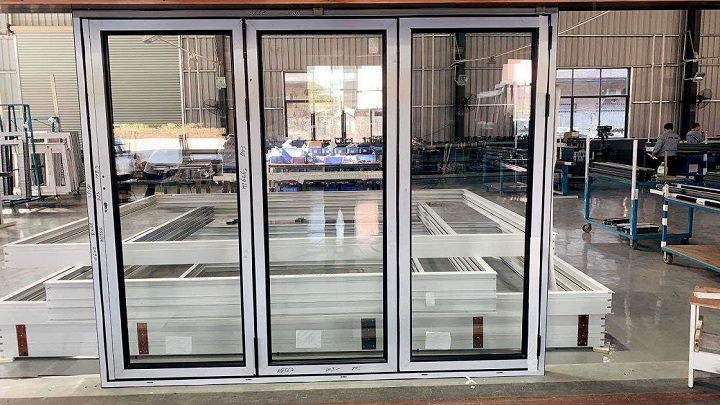
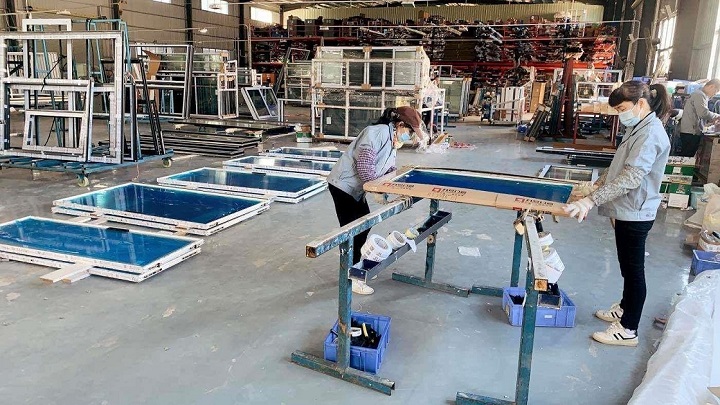
High-precision automated CNC tooling guaranteeing dimensional tolerance within ±0.5mm across all production runs.
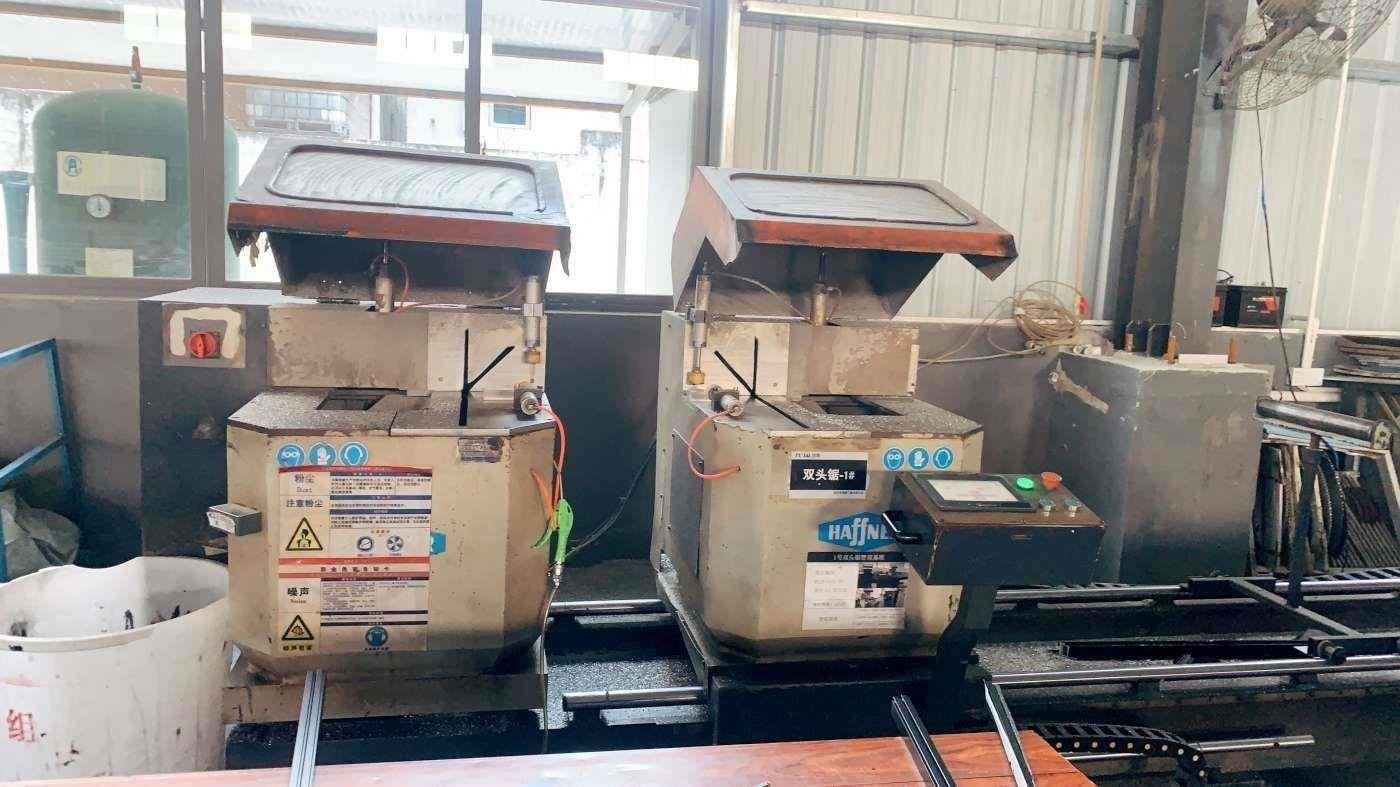
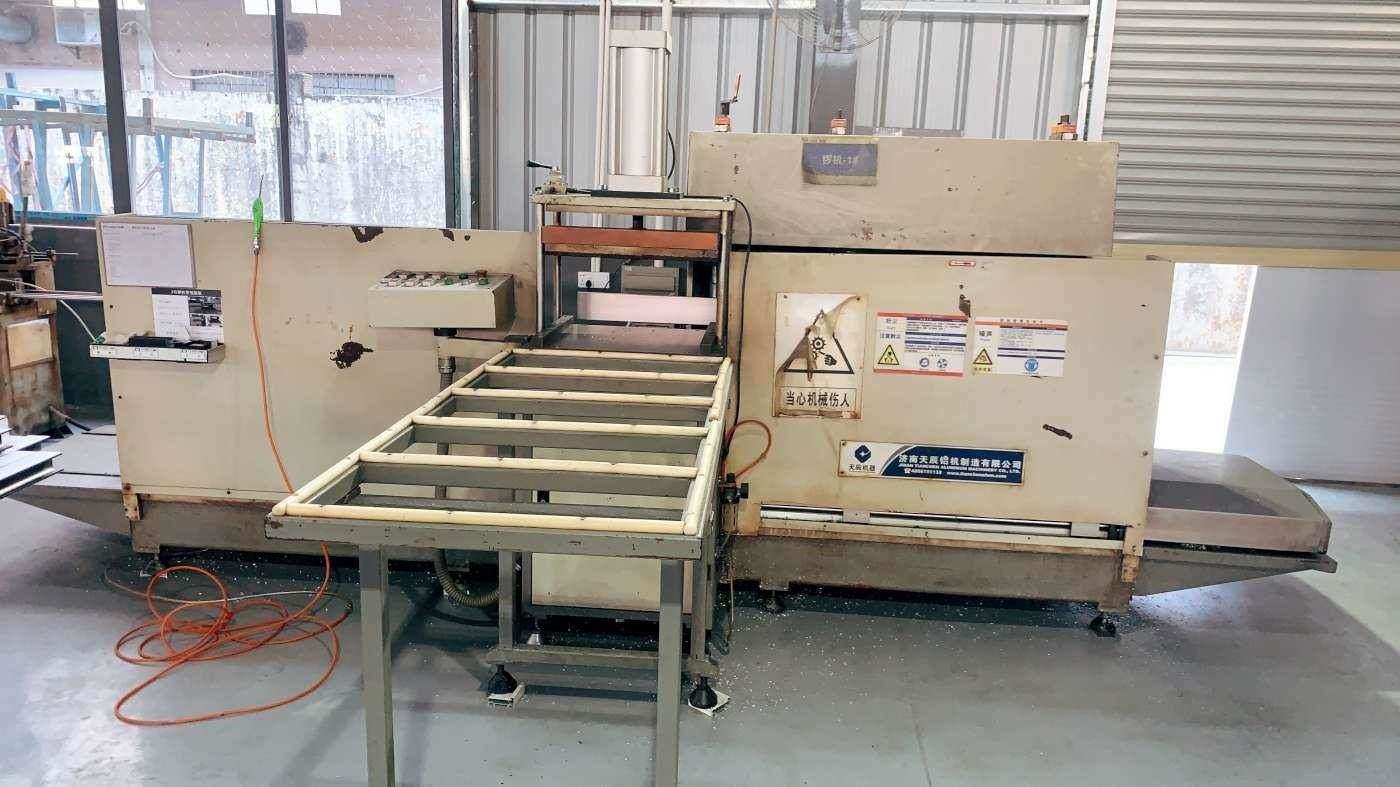
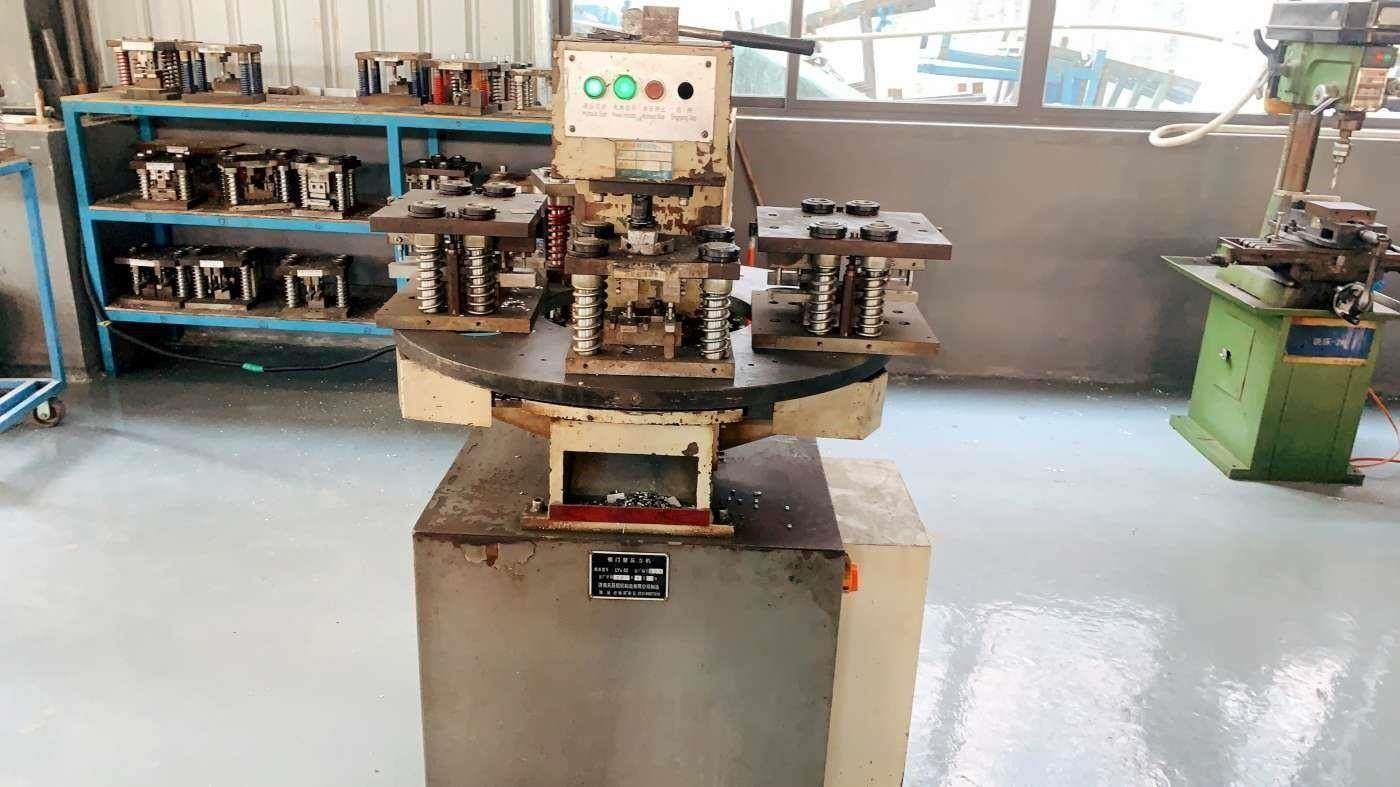
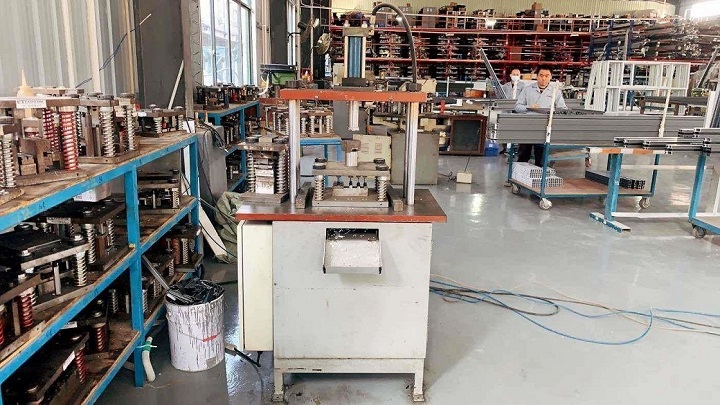
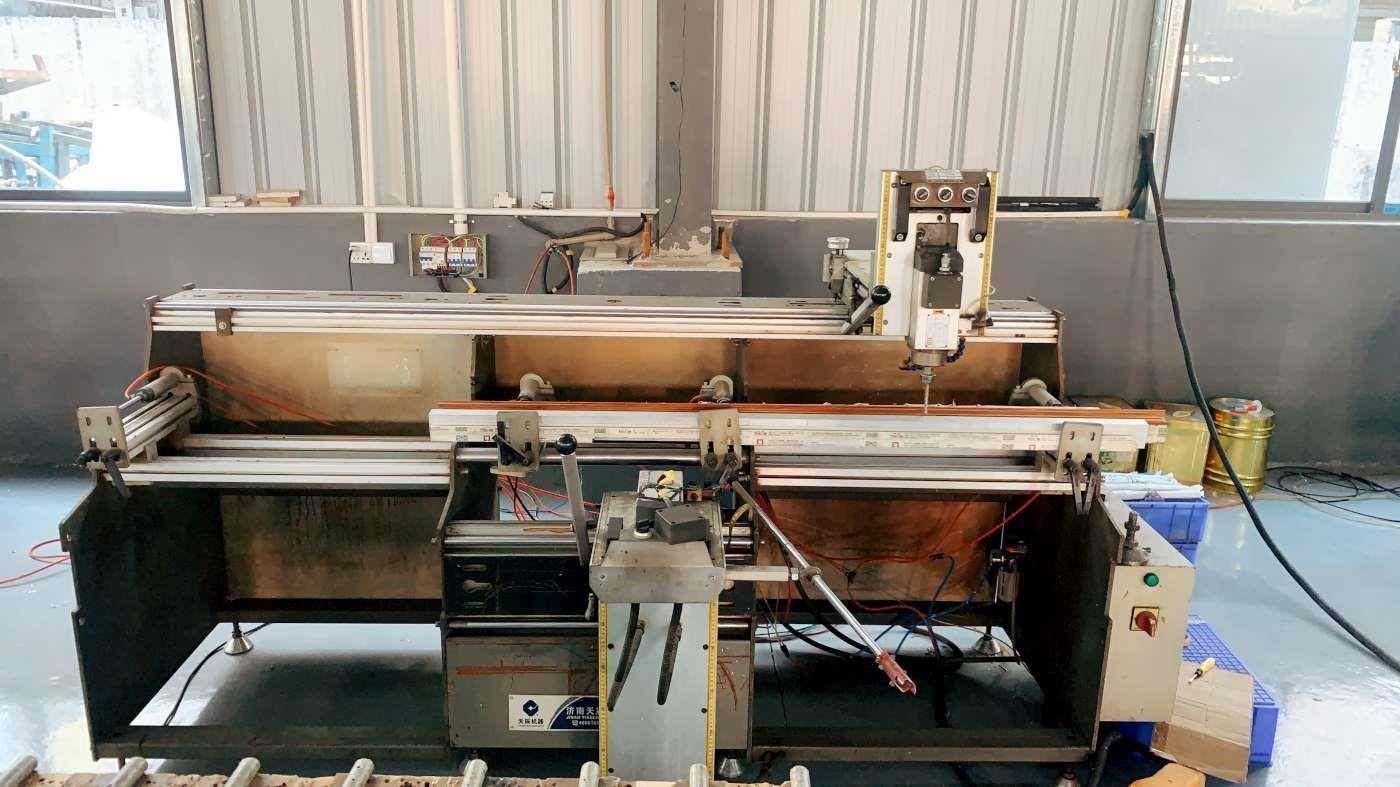
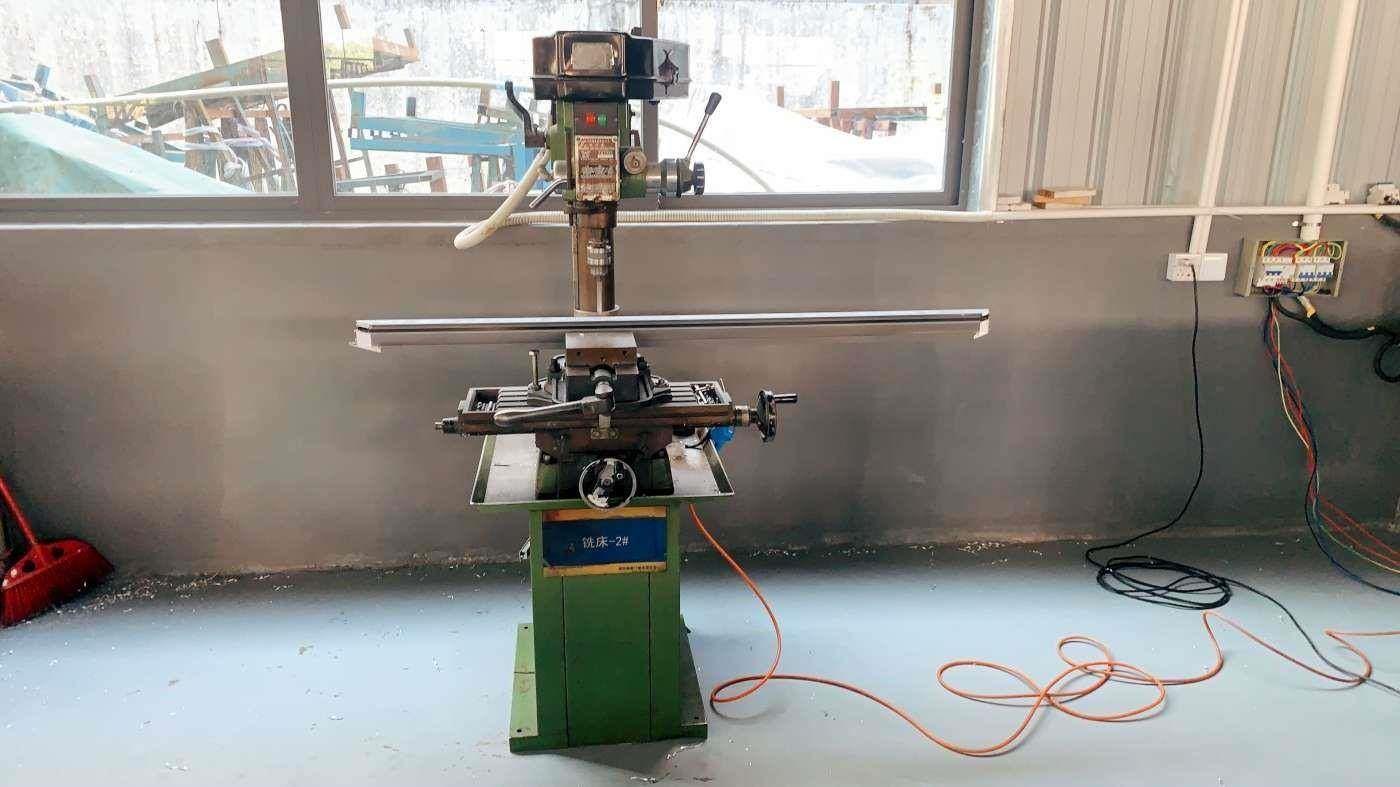
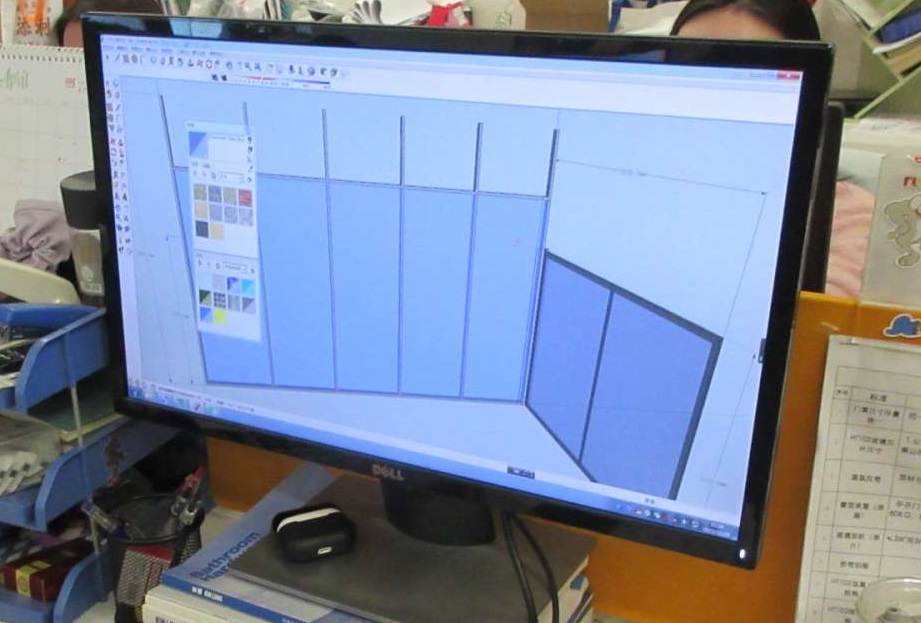
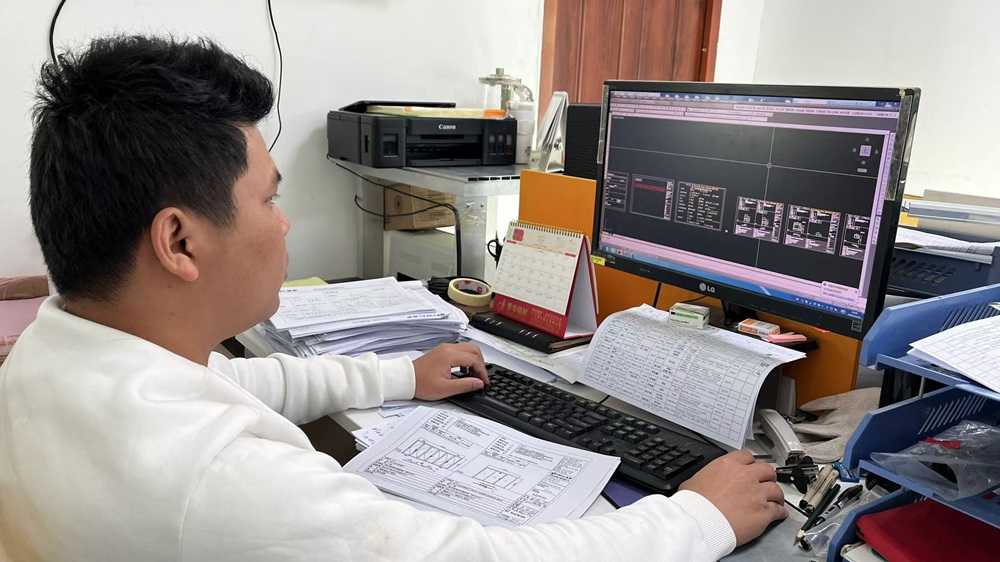
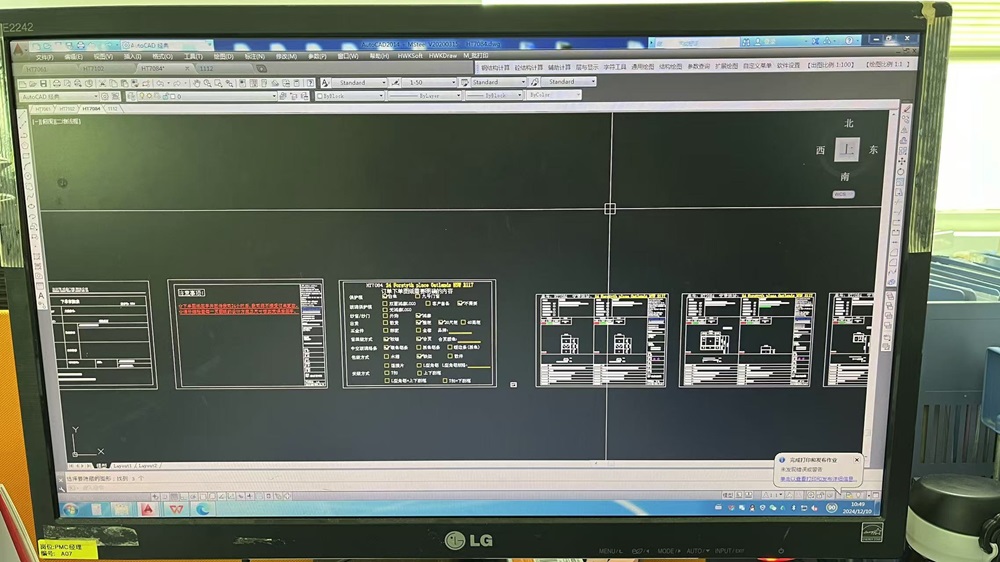
Supported by 38 structural engineers utilizing CAD/BIM software for custom architectural profiles and structural calculations.
A rigorous performance comparison between structural vinyl, thermal-break aluminum, and architectural timber framing.
| Performance Metric | High-Impact Structural uPVC (Vinyl) | Thermal-Break Aluminum | Traditional Hardwood |
|---|---|---|---|
| Thermal Conductivity ($\lambda$) | 0.13 - 0.17 W/m·K (Superior) | 0.30 - 0.55 W/m·K (Moderate) | 0.13 - 0.21 W/m·K (Good) |
| U-Factor Range (Double Glazed) | 0.20 - 0.28 BTU/h·ft²·°F | 0.26 - 0.35 BTU/h·ft²·°F | 0.24 - 0.32 BTU/h·ft²·°F |
| Corrosion & Salt-Spray Resistance | Immune (ASTM B117 > 3000 hrs) | High (Requires Anodizing/PVDF) | Prone to rot, warp, and mold |
| Maintenance Lifecycle | Zero Maintenance (Occasional Cleaning) | Low Maintenance | High (Periodic Repainting/Sealing) |
| Welding & Frame Integrity | Fusion Welded Seamless Corners (Airtight) | Mechanical Fastener / Crimson Joint | Mortise & Tenon Mechanical Joint |
| Acoustic Isolation (STC Rating) | STC 32 - 45 (Multi-chamber damping) | STC 28 - 38 | STC 30 - 40 |
To maximize architectural performance across diverse microclimates, our engineers customize fenestration specifications based on regional environmental stress vectors:
Direct technical answers for architectural specifiers, building developers, and international wholesale procurement managers.
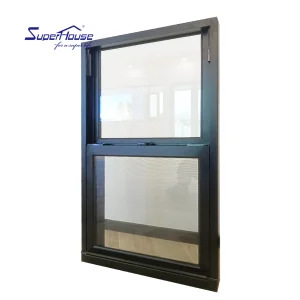
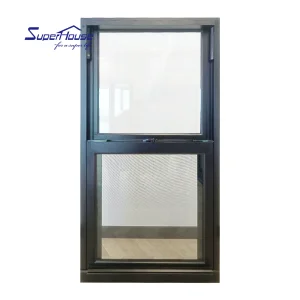
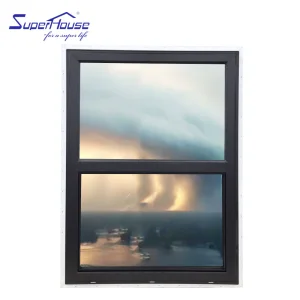
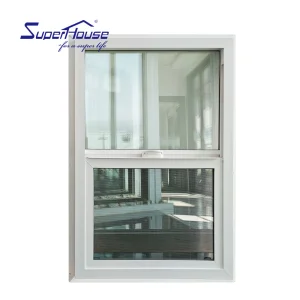
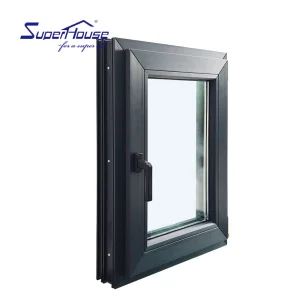
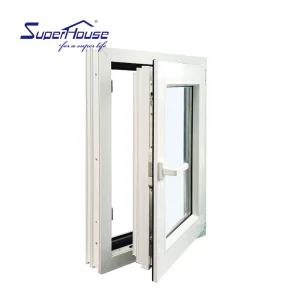
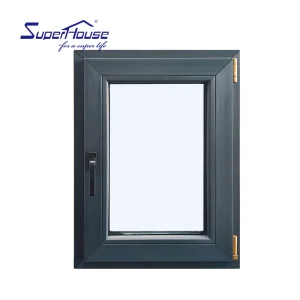
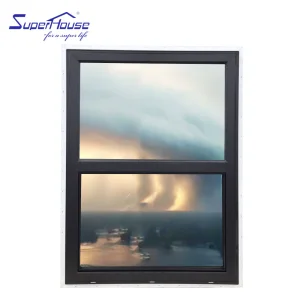
Explore our complete certified line of vinyl single/double hung, casement, and high-impact sliding systems.
 Primeval Doors