Explore our flagship high-performance aluminum tilt and turn systems certified for hurricane protection, extreme thermal insulation, and soundproofing across global markets.
An authoritative engineering whitepaper on the global market trajectory, thermodynamic efficiency compliance, and structural performance requirements of modern aluminum tilt-and-turn windows.
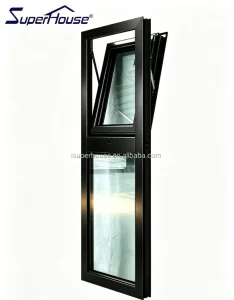
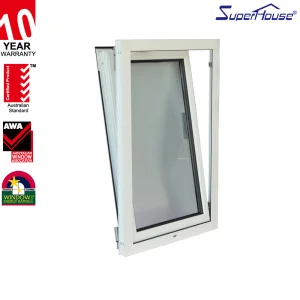
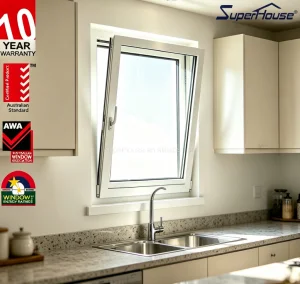
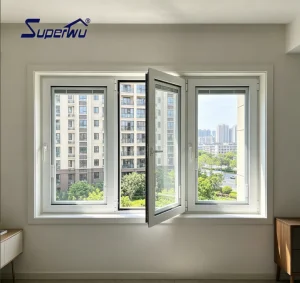
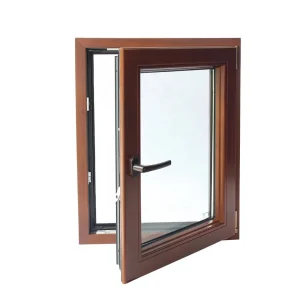
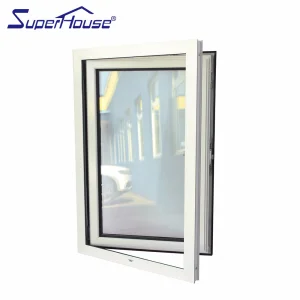
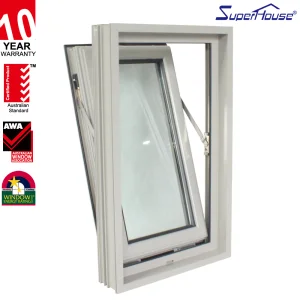
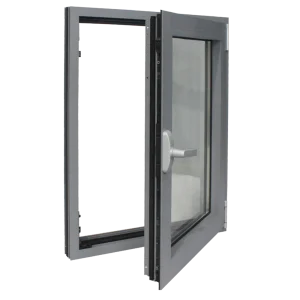
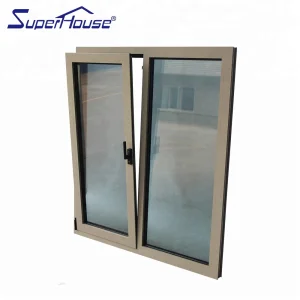
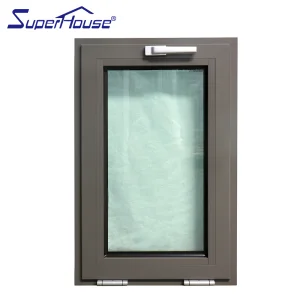
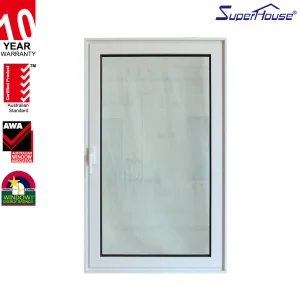
The tilt & turn engineering framework utilizes a perimeter drive gear mechanism controlled by a single ergonomic handle. In the "Tilt" position (Inward Top-Venting), the sash tilts inward from the top by 10° to 15°, utilizing natural thermal convection for draft-free micro-ventilation while preventing rainwater entry and maintaining burglar protection. In the "Turn" position (Inward Side-Hinged), the sash opens inward up to 180° for maximum airflow and effortless interior-side glass maintenance in multi-story structures.
Unlike traditional sliding windows that rely on single-latch points, modern tilt & turn systems feature continuous mushroom-head locking cams distributed across all four sides of the frame profile. When engaged, these cams pull the sash tightly against continuous EPDM triple-gasket seals, delivering unparalleled compression sealing against wind-driven rain, atmospheric air infiltration, and forced entry.
To eliminate aluminum's natural high thermal conductivity, our window extrusions incorporate glass-fiber reinforced Polyamide 66 (PA66-GF25) structural thermal break strips. This dual-extrusion profile separation decouples the exterior weather-exposed frame from the internal structural frame, reducing overall thermal transmittance (U-factor) down to ranges suitable for Passivhaus standard developments.
Quantitative benchmarks comparing architectural aluminum grade specifications, glazing thermal performance metrics, and hardware stress tolerances.
| Performance Parameter | Standard Specification | High-Performance Thermal Break | Florida HVHZ Impact Series |
|---|---|---|---|
| Aluminum Profile Alloy & Temper | 6063-T5 Extrusion | 6063-T6 High-Tensile Architectural Profile | 6063-T6 Structural Grade (Wall Thickness 2.0mm - 3.0mm) |
| Thermal Transmittance (U-Factor) | 2.2 - 2.8 W/m²K | 1.0 - 1.4 W/m²K (NFRC Certified) | 1.4 - 1.8 W/m²K |
| Solar Heat Gain Coefficient (SHGC) | 0.45 - 0.60 | 0.20 - 0.35 (Low-E Double/Triple Coated) | 0.22 - 0.30 (Spectrally Selective Low-E) |
| Acoustic Isolation Rating | STC 28 - 32 dB | STC 38 - 42 dB (Argon Gas + Warm Edge) | STC 42 - 45+ dB (PVB/SGP Laminated Double Glaze) |
| Wind Pressure Resistance | 1500 - 2500 Pa | 3500 - 4500 Pa (AAMA Rating) | ± 7000 Pa (Miami-Dade / Florida NOA Compliant) |
| Water Penetration Resistance | 300 Pa | 600 Pa | 1050 Pa (High-Velocity Hurricane Zone) |
Custom-engineered fenestration solutions compliant with strict localized building codes across North America, Australasia, and Europe.
Coastal environments in Florida and the Caribbean demand fenestration capable of withstanding Category 5 hurricane wind loads and flying debris forces. Our Florida NOA Certified Tilt & Turn Windows integrate heavy-duty SentryGlas® (SGP) laminated glass interlayers, reinforced structural steel sub-frames, and AAMA 2605 fluoropolymer powder coatings designed to withstand severe salt spray corrosion and high-velocity wind pressures.
To satisfy California's strict Title 24 Energy Efficiency Building Standards and NFRC testing mandates, our thermal break tilt & turn windows utilize ultra-clear low-emissivity (Low-E) double glass insulated units with argon gas infill and warm-edge spacer technology. These configurations achieve remarkably low U-factors while maintaining optimal daylighting and solar control.
Designed specifically for Australia and New Zealand's rigorous climate demands, our double-glazed aluminum window systems meet AS2047 and AS1288 structural glass performance criteria. Built to resist high UV index exposure and coastal salt air, these systems provide optimal thermal envelope insulation for both modern residential dwellings and high-density apartment complexes.
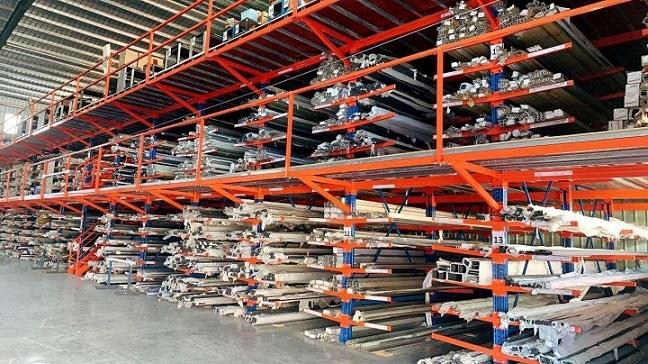
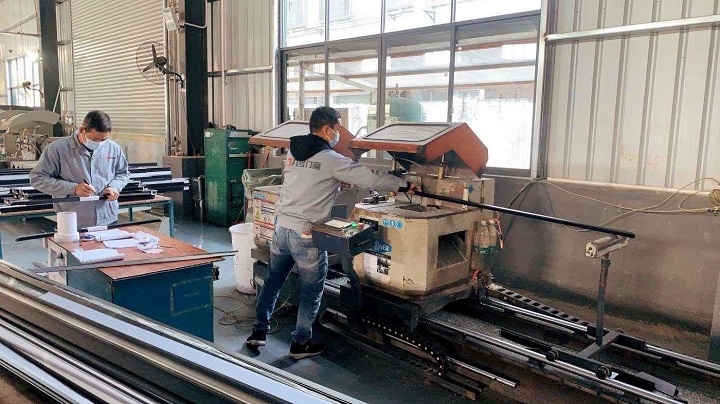
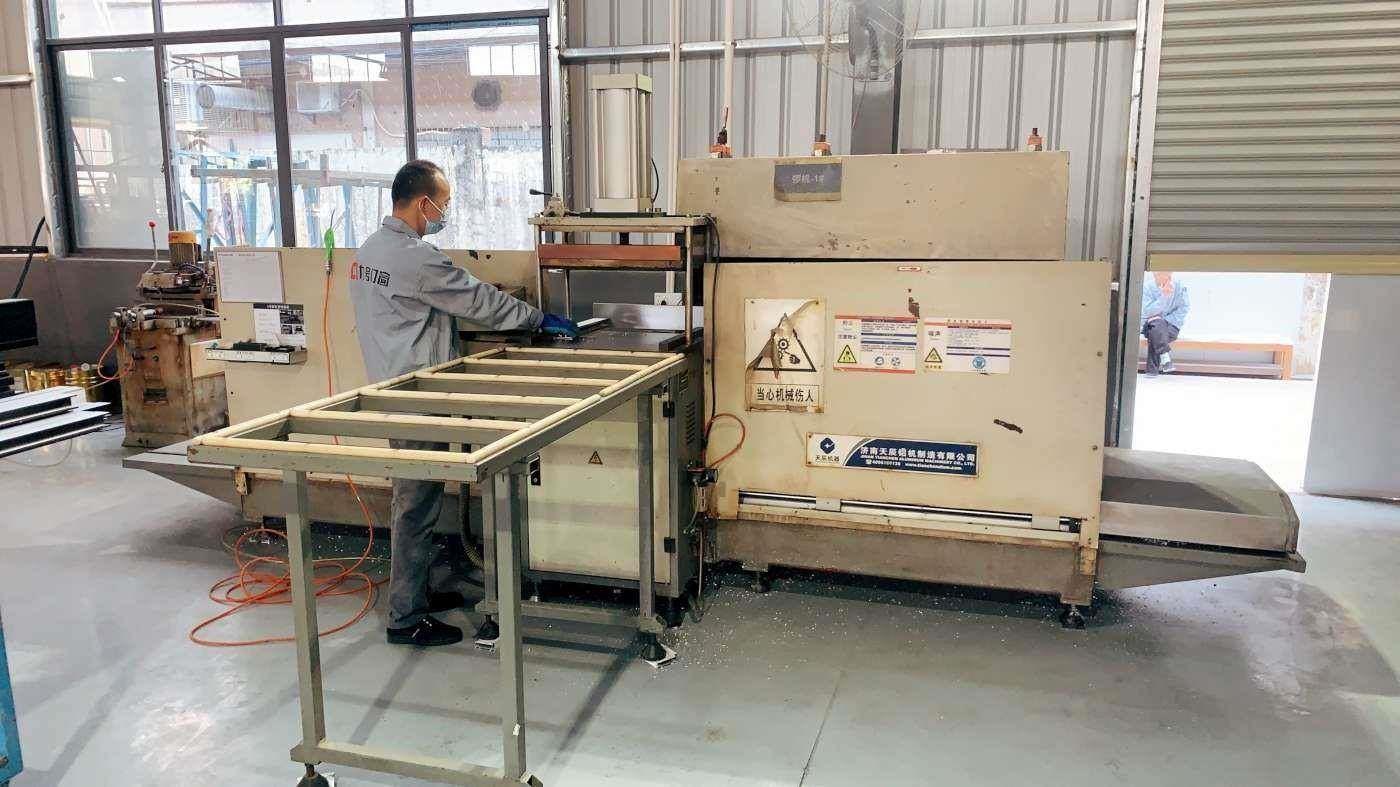
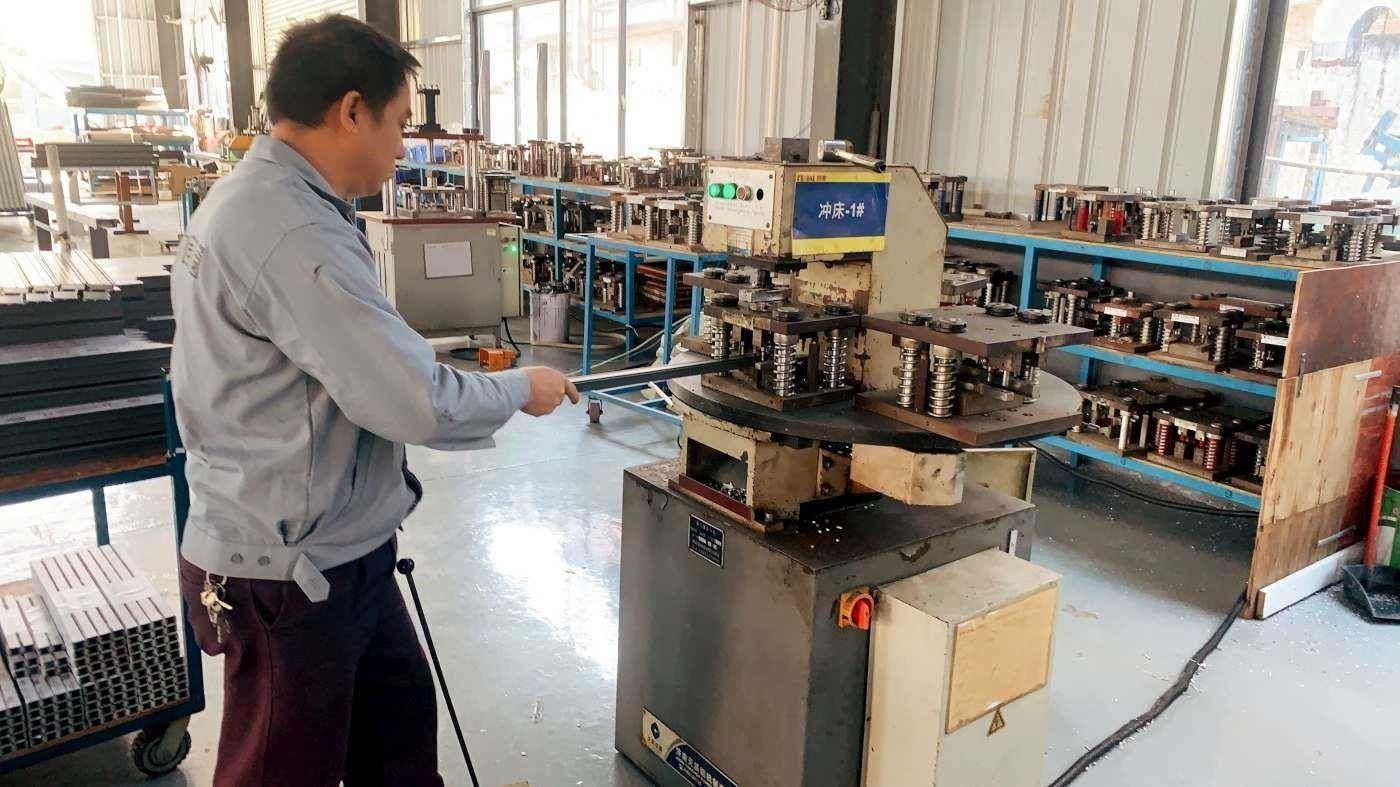
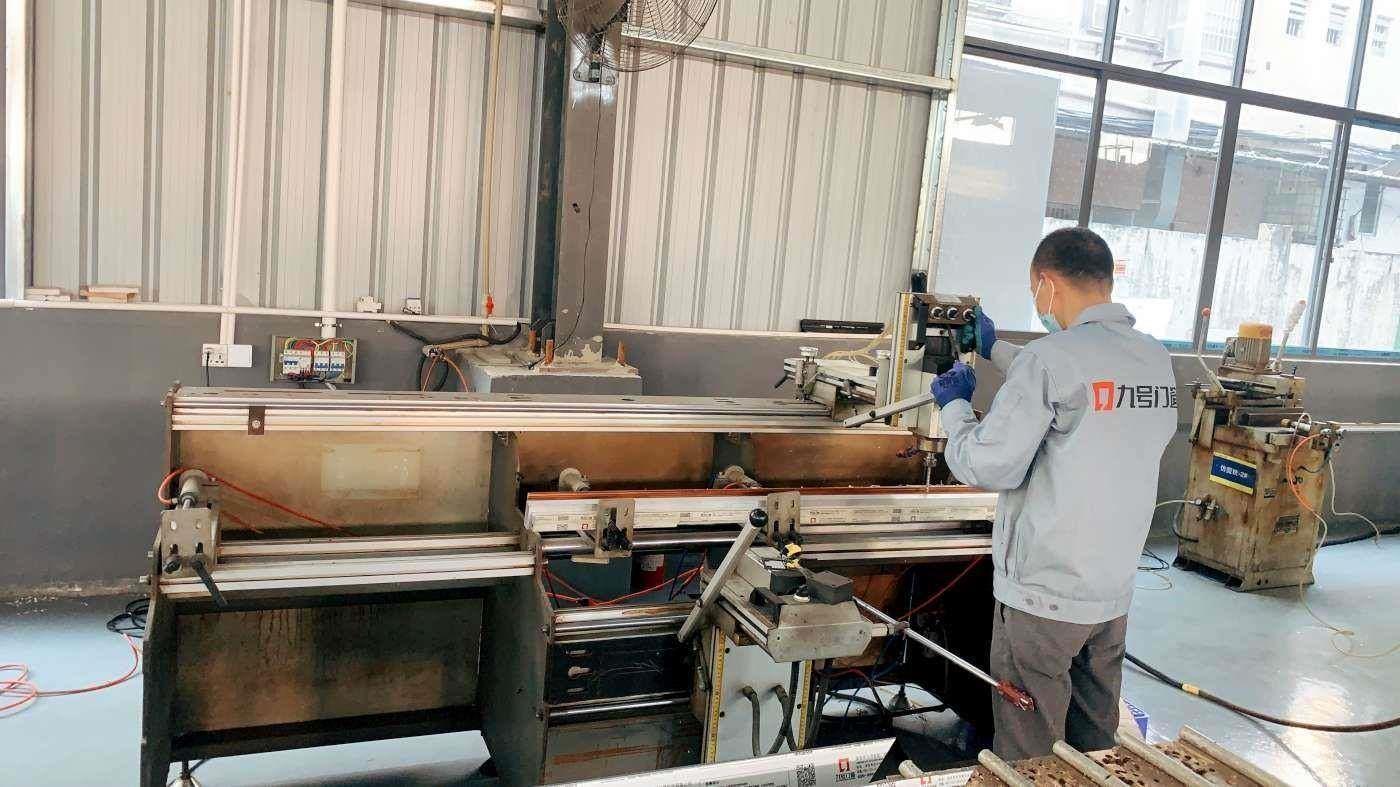
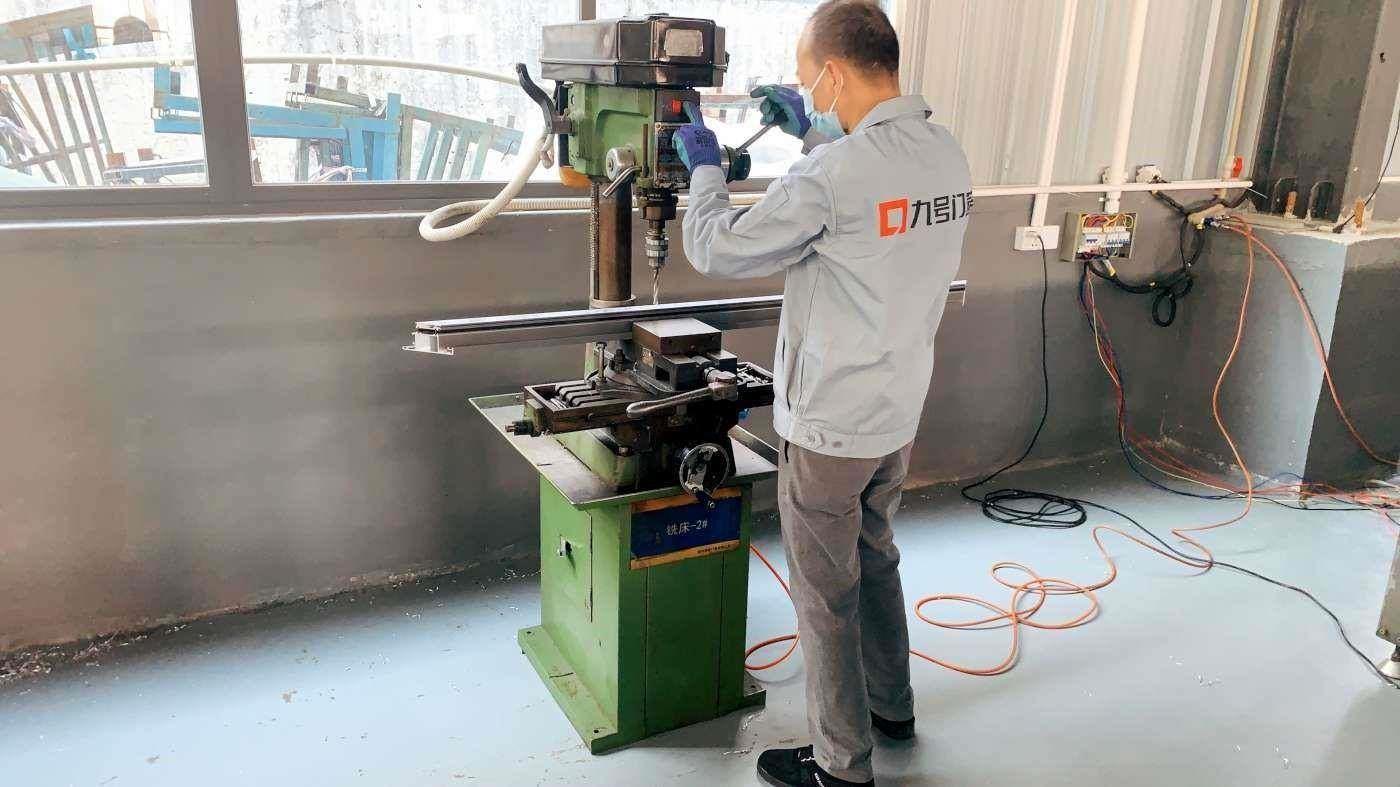
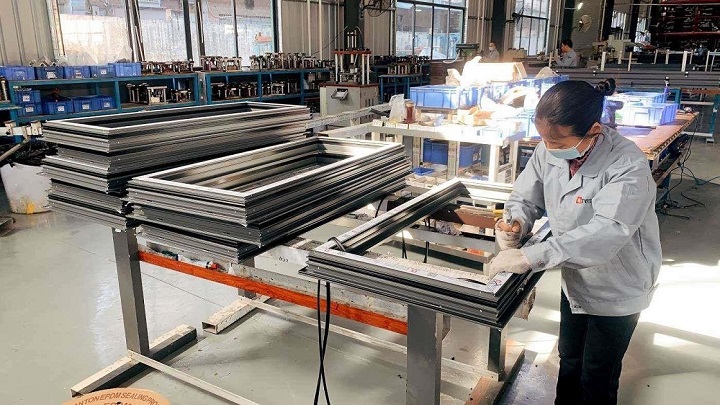
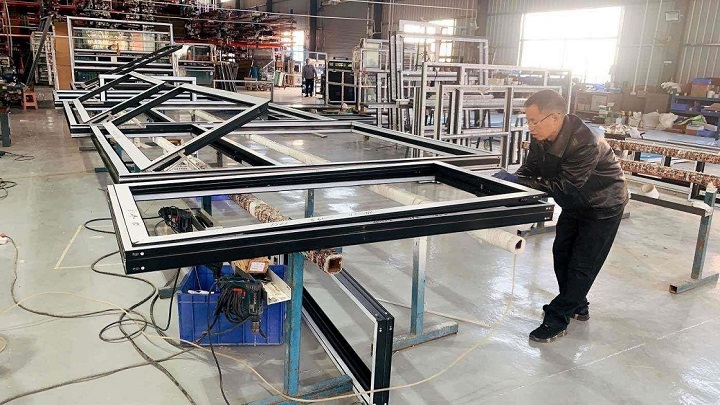
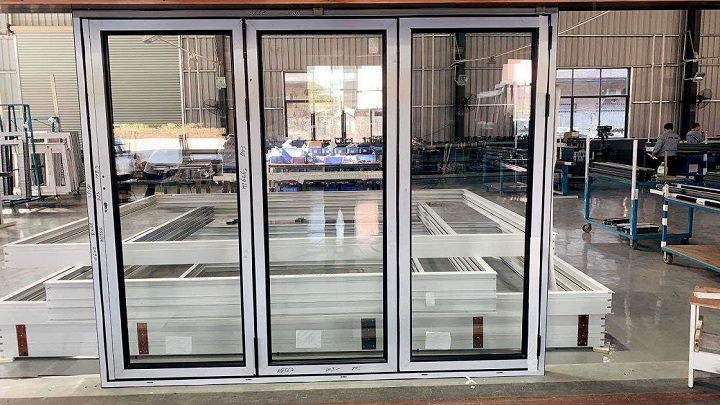
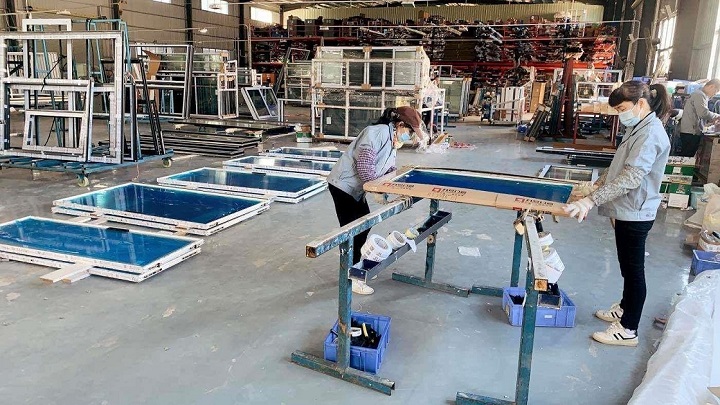
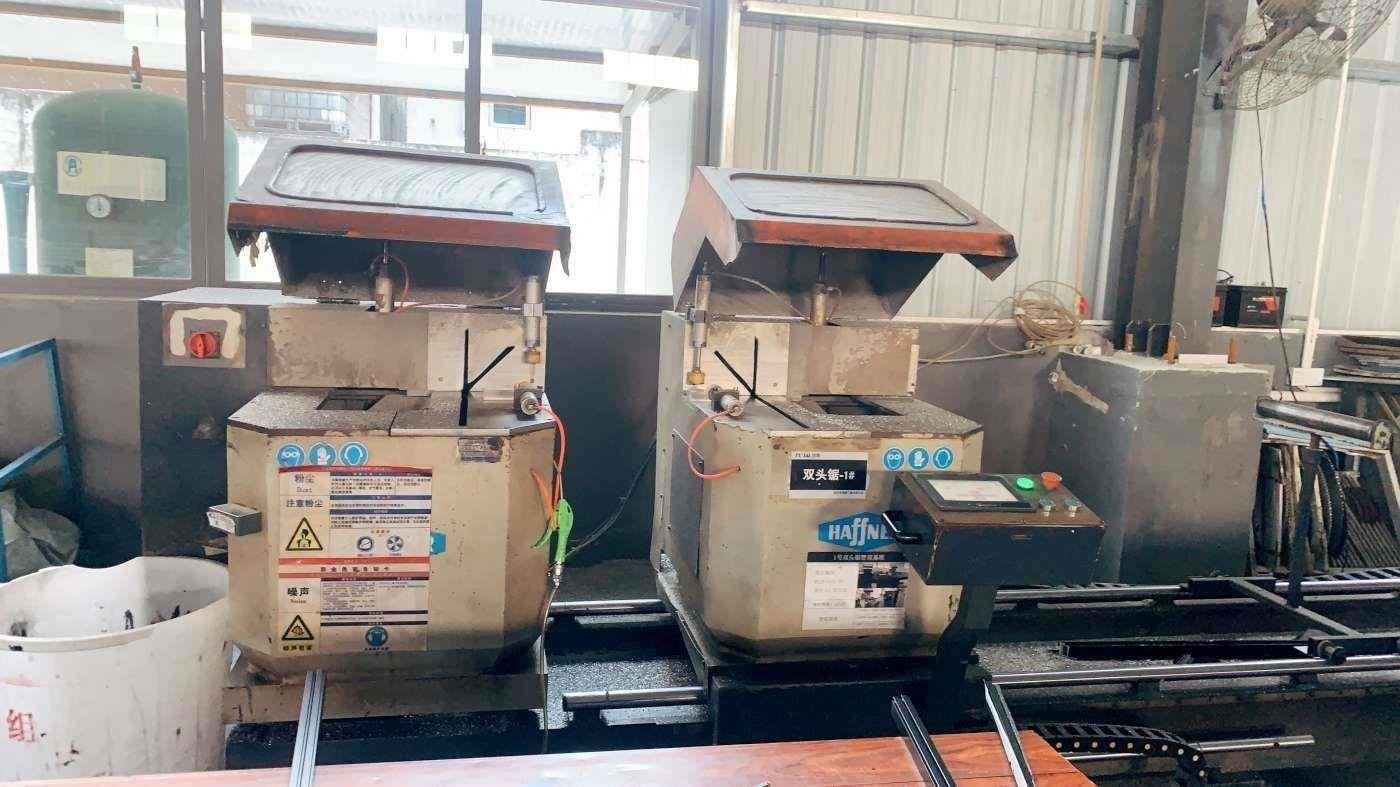
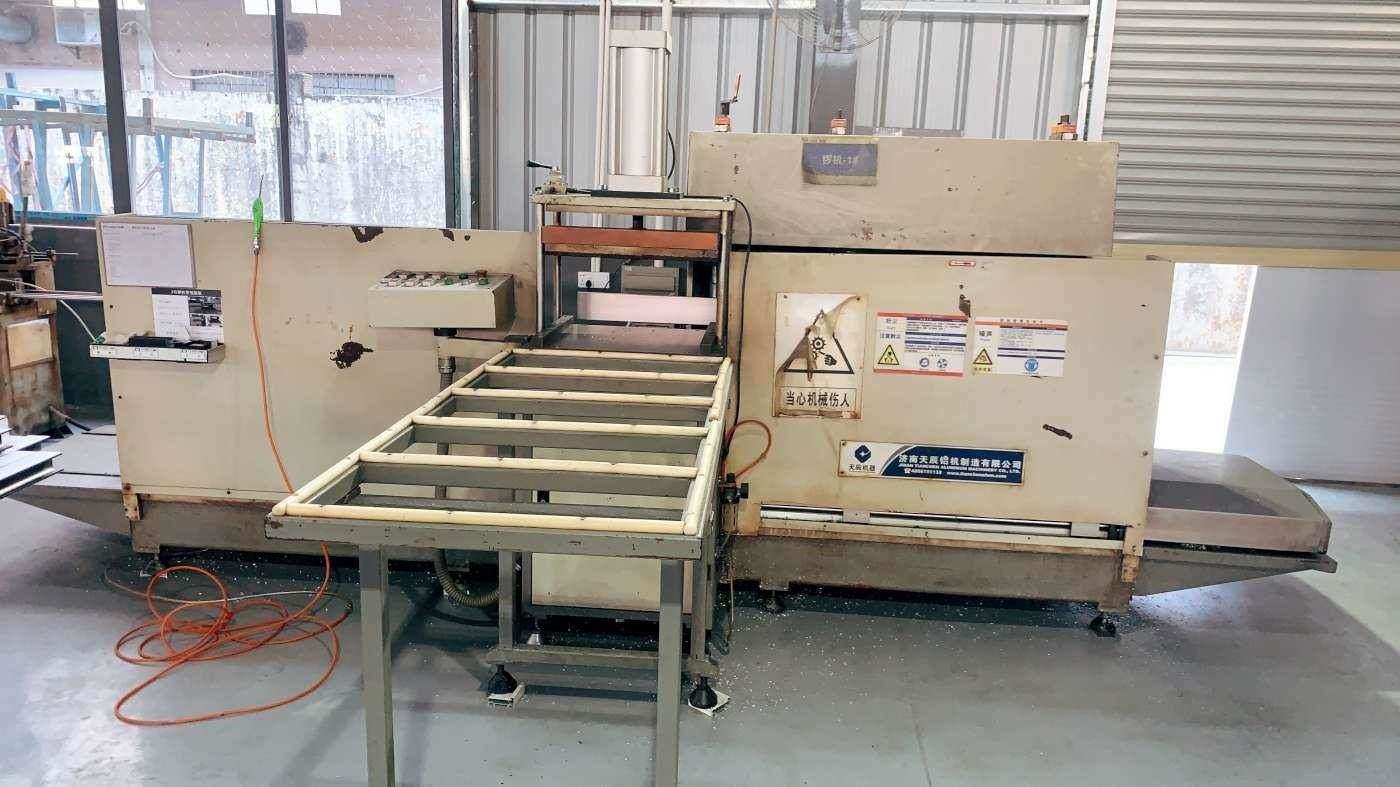
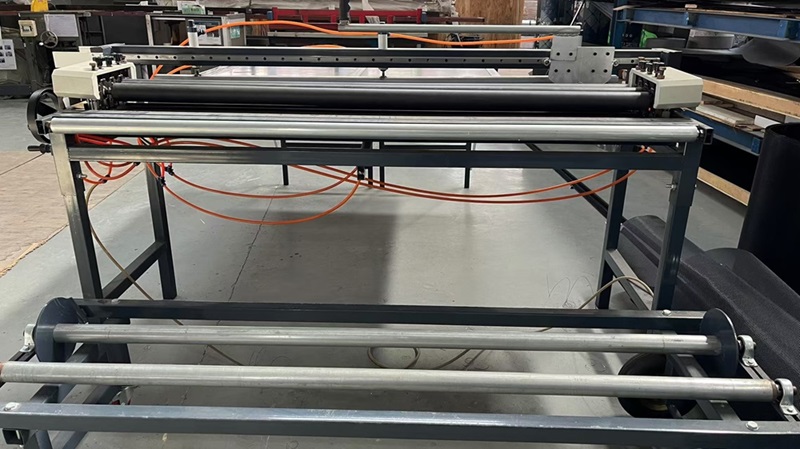
Enterprise credibility, rigorous IQC-IPQC-FQC multi-stage testing, advanced machinery fleet, and precision manufacturing workflows.
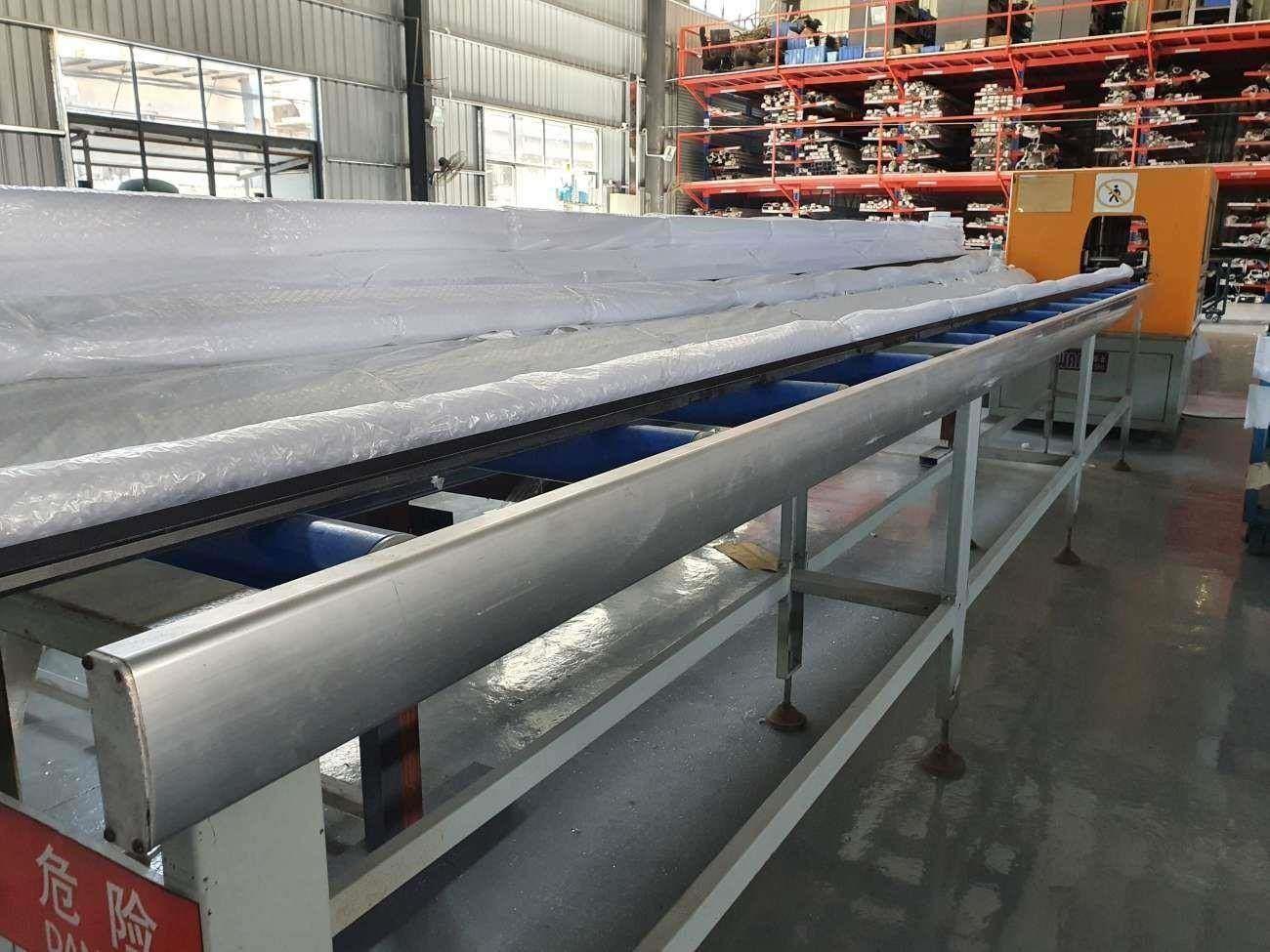
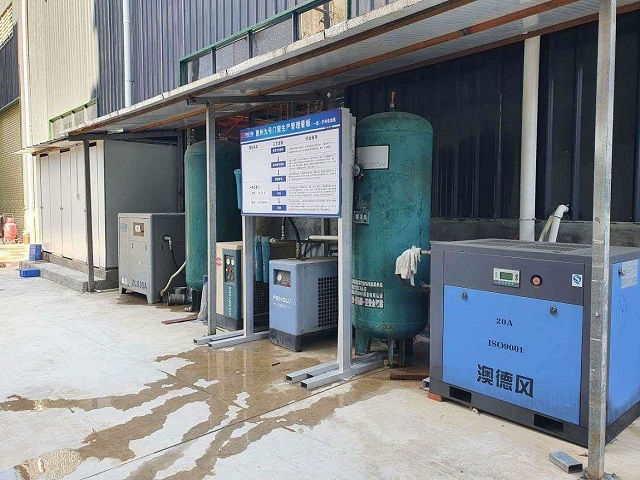
Established in 2017, Foshan Primeval Doors Industry Co., Ltd. operates from a modern manufacturing facility of 12,000 m². Backed by 11 years of industry engineering experience and 5 years of international export trade, the company generates an annual export revenue of USD 8,500,000.
Quality control is strictly enforced through systematic IQC-IPQC-FQC inspection procedures along with rigorous thermal conductivity and salt-spray corrosion testing. A skilled QC team of 22 inspectors oversees every step of the production process. Supported by 420 trusted supply chain partners, our trade background covers direct OEM export and private-label customization, serving primary markets in Australia, New Zealand, and North America.
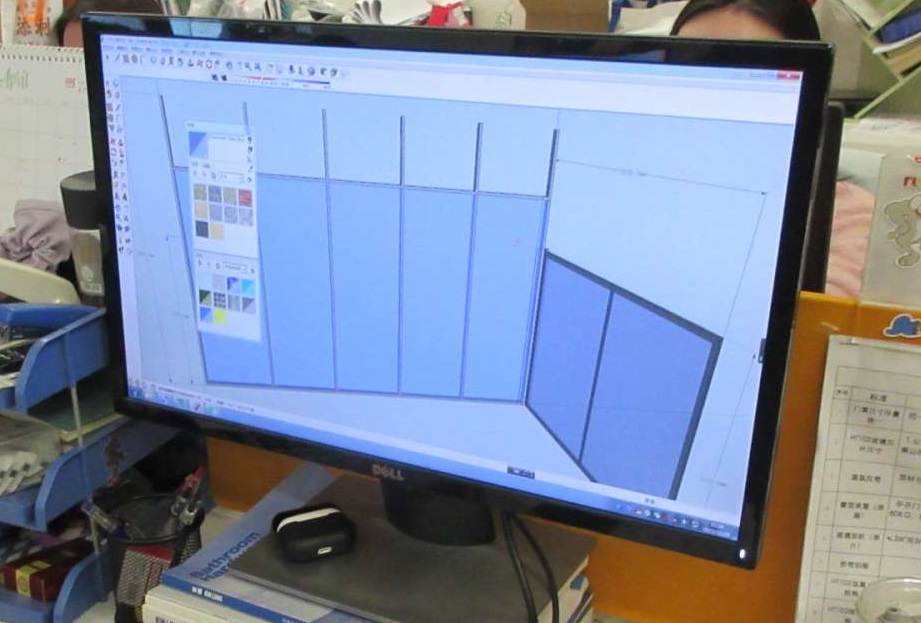
Our client base consists mainly of residential building supply importers, architectural designers, and regional wholesalers. Driven by continuous innovation, our R&D group of 38 engineers introduced 75 new entry door and window products last year. Customization options include custom frame depths, double-glazed decorative glass inserts, powder-coated color palettes, and heavy-duty weatherproofing seals.
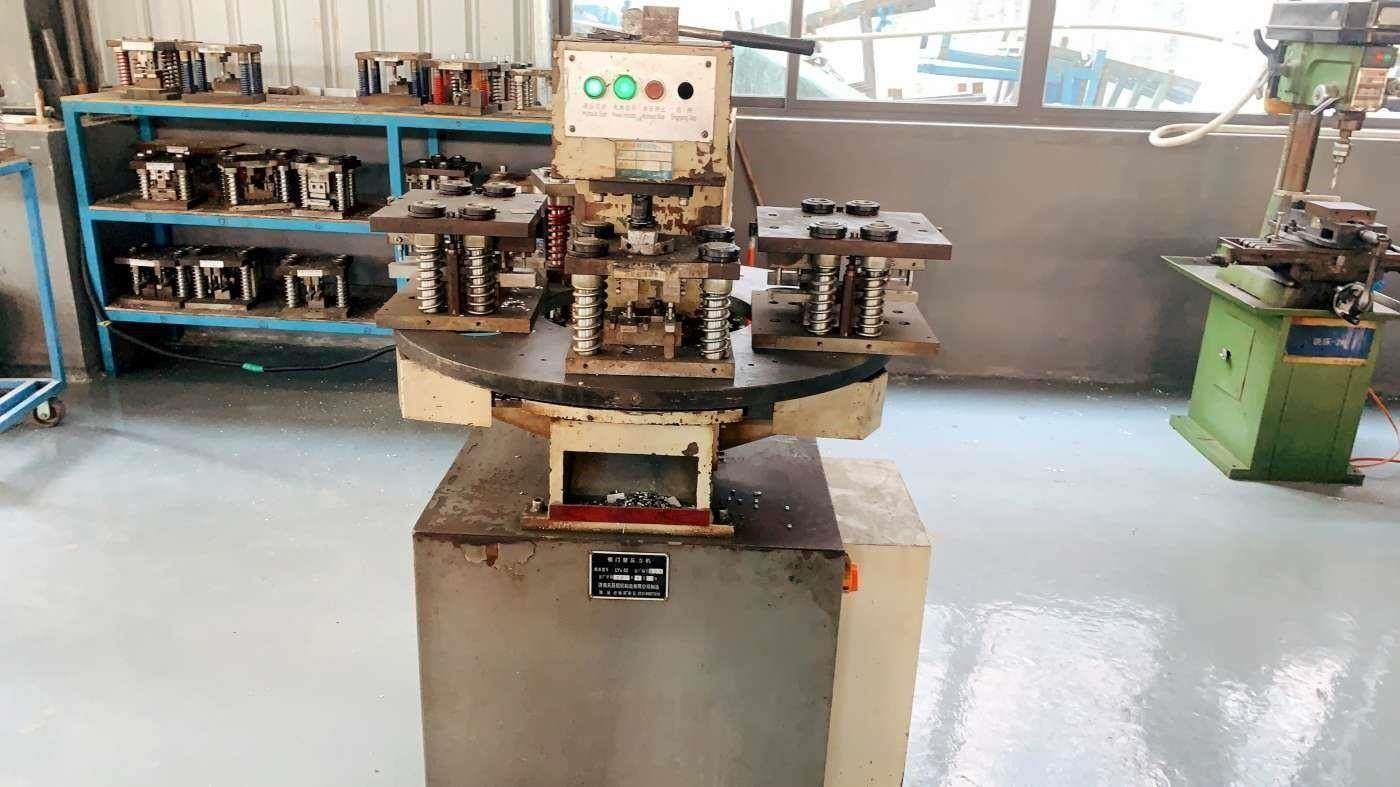
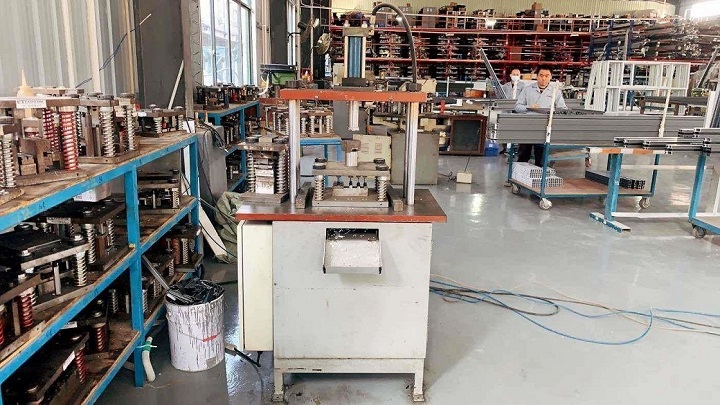
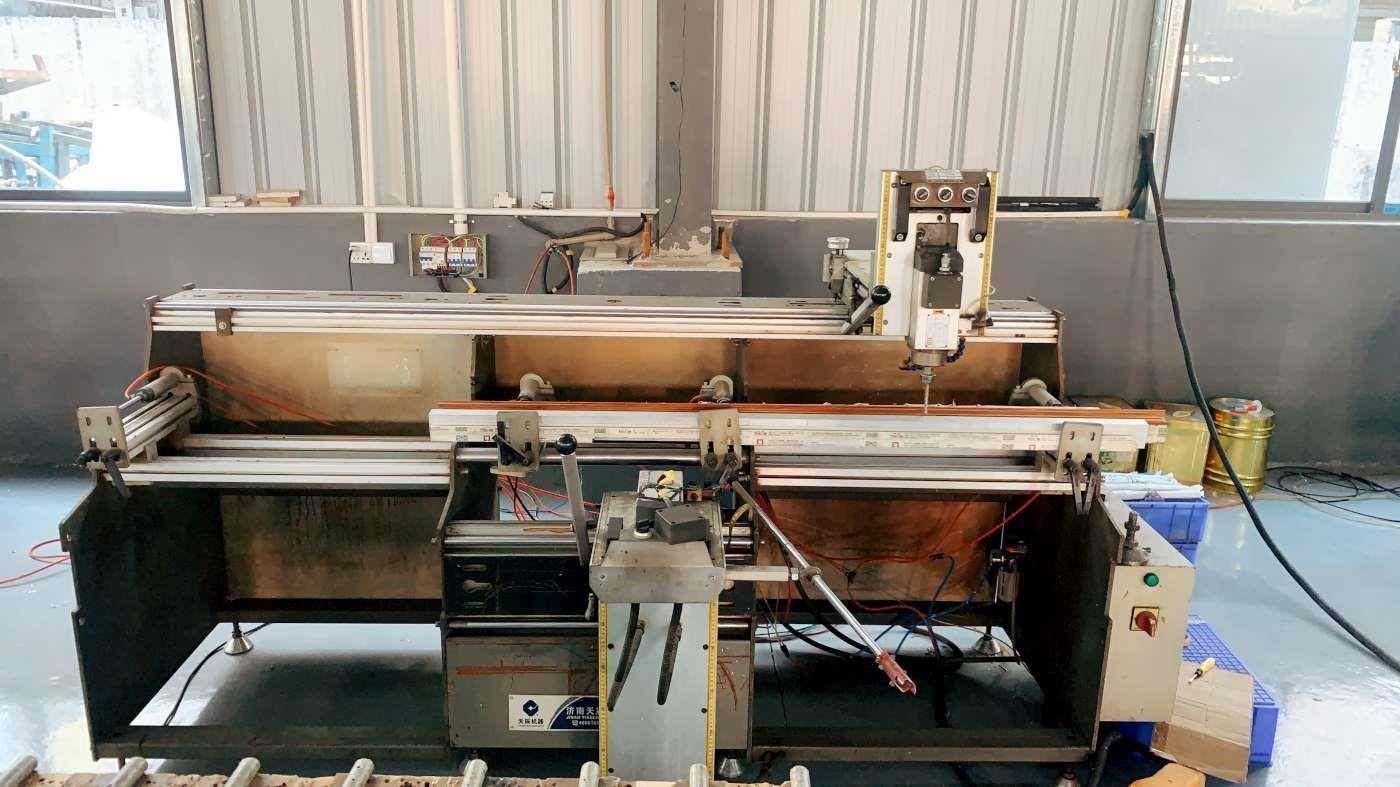
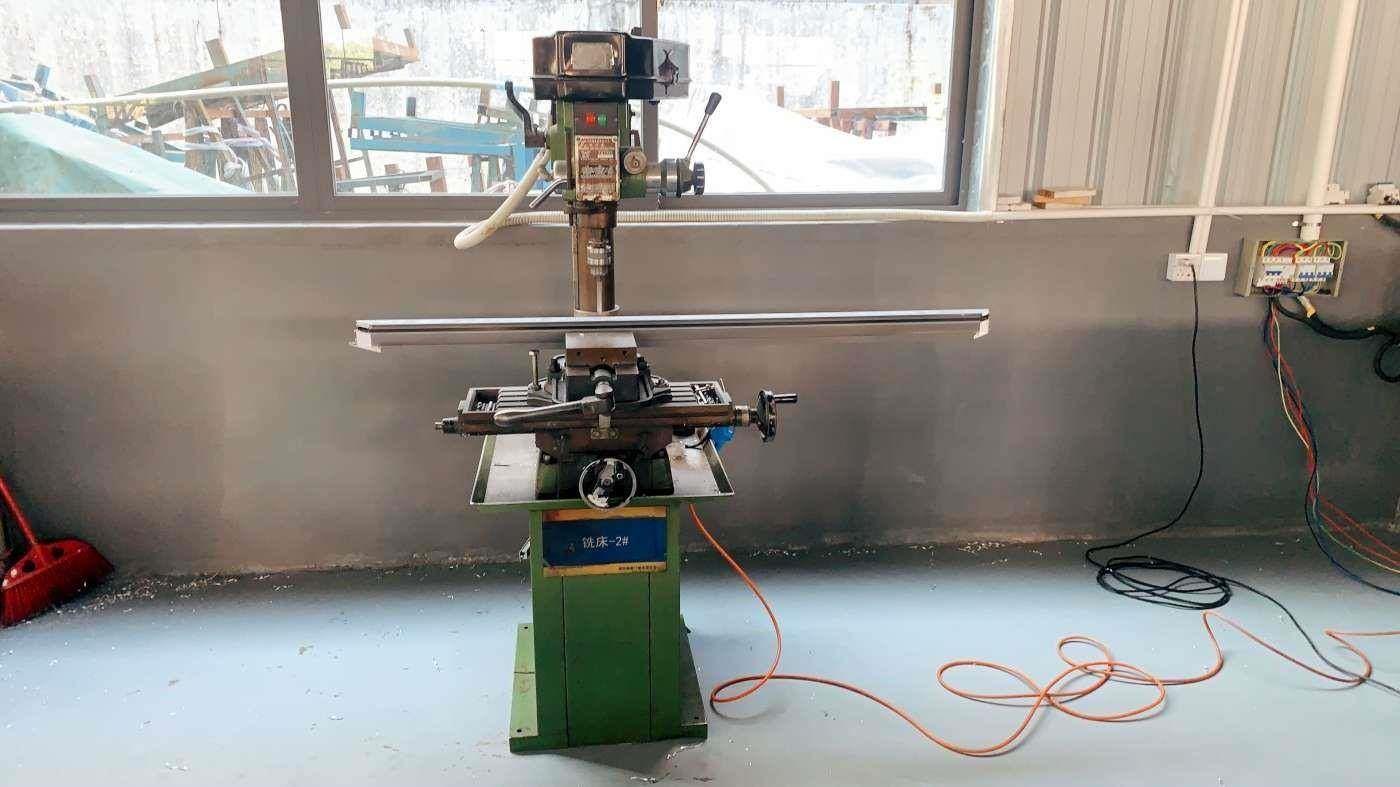
Pioneering advancements in smart home fenestration, building-integrated photovoltaics, and sustainable eco-materials.
Next-generation tilt and turn windows are evolving with integrated micro-actuators and smart indoor air quality (IAQ) sensors. Automated drive units tilt the window top open upon sensing elevated CO2 or humidity levels, synchronizing seamlessly with HVAC systems while maintaining perimeter structural security.
Our commitment to sustainability includes incorporating Building-Integrated Photovoltaic (BIPV) double glazing and primary aluminum extrusions sourced from hydro-powered smelters. These innovations reduce embedded carbon footprint while generating clean solar power along commercial facades.
By injecting nanostructured silica aerogel foams into the internal chambers of polyamide thermal break extrusions, our upcoming high-isolation lines achieve ultra-low frame U-values below 0.8 W/m²K, surpassing ultra-strict Passivhaus criteria for extreme climates.
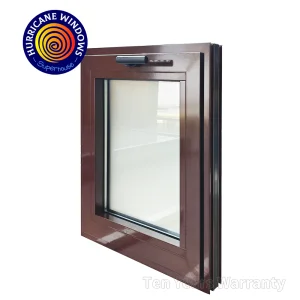
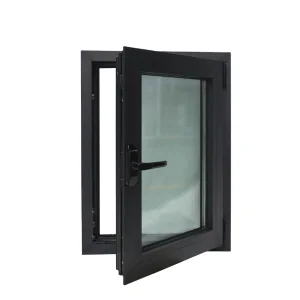
Discover our specialized soundproof, double-glazed, and high-security architectural fenestration line tailored for luxury villas and hospitality projects.
In-depth responses to intent-driven procurement and engineering questions regarding aluminum tilt & turn fenestration systems.
Tilt & turn windows provide superior continuous gasket compression via perimeter multi-point locking gear, yielding airtightness ratings up to Class 4 (EN 12207) and water tightness up to 1050 Pa. In contrast, sliding windows rely on brush seals that experience friction wear, leading to higher air leakage and lower acoustic attenuation (STC ratings).
Florida Notice of Acceptance (NOA) certification validates that the window assembly has passed severe High-Velocity Hurricane Zone (HVHZ) testing protocols (TAS 201, 202, and 203). This includes large-missile impact testing (firing a 9-pound 2x4 timber at 50 ft/s) followed by 9,000 cycles of positive and negative pressure loading up to ±7000 Pa.
Polyamide 66 reinforced with 25% glass fiber has a thermal expansion coefficient closely matching aluminum alloys while reducing thermal conductivity by a factor of 500. It acts as an insulator separating the interior and exterior extrusions, preventing condensation and lowering frame U-factors to meet strict NFRC energy codes.
We supply AAMA 2605 fluoropolymer (PVDF) powder coatings and marine-grade anodized finishes (25-micron layer thickness). These coatings undergo 3,000+ hours of continuous salt-spray testing to prevent chalking, color fading, and galvanic corrosion in harsh coastal climates.
 Primeval Doors