Engineered for severe coastal weather, extreme thermal efficiency, and modern architectural aesthetics.
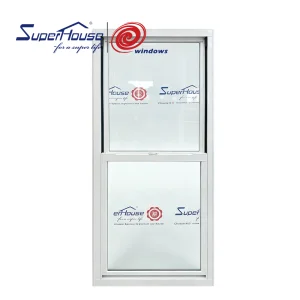
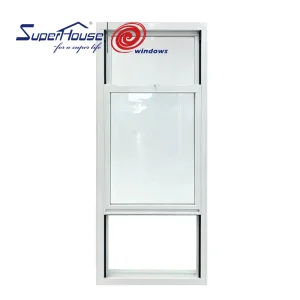
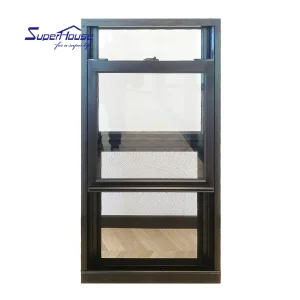
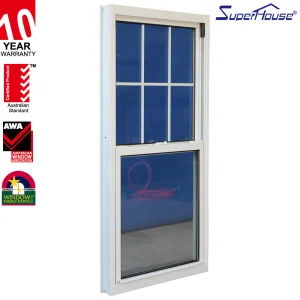
An authoritative breakdown of vertical sliding architectural fenestration, structural dynamics, and international market vectors.
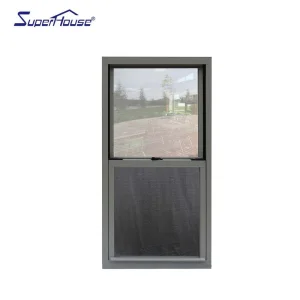
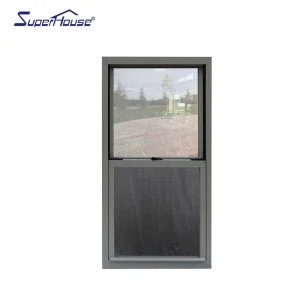
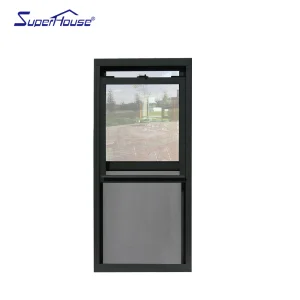
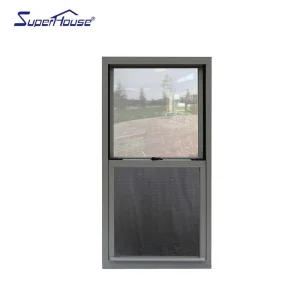
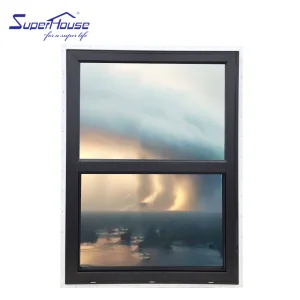
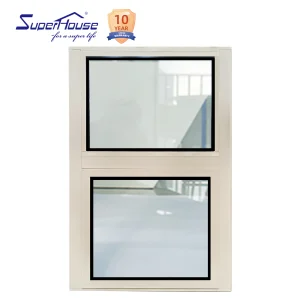
Single-hung windows represent a classic architectural baseline where the top sash remains stationary while the bottom sash operates vertically. In high-velocity hurricane zones (HVHZ) such as South Florida and coastal regions across North America, single-hung configurations provide an inherently superior weather seal along the top jamb. Because the upper sash is permanently sealed to the master frame, air infiltration rates (ASTM E283) are significantly minimized, achieving structural design pressures exceeding DP70 to DP100 when coupled with heavy-duty 6063-T6 extruded aluminum profiles and Technoform thermal break isolation.
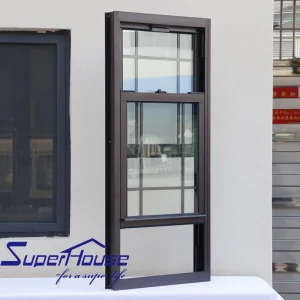
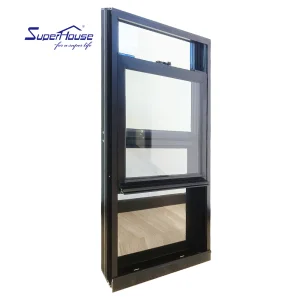
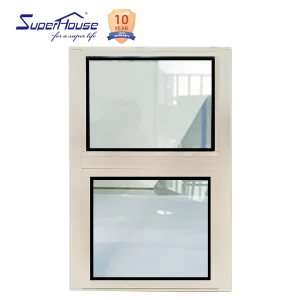
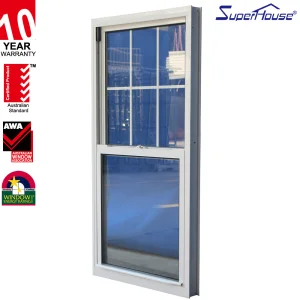
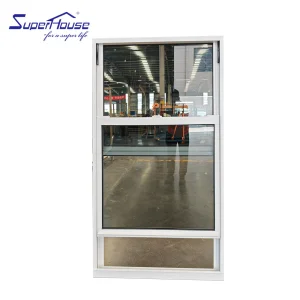
Double-hung windows utilize dual operational sashes, enabling both top and bottom glass panels to move vertically and tilt inward. This mechanism creates a natural thermodynamic ventilation loop: cool air enters through the lower opening while warm indoor air vents out through the top sash. For multi-story residential developments and luxury hospitality projects across North America and Australia, double-hung windows drastically reduce maintenance costs, allowing exterior glass surfaces to be cleaned safely from inside the building without specialized scaffolding or exterior cradles.
Modern fenestration demand has transitioned from basic vinyl (uPVC) profiles to advanced thermal-break aluminum alloys. Premium aluminum profile systems integrated with polyamide (PA66 GF25) thermal strips—such as those manufactured by Technoform—drastically bridge the conductivity gap. Combined with double-pane or triple-pane Insulating Glass Units (IGUs) incorporating low-emissivity (Low-E) coatings and Argon gas fills, these systems achieve U-factors as low as 0.22 BTU/h·ft²·°F and Solar Heat Gain Coefficients (SHGC) tailored for both tropical cooling environments and sub-zero insulation requirements.
Detailed comparative evaluation to guide structural engineers, project architects, and procurement managers.
| Engineering Specification | Single-Hung Windows | Double-Hung Windows | Compliance Standard Target |
|---|---|---|---|
| Operable Sashes | Bottom Sash Only (Top Fixed) | Top & Bottom Sashes Operable | AAMA / WDMA / CSA 101/I.S.2/A440 |
| Air Infiltration Resistance | Superior (0.01 - 0.05 cfm/ft²) | High (0.05 - 0.12 cfm/ft²) | ASTM E283 @ 1.57 psf (75 Pa) |
| Design Pressure (DP Rating) | Up to DP100 (HVHZ Coastal) | Up to DP70 (Standard Coastal) | TAS 201/202/203, Miami-Dade NOA |
| Ventilation Efficiency | Single direction (Lower intake) | Dual direction (Convection circulation) | ASHRAE 62.2 Indoor Air Quality |
| Thermal Break Integration | Technoform PA66 GF25 Polyamide | Technoform PA66 GF25 Polyamide | NFRC 100/200 / Energy Star 7.0 |
| Cleaning & Maintenance | Exterior access needed for top glass | Inward tilt-in sashes for interior cleaning | Commercial Facility Maintenance Protocols |
| Water Penetration Resistance | Tested up to 12.0 psf (580 Pa) | Tested up to 9.75 psf (470 Pa) | ASTM E331 / AS2047 Waterproof Rating |
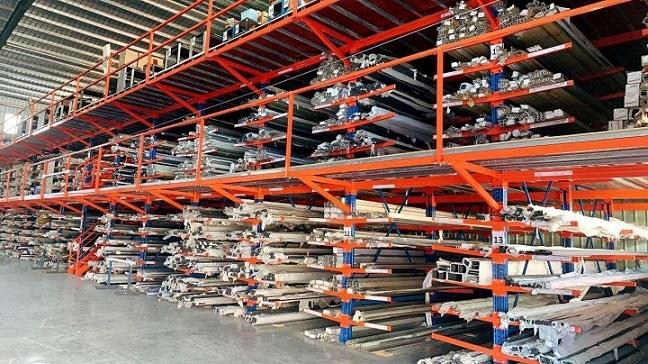
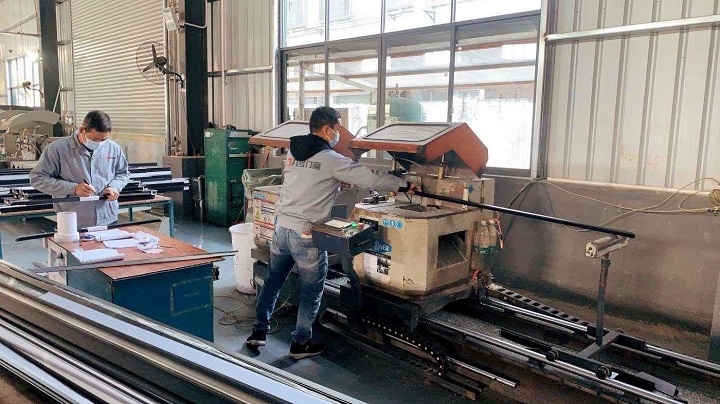
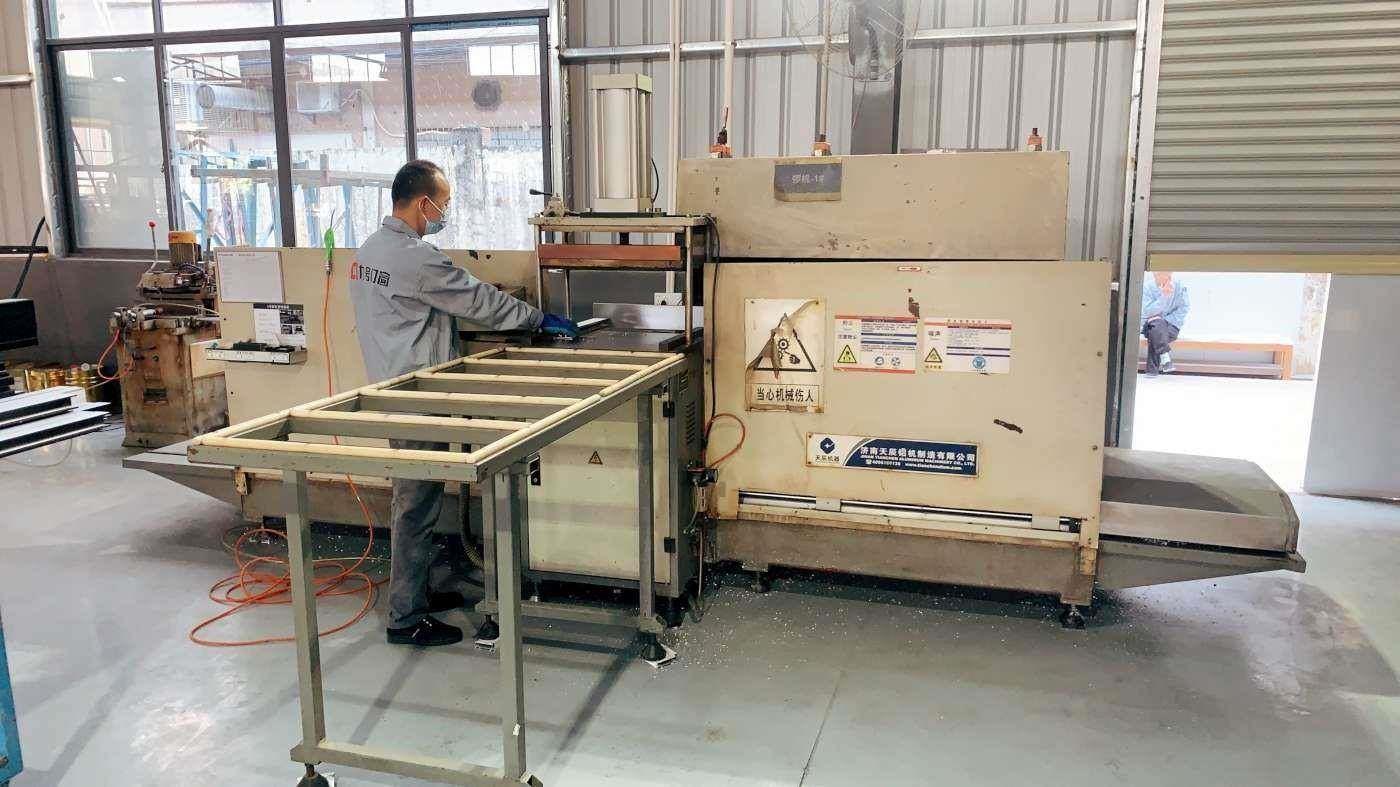
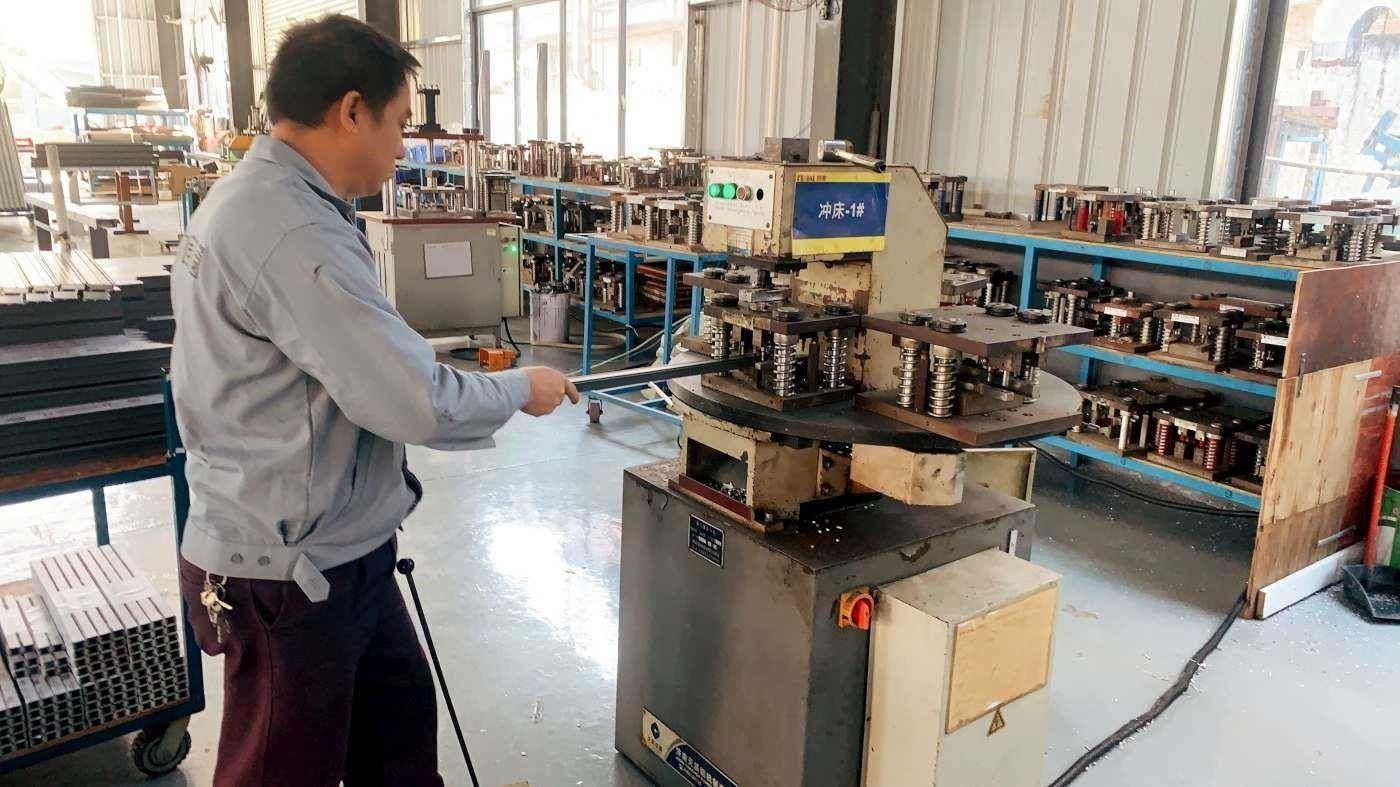
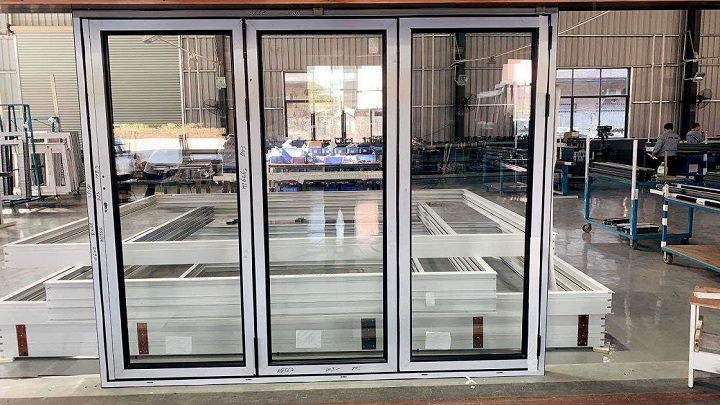
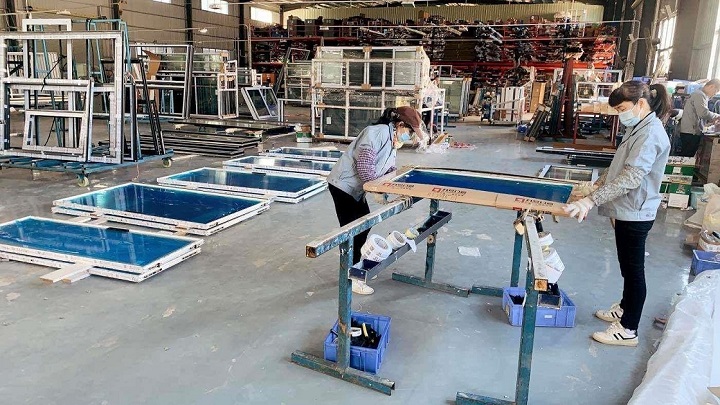
Operating from a 12,000 m² modern facility with an annual export output of USD 8,500,000 backed by 22 QC inspectors.
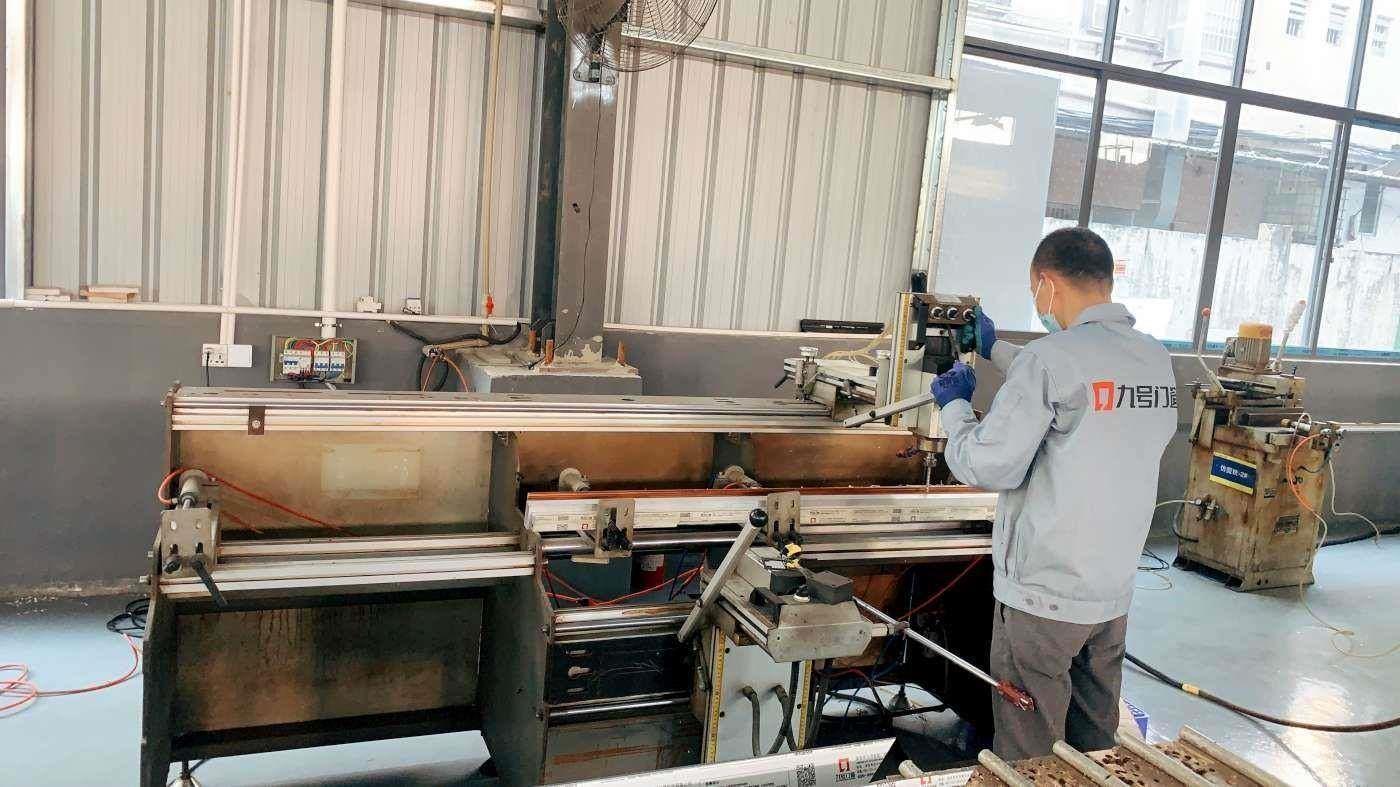
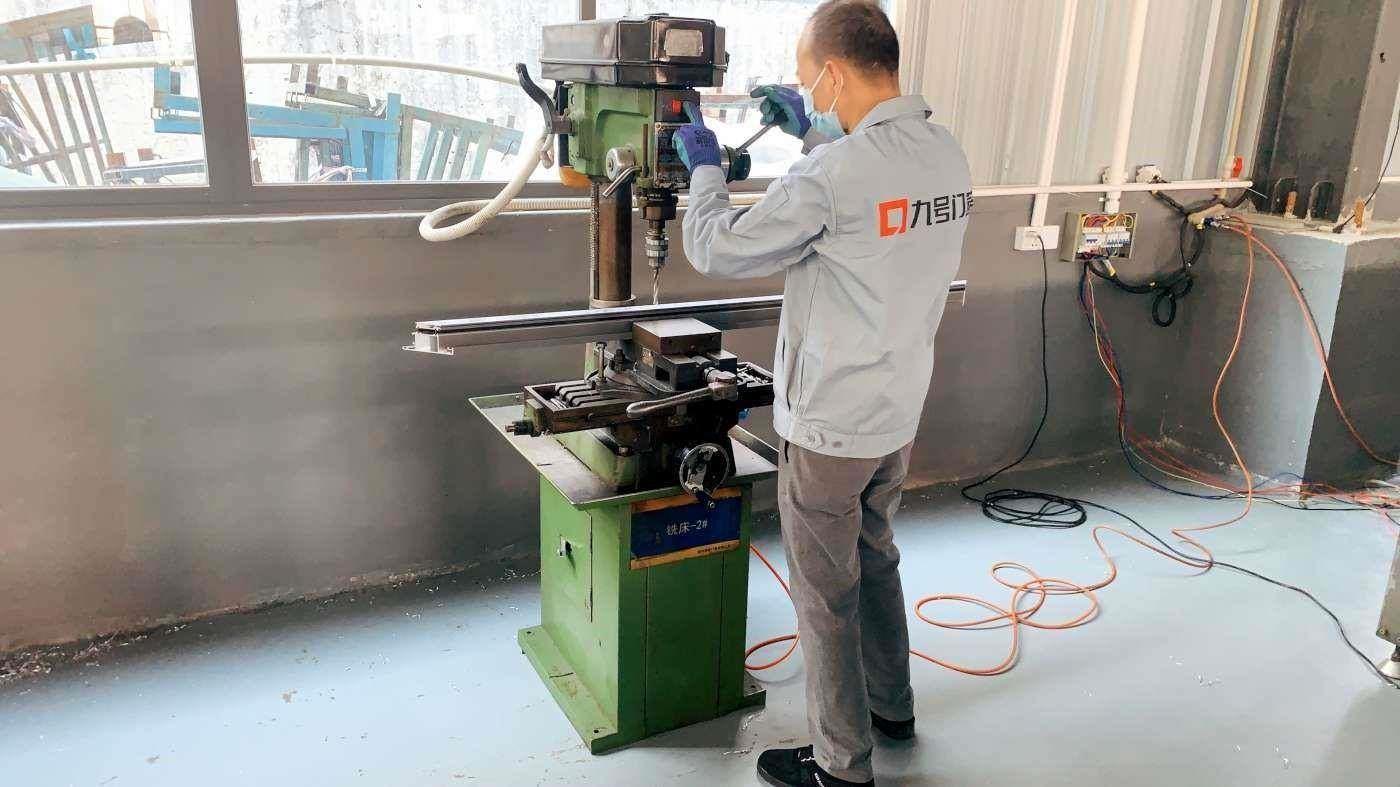
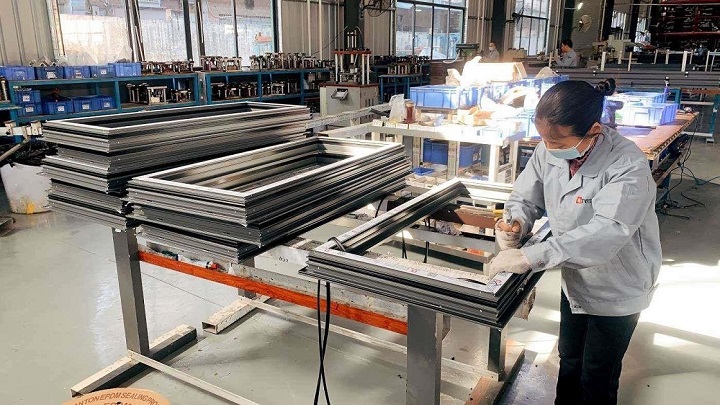
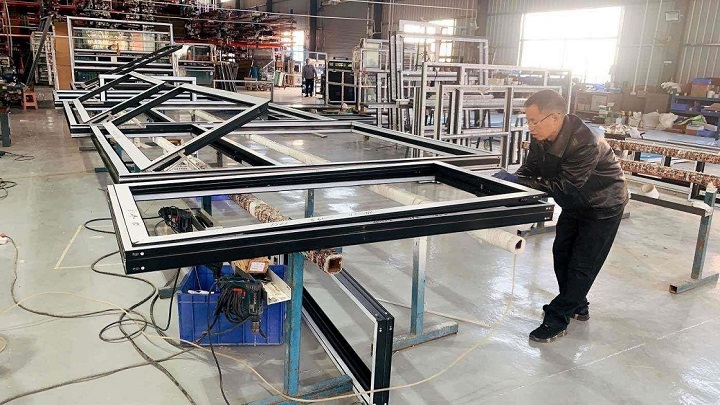
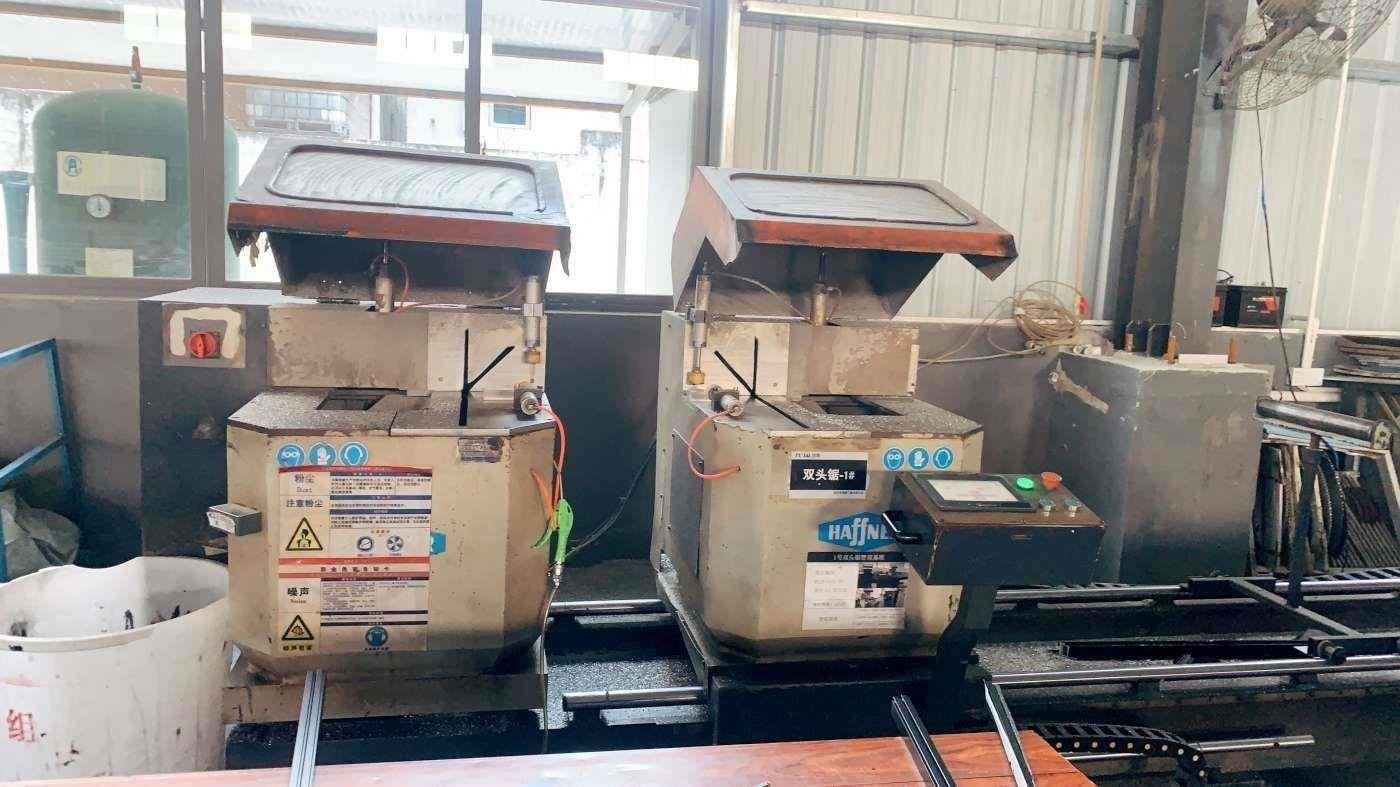
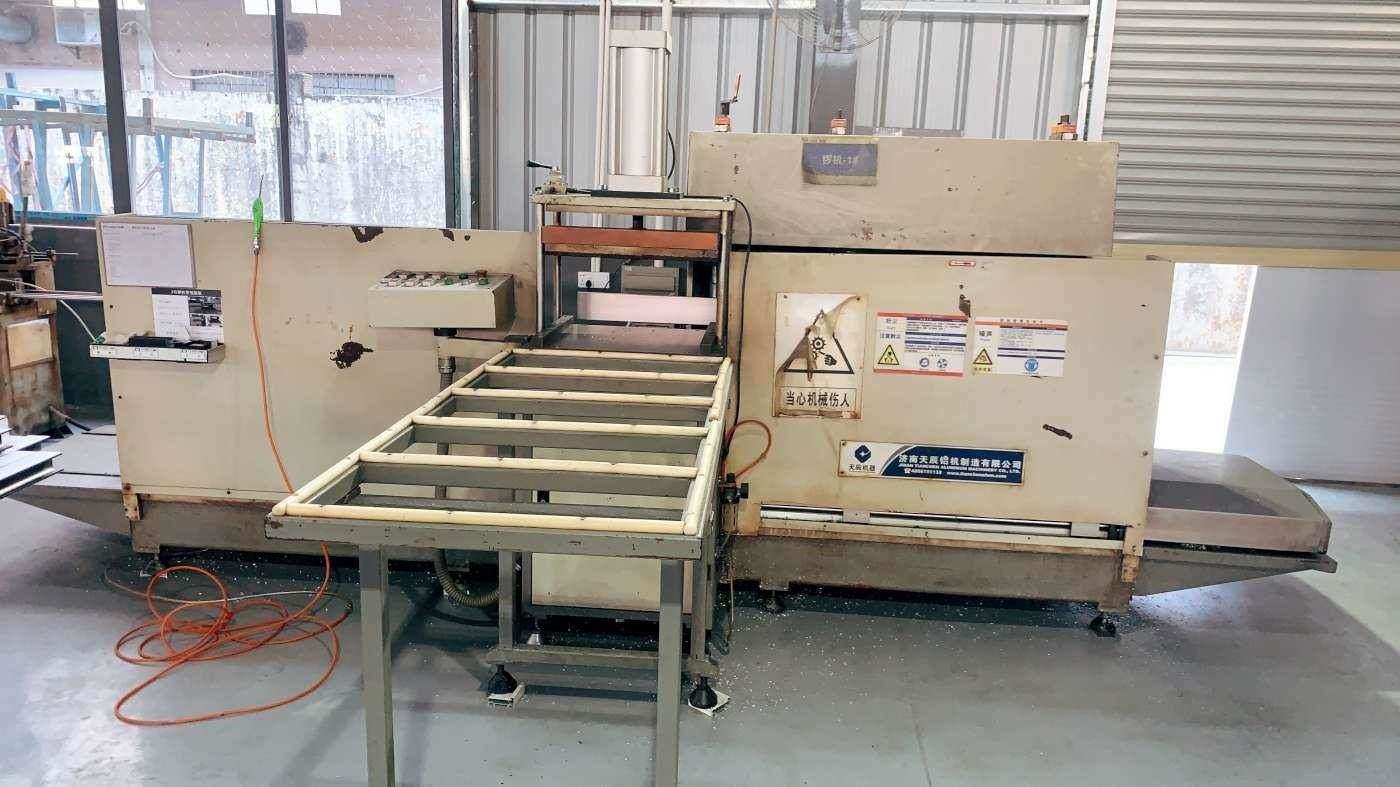
Established in 2017, Foshan Primeval Doors Industry Co., Ltd. operates from a state-of-the-art manufacturing plant spanning 12,000 m². Backed by 11 years of deep industry engineering experience and 5 years of international export trade, the company generates an annual export revenue of USD 8,500,000.
Quality control is strictly enforced through systematic IQC-IPQC-FQC inspection procedures along with rigorous thermal conductivity and salt-spray corrosion testing. A skilled QC team of 22 inspectors oversees every step of the production process. Supported by 420 trusted supply chain partners, our trade background covers direct OEM export and private-label customization, serving primary markets in Australia, New Zealand, and North America. Our client base consists mainly of residential building supply importers, architectural designers, and regional wholesalers. Driven by continuous innovation, our R&D group of 38 engineers introduced 75 new entry door and window product series last year.
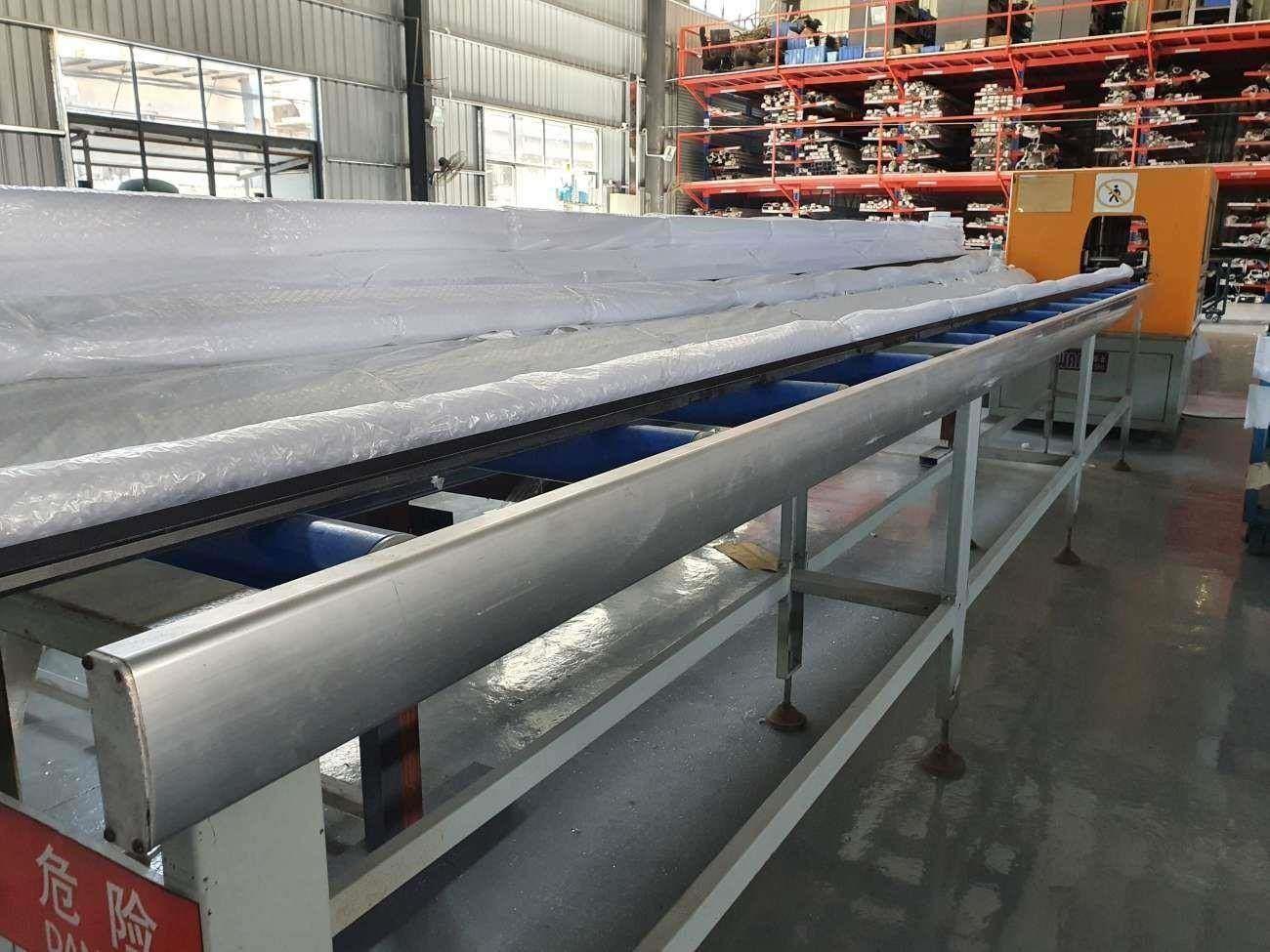
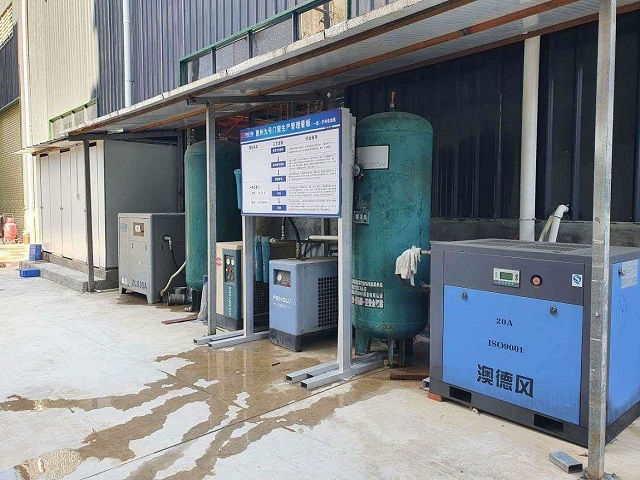
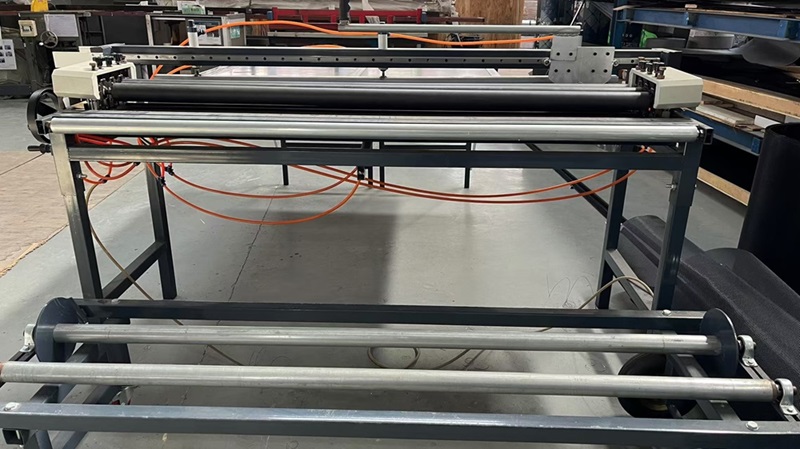
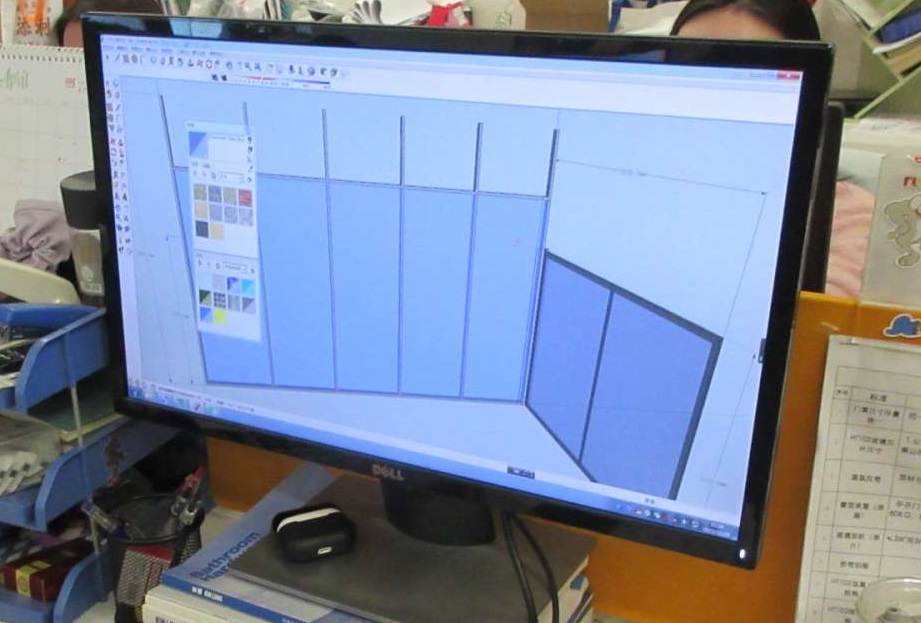
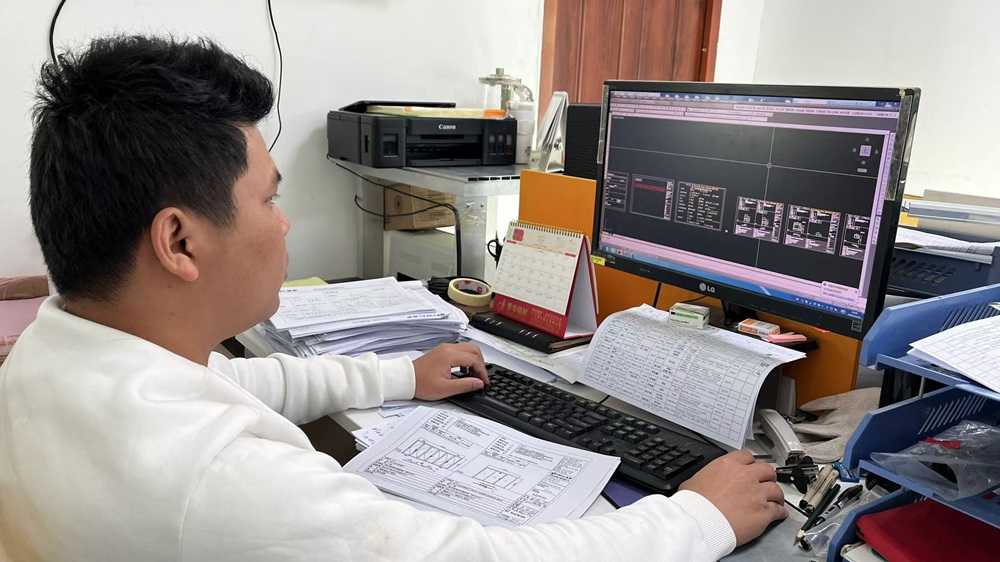
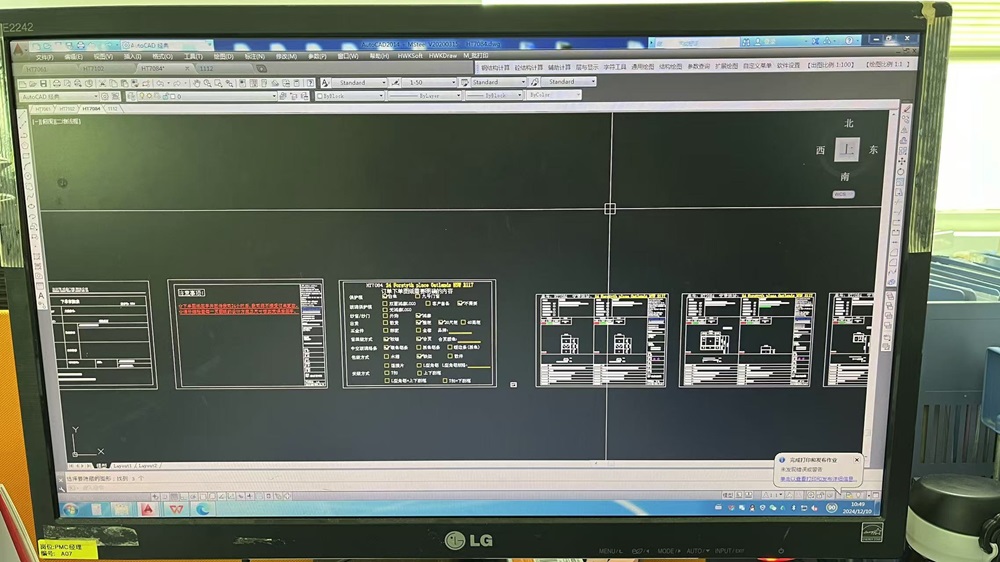
Custom engineering adaptations designed specifically for regional building codes and extreme climatic exposures.
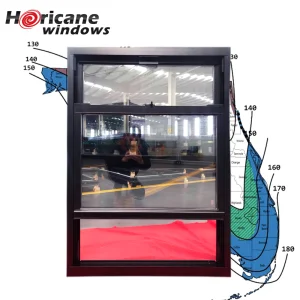
Designed for severe hurricane resistance in coastal zones. Configurations feature laminated impact glass with SentryGlas (SGP) or PVB interlayers, integrated nailing flanges for quick wood-frame installation, and high-velocity wind pressure resistance up to +100/-100 psf.
Rigid compliance with Australian window standards. Incorporates heavy-duty extruded aluminum alloy 6063-T6, stainless steel 304 friction stays, and high UV-resistant powder coat finishes tested under 3,000-hour accelerated salt-spray conditions.
Heavy-commercial vertical sliding systems engineered for high traffic and aesthetic elegance. Compatible with storefront glass systems, motorized sash actuation options, and thermal-break architectural aluminum framing for boutique hotels and urban storefronts.
Pioneering smart dynamic glazing, ultra-narrow sightlines, and zero-carbon thermal isolation.
Transitioning from traditional dual-pane double glazing to 8.3mm ultra-thin Vacuum Insulated Glass. This innovation yields thermal insulation performance equal to a 1.5-meter solid brick wall (U-factors ≤ 0.60 W/m²K), dramatically slimming profile depths for single and double hung windows.
Integration of low-voltage tint-on-demand smart film layers within laminated impact glass units. Windows dynamically alter light transmission and SHGC based on real-time solar irradiance sensors, reducing building HVAC energy expenditure by up to 35%.
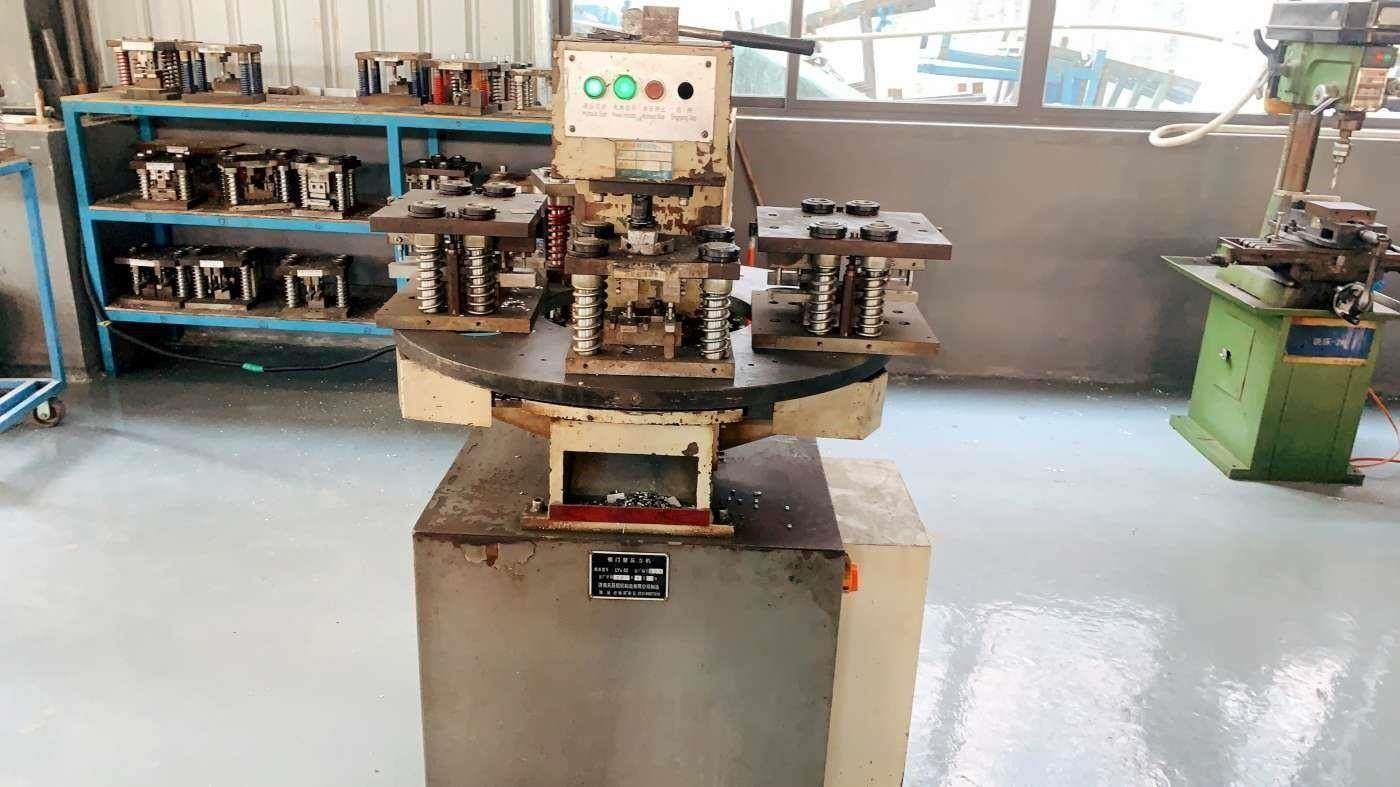
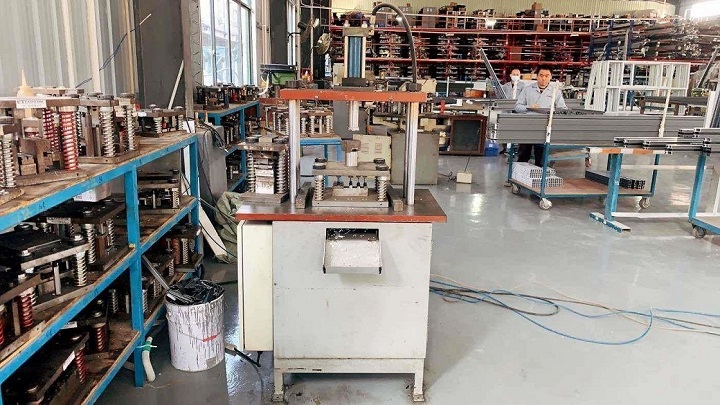
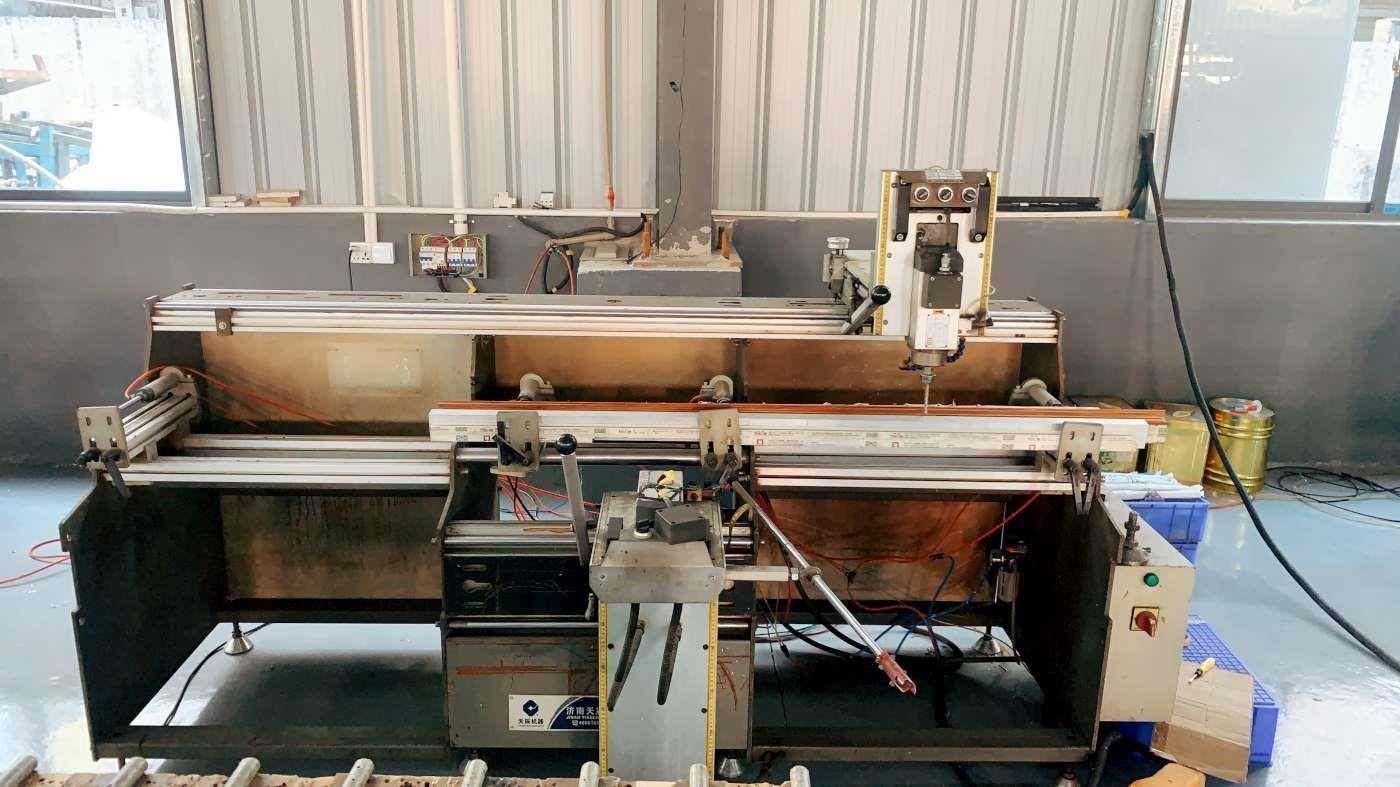
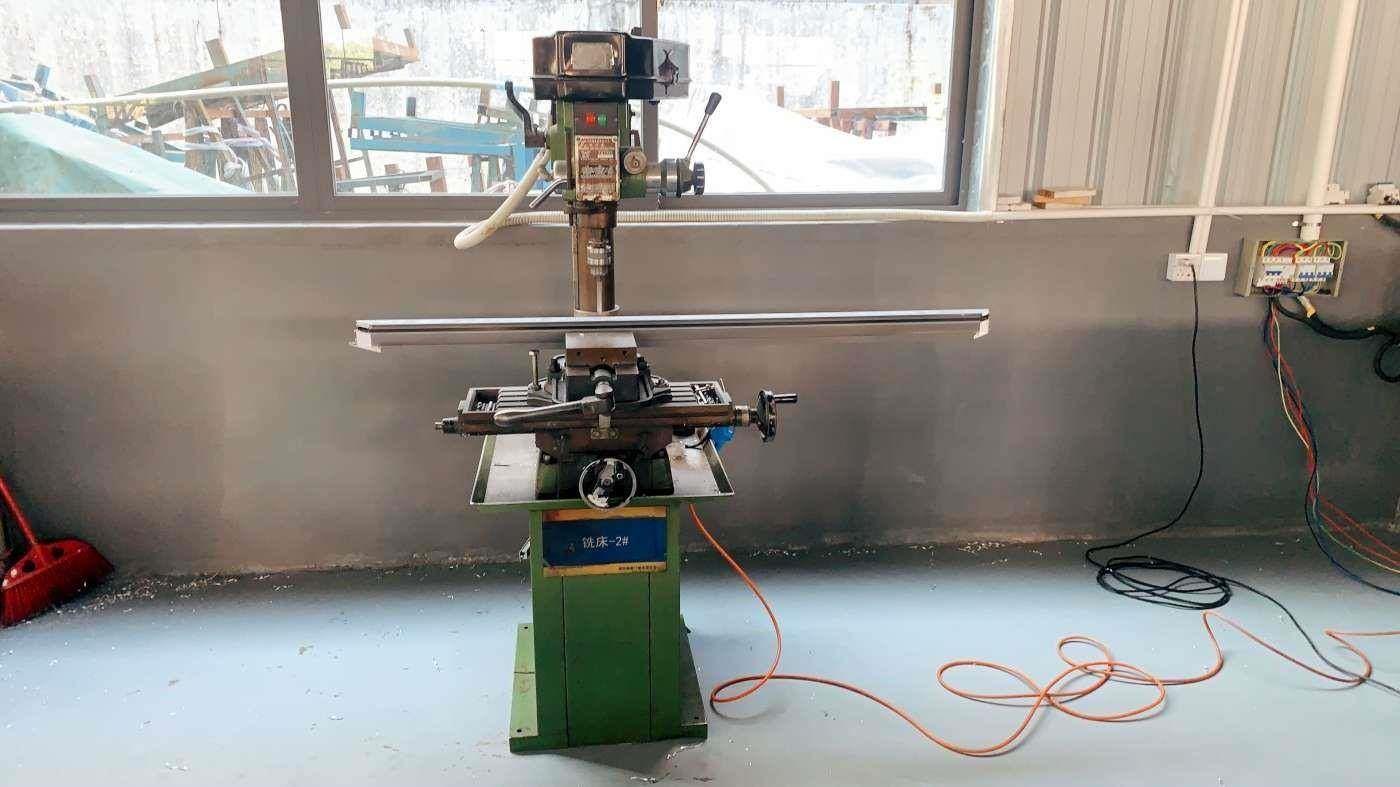
Implementation of fully automated 5-axis CNC machining centers for zero-tolerance profile milling, corner crimping, and automated hardware insertion, raising manufacturing precision to micronic levels.
Key technical answers to streamline B2B procurement, engineering verification, and direct factory ordering.
In a single-hung window, only the lower sash moves vertically while the top sash remains stationary. In a double-hung window, both top and bottom sashes move independently and tilt inward for interior cleaning. Single-hung windows typically achieve higher structural DP ratings in hurricane regions due to the top fixed seal.
Yes. Our impact-resistant window series are tested and certified under Florida Product Approval (FPA) and Miami-Dade Notice of Acceptance (NOA) protocols, meeting TAS 201, 202, and 203 large missile impact tests.
We utilize imported Technoform polyamide PA66 GF25 thermal isolation strips. These break thermal bridges inside aluminum frames, dramatically improving overall U-factor performance and eliminating interior surface condensation.
We provide full customization including frame depth profiles, integrated nailing flanges, decorative grille designs, Low-E glass tints (Solarban series), powder-coating finishes (AkzoNobel color matching), and custom balance hardware (block & tackle vs. constant force balances).
Explore our full line of export-ready vertical sliding systems compliant with North American and Australian standards.
 Primeval Doors