Engineered for extreme structural loads, high-velocity hurricane zones (HVHZ), marine-grade corrosion resistance, and thermal efficiency.
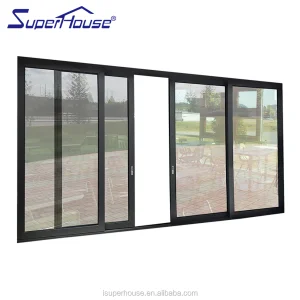
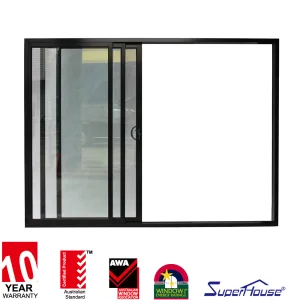
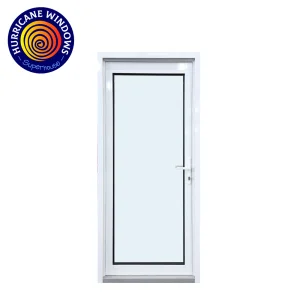
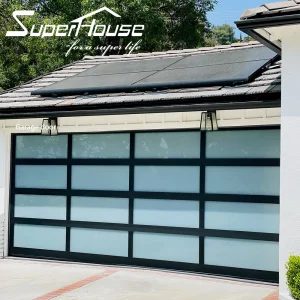
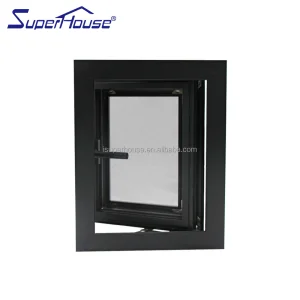
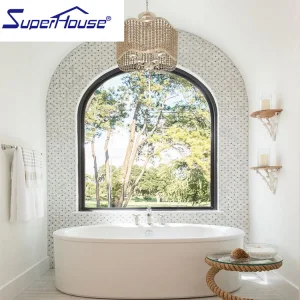
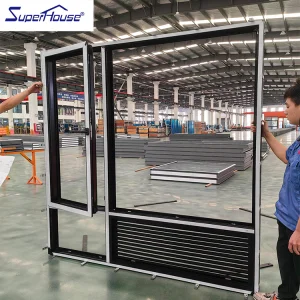
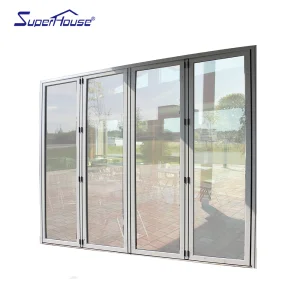
Foshan Primeval Doors Industry Co., Ltd. represents the peak of high-precision aluminum engineering, serving architects, builders, and international distributors worldwide.
Established in 2017, Foshan Primeval Doors Industry Co., Ltd. operates from a modern manufacturing facility of 12,000 m². Backed by 11 years of industry engineering experience and 5 years of international export trade, the company generates an annual export revenue of USD 8,500,000.
Quality control is strictly enforced through systematic IQC-IPQC-FQC inspection procedures along with rigorous thermal conductivity and salt-spray corrosion testing. A skilled QC team of 22 inspectors oversees every step of the production process. Supported by 420 trusted supply chain partners, our trade background covers direct OEM export and private-label customization, serving primary markets in Australia, New Zealand, and North America.
Our client base consists mainly of residential building supply importers, architectural designers, and regional wholesalers. Driven by continuous innovation, our R&D group of 38 engineers introduced 75 new entry door products last year. Customization options include custom frame depths, double-glazed decorative glass inserts, powder-coated color palettes, and heavy-duty weatherproofing seals.
Every batch of extruded 6063-T6 aluminum undergoes raw material spectrographic testing, structural thickness verification, surface anodizing thickness inspection, and multi-point lock mechanical testing prior to shipping clearance.
Designed for severe coastal climates and extreme thermal dynamics. Tested under ASTM B117 salt spray standards for up to 3,000 hours with zero film delamination, combined with high-grade PA66GF25 thermal barrier break strips.
Full compliance with North American NFRC thermal performance ratings, Florida Miami-Dade NOA hurricane standards, California Title 24 energy mandates, and Australian AS2047 structural deflection criteria.
Information Gain Insight: How engineered aluminum profile geometries and composite thermal breaks optimize structural moment of inertia and energy conversion.
Aluminum profiles utilize primary high-purity billets tempered to T6 hardness. This offers a ultimate tensile strength exceeding 205 MPa, allowing for ultra-slim sightlines capable of supporting massive floor-to-ceiling double and triple-glazed units without deflection.
By inserting 25% glass-fiber reinforced polyamide thermal barrier strips between the interior and exterior aluminum profiles, our systems achieve U-values as low as 0.85 W/m²K, eliminating thermal bridging and minimizing condensation risks in polar and humid regions.
Finishes undergo electrostatically applied Kynar 500® / Hylar 5000® PVDF fluoropolymer coating meeting AAMA 2605 specifications. This ensures 20+ years of chalk resistance, color retention, and defense against chalking in intense UV exposure environments.
| Technical Performance Metric | Testing Standard / Standard Compliance | Factory Engineered Value / Range | Architectural & B2B Application Impact |
|---|---|---|---|
| Design Wind Pressure | ASTM E330 / TAS 202 | ± 70 PSF to ± 110 PSF (HVHZ) | Resists Category 5 hurricane wind forces without permanent deformation. |
| Large Missile Impact Resistance | ASTM E1886 / E1996 / TAS 201 | 9lb 2x4 stud at 50 ft/sec (34 mph) | Mandatory safety compliance for coastal building envelopes in South Florida & Caribbean. |
| Thermal Transmittance (U-Factor) | NFRC 100 / ISO 10077-2 | 0.18 - 0.32 BTU/h·ft²·°F (0.85 - 1.8 W/m²K) | Meets California Title 24, IECC 2024, and Passive House low-energy design standards. |
| Acoustic Sound Attenuation | ASTM E90 / ISO 140-3 | STC 38 - STC 45 / OITC 32 - 38 | Dramatically dampens ambient urban, airport, and highway traffic noise pollution. |
| Air & Water Penetration Resistance | ASTM E283 / ASTM E331 | Air leakage < 0.1 cfm/ft²; Water: 15 PSF (720 Pa) | Eliminates structural water ingress during wind-driven rainstorms. |
Unlike standard PVC gaskets that degrade under temperature fluctuations, Foshan Primeval Doors integrates continuous EPDM (Ethylene Propylene Diene Monomer) double-and-triple weather-stripping engineered with co-extruded foam cores. This structural design guarantees elastic recovery across a thermal operating range from -40°C to +120°C, maintaining airtightness over decades of operation.
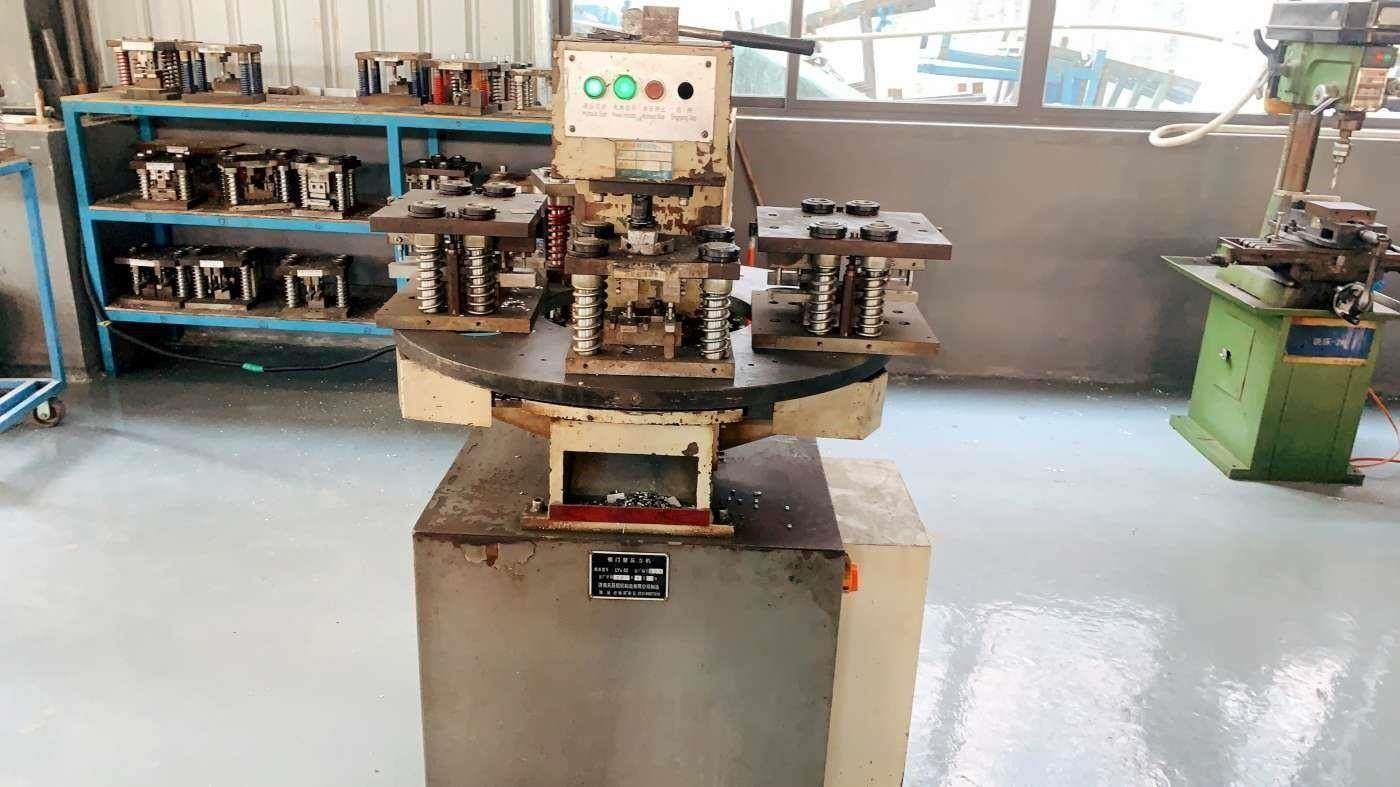
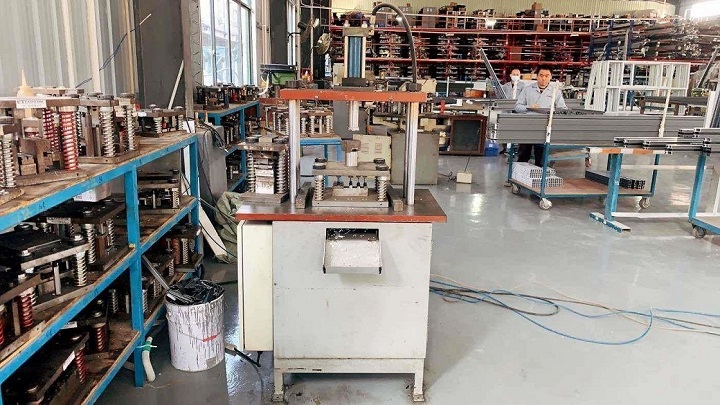
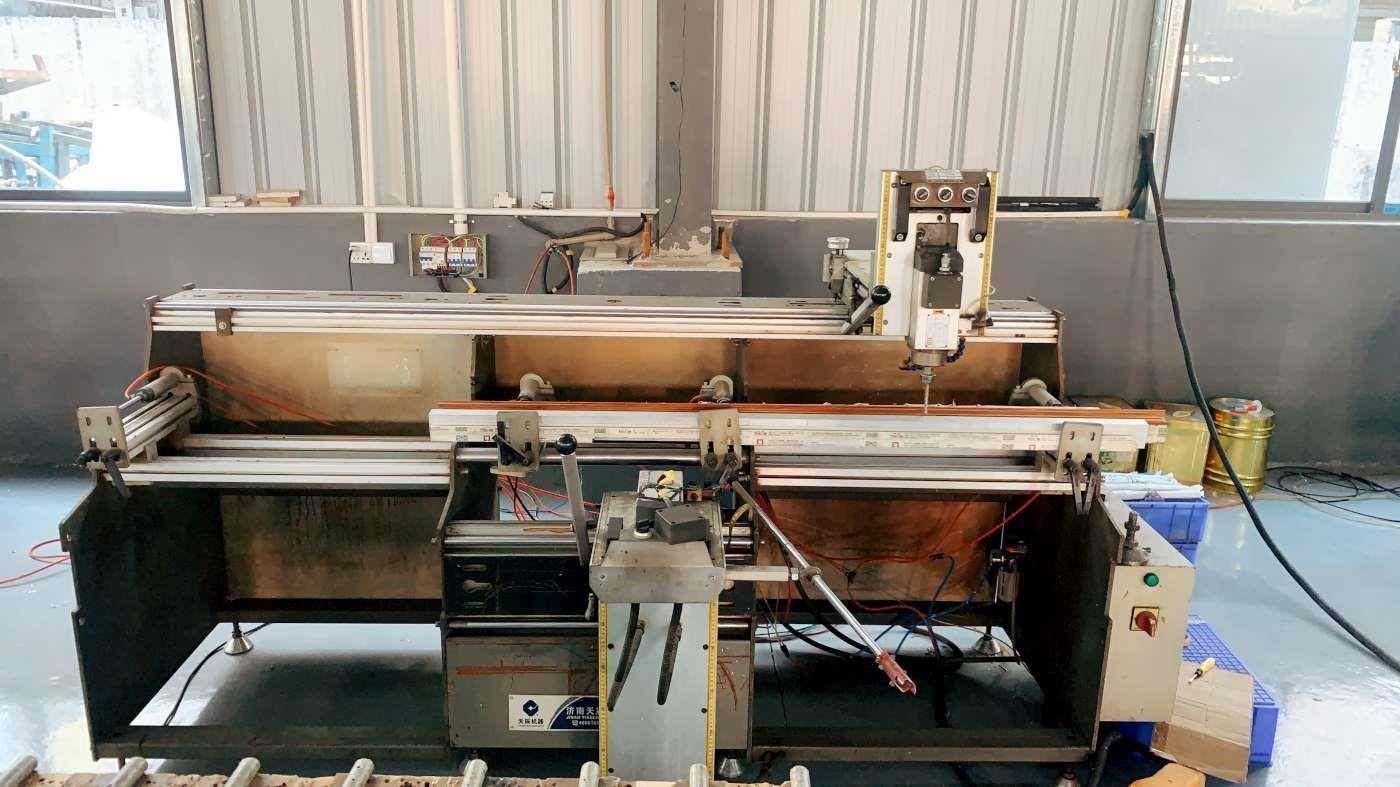
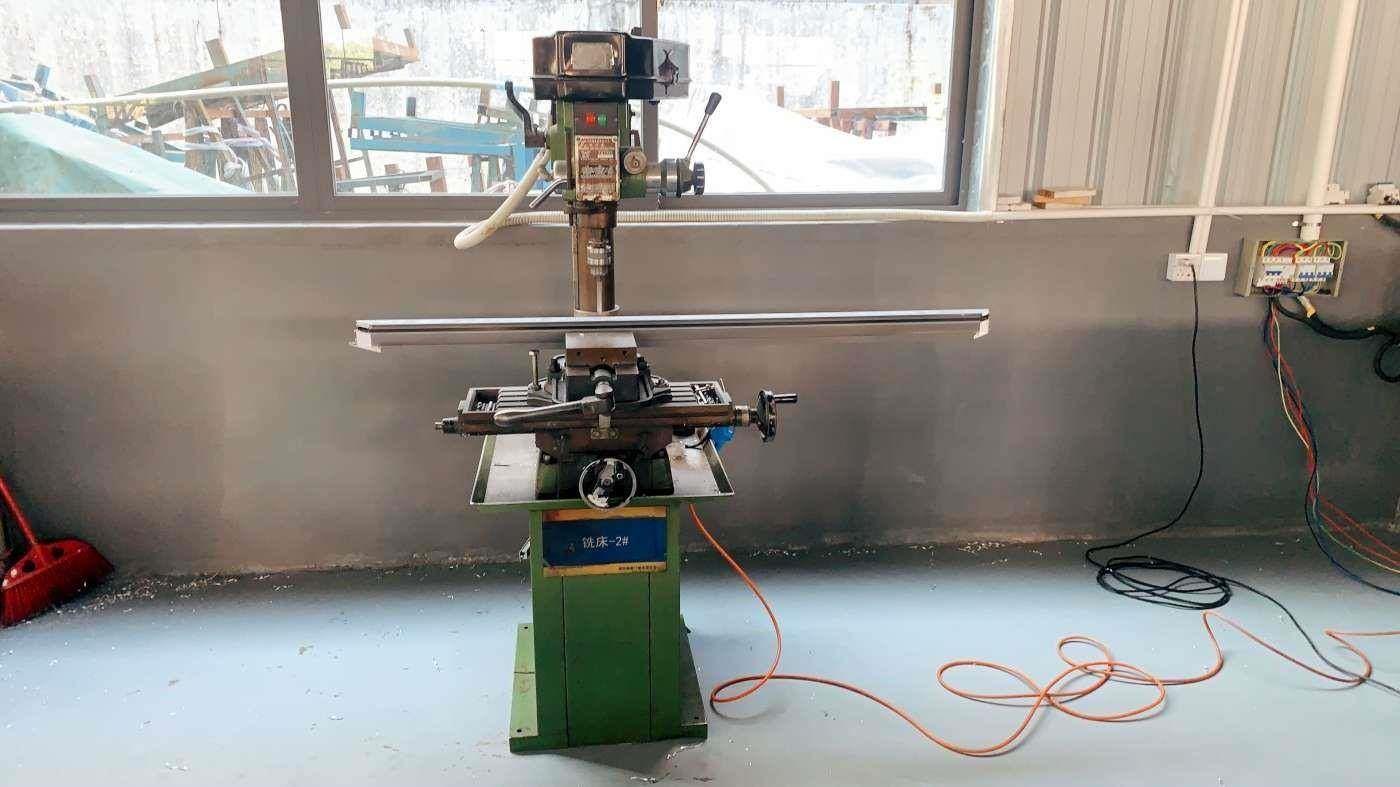
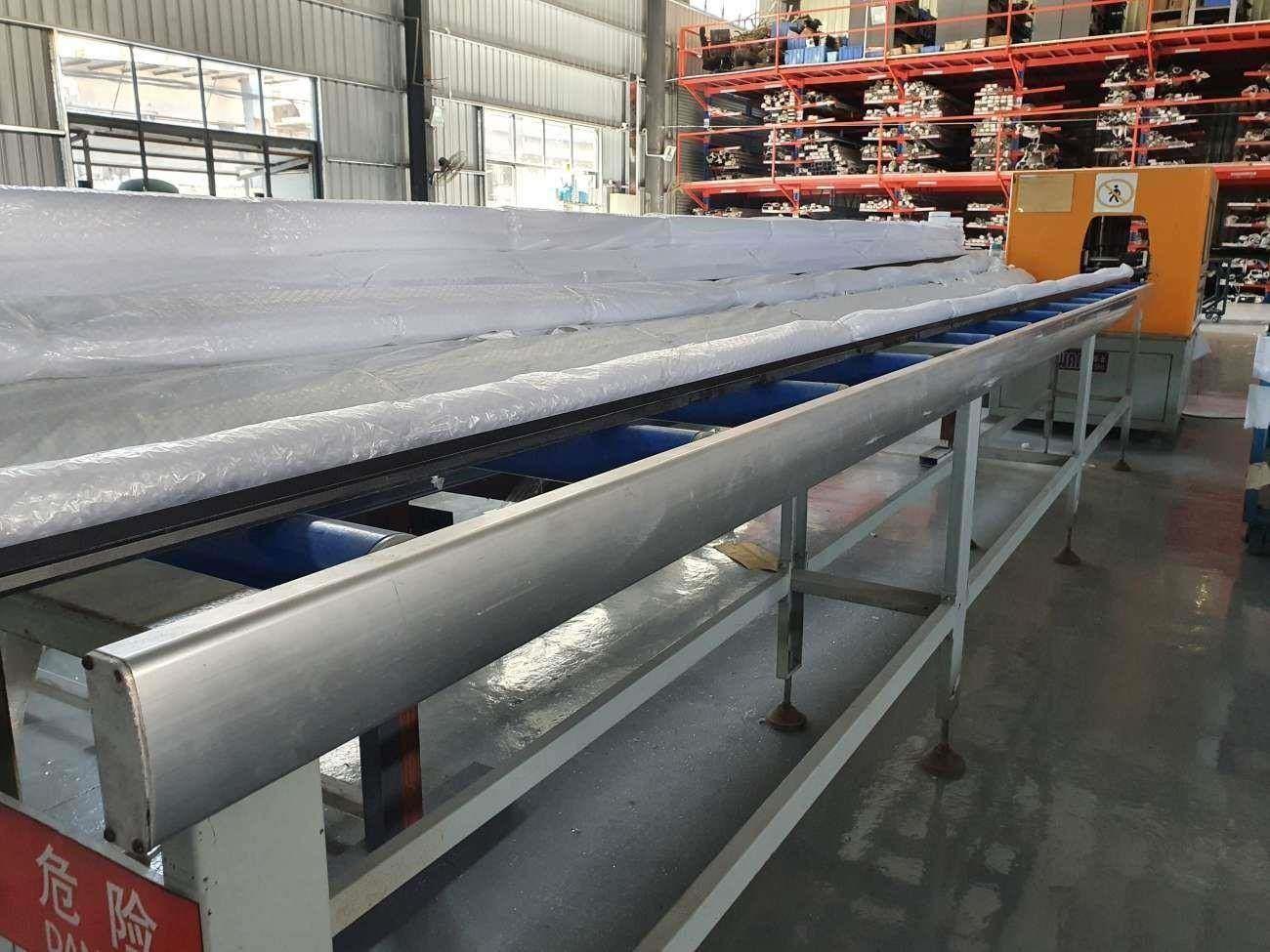
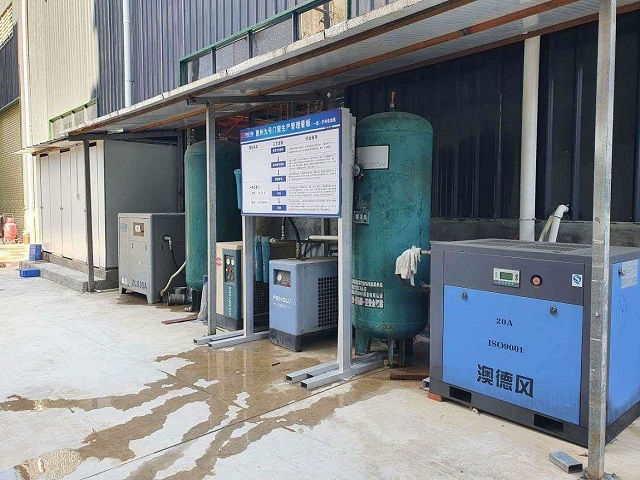
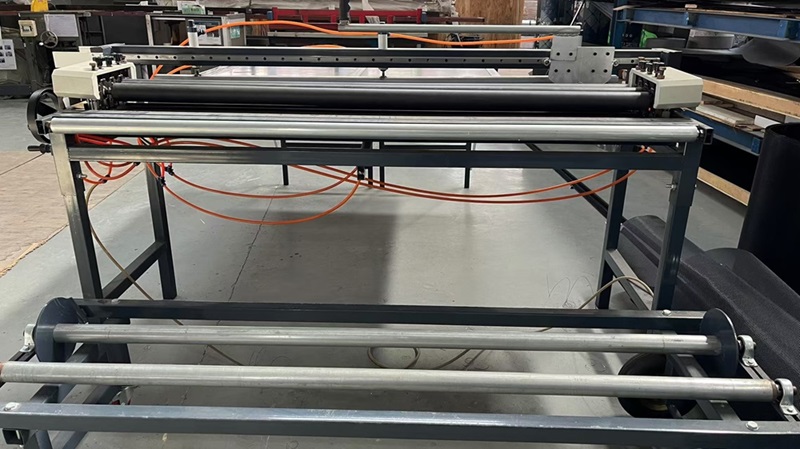
End-to-end automated manufacturing processes ensuring precise structural tolerance, mechanical joint integrity, and flawless surface finishing.
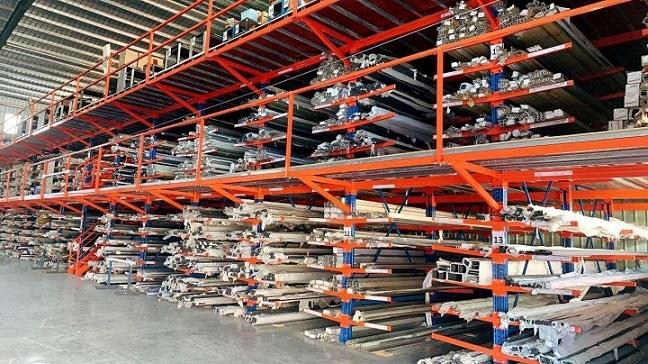
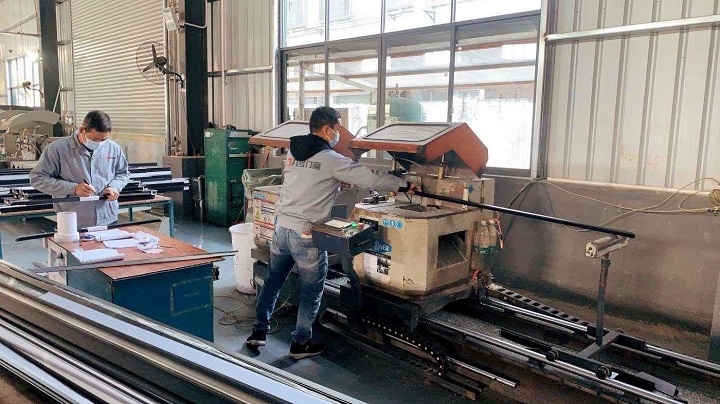
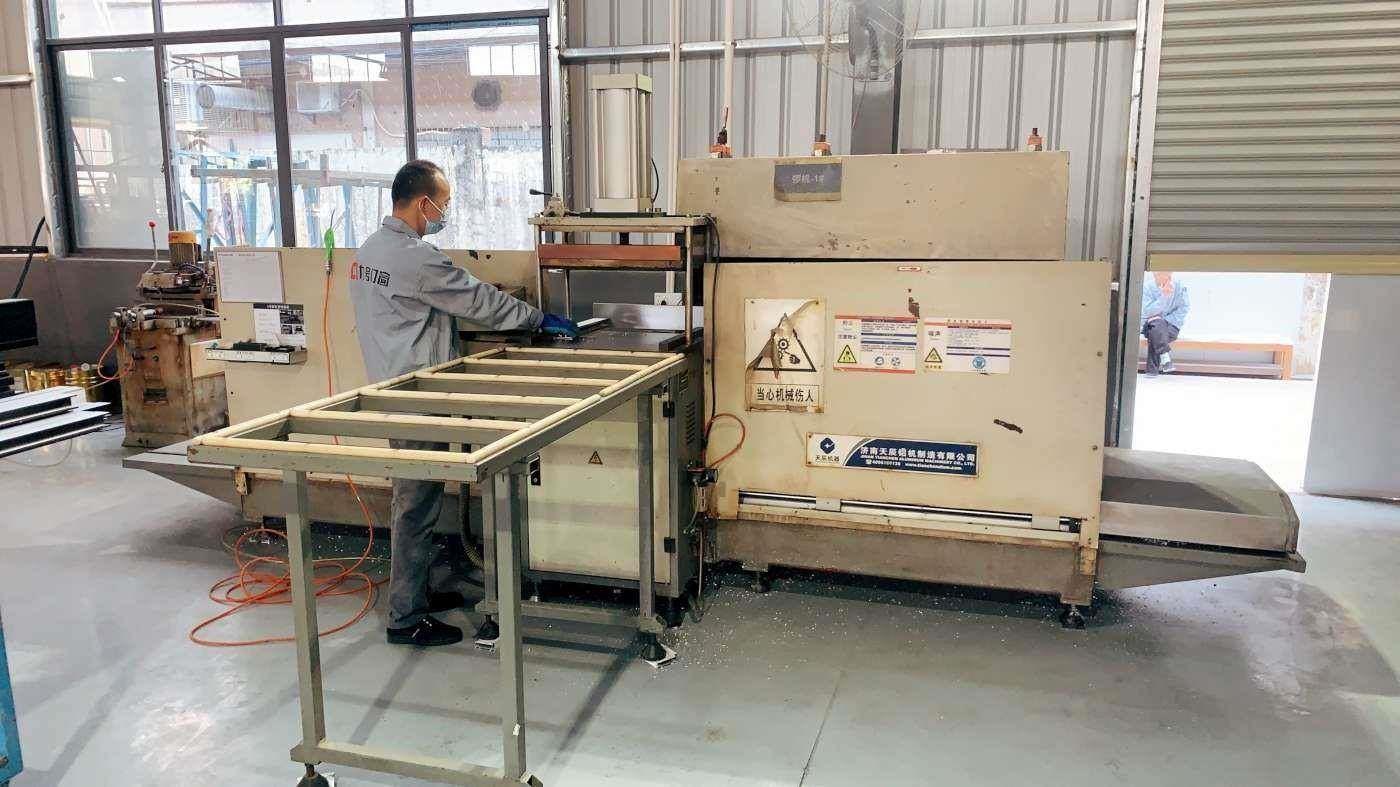
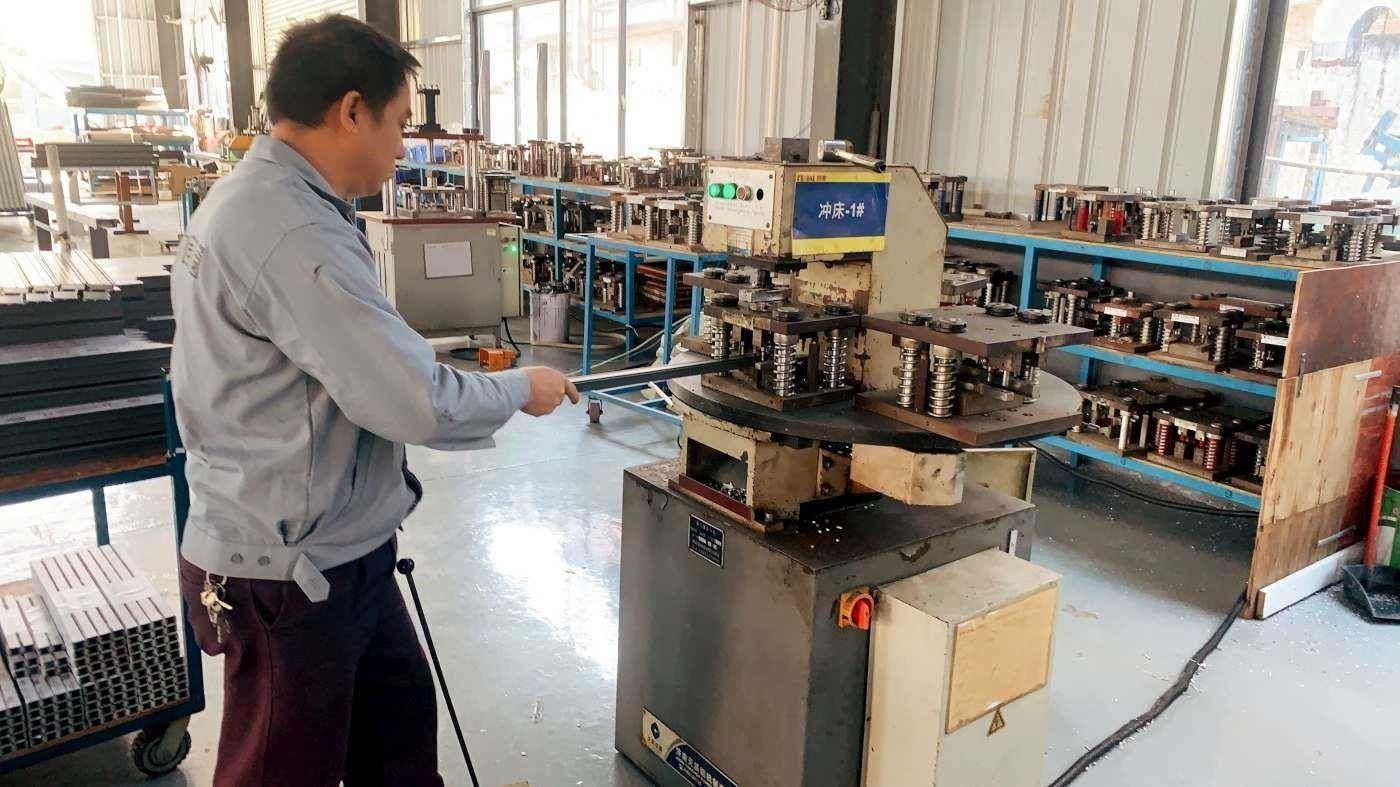
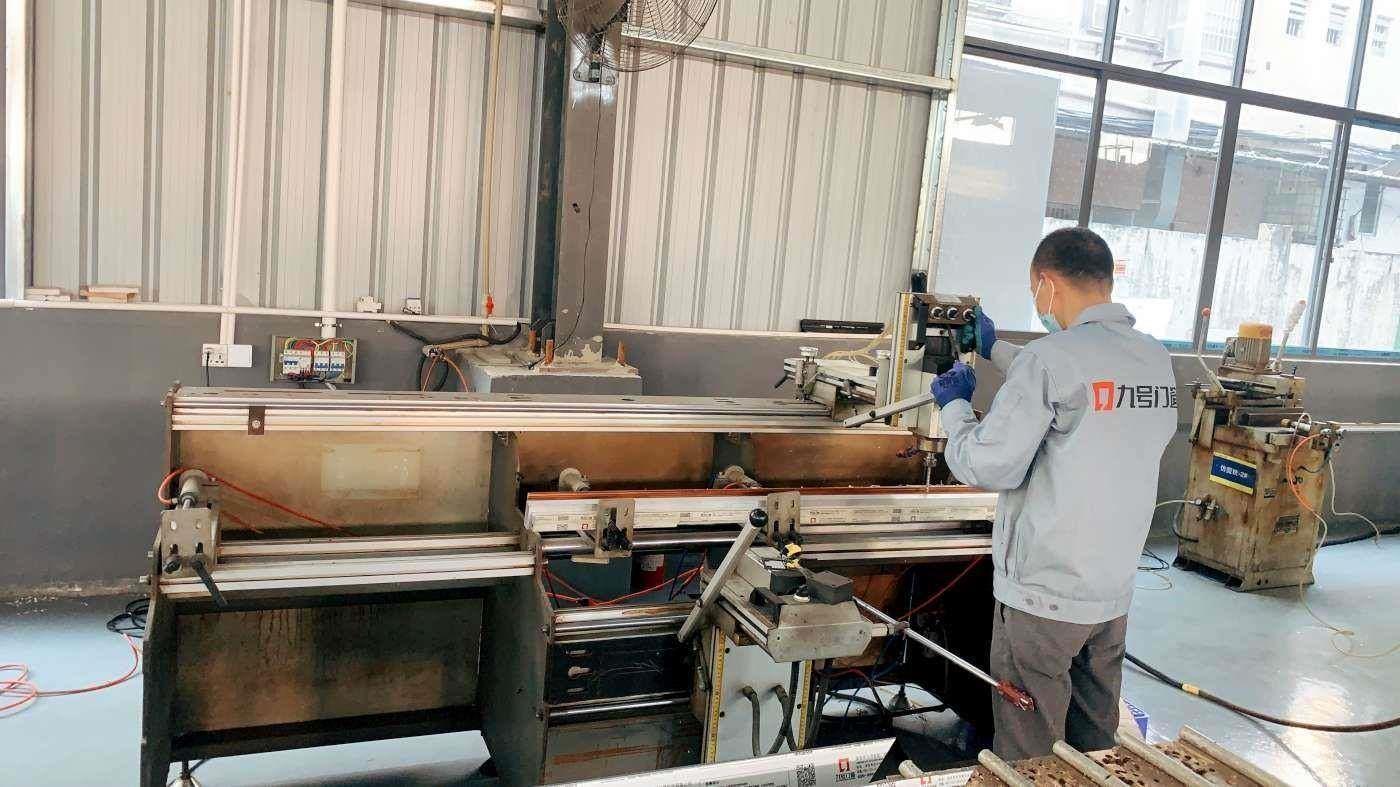
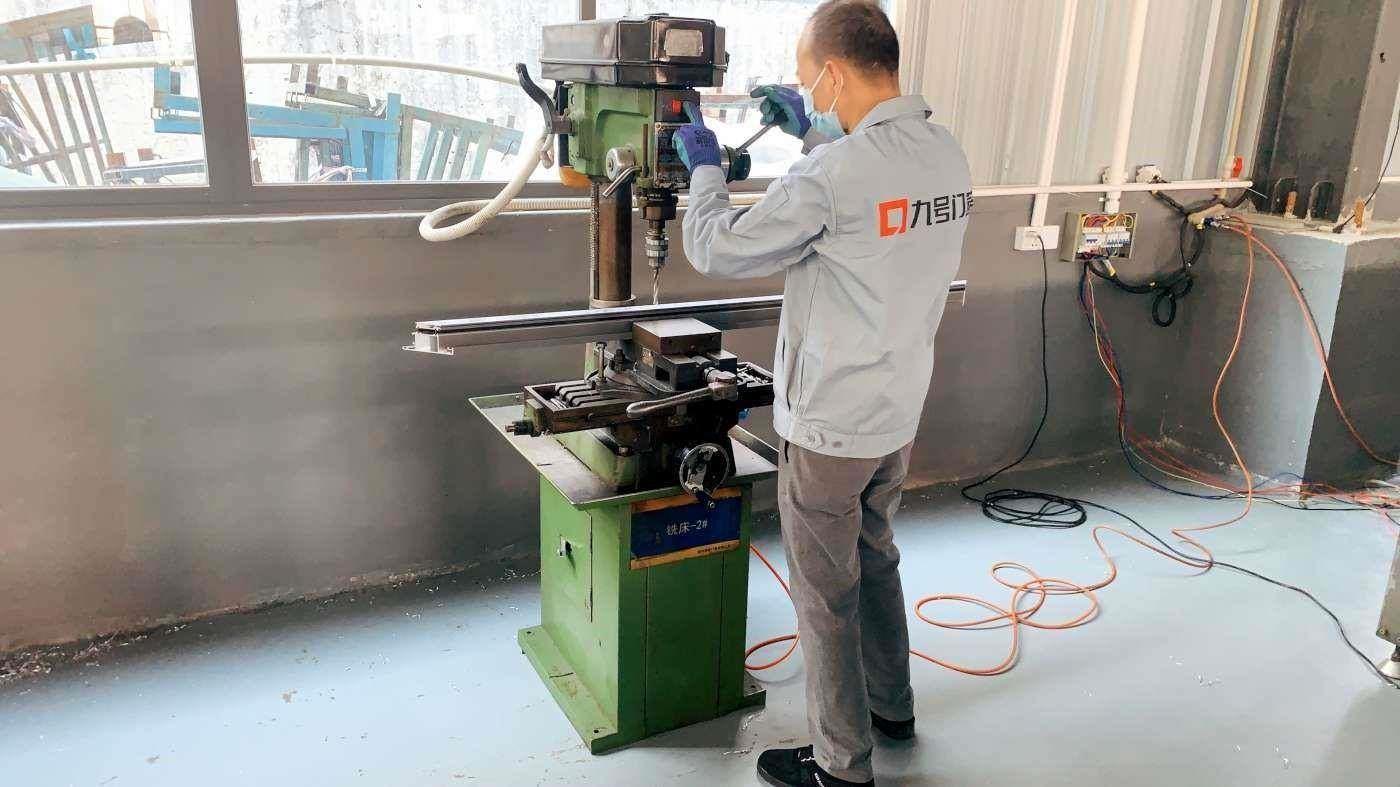
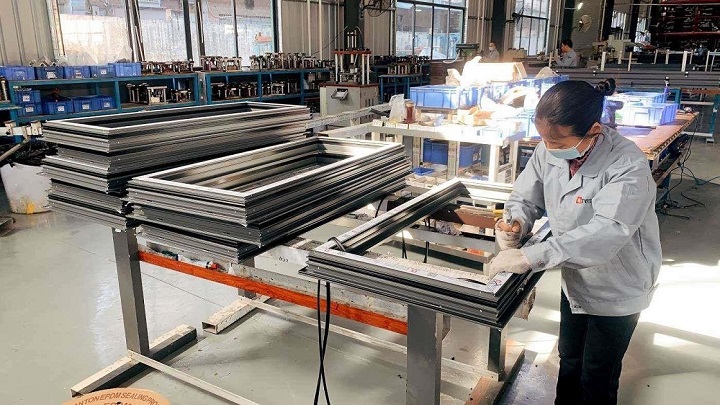
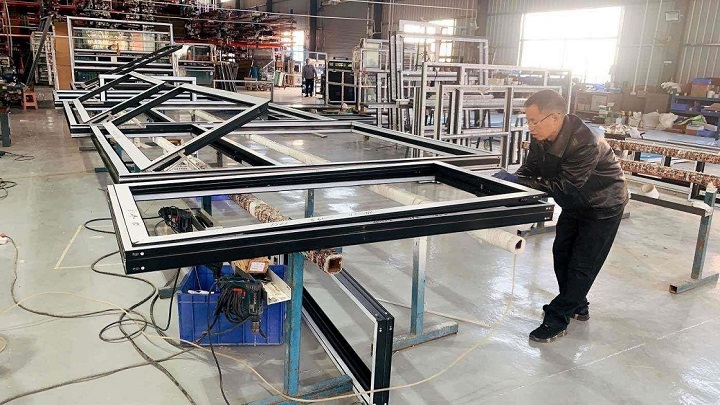
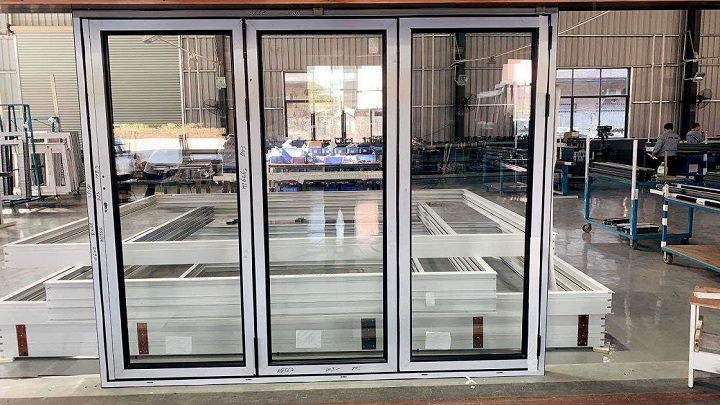
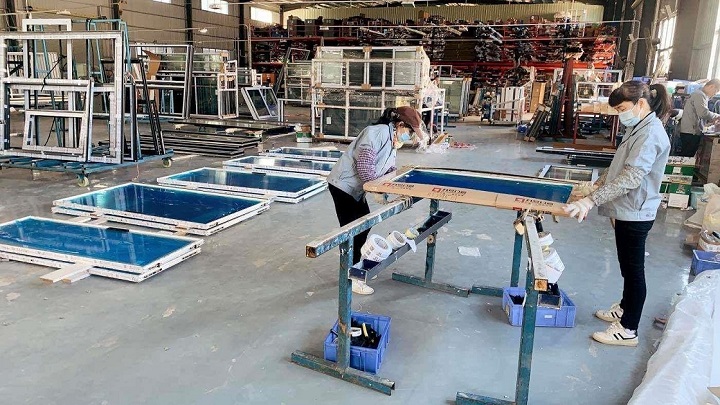
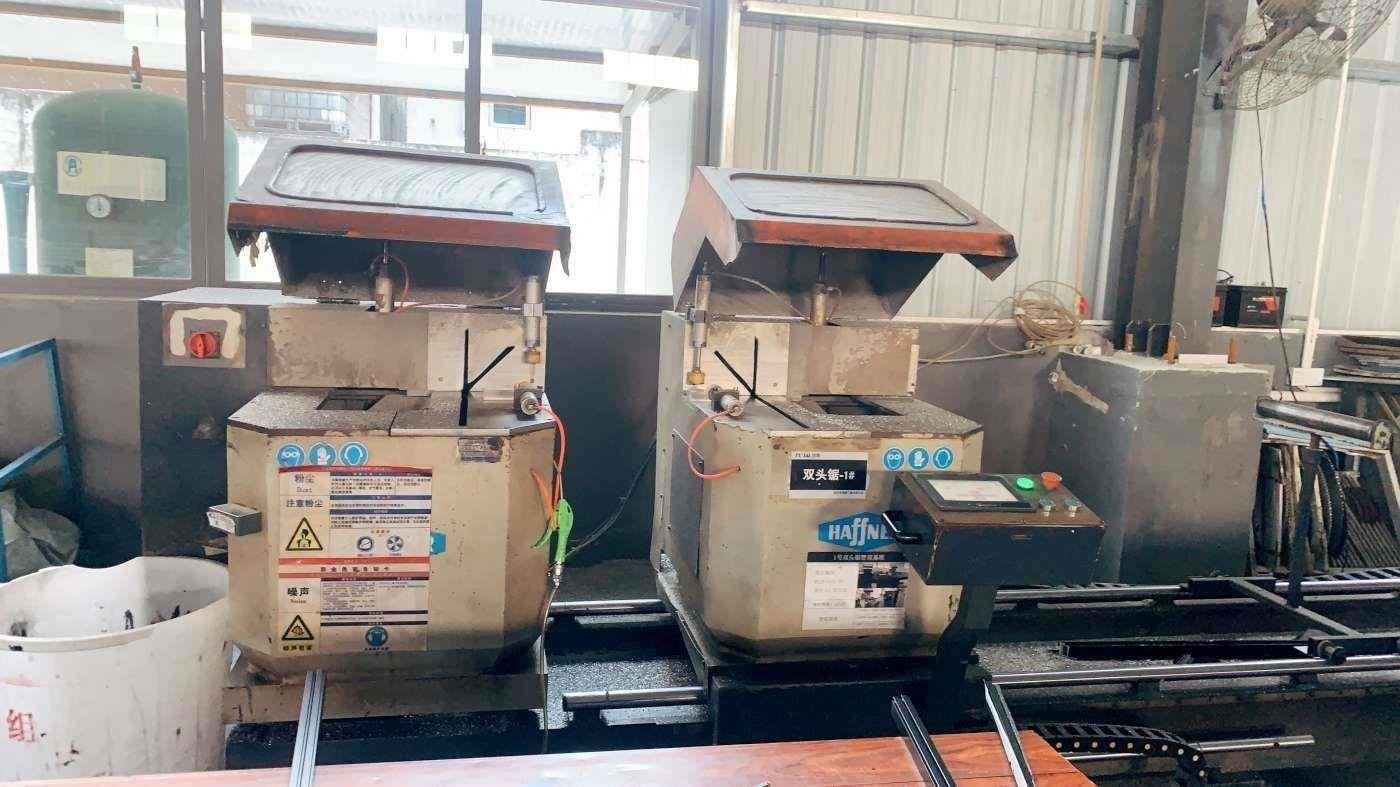
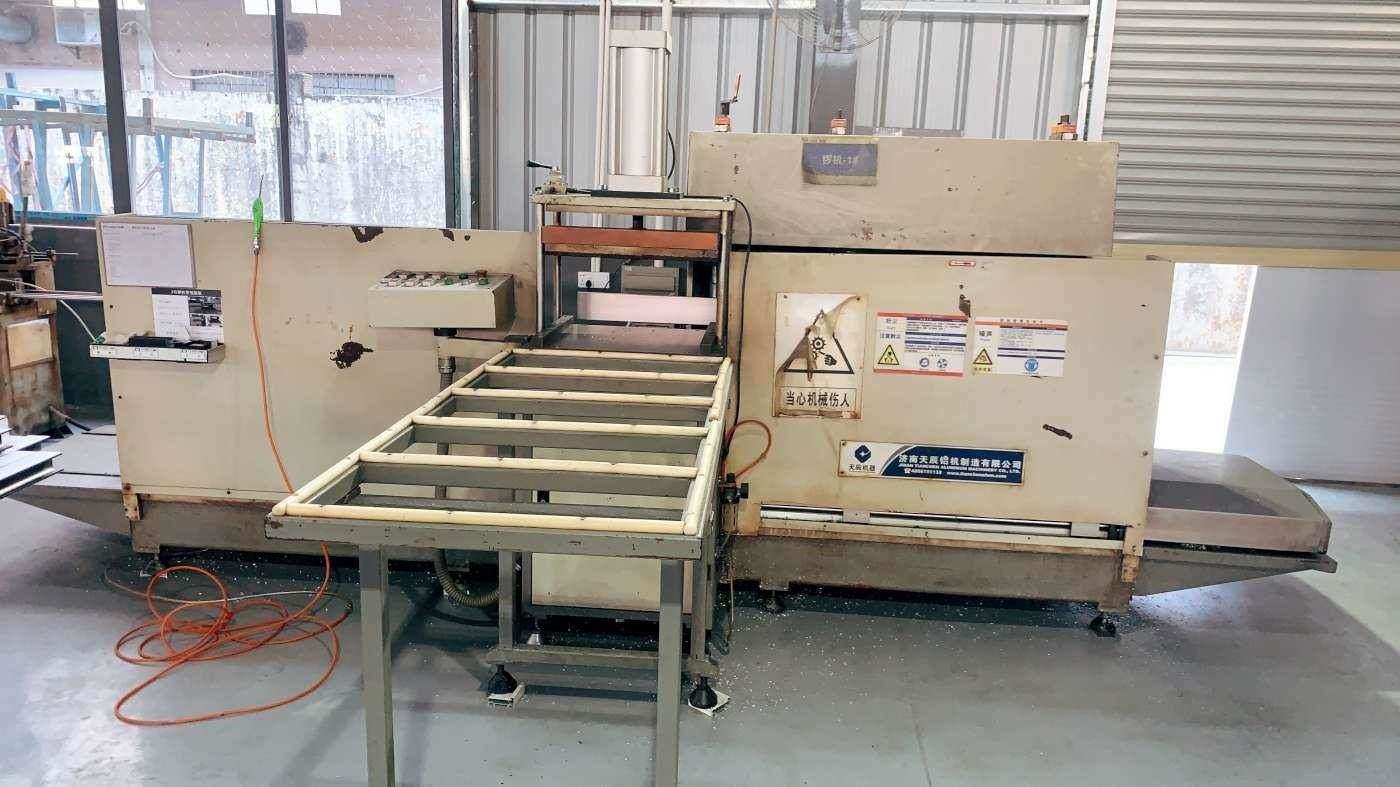
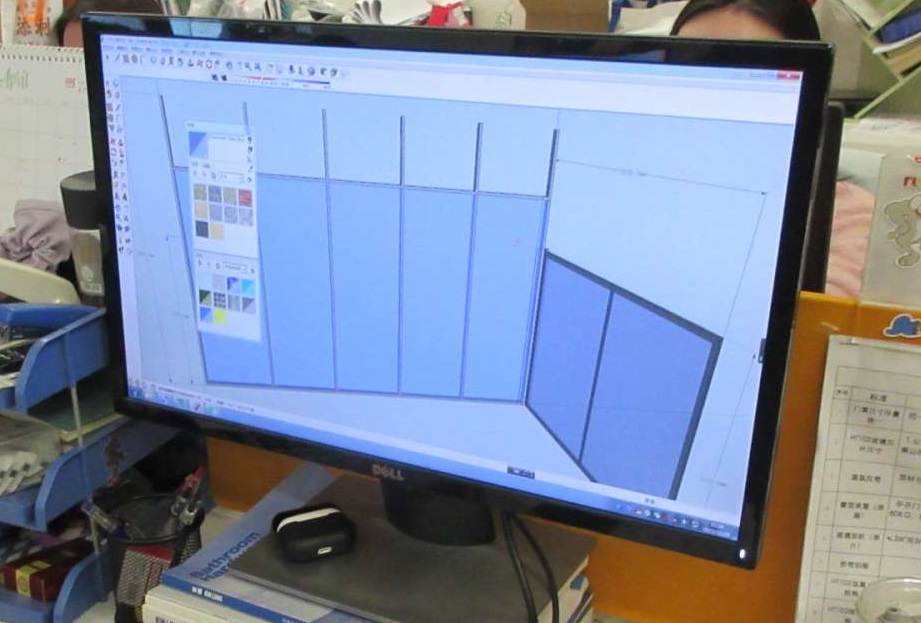
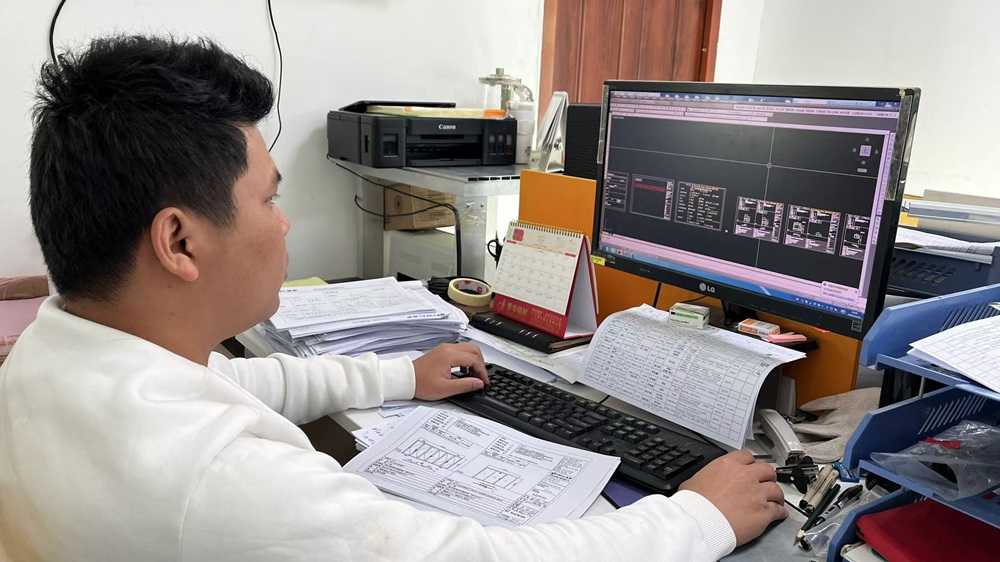
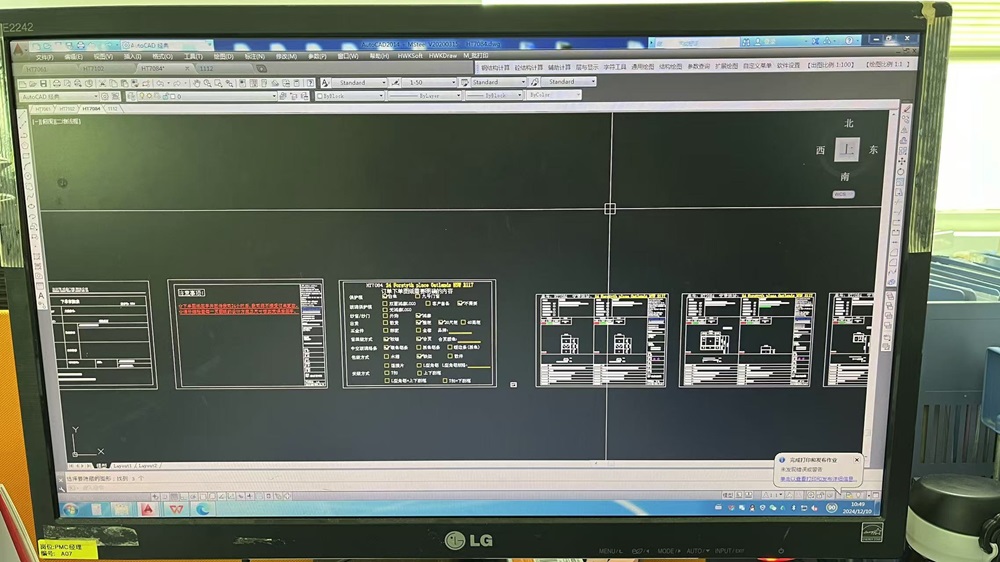
38 Dedicated R&D Engineers translating complex architectural submittals into structural shop drawings and BIM models for commercial and high-end residential projects.
Meeting stringent regional energy codes, structural wind-load requirements, and aesthetic standards across key international jurisdictions.
Focusing on NFRC thermal performance ratings, Florida Miami-Dade NOA hurricane certifications for South Florida/Texas coastal zones, and California Title 24 compliance. Systems engineered to resist extreme temperature differentials and severe atmospheric uplift forces.
Strictly manufactured to AS2047 and AS1288 standards. High-strength aluminum frames tested for deflection, air infiltration, water penetration resistance, and ultimate strength. Fitted with marine-grade hardware for high-salinity coastal environments.
Equipped with integrated louvers, emergency panic bars, heavy-duty commercial closers, and PTAC unit integration modules. Designed for high-foot-traffic entranceways, luxury hospitality, and urban high-rise developments.
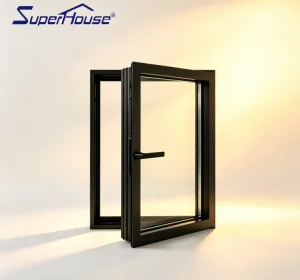
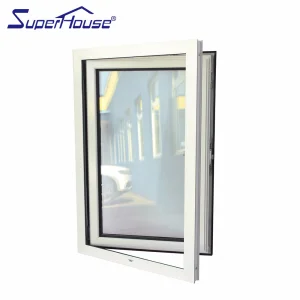
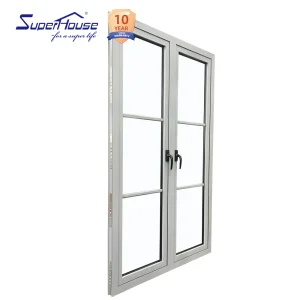
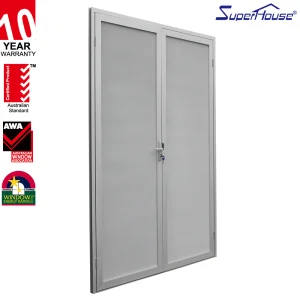
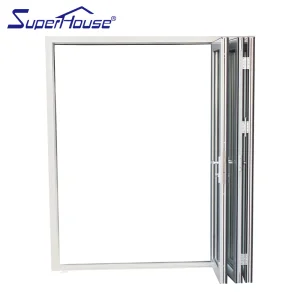
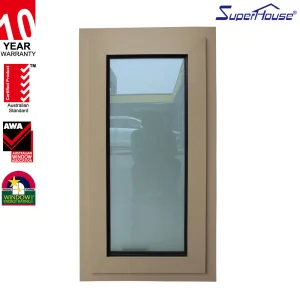
Comprehensive product lines engineered for low U-factors, structural stability, multi-point lock security, and acoustic isolation.
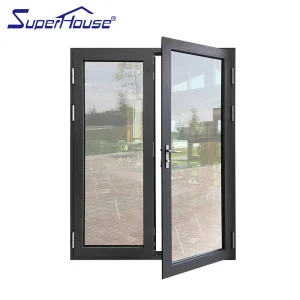
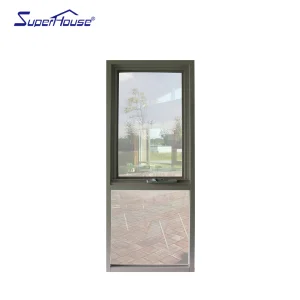
Pioneering the future of architectural fenestration through smart automation, Vacuum Insulating Glass (VIG), and ultra-slim structural profile engineering.
Integrating hidden electro-mechanical concealed drives into slim sliding and bifold doors. Supporting smart-home protocols (KNX, Zigbee, Control4) for automated climate and air quality control integration.
Incorporating thin 0.3mm vacuum micro-spacers within double-glazed units to achieve ultra-low thermal U-factors (<0.6 W/m²K) while reducing total sash weight by over 35% for effortless manual sliding operation.
Transitioning primary extrusion lines to certified low-carbon recycled aluminum billets smelted using renewable hydro-electric energy. Decreasing product embedded carbon footprint to support LEED Gold & BREEAM certifications.
Expert technical clarity addressing engineering specifications, compliance testing, minimum order volumes, and international export logistics.
 Primeval Doors