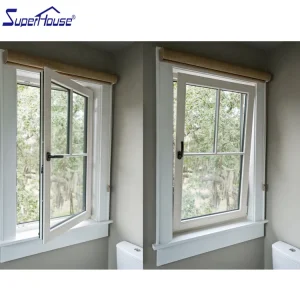
Explore our premium range of high-efficiency casement windows, thermal break entry doors, and structural glass window walls configured for extreme climate resilience.
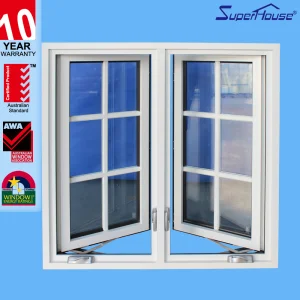
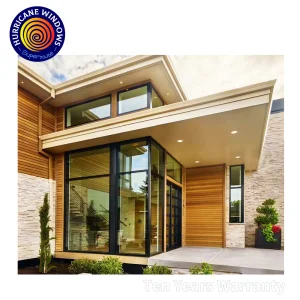
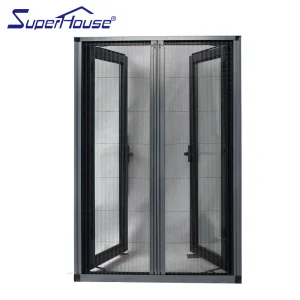
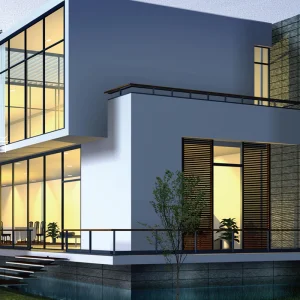
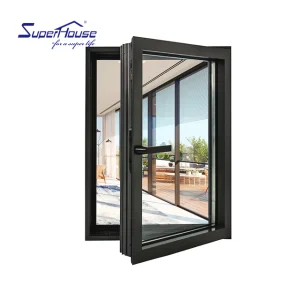
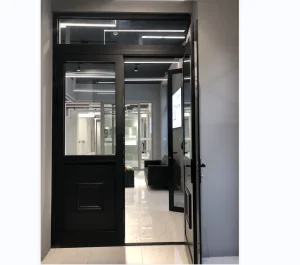
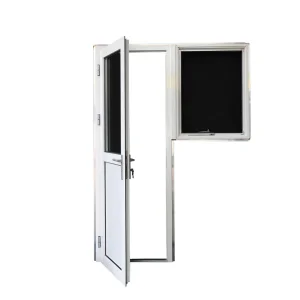
Analyzing global decarbonization mandates, energy conservation building codes, and the thermal physics of high-performance passive fenestration.
The global construction landscape is undergoing a paradigm shift driven by stringent decarbonization frameworks, such as the European Union’s Energy Performance of Buildings Directive (EPBD), North America’s ASHRAE 90.1 update, California Title 24 Energy Code, and Australia’s updated National Construction Code (NCC). As modern architectural design gravitates toward zero-energy buildings (ZEB) and ultra-low thermal load structures, transparent envelope components—specifically windows, structural glass curtain walls, and exterior entry doors—are recognized as crucial performance vectors.
Passive House (Passivhaus) standard fenestration requires an unprecedented level of engineering rigor. Traditional window designs account for over 40% of building envelope thermal losses. In contrast, certified Passive House Windoors function as active thermal barriers and solar energy collectors. By restricting overall thermal transmittance coefficients ($U_w$) to less than 0.80 W/(m²K) for cold climates and balancing Solar Heat Gain Coefficients ($SHGC$), passive windoors drastically minimize space heating and cooling demands.
Integration of triple and quadruple Insulated Glass Units (IGUs) with warm-edge spacer technology achieves center-of-glass thermal values ($U_g$) as low as 0.5 W/(m²K), virtually eliminating cold draft radiation.
Engineered with high-density PA66-GF25 glass fiber reinforced polyamide thermal breaks, interrupting thermal bridge transmission across structural aluminum profiles.
Multi-stage continuous EPDM rubber gasket systems ensure building pressurization test results ($n_{50}$) comfortably meet or exceed the mandatory Passive House limit of 0.6 air changes per hour at 50 Pa pressure.
Deconstructing frame thermodynamics, glass chemistry, hardware endurance, and sealing mechanics.
Raw structural aluminum exhibits high thermal conductivity (~160 W/mK). To make aluminum suitable for Passive House applications, our window systems incorporate dual and triple cavity thermal breaks made of PA66-GF25 (Polyamide 66 with 25% Glass Fiber reinforcement). This structural thermal barrier reduces thermal conductivity to approximately 0.30 W/mK. Furthermore, internal air cavities are filled with expanded polyolefin or polyurethane foam insulation inserts to suppress convective micro-air currents within the frame profile.
The glazing configuration represents up to 80% of total fenestration surface area. Our high-efficiency systems utilize double or triple pane setups with double silver or triple silver Low-Emissivity (Low-E) soft coatings. These microscopic metallic oxide layers reflect long-wave infrared thermal radiation back into the interior during winter while reflecting solar heat during summer. Spaces between glass panes are vacuumized and backfilled with 90%+ pure Argon or Krypton inert gas to inhibit conductive and convective heat transfer.
| Performance Benchmark Metric | Standard Aluminum Window | Standard Thermal Break Window | Primeval Passive House Windoors |
|---|---|---|---|
| Overall Frame & Glass U-Value ($U_w$) | 5.2 - 6.5 W/(m²K) | 2.2 - 2.8 W/(m²K) | 0.75 - 1.10 W/(m²K) |
| Center of Glass U-Value ($U_g$) | 2.8 W/(m²K) | 1.4 W/(m²K) | 0.50 - 0.70 W/(m²K) |
| Airtightness Class (EN 12207) | Class 2 | Class 3 | Class 4 (Highest Rating) |
| Acoustic Attenuation (STC / Soundproofing) | 25 - 28 dB | 32 - 35 dB | 42 - 48+ dB |
| Water Penetration Resistance | 150 Pa | 300 Pa | 700 - 1000+ Pa |
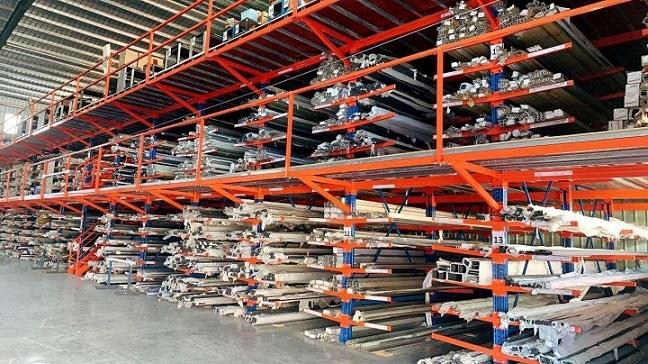
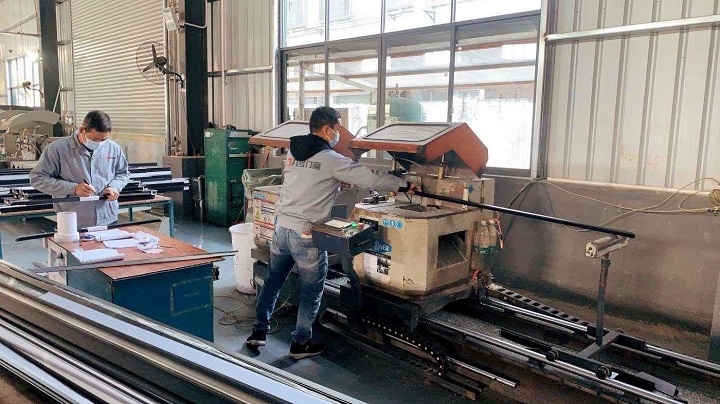
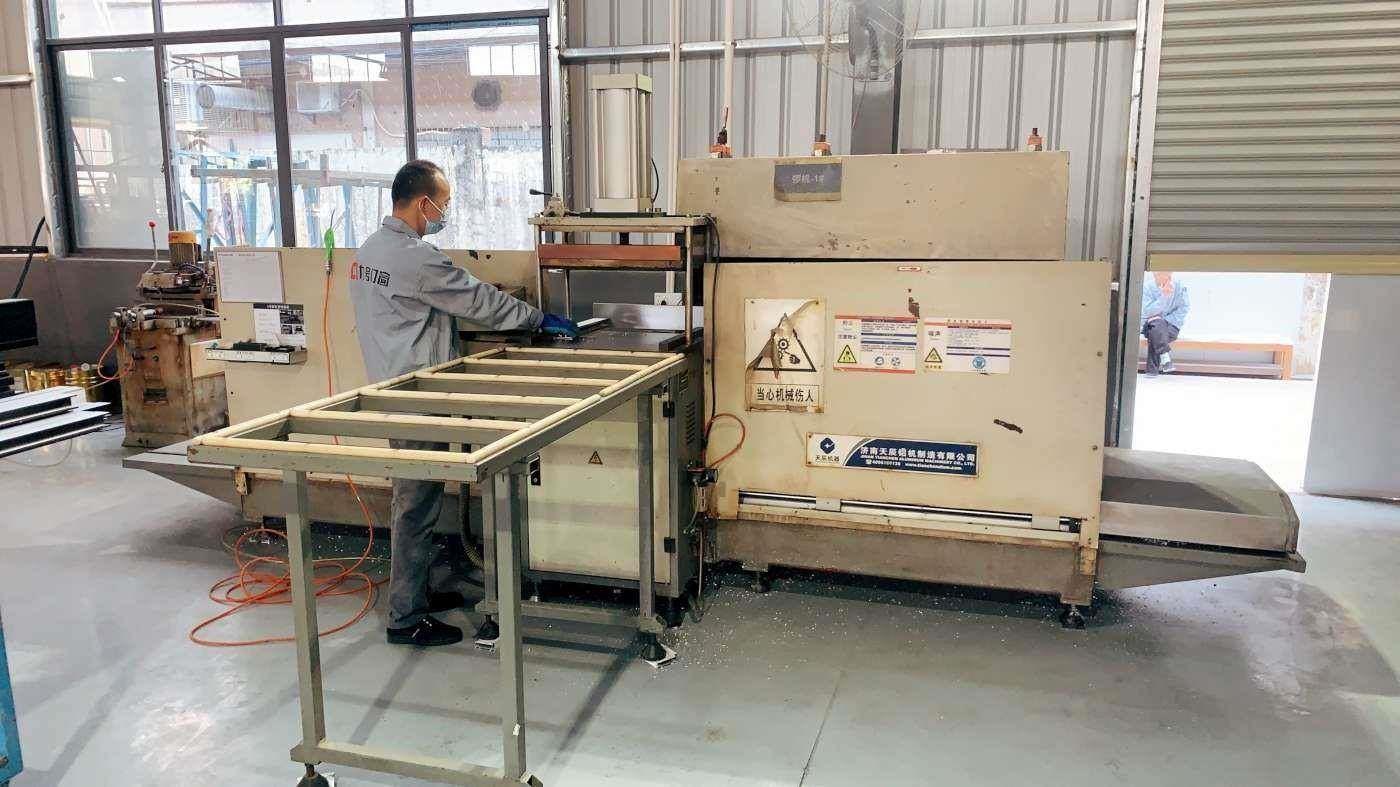
11 years of architectural engineering expertise, rigorous IQC-IPQC-FQC quality loops, and advanced production infrastructure.
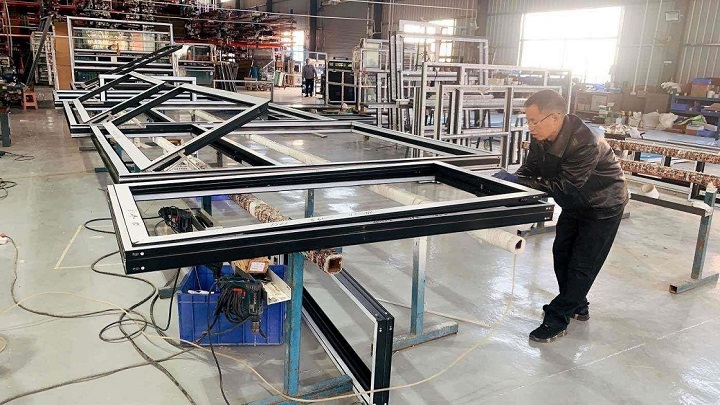
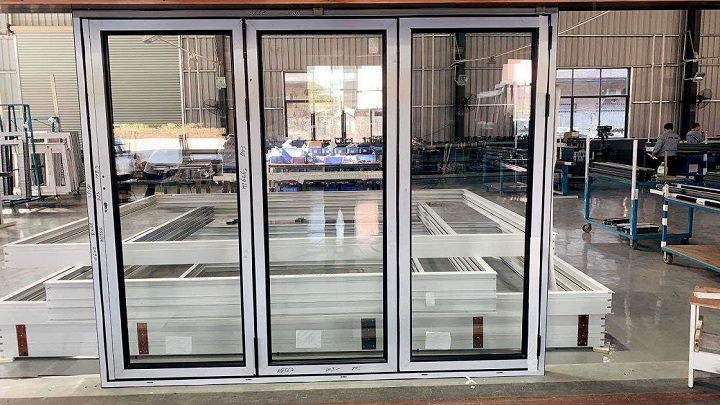
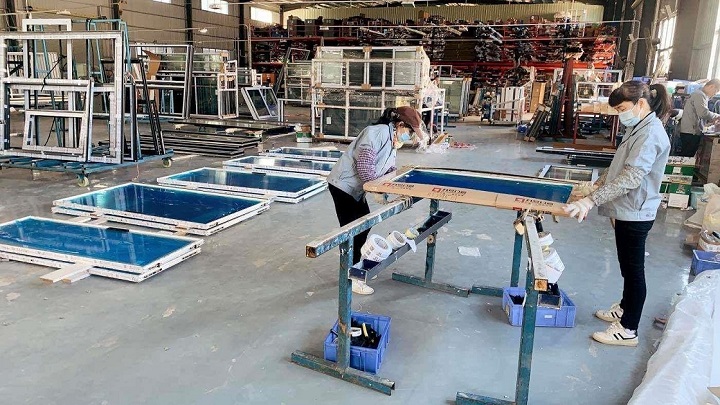
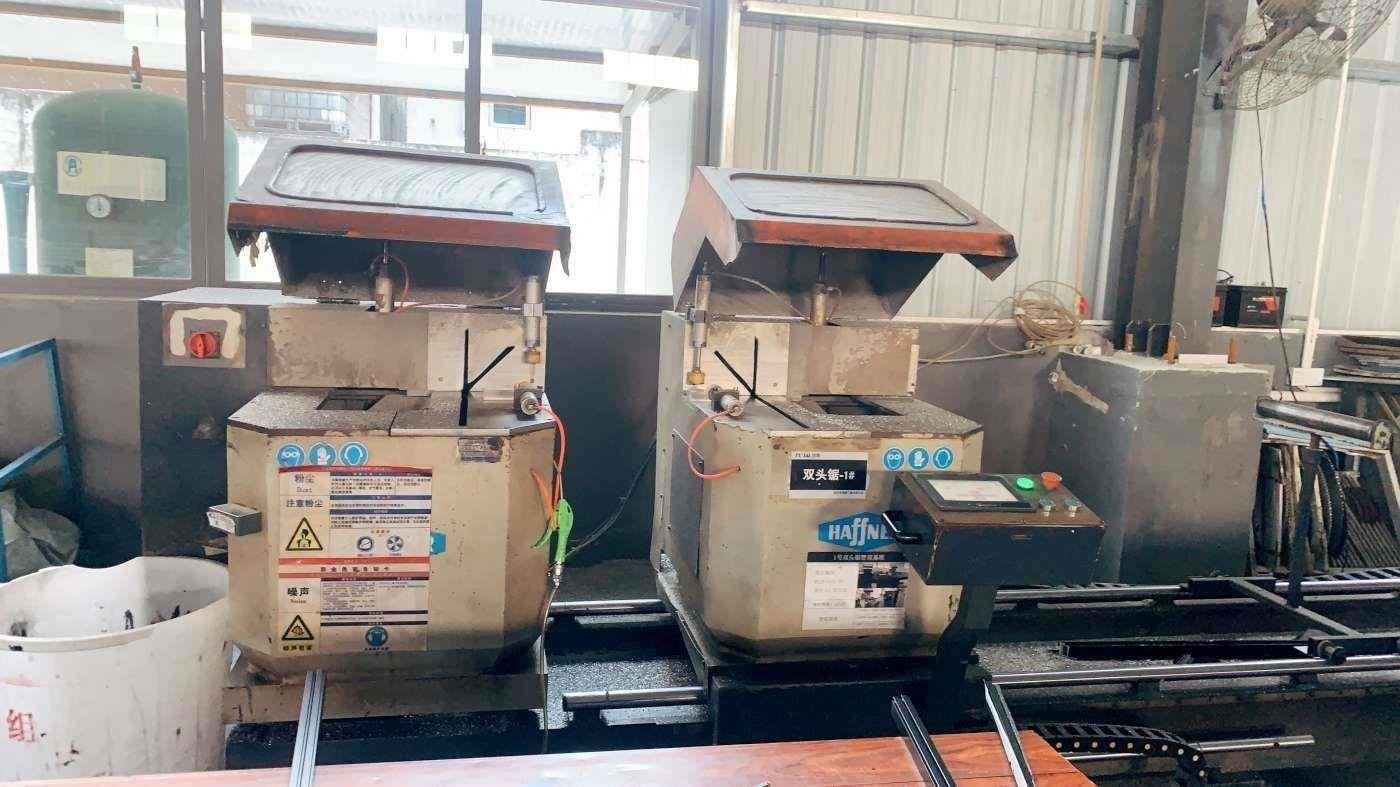
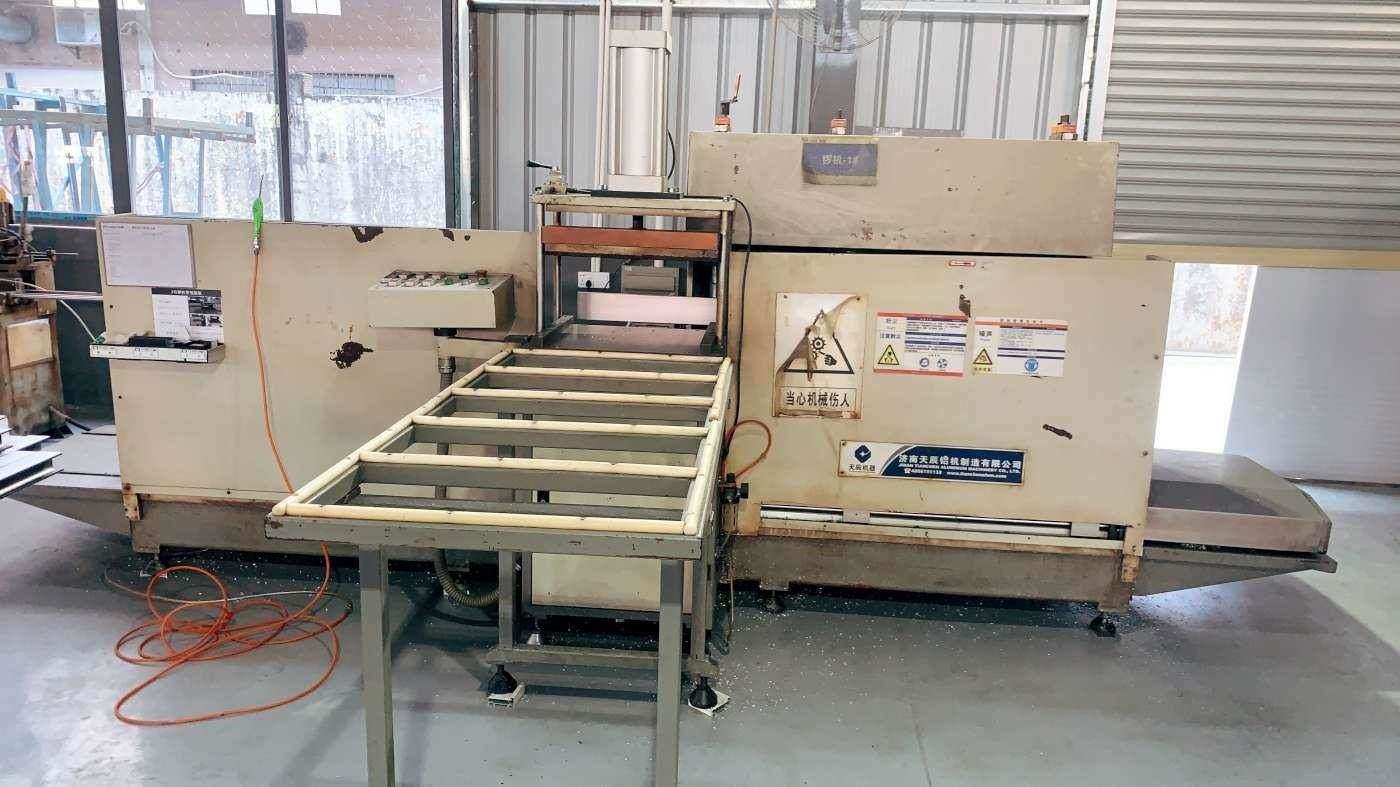
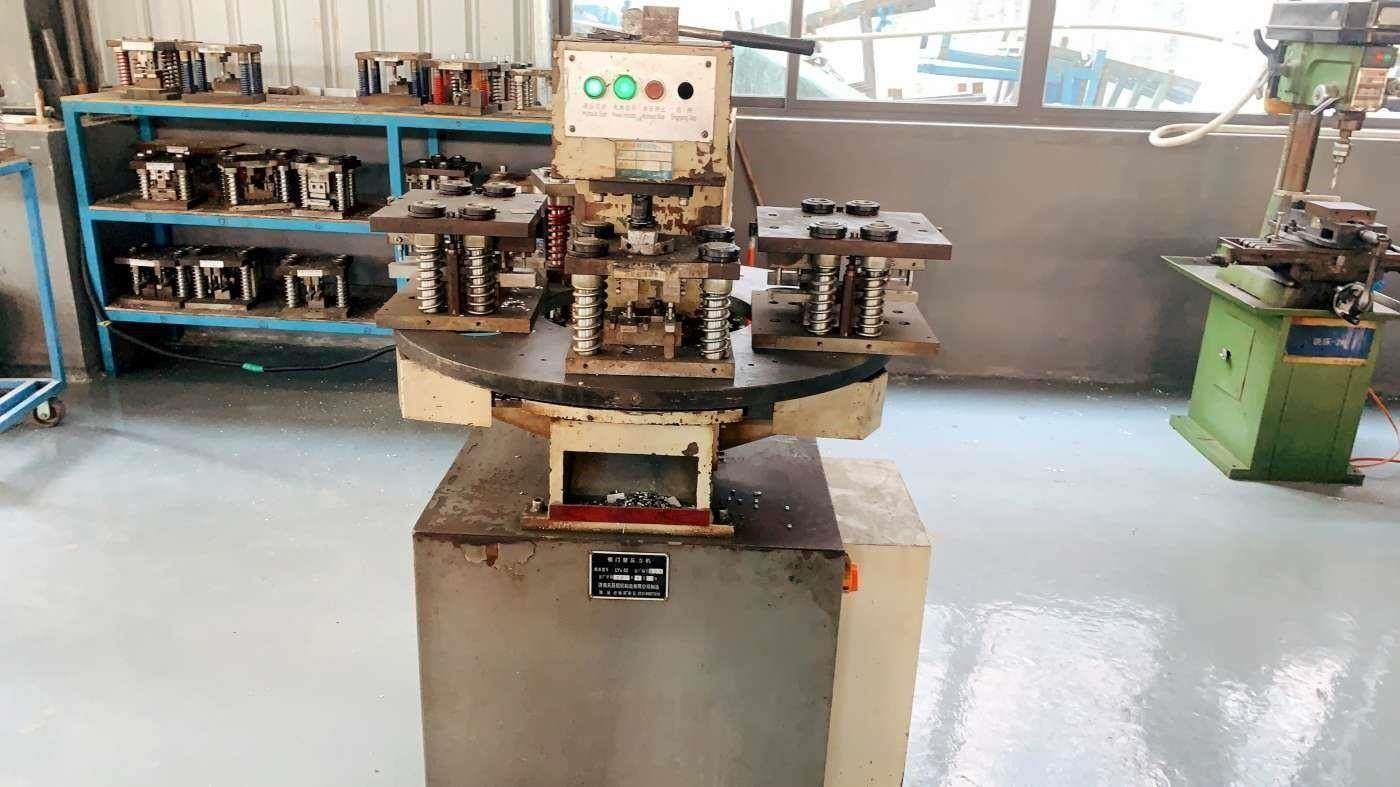
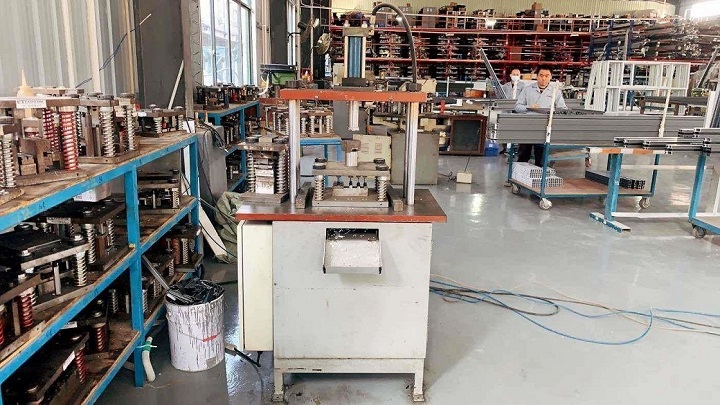
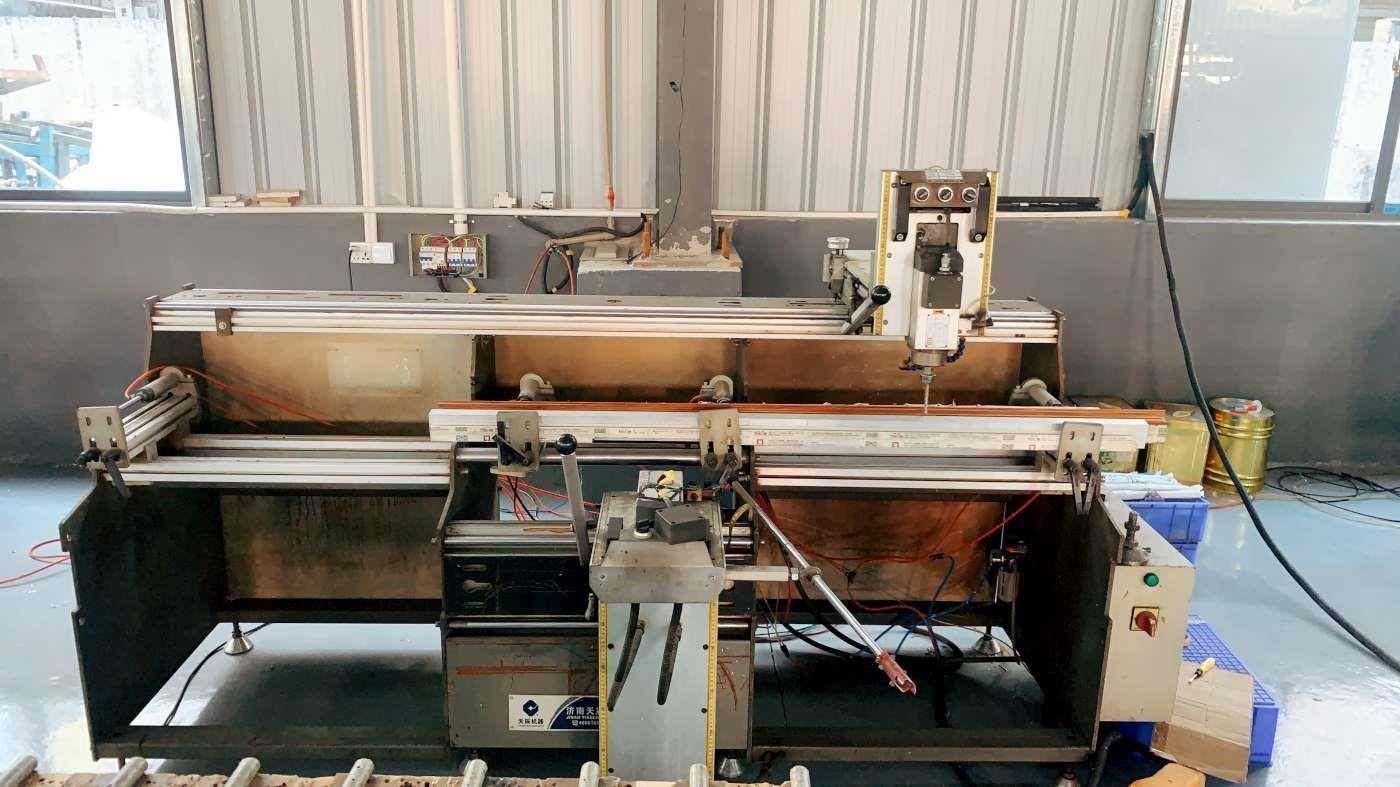
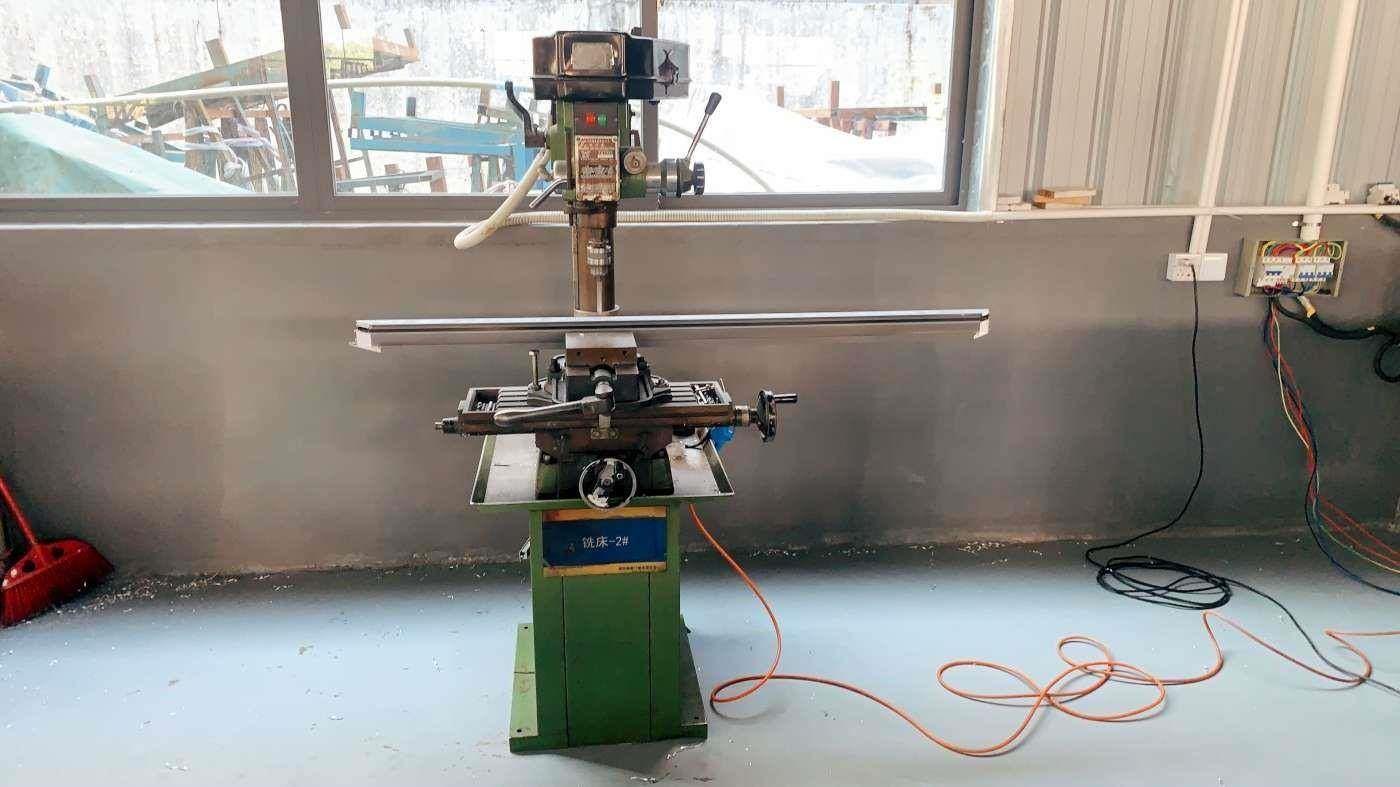
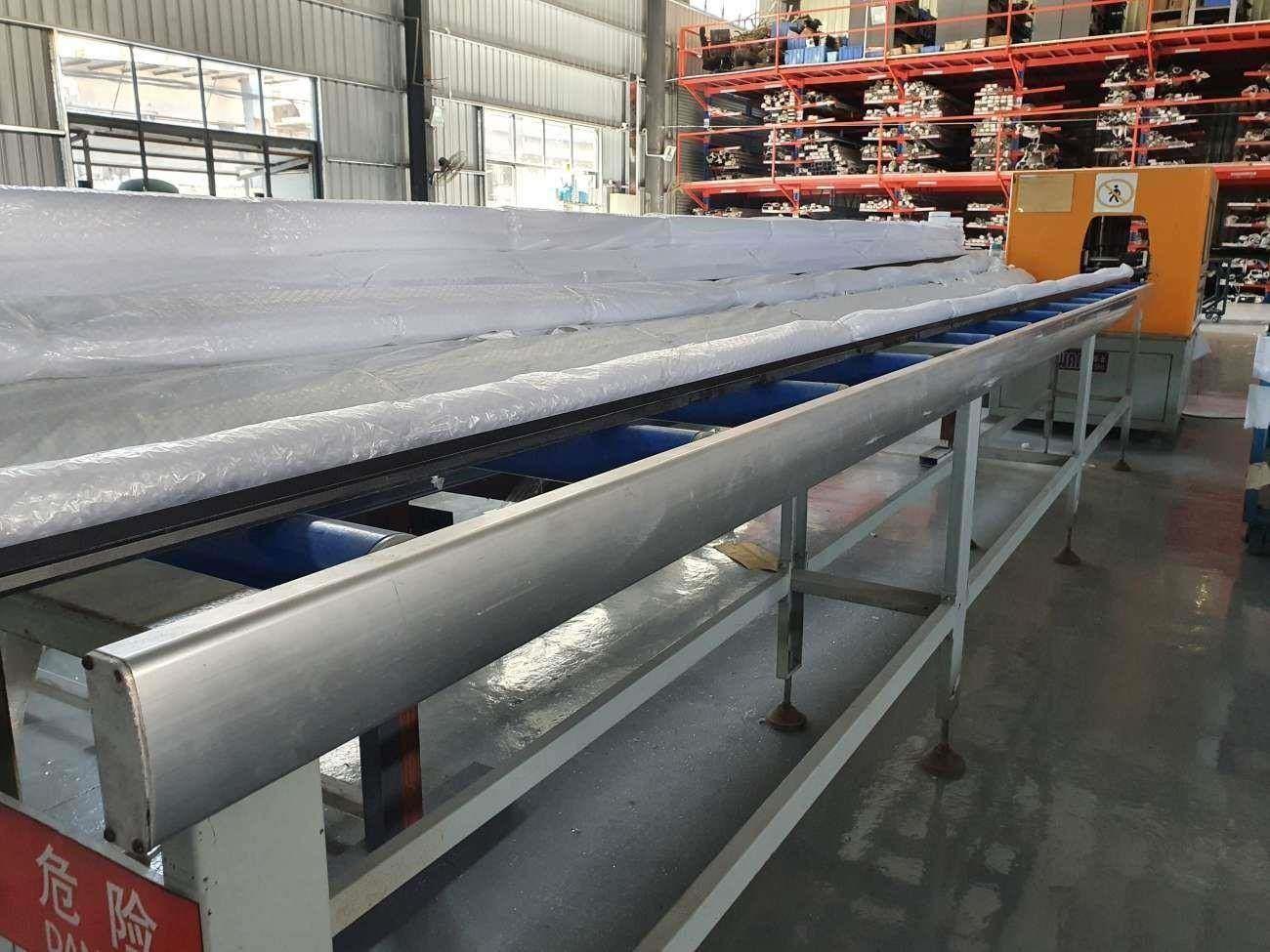
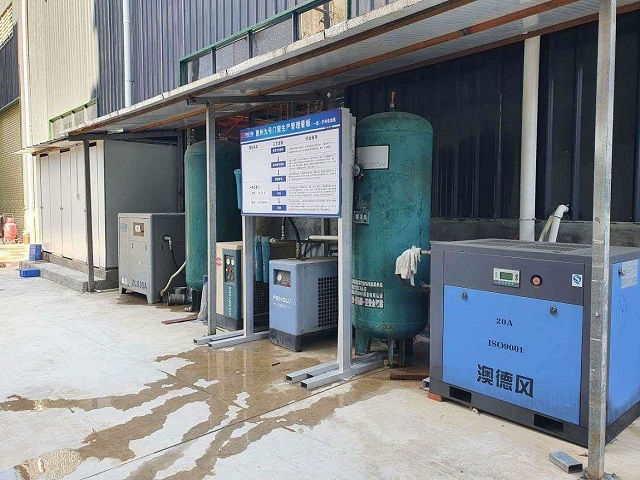
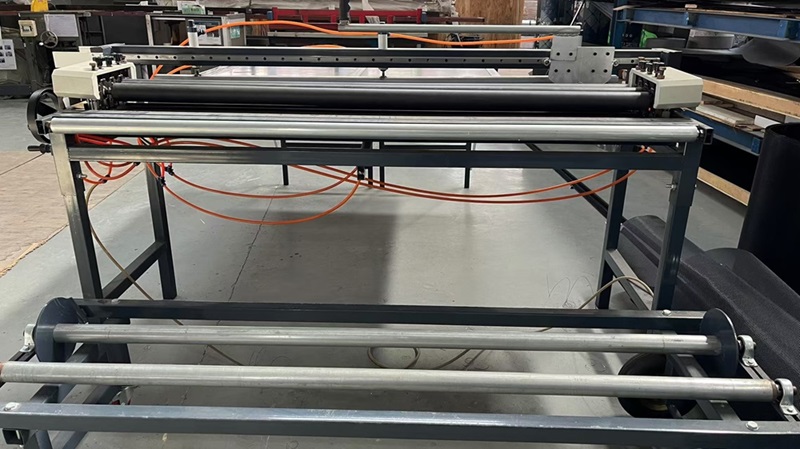
Established in 2017, Foshan Primeval Doors Industry Co., Ltd. operates from a state-of-the-art modern manufacturing facility spanning 12,000 m². Backed by 11 years of dedicated industry engineering experience and 5 years of specialized international export trade, the enterprise generates an annual export revenue of USD 8,500,000 across North America, Australia, New Zealand, and Europe.
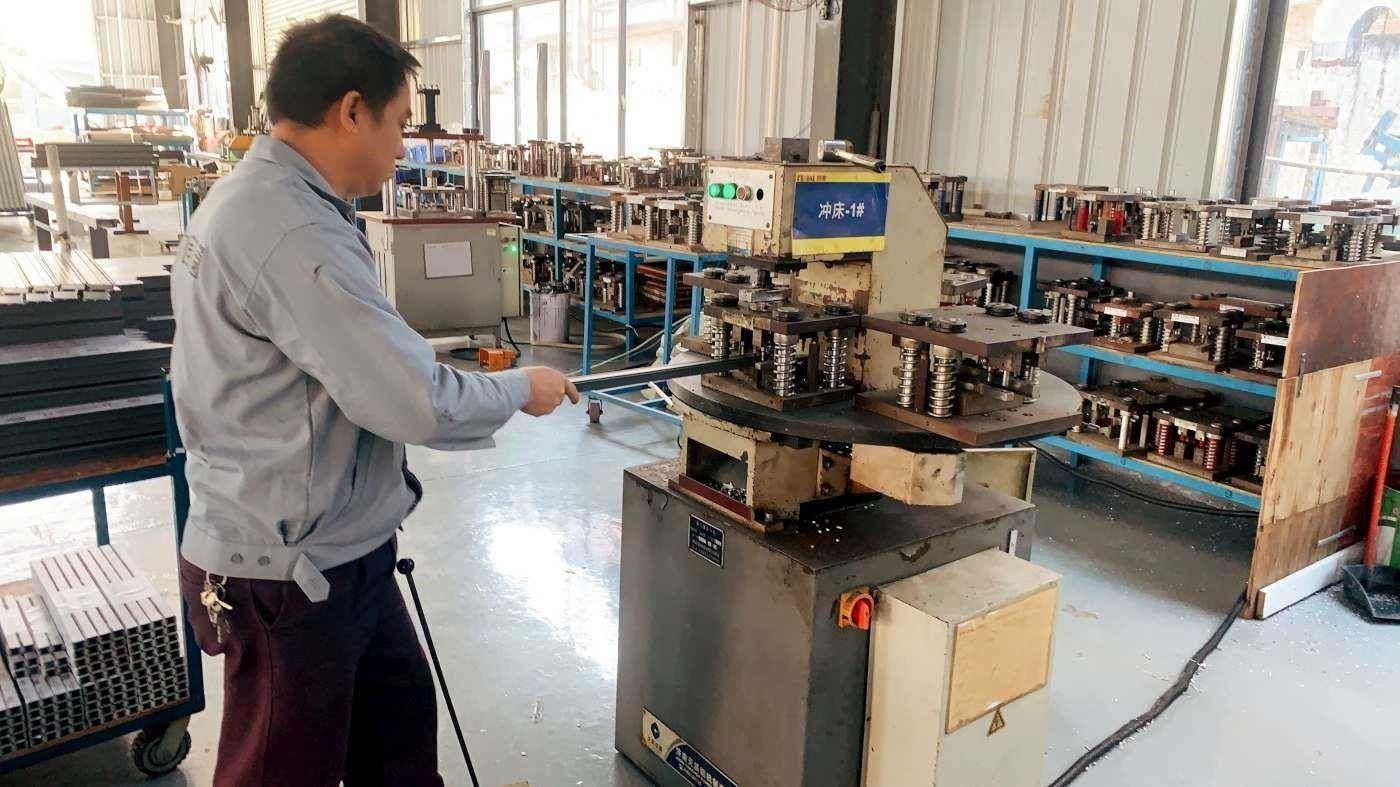
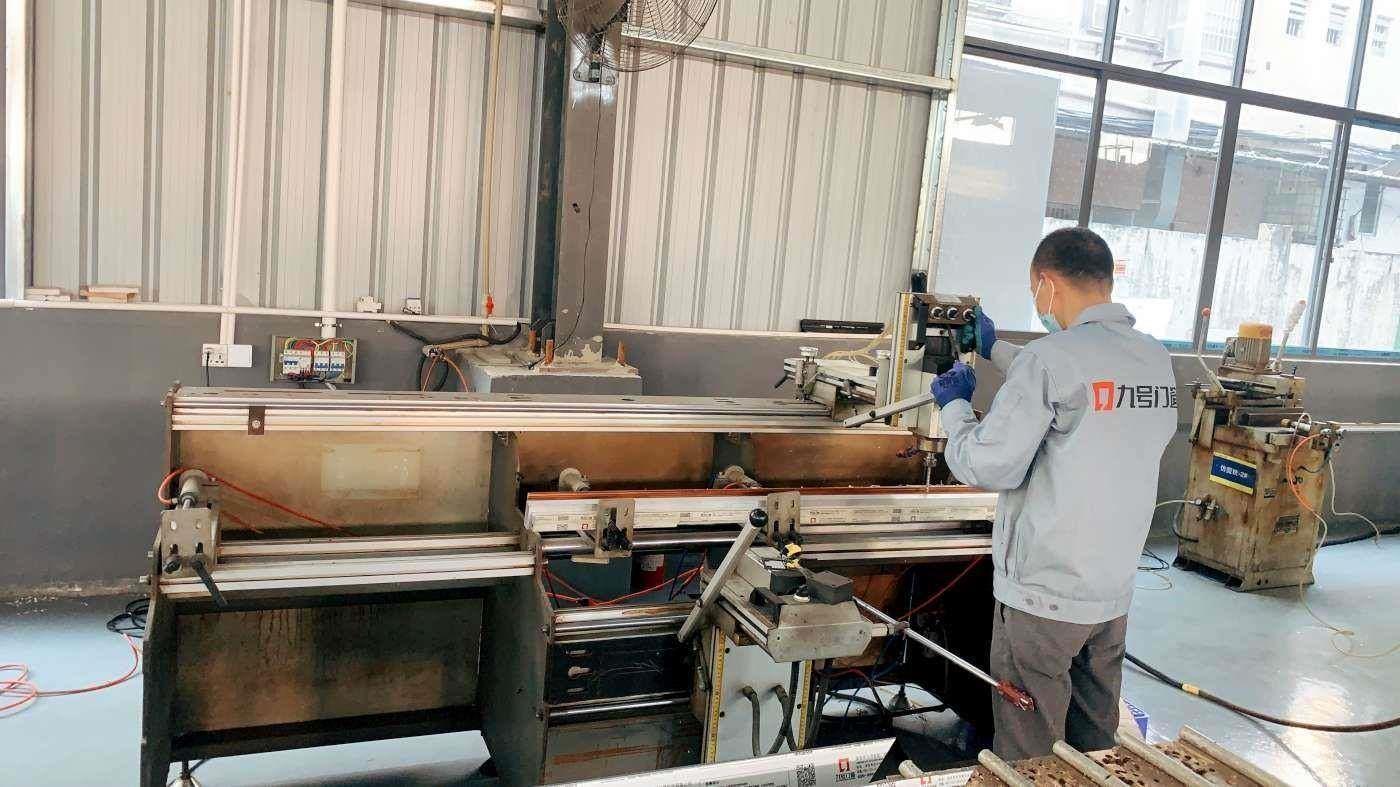
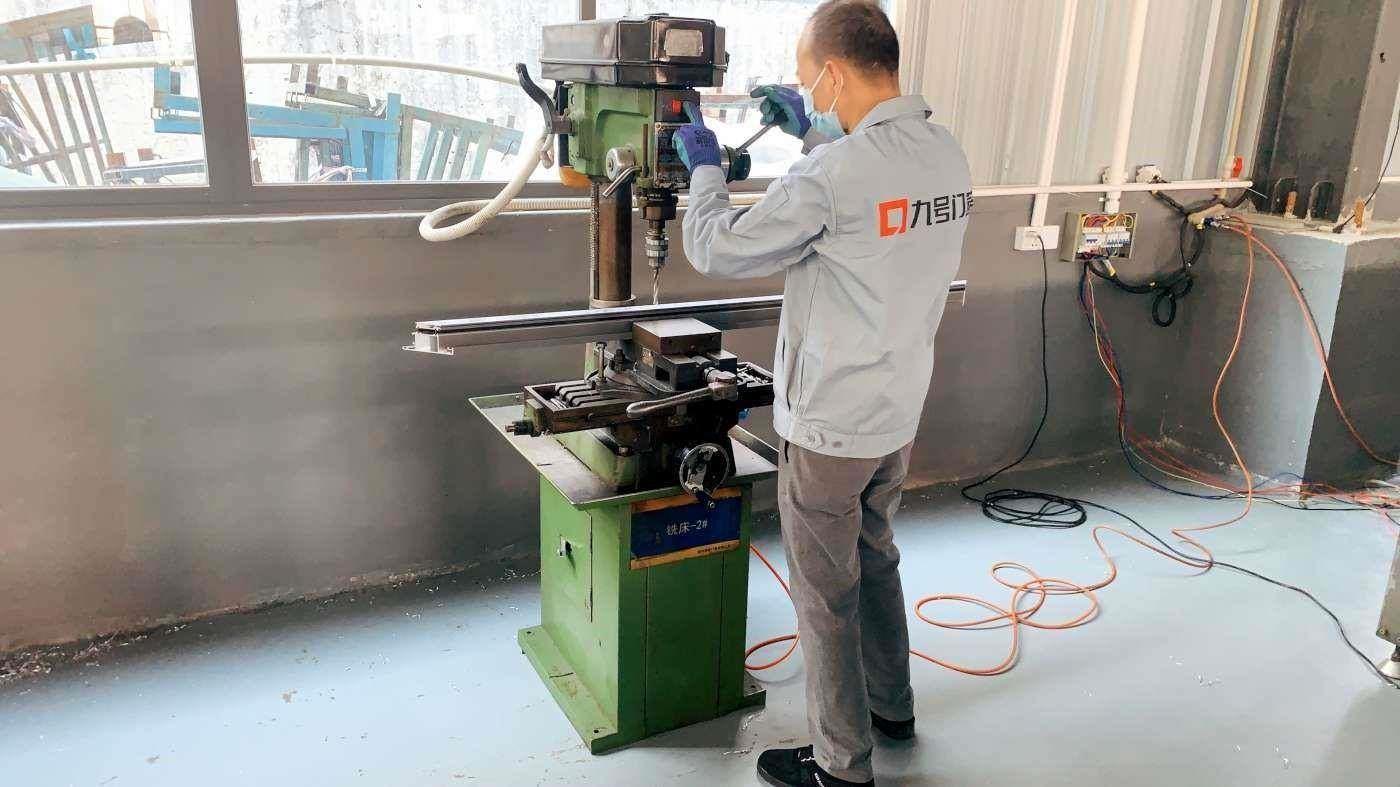
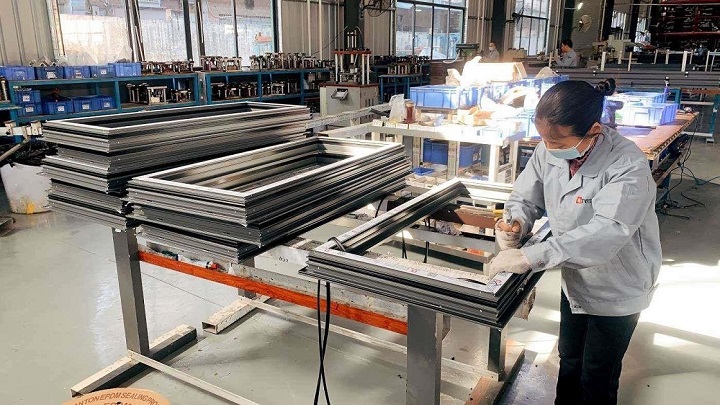
Quality control is strictly enforced through systematic IQC (Incoming Quality Control), IPQC (In-Process Quality Control), and FQC (Final Quality Control) inspection procedures. Raw aluminum extrusions undergo chemical alloy verification, spectrographic analysis, and anodizing thickness checks. Every batch of assembled frames undergoes thermal conductivity mapping, corner structural weld shear testing, and continuous 1,000-hour salt-spray corrosion testing. Supported by 420 trusted supply chain partners, our trade operations cover direct OEM export and private-label customization.
Our client base consists mainly of residential building supply importers, architectural designers, and regional wholesale distributors. Driven by continuous innovation, our R&D team of 38 senior engineers introduced 75 new entry door and window products last year alone. Customization options include custom frame depths, double/triple-glazed decorative glass inserts, powder-coated color palettes, and heavy-duty weatherproofing seals.
Ensuring seamlessly certifiable window and door shipments across international border jurisdictions.
Full compliance with National Fenestration Rating Council standards. Products rated for U-factor, SHGC, Air Infiltration, and Visible Transmittance under ENERGY STAR 7.0 protocols.
Structural impact testing conforming to TAS 201, 202, and 203 standards (Large Missile Impact test) engineered for high-velocity hurricane zones (HVHZ) in coastal Florida and the Caribbean.
Rigorous structural deflection, water penetration, and air infiltration validation meeting AS2047, AS1288 glass selection guidelines, and WERS thermal compliance.
Tailored fenestration engineering engineered for diverse global micro-climates and architectural typologies.
Deploying quad-glazed Argon units with double thermal break profiles in regions such as Canada, Scandinavia, and the Northern United States to prevent interior glass condensation and freeze-thaw seal degradation down to -40°C.
Combining heavy-gauge aluminum alloy wall thicknesses (2.0mm - 3.0mm) with SentryGlas® PVB laminated hurricane impact glass to withstand wind loads exceeding 7,000 Pa and extreme saltwater atmospheric exposure.
Custom asymmetrical glass laminate thickness pairing (e.g., 8mm exterior glass + 16mm warm edge gap + 6.6mm acoustic PVB interior glass) achieving sound reduction up to 48 dB along major transportation corridors and airport zones.
Pioneering advanced fenestration materials, smart dynamic glazing, and robotic precision manufacturing.
Integrating ultra-thin 0.15mm micro-pillar vacuum glass units into thermal break profiles to drop center-of-glass thermal conductivity down to $U_g \le 0.30 \text{ W/(m²K)}$ with half the frame depth of traditional triple glazing.
Connecting dynamic low-voltage electrochromic tinting directly into building automation networks (BMS) to dynamically adjust SHGC values from 0.45 down to 0.05 in real-time response to solar irradiance spikes.
Transitioning frame extrusion supply lines to hydro-powered recycled low-carbon primary aluminum billet ($< 4.0 \text{ kg CO}_2/\text{kg Al}$) paired with castor oil bio-based thermal break strips.
Addressing key engineering, compliance, lead time, and customization inquiries for enterprise buyers.
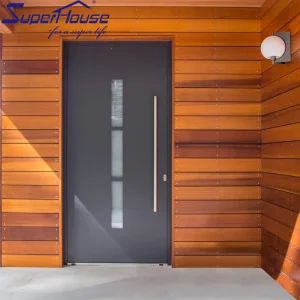
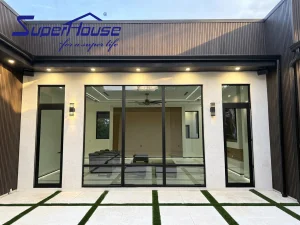
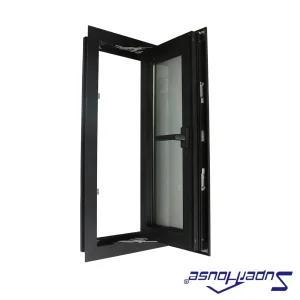
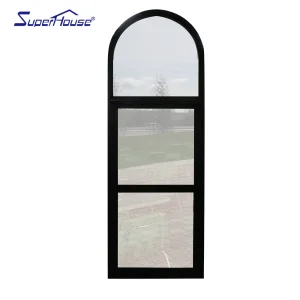
Explore our complete export portfolio of high-insulation tilt-and-turn windows, extreme cold weather swing doors, and hurricane-rated picture window walls.
 Primeval Doors