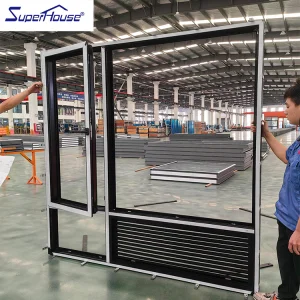
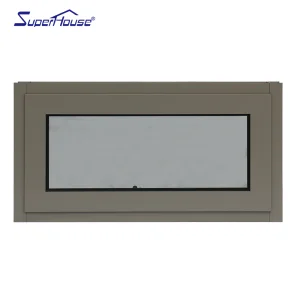
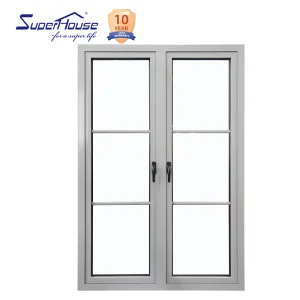
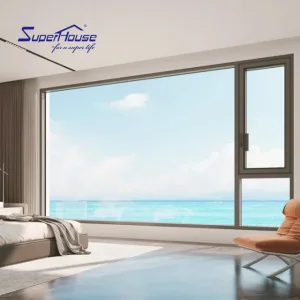
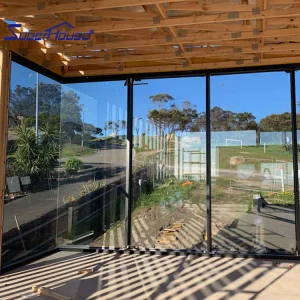
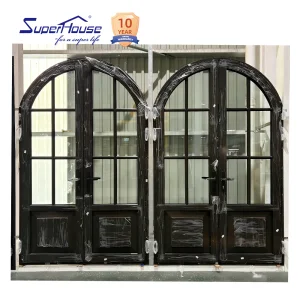
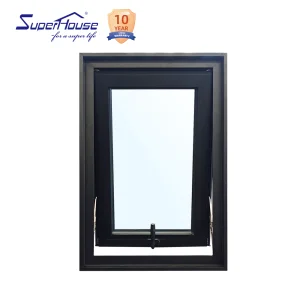
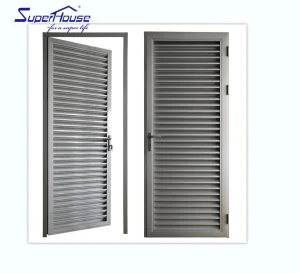
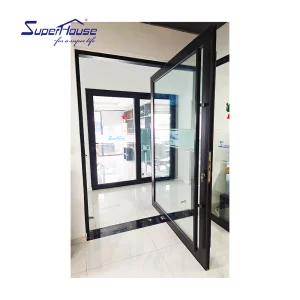
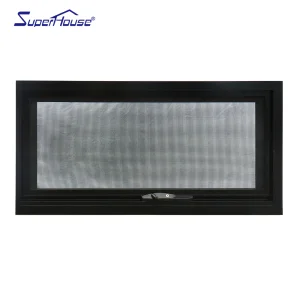
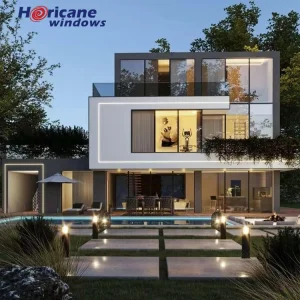
Engineered to mitigate harsh maritime saline degradation and high-velocity wind loads in critical commercial and residential architectures.
Decade-long precision manufacturing integrating advanced metallurgic anti-corrosion treatments and end-to-end quality assurance.
Established in 2017, Foshan Primeval Doors Industry Co., Ltd. operates from a modern manufacturing facility of 12,000 m². Backed by 11 years of industry engineering experience and 5 years of international export trade, the company generates an annual export revenue of USD 8,500,000.
Quality control is strictly enforced through systematic IQC-IPQC-FQC inspection procedures along with rigorous thermal conductivity and salt-spray corrosion testing. A skilled QC team of 22 inspectors oversees every step of the production process. Supported by 420 trusted supply chain partners, our trade background covers direct OEM export and private-label customization, serving primary markets in Australia, New Zealand, and North America.
Our client base consists mainly of residential building supply importers, architectural designers, and regional wholesalers. Driven by continuous innovation, our R&D group of 38 engineers introduced 75 new entry door products last year. Customization options include custom frame depths, double-glazed decorative glass inserts, powder-coated color palettes, and heavy-duty weatherproofing seals.
Understanding degradation mechanics across coastal atmosphere zones (ISO 9223 C1 to CX classifications) and the rising demand for lifecycle performance.
Standard architectural aluminum frames quickly yield to intergranular, pitting, and galvanic corrosion when exposed to airborne sodium chloride and sulfur oxides. Modern oceanfront projects mandate 6060-T66 and 6063-T6 marine-grade profiles treated with hard anodization (Class 1, 18-25μm) or super-durable fluoropolymer PVDF systems.
Coastal storms supercharge corrosive aerosol penetrations while generating catastrophic structural pressure reversals. Our engineering couples cross-sectional thermal break profiles (Polyamide PA66 GF25) with heavy-gauge internal reinforcements, satisfying stringent Florida Building Code and Miami-Dade County NOA thresholds.
Replacing frequent timber warping and galvanic steel failures, durable corrosion-resistant aluminum doors drastically reduce life-cycle capital replacements for real estate developers. Coupled with warm-edge IGUs and Low-E glazing, U-values consistently surpass North American IECC and Australian NCC thermal demands.
| Corrosion Category (ISO 12944) | Atmospheric Risk Profile | Surface Treatment Specification | Salt Spray Durability (ASTM B117) |
|---|---|---|---|
| C3 (Medium) | Urban and industrial atmospheres, moderate SO2 pollution | Qualicoat Class 1 Polyester Powder Coating (60-80μm) | 1,000 Hours Continuous Exposure |
| C4 (High) | Industrial zones and coastal regions with moderate salinity | Qualicoat Class 2 Super-Durable Powder / Anodized (20μm) | 2,000 Hours Continuous Exposure |
| C5-M (Very High Marine) | Offshore coastal front, breakwaters, industrial high-saline splash | Triple-Coat PVDF (70% Kynar 500) or Pre-anodized Coating | 3,500 - 4,000 Hours Exposure |
| CX (Extreme) | Sub-tropical marine surf, heavy chemical processing interfaces | Sealed Type III Hard Anodizing + Ceramic Hydrophobic Barrier | 5,000+ Hours Exposure (Zero Blistering) |
Comprehensive inspection routing from raw marine billet extrusion checks to precision CNC tenon milling and robotic assembly lines.
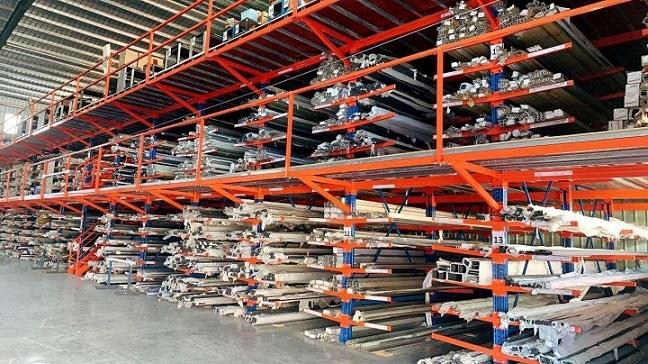 Raw Material
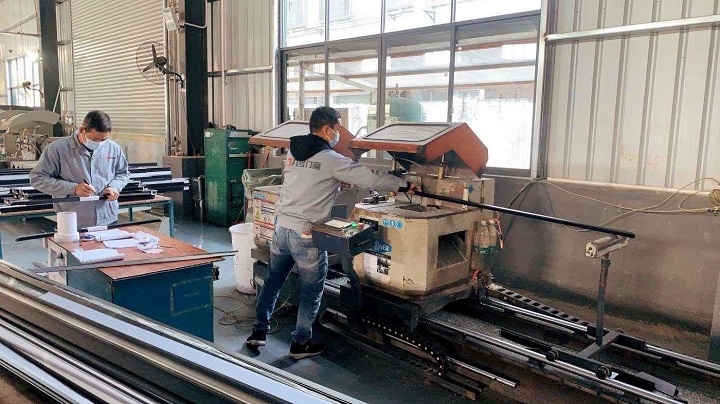 Profile Cutting
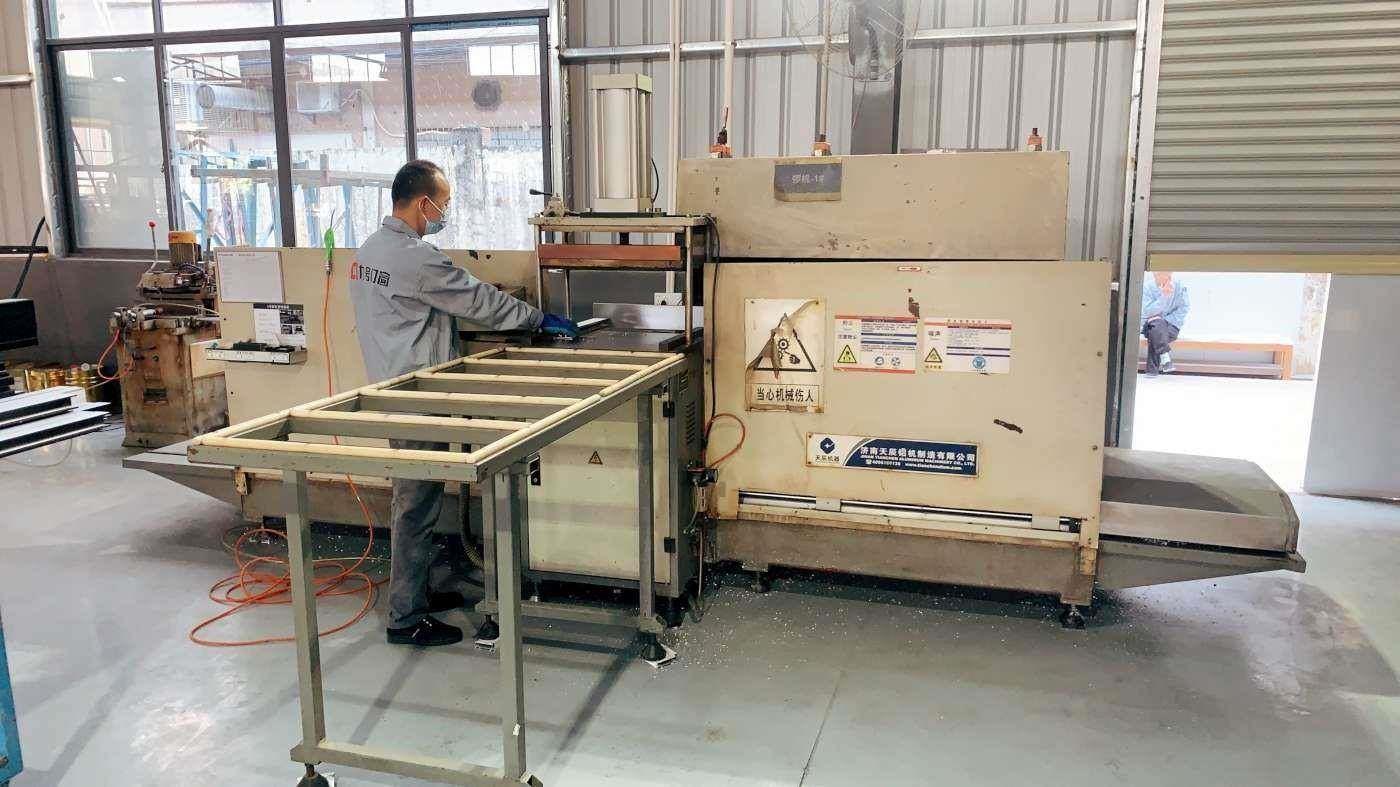 Milling Tenon
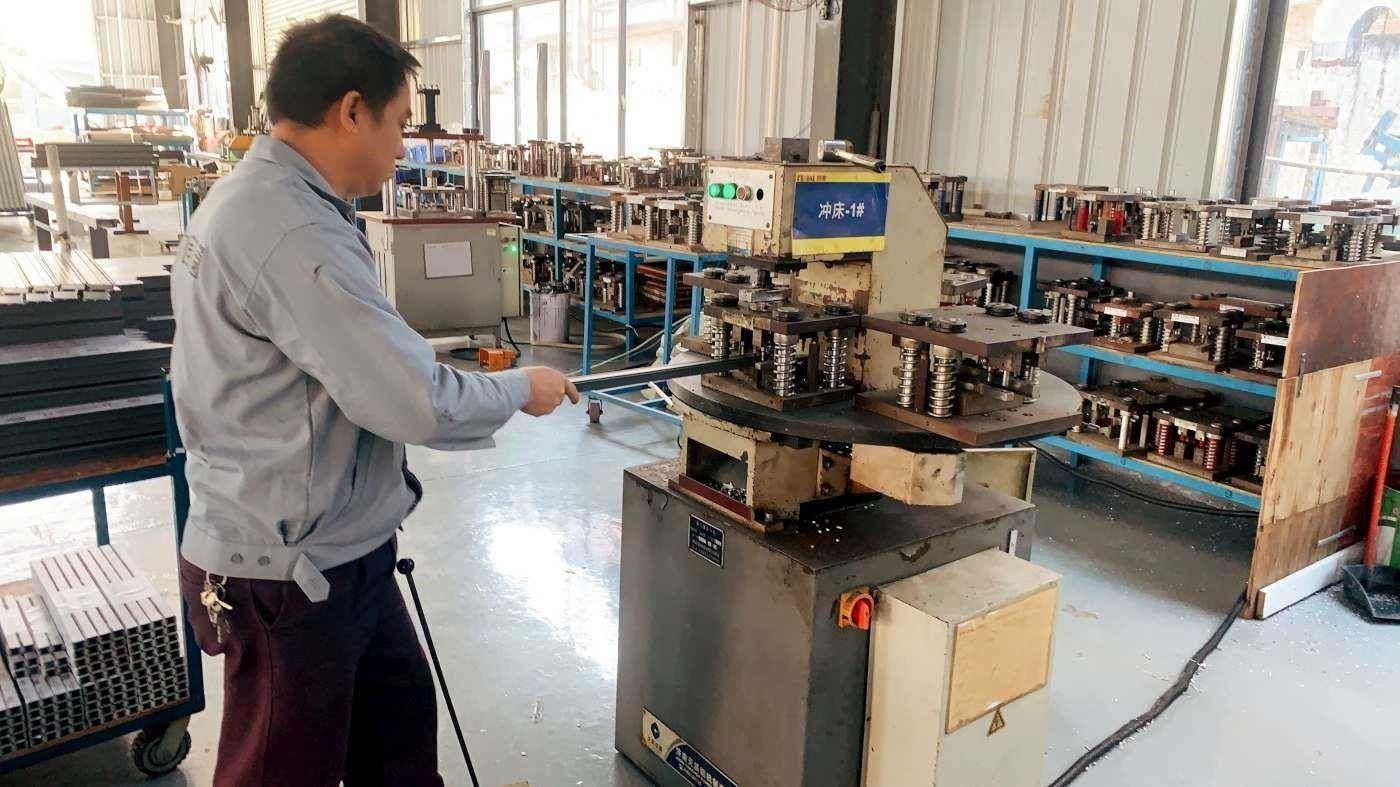 Punching
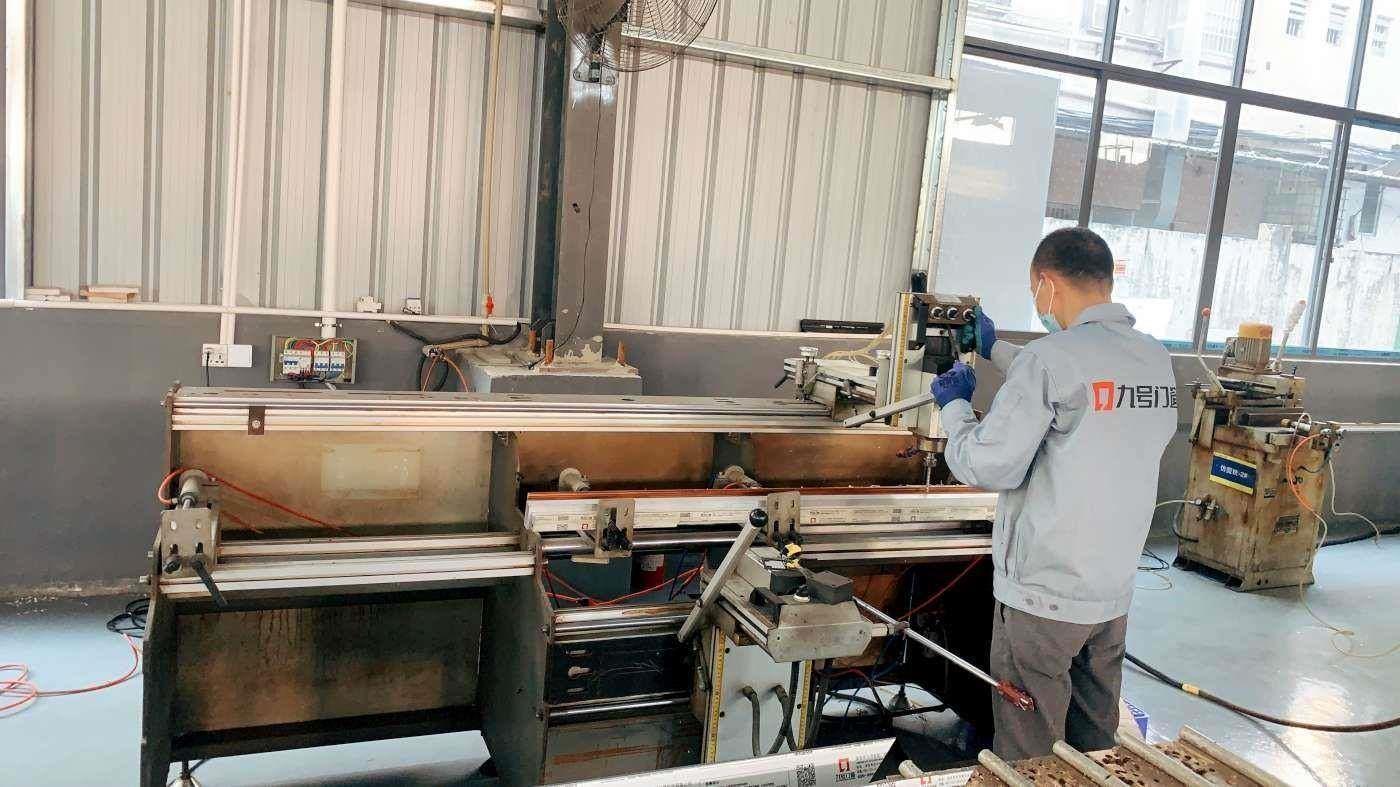 Profile Milling
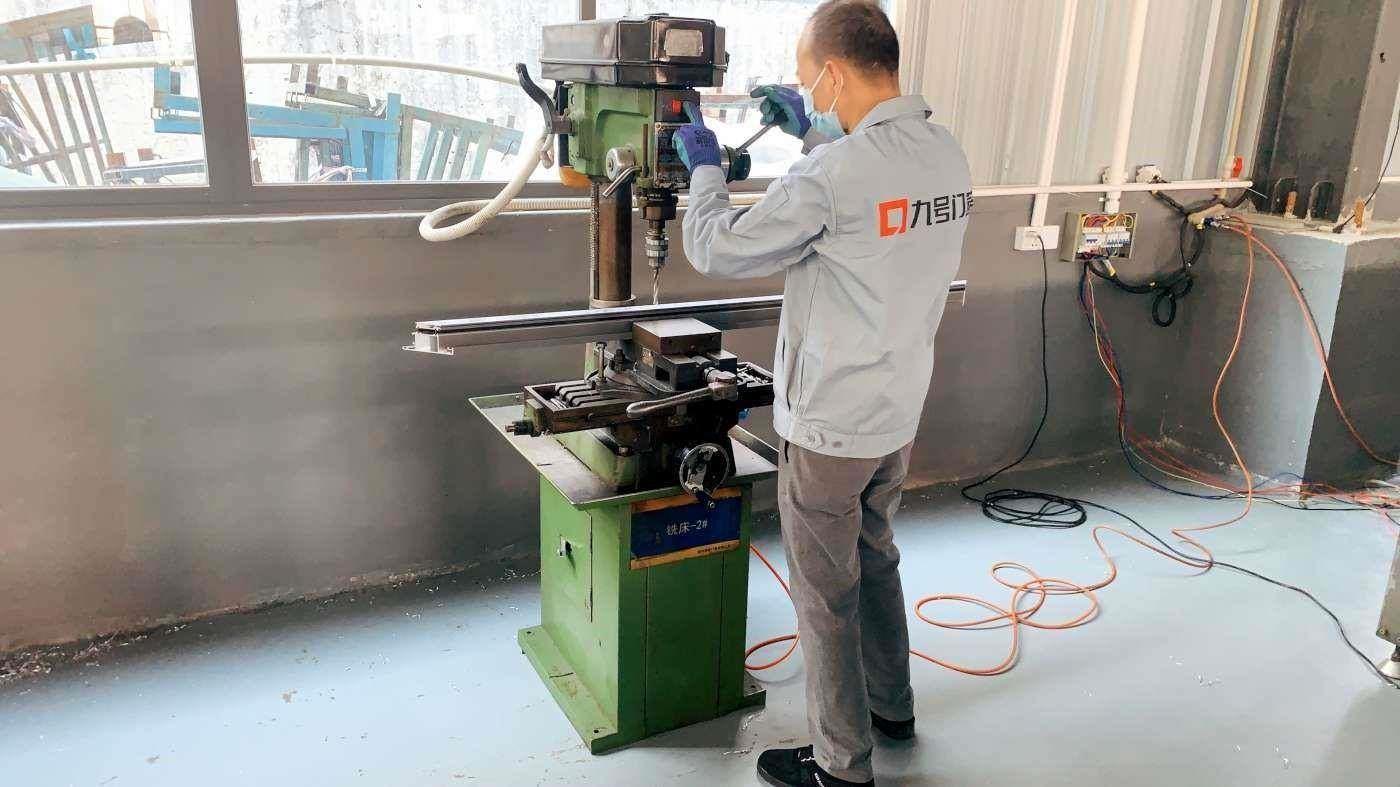 Drilling and Milling of Holes
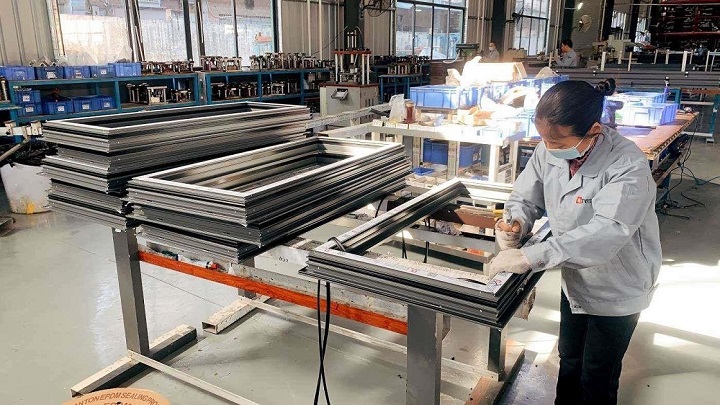 Frame Fan Assembly
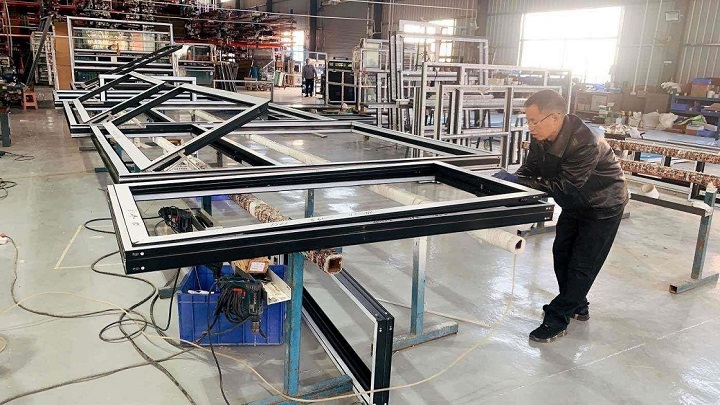 Hardware Assembly
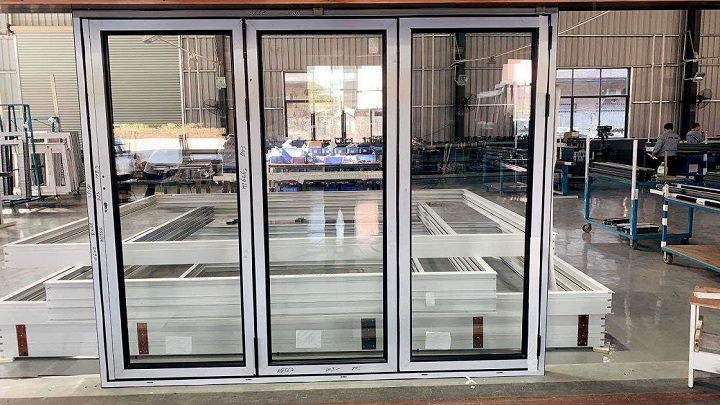 Product Commissioning
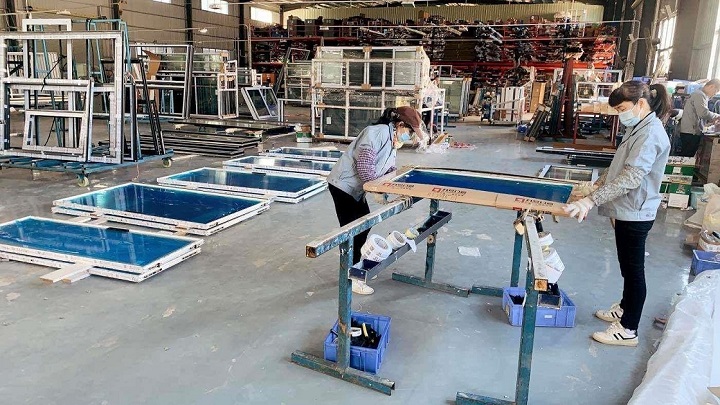 Finished Product Packaging
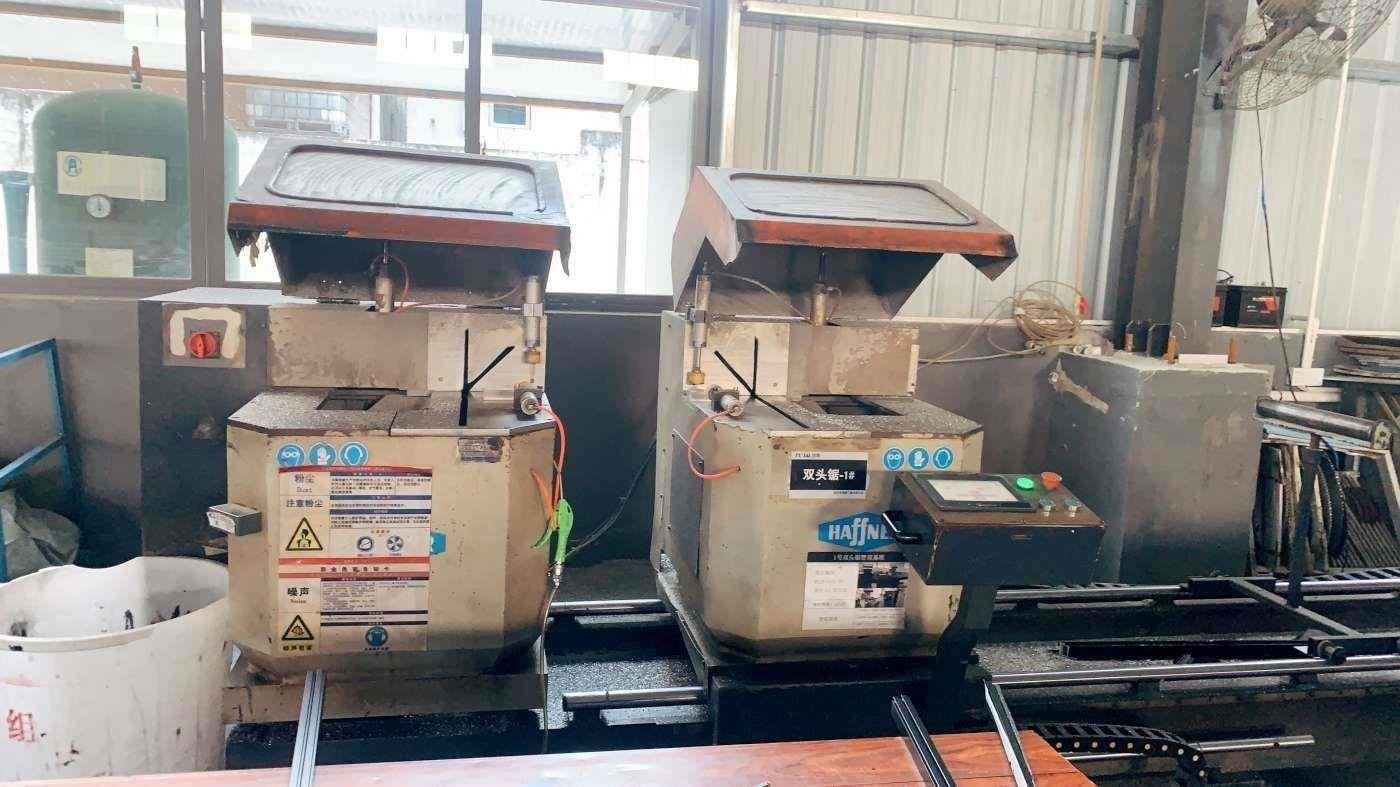 Profile Cutting Machine
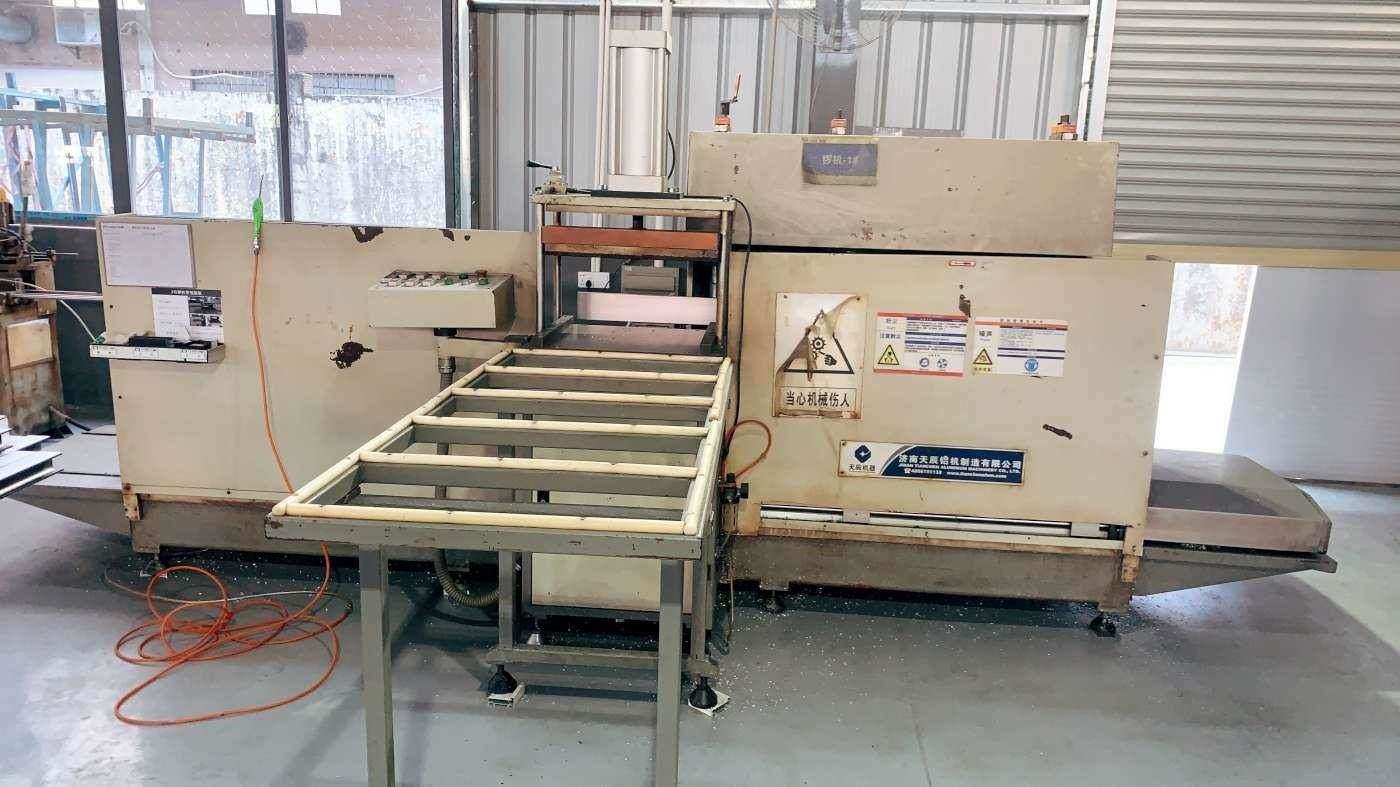 Milling Machine
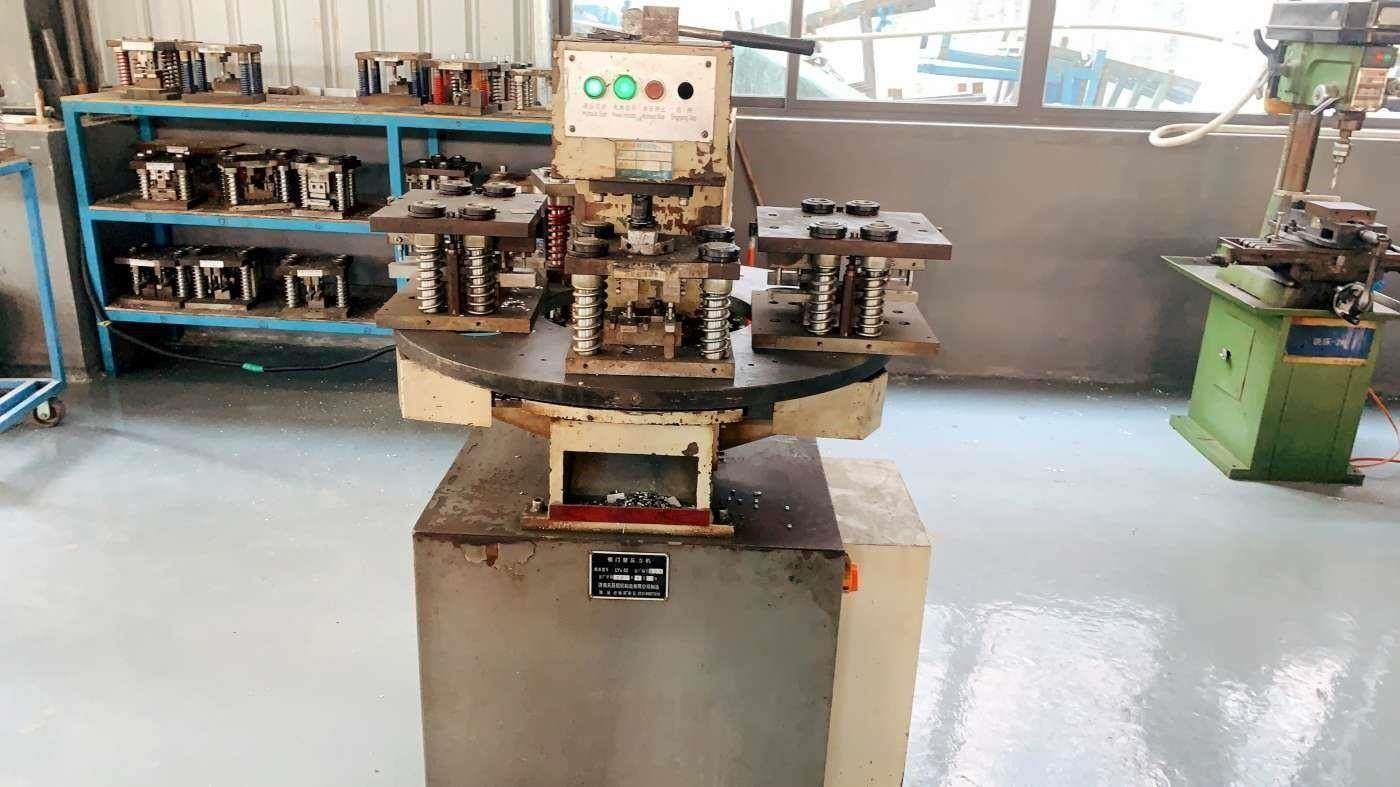 Punching Machine
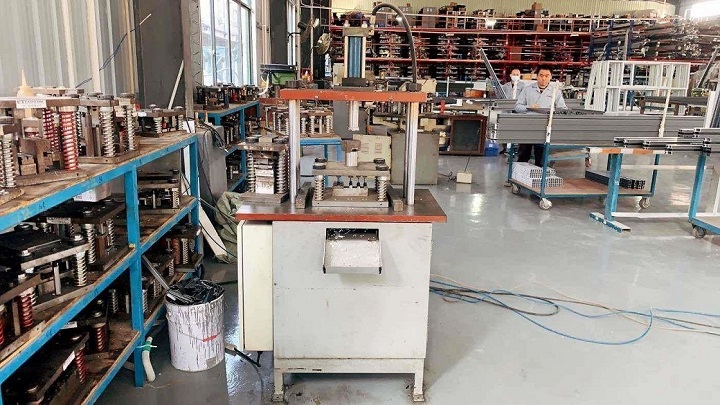 Punching Machine
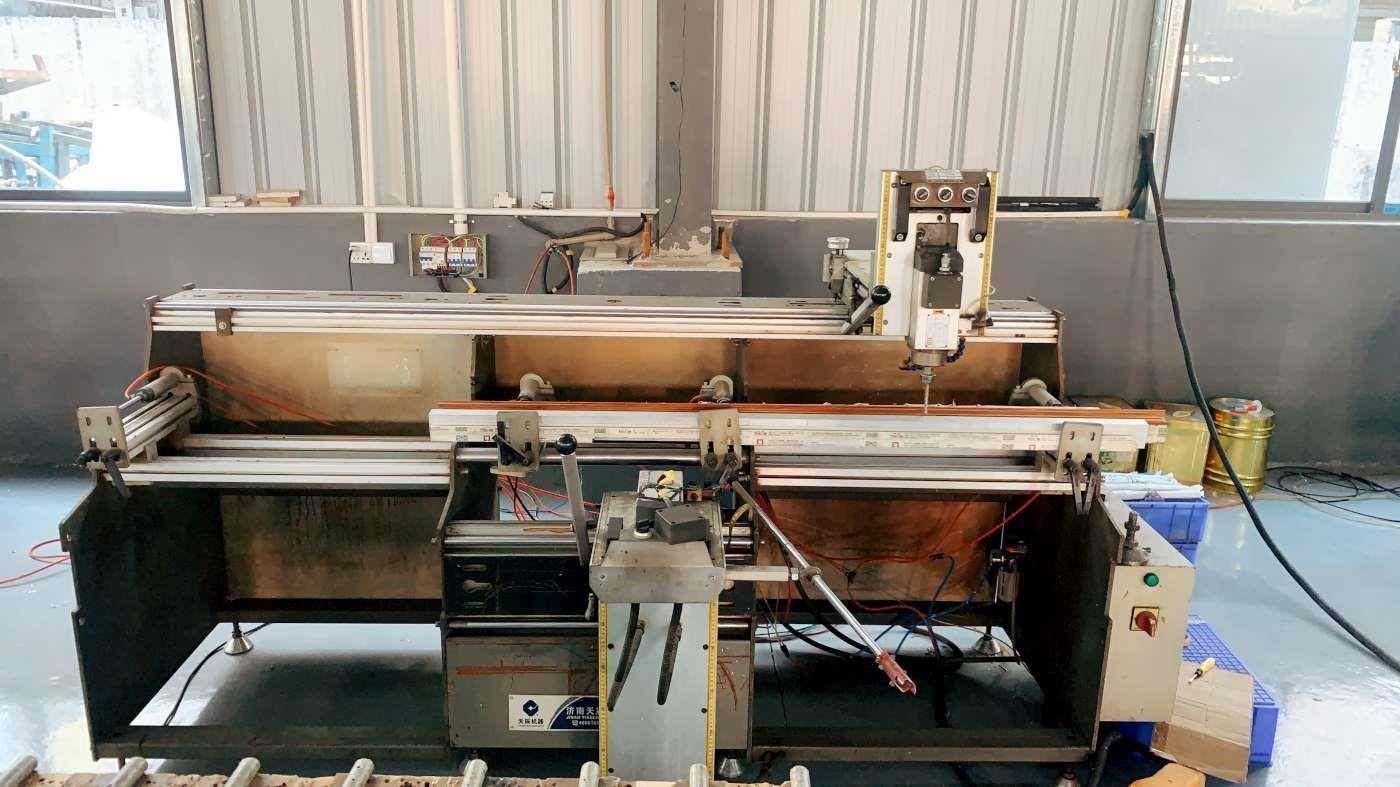 Profile Milling Machine
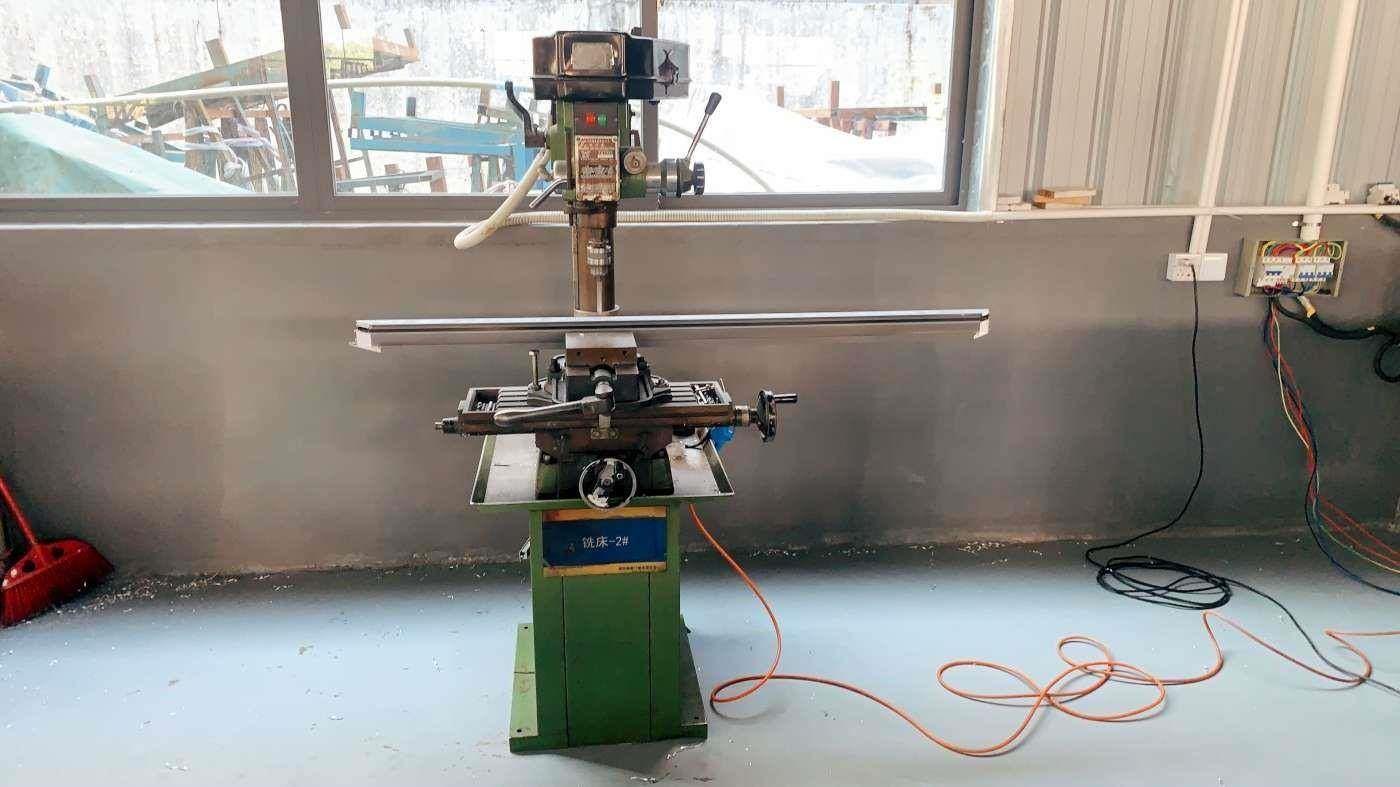 Drilling and Milling of Holes Machine
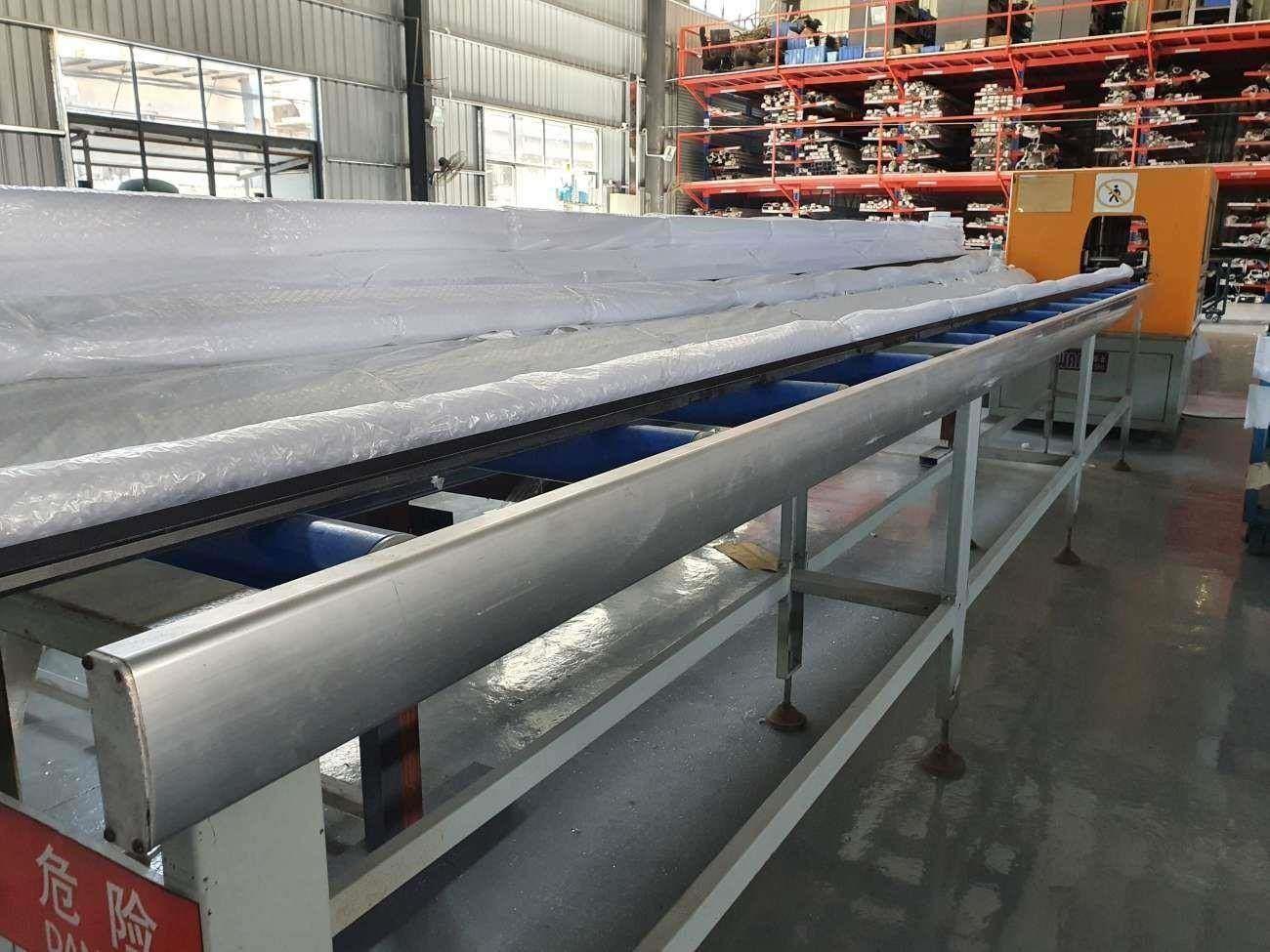 Lattice Machine
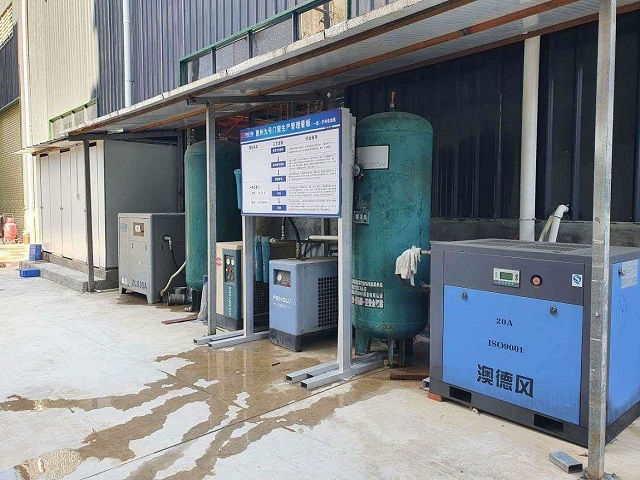 Air Compressor Machine
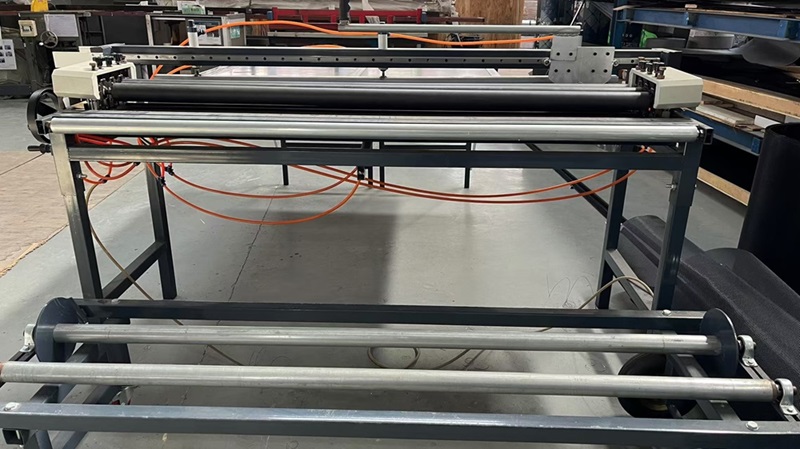 Flat Screen Cutting Machine
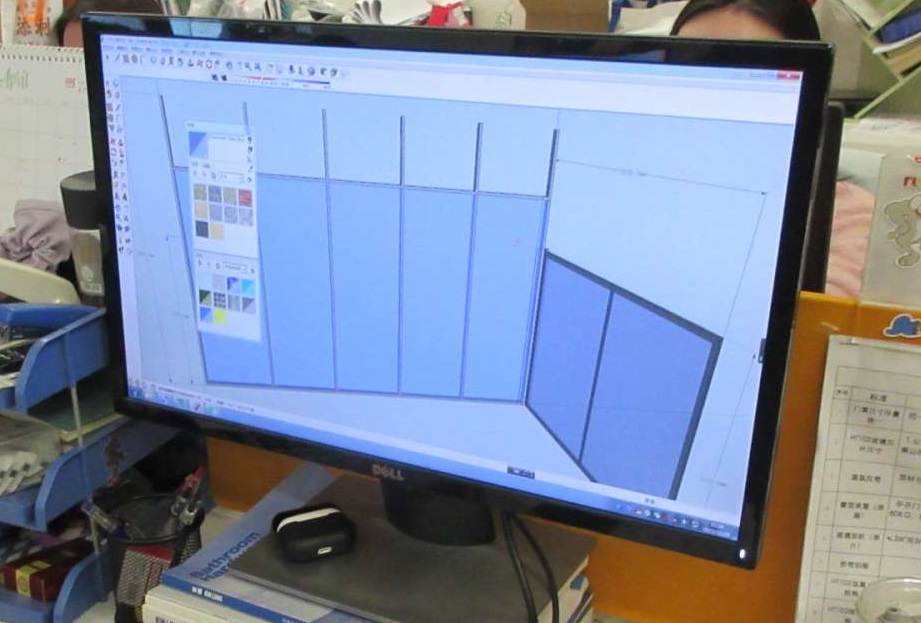 Drawing
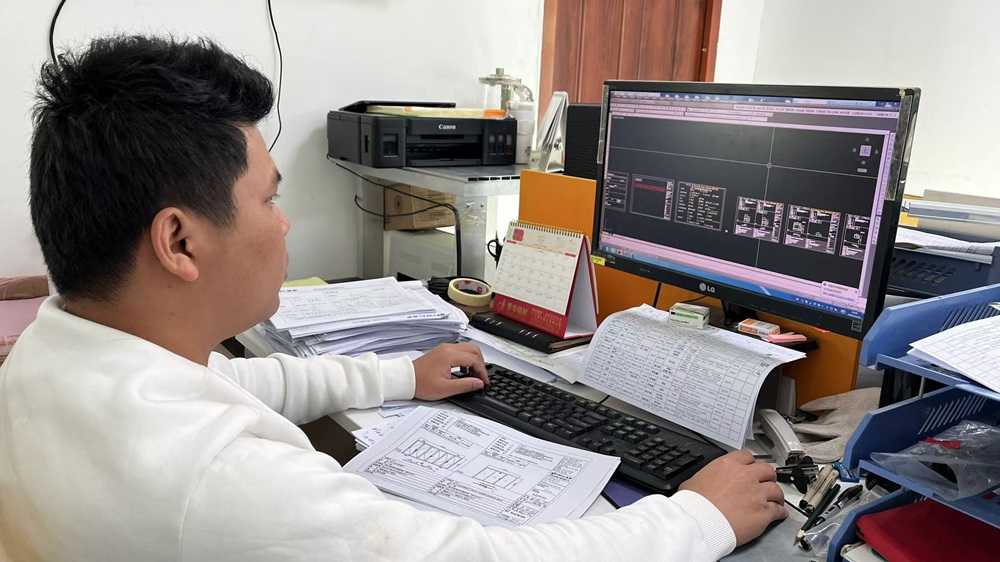 Drawing
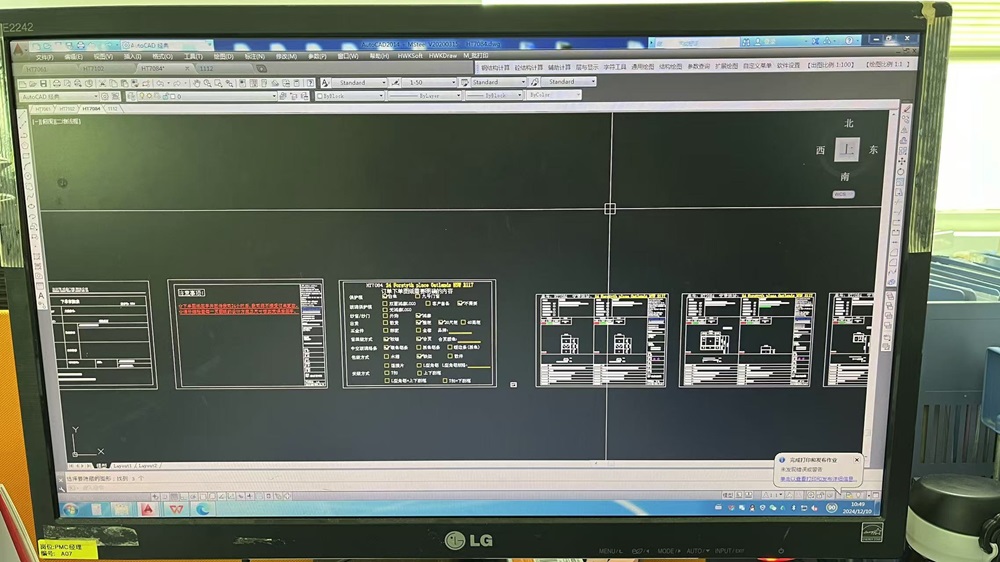 Computer
Targeted cross-sectional profiles and hardware sealing compliant with regional building safety mandates.
Demands superior air-infiltration resistance under sudden Southern Ocean cyclonic squalls. Engineered with multi-tier EPDM dual-durometer weatherstrips, stainless steel 316 heavy-duty multi-point linkages, and integrated thermal breaks to preserve low condensation metrics under extreme UV degradation.
Meets missile impact test criterion (TAS 201/202/203) with laminated impact-resistant glass up to 12mm thick interlayer PVB/SGP. Reinforced jamb profiles prevent structural flexure while fluoropolymer PVDF formulations counter salt mist throughout Florida, the Gulf Coast, and the Caribbean.
In petrochemical refineries, coastal machine rooms, and pharmaceutical plants, airborne vapors trigger galvanic oxidation. We supply airtight louvered and flush casement doors using anodized 25μm aluminum framing, non-sparking 316 hardware, and chemical-resistant silicone gaskets.
Continuous evolution across microstructural alloys, nanocoating barriers, and sustainable life-cycle circularity.
Integrating 2D graphene nano-platelets into thermoset fluorocarbon resins to yield zero-porosity surface membranes. This development completely bars micro-capillary salt water penetration and achieves over 5,000 hours of continuous salt-spray endurance without blistering.
Transitioning to >80% post-consumer billet extrusions smelted using hydroelectric energy. Micro-alloyed with controlled silicon and magnesium traces, this formulation guarantees identical mechanical tensile strength (≥ 205 MPa) while dropping embodied carbon below 4.0 kg CO2/kg Al.
Embedding micro IoT humidity, pressure, and acoustic sensors inside thermal cavity extrusion chambers to remotely warn facility engineers of seal degradation prior to structural water ingress in high-rise coastal facades.
Comprehensive procurement, compliance, and engineering answers for architectural specifiers and import distributors.
Untreated aluminum quickly oxidizes in oceanfront settings. True corrosion resistance is achieved by utilizing 6063-T5/T6 marine-grade extrusions protected by either Class 1 Anodizing (20-25 microns) or 3-coat PVDF Fluoropolymer (AAMA 2605 compliant). These barriers prevent pitting, exfoliation, and galvanic reactions caused by salt spray and airborne moisture.
Galvanic reactions occur when dissimilar metals interact in an electrolyte. We isolate all 304/316 stainless steel hinges, fasteners, and pivot brackets from the aluminum extrusions using non-conductive EPDM or polyamide dielectric isolating shims and nylon sleeve washers, thoroughly preventing electrolytic corrosion pathways.
Our fenestration assemblies are certified under AS2047 and AS2208 for Australian building standards, NFRC thermal metrics for the North American market, and Miami-Dade County NOA impact criteria for hurricane safety. Our facility implements rigorous IQC, IPQC, and FQC with internal salt-spray and thermal cycling verification.
We provide full CAD/BIM tooling customization, custom extrusion wall thickness up to 3.0mm, variable thermal barrier depths, bespoke double/triple insulated decorative glass, heavy-duty panic exit integrations, and tailored powder coating matched across RAL or custom architectural shade samples.
Verified structural door and window units engineered for commercial developers, luxury villa estates, and regional builders.
 Primeval Doors