Explore our certified structural impact doors and engineered window systems tailored for global developers, architects, and importers.
Global Engineering Excellence in High-Velocity Hurricane Zone (HVHZ) & Impact-Resistant Entry Systems
Established in 2017, Foshan Primeval Doors Industry Co., Ltd. operates from a modern manufacturing facility of 12,000 m². Backed by 11 years of industry engineering experience and 5 years of international export trade, the company generates an annual export revenue of USD 8,500,000.
Our client base consists mainly of residential building supply importers, architectural designers, and regional wholesalers. Driven by continuous innovation, our R&D group of 38 engineers introduced 75 new entry door products last year. Customization options include custom frame depths, double-glazed decorative glass inserts, powder-coated color palettes, and heavy-duty weatherproofing seals.
Quality control is strictly enforced through systematic IQC-IPQC-FQC inspection procedures along with rigorous thermal conductivity and salt-spray corrosion testing. A skilled QC team of 22 inspectors oversees every step of the production process.
Supported by 420 trusted supply chain partners, our trade background covers direct OEM export and private-label customization, serving primary markets in Australia, New Zealand, and North America. Every custom impact-resistant entry door undergoes rigorous deflection testing and cycle pressure loading to guarantee compliance with stringent building codes.
A comprehensive technical analysis of structural aluminum alloys, laminated interlayer dynamics, and thermal envelope performance.
Modern custom OEM impact-resistant glass entry doors rely on high-grade laminated architectural glass. When severe windborne debris hits the surface, the outer glass layer may fracture, but the structural interlayer retains structural integrity.
We engineer entry systems using both PVB (Polyvinyl Butyral) and SentaGlas® (SGP - DuPont SentryGlas® Ionoplast) interlayers. SGP interlayers offer 5 times the tear strength and 100 times the rigidity of traditional PVB, ensuring that entry doors exposed to Category 5 hurricanes sustain zero penetration even under extreme dynamic fatigue cycles.
The structural backbone of our custom entry doors is fabricated from premium 6063-T6 architectural aluminum alloy extrusions. Featuring minimum wall thicknesses ranging from 2.0mm to 3.0mm, these frames resist structural distortion under positive and negative wind loads exceeding 90 PSF (Pounds per Square Foot).
Integrated polyamide multi-cavity thermal break strips (PA66 GF25) decouple the exterior frame from the interior, drastically reducing U-factors and mitigating structural condensation in coastal and tropical climates.
Coastal entry door installations demand extraordinary surface resilience against salt fog and industrial pollutants. Foshan Primeval Doors applies high-performance AAMA 2605 compliant fluoropolymer (PVDF) coating systems.
Tested under 3,000+ hours of continuous salt-spray exposure, these coatings prevent chalking, blistering, and color fading, guaranteeing premium aesthetic longevity for luxury waterfront villas and commercial beachfront developments.
| Parameter | HVHZ Impact Specification | Standard Commercial Entry | Testing Methodology & Code Standard |
|---|---|---|---|
| Design Pressure (DP) | +70 / -90 PSF (Up to +100/-100 PSF Custom) | +35 / -35 PSF | ASTM E330 / TAS 202 |
| Impact Resistance | Large Missile Impact (Level D, 9lb 2x4 @ 50 fps) | Non-Impact / Tempered Only | ASTM E1886 / E1996 / TAS 201 |
| Interlayer Composition | 1.52mm SGP (SentryGlas) or 2.28mm PVB Laminated | Monolithic Monolithic / Double Insulated | ANSI Z97.1 / CPSC 16 CFR 1201 |
| Air Infiltration Rating | < 0.10 cfm/ft² @ 6.24 psf | < 0.30 cfm/ft² @ 1.57 psf | ASTM E283 |
| Water Penetration Resistance | 15 PSF (720 Pa) Zero Penetration | 6 PSF (290 Pa) | ASTM E331 / TAS 202 |
| Thermal Performance (U-Factor) | 0.28 to 0.34 BTU/h·ft²·°F (Low-E + Argon) | 0.50 to 0.65 BTU/h·ft²·°F | NFRC 100 / ISO 10077-2 |
| Finishing Standards | AAMA 2605 Fluoropolymer Finish (20-Yr Warranty) | AAMA 2603 Powder Coating | AAMA 2605 Salt Spray & UV Testing |
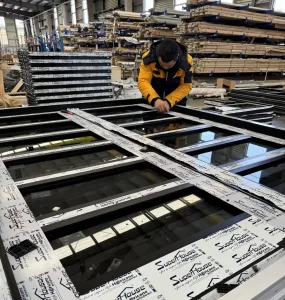
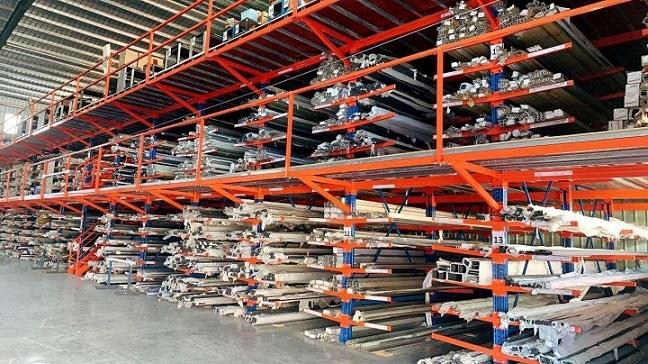
Inside our 12,000 m² Foshan facility: Advanced machinery, systematic IQC-IPQC-FQC protocols, and engineering craft.
 Raw Material
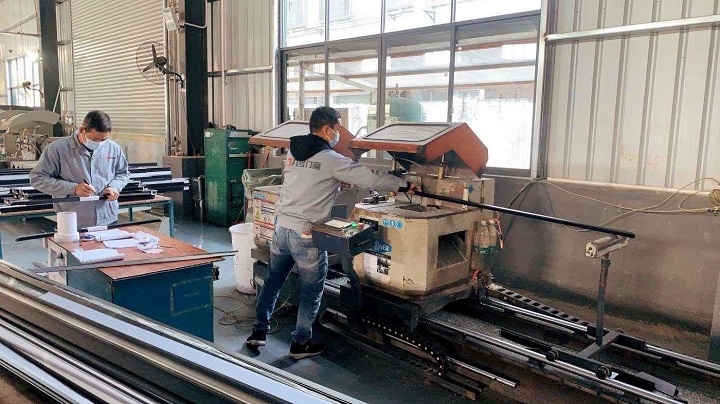 Profile Cutting
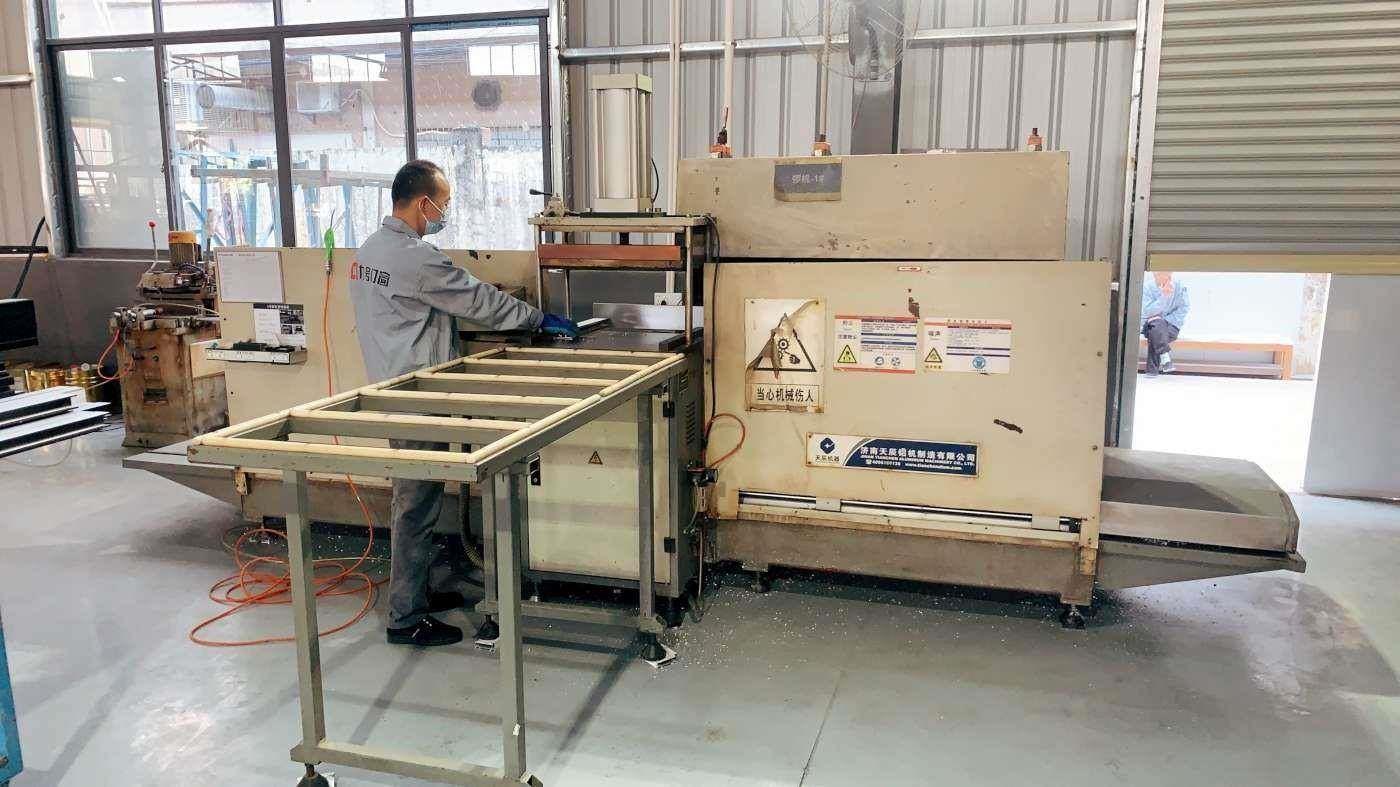 Milling Tenon
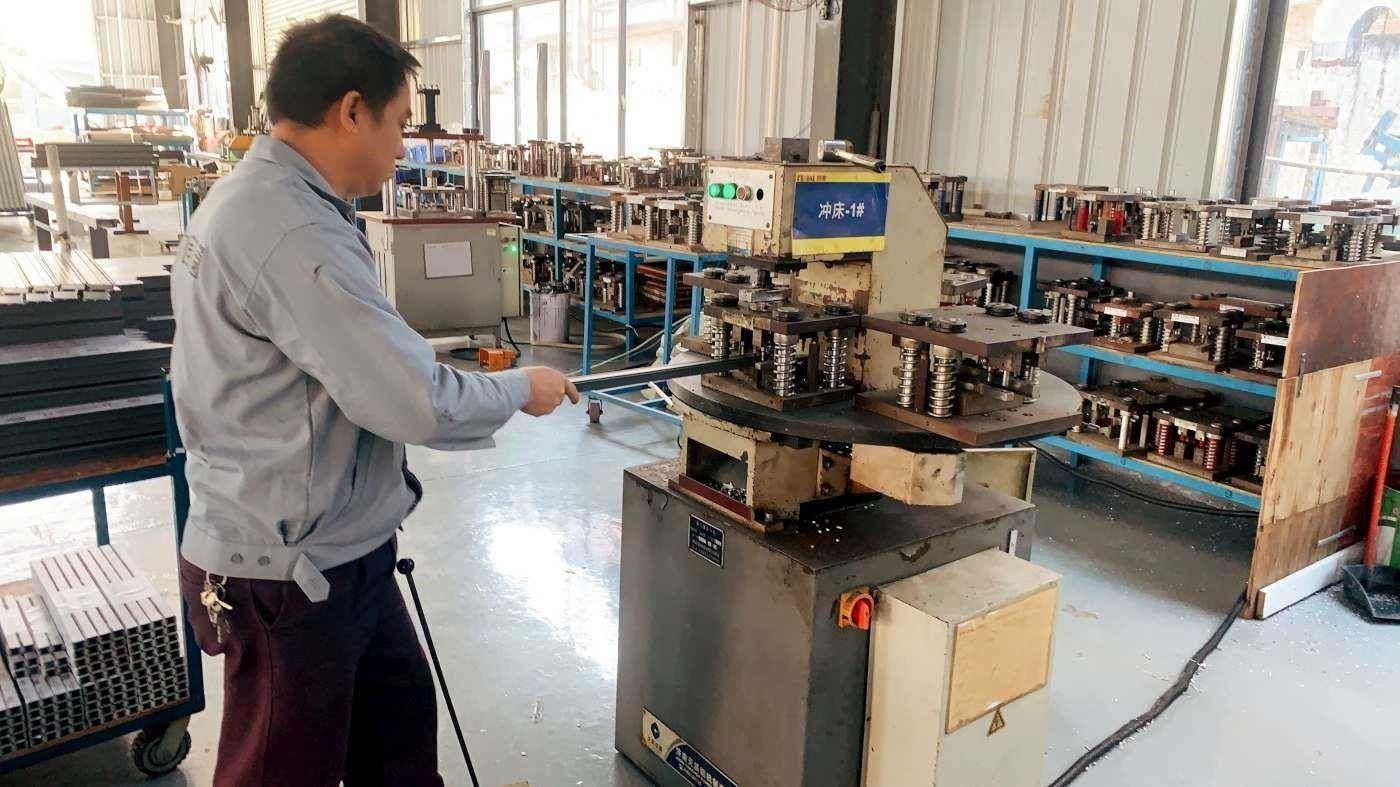 Punching
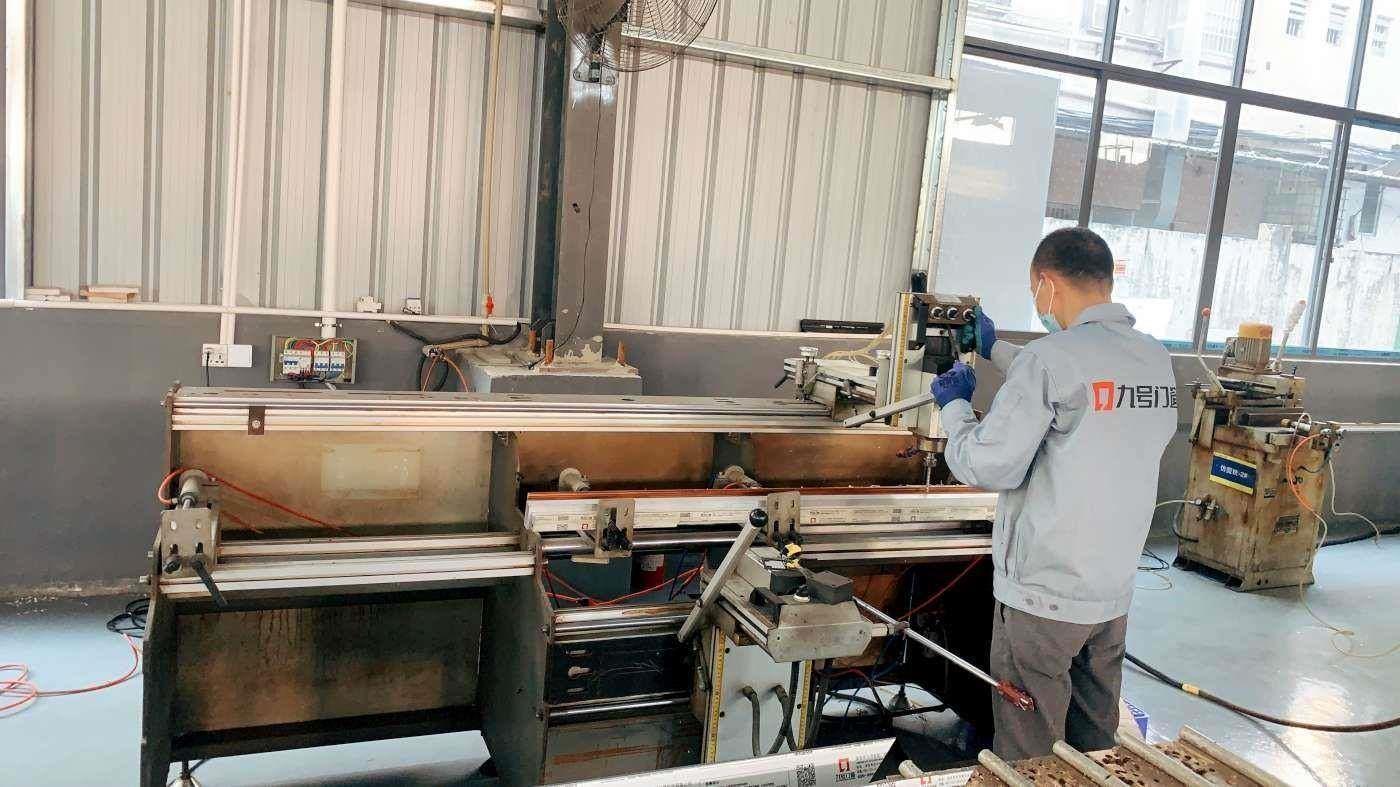 Profile Milling
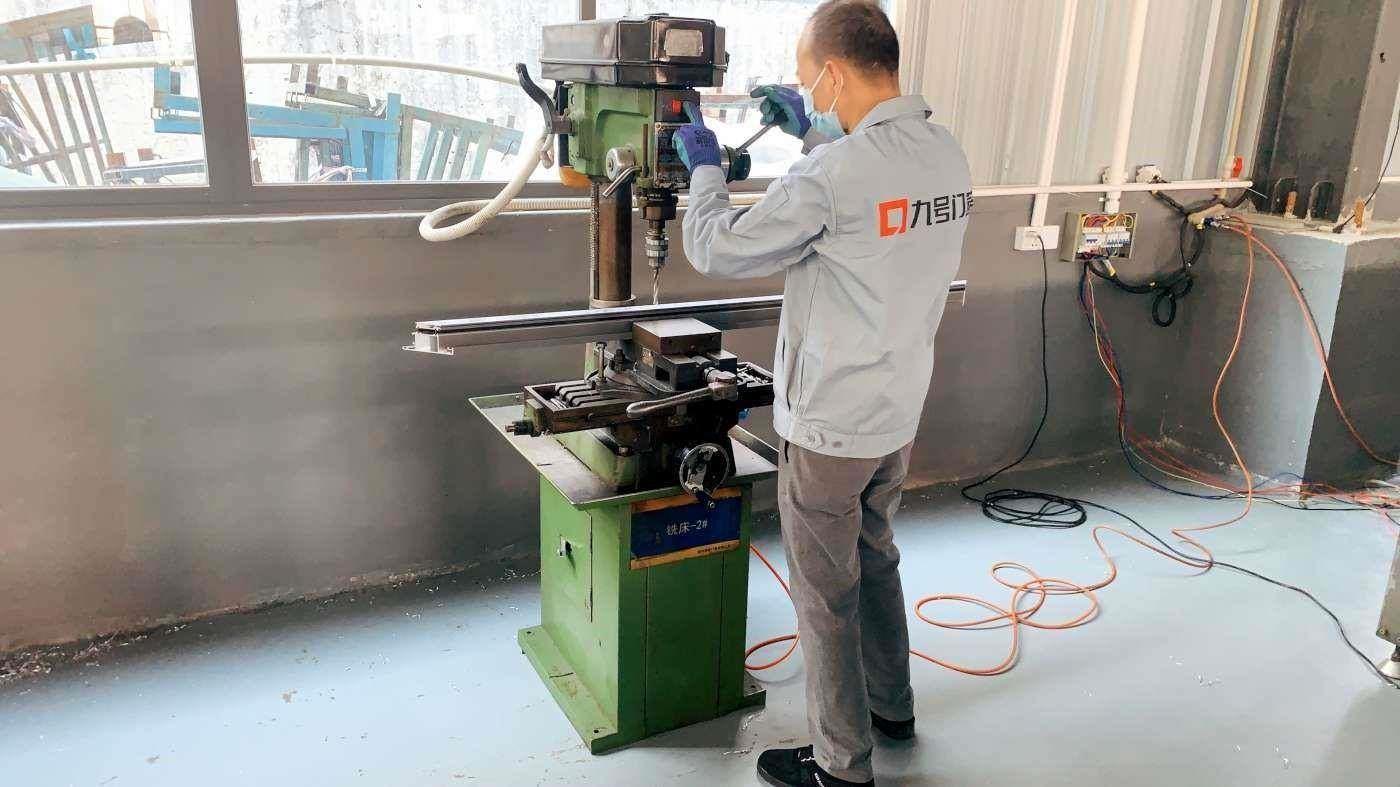 Drilling and Milling of Holes
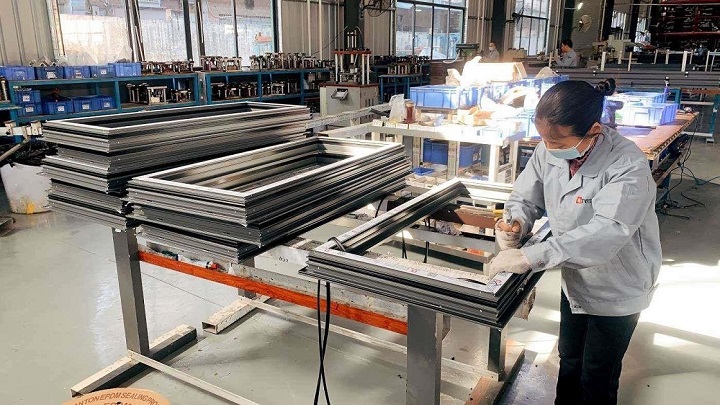 Frame Fan Assembly
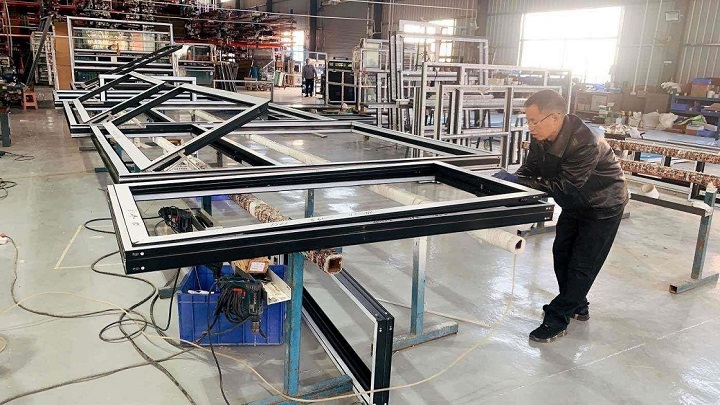 Hardware Assembly
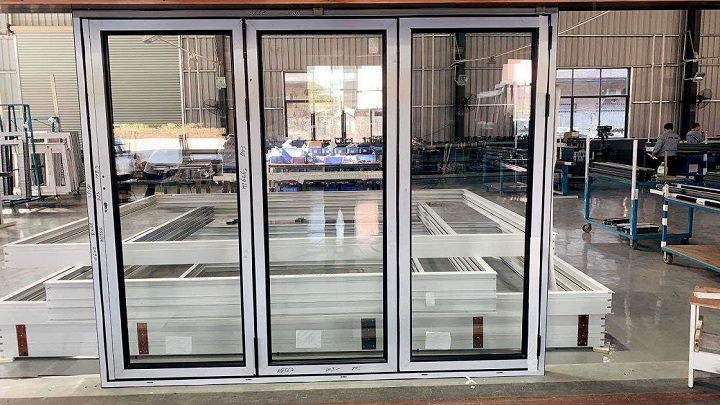 Product Commissioning
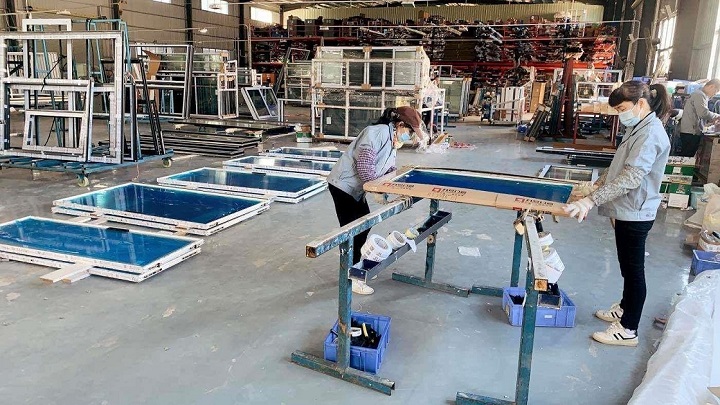 Finished Product Packaging
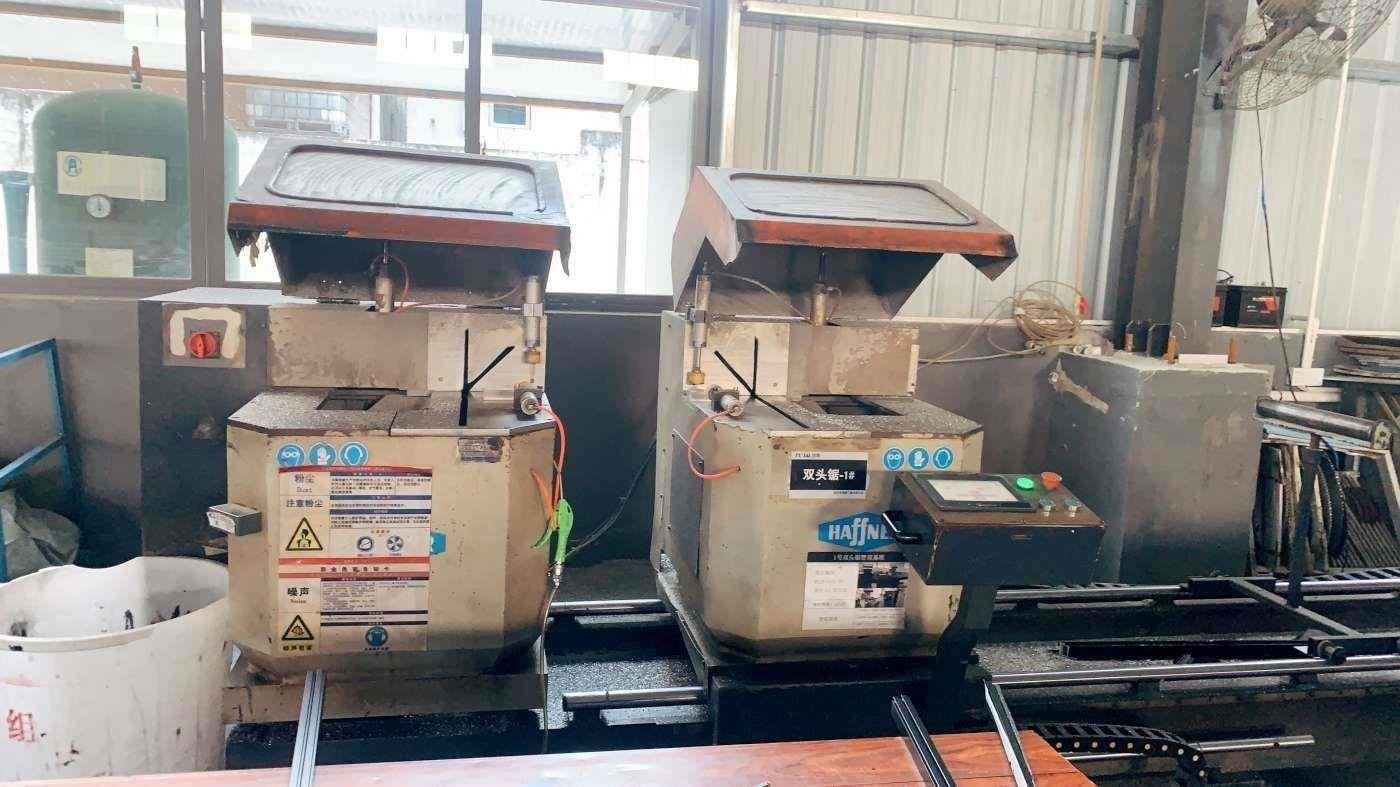 Profile Cutting Machine
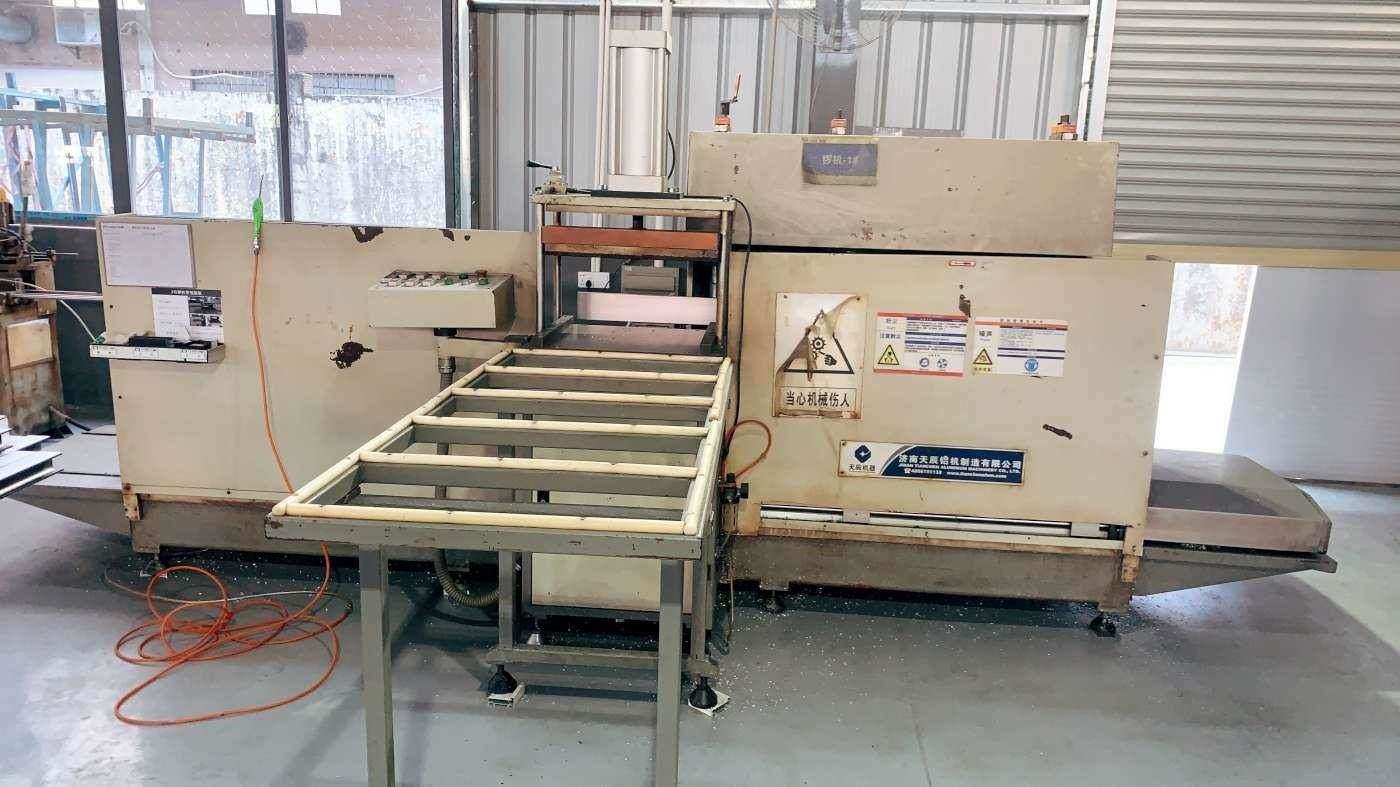 Milling Machine
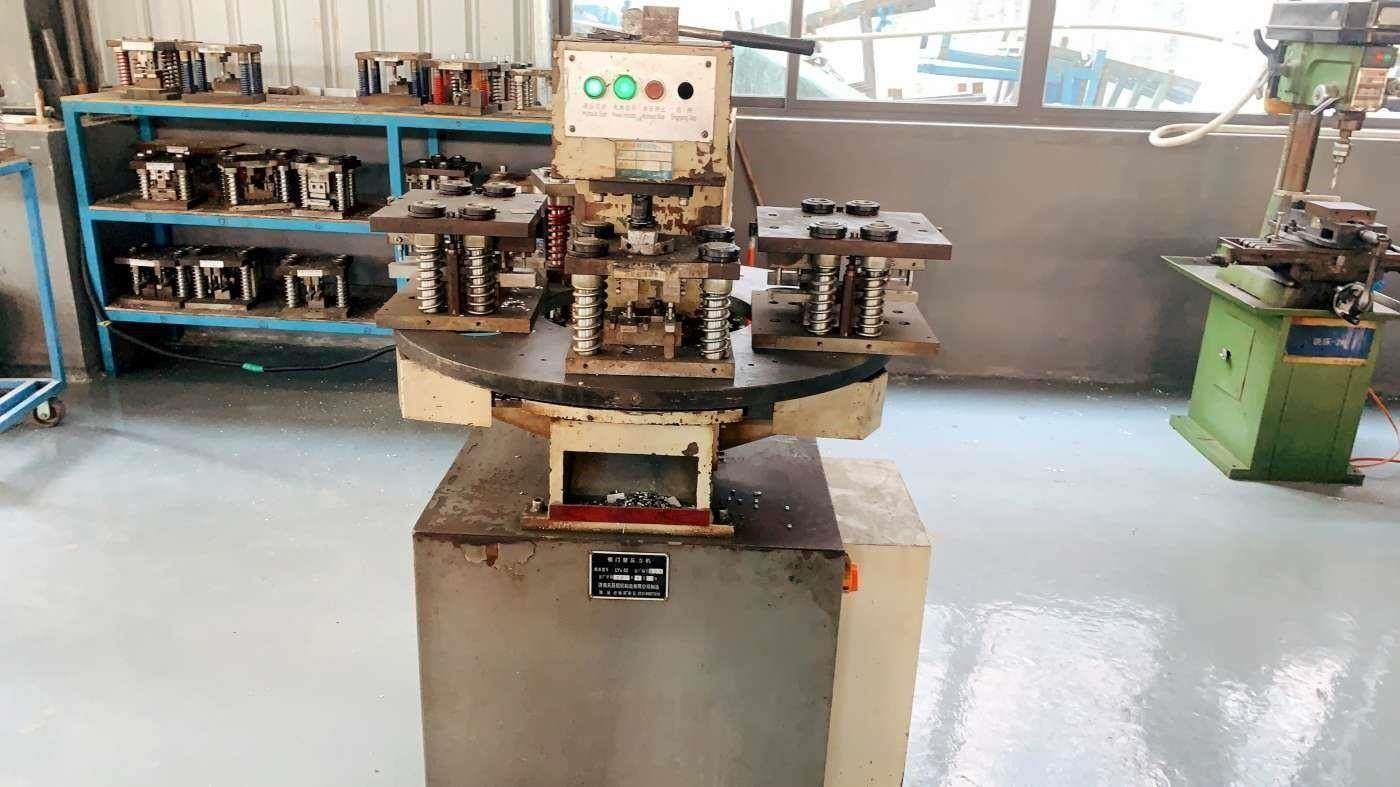 Punching Machine
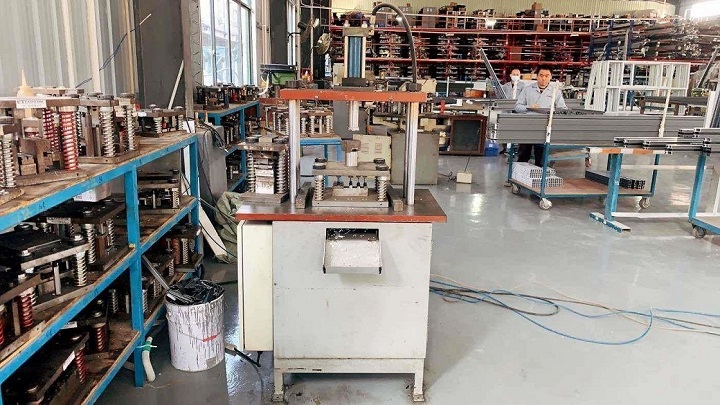 Punching Machine
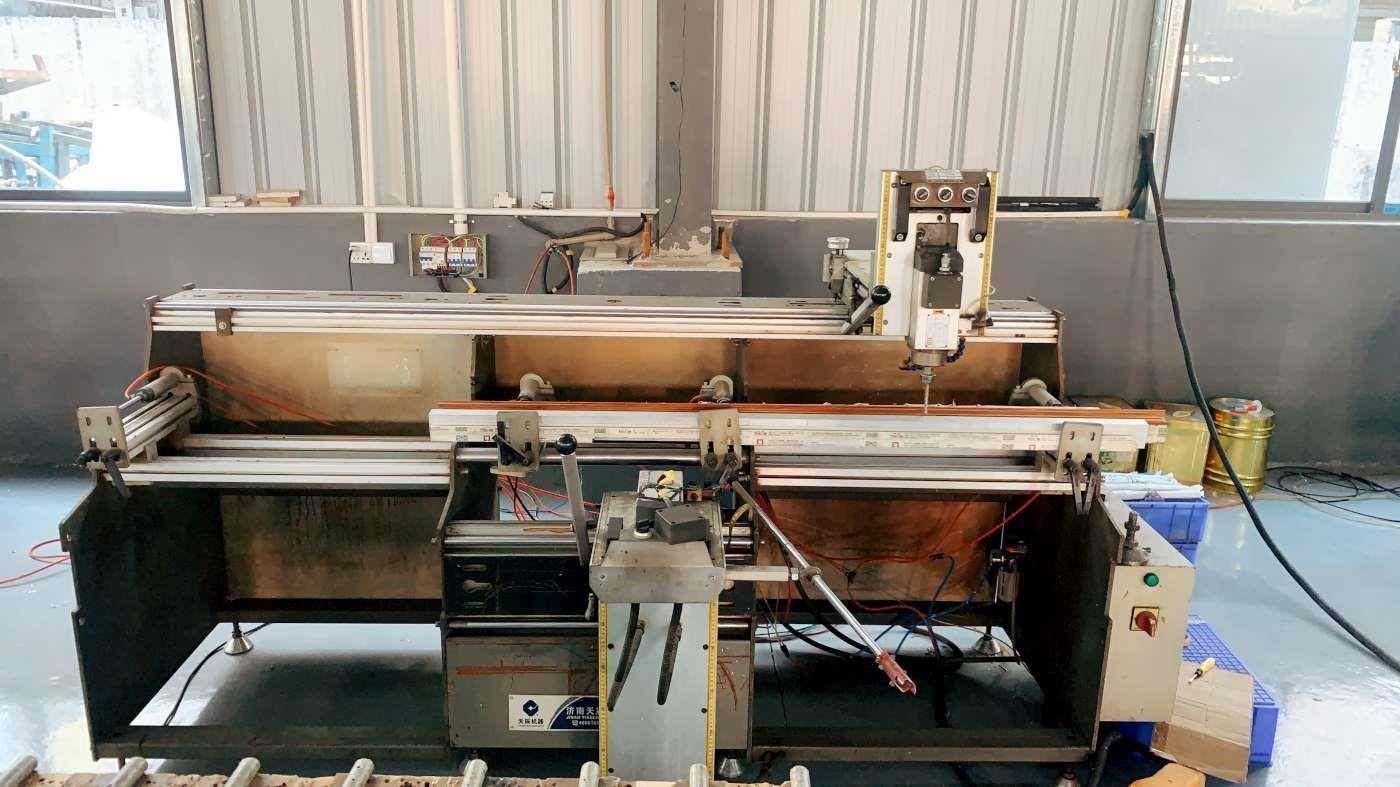 Profile Milling Machine
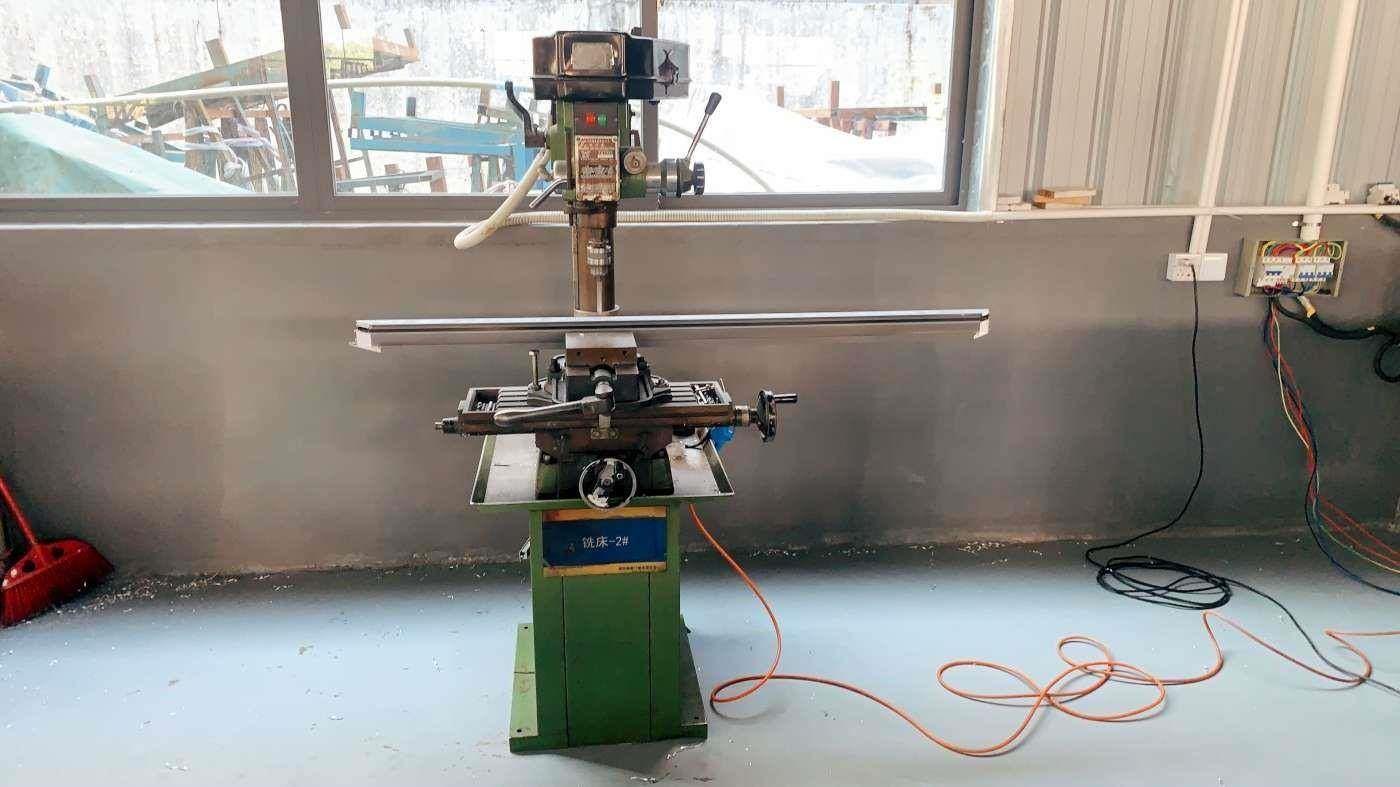 Drilling and Milling of Holes Machine
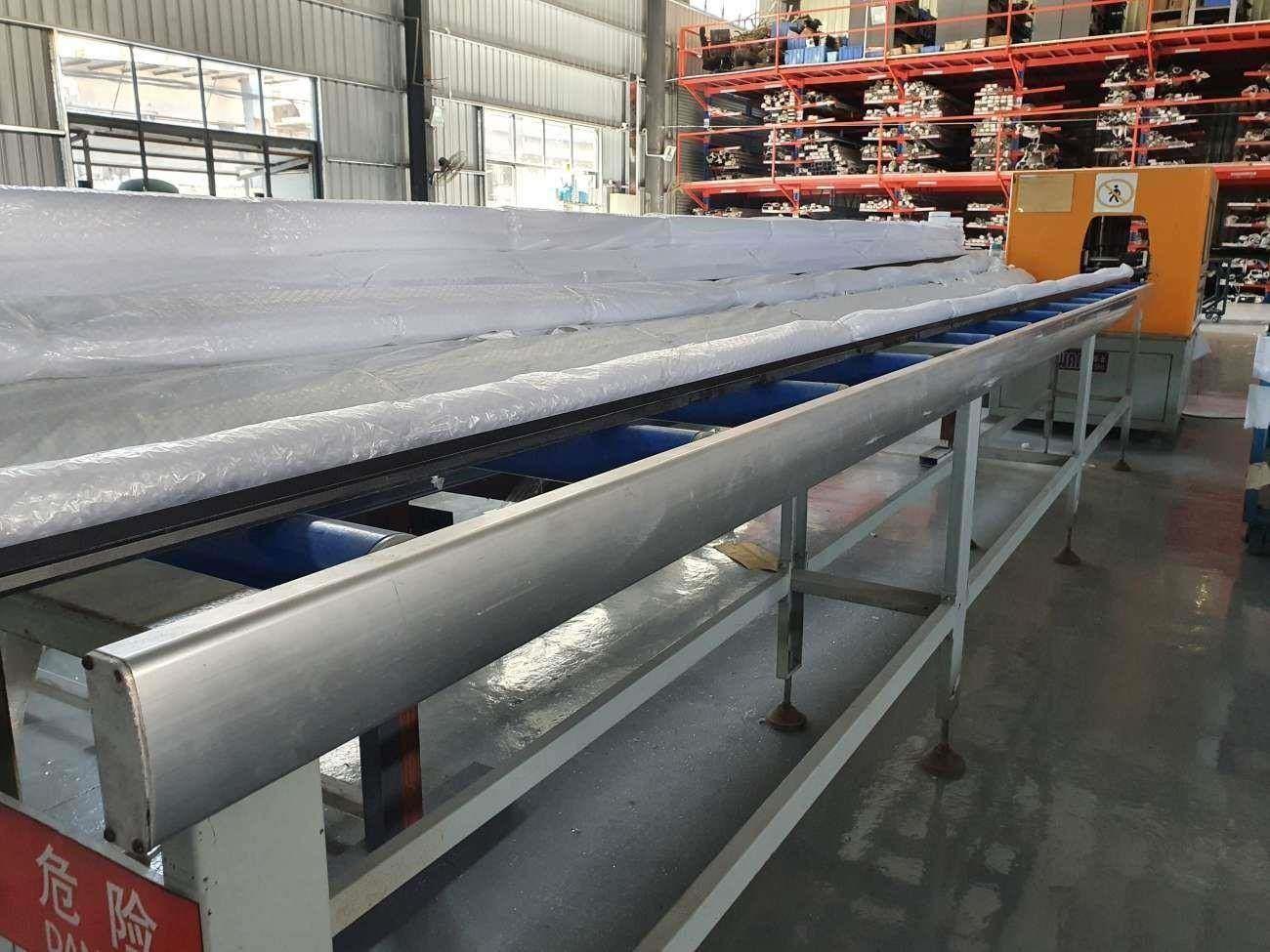 Lattice Machine
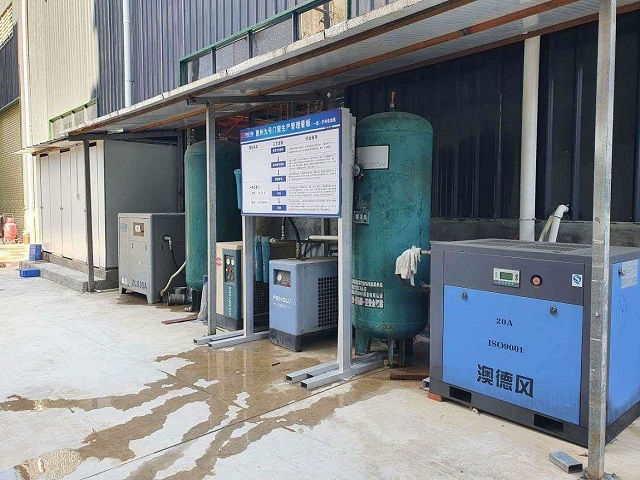 Air Compressor Machine
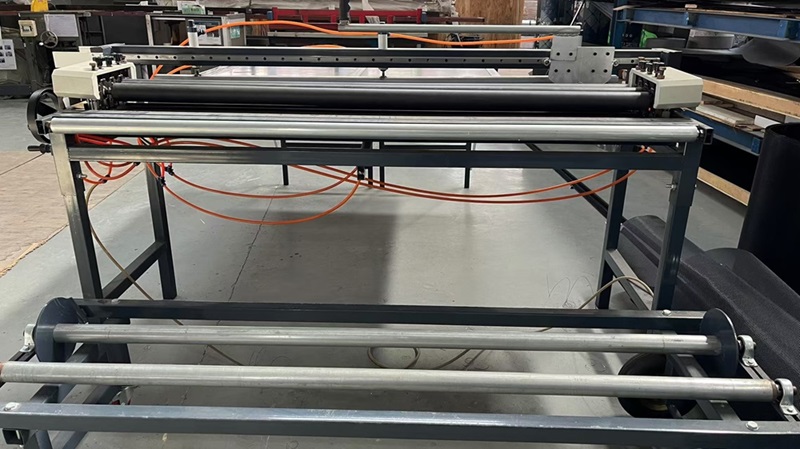 Flat Screen Cutting Machine
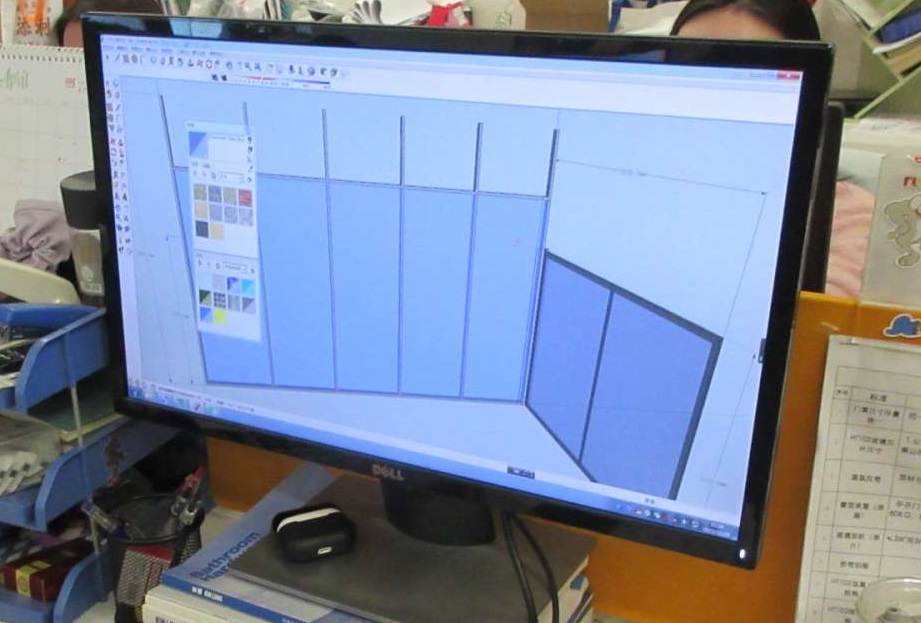 Technical Drawing & Wind Load Analysis
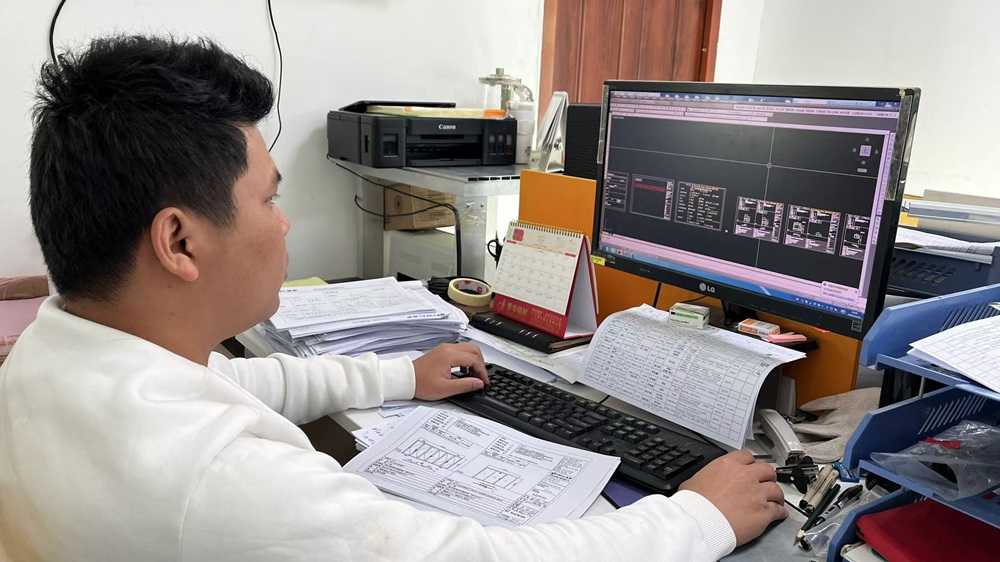 Architectural Shop Drawing Blueprinting
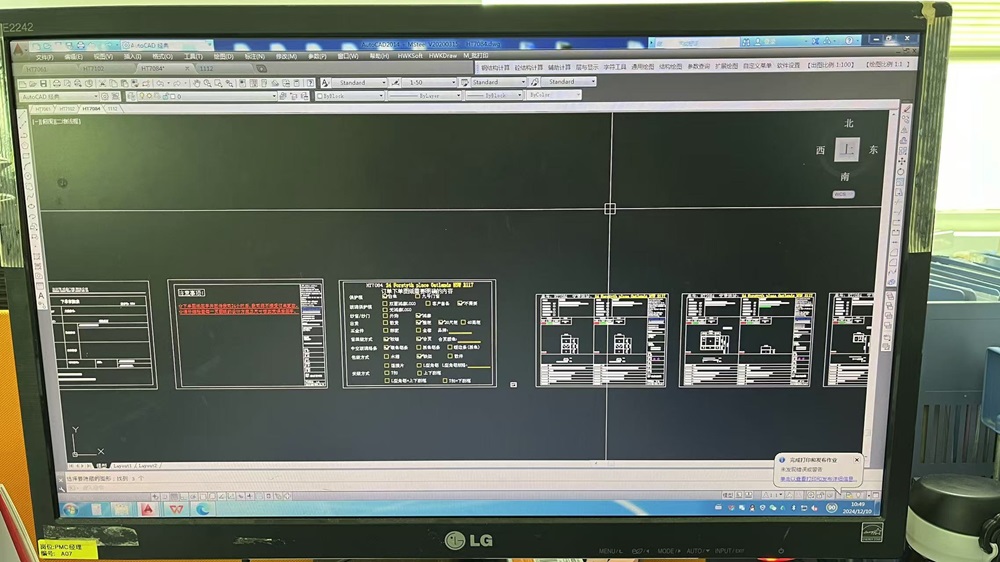 Computerized Stress Simulation
Strategic economic and technical benefits of partnering with premier Foshan fenestration manufacturers.
Foshan is recognized worldwide as the epicenter of aluminum extrusion and architectural hardware engineering. Supported by 420 trusted supply chain partners, Foshan Primeval Doors sources raw 6063-T6 aluminum ingots, specialized EPDM weather-stripping seals, and German-engineered multi-point locking hardware with zero lead-time delays, providing unparalleled manufacturing flexibility.
By leveraging automated double-head cutting machines, precision CNC profile milling centers, and streamlined labor, Foshan manufacturers deliver architectural entry doors that match or exceed Western performance metrics (Miami-Dade NOA, NFRC, AS2047) at a 30% to 45% cost reduction. This gives regional wholesalers and building suppliers a powerful competitive edge.
Unlike rigid Western mass-production lines, Foshan Primeval Doors specializes in low-friction custom tooling. Our 38 engineering specialists rapidly produce bespoke profile dies, custom frame depths (from 100mm to 220mm), custom glass mullion layouts, and exclusive hardware integration for direct private-label export.
Tailored fenestration solutions engineered for extreme environmental conditions around the world.
Structures in Florida’s High-Velocity Hurricane Zones require strict adherence to Miami-Dade NOA standards. Our entry doors incorporate double-glazed SGP laminated glass paired with multi-point locking gear designed to withstand structural suction pressures up to 90 PSF, fully meeting Energy Star U-Factor demands.
Our custom doors engineered for Australia and New Zealand meet AS2047 structural requirements. Featuring marine-grade anodized or AAMA 2605 powder coatings, these doors comfortably withstand harsh saltwater air, intense UV exposure, and cyclical wind load forces along Australia's Eastern and Southern coastlines.
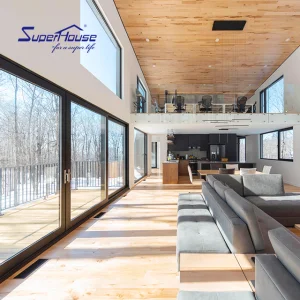
Luxury oceanfront resorts require sprawling wide-opening sliding glass doors that combine expansive views with heavy-duty storm safety. We deliver custom multi-track heavy-duty impact sliding doors and storefront wall systems engineered with thermal breaks and salt-resistant hardware to maintain flawless operation under tropical conditions.
Modern luxury villas demand high-security entry access combining automated smart biometric locking, underground garage safety closures, and subterranean emergency flood and forced-entry defense. Our custom aluminum door series integrates electronic door closers and multi-layer EPDM seals to guarantee complete privacy and protection.
Essential quality checkpoints for architectural importers, building suppliers, and general contractors.
Always demand official test reports for ASTM E1886/E1996 missile impact and cyclic pressure loading from accredited labs (Intertek, NAMI, Miami-Dade County). Ensure the certified design pressure (DP) matches your local building code wind load calculations.
Confirm that aluminum extrusion profiles use primary 6063-T6 alloy rather than recycled scrap aluminum. Exterior finishes should meet AAMA 2604 or AAMA 2605 specifications with a minimum powder layer thickness of 60–80 microns to prevent premature peeling.
Impact glass doors are heavy structural components. Ensure your manufacturer utilizes full protective foam wrap, heavy-duty corner guards, and fully sealed fumigation-free wooden crates to prevent glass breakage and profile scratching during sea freight transit.
How AI, smart materials, and advanced green engineering are reshaping hurricane-grade entry doors.
The convergence of smart home security and hurricane defense is driving demand for impact entry doors embedded with hidden motorized multi-point locks. Modern doors now seamlessly integrate facial recognition, keyless access, and smart home automation while retaining maximum structural storm integrity.
Architects increasingly demand minimal frame profiles with maximum glass surface area. Advanced structural silicone bonding techniques allow impact glass units to act as load-bearing structural elements, enabling ultra-slim aluminum sightlines without compromising high DP wind load resistance.
With global green building certifications (LEED, BREEAM) gaining traction, future OEM production focuses on recycled aluminum extrusion profiles combined with bio-based thermal insulation strips, drastically reducing embodied carbon while optimizing building HVAC efficiency.
In-depth expert responses to high-intent questions from architectural specifiers and global wholesale buyers.
SGP (SentryGlas® Ionoplast) is 5 times stronger and up to 100 times stiffer than standard PVB interlayers. In the event of glass breakage caused by windborne debris, an SGP interlayer remains upright and rigid, maintaining structural defense against recurring storm pressure. PVB interlayers, while effective for standard impact ratings, tend to flex and sag when both glass panes shatter. SGP is strongly recommended for High-Velocity Hurricane Zones (HVHZ) and large oversized glass doors.
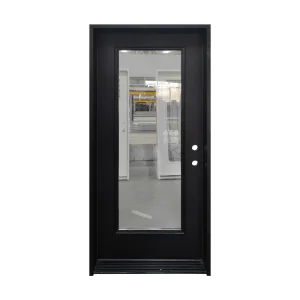
Yes. Our engineering R&D team designs and manufactures entry systems specifically configured to pass Miami-Dade NOA and Florida Building Code (FBC) criteria. We utilize heavy-gauge 6063-T6 extruded aluminum profiles, structural corner joints, and tested laminated impact glass units capable of passing TAS 201 (Impact Test), TAS 202 (Criteria for Structural Performance), and TAS 203 (Cyclic Wind Pressure Loading).
We offer end-to-end OEM and private-label customization options, including custom frame depths, thermal-break profile geometries, custom glass options (tinted, low-E, reflective, decorative grilles), powder coating colors (RAL palette, wood grain textures, marine-grade AAMA 2605 PVDF finishes), as well as customized hardware branding, box packaging, and laser-etched logo placement.
Standard aluminum frames readily conduct heat and cold. Thermal break doors feature a structural insulating material (such as polyamide PA66 GF25) inserted between the inner and outer aluminum profiles. This creates a thermal barrier that reduces thermal conductivity by over 60%, maintaining interior temperatures, eliminating frame condensation, and reducing HVAC energy usage in hot summers and freezing winters.
Standard OEM lead time for custom door orders is typically 25 to 35 days from technical CAD drawing approval and deposit receipt. For complex projects requiring custom extruded profiles or specialized SGP glass laminations, initial sample production takes approximately 15 days, followed by full mass production tailored to container shipping schedules.
Our quality management system follows strict IQC-IPQC-FQC protocols. Raw aluminum profiles undergo hardness and dimensional checks upon arrival. During processing, 22 full-time QC inspectors monitor cutting tolerance, tenon milling, corner joint sealing, and hardware fitment. Finished units undergo water-tightness testing, salt spray corrosion testing, and operation commissioning prior to packaging.
Browse our complete lineup of certified hurricane impact doors, windows, and storefront wall systems.
 Primeval Doors