Explore our flagship certified thermal break aluminum door and window profiles, precision-engineered to meet stringent international building standards including NFRC, Miami-Dade NOA, and AS2047.
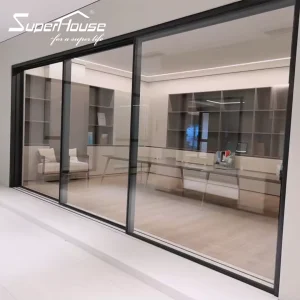
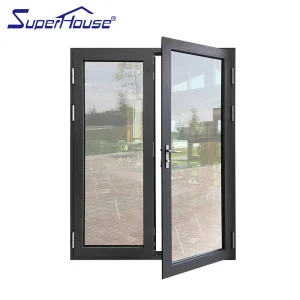
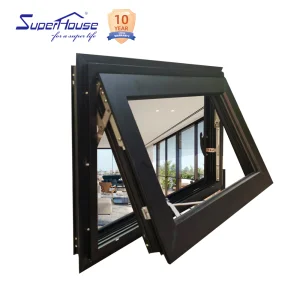
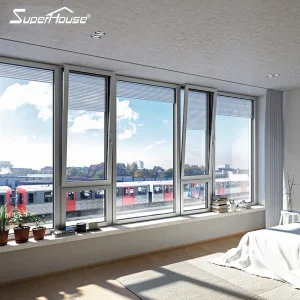
The global fenestration industry is undergoing a profound structural shift driven by decarbonization mandates, net-zero architectural codes, and rising energy costs. Thermal insulation in modern aluminum door and window systems is no longer a luxury upgrade—it is a core engineering requirement for compliance with contemporary international building standards. As global real estate developers and general contractors demand lower U-factors and enhanced Solar Heat Gain Coefficients (SHGC), manufacturers must integrate advanced thermal break technologies with structural robustness.
China has established itself as the epicenter of advanced aluminum extrusion, precision milling, and surface treatment technologies. As global buyers navigate complex international trade regulations and strict regional building codes, selecting a validated OEM/ODM partner with transparent quality verification, deep R&D capabilities, and proven export experience becomes paramount.
Established in 2017, Foshan Primeval Doors Industry Co., Ltd. operates from a modern manufacturing facility of 12,000 m². Backed by 11 years of industry engineering experience and 5 years of international export trade, the company generates an annual export revenue of USD 8,500,000.
Quality control is strictly enforced through systematic IQC-IPQC-FQC inspection procedures along with rigorous thermal conductivity and salt-spray corrosion testing. A skilled QC team of 22 inspectors oversees every step of the production process. Supported by 420 trusted supply chain partners, our trade background covers direct OEM export and private-label customization, serving primary markets in Australia, New Zealand, and North America.
Our client base consists mainly of residential building supply importers, architectural designers, and regional wholesalers. Driven by continuous innovation, our R&D group of 38 engineers introduced 75 new entry door products last year. Customization options include custom frame depths, double-glazed decorative glass inserts, powder-coated color palettes, and heavy-duty weatherproofing seals.
Aluminum as a raw material possesses high thermal conductivity (~220 W/m·K). To render aluminum profiles suitable for energy-efficient architectural applications, thermal break technology must be incorporated. Our manufacturing system utilizes high-grade Polyamide PA66 reinforced with 25% glass fiber (PA66-GF25), creating a structural barrier that drastically suppresses conductive thermal transfer.
| Technical Parameter | Standard Aluminum Profile | Primeval Thermal Break System | Architectural Impact |
|---|---|---|---|
| Thermal Conductivity (U-Frame) | 5.8 - 7.0 W/m²K | 1.4 - 2.1 W/m²K | Up to 70% reduction in heat loss |
| Structural Barrier Material | None (Solid Profile) | PA66-GF25 Polyamide Strip | Extreme tensile strength & shear resistance |
| Acoustic Isolation (STC) | 22 - 26 dB | 38 - 45 dB (with IGU) | Superior noise reduction in high-traffic zones |
| Corrosion Resistance | Standard Anodized | Fluorocarbon (PVDF) / Powder Coated | Survives 2000+ hrs Neutral Salt Spray Test |
| Air & Water Infiltration | Basic EPDM Gasket | Multi-channel Triple EPDM Seals | Zero leakage under 700 Pa water pressure |
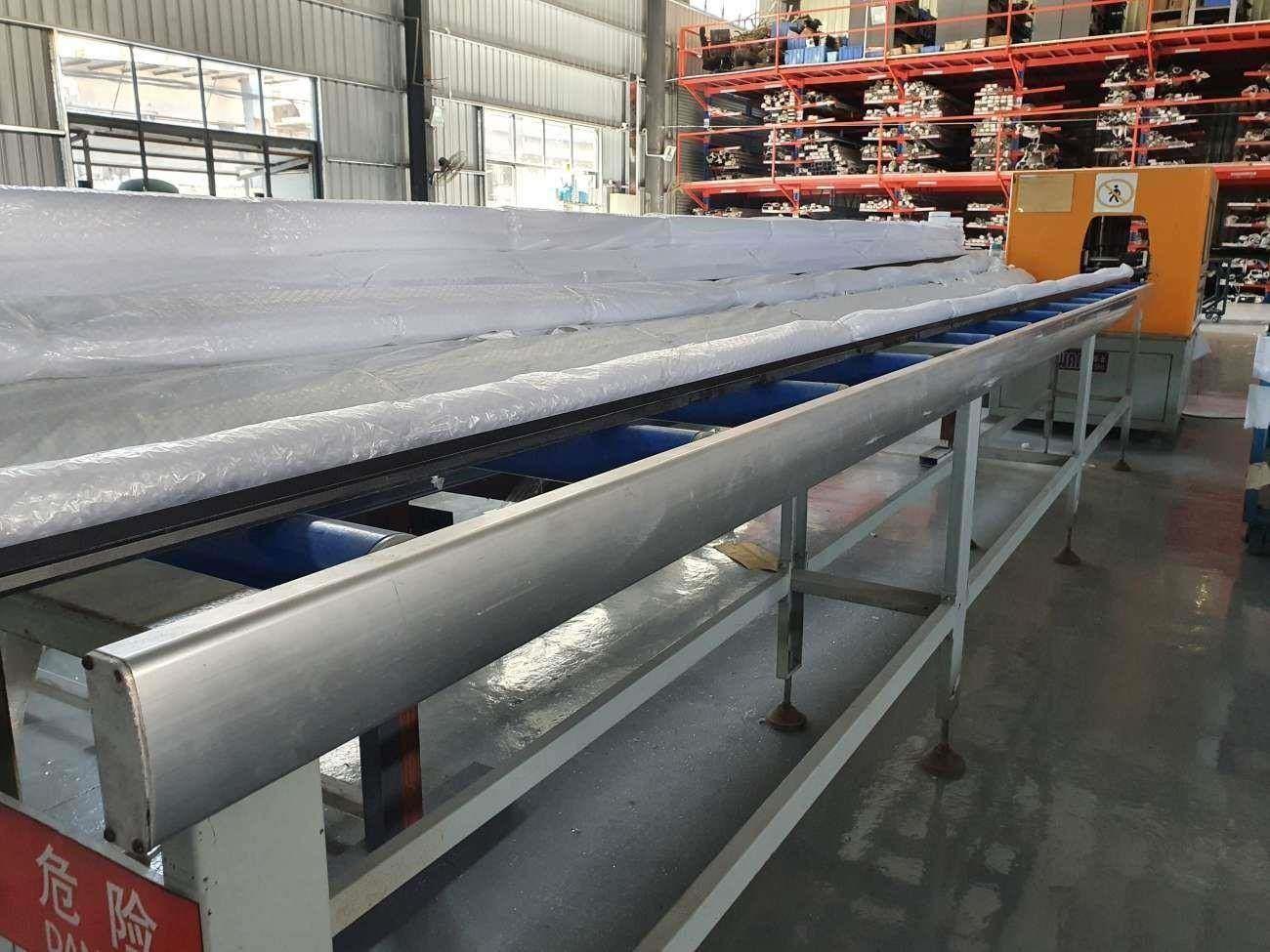
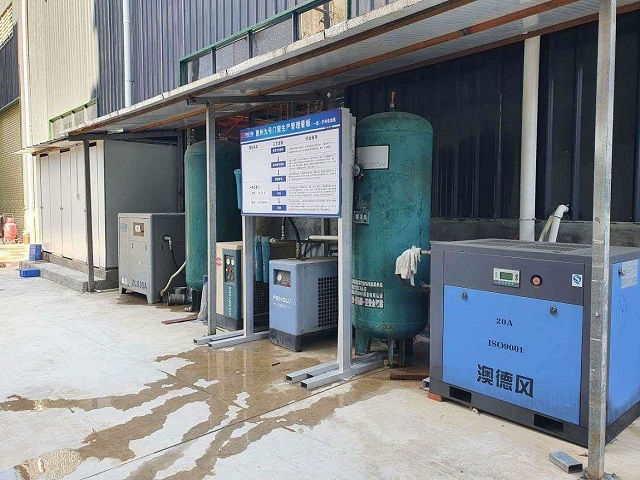
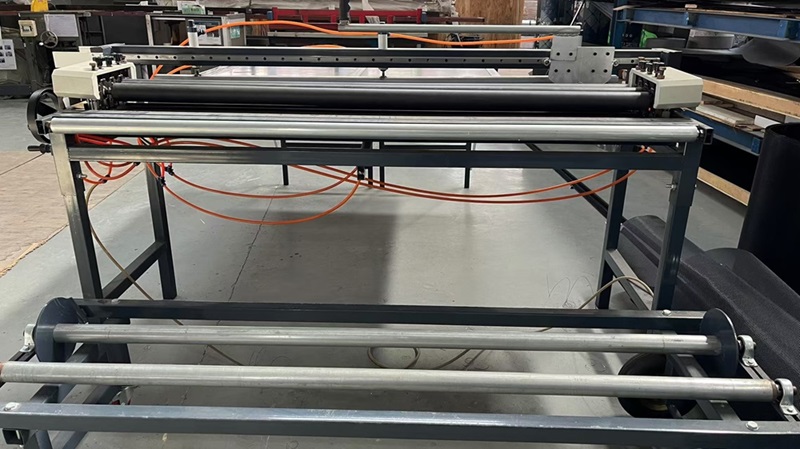
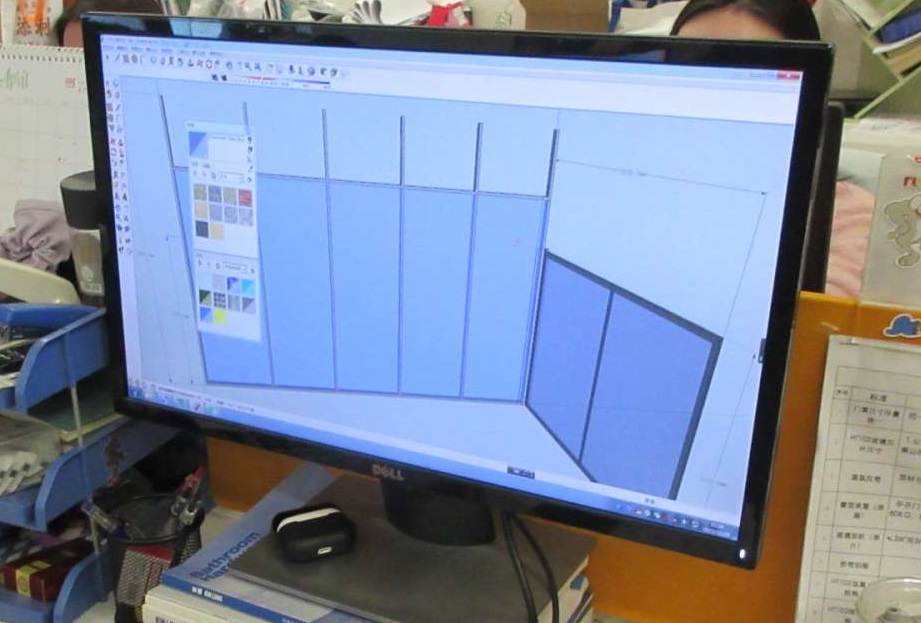
Precision craftsmanship requires digitized machinery and strict adherence to protocol at every workstation. Below is the step-by-step assembly and quality validation lifecycle implemented across our 12,000 m² plant floor.
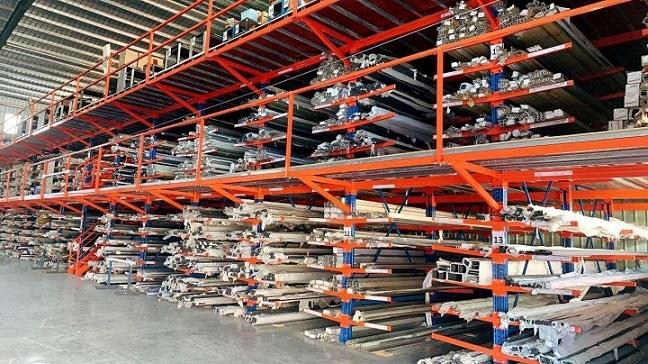
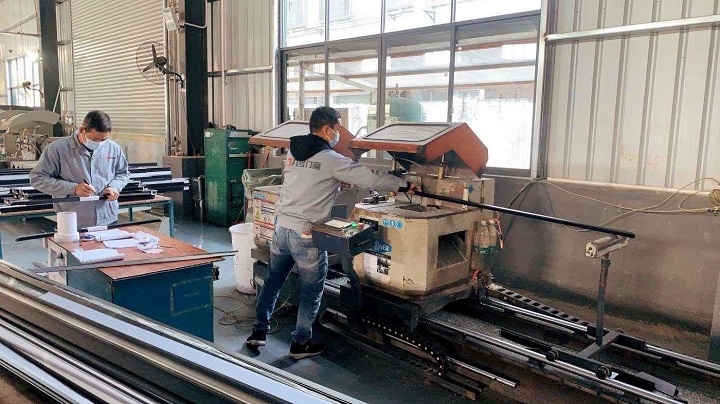
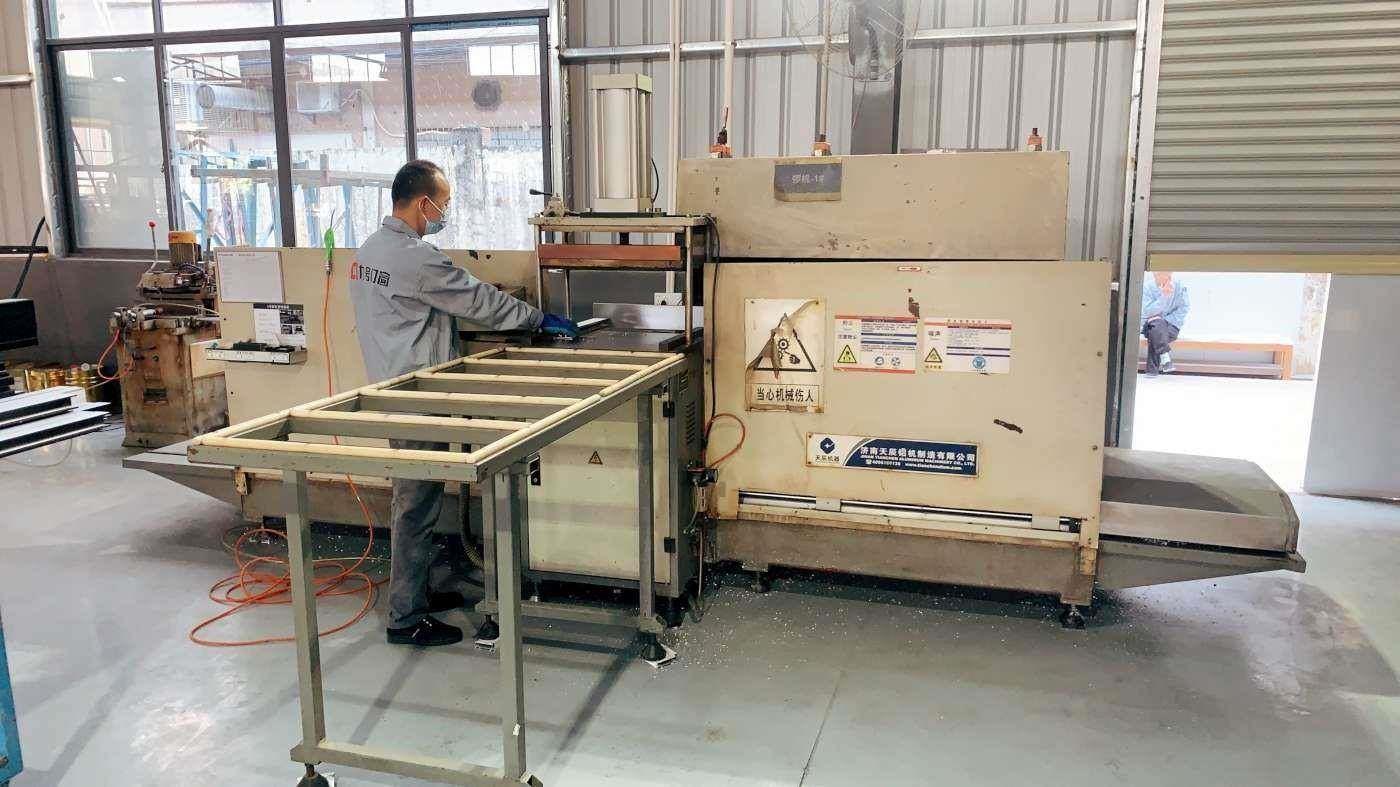
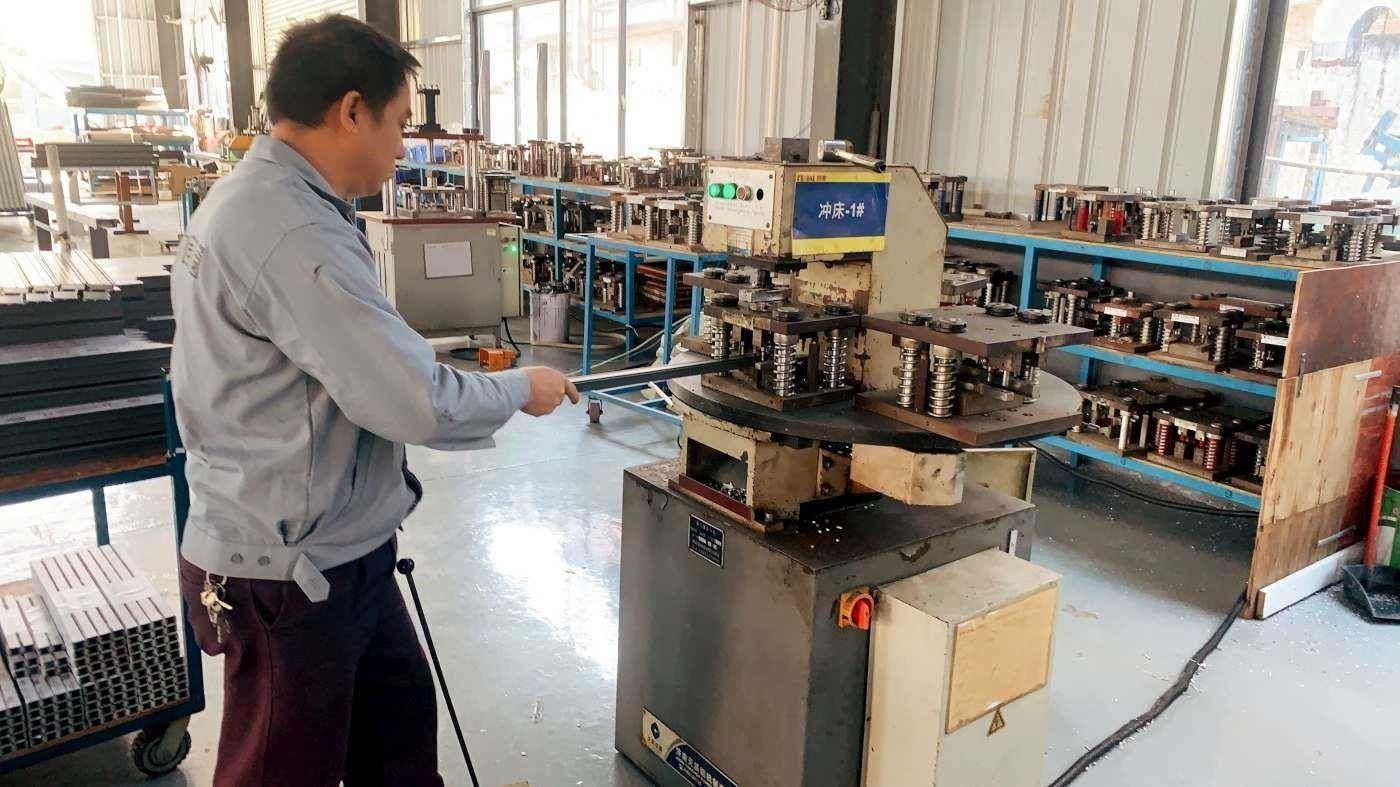
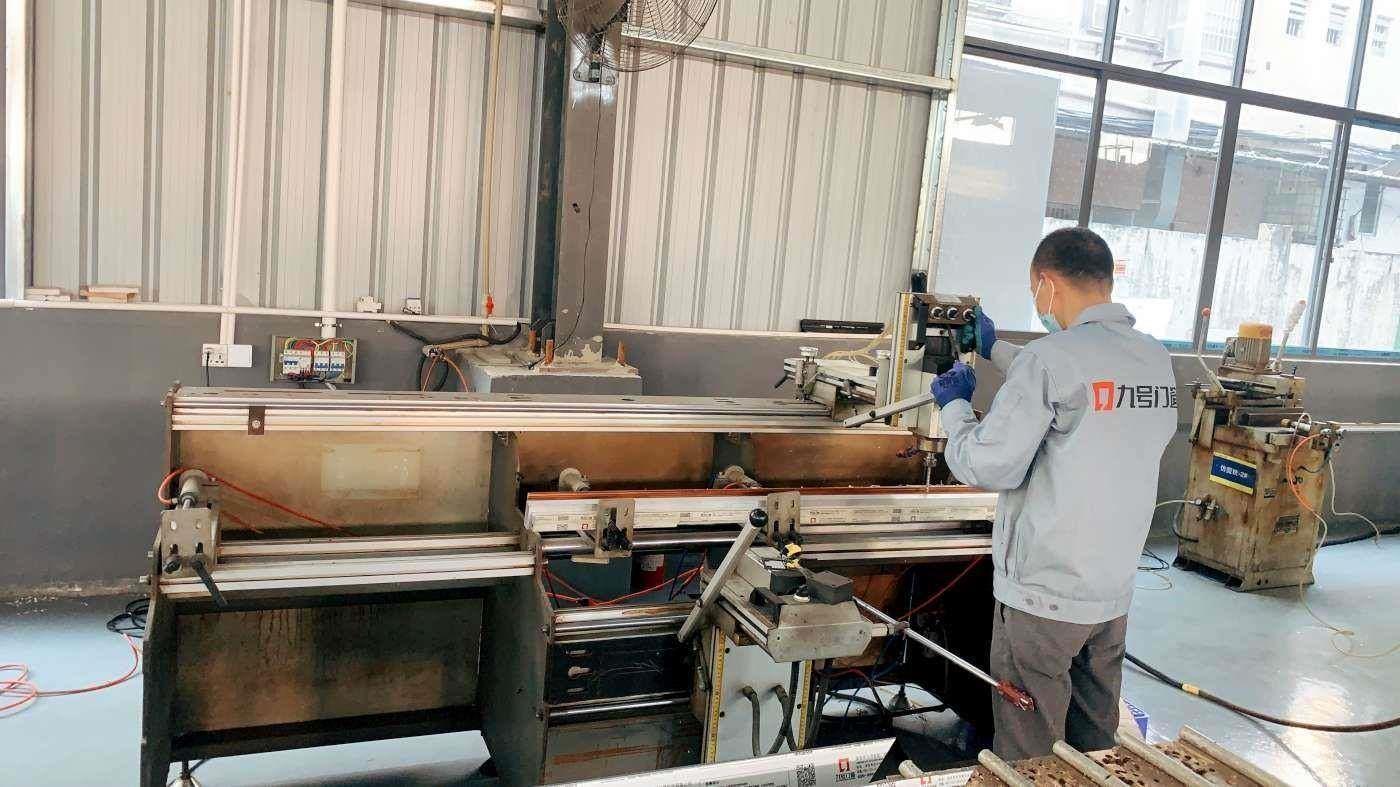
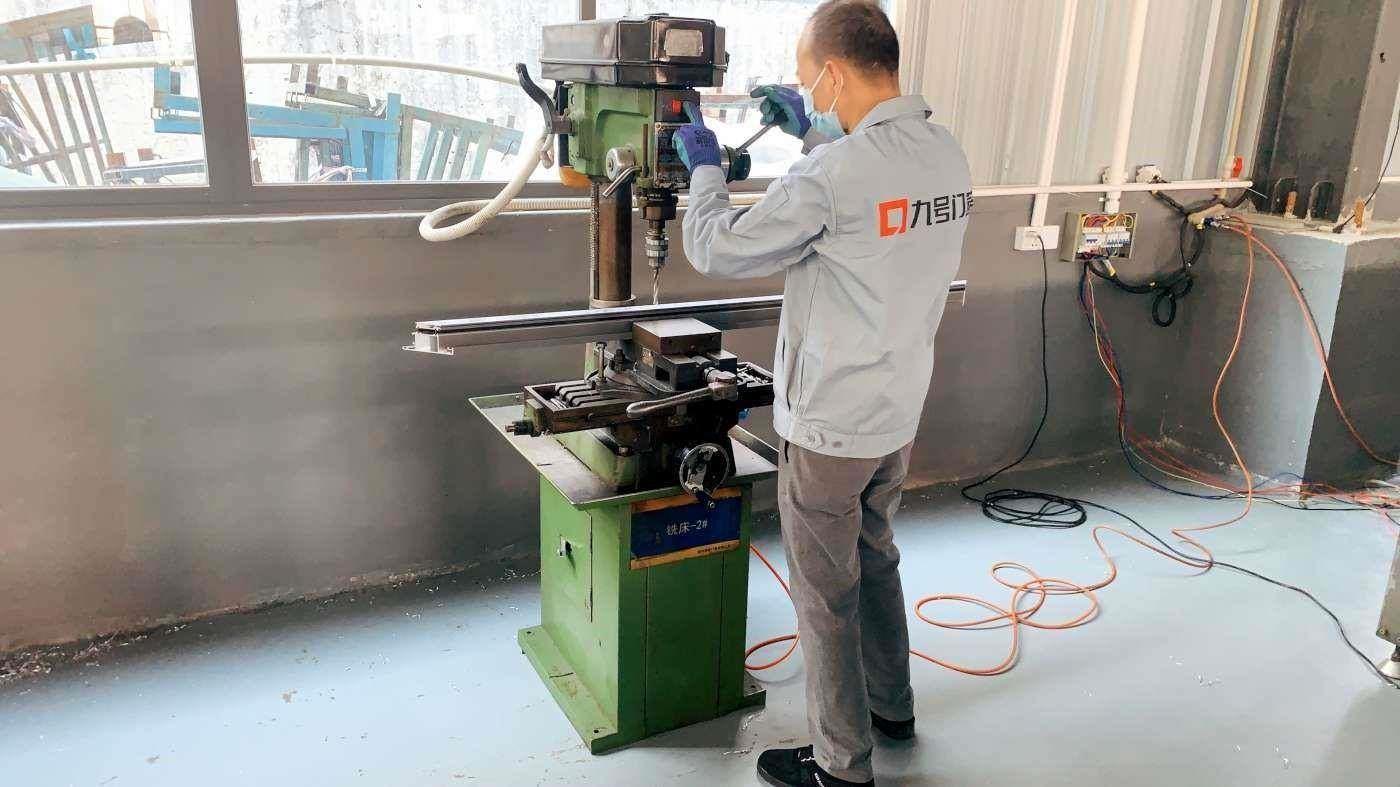
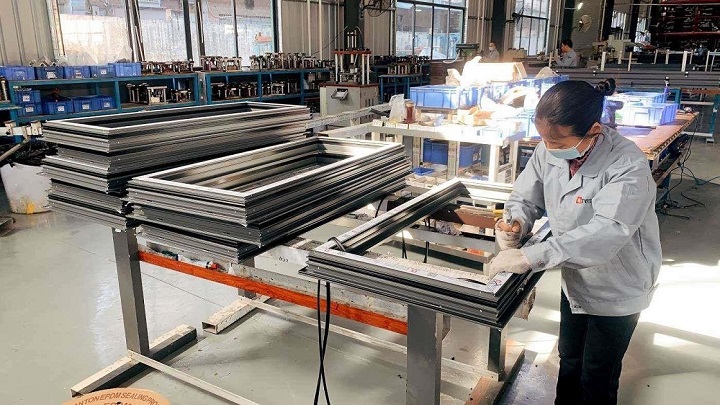
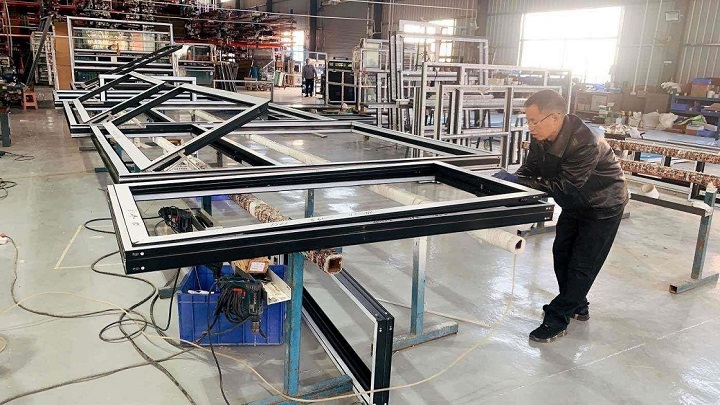
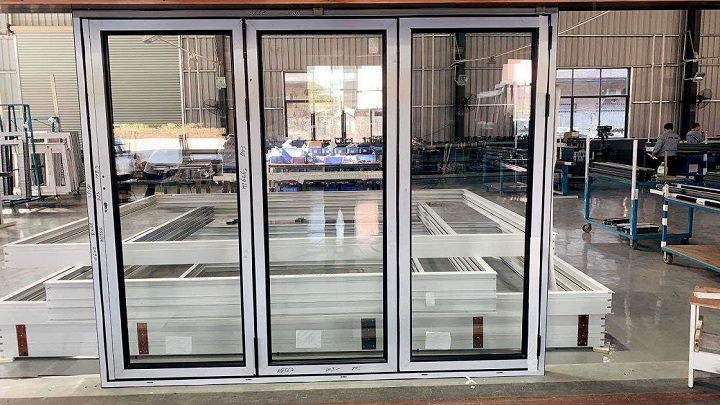
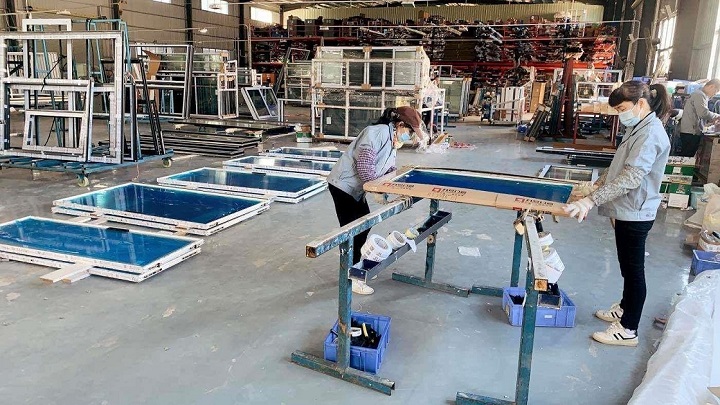
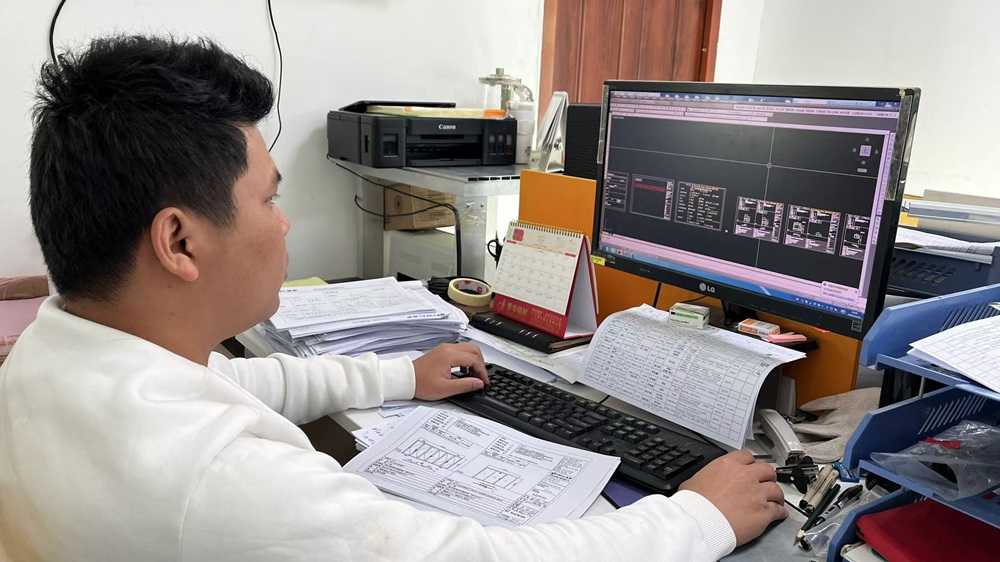
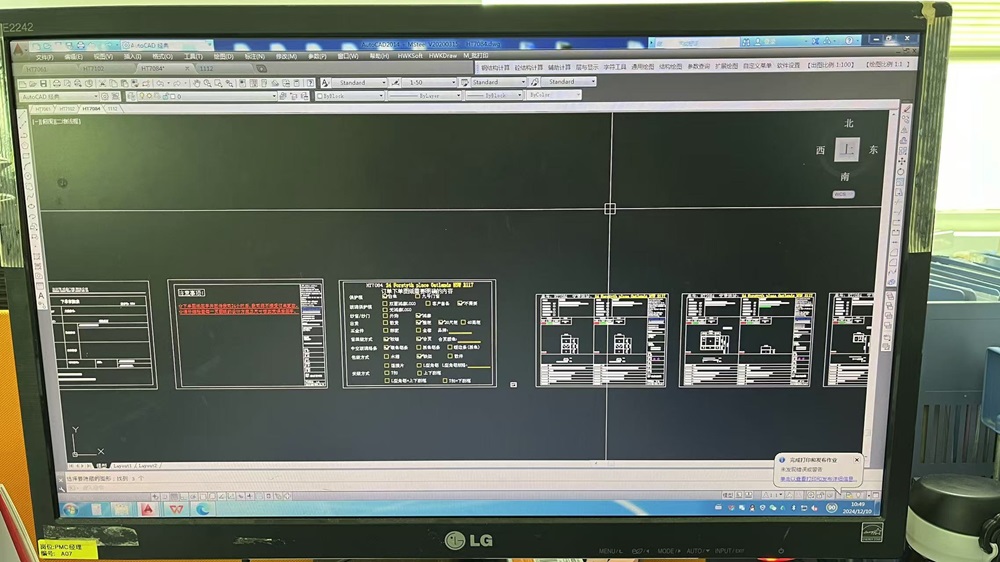
To achieve tolerances within ±0.1mm, Foshan Primeval Doors Industry Co., Ltd. invests heavily in state-of-the-art CNC machining lines, automated profile saws, digital punch presses, and computer-aided design stations.
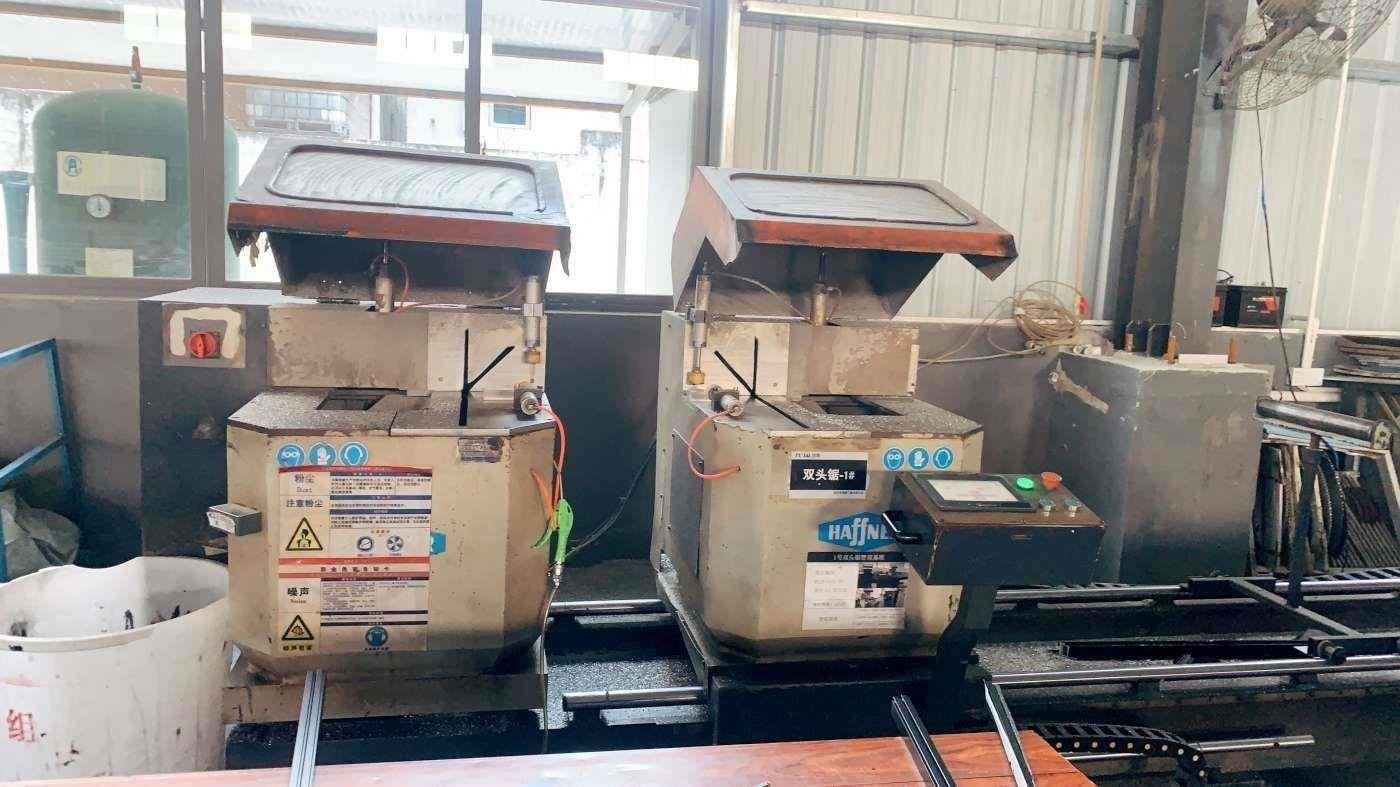
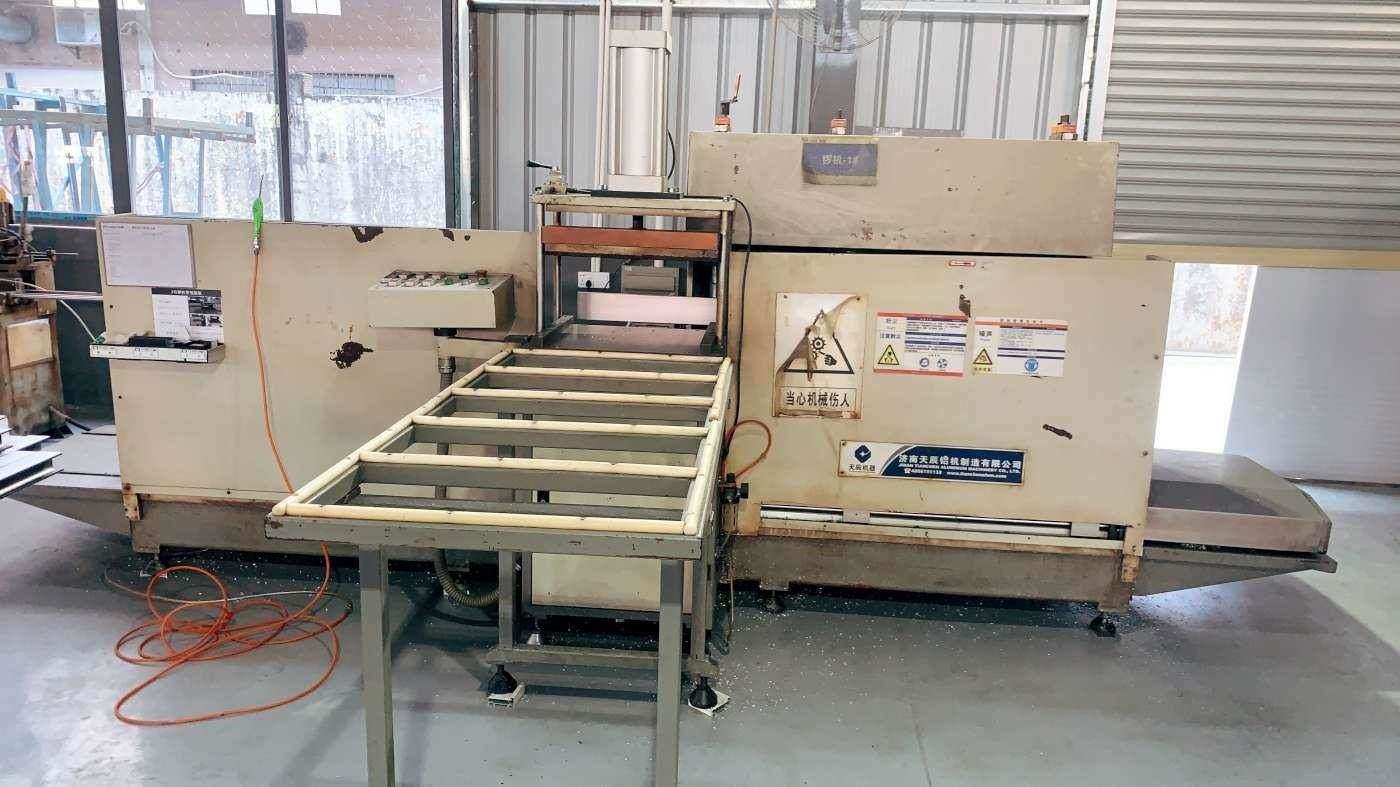
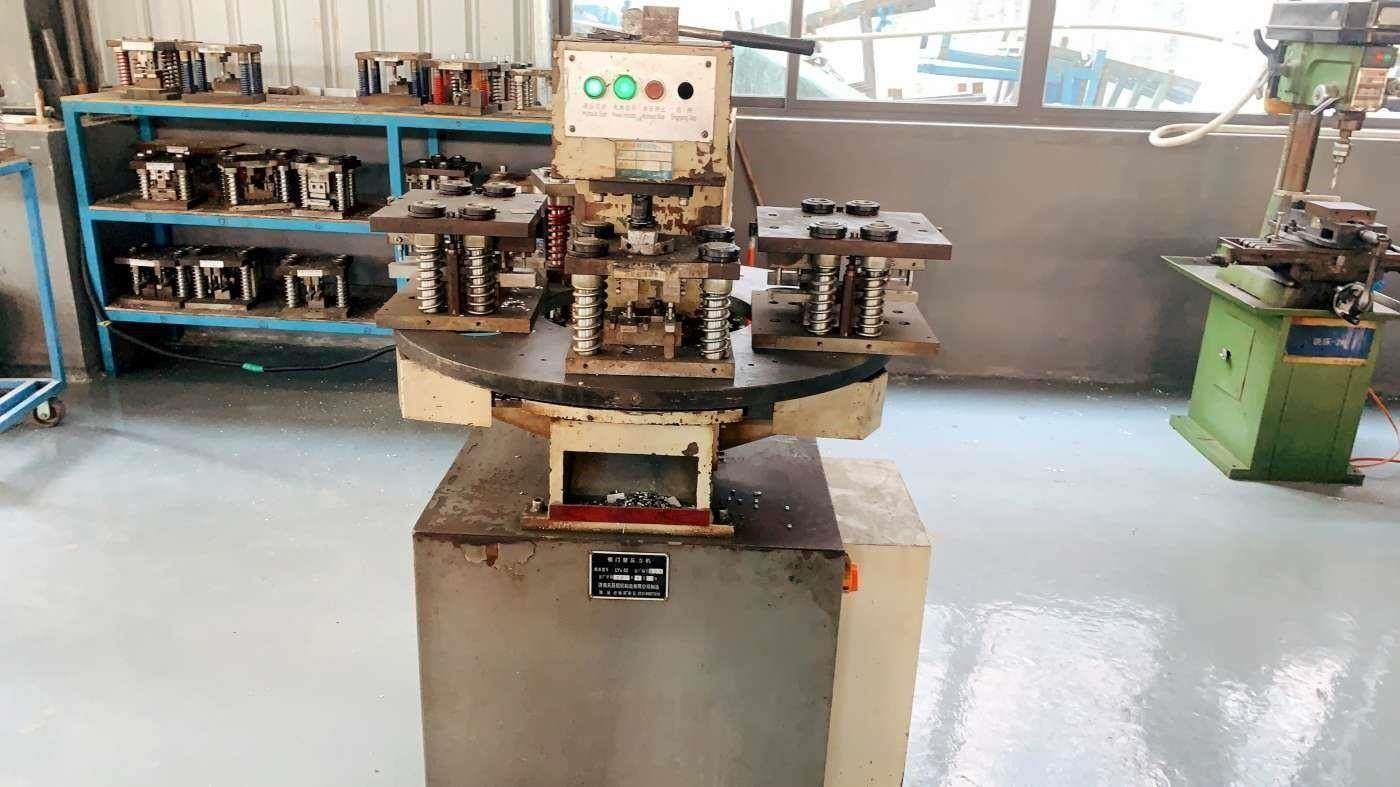
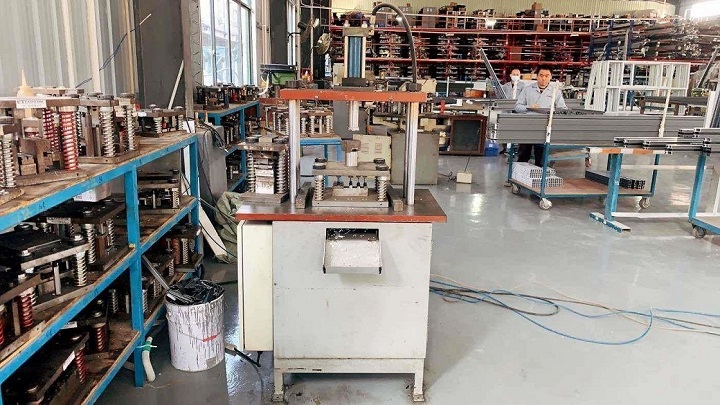
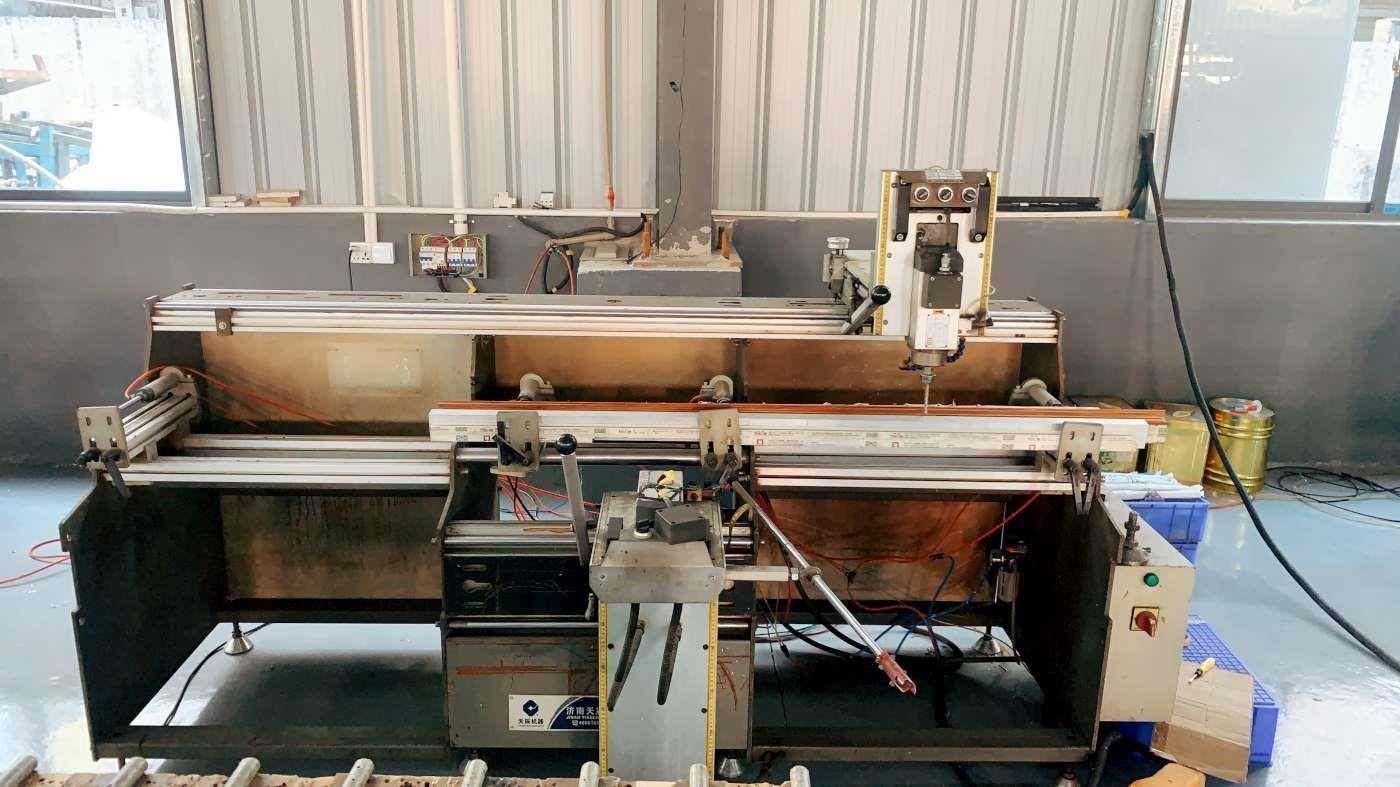
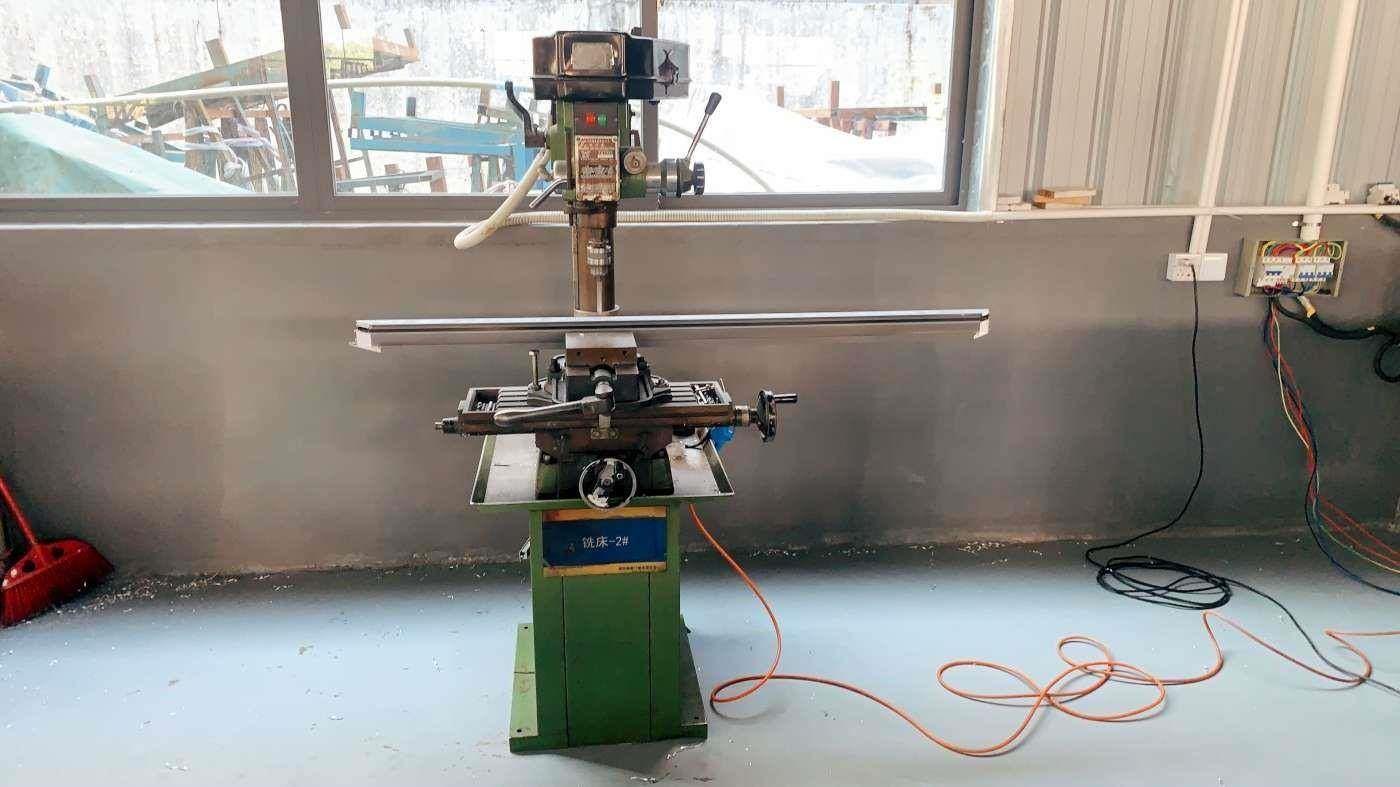
Sourcing thermal break aluminum fenestration products globally demands strict verification of target-market building codes. Our manufacturing systems are customized to comply with regional regulatory standards:
Compliance with NFRC thermal performance standards, Title 24 energy code, and Miami-Dade County HVHZ (High-Velocity Hurricane Zone) NOA requirements. Double-glazed Low-E with heavy-duty multipoint locking mechanisms ensures resistance against dynamic pressure over +90 PSF.
Engineered specifically for AS2047 (Windows and External Glazed Doors in Buildings) and AS1288 glass selection standards. Tested against extreme water penetration (up to 450Pa rating) and high wind load deflection (up to 3000Pa structural rating).
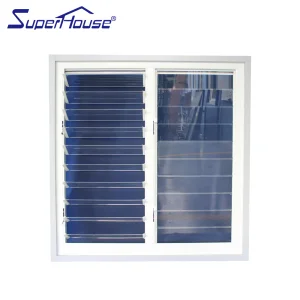
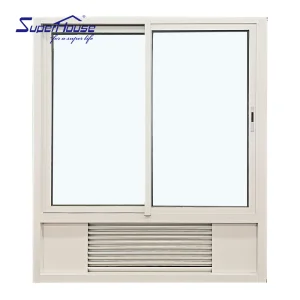
Tailored HVAC and architectural integrations such as PTAC (Packaged Terminal Air Conditioner) louvered window assemblies for hotel chains like Holiday Inn, and reinforced waterproof frames engineered specifically for container housing systems.
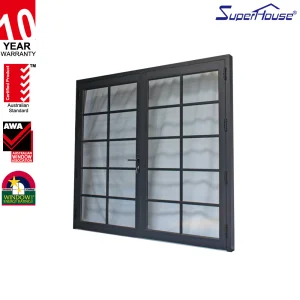
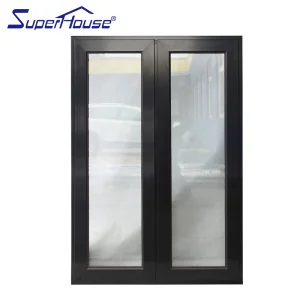
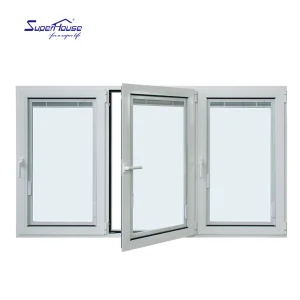
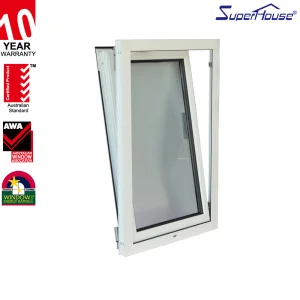
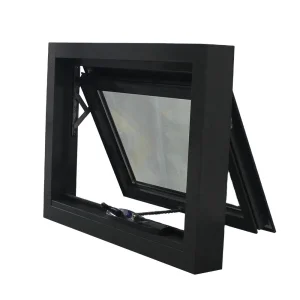
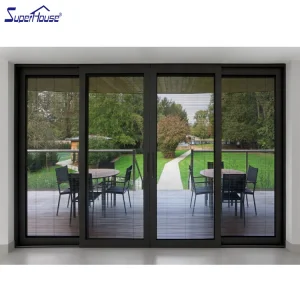
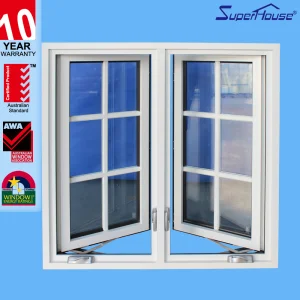
Browse our high-performance commercial and specialized architectural door and window assemblies, engineered for multi-family residential, commercial storefronts, and specialized modular structures.
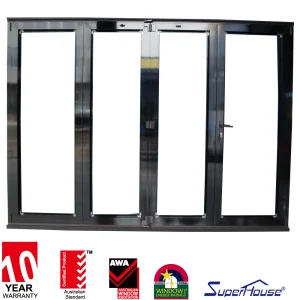
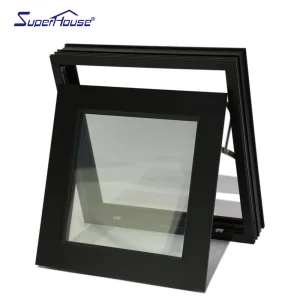
Looking ahead to 2025–2030, aluminum fenestration technology will merge advanced materials science with IoT smart home ecosystems. Foshan Primeval Doors Industry Co., Ltd. is actively researching next-generation architectural technologies:
Integrating 0.3mm vacuum gaps between glass panes to achieve center-of-glass U-factors below 0.6 W/m²K—equaling solid brick wall insulation performance in ultra-slim frame profiles.
Injecting translucent silica aerogel into multi-chamber aluminum profile cavities to eliminate convective air currents, drastically reducing thermal bridges.
Incorporating semi-transparent Building Integrated Photovoltaics (BIPV) into insulated glass assemblies, enabling building facades to actively generate renewable power.
Polyamide (PA66-GF25) thermal break strips are mechanically crimped into dual aluminum extrusion slots. This creates a composite profile that matches the thermal expansion rate of aluminum while maintaining high shear strength and structural stability under extreme high-rise wind loads. Pour-and-debridge polyurethane systems can degrade under long-term thermal stress in extreme climates.
Our hurricane-rated series utilizes heavy-gauge aluminum extrusion profiles (up to 3.0mm wall thickness), heavy-duty stainless steel multipoint locking hardware, and PVB/SGP laminated impact-resistant glass. Our design undergoes strict cyclic wind pressure tests up to +90/-90 PSF and large missile impact testing in certified third-party laboratories.
We offer comprehensive OEM/ODM customization: frame depth adjustments (from 50mm to 150mm system depth), custom powder-coating (RAL color spectrum, fluorocarbon PVDF, anodized, or wood-grain transfers), decorative interior grille inserts, custom hardware choices (German Siegenia, Hoppe, or custom branding), and customized packaging for job-site container unloading.
Our 22-inspector QC division executes strict IQC (Incoming Raw Material Quality Control), IPQC (In-Process Quality Control), and FQC (Final Quality Control). Every finished unit undergoes air permeability testing, water pressure tightness testing, operational hardware commissioning, and salt-spray corrosion testing for coastal installations before automated export packaging.
By maintaining low overall U-factors (<1.4 W/m²K) and optimized Solar Heat Gain Coefficients (SHGC <0.25 for warm climates), our thermal break fenestration systems significantly lower HVAC energy consumption. This earns critical points under LEED Energy & Atmosphere (EA) credit categories and meets US Energy Star requirements.
 Primeval Doors