Explore our factory-direct wholesale architectural doors and windows engineered for strict thermal insulation, structural air-tightness, and impact resistance.
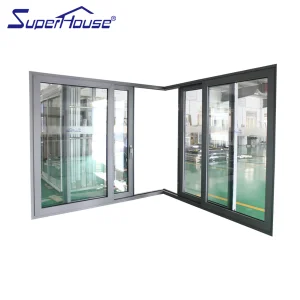
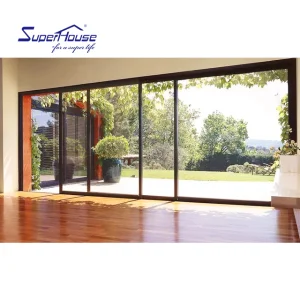
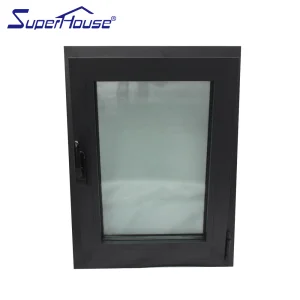
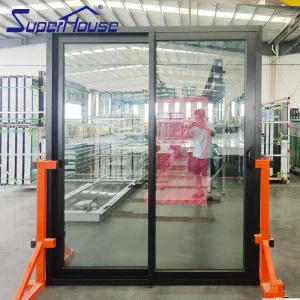
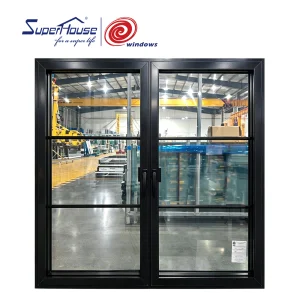
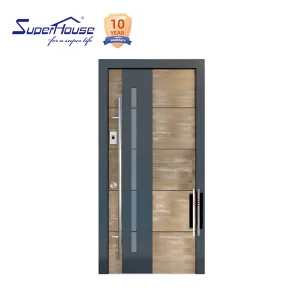
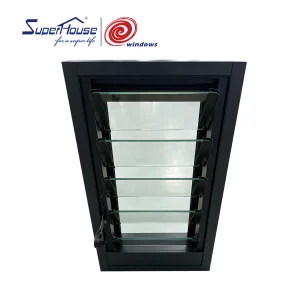
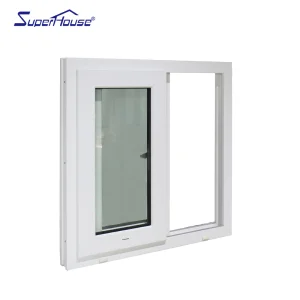
A deep-dive analysis into thermal dynamics, carbon-neutral building mandates, and procurement intelligence for global importers.
The global architectural fenestration sector is experiencing a massive paradigm shift. Driven by stringent global energy codes—such as Europe's Net-Zero Building Directives, North America's ASHRAE 90.1 / IECC standards, and Australia's National Construction Code (NCC 2022)—the demand for high-performance fenestration has transitioned thermal break aluminum doors from luxury architectural features to mandatory construction specifications. Standard aluminum extrusions, while structural and durable, possess high thermal conductivity (approximately 160 to 200 W/m·K), rendering them thermal bridges that cause substantial HVAC energy loss and condensation issues in climate-controlled environments.
Thermal break aluminum technology solves this fundamental material limitation by inserting a low-conductive reinforced polyamide barrier (typically Polyamide PA66 with 25% glass fiber reinforcement, offering thermal conductivity as low as 0.3 W/m·K) between the inner and outer aluminum profile sections. This mechanical structural separation reduces heat transfer across the frame by up to 60-70%, allowing developers, architectural designers, and general contractors to achieve target U-factors below 1.6 W/m²K (or R-values above 3.5), depending on double- or triple-glazed Low-E insulated glass unit (IGU) configurations.
Key Market Insight: High-performance thermal break aluminum systems directly impact commercial building operational expenses (OPEX). Operational data indicates that upgrading from non-thermal aluminum frames to PA66 GF25 thermal break systems decreases annual HVAC power consumption by 22% to 34% in extreme climate regions (both high-heat cooling zones and severe winter heating zones).
Precision metallurgy, thermal barrier physics, structural hardware, and surface engineering.
Utilizing Technoform-standard Techno-Polyamide PA66 with 25% structural glass fiber reinforcement. Ensures identical thermal expansion coefficient to structural aluminum, eliminating shear failure over 30-year operational lifespans under severe thermal cycling (-30°C to +80°C).
Extruded using high-purity primary aluminum billets (6063-T6 temper). Delivers superior tensile strength (≥205 MPa) and yield strength (≥180 MPa), enabling massive panel loading capacity for multi-panel sliding, folding, and heavy entry systems.
Co-extruded continuous EPDM gasket lines combined with pressure-equalized drainage tracks. Achieves water penetration resistance up to 700 Pa and air infiltration ratings under 0.1 L/s·m², preventing moisture ingress and interior drafts.
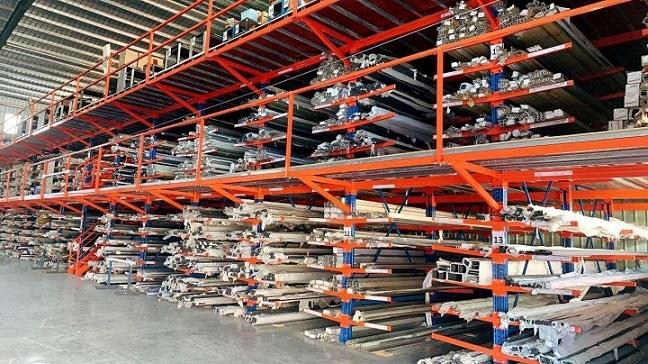
Established in 2017, Foshan Primeval Doors Industry Co., Ltd. operates a state-of-the-art 12,000 m² manufacturing plant backed by 11 years of deep engineering expertise.
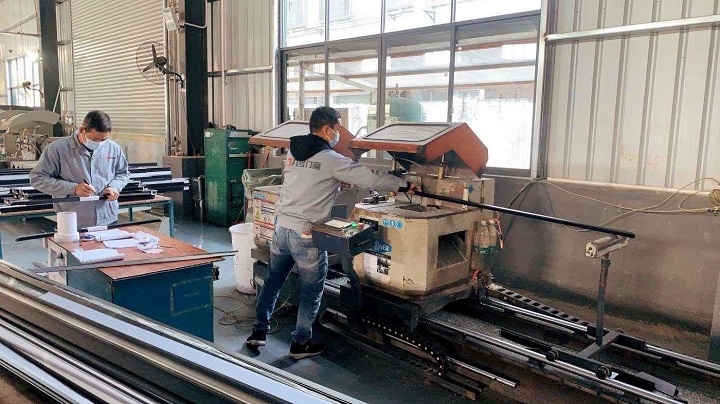
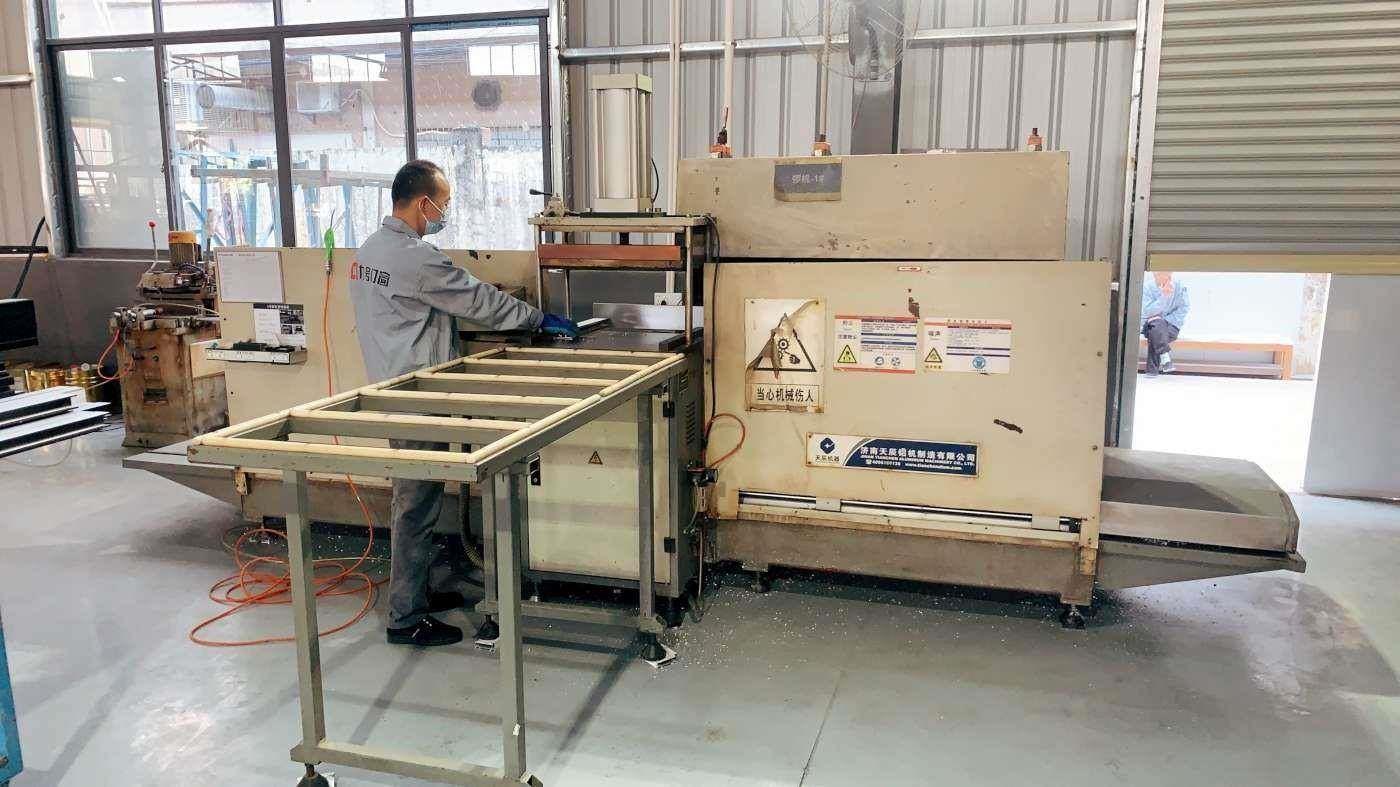
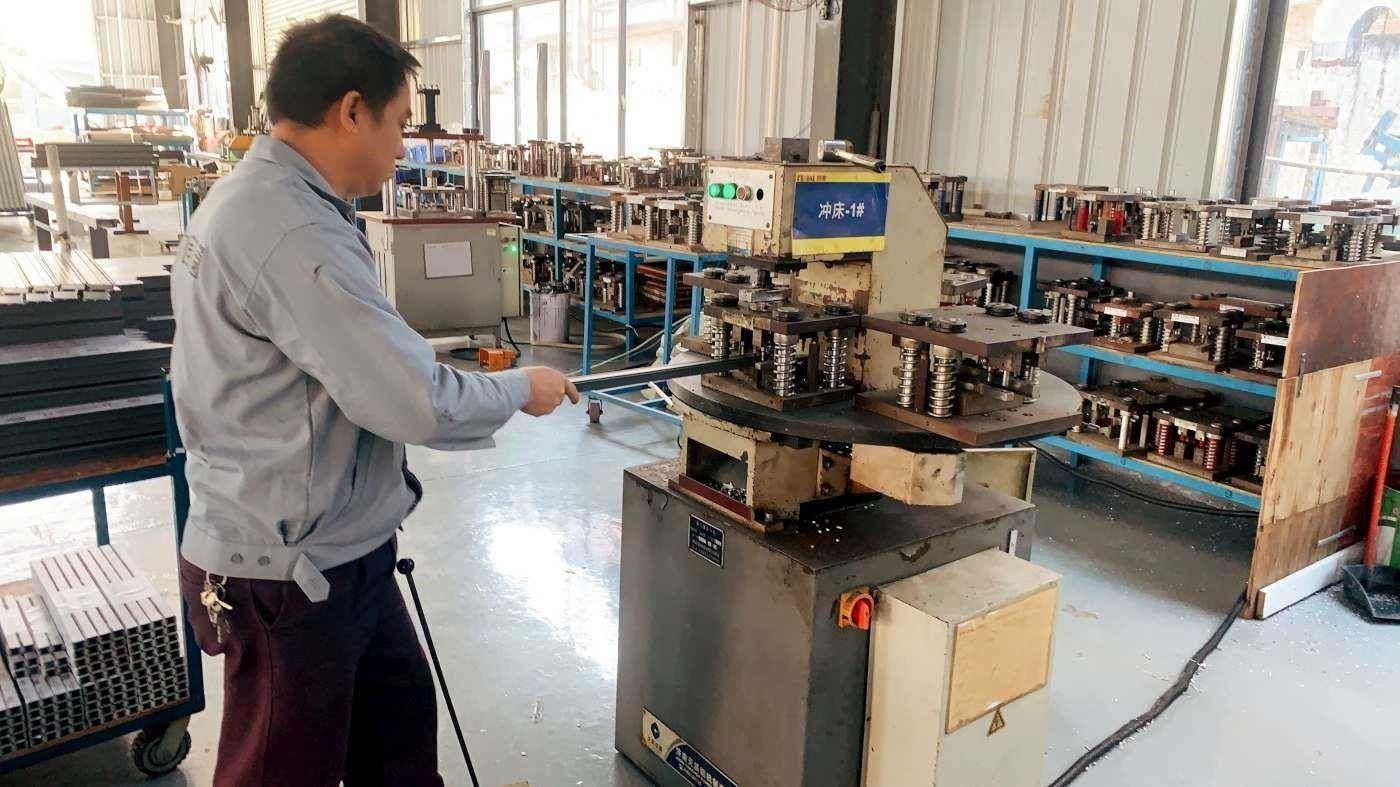
Operating from the world's premier aluminum processing cluster in Foshan, China, Foshan Primeval Doors Industry Co., Ltd. represents the apex of modern fenestration manufacturing. Supported by an expansive network of 420 trusted tier-1 supply chain partners, our facility integrates high-precision CNC machining centers, automated profile cutting arrays, and advanced assembly lines to service premier architectural builders, importers, and regional wholesalers across North America, Australia, New Zealand, and Europe.
With an annual export revenue reaching USD 8,500,000, our international trade division specializes in direct OEM export and private-label custom manufacturing. Quality assurance is maintained through a rigorous multi-stage quality control system overseen by 22 certified QC inspectors, covering Incoming Quality Control (IQC), In-Process Quality Control (IPQC), and Final Quality Control (FQC).
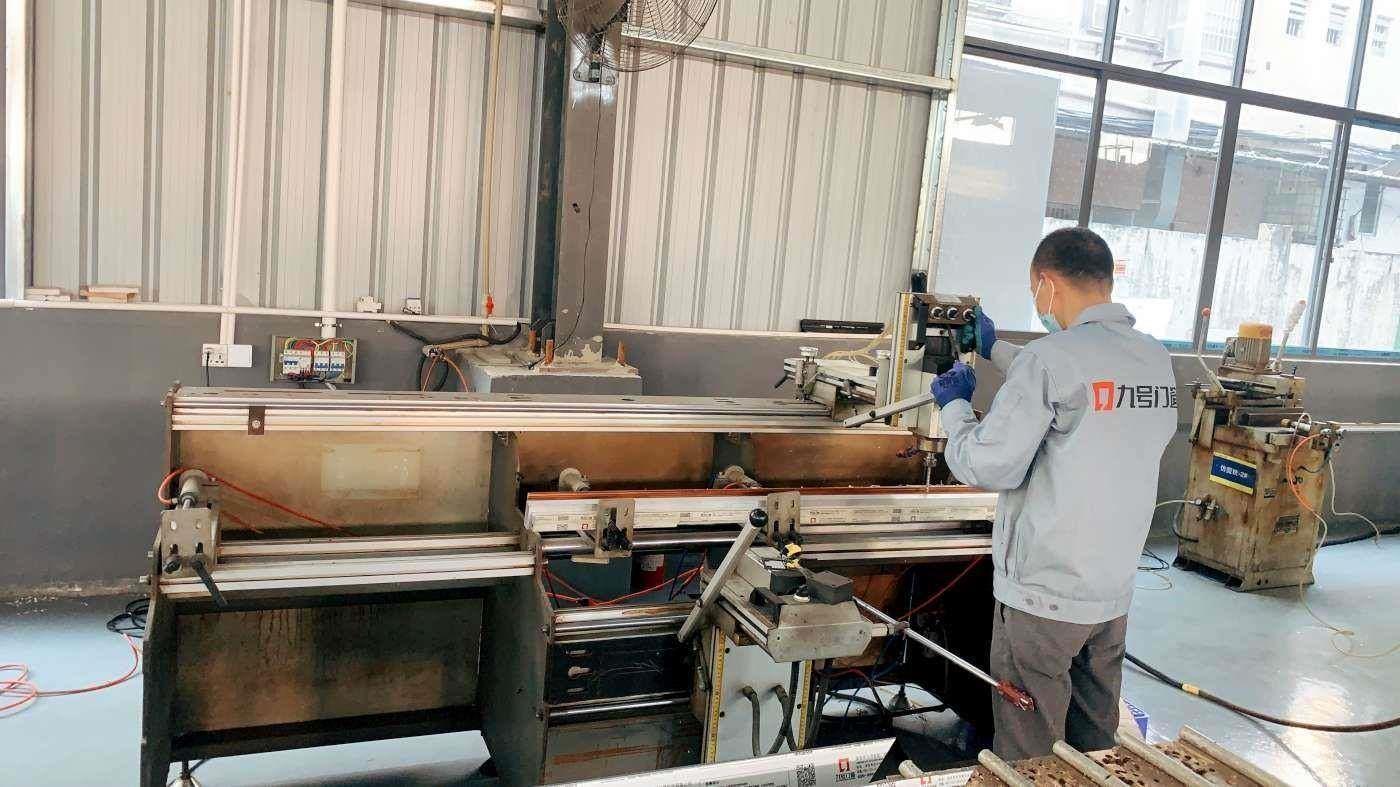
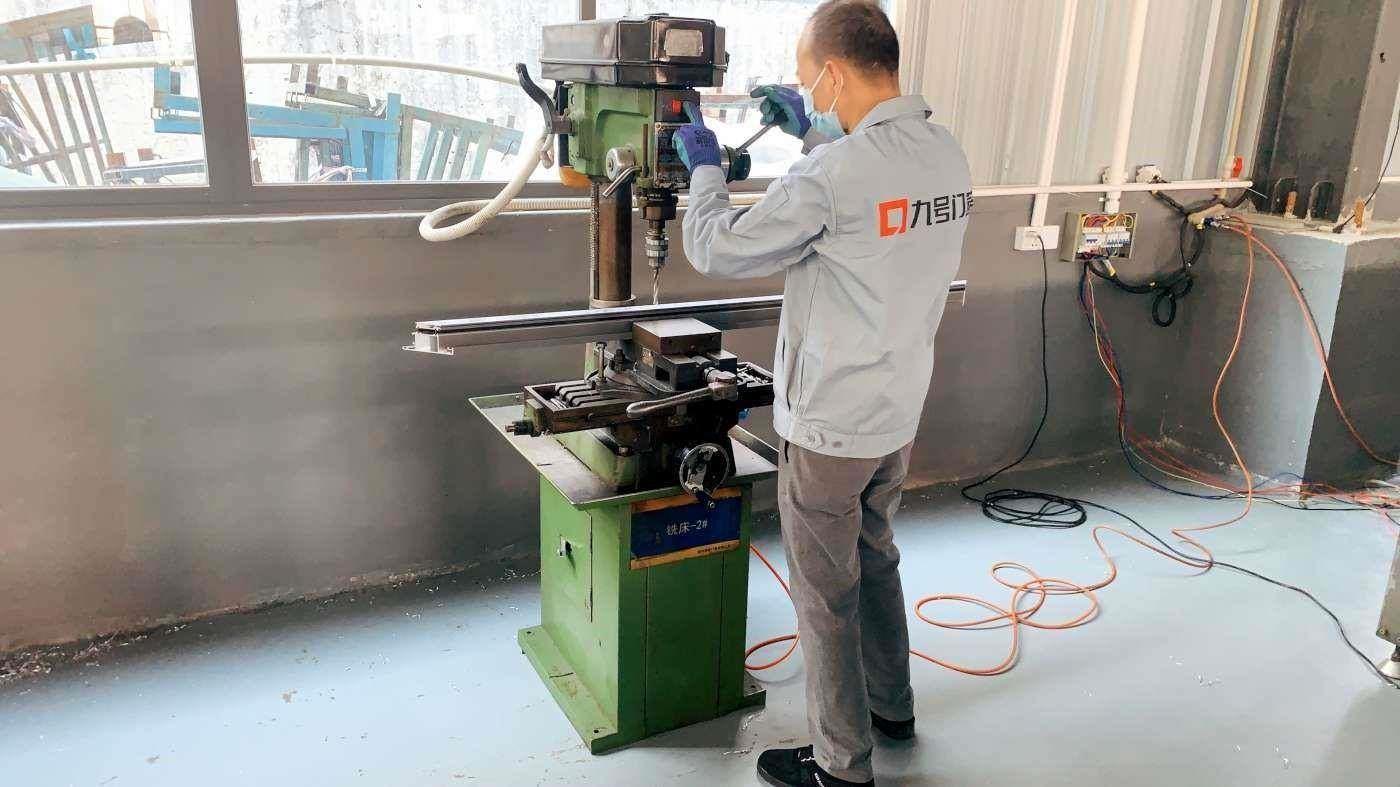
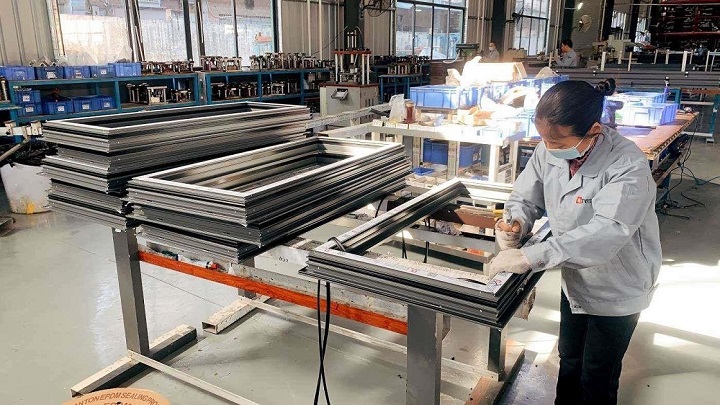
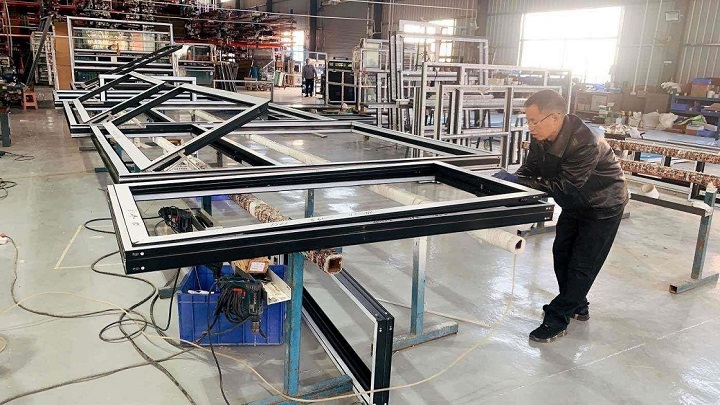
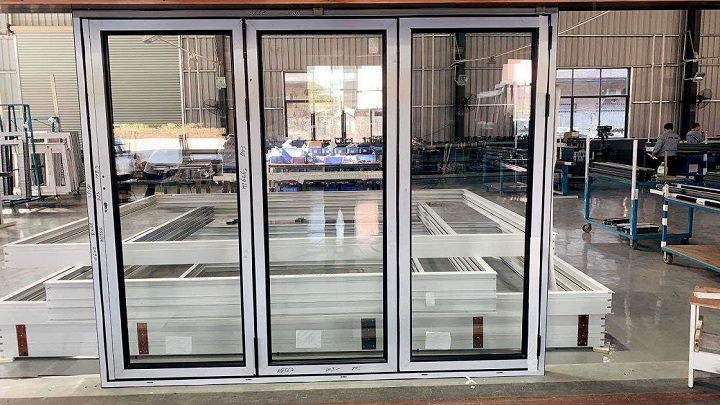
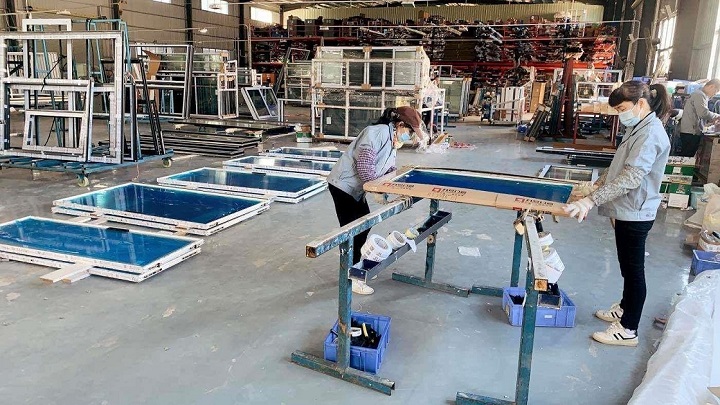
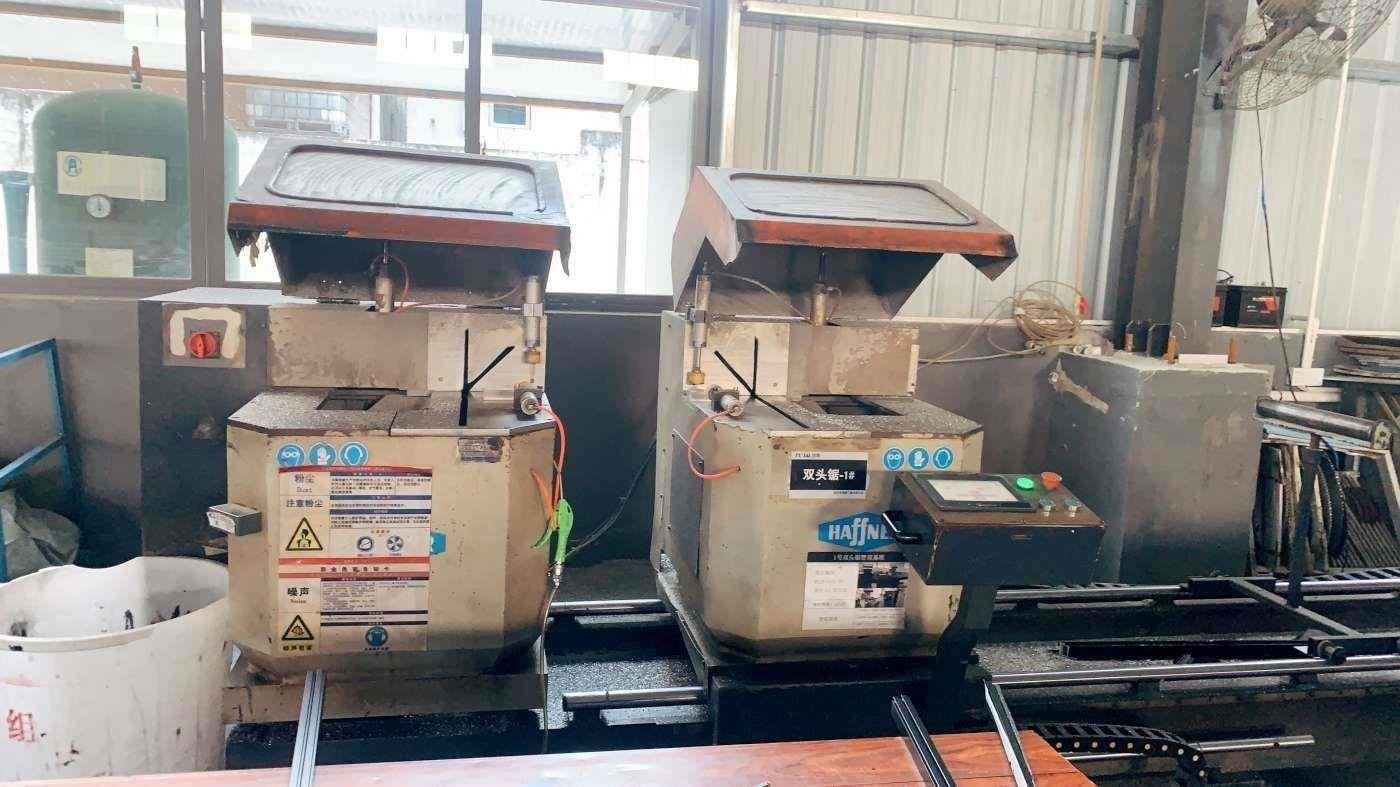
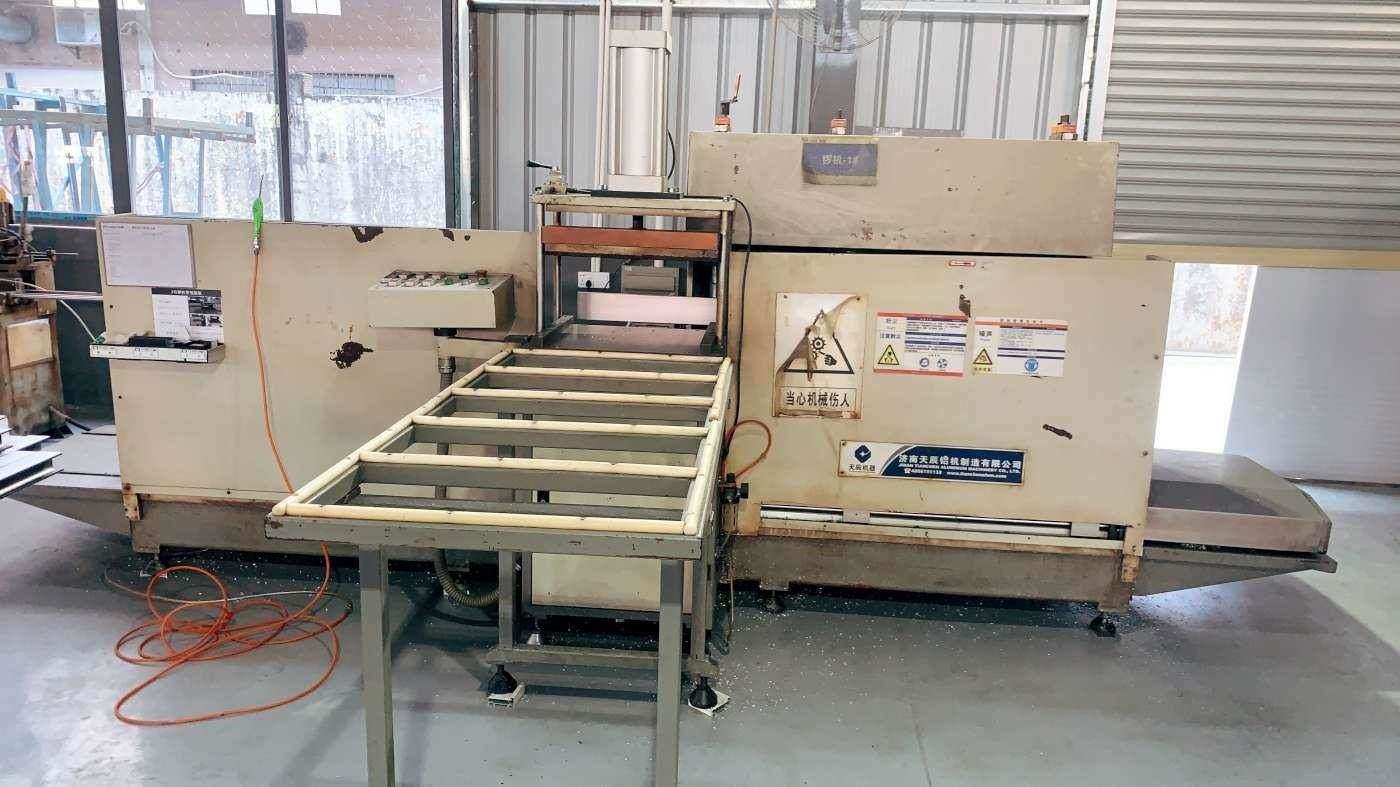
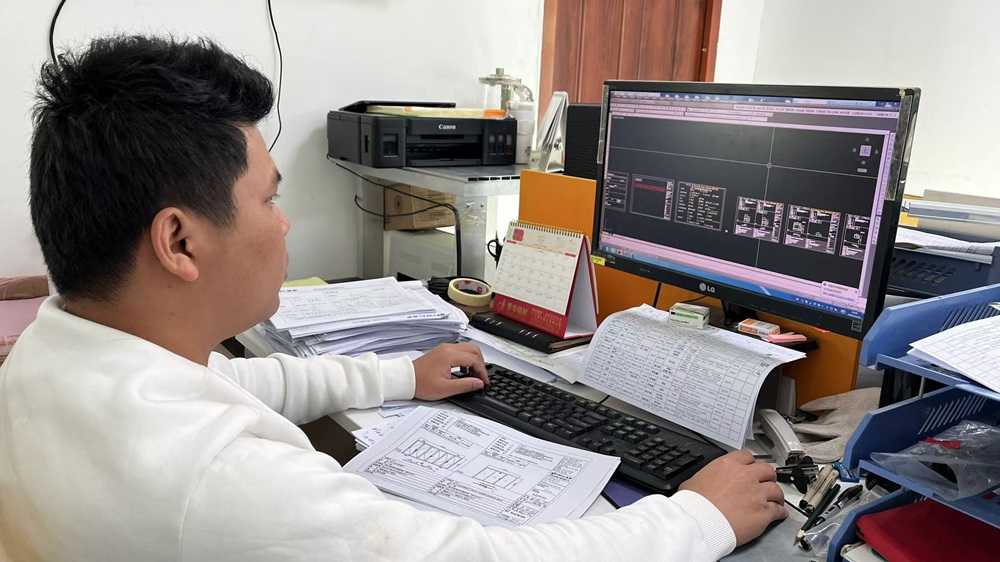
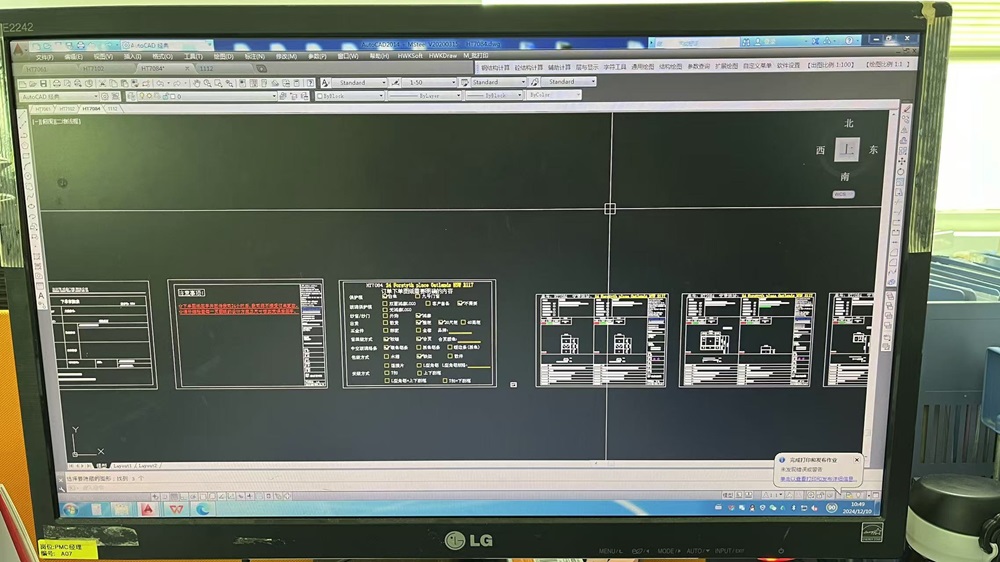
Inside Foshan Primeval's digitalized fabrication line: Every component undergoes systematic machining, double-corner cleating, continuous sealing, and digital commissioning.
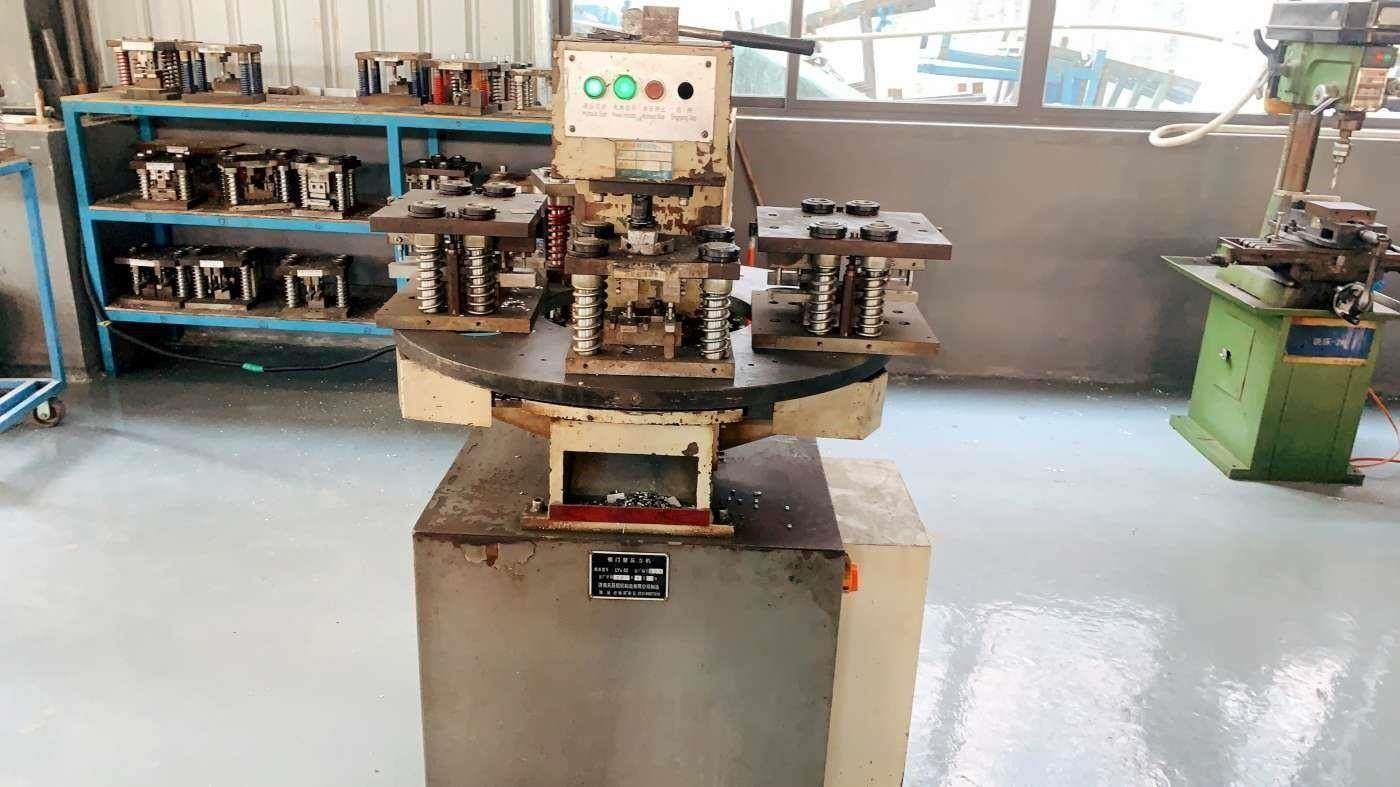
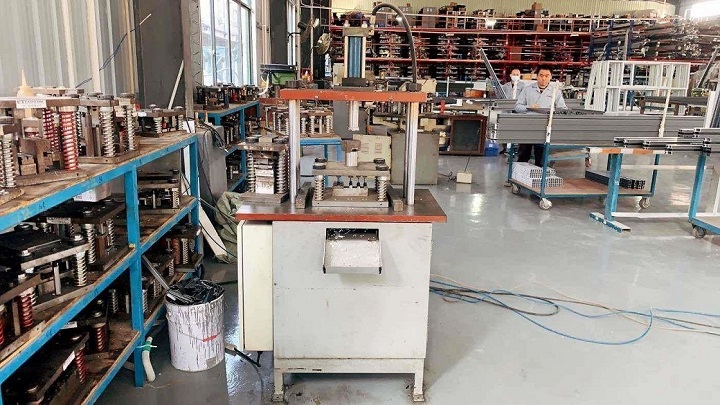
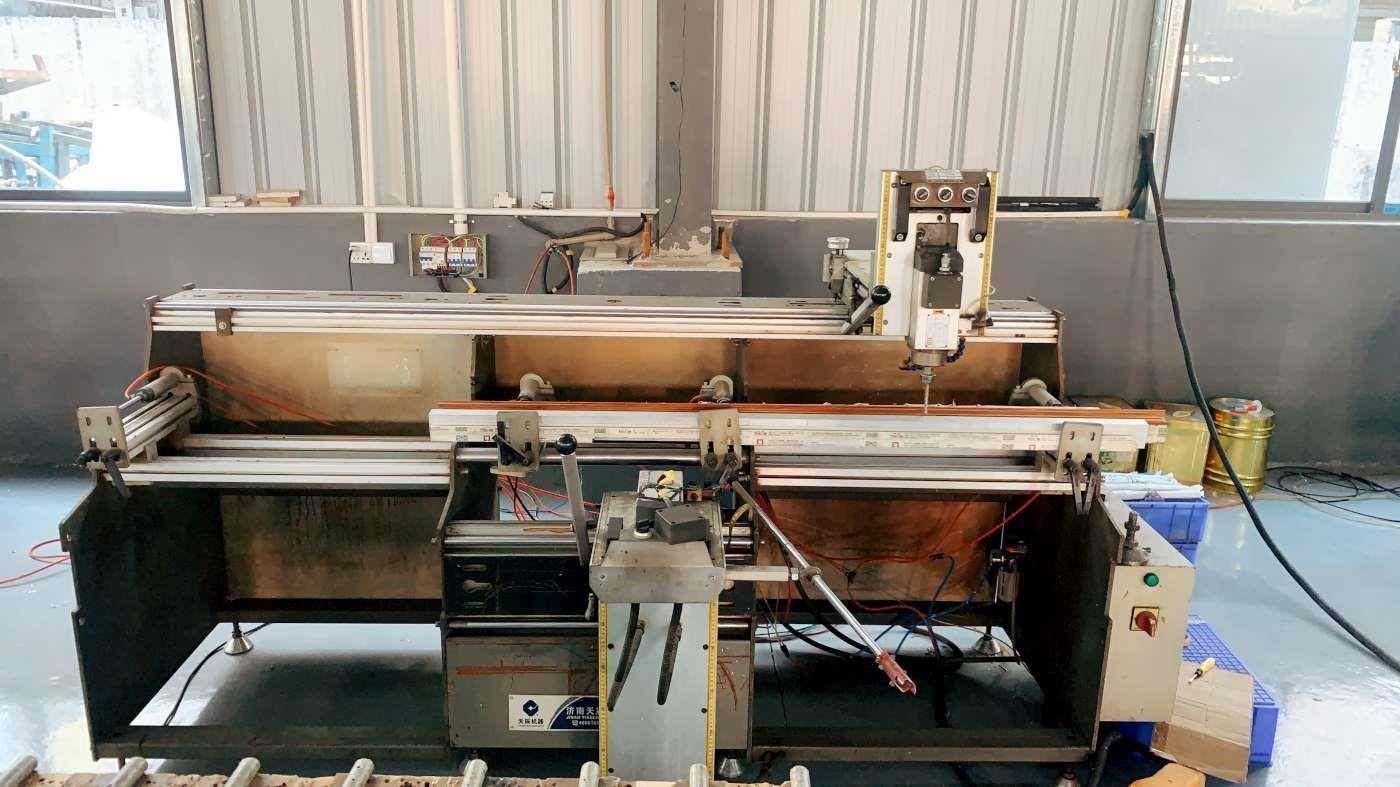
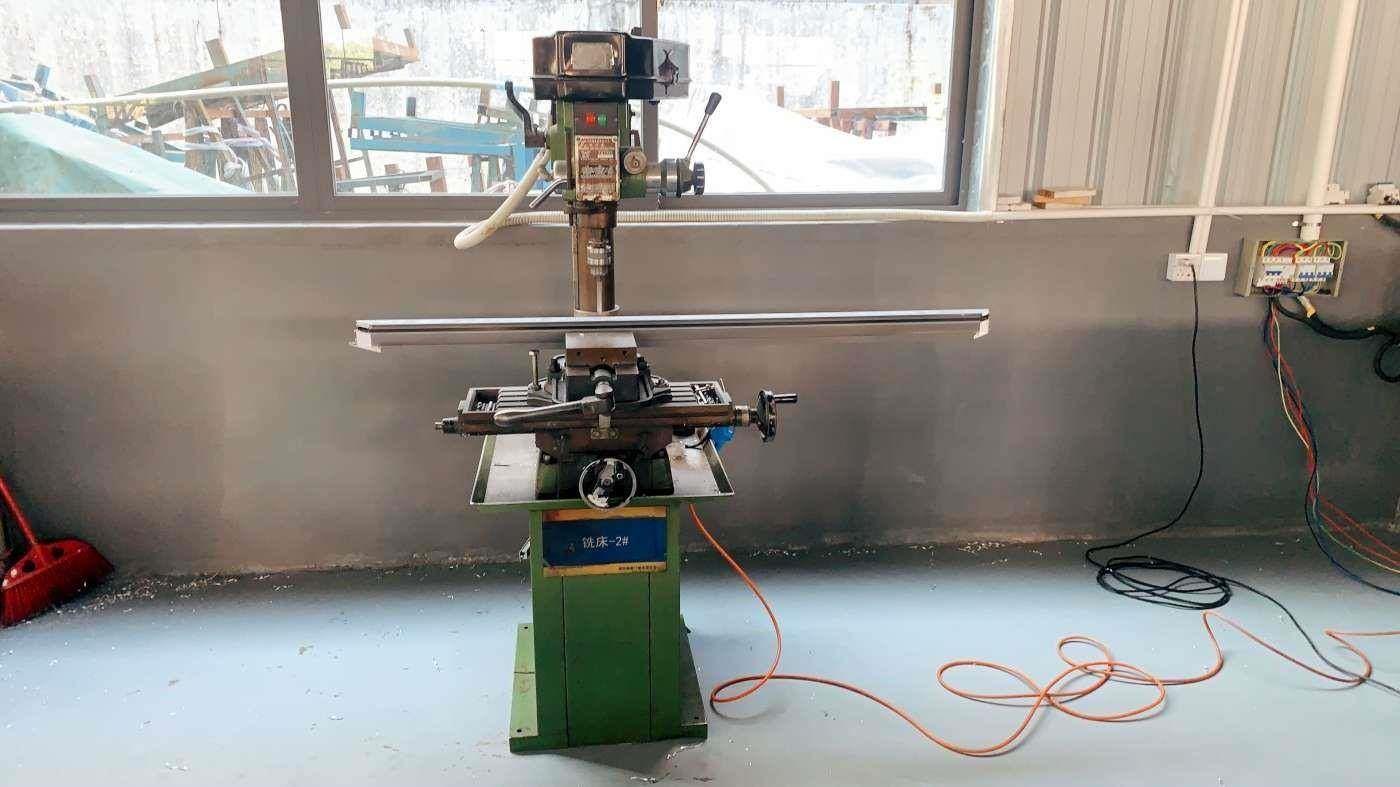
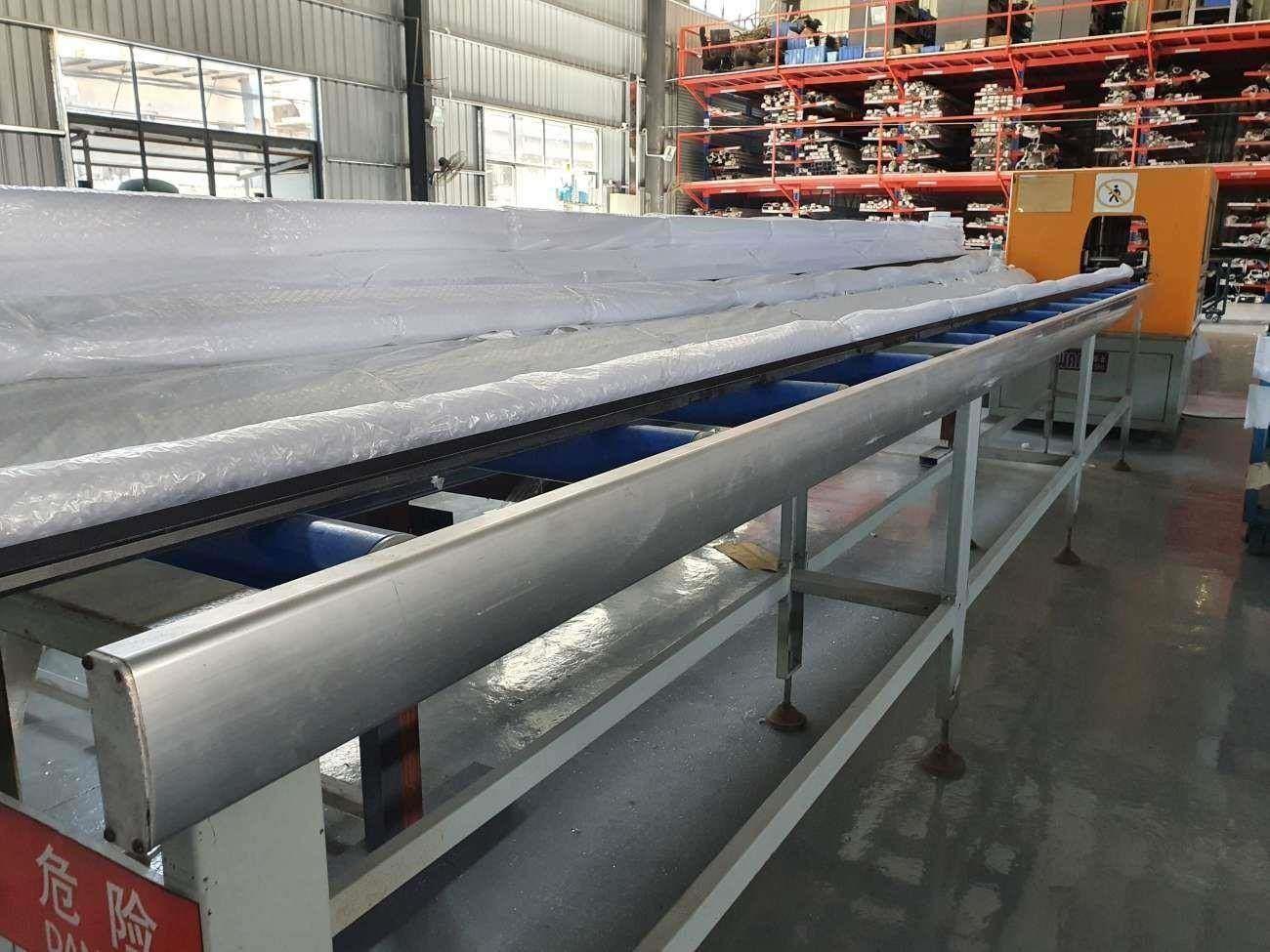
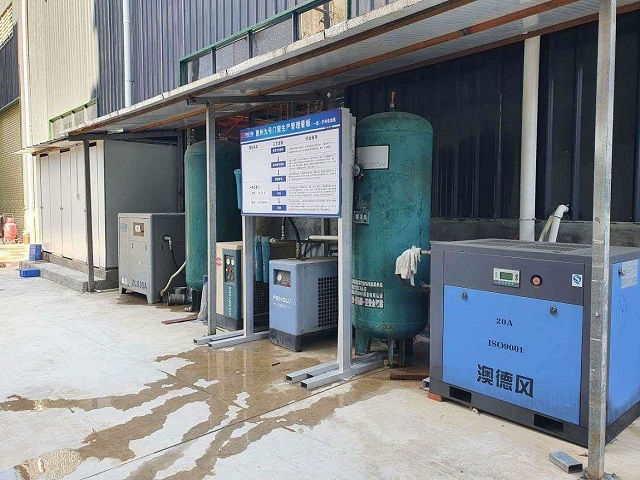
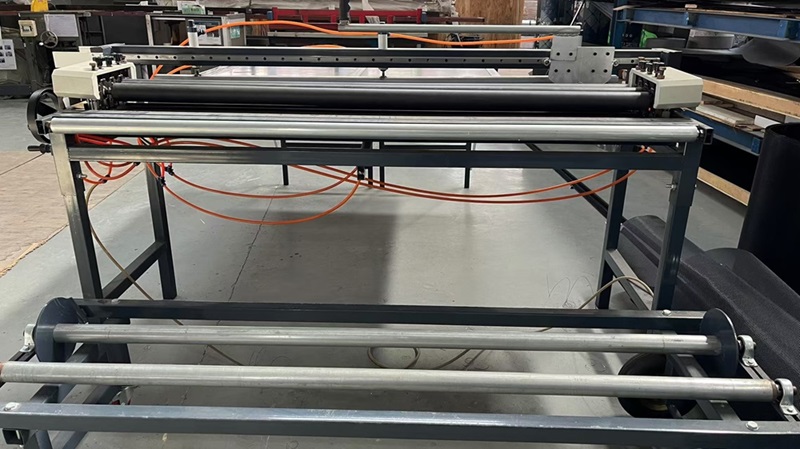
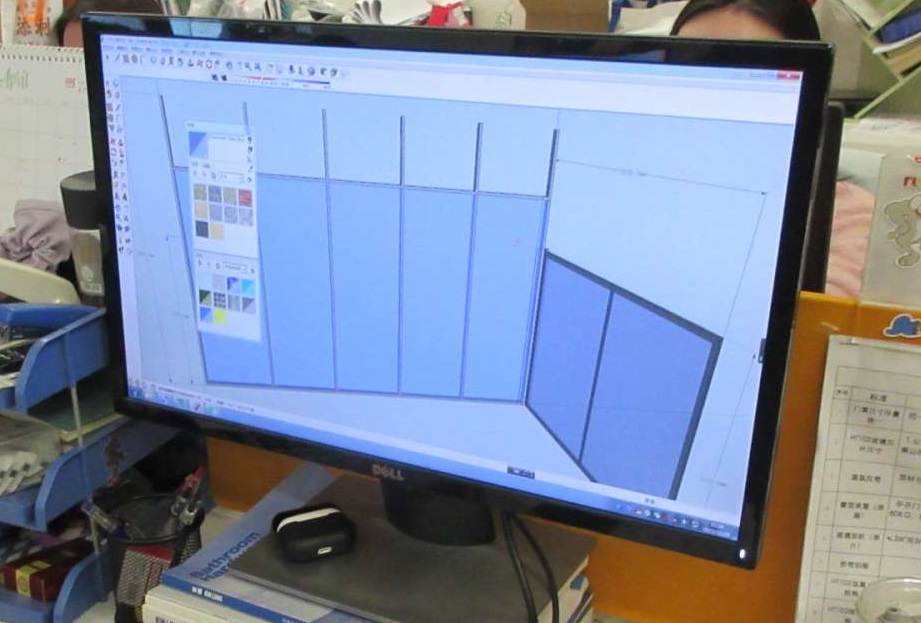
Customized architectural engineering configurations optimized for micro-climates, wind pressures, and regional certification criteria.
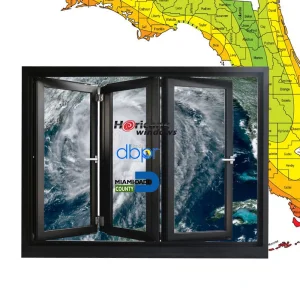
Engineered specifically for US and Canadian envelope energy requirements and extreme weather zones. Features laminated impact glass, multi-layer PVB interlayers, and high DP (Design Pressure) ratings to satisfy Florida High Velocity Hurricane Zones (HVHZ).
Fully compliant with AS2047 structural testing for water penetration, air deflection, and ultimate limit state. Options include sub-head and sub-sill flashings, acoustic glass inserts for urban dwellings, and integrated mesh screens.
Designed around multi-chamber tilt-and-turn configurations and high-performance perimeter gasket sealing. Delivers superior acoustic dampening (STC up to 45 dB) and tight U-values matching passive house design philosophies.
Our 38-engineer R&D department introduced 75 new entry door products last year alone, offering total custom flexibility for high-volume orders.
Extrusions available in 65mm, 75mm, 90mm, 120mm, and 150mm system depths. Wall thickness ranging from 1.6mm for standard residential to 2.5mm+ for commercial curtain doors.
Qualicoat-certified AkzoNobel powder coating, fluorocarbon (PVDF) 3-coat spraying for harsh marine environments, anodized finishes, and realistic architectural wood-grain transfers.
Double & Triple Glazed IGUs, Toughened Tempered, Laminated SGP, Low-E Coatings (Single/Double/Triple Silver), Frosted Decorative Inserts, Warm Edge Spacers, and Argon Gas Fill.
Clear technical and commercial answers for project developers, importers, and procurement officers.
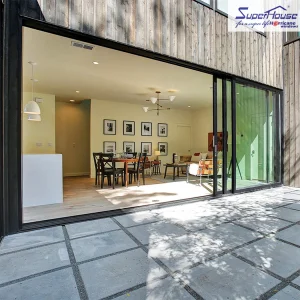
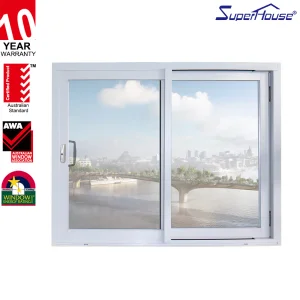
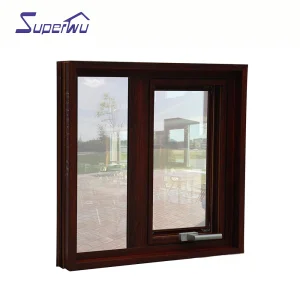
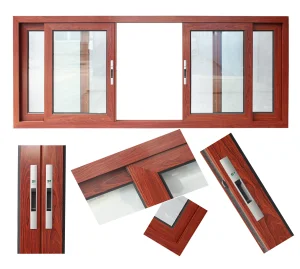
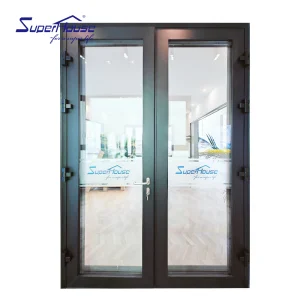
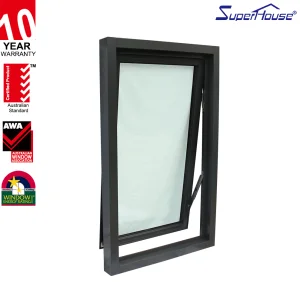
Explore additional specialized aluminum door and window systems customized for commercial projects, luxury villas, and high-rise developments.
 Primeval Doors