Certified thermal-break aluminum doors, impact-resistant glazed storefronts, and commercial fenestration solutions engineered for extreme environmental durability.
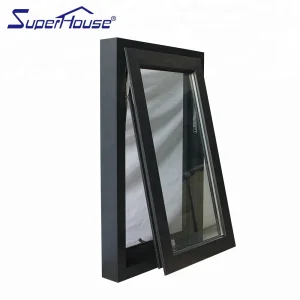
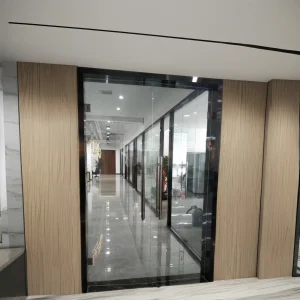
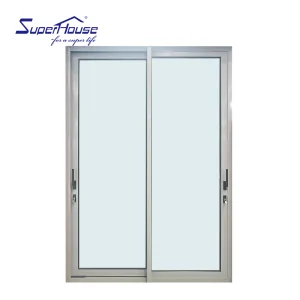
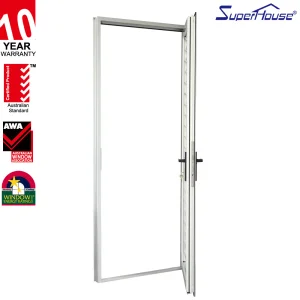
The global exterior door market is experiencing a profound paradigm shift driven by stringent energy efficiency codes, extreme weather adaptation, and modern minimalist architectural demands. As building envelopes account for up to 30% of total HVAC thermal loss in commercial and high-end residential developments, structural exterior doors have transitioned from mere physical access barriers into highly engineered thermal and security systems.
Global building codes, including North America's IECC and Europe's EPBD, require exterior doors to maintain extremely low U-factors (≤ 1.2 W/m²K) and optimized Solar Heat Gain Coefficients (SHGC) to minimize operational carbon footprints.
Coastal and hurricane-prone zones demand extreme structural loading capacity (DP Ratings up to ±100 PSF) and impact-resistance compliance (Miami-Dade NOA & ASTM E1996), driving adoption of thick-wall T6 aluminum profiles.
Commercial luxury developments and high-end residential villas favor structural oversized pivot doors and multi-panel bi-fold systems featuring ultra-narrow frames (sightlines under 30mm) without compromising structural integrity.
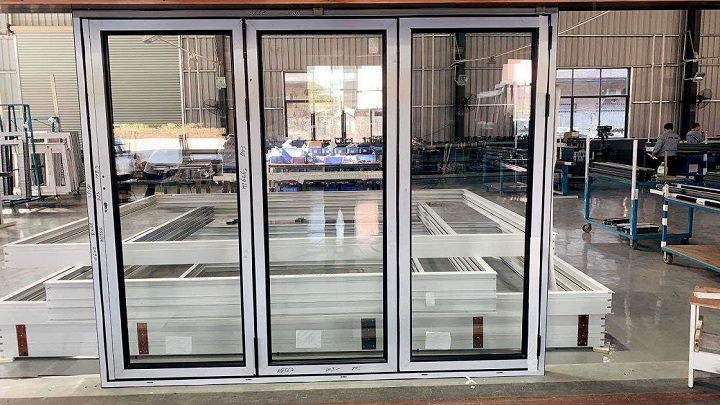
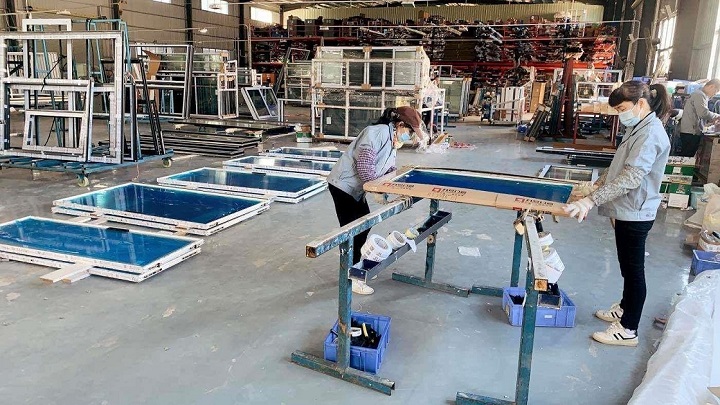
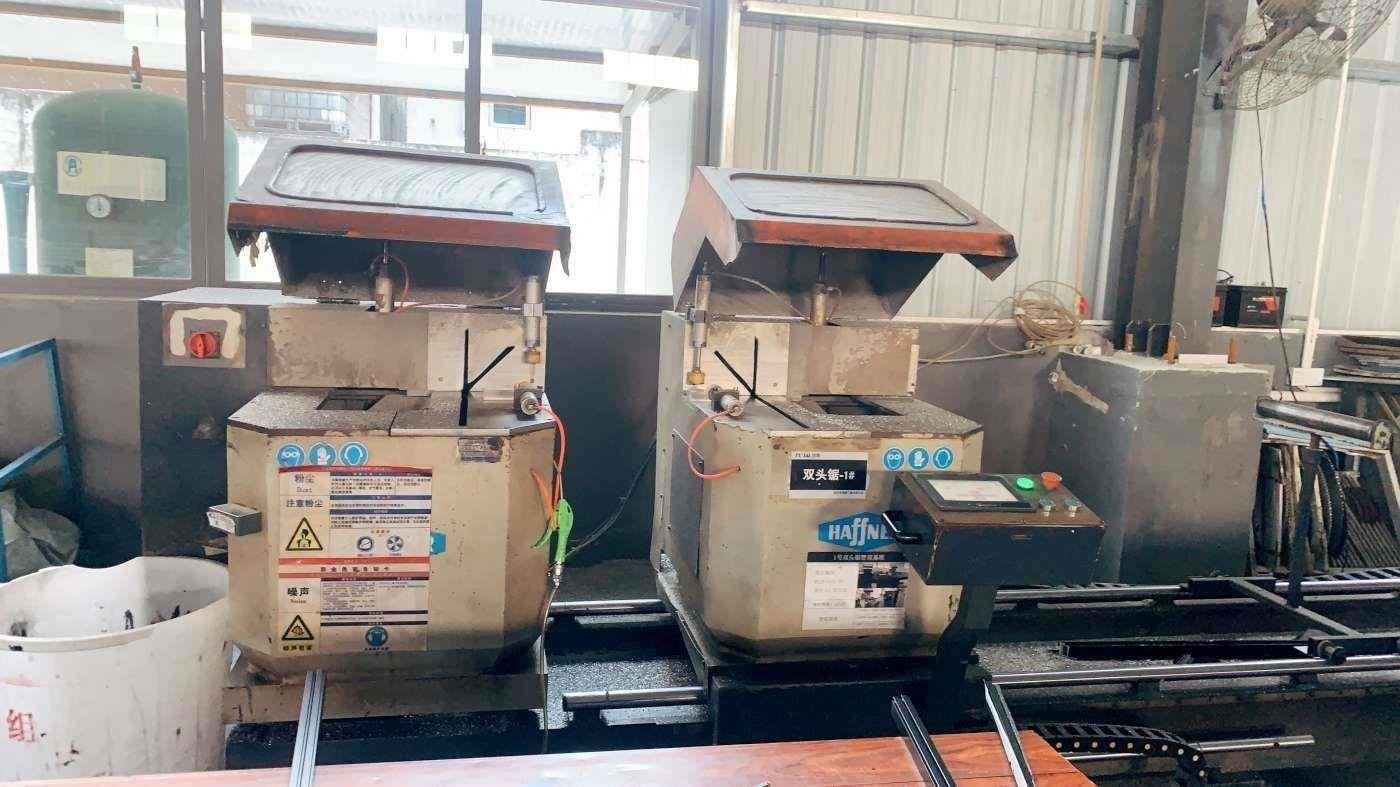
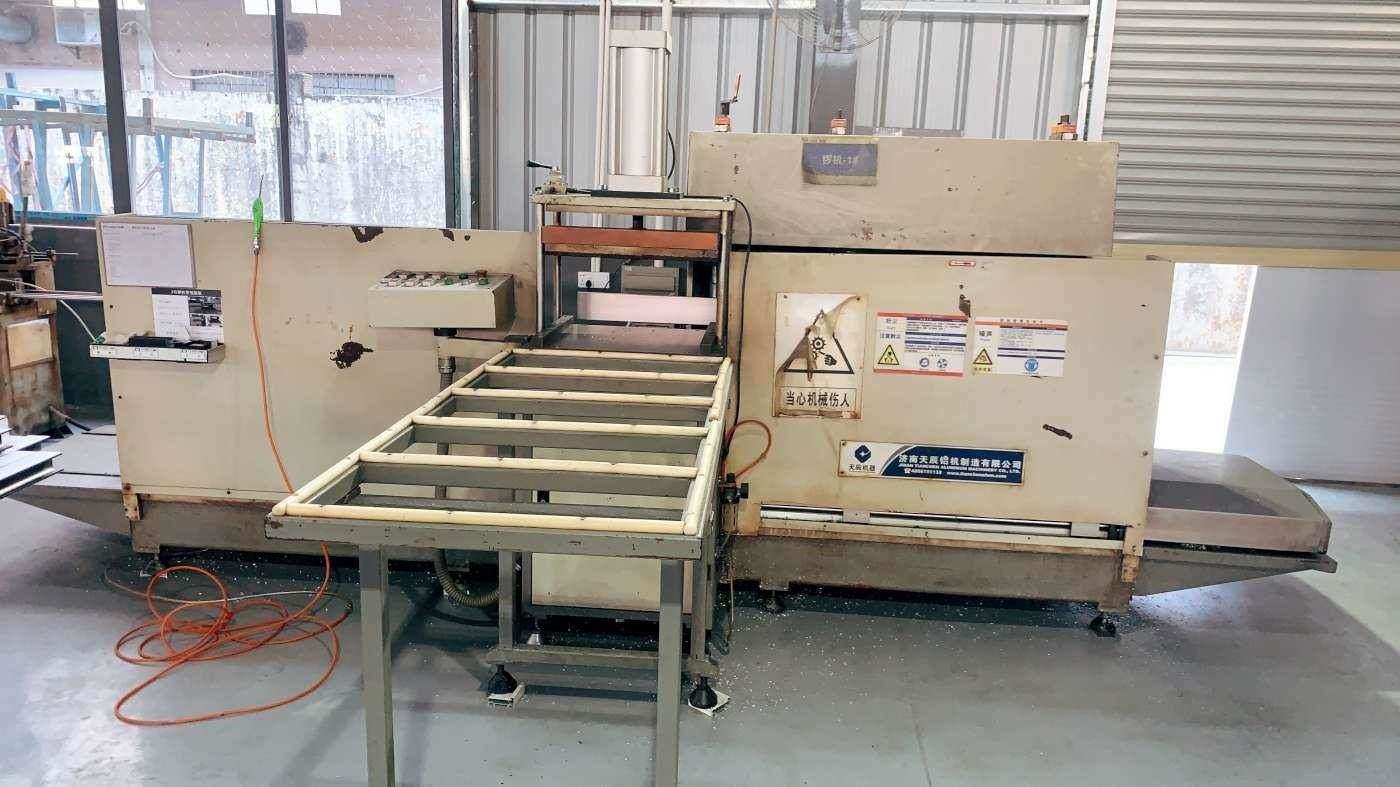
Rigorous quality enforcement, advanced CNC machinery infrastructure, and global supply chain mastery from Foshan, China's premiere fenestration manufacturing hub.
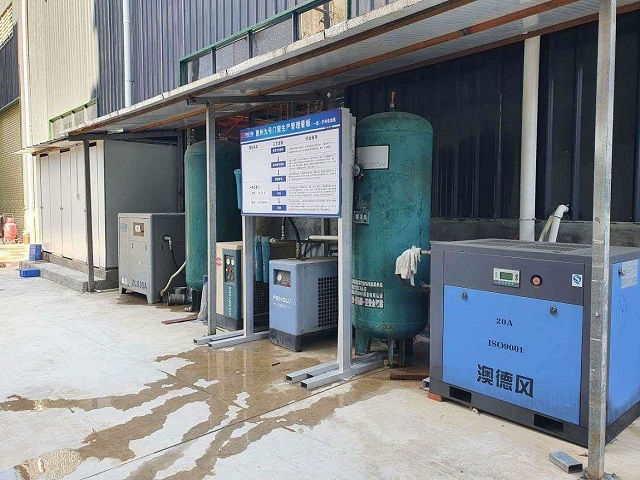
Established in 2017, Foshan Primeval Doors Industry Co., Ltd. operates from a modern manufacturing facility of 12,000 m². Backed by 11 years of industry engineering experience and 5 years of international export trade, the company generates an annual export revenue of USD 8,500,000.
Quality control is strictly enforced through systematic IQC-IPQC-FQC inspection procedures along with rigorous thermal conductivity and salt-spray corrosion testing. A skilled QC team of 22 inspectors oversees every step of the production process. Supported by 420 trusted supply chain partners, our trade background covers direct OEM export and private-label customization, serving primary markets in Australia, New Zealand, and North America.
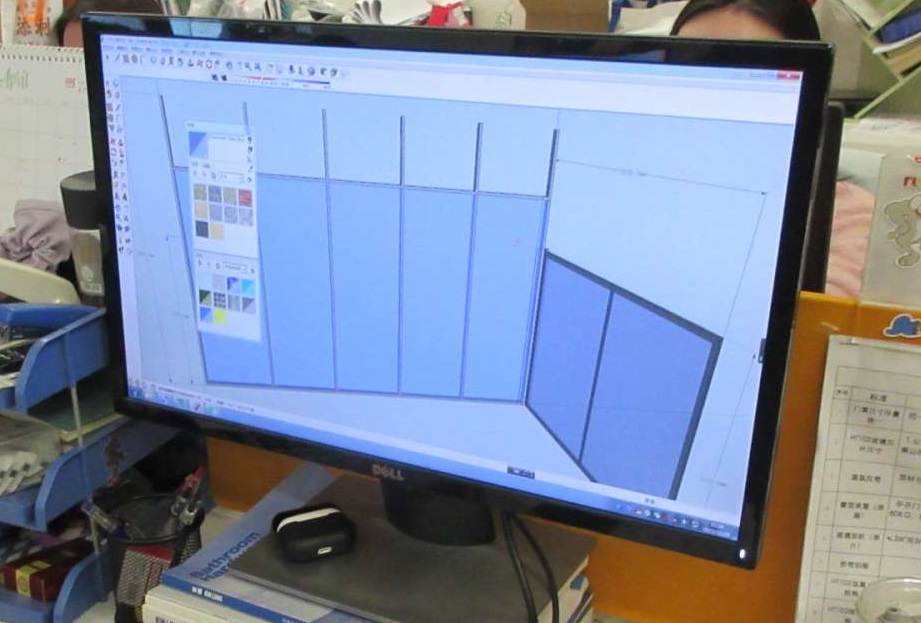
Our client base consists mainly of residential building supply importers, architectural designers, and regional wholesalers. Driven by continuous innovation, our R&D group of 38 engineers introduced 75 new entry door products last year. Customization options include custom frame depths, double-glazed decorative glass inserts, powder-coated color palettes, and heavy-duty weatherproofing seals.
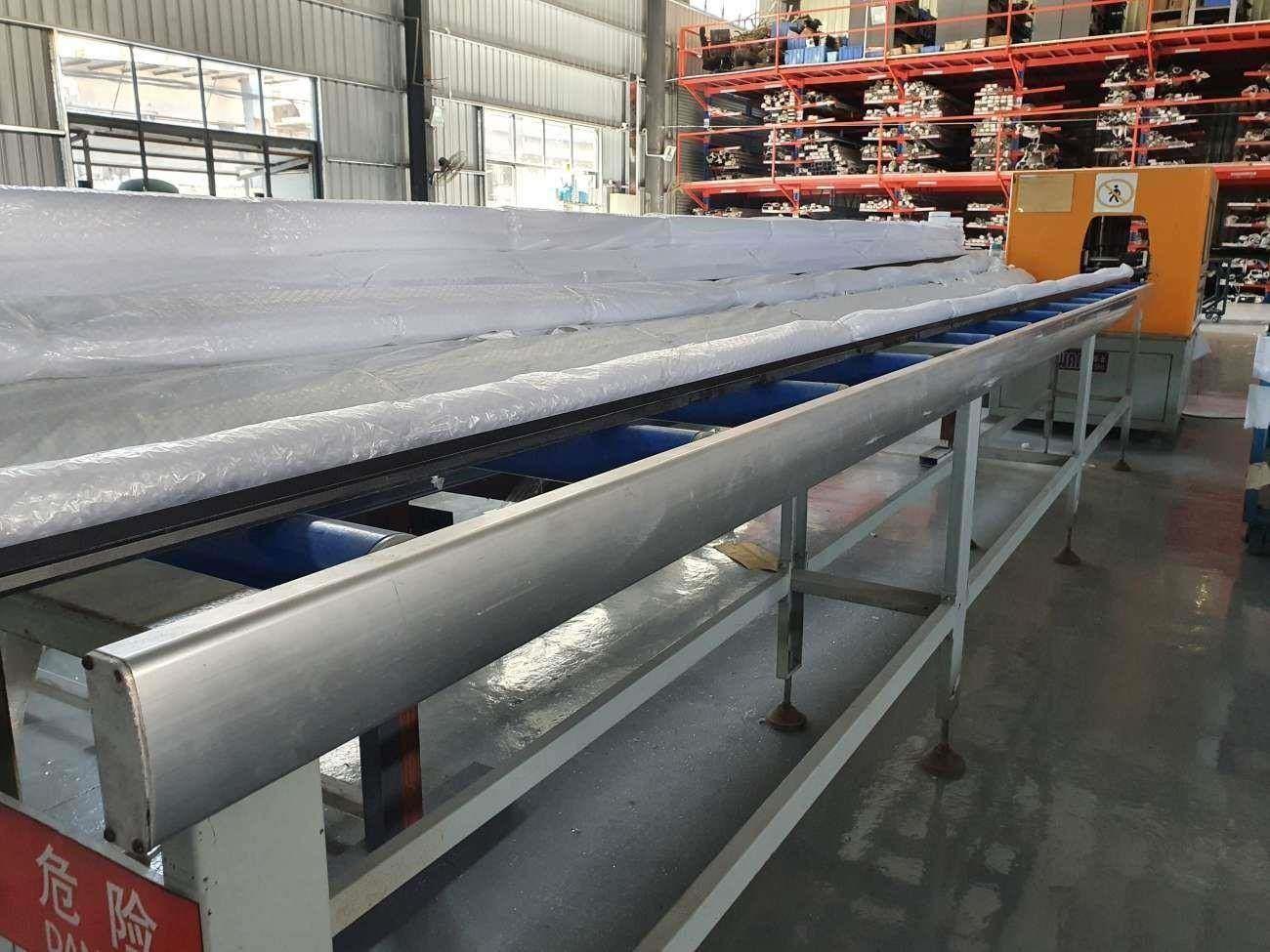
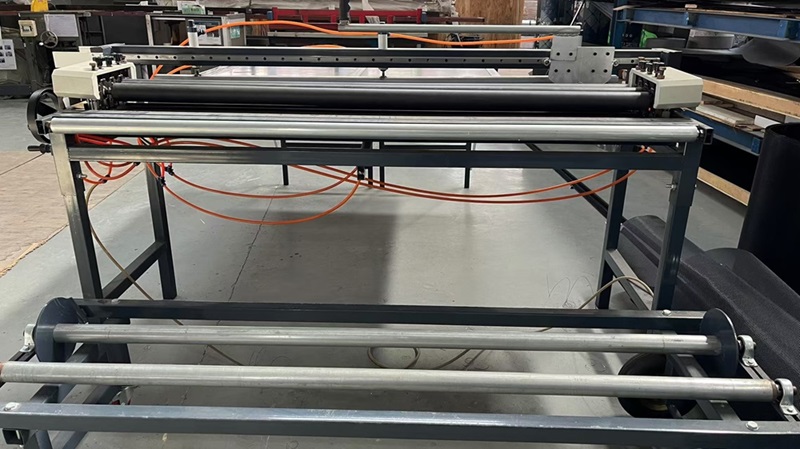
Full traceability from raw T6 aluminum profile extrusion to multi-axis precision machining, glass glazing, and stress-tested packaging.
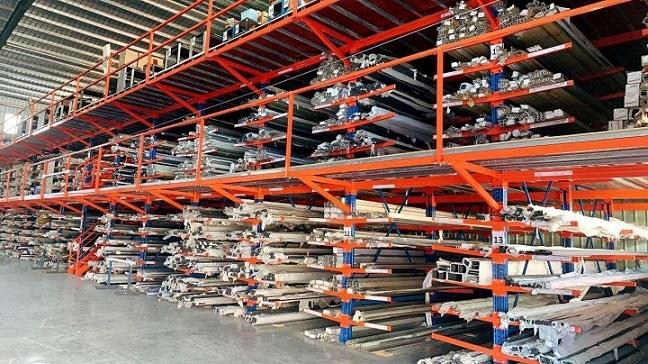
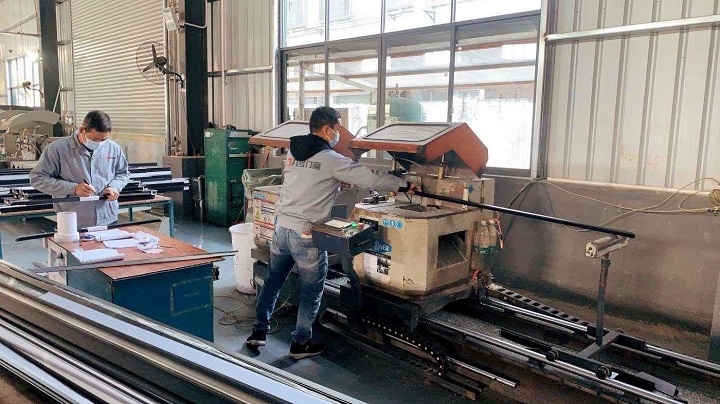
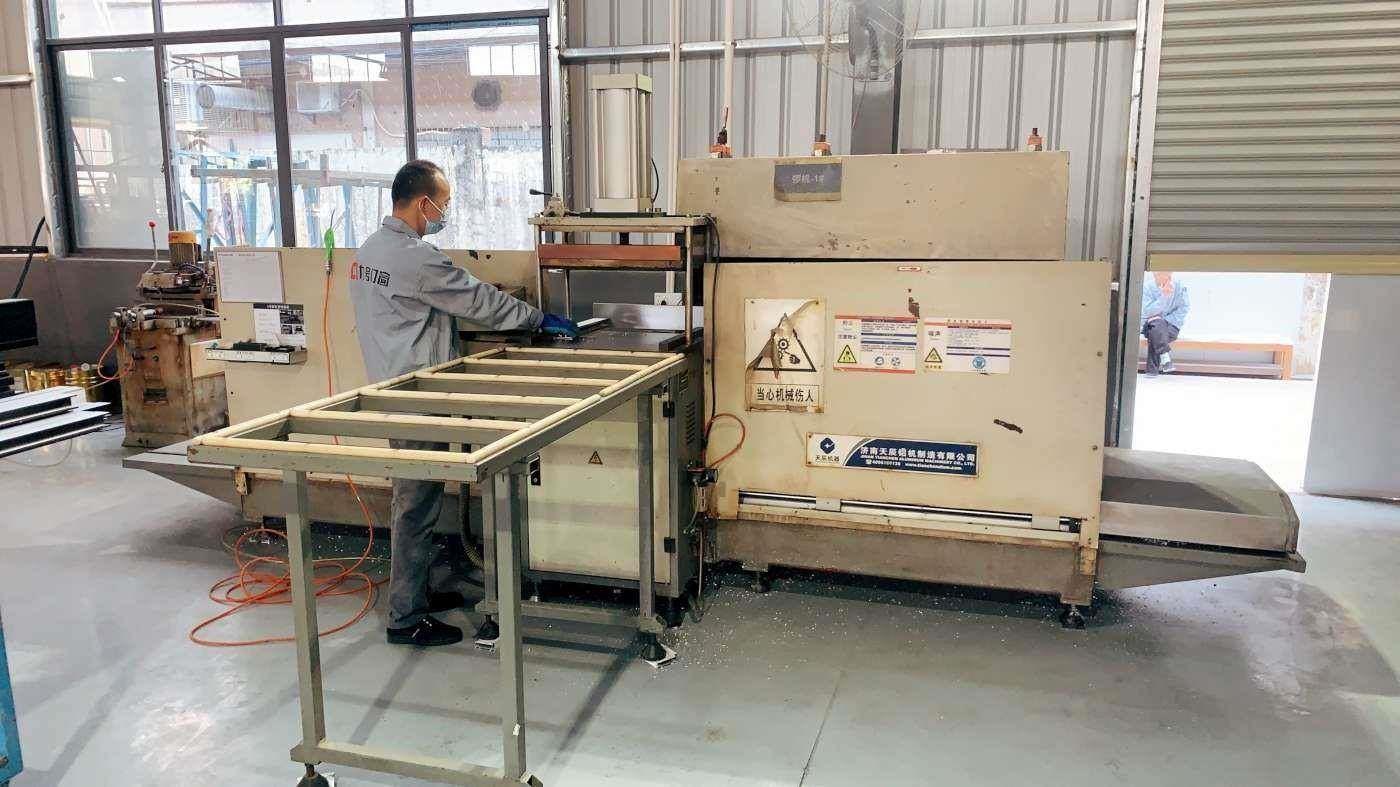
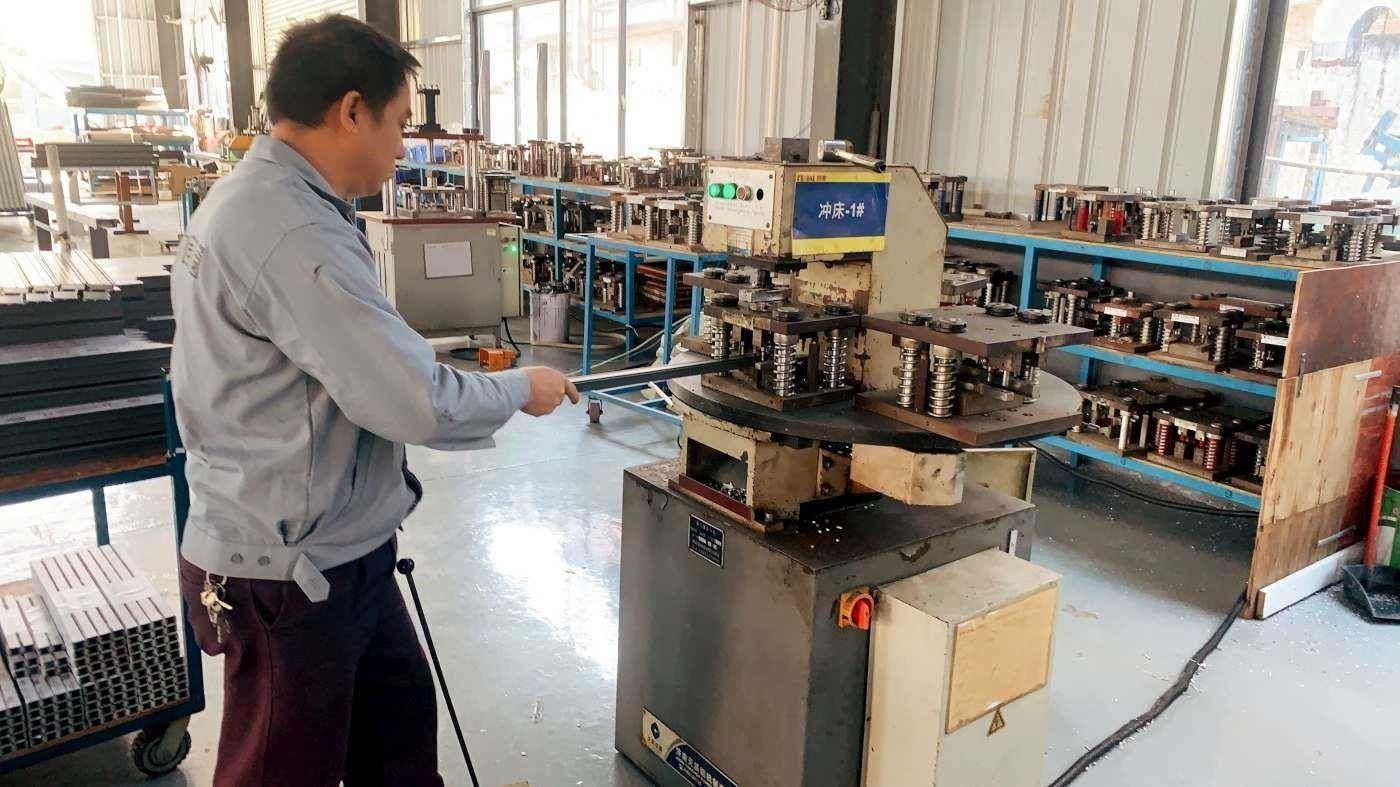
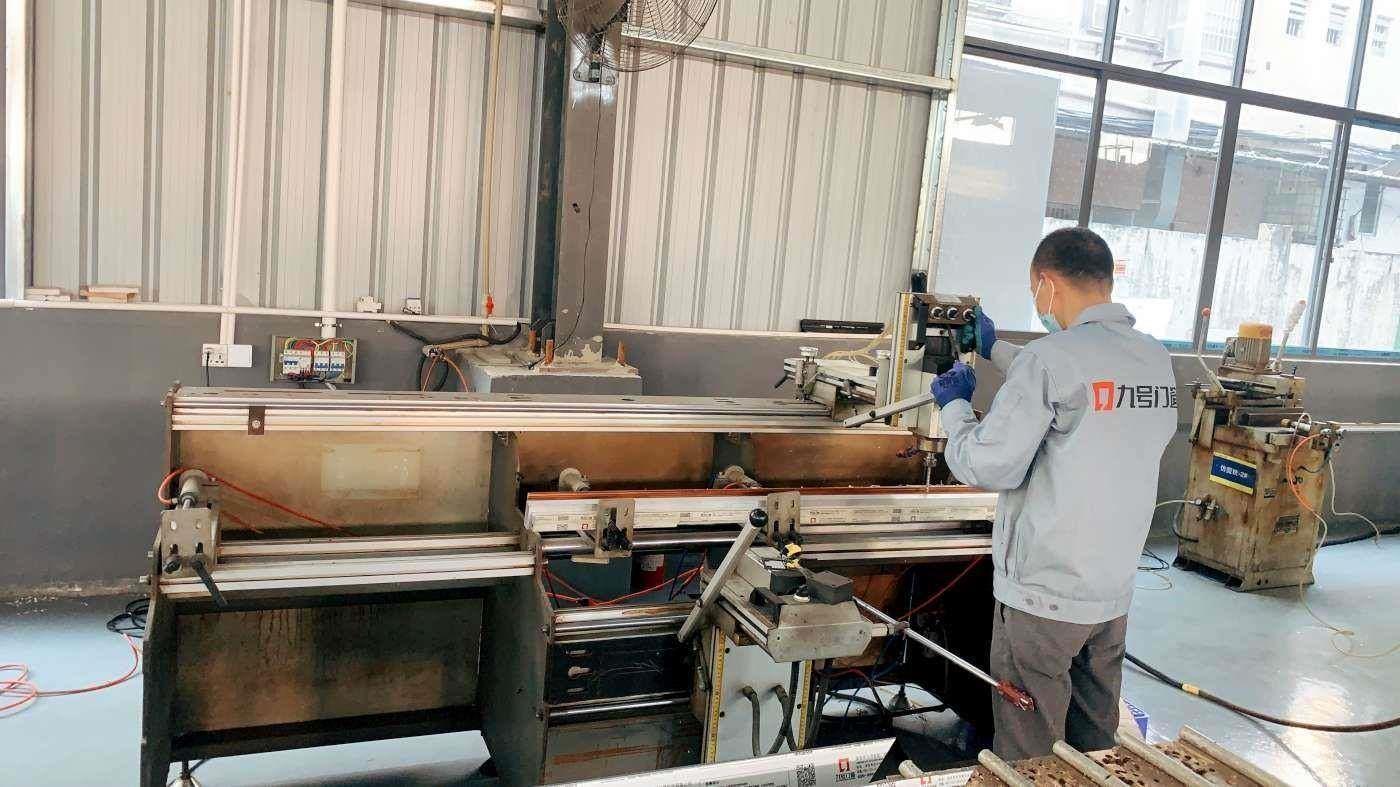
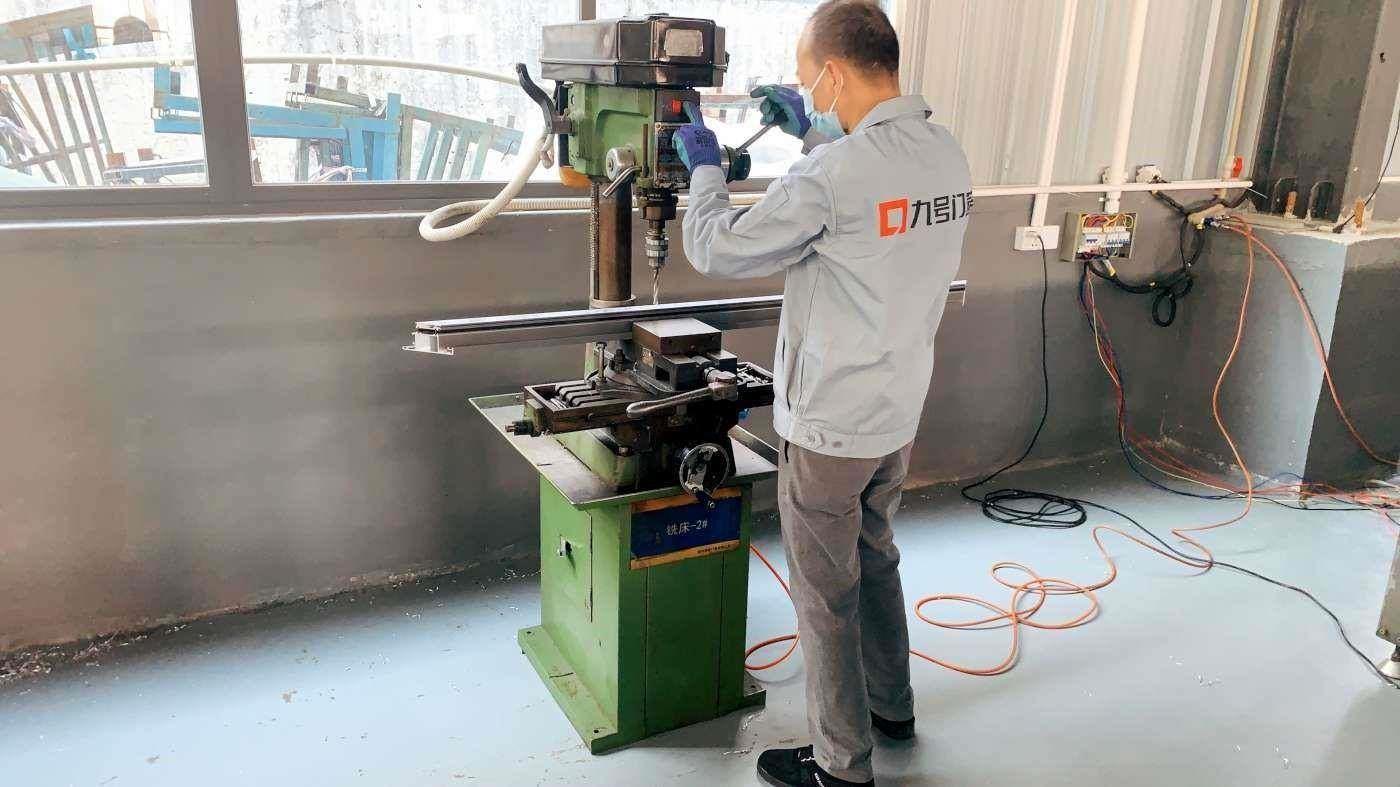
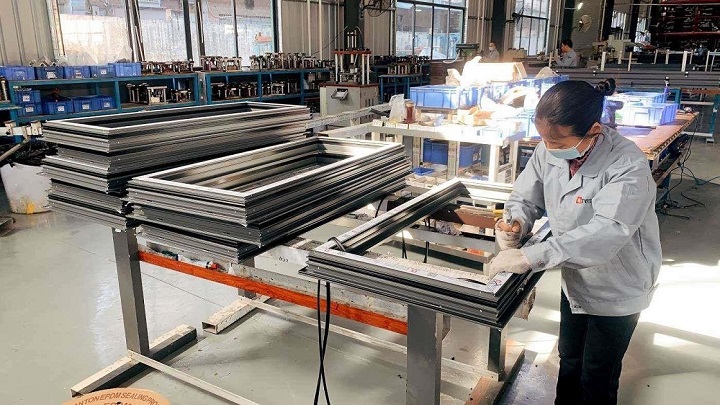
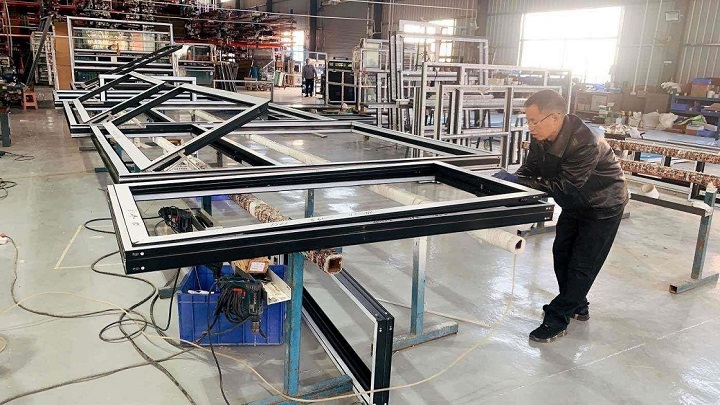
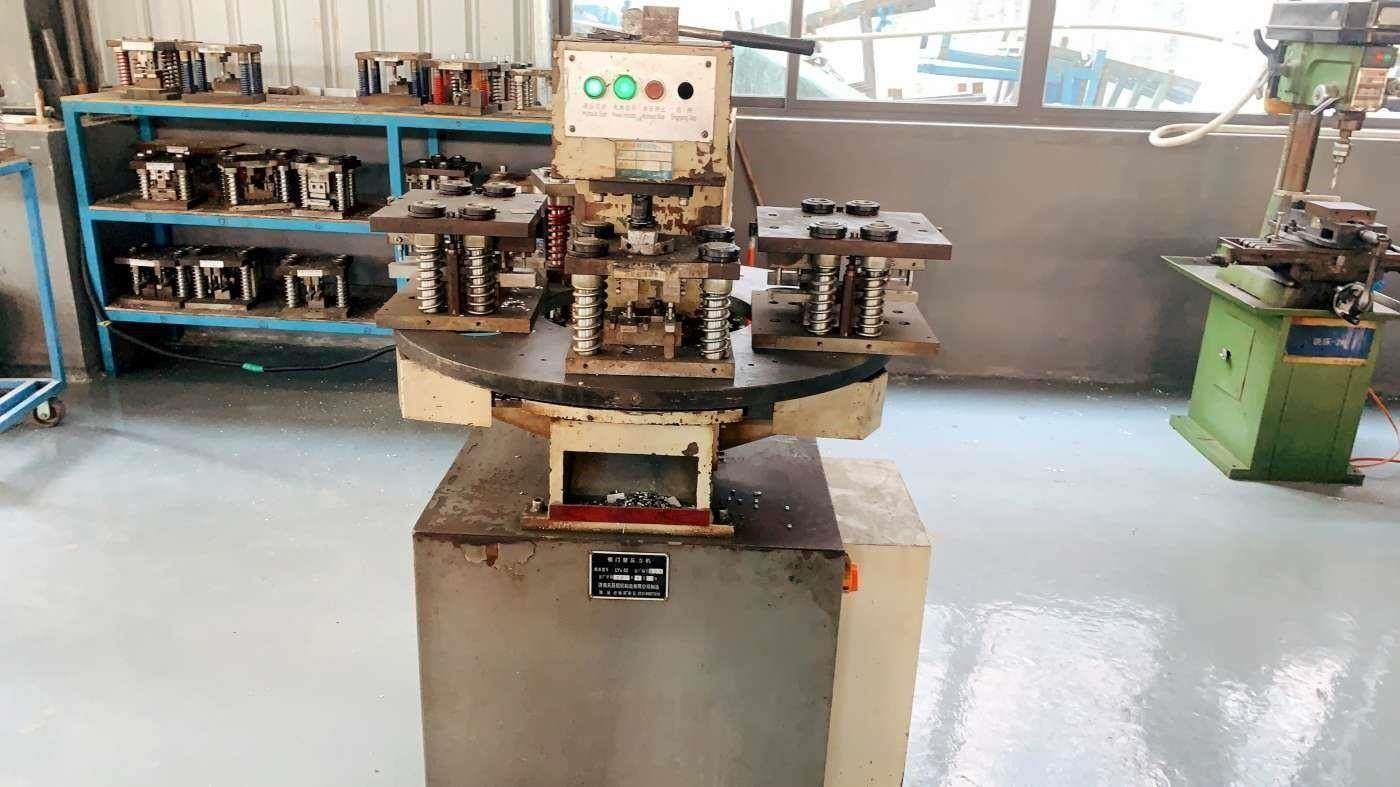
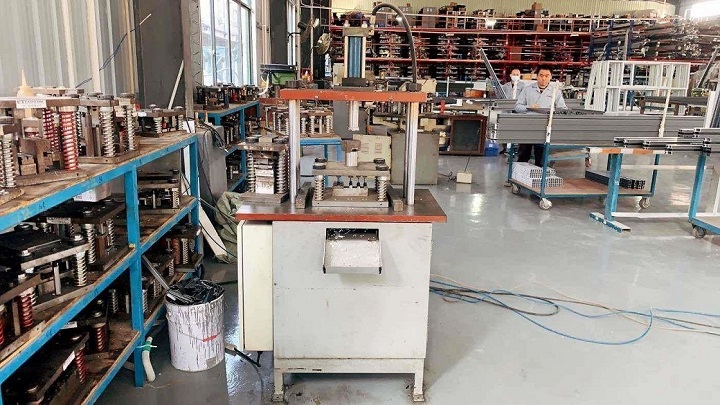
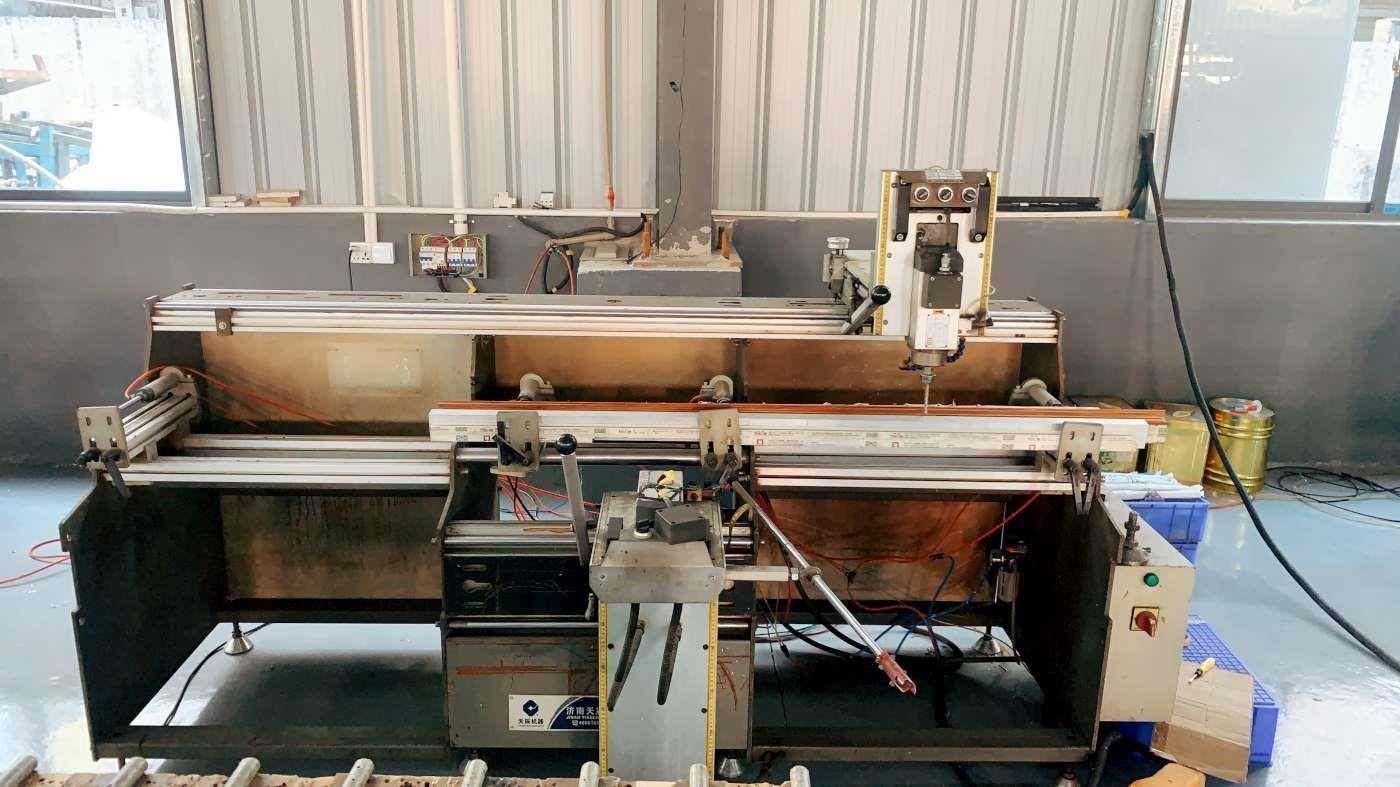
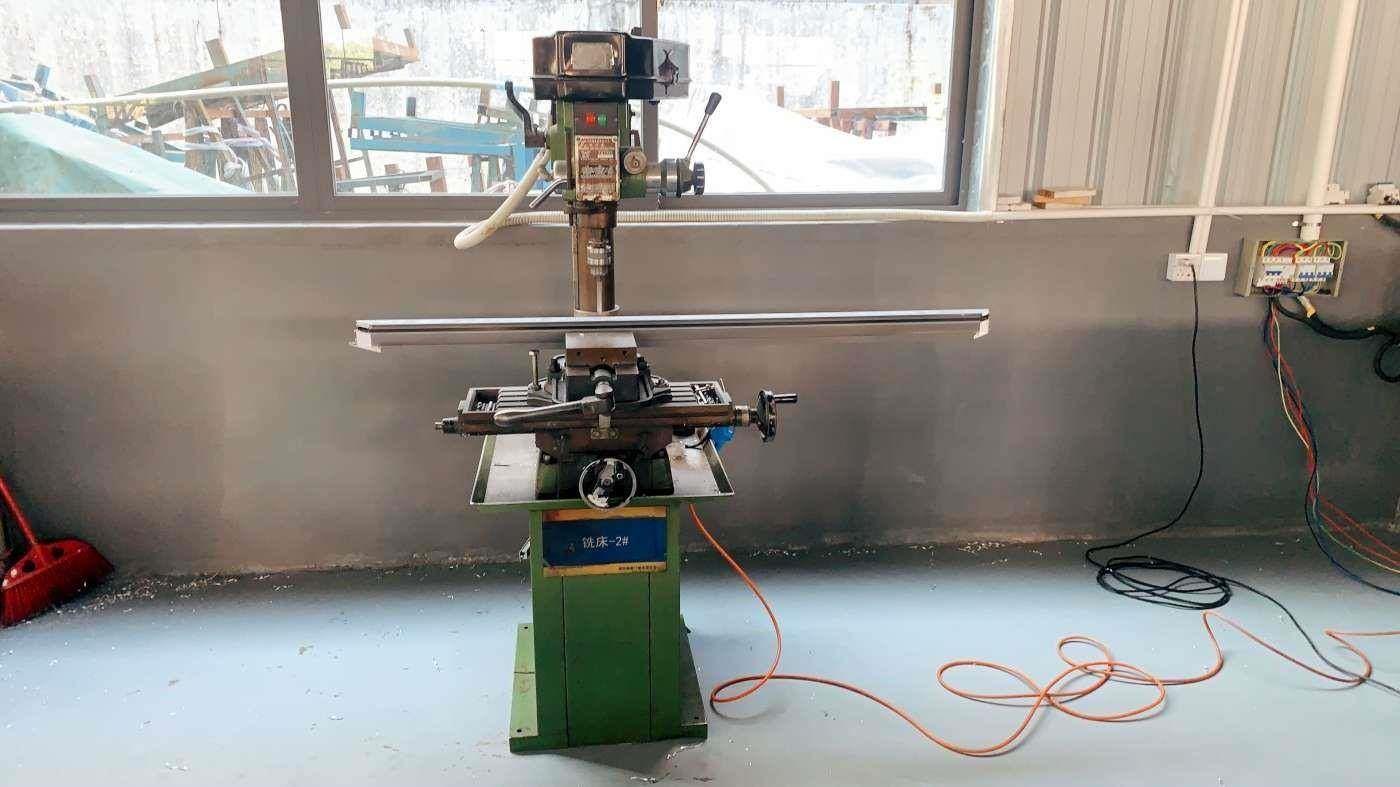
Architectural entry door requirements vary dramatically across key export destinations due to distinct climate zones, structural wind loads, seismic classifications, and building code enforcement. China's top exterior door suppliers overcome trade barriers by obtaining direct compliance certifications prior to export shipment.
| Target Region | Primary Building Codes | Required Core Testing | Architectural System Configuration |
|---|---|---|---|
| North America (USA & Canada) | NFRC 100/200, Miami-Dade NOA, HVHZ, ASTM E1300 | Large Missile Impact (ASTM E1996), Air Infiltration (ASTM E283), Solar Heat Gain (SHGC ≤ 0.25) | Heavy-duty 6063-T6 aluminum casement & sliding doors, SentryGlas® laminated glass, thermally broken frames. |
| Australia & New Zealand | AS2047, AS1288, AS3959 (BAL Flame Zone), NCC | Deflection Test (AS4420.2), Water Penetration Resistance (up to 450Pa), Ultimate Strength Test | Sub-head & sub-sill drainage systems, double-glazed Low-E units, heavy-duty perimeter weather seals. |
| European Union (EU) | EN 14351-1, CE Marking, Passive House Institute (PHI) | Thermal Transmittance (U-factor ≤ 0.8 W/m²K), Acoustic Sound Insulation (Rw up to 45dB) | Triple-glazed argon-filled insulated pivot & tilt-and-turn door systems with polyamide multi-cavity breaks. |
Our engineering portfolio spans three major architectural application domains:
The exterior fenestration market is advancing rapidly through smart home ecosystem integration, material chemistry breakthroughs, and net-zero carbon building initiatives.
Direct integration of embedded smart access hardware including facial recognition, biometric fingerprint sensors, hidden electrical multi-point lock actuators, and smart home IoT automation compatibility.
Transition from passive solar management to active dynamic tinting glass (electrochromic) alongside triple Low-E coated silver layers that reflect infrared heat while maximizing natural day lighting.
Increased utilization of recycled billet aluminum combined with non-toxic, zero-VOC electrostatic powder coatings and long-life EPDM/TPE weather gaskets that are 100% recyclable.
Sourcing exterior door systems overseas presents specific technical risks, including glass breakage, profile distortion, surface scratching during sea freight transit, and non-compliance with local site installation dimensions. Below is the mandatory procurement risk mitigation checklist for global buyers:
Ensure suppliers strictly use architectural grade 6063-T6 aluminum extrusions with a minimum wall thickness of 1.4mm to 2.0mm for windows/doors, and up to 3.0mm for heavy-duty structural pivot doors.
Specify internationally certified hardware brands (e.g., German Siegenia, Hoppe, or top-tier Chinese Kin Long) along with continuous EPDM multi-cavity sealing strip gaskets for water tightness.
Mandate 5-layer export packaging: Protective plastic film wrapping, foam edge protectors, waterproof bubble barrier, custom plywood crates, and steel-banded pallet bundling for zero transport damage.
Expert answers regarding custom door engineering, export compliance, structural integrity, and OEM manufacturing workflows.
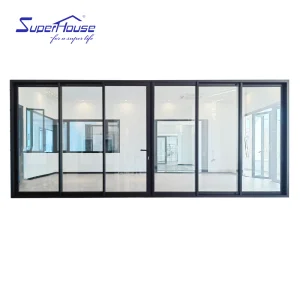
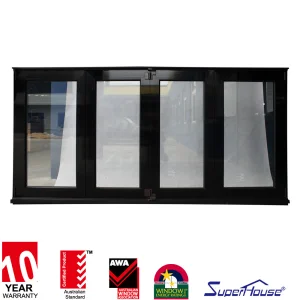
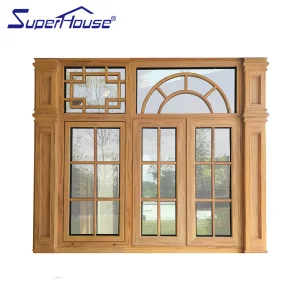
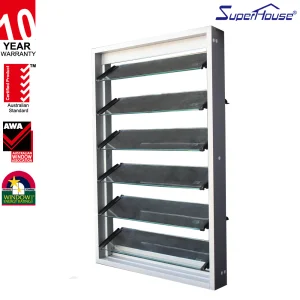
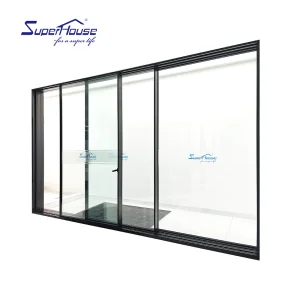
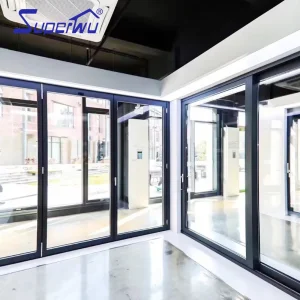
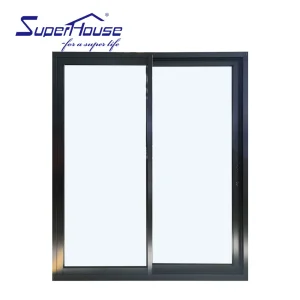
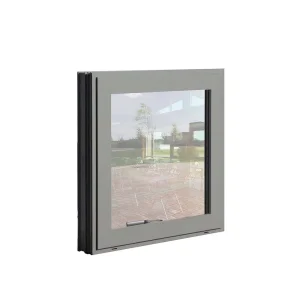
Complete your building envelope project with certified high-efficiency sliding systems, louvered designs, and narrow-profile casement windows.
 Primeval Doors