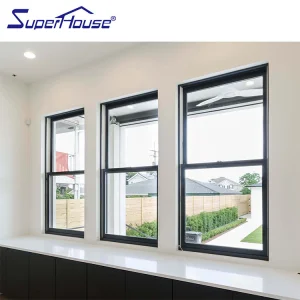
Precision-engineered casement, sliding, and tilt-turn assemblies certified for North American, Australian, and European building codes.
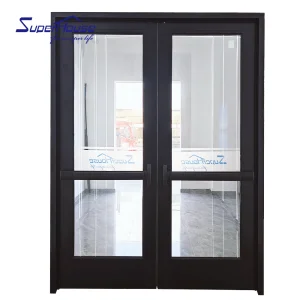
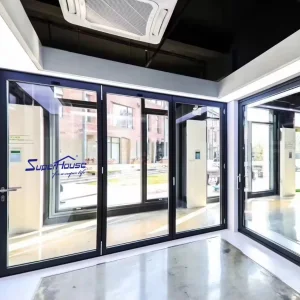
Analysis of international building standards, security threats, thermal compliance requirements, and procurement dynamics driving modern architectural envelope engineering.
In modern architectural engineering, the exterior entrance system serves as the primary barrier against physical intrusion, thermal loss, and catastrophic weather events. Search queries for secure aluminum front door factories have surged worldwide, reflecting a structural shift toward high-performance fenestration solutions. Aluminum front doors are no longer selected merely for aesthetic geometry; they represent engineered security systems engineered to withstand lateral structural forces, blast impacts, and persistent burglary attempts.
Commercial developers, multi-family housing conglomerates, and luxury residential architects demand aluminum entry systems due to their superior strength-to-weight ratio over timber and vinyl (uPVC). Aluminum profiles do not warp, rot, or degrade under continuous solar ultraviolet exposure, maintaining dimensional stability across extreme temperature gradients ranging from -40°C to +80°C.
Contemporary secure aluminum front doors integrate multi-point gear-driven locking mechanisms, heavy-duty drop bolts, anti-drill manganese plates, and high-tensile security hinge systems. When paired with laminated impact glass (e.g., SGP ionoplast interlayers), these assemblies form continuous intrusion-resistant barriers compliant with European RC2/RC3 anti-burglary standards and North American forced-entry testing.
Furthermore, energy codes such as California Title 24, International Energy Conservation Code (IECC), and European EPBD mandate ultra-low thermal transmittance. Leading factories utilize polyamide (PA66GF25) thermal breaks that structurally bisect inner and outer extrusion profiles, preventing heat conduction and condensation while dramatically reducing building HVAC loads.
Operational transparency, massive production volume, and technical engineering depth serving elite B2B distributors worldwide.
Established in 2017, Foshan Primeval Doors Industry Co., Ltd. operates from a modern manufacturing facility spanning 12,000 m². Backed by 11 years of industry engineering experience and 5 years of international export trade, the company generates an annual export revenue of USD 8,500,000.
Quality control is strictly enforced through systematic IQC-IPQC-FQC inspection procedures along with rigorous thermal conductivity and salt-spray corrosion testing. A skilled QC team of 22 inspectors oversees every step of the production process. Supported by 420 trusted supply chain partners, our trade background covers direct OEM export and private-label customization, serving primary markets in Australia, New Zealand, and North America.
Our client base consists mainly of residential building supply importers, architectural designers, and regional wholesalers. Driven by continuous innovation, our R&D group of 38 engineers introduced 75 new entry door products last year. Customization options include custom frame depths, double-glazed decorative glass inserts, powder-coated color palettes, and heavy-duty weatherproofing seals.
| Operational Parameter | Factory Metric & Performance Standard | Strategic Advantage for Buyers |
|---|---|---|
| Facility Surface Area | 12,000 m² Dedicated Manufacturing Hub | High throughput capability for bulk commercial project schedules. |
| Engineering & QC Workforce | 38 R&D Engineers / 22 Dedicated QC Inspectors | Zero-defect manufacturing focus with custom structural modeling. |
| Quality Assurance Protocols | Rigorous IQC, IPQC, FQC, Salt-Spray & Thermal Testing | Verified resistance to salt fog corrosion in coastal marine zones. |
| Annual Export Output | USD $8.5M across NA, AU, NZ & European Markets | Proven global logistical competence and regulatory compliance. |
| Supply Chain Integration | 420 Industrial Supply Chain Partners | Stable material pricing, custom hardware sourcing, and lead time speed. |
Every secure aluminum front door undergoes rigid quality-controlled transformation steps from raw profile extrusion to export-grade protective packaging.
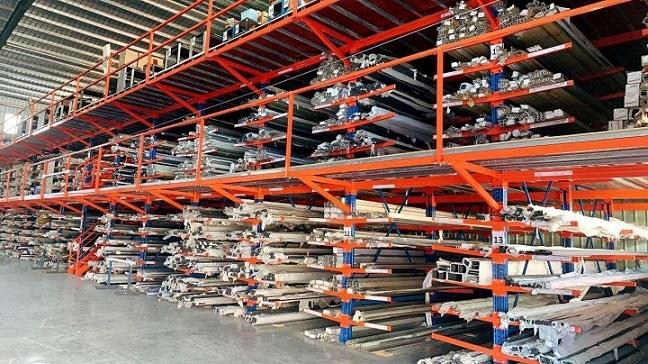
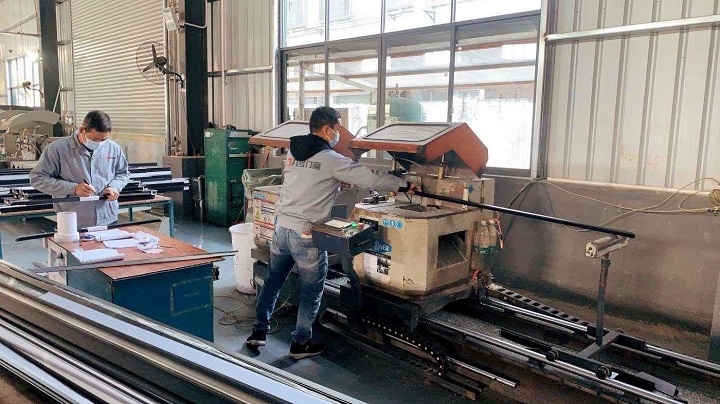
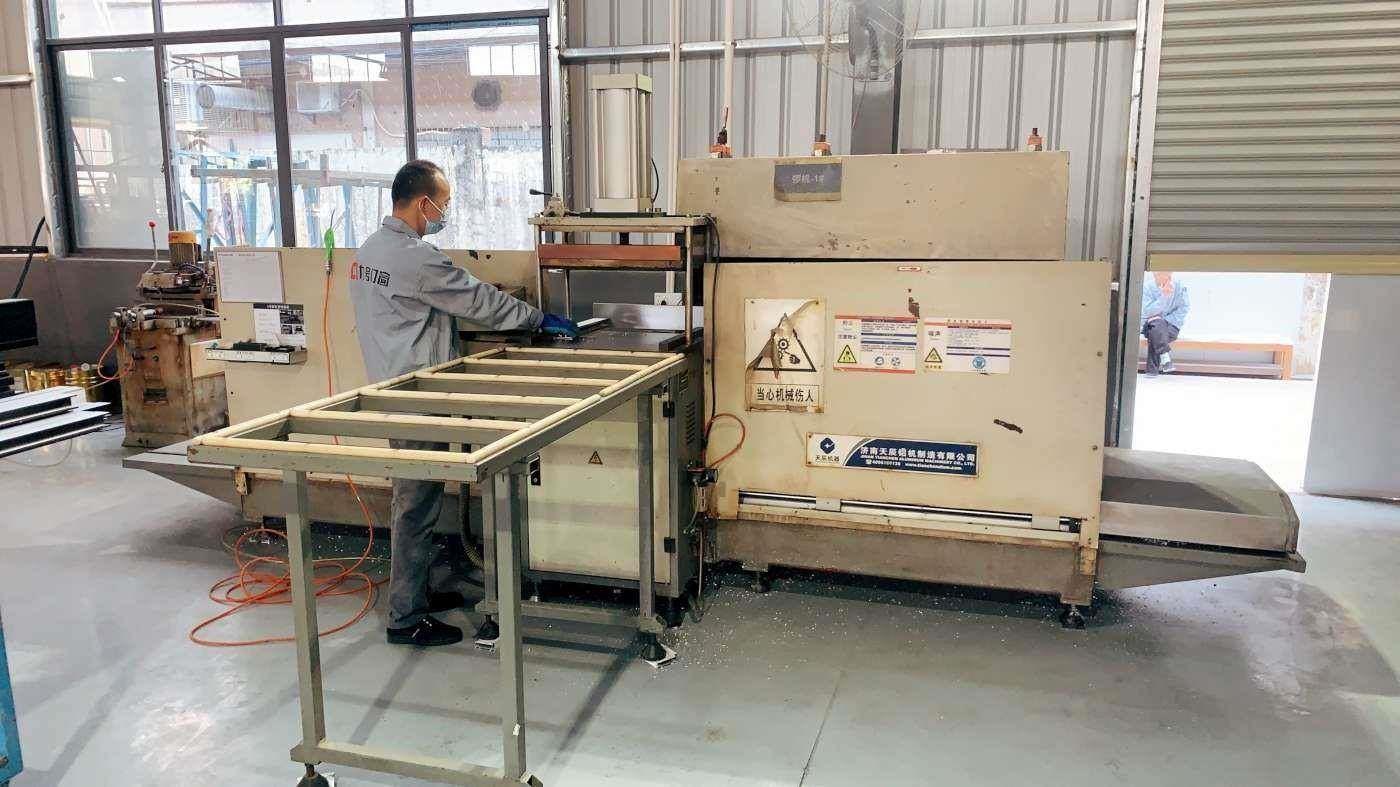
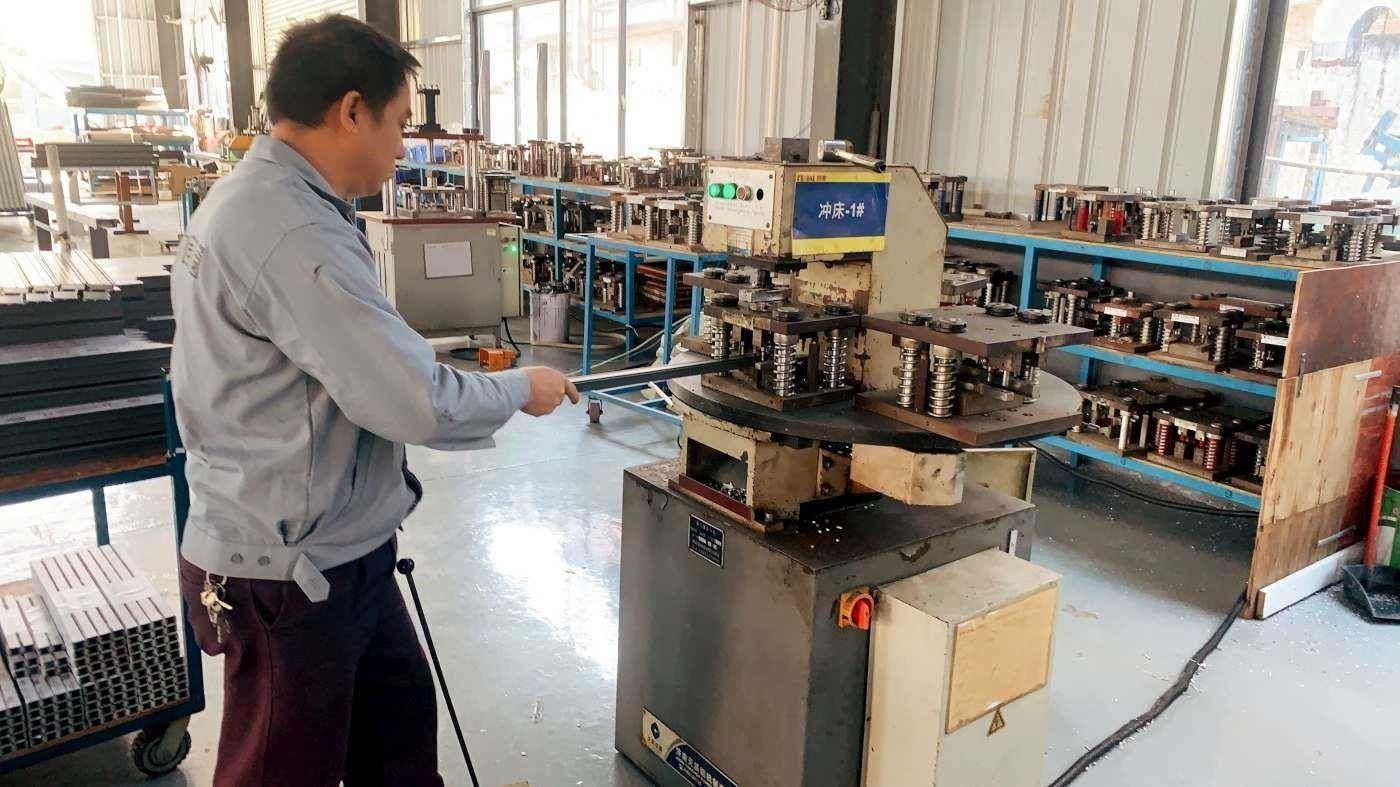
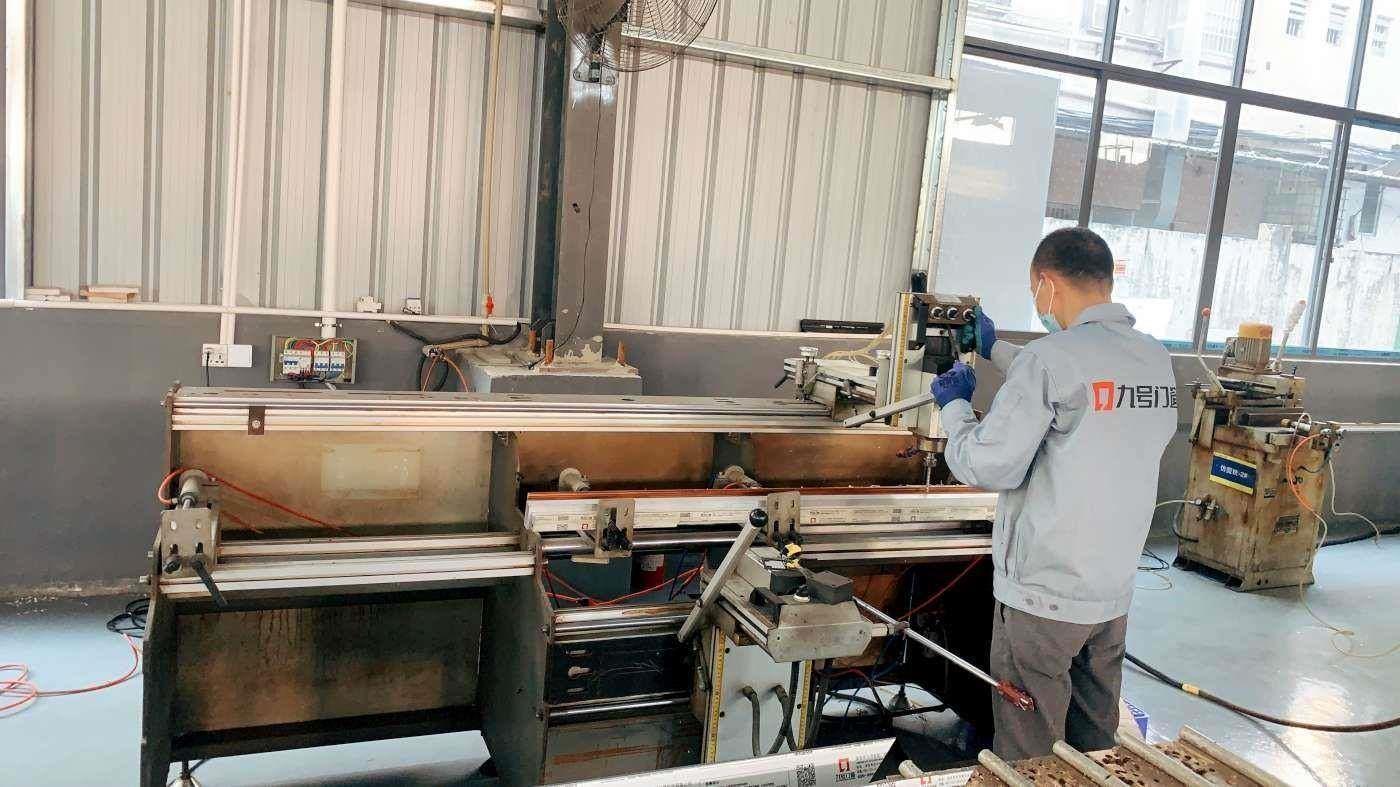
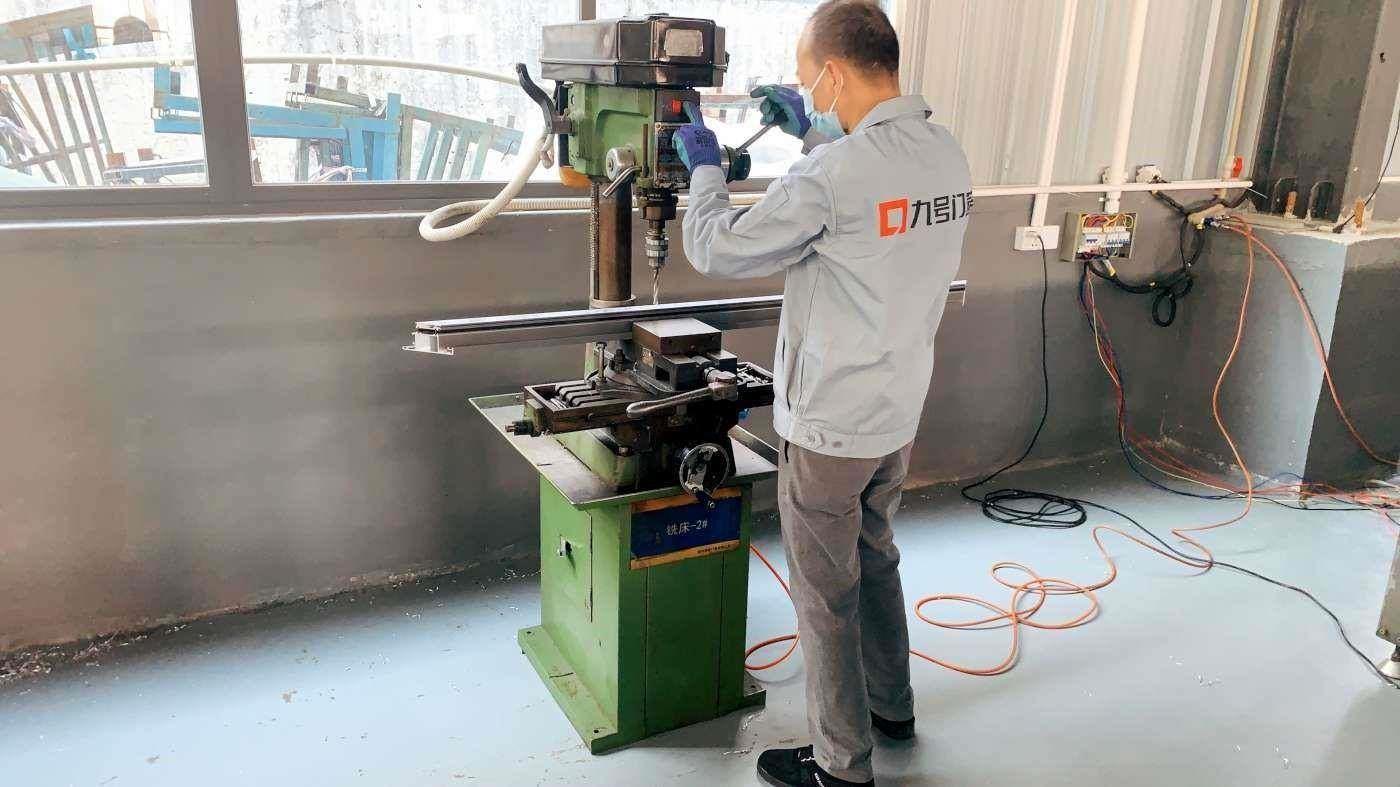
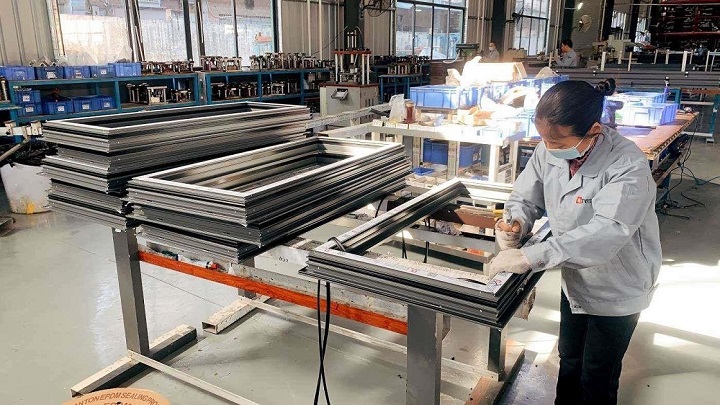
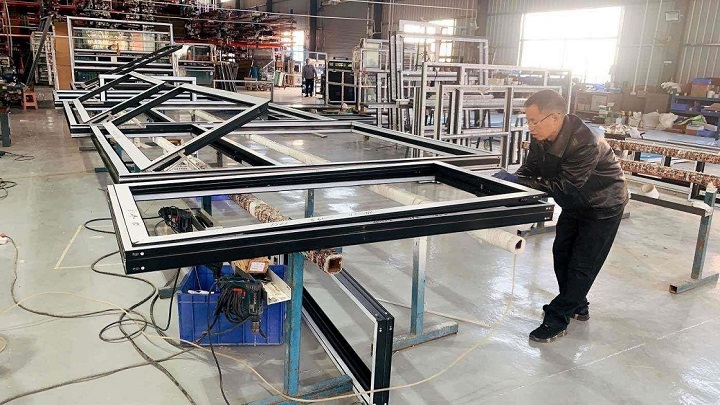
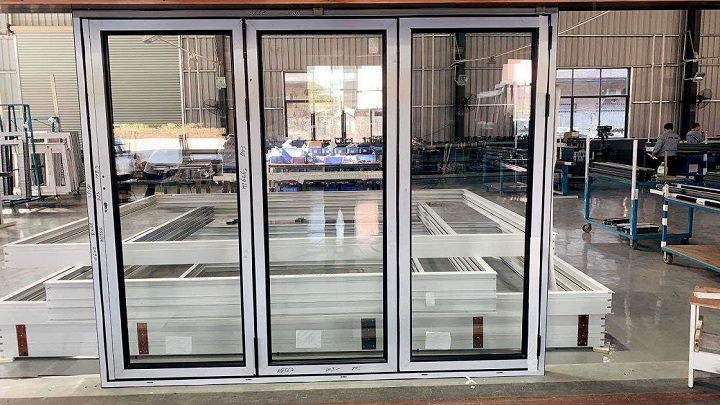
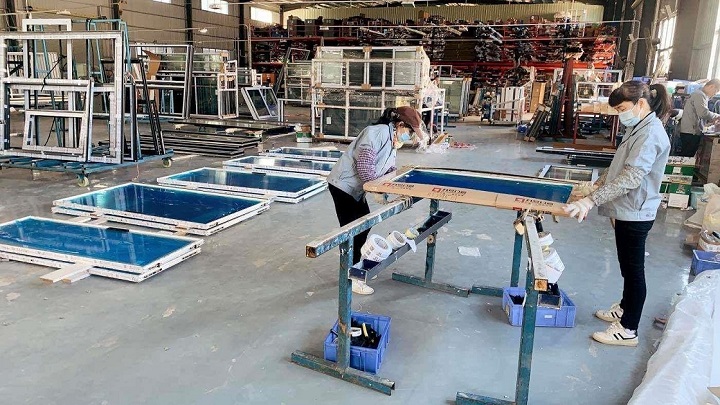
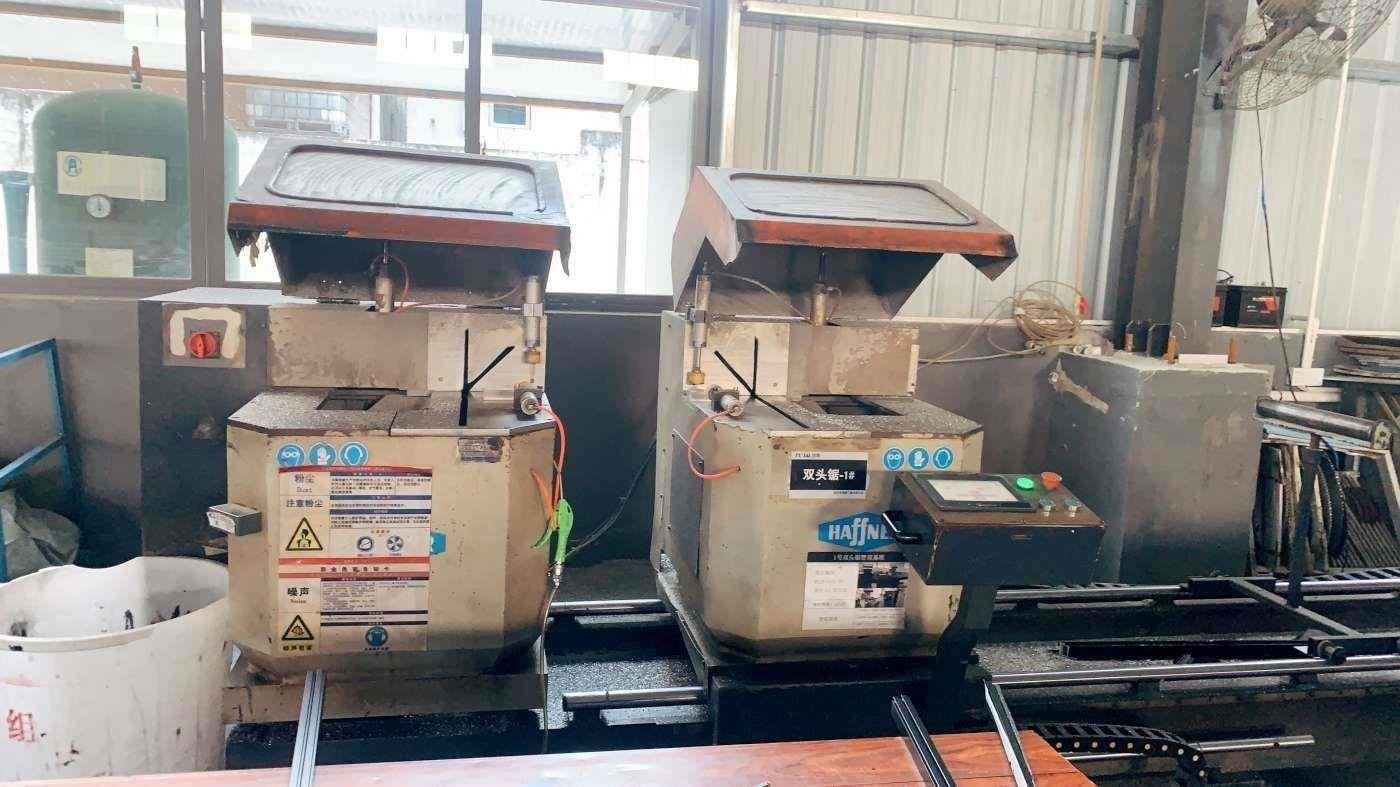
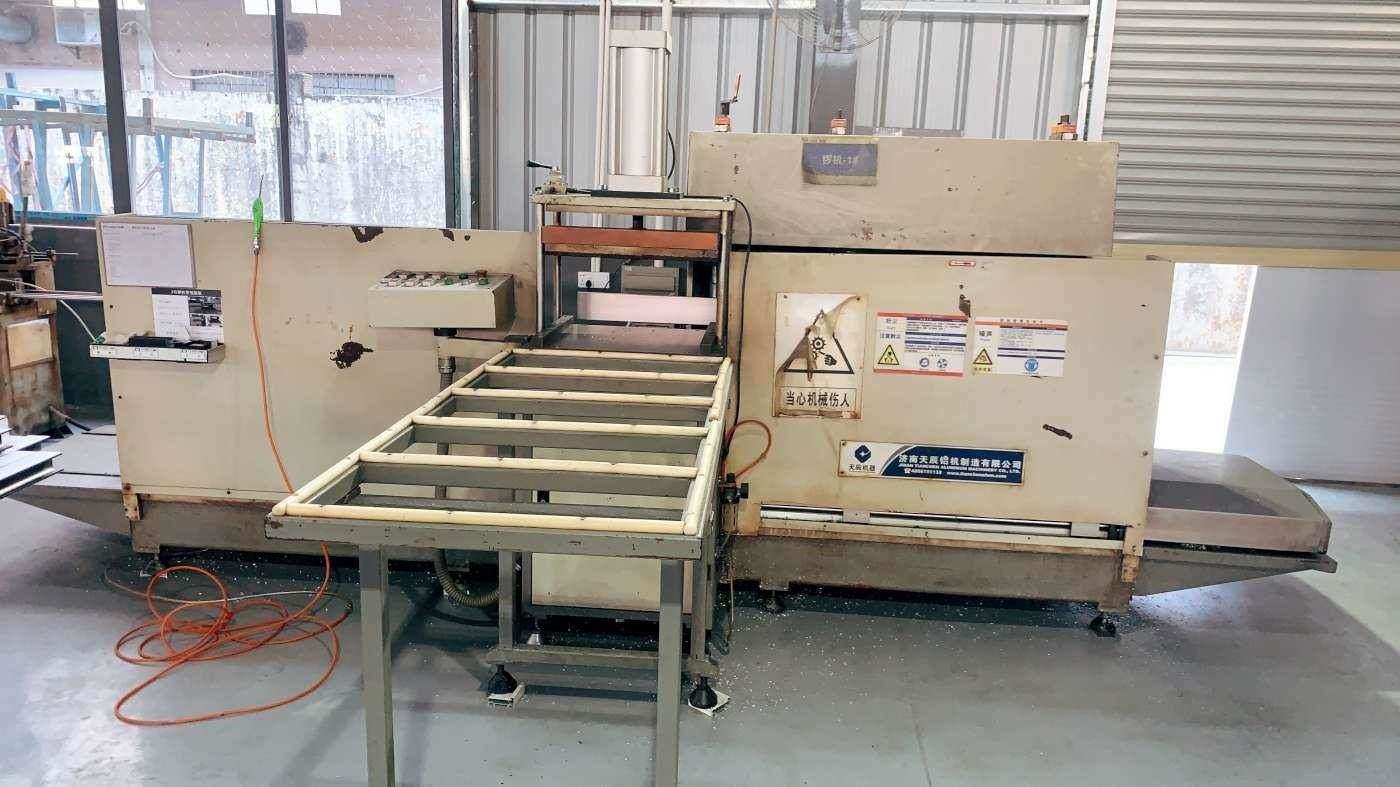
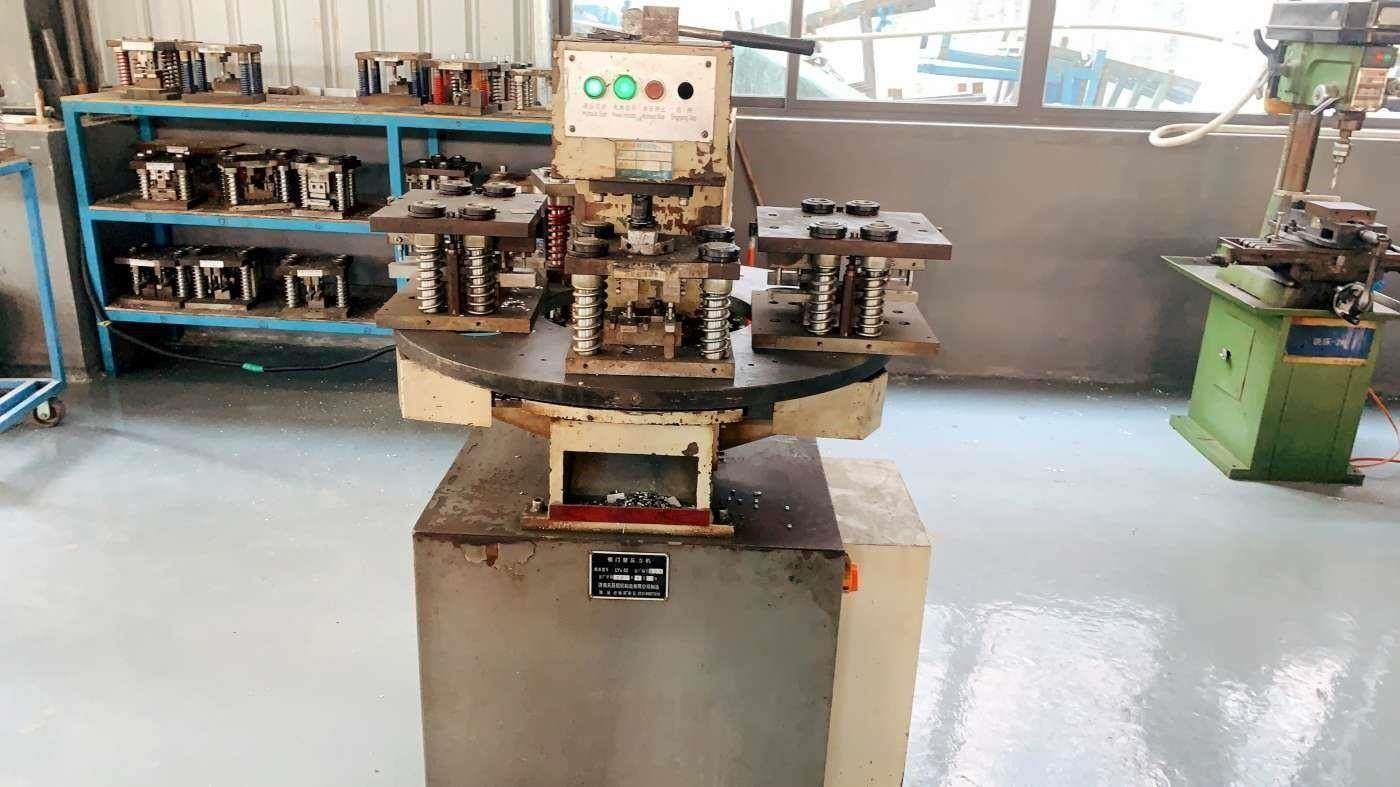
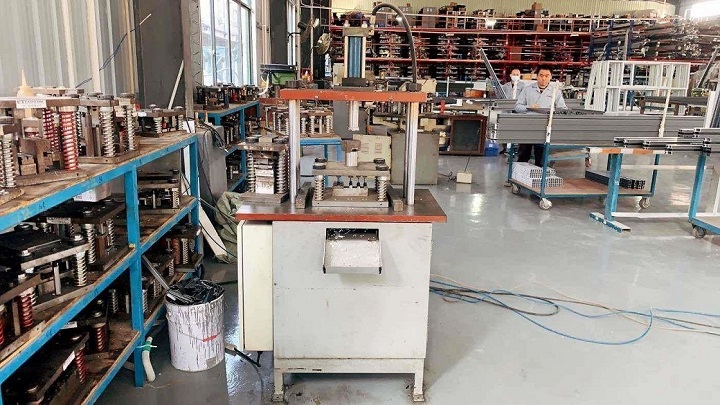
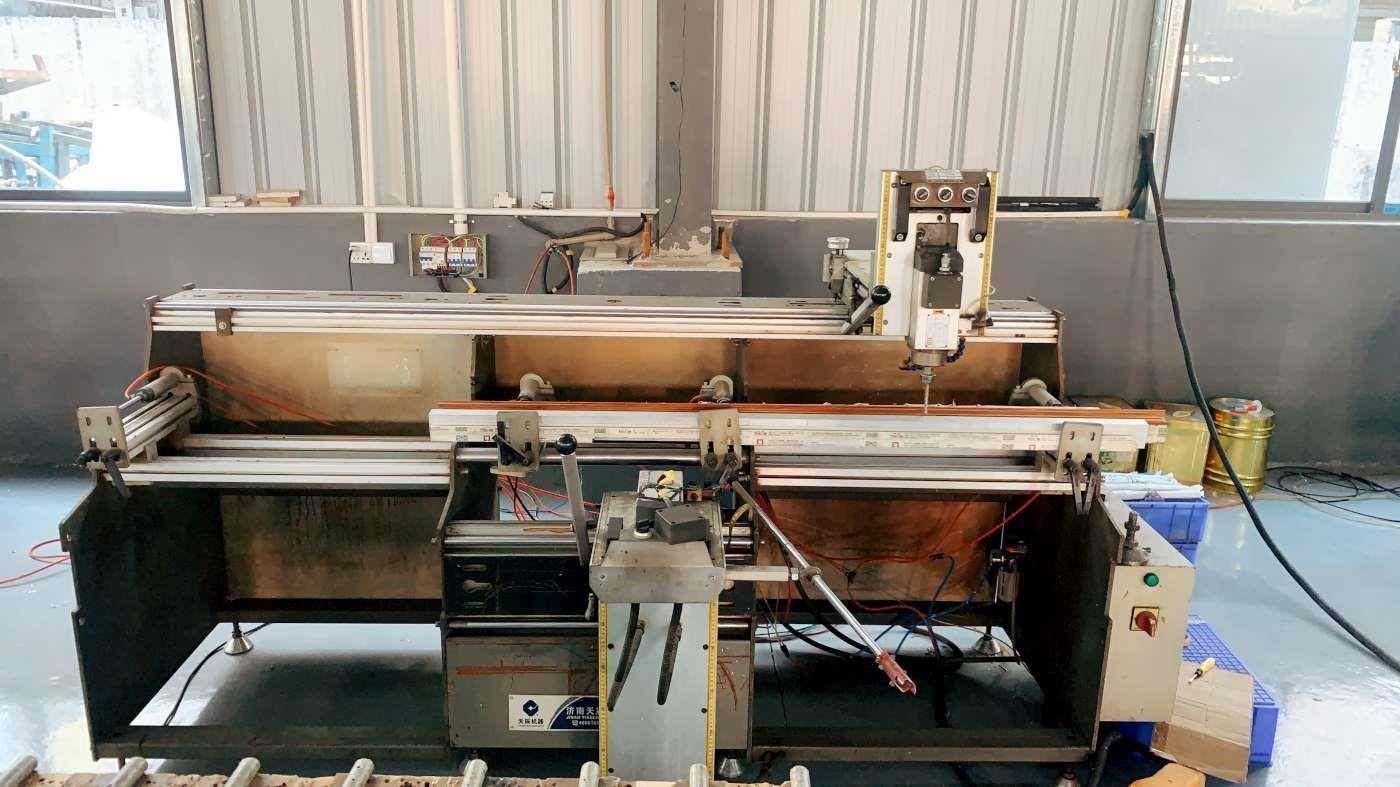
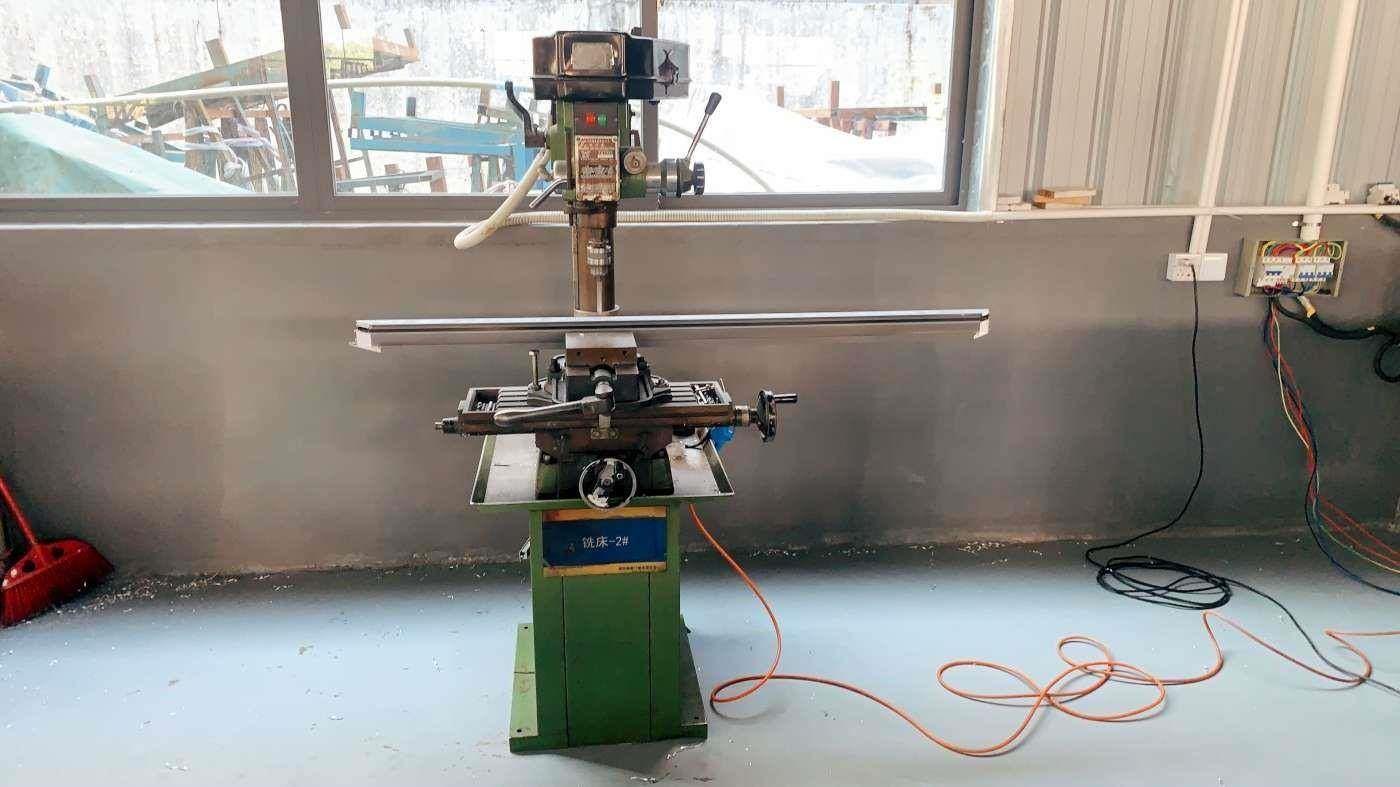
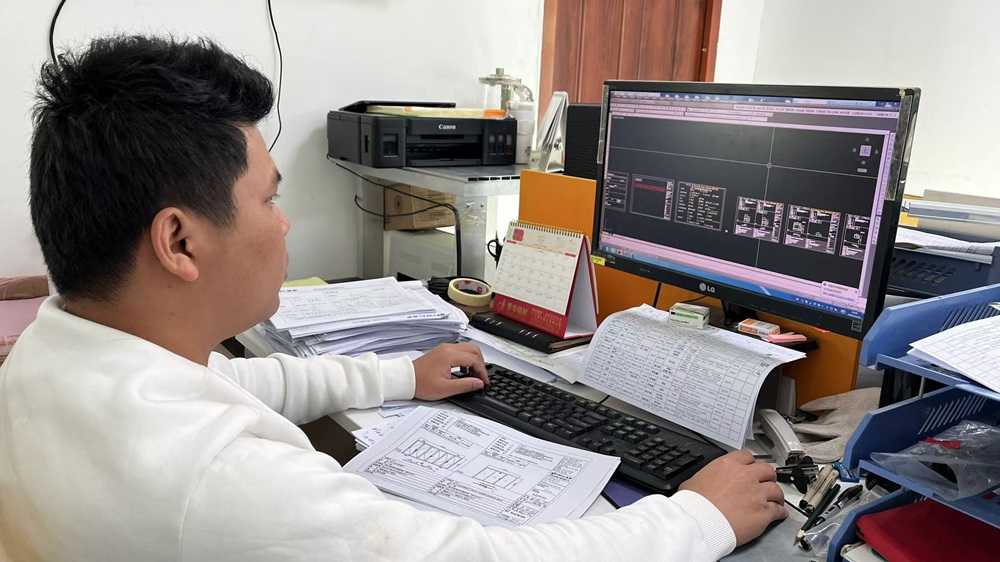
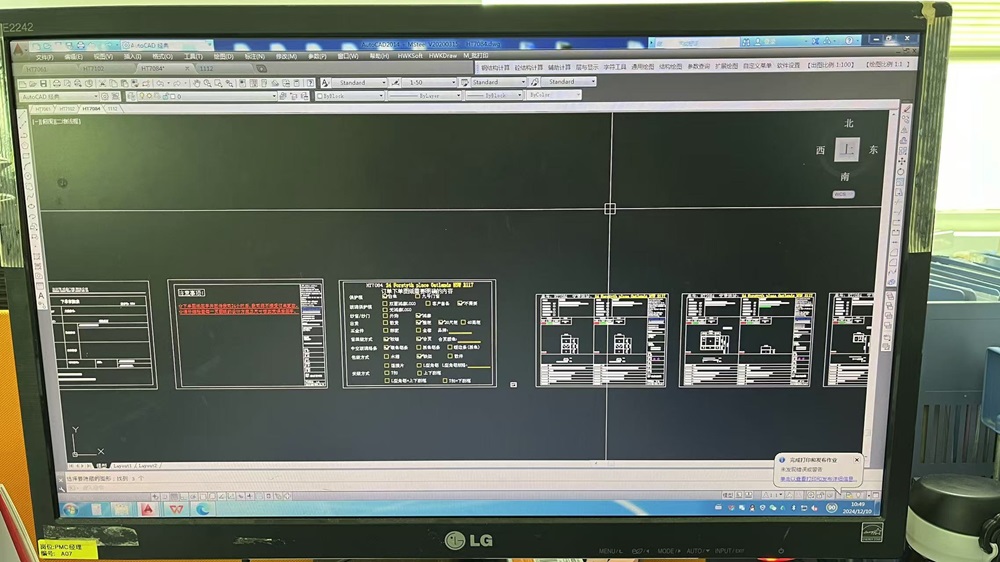
High-precision double-head cutting, automated punching, CNC profile milling, and structural digital drawing validation.
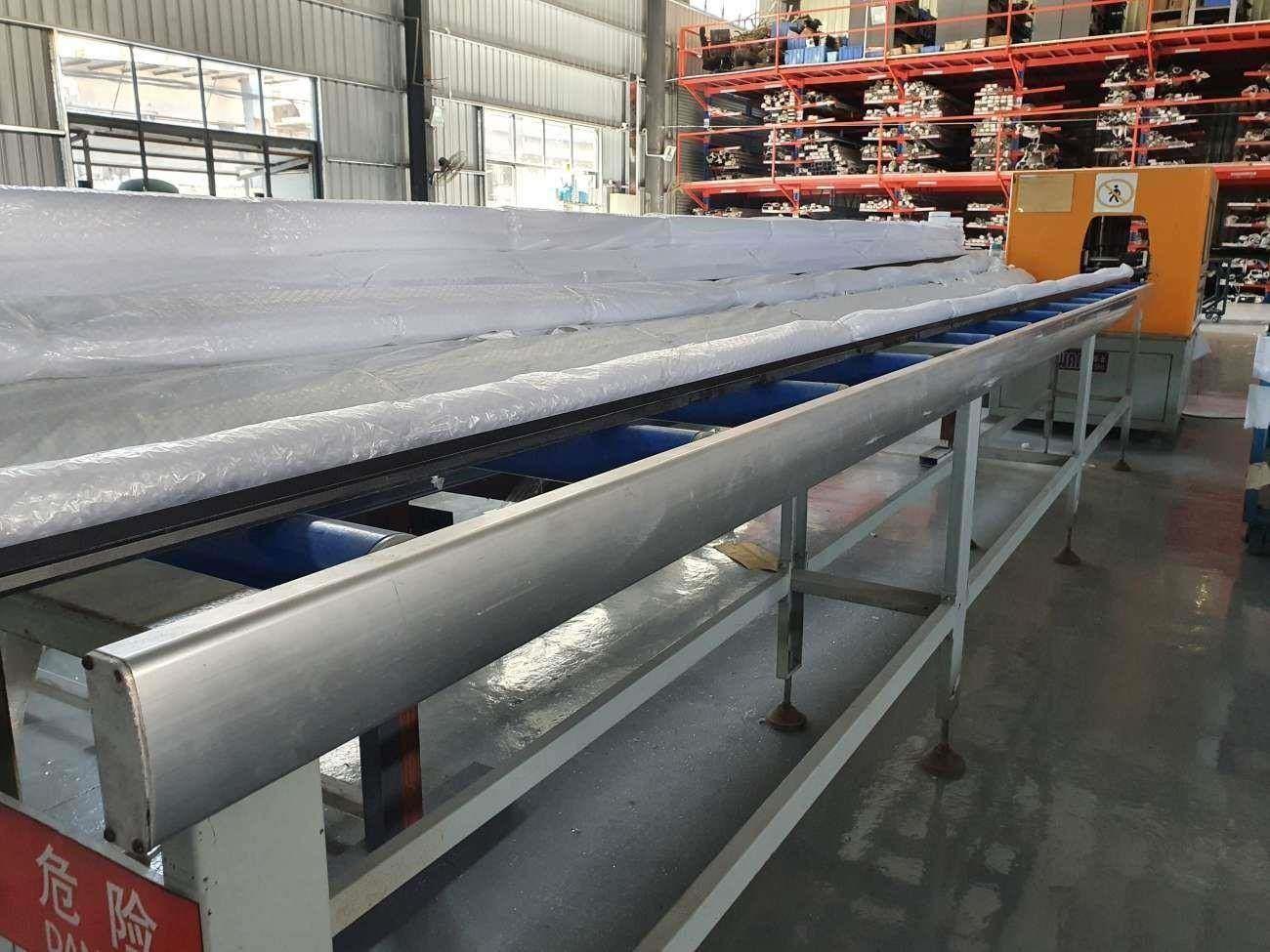
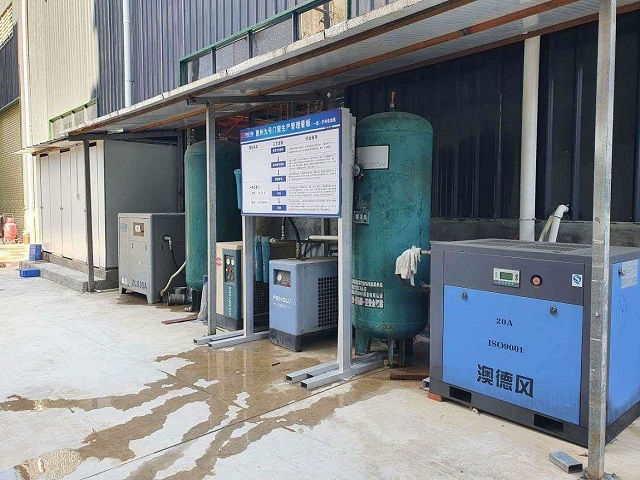
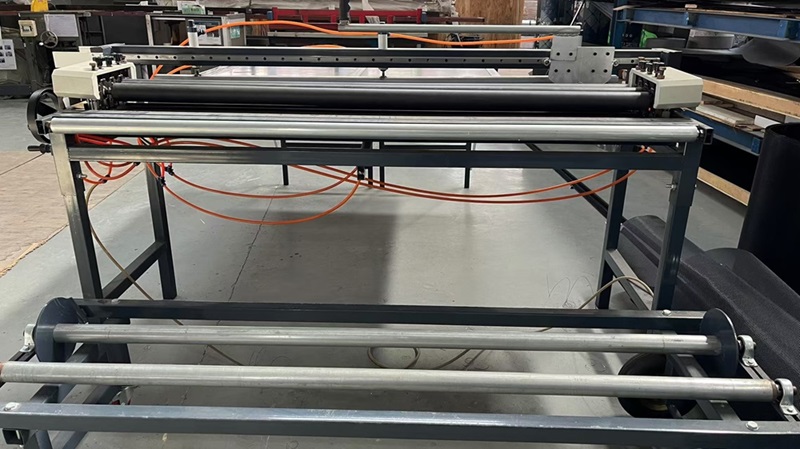
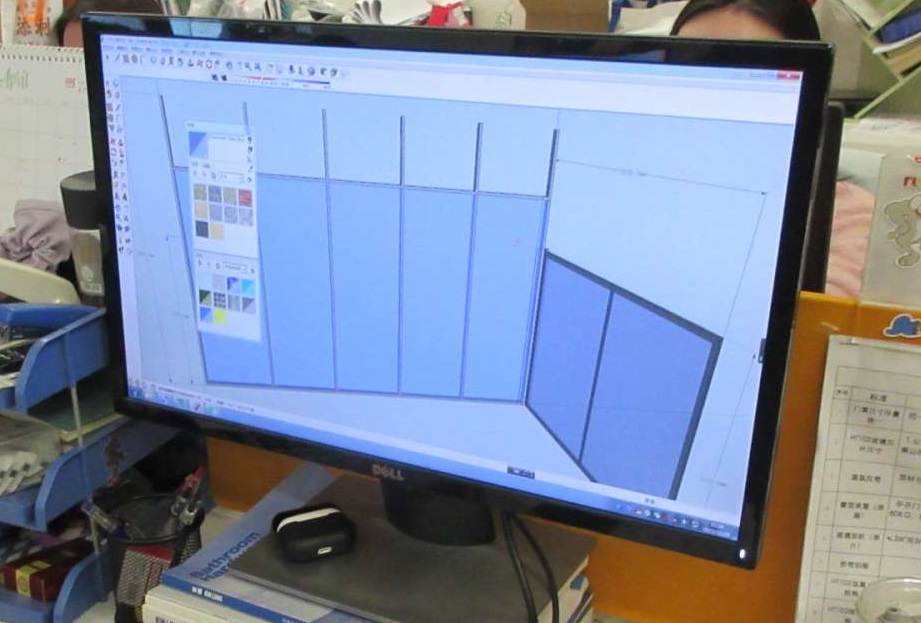
Why leading global architectural procurement managers consolidate their secure aluminum door production in Foshan industrial clusters.
Foshan is globally recognized as the ultimate epicentre for aluminum extrusion, powder coating surface treatments, and advanced hardware manufacturing. Having over 420 direct supply chain partners within a 30-kilometer radius allows Foshan Primeval Doors to source specialized materials—from ultra-clear Low-E glass to customized German-engineered multi-point locks—with zero supply chain latency.
The concentration of raw aluminum billet refineries, matrix die fabricators, and anodizing lines reduces logistical overhead by up to 25% compared to European or North American operations. These structural savings are reinvested directly into premium raw material specs, such as 2.0mm+ primary T6 structural wall thickness and continuous AkzoNobel fluorocarbon powder coatings.
With an active R&D division of 38 engineers, custom section dies and specialized architectural profiles transition from CAD concept drawing to physical prototype in under 14 days. This speed enables real estate developers and general contractors to maintain tight construction schedules without compromising structural testing or design aesthetics.
Tailoring entrance envelope solutions to specific climatic threats, safety regulations, and structural loads across key export destinations.
Climatic Focus: Coastal Hurricanes, Severe Winters, High Wind-Borne Debris.
Key Standards: Miami-Dade NOA, Florida Building Code (FBC), NFRC Thermal Certification, California Title 24.
System Configuration: Heavy-duty thermal break entry doors featuring laminated SGP hurricane impact glass, heavy drop seals, and multi-point deadbolt latching designed to resist wind pressure exceeding 70 PSF.
Climatic Focus: Extreme Solar UV Radiation, Bushfire Zones (BAL-40), Coastal Salt Air.
Key Standards: AS2047 (Windows and External Doors), AS1288 Glass Code, WERS energy ratings.
System Configuration: Anodized or Qualicoat Class 2 powder-coated aluminum framing, bushfire-resistant stainless steel mesh inserts, and double-sealed EPDM weather gaskets preventing water penetration under intense driving rain.
Climatic Focus: Strict Energy Efficiency Targets, Urban Security.
Key Standards: CE Marking, EN 1627 RC3 Resistance Class, PAS 24 Security Standard, Passive House Standard.
System Configuration: Ultra-insulated entrance systems with multi-cavity thermal break profiles (PA66GF25), aerogel core insulation, triple glazed argon-filled panes, and electronic access control integration.
The convergence of smart IoT security, passive house energy metrics, and modern minimalist architectural design.
Modern commercial and high-end residential projects are rapidly moving away from mechanical keys. Leading secure aluminum door factories are embedding biometric fingerprint scanners, facial recognition cameras, motorized multi-point lock actuators, and RFID transponders directly into the thermal break door leaf. These electronic lock systems interface seamlessly with modern smart home and building automation systems via encrypted protocols (Zigbee, Z-Wave, or Ethernet).
As global carbon tax regulations and energy costs rise, front doors must achieve overall U-factors below 0.8 W/(m²K). Advanced aluminum front door manufacturers are introducing foam-injected insulation cores, continuous warm-edge spacer technology, and triple EPDM perimeter seal systems. This guarantees zero draft infiltration and drastically reduces structural heat loss in modern eco-friendly architectural projects.
A rigorous audit framework for architectural importers, general contractors, and hardware distributors evaluating Chinese aluminum door factories.
Verify that the factory utilizes primary 6063-T5 or 6060-T6 architectural grade aluminum extrusions rather than recycled scrap metal. Wall thickness for heavy-duty main entry doors should meet or exceed 2.0mm. Ensure powder coatings adhere to Qualicoat or AAMA 2604/2605 standards to guarantee fade-free UV durability in intense sunlit environments.
Demand third-party certified test reports from accredited bodies (Intertek, SGS, TUV). Critical parameters include: Air Infiltration (ASTM E283), Water Resistance (ASTM E331), Structural Load (ASTM E330), Forced Entry Resistance (ASTM F588 or EN 1627), and Sound Transmission Class (STC acoustic rating ≥ 38 dB).
Audit the factory's internal testing lab. Reliable factories maintain in-house equipment for salt-spray corrosion tests, cycle testing of lock hardware (minimum 100,000 operation cycles), drop-hammer impact testing, and automated thermal conductivity analyzers to ensure every batch meets project specifications.
High-end aluminum entry doors feature delicate powder-coated surfaces and heavy insulated glass units. Confirm that the factory utilizes a multi-layer protective packaging system: full surface protective film, corner rubber guards, bubble wrap layering, and fully enclosed IPPC-stamped fumigated plywood crates to prevent transit vibration damage.
Expert technical responses regarding material selection, performance ratings, customization, and factory lead times.
For high-security entry door applications, architectural grade 6063-T5 or 6060-T6 aluminum extrusion alloys are standard. T5 or T6 heat treatment tempers provide exceptional tensile strength, shear resistance, and structural rigidity while maintaining precise machining tolerances. Profile wall thickness should typically range between 2.0mm to 3.0mm for heavy-duty commercial and luxury residential doors.
Thermal break systems utilize a low-thermal-conductivity structural polyamide bar (such as PA66GF25 reinforced with 25% glass fiber) inserted between the interior and exterior aluminum profiles. This creates an impermeable thermal barrier that breaks the conductive path of heat, preventing cold energy transfer in winter, keeping heat out during summer, and eliminating interior frame condensation.
For North America, doors should ideally hold NFRC (National Fenestration Rating Council) ratings for thermal U-factor and SHGC, AAMA certification for structural air/water tightness, and Miami-Dade NOA or Florida Building Code (FBC) approval for hurricane-prone zones. For Australia and New Zealand, compliance with AS2047 (structural performance and water penetration) and AS1288 (safety glazing) is mandatory.
In aggressive coastal environments with high atmospheric salinity, PVDF (Fluorocarbon) coatings or Qualicoat Class 2 / Class 3 high-durability architectural powder coatings are recommended. Alternatively, deep anodized finishes with a film thickness of 20 microns or greater provide outstanding salt-spray resistance, surpassing 3,000 hours of continuous ASTM B117 salt fog testing.
Yes. Premier OEM factories such as Foshan Primeval Doors offer pre-engineered lock prep milling via CNC machine centers. Smart biometric locks, facial recognition sensors, motorized automatic drop bolts, and hidden wiring channels can be completely integrated and tested at the factory before export packaging.
Standard production lead time ranges from 25 to 35 business days following final CAD shop drawing approval and color swatch confirmation. For custom extruded section dies, an additional 10 to 14 days is required for extrusion tool fabrication and sample testing.
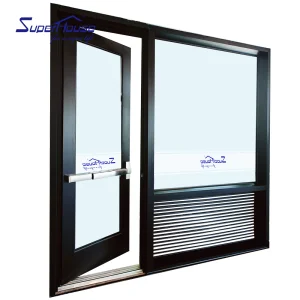
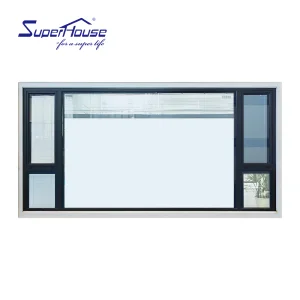
Explore our full line of commercial, hotel, and luxury villa door and window systems designed for high wind load and high thermal efficiency.
 Primeval Doors