Explore our NFRC, AS2047, and Miami-Dade NOA certified high-performance door and window series engineered for extreme structural requirements.

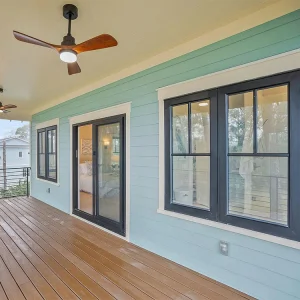
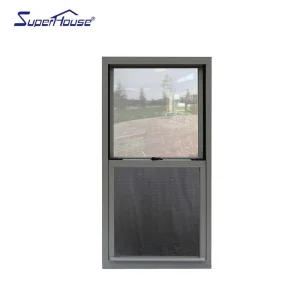
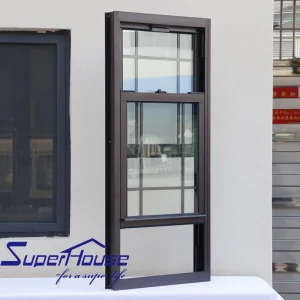
Analyzing structural thermodynamics, material decarbonization, and smart access integration in modern entrance hardware engineering.
The global facade and fenestration industry is undergoing a paradigm shift driven by stringent energy efficiency standards (such as ENERGY STAR® 7.0 and European Passive House specifications). Modern aluminum entry doors have evolved from traditional monolithic metal framing to multi-cavity thermal break extrusions. By incorporating high-density Polyamide (PA66GF25) thermal insulation strips reinforced with 25% fiberglass, engineers effectively eliminate the thermal bridge inherent to metallic profiles.
This structural isolation reduces overall heat transfer coefficient values (U-factors) down to below 0.24 Btu/h·ft²·°F (1.36 W/m²K). Combined with argon-filled, warm-edge spacer double or triple insulating glass units (IGUs), modern aluminum doors drastically minimize operational carbon footprints for luxury commercial complexes and modern high-end villas.
Coastal developments and extreme weather zones require entry door assemblies that withstand unprecedented design pressures (DP). Sourcing directors and architectural specifiers now mandate compliance with Florida Miami-Dade High Velocity Hurricane Zone (HVHZ) NOA standards and Australian AS2047 standard certifications.
These rigid benchmarks require entrance systems to endure dynamic windload pressures exceeding +100/-100 psf, paired with large-missile impact testing (9-lb 2x4 timber shot at 50 fps) followed by 9,000 cyclic pressure loadings. The integration of 6063-T6 tempered aluminum alloys, heavy-duty multi-point locking systems, and laminated impact-resistant glass layers ensures unmatched building envelope security.
Architectural entryways have shifted from mere functional barriers into high-tech, aesthetically dominant structural features. Current commercial and luxury residential projects favor ultra-slim sightlines, panoramic pivot mechanisms, and seamless flush panel designs. Concurrently, integration of embedded IoT hardware—such as biometric fingerprint sensors, encrypted RFID, keypad access, and smartphone app remote control—has become a standard requirement for premium OEM buyers.
A Data-Backed Operational Profile of Our Manufacturing Capabilities and Global Export Ecosystem
Established in 2017, Foshan Primeval Doors Industry Co., Ltd. operates from a modern manufacturing facility spanning 12,000 m² in Foshan, China—the world's premier extrusion and architectural hardware industrial cluster. Backed by 11 years of core industry engineering experience and 5 years of international export trade, the company generates a robust annual export revenue of USD 8,500,000.
Quality control is strictly enforced through systematic IQC-IPQC-FQC (Incoming, In-Process, Final Quality Control) inspection procedures along with rigorous thermal conductivity and salt-spray corrosion testing. A dedicated, highly skilled QC team of 22 inspectors oversees every step of the production process. Supported by 420 trusted supply chain partners, our trade background covers direct OEM export and private-label customization, serving primary tier-one markets across Australia, New Zealand, and North America.
Our client base consists mainly of residential building supply importers, architectural designers, and regional engineering wholesalers. Driven by continuous innovation, our R&D group of 38 engineers introduced 75 new entry door products last year. Customization options include custom frame depths, double-glazed decorative glass inserts, powder-coated color palettes, and heavy-duty weatherproofing seals.
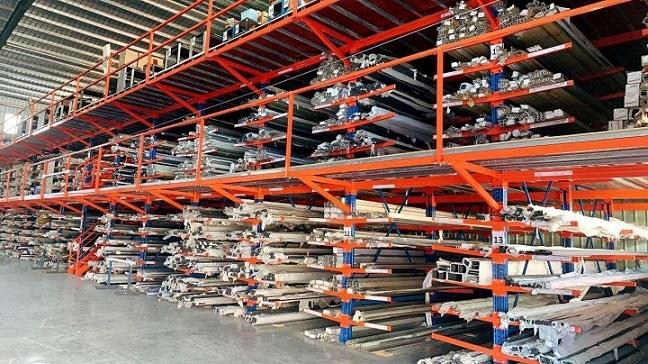
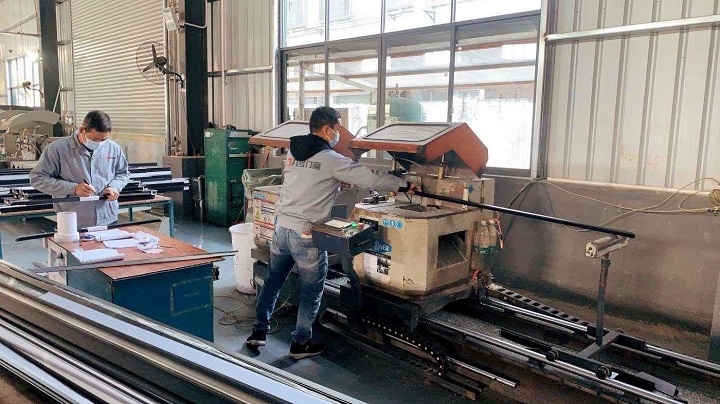
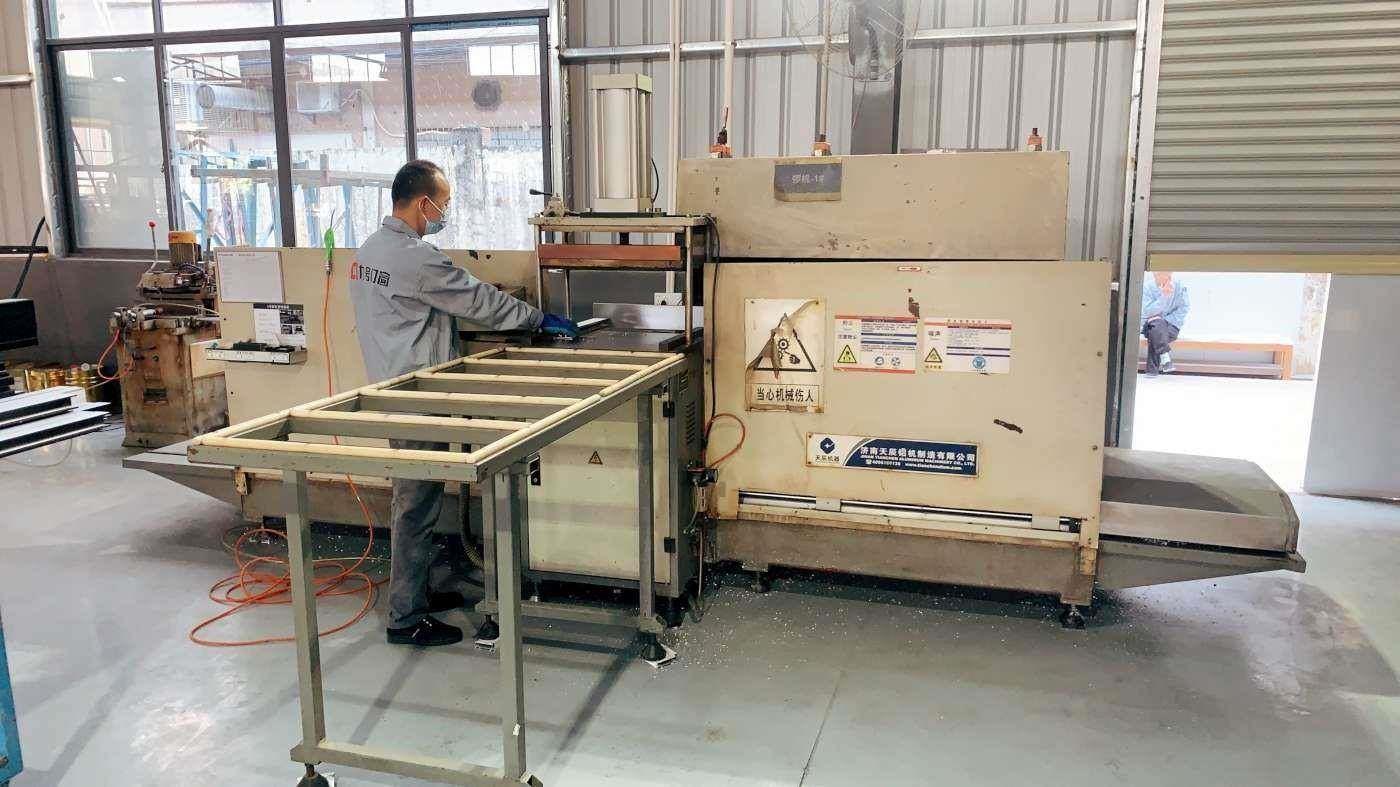
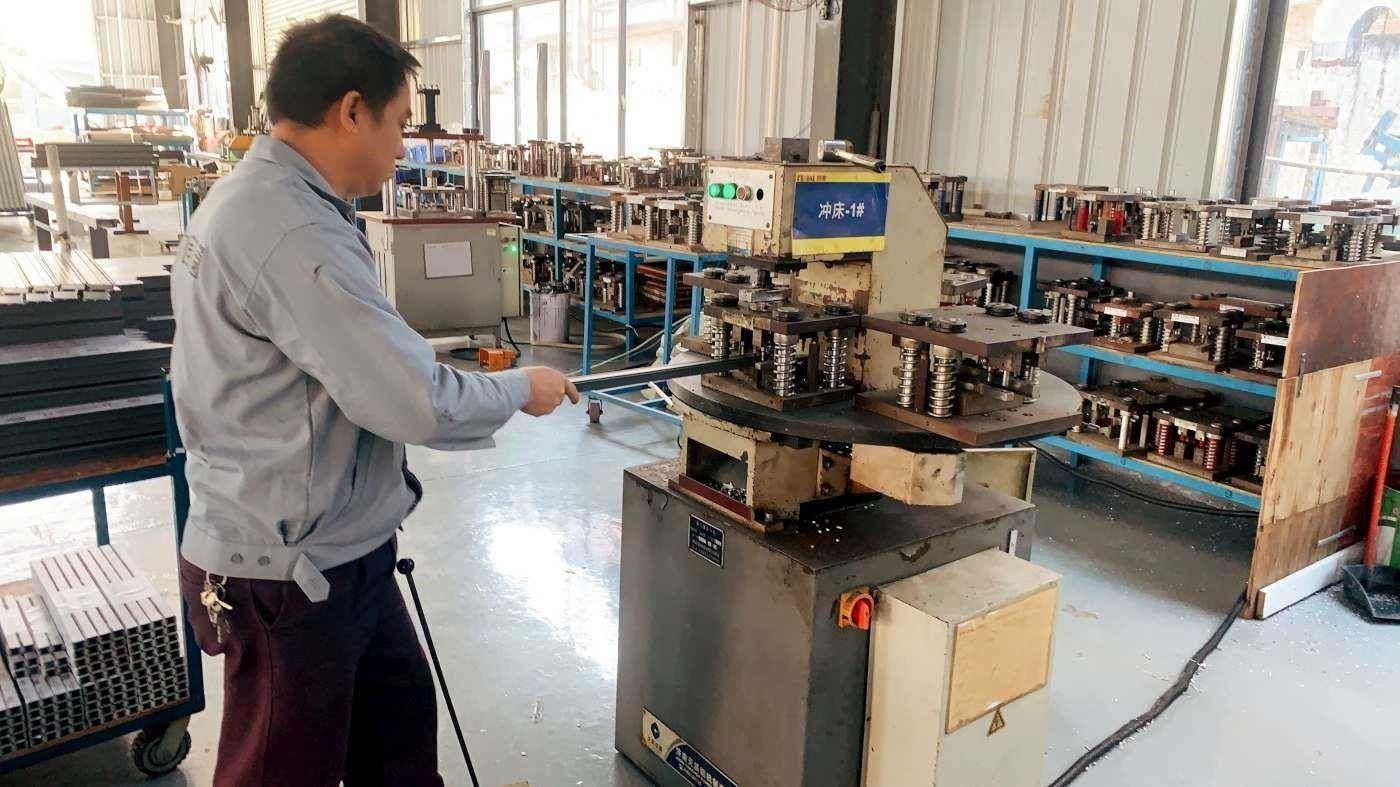
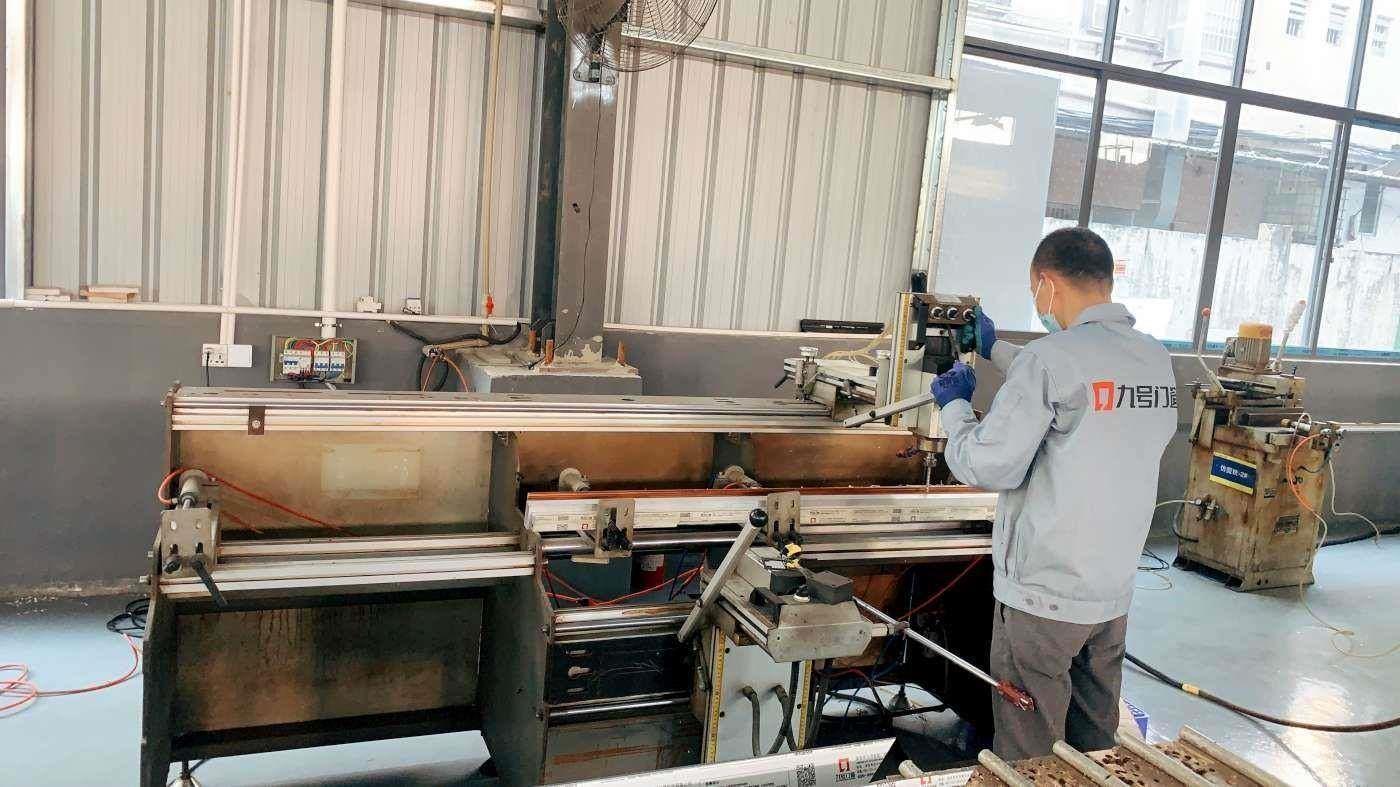
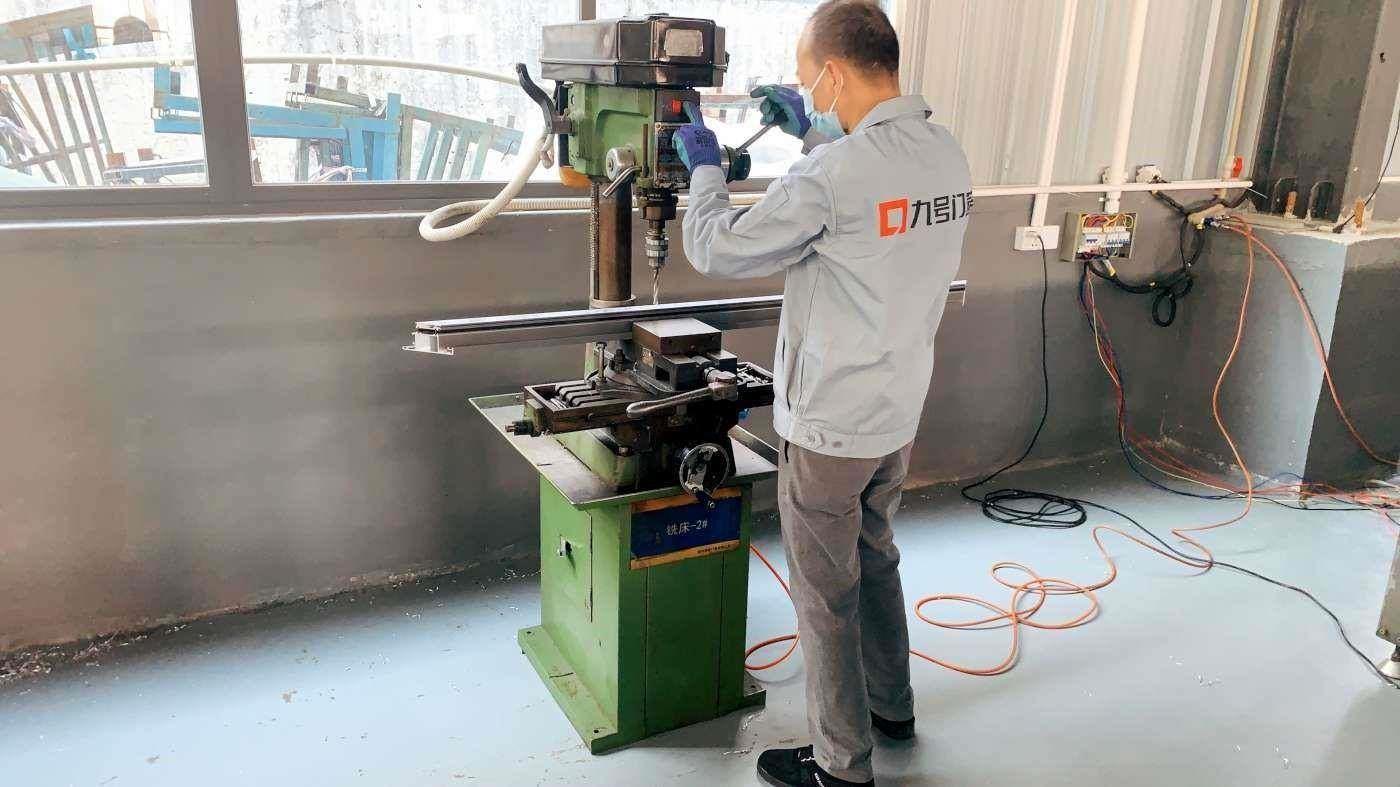
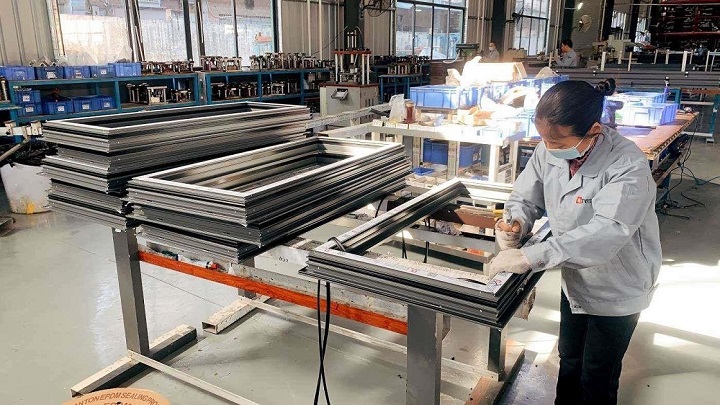
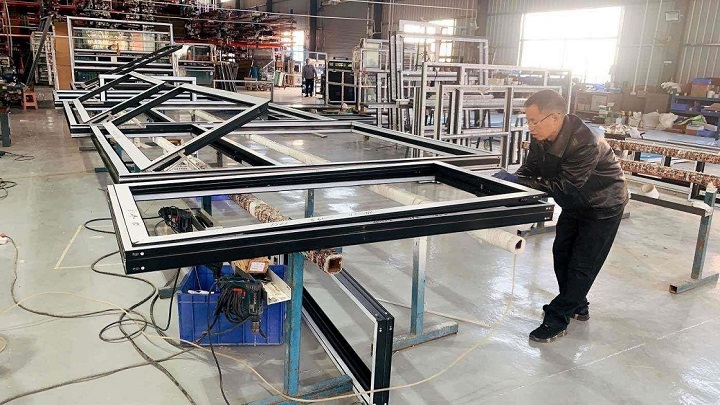
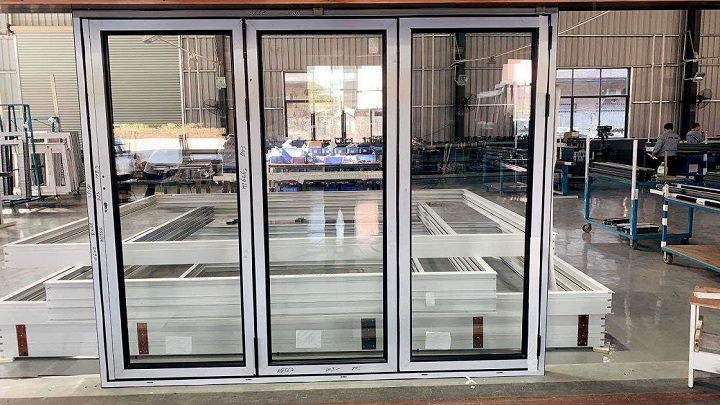
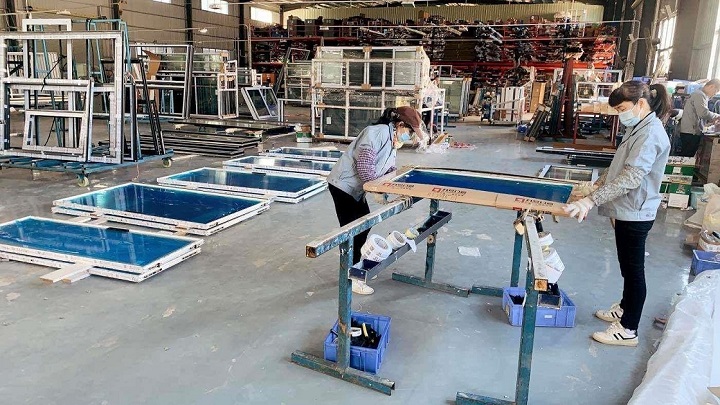
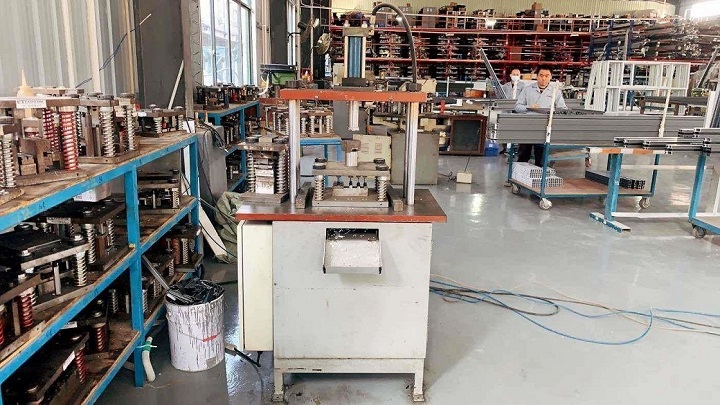
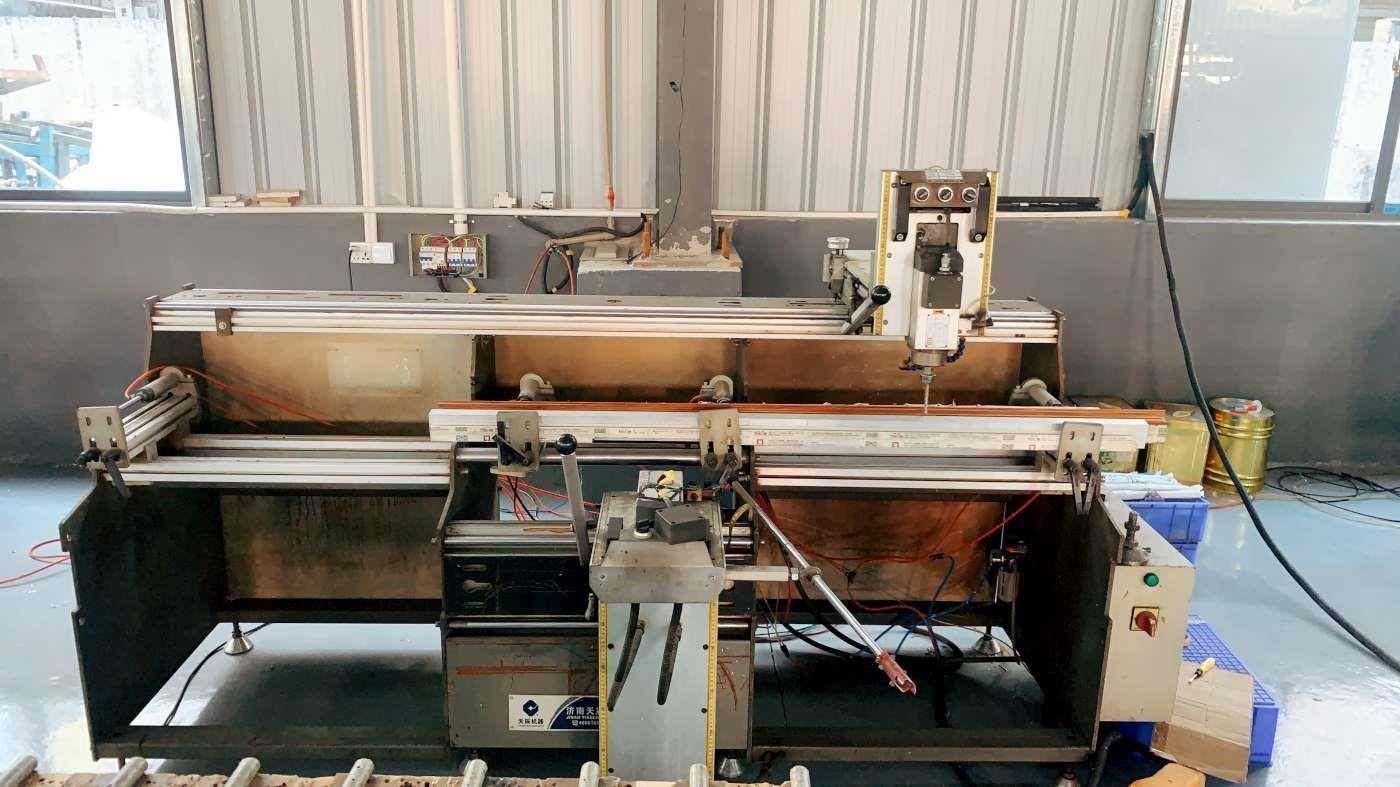
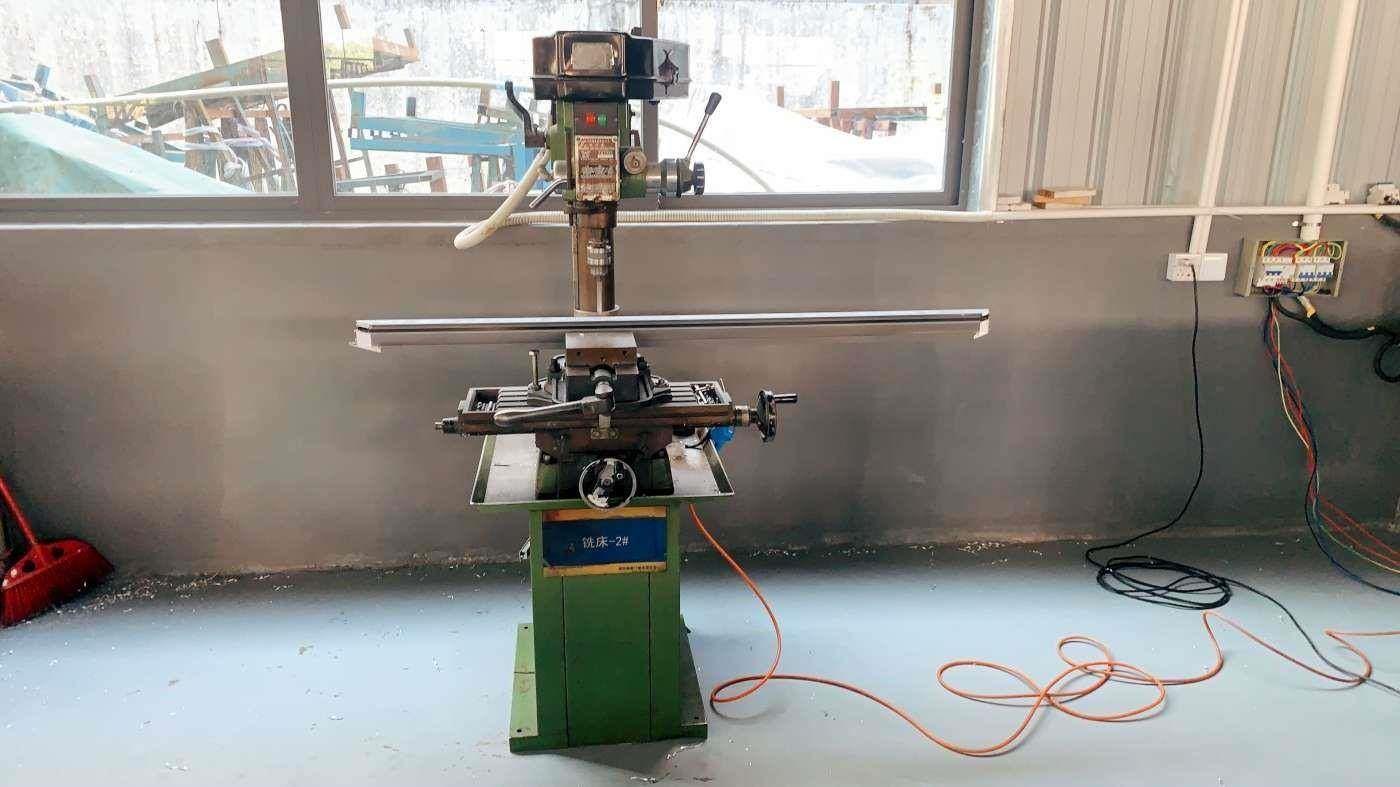
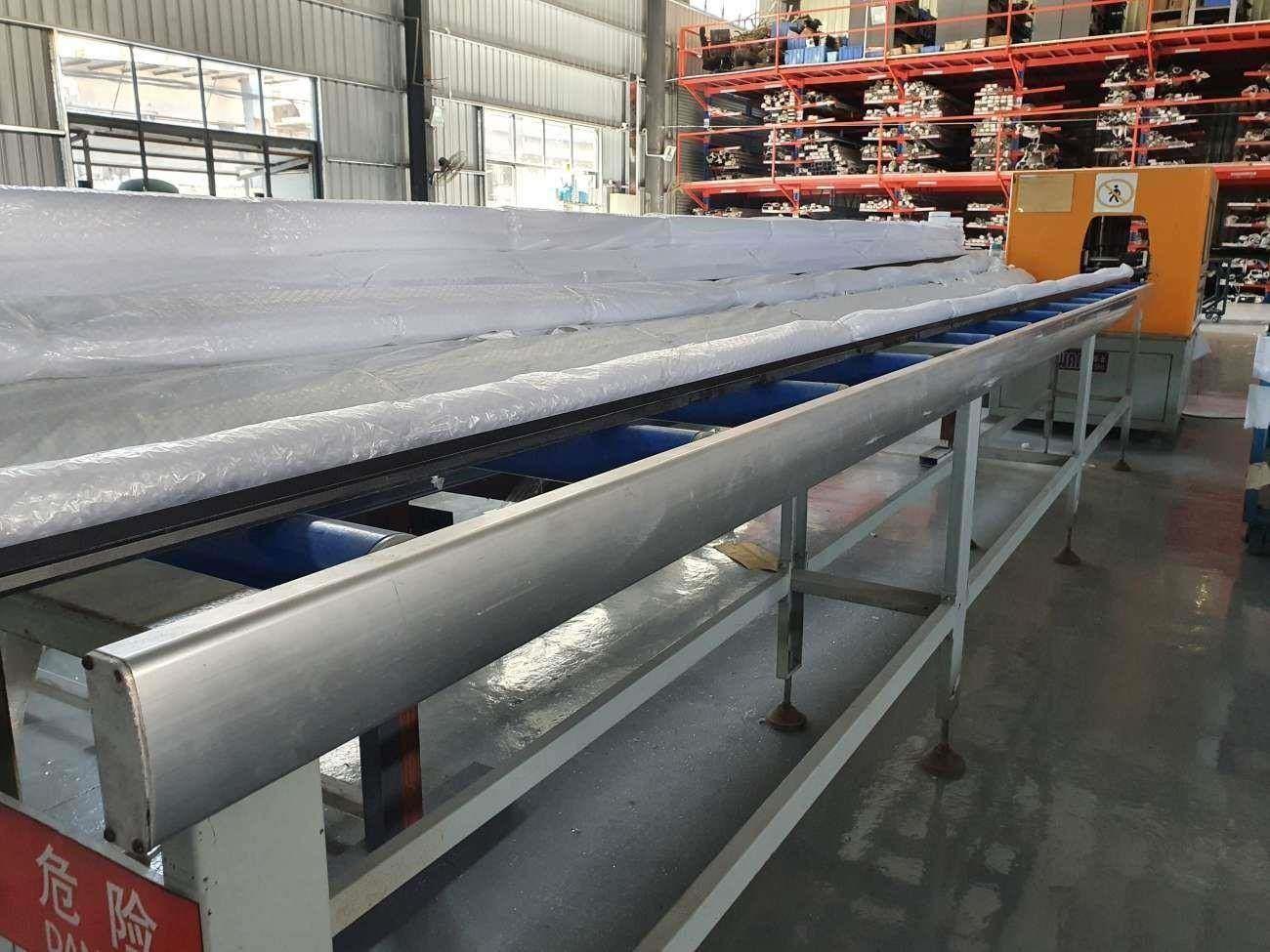
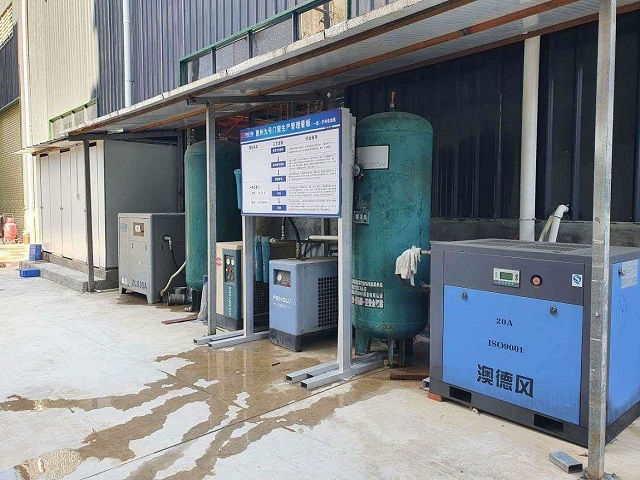
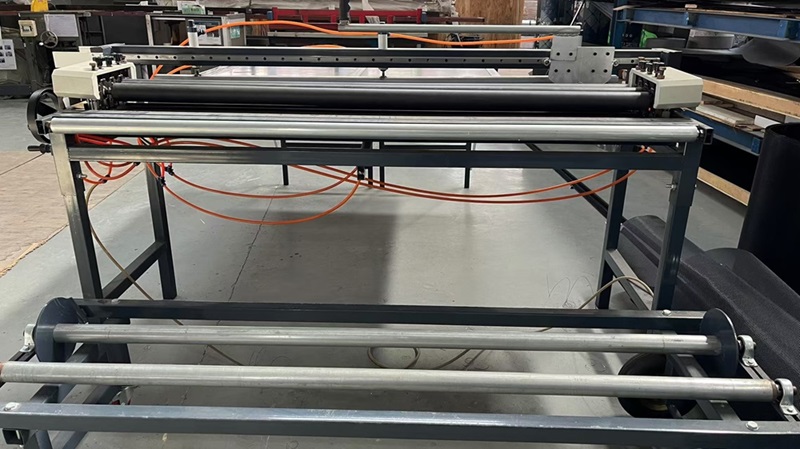
Automated High-Precision Machinery Operating within CNC Tolerance Limits of ±0.01mm
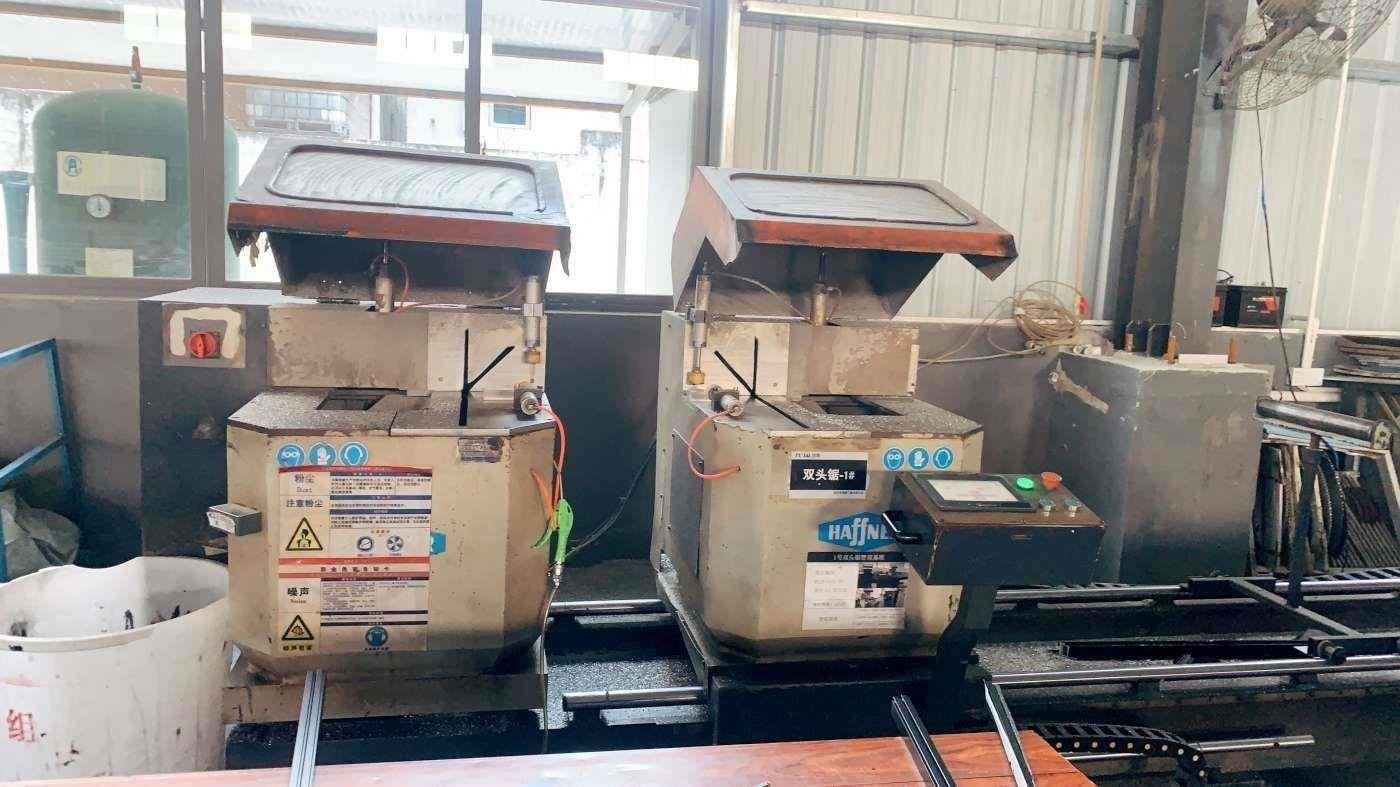
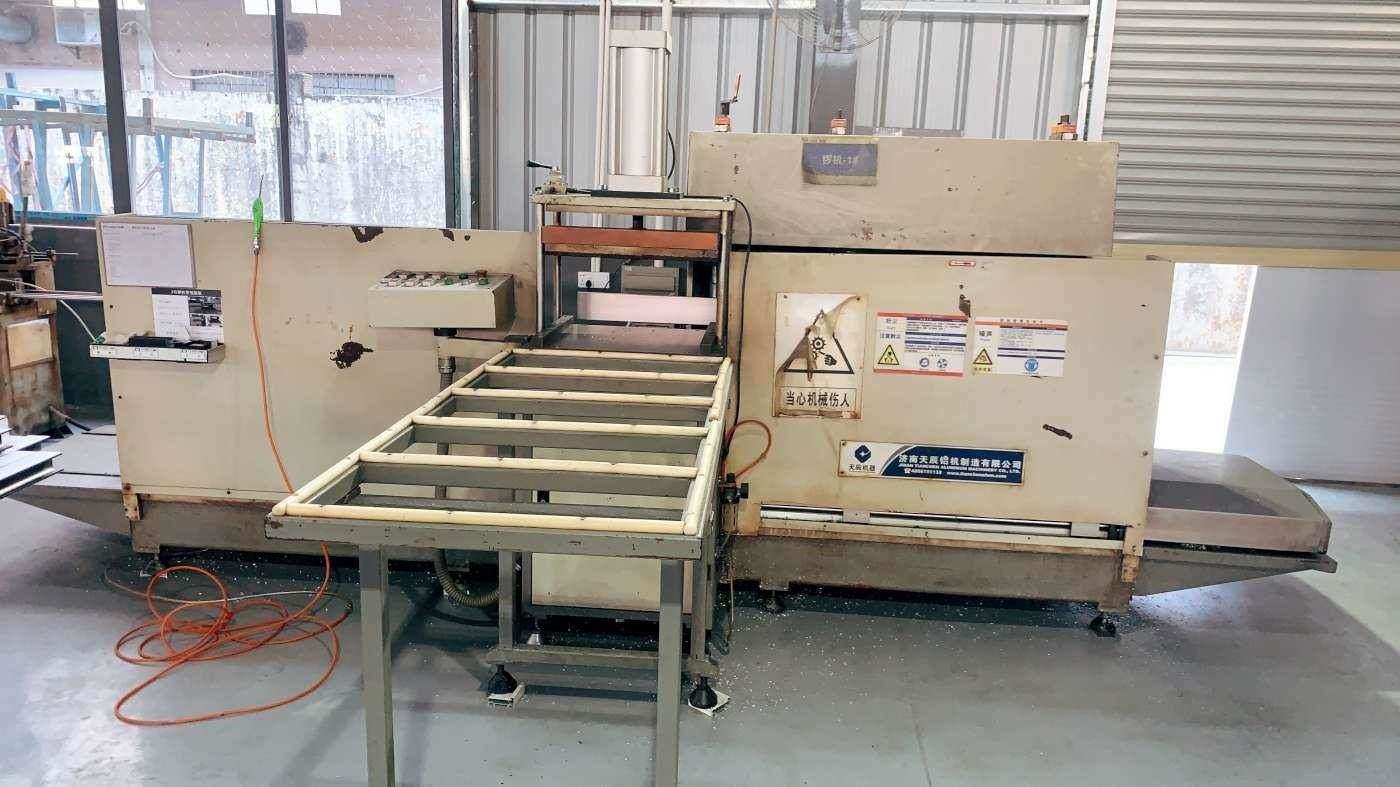
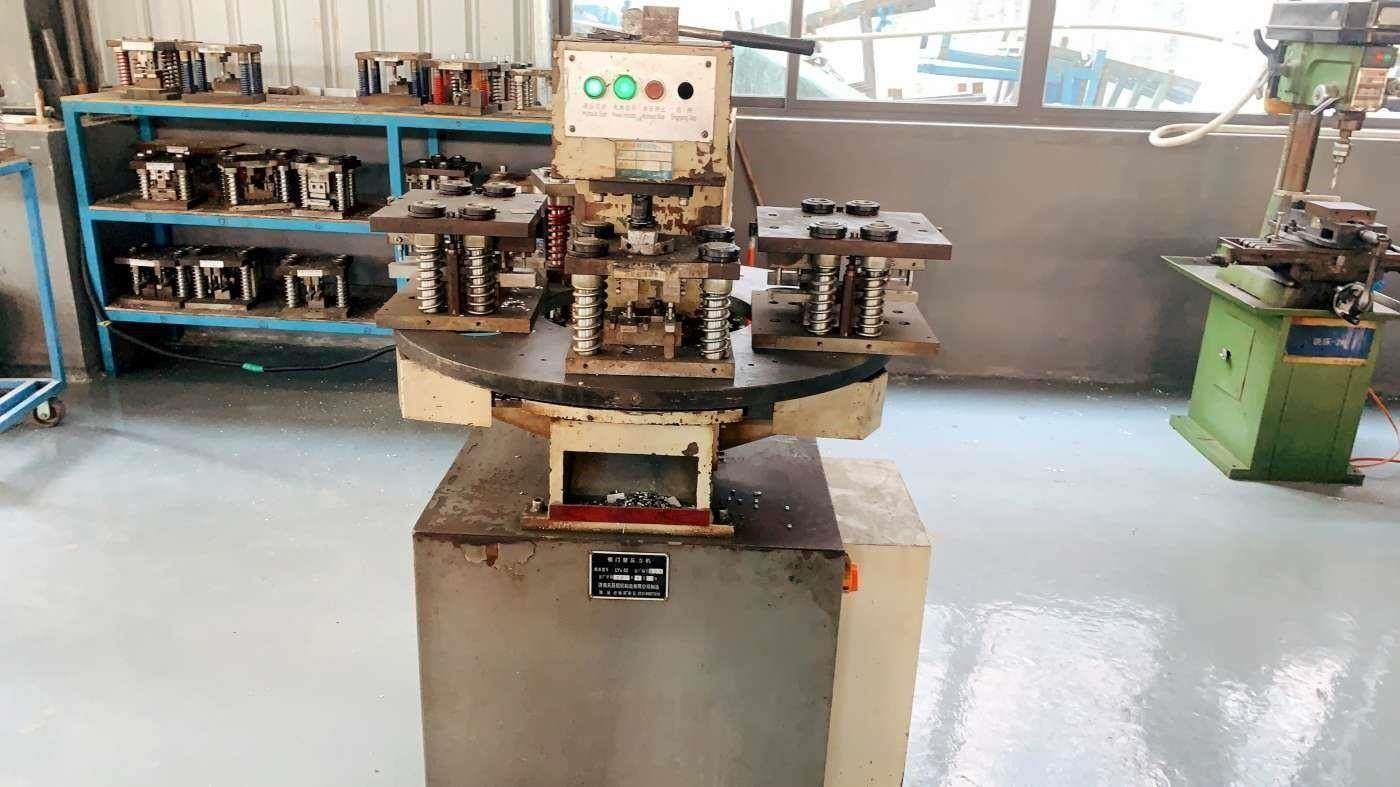
Tailored Fenestration Engineering for Diverse Commercial and Residential Architectures
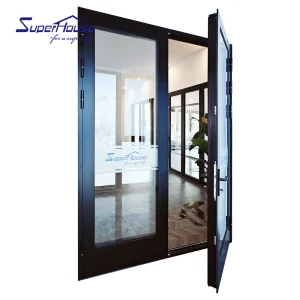
Designed to resist corrosive sea salt air and severe gale forces. Our heavy-duty thermal break sliding and pivot doors utilize 316 stainless steel multi-point hardware, dynamic EPDM weather seals, and surface-treated Fluorocarbon (PVDF) coatings exceeding 1,000 hours of continuous salt-spray testing.
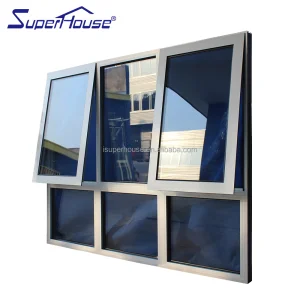
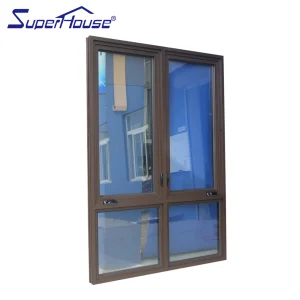
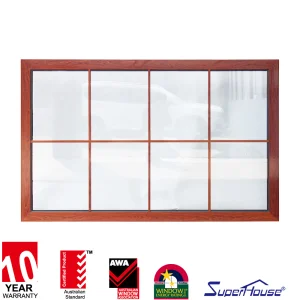
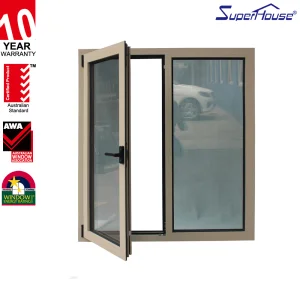
Meeting rigorous acoustic attenuation (STC 40+) and high windload resistance standards. Engineered with tilt-and-turn functionality and fixed picture windows to optimize interior thermal balance, safety, and daylighting efficiency in modern urban skyline developments.
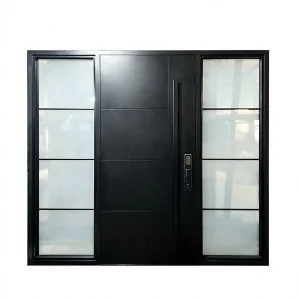
High-traffic smart access entry doors equipped with integrated biometric sensors, motorized locking mechanisms, and heavy-duty concealed closers. Fully customizable glass inserts provide branding visibility while keeping HVAC loss to an absolute minimum.
In-Depth Answers to Critical Sourcing, Technical Certification, and Manufacturing Questions
Our aluminum entrance doors, sliding systems, and window series comply with rigorous global codes. For North America, selected products feature NFRC thermal performance ratings and Florida Miami-Dade NOA (Notice of Acceptance) for High-Velocity Hurricane Zones (HVHZ). For Australia and New Zealand, our profile systems are tested and certified under AS2047 and AS1288 standards covering structural deflection, air infiltration, and water resistance.
Standard aluminum conducts thermal energy rapidly. A thermal break door integrates a low-conductive polyamide strip (PA66GF25) between the exterior and interior extrusions. This barrier prevents thermal bridging, reducing condensation risk and decreasing total thermal transmittance (U-factor), allowing buildings to lower HVAC heating and cooling expenses significantly.
We provide full structural and architectural customization: customizable frame profile depths, triple or double IGUs with frosted, low-E, or decorative grilles, fluorocarbon powder-coated or anodized color finishes (RAL system), specialized hardware setups (German SIEGENIA, HOPO, or custom local specs), and smart access systems (fingerprint, keypad, mobile app).
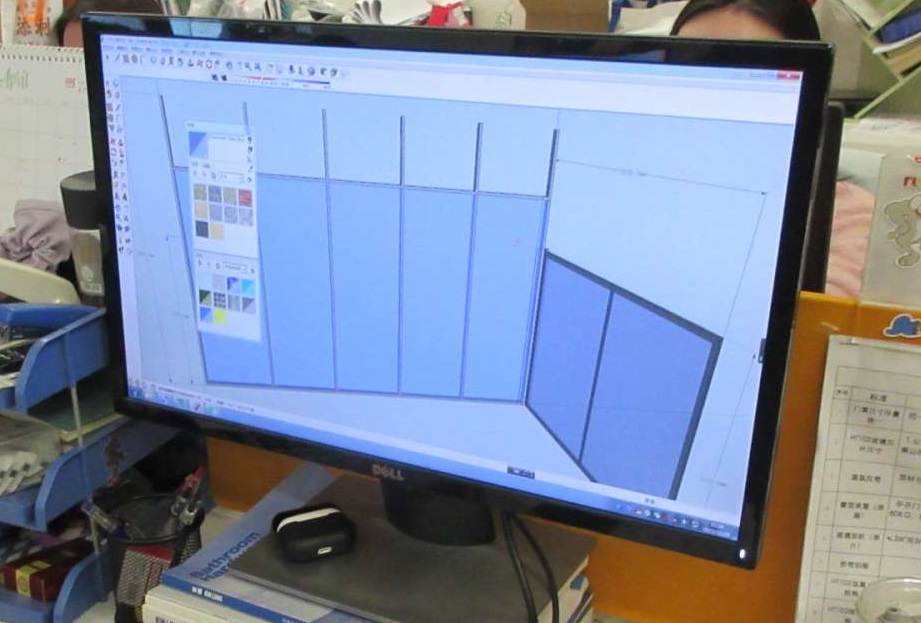
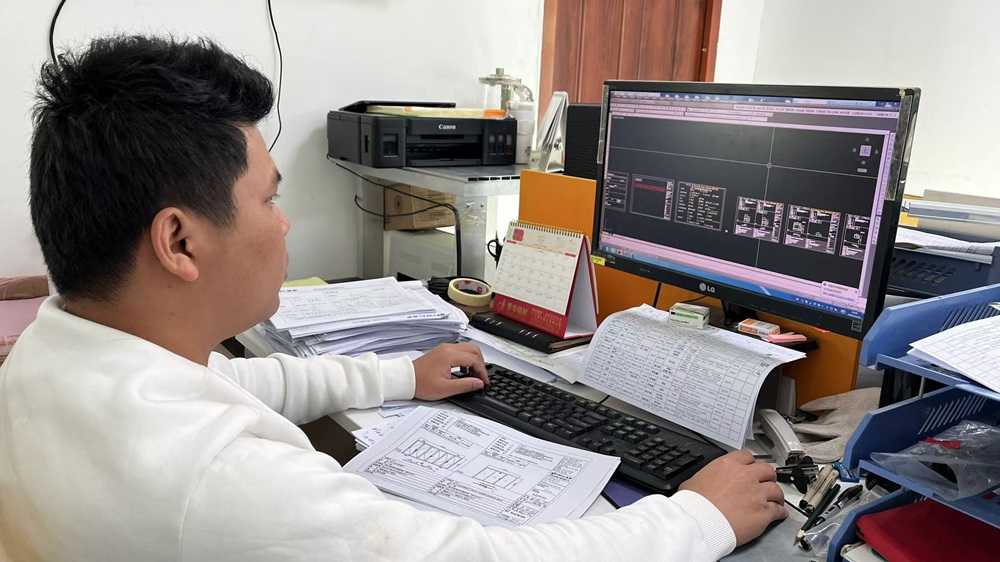
Standard lead time ranges between 25 to 35 days from finalized CAD shop drawings. Every product undergoes strict IQC-IPQC-FQC protocol overseen by our 22-person quality team. Units undergo corner structural testing, water spray tightness testing, thermal simulation checking, and pre-assembly commissioning before being wrapped in multi-layer protective packaging for ocean transport.
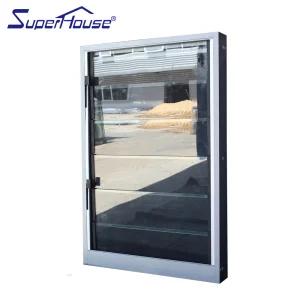
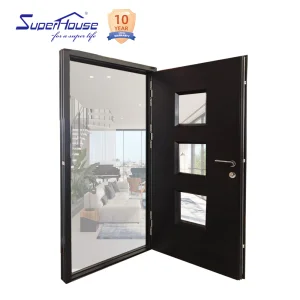
Explore our specialized impact casement doors, smart access security systems, and high-efficiency picture windows.
 Primeval Doors