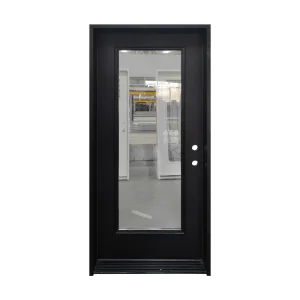
Explore our premier export-grade aluminum entry systems and architectural windows engineered for storm resistance, thermal efficiency, and soundproof performance.
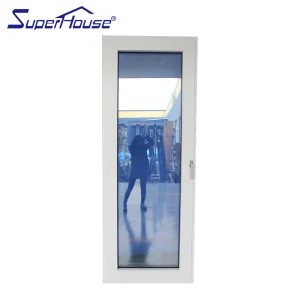
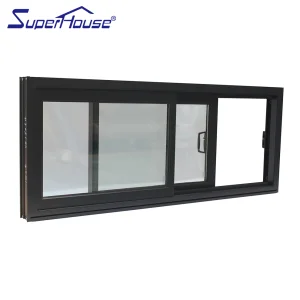
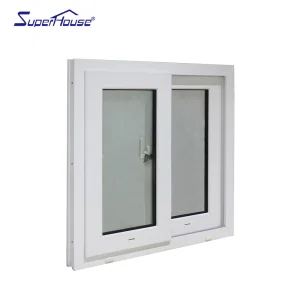
The international architectural fenestration market has experienced a fundamental paradigm shift. Today's global buyers—spanning real estate developers, building material wholesalers, structural engineers, and architectural designers—no longer evaluate suppliers merely on unit pricing. Modern procurement demands stringent compliance with localized thermal codes (such as California Title 24, NFRC thermal ratings, and Australian AS2047 standards), validated hurricane impact resistance (Miami-Dade NOA approvals), and complete supply chain transparency.
As China remains the world's epicenter for architectural aluminum manufacturing, identifying top-tier exporters who possess true engineering depth is vital. Leading suppliers are distinguished by their ability to bridge Asian manufacturing efficiencies with Western regulatory rigor, delivering custom thermal break systems, multi-point locking security, and high-durability surface coatings capable of enduring salt-spray coastal environments.
Established in 2017, Foshan Primeval Doors Industry Co., Ltd. operates from a state-of-the-art 12,000 m² manufacturing plant located in Foshan—the global core of China's aluminum processing ecosystem. Anchored by 11 years of deep industry engineering expertise and 5 years of focused international export trade, the enterprise generates an annual export revenue reaching USD 8,500,000.
Quality assurance is executed through an uncompromising, multi-tier inspection methodology structured around IQC (Incoming Quality Control), IPQC (In-Process Quality Control), and FQC (Final Quality Control). A specialized unit of 22 quality control engineers monitors every phase of fabrication.
Driven by relentless technical innovation, Primeval's dedicated R&D organization of 38 experienced engineers introduced 75 new entry door products last year alone. We specialize in private-label OEM export and bespoke architectural customization, serving market leaders across Australia, New Zealand, and North America.
When evaluating high-end aluminium entry doors, architectural buyers must analyze critical structural parameters. Aluminum alloy selection, thermal break technology, glazing composition, and multi-point locking integration dictate long-term building envelope durability.
| Technical Parameter | Standard Specification | High-Performance Export Standard | Engineering Benefit |
|---|---|---|---|
| Aluminium Profile Alloy | 6063-T5 Standard Extrusion | 6063-T6 High-Tensile Structural Alloy | Higher yield strength, resisting structural distortion under extreme wind loading. |
| Thermal Barrier Technology | PVC or Pour-and-Debridge | PA66-GF25 Polyamide Struts (25% Glass Fiber) | Prevents thermal transfer; drastically reduces U-Factors to meet Passive House energy codes. |
| Glazing Unit (IGU) | Single / Standard Double Tempered | Triple Tempered + Low-E Coating + Argon Gas | Maximizes solar heat gain mitigation (SHGC) while insulating against acoustics (STC 40+). |
| Surface Coating Durability | Standard Powder Coating (50μm) | AkzoNobel Fluorocarbon PVDF / Anodized 25μm | Resists UV degradation, chalking, and salt corrosion for 15-25 years in coastal zones. |
| Hardware & Lock Mechanisms | Single Latch Lockset | German / Custom Multi-Point Mortise Locks | Distributes pressure uniformly along the frame for maximum burglar and air-water tightness. |
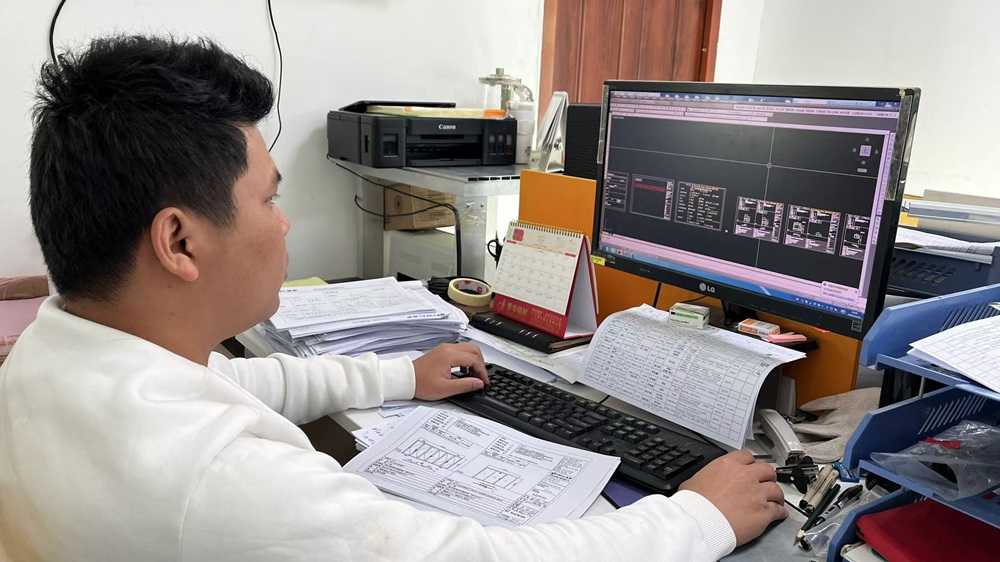
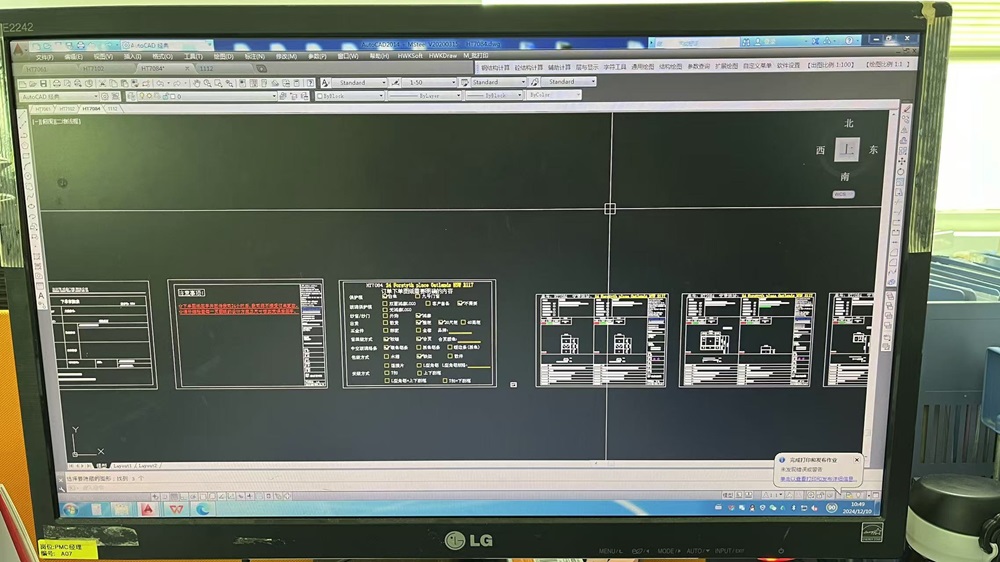
Precision engineering requires automated technology and strict protocol execution. Below is a comprehensive visual walkthrough of Foshan Primeval Doors' production workflow and specialized machinery ecosystem.
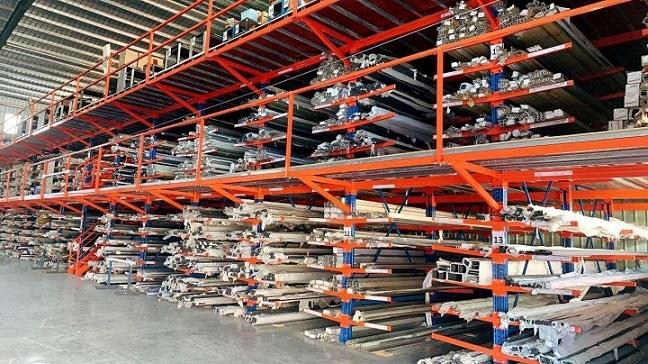
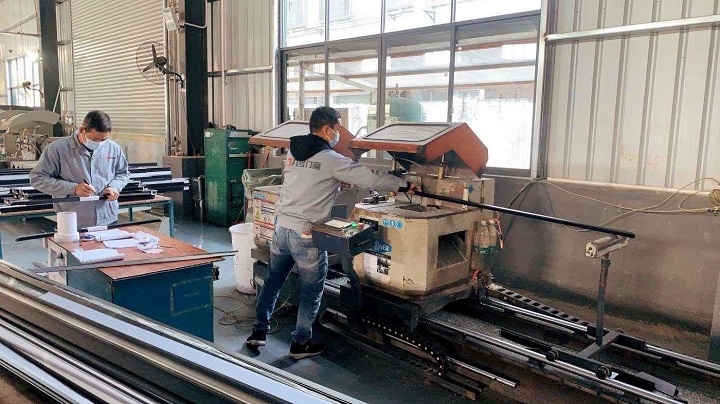
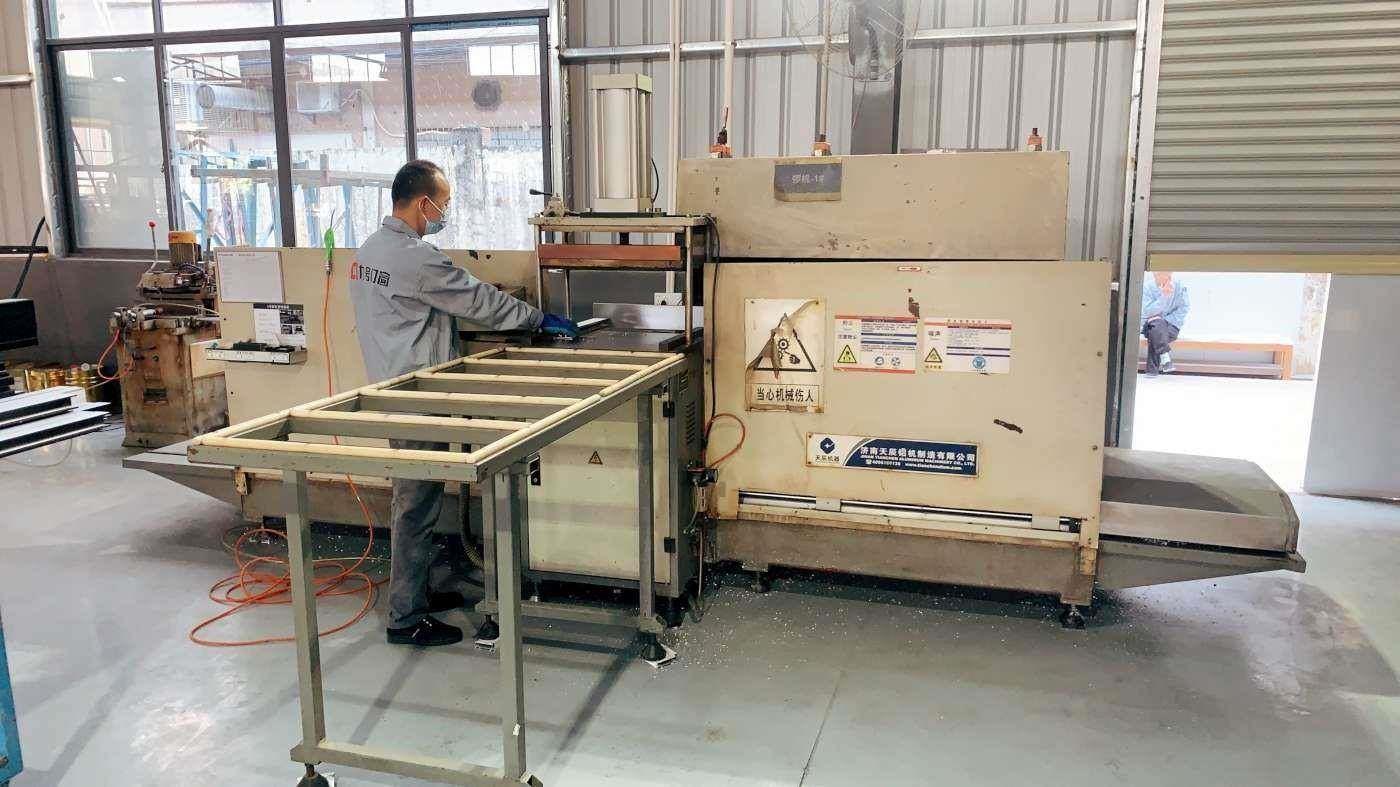
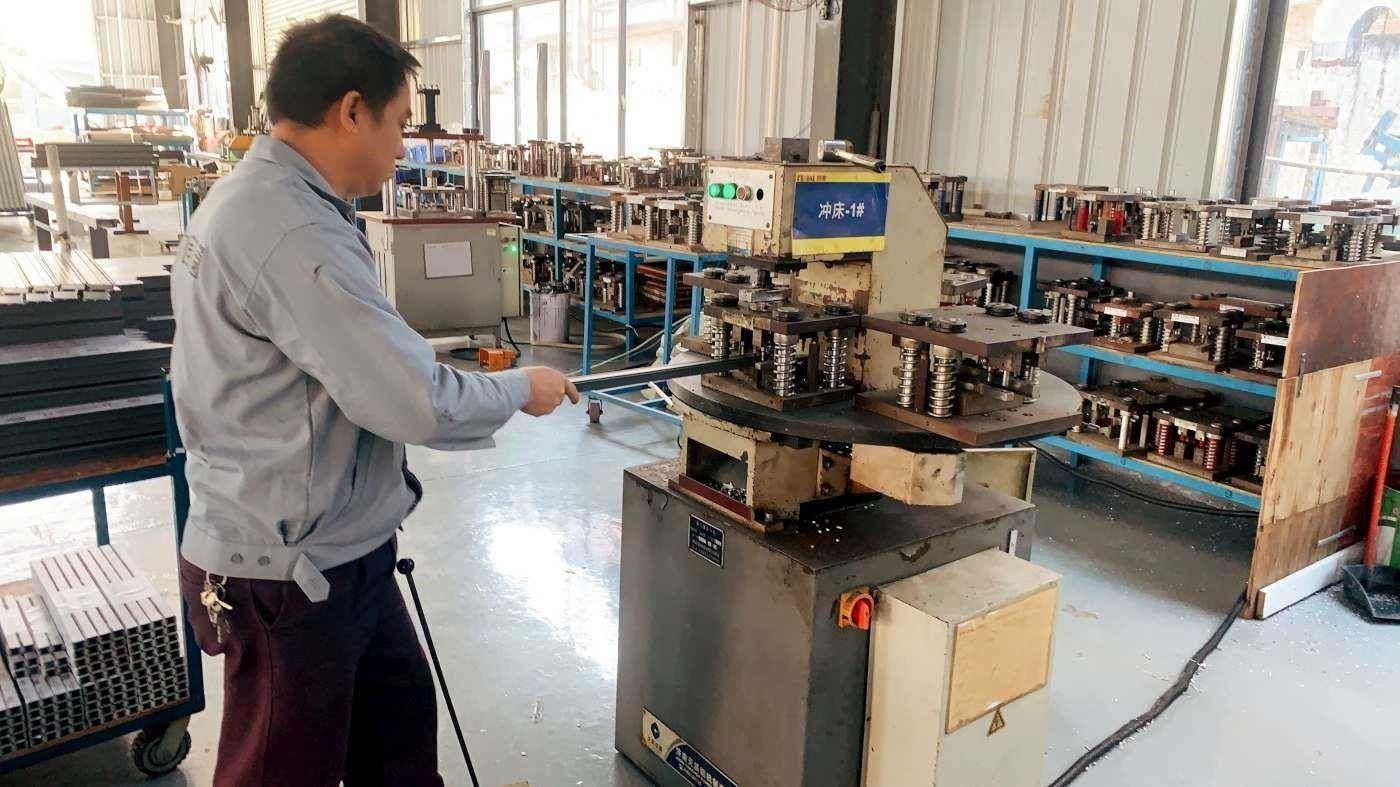
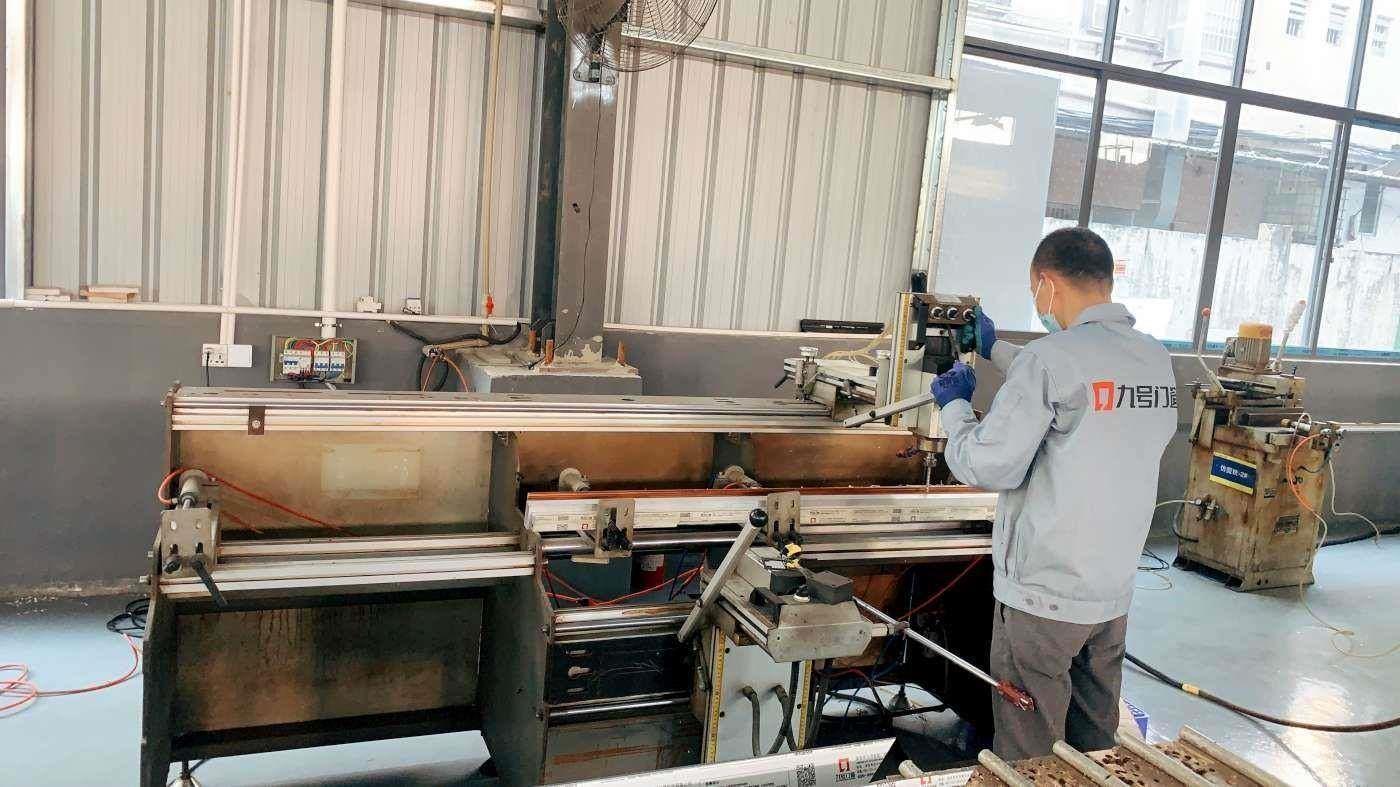
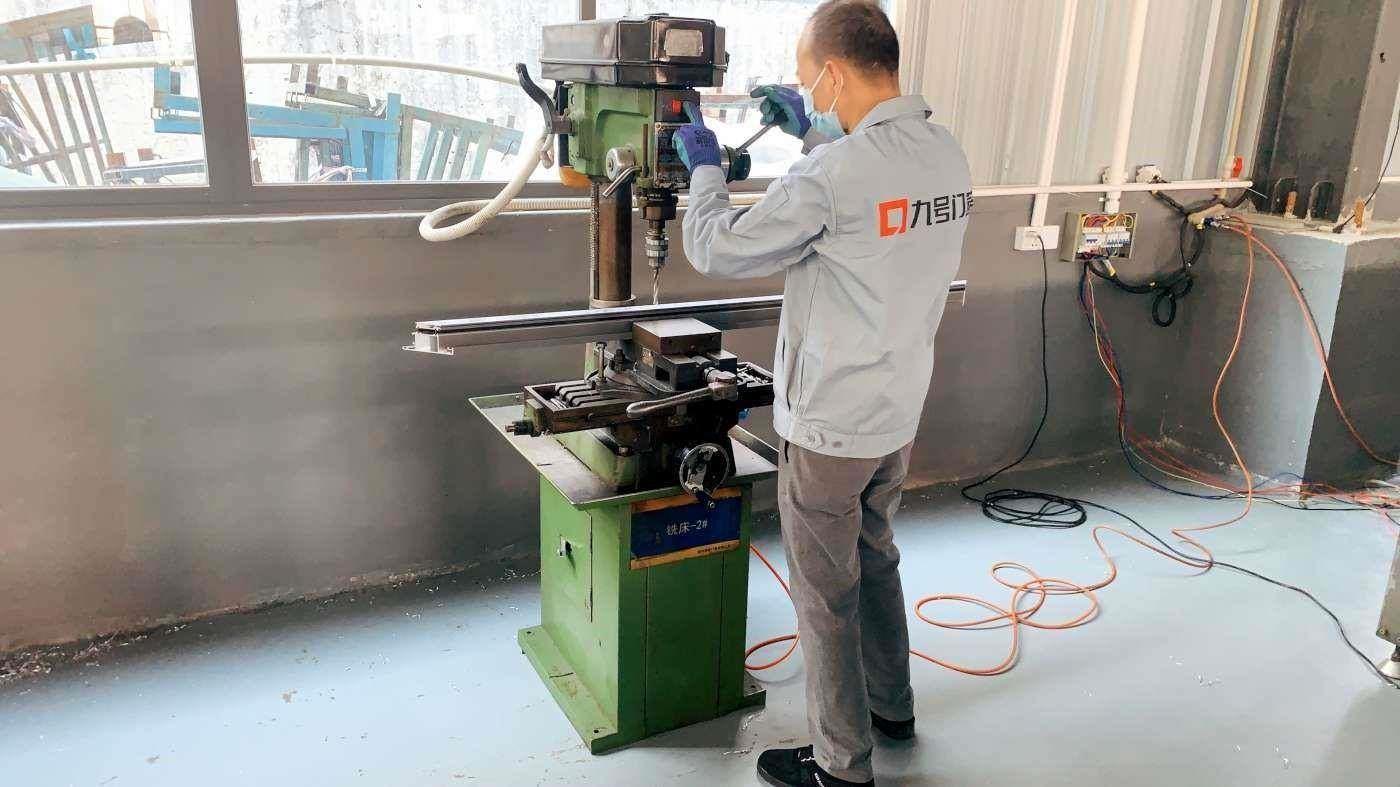
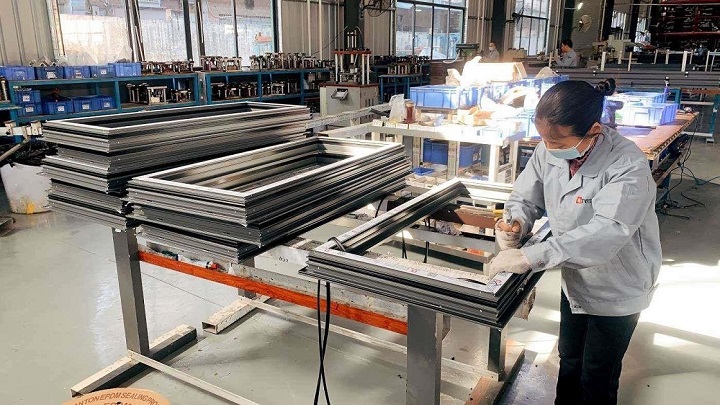
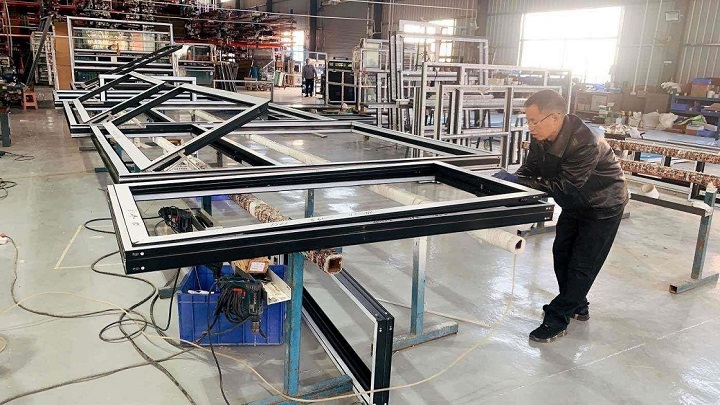
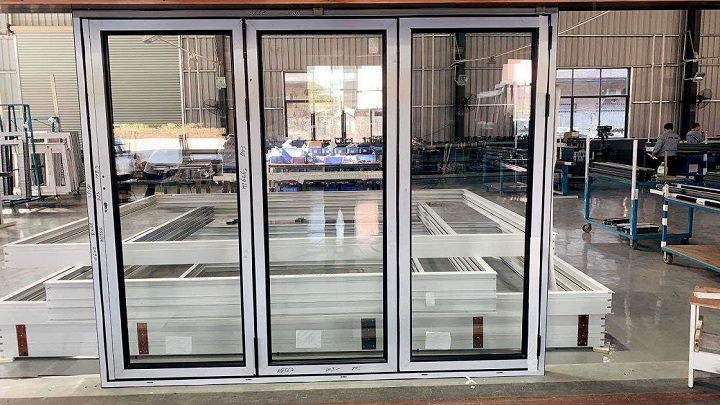
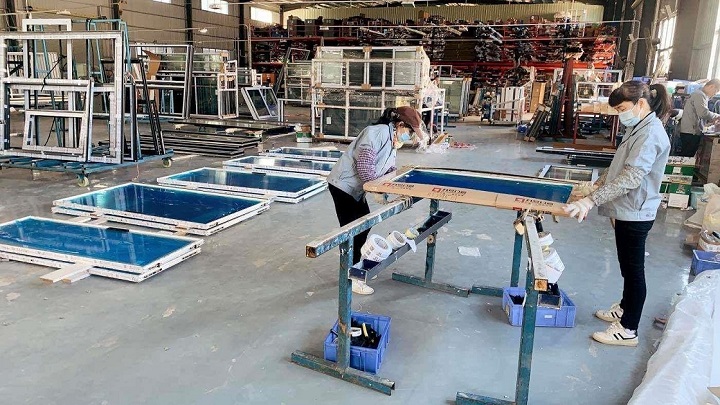
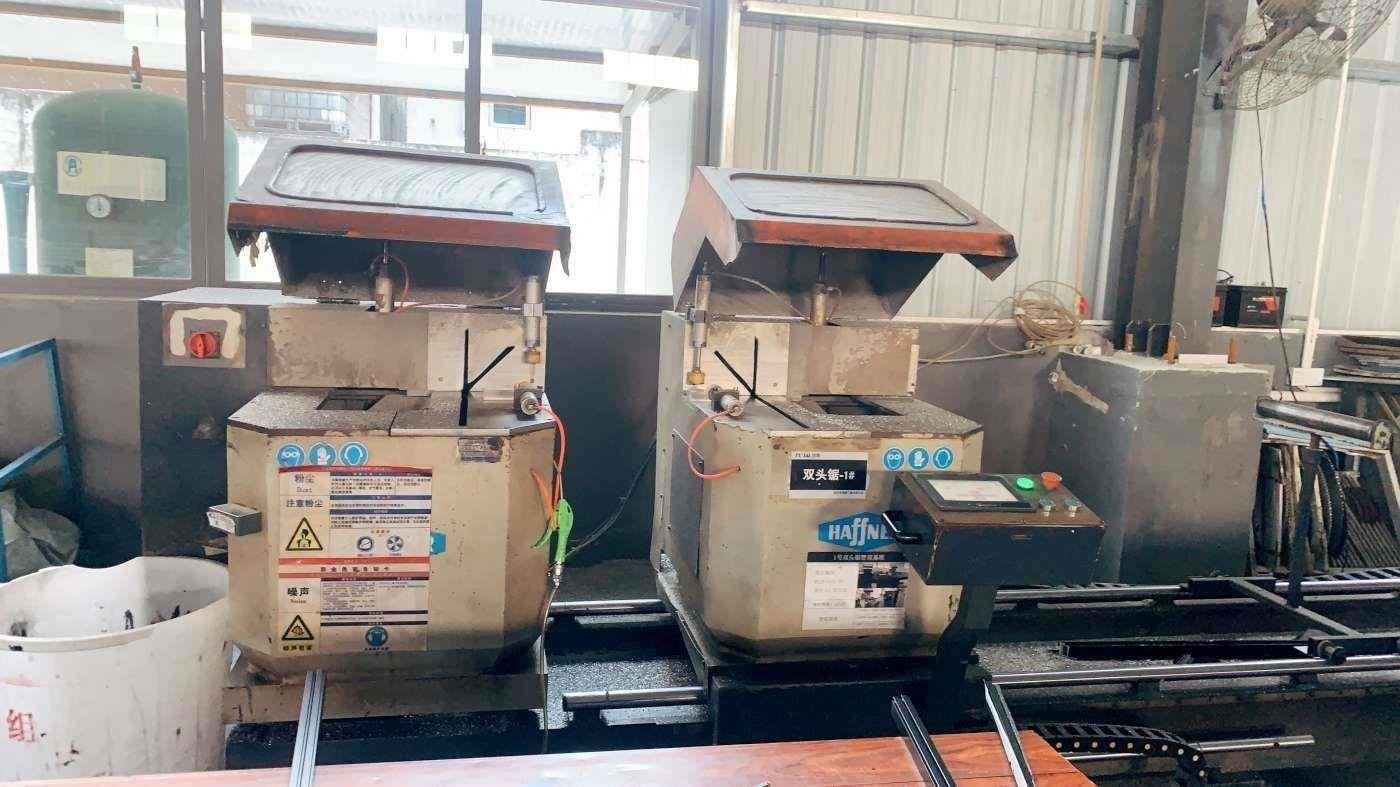
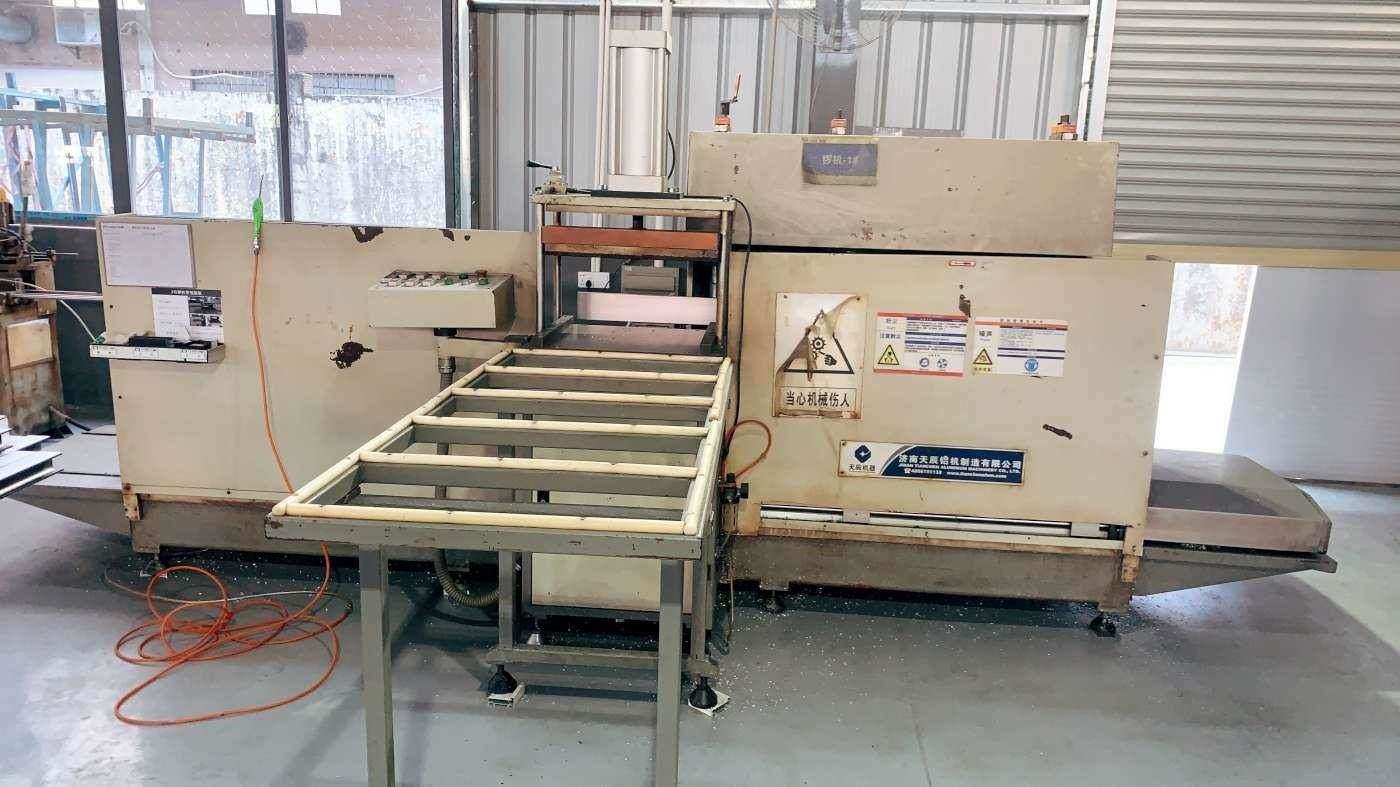
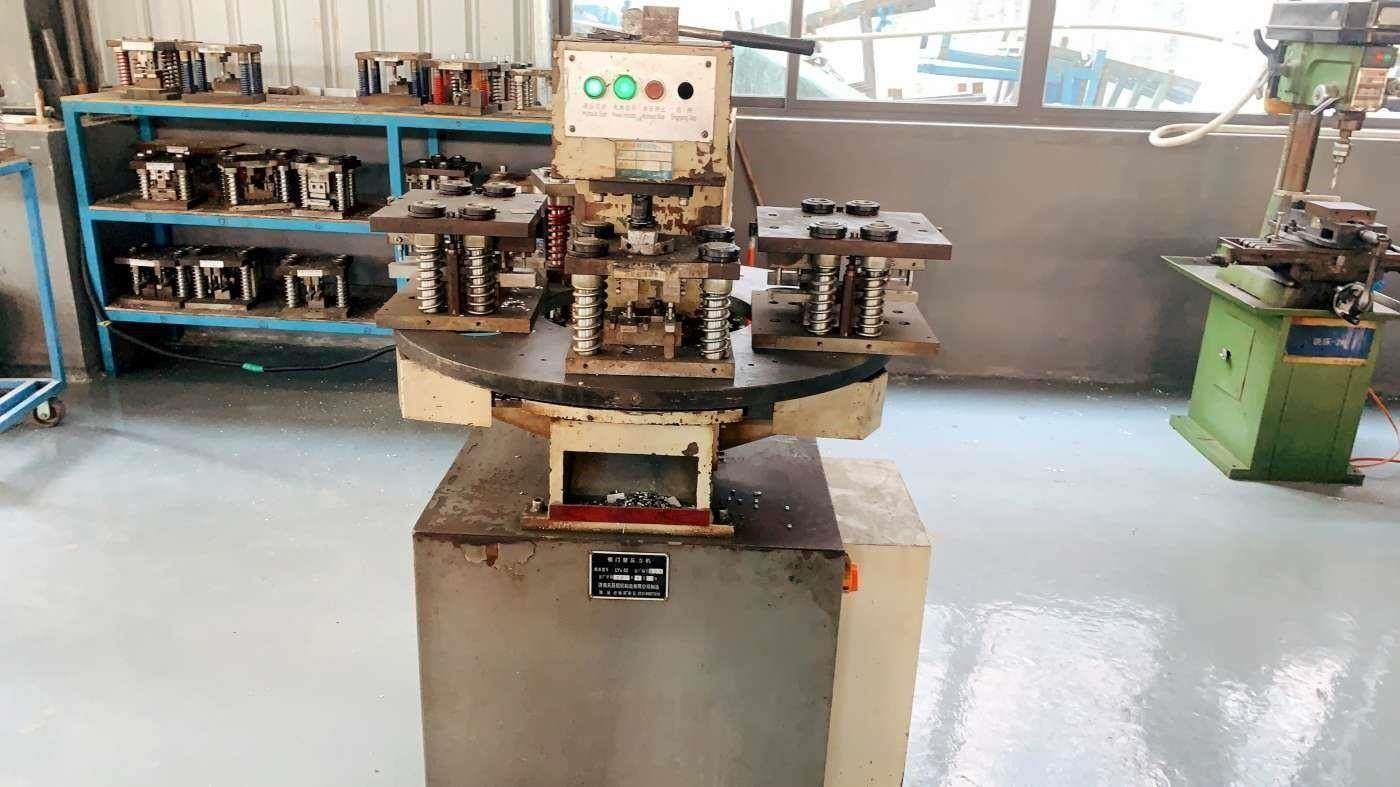
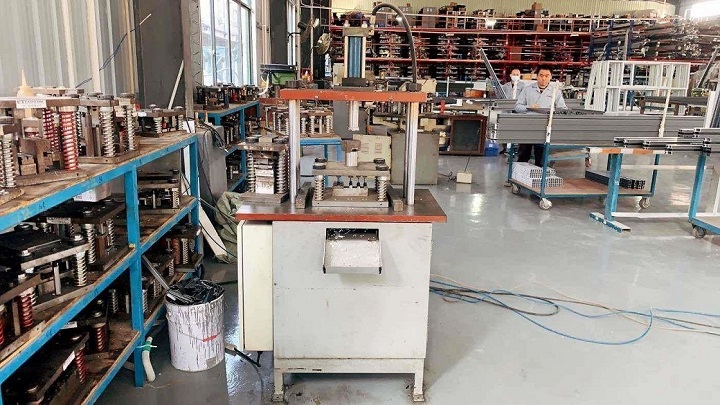
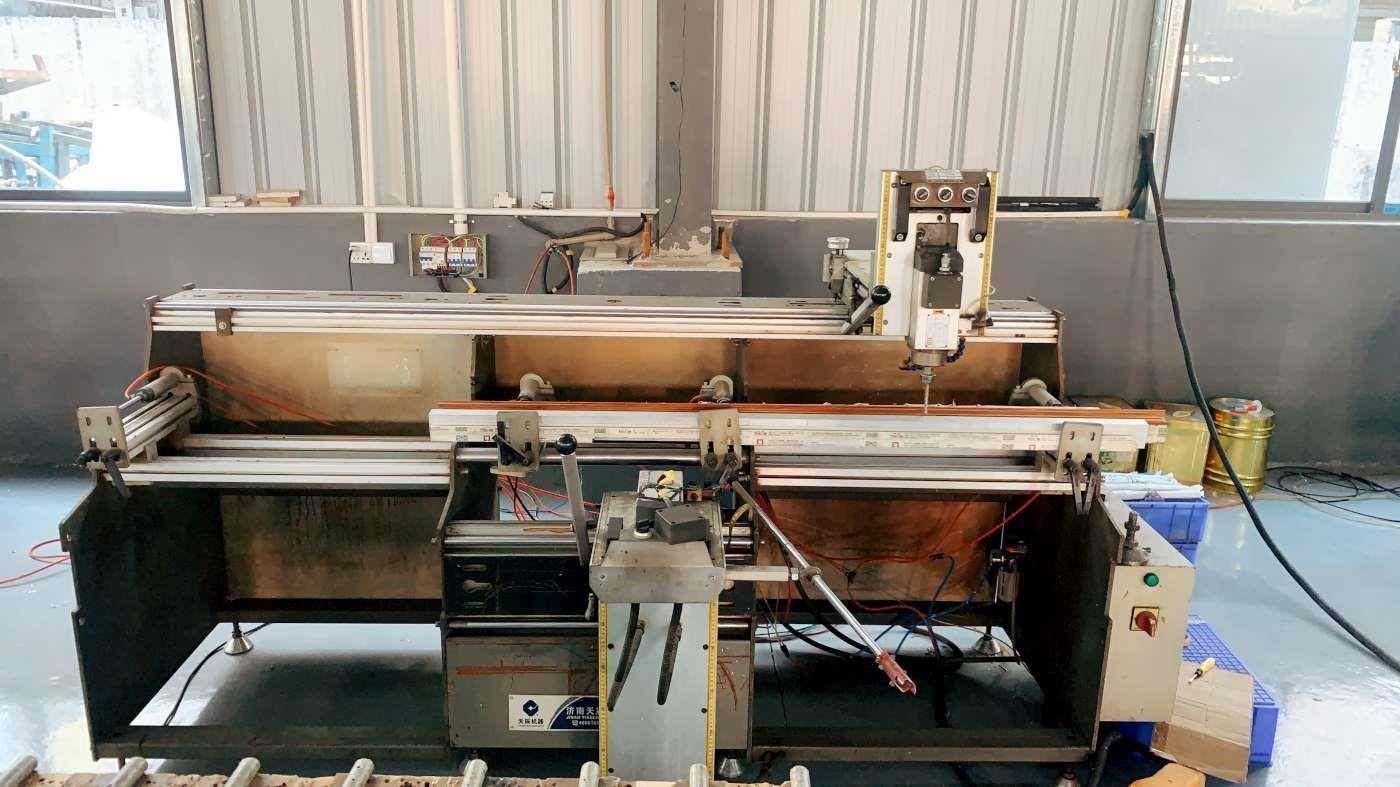
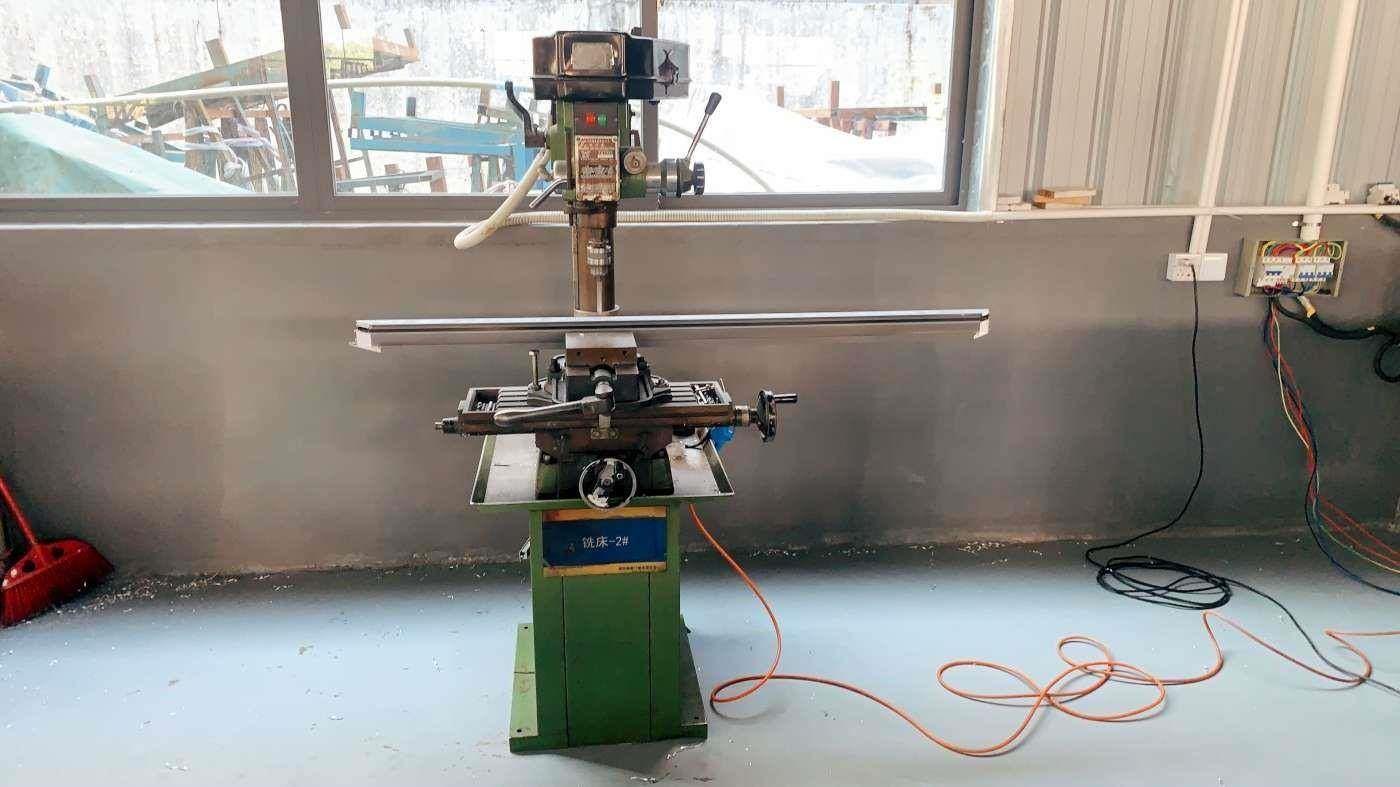
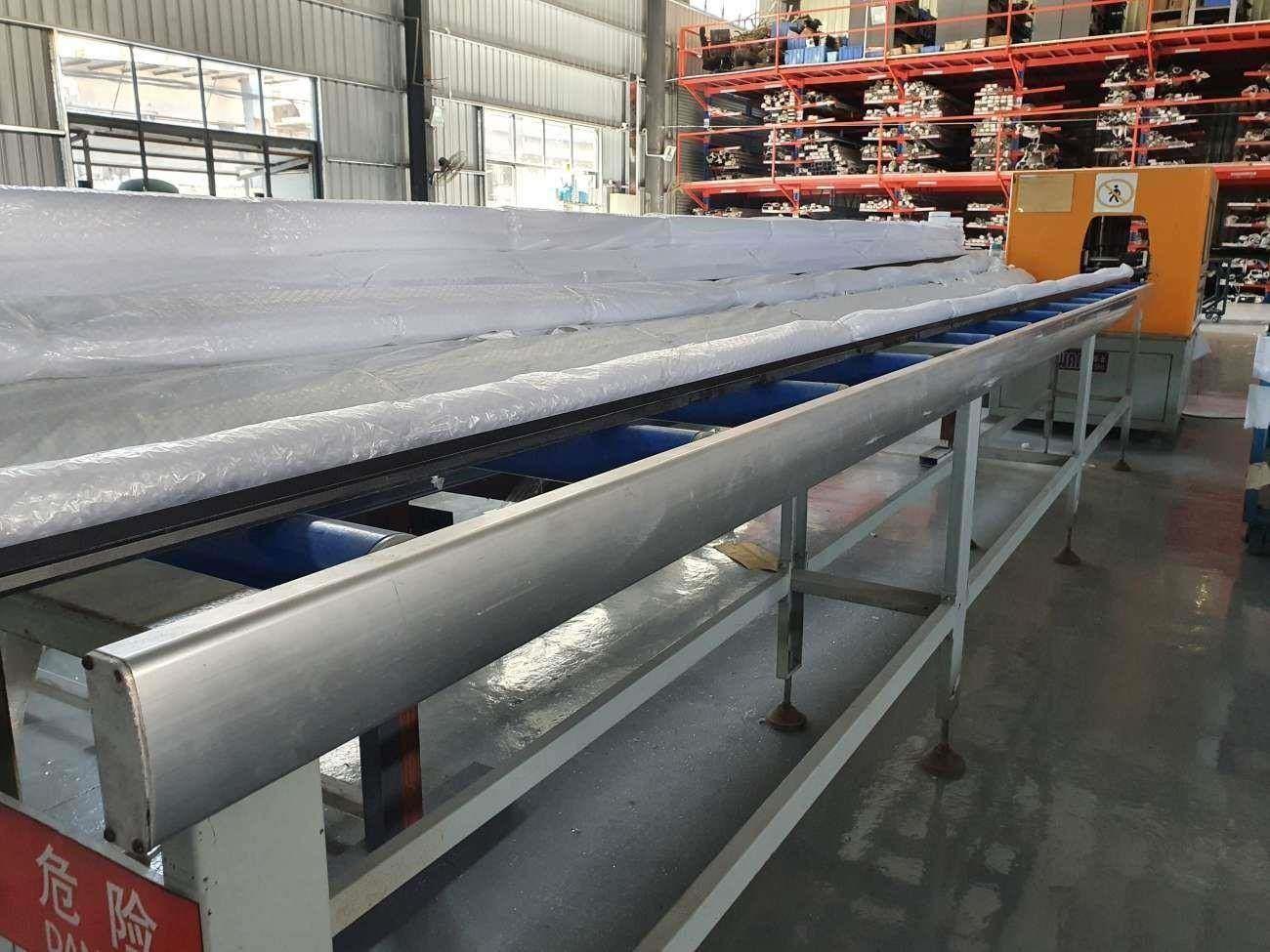
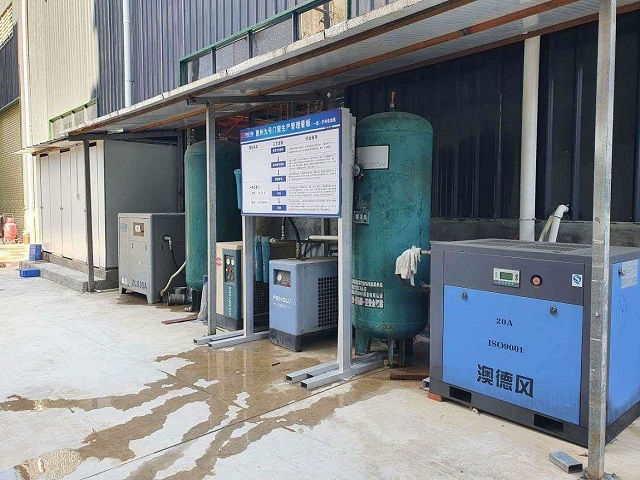
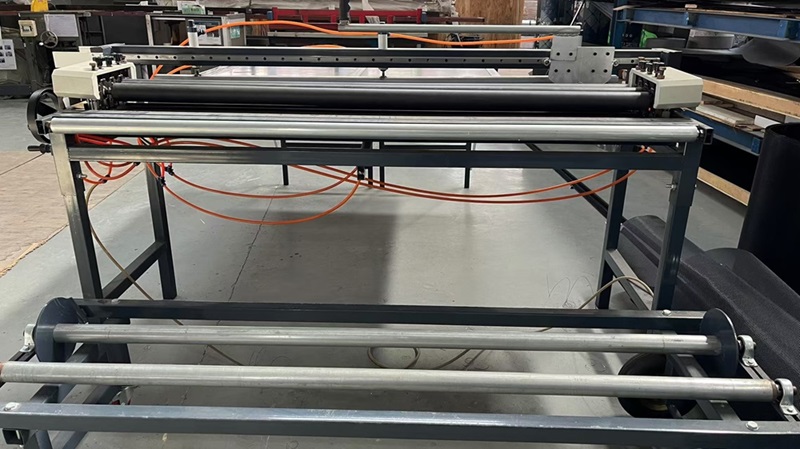
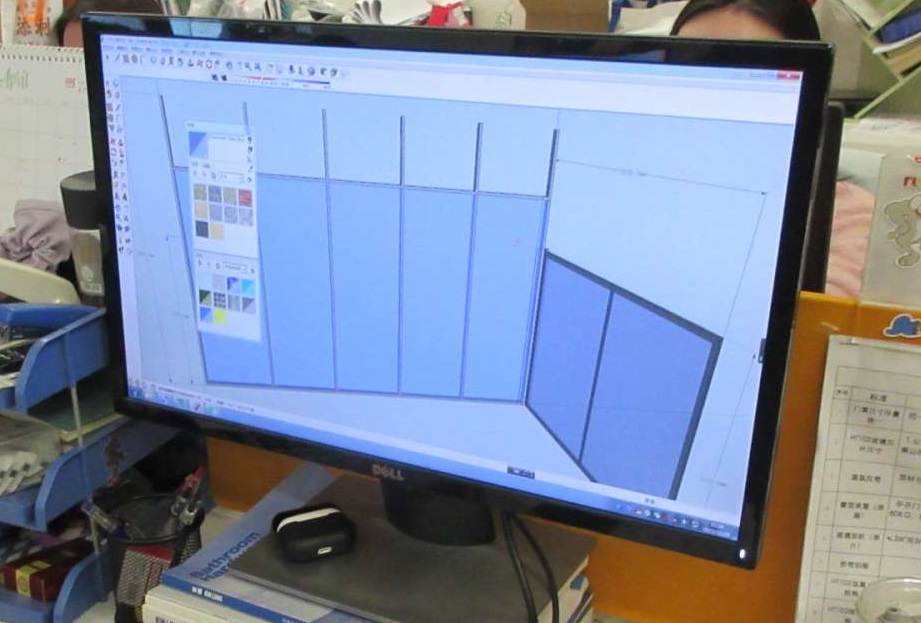
Exporting high-end entry door systems requires precise alignment with target market building codes. Operating across primary target markets including North America, Australia, and New Zealand, structural systems are engineered to surpass strict regional criteria:
Key Standards: NFRC (National Fenestration Rating Council), Florida Miami-Dade NOA (Notice of Acceptance), California Title 24 Energy Code.
Engineering Adaptations: Heavy-duty laminated impact glass (SGP interlayer) designed to withstand Category 5 wind loads and missile impact tests. Thermal break profiles achieve Low U-Factors suitable for severe cold northern zones or hot southern coastal regions.
Key Standards: AS2047 (Windows and External Glazed Doors in Buildings), AS1288 (Glass in Buildings), AS1170 (Structural Design Actions).
Engineering Adaptations: Rigorous water penetration pressure ratings (up to 450Pa/600Pa), insect screen integration, and specialized sub-head/sub-sill drainage systems designed for high-UV and storm-prone climates.
Key Standards: High-Salt Atmospheric Resistance (ASTM B117), Sound Transmission Class (STC 40+ Acoustic Mitigation).
Engineering Adaptations: Thick-wall extruded frames with fluorocarbon PVDF coating resisting corrosion from ocean spray, paired with multi-point panic entry hardware for commercial hospitality applications.
Expert answers to technical, logistics, and compliance inquiries encountered by international distributors and architectural contractors.
Browse additional high-demand export models engineered for commercial, residential, and multi-family developments globally.
 Primeval Doors