Explore our engineered lineup of CodeMark, NFRC, AS2047, and Miami-Dade certified waterproof aluminum entrance doors, sliding systems, and hurricane impact fenestration. Designed for extreme pressure differential resistance and superior water tightness.
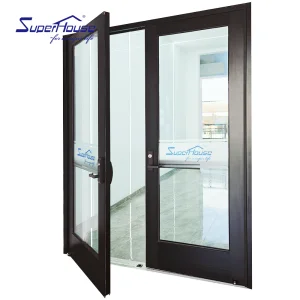
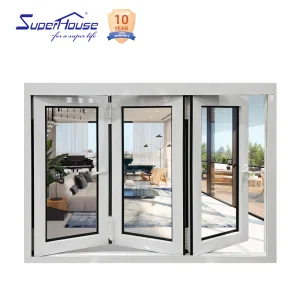
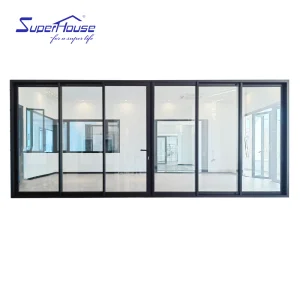
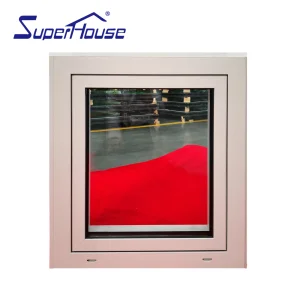
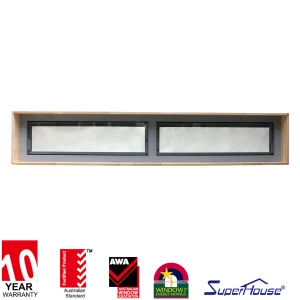
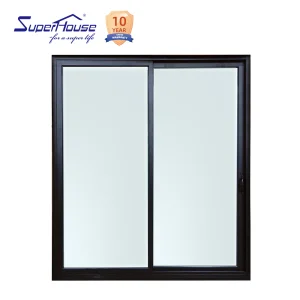
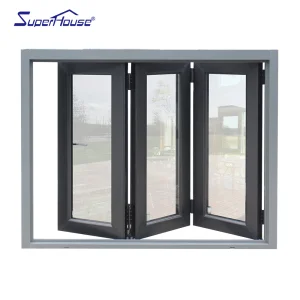
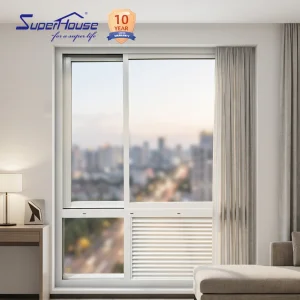
In contemporary architectural design and commercial structural engineering, the building envelope serves as the primary defense mechanism against atmospheric deterioration, extreme thermal exchange, and severe hydrological pressure. Among envelope components, entrance systems, patio access points, and fenestration profiles are the most vulnerable to water intrusion and structural failure during wind-driven rain events. High-performance Waterproof Aluminum Doors have evolved from rudimentary physical barriers into complex thermal-break engineering solutions capable of withstanding cyclonic wind pressures and dynamic pressure differentials exceeding 700 Pascals.
Global commercial and residential developers are increasingly replacing legacy timber, steel, and unreinforced uPVC doors with extruded structural aluminum alloy (6063-T6) systems. The motivation behind this global architectural shift stems from three critical macro-factors: radical climate patterns causing unprecedented storm surges, stringent regional building energy codes (such as Australia’s AS2047, the United States NFRC/Energy Star benchmarks, and Florida’s High-Velocity Hurricane Zone requirements), and the absolute imperative for total lifecycle cost reduction in commercial real estate assets.
True waterproofing in aluminum door manufacturing relies on three distinct engineering pillars:
Procurement directors, commercial project managers, and architectural design leaders must navigate complex localized regulatory standards when sourcing waterproof aluminum doors globally. Understanding regional certifications is essential for mitigating compliance risks and ensuring long-term structural integrity.
| Target Region | Key Regulatory Certification | Critical Test Criteria | Primary Material & Glazing Requirements |
|---|---|---|---|
| North America (USA & Canada) | NFRC / Miami-Dade NOA / AAMA | Large Missile Impact (TAS 201/203), Cyclic Wind Load (+/- 100 PSF), Water Tightness > 12 PSF | Laminated Impact Glass, Thermal Break Extrusions, AAMA 2605 Powder Coating |
| Australia & New Zealand | AS2047 / AS1288 / CodeMark | Deflection Test (AS4055), Water Penetration Resistance (AS2047 clause 4.3.4), Ultimate Limit State | Sub-sill flashing systems, double-glazed Low-E, anodized film thickness > 25 µm |
| European Union | CE Mark / EN 14351-1 | Watertightness (Class 9A+), Air Permeability (Class 4), Wind Load (Class C5) | Multi-chamber Polyamide thermal breaks, Warm-edge glass spacers, Argon gas infill |
| Tropical Coastal (Caribbean/Pacific) | Local Coastal Code / ISO 9227 | 1000+ Hour Accelerated Salt-Spray Corrosion Test, UV Degradation Resistance | Fluorocarbon (PVDF) 3-coat finishes, 316 Stainless Steel multi-point locking hardware |
Selecting an architectural fenestration supplier requires evaluating manufacturing infrastructure, quality assurance rigor, structural engineering R&D capability, and international export documentation accuracy. Below is an overview of the global manufacturing archetypes that dominate the enterprise sector:
Foshan, Guangdong, China
Specializing in ultra-weatherproof aluminum sliding, bi-folding, and swing entry systems backed by 12,000 m² smart plant facilities, NFRC/CodeMark/Miami-Dade credentials, and extensive customization capability.
Bielefeld, Germany
Global pioneer in ultra-low U-factor thermal break window and door profile systems engineered for European passive house standards.
Tokyo, Japan
Leading provider of structural commercial curtain walls and extreme earthquake/monsoon-resistant aluminum architectural systems.
Duffel, Belgium
Renowned European manufacturer specializing in minimal-frame sliding glass doors with fully integrated concealed water drainage tracks.
Established in 2017, Foshan Primeval Doors Industry Co., Ltd. operates from a modern manufacturing facility spanning 12,000 m² in the industrial heartland of Foshan, China. Backed by 11 years of industry engineering experience and 5 years of international export trade, the company generates an annual export revenue of USD 8,500,000.
Quality control is strictly enforced through systematic IQC-IPQC-FQC inspection procedures along with rigorous thermal conductivity and salt-spray corrosion testing. A skilled QC team of 22 inspectors oversees every step of the production process. Supported by 420 trusted supply chain partners, our trade background covers direct OEM export and private-label customization, serving primary markets in Australia, New Zealand, and North America.
Our client base consists mainly of residential building supply importers, architectural designers, and regional wholesalers. Driven by continuous innovation, our R&D group of 38 engineers introduced 75 new entry door products last year. Customization options include custom frame depths, double-glazed decorative glass inserts, powder-coated color palettes, and heavy-duty weatherproofing seals.
The precision with which a waterproof aluminum door prevents water infiltration is determined on the factory floor. Modern Industry 4.0 smart manufacturing replaces manual cutting and assembly with CNC multi-axis profile milling, automated tenon machining, and laser-guided gasket insertion. This level of automated standardization guarantees millimetric tolerances (+/- 0.2mm) on frame miter joints, preventing the microscopic gaps where water leaks typically originate.
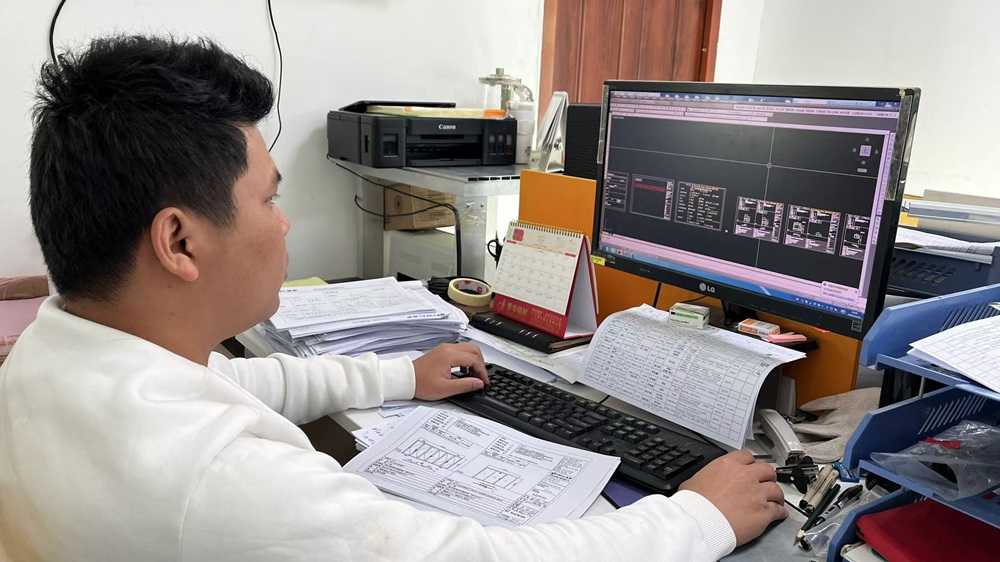
Foshan Primeval Doors Industry Co., Ltd. implements a closed-loop production methodology. Below is the visual breakdown of the operational sequence across our 12,000 m² factory floor:
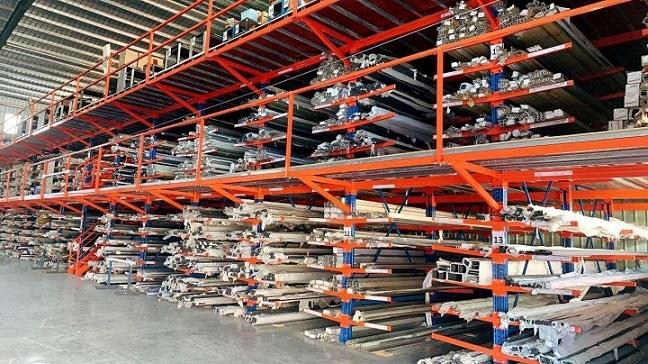
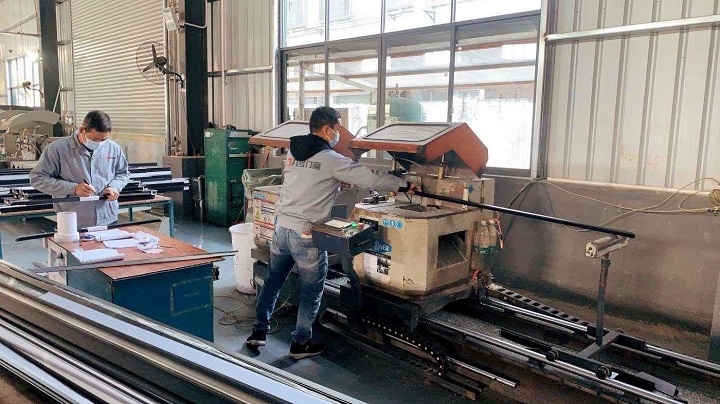
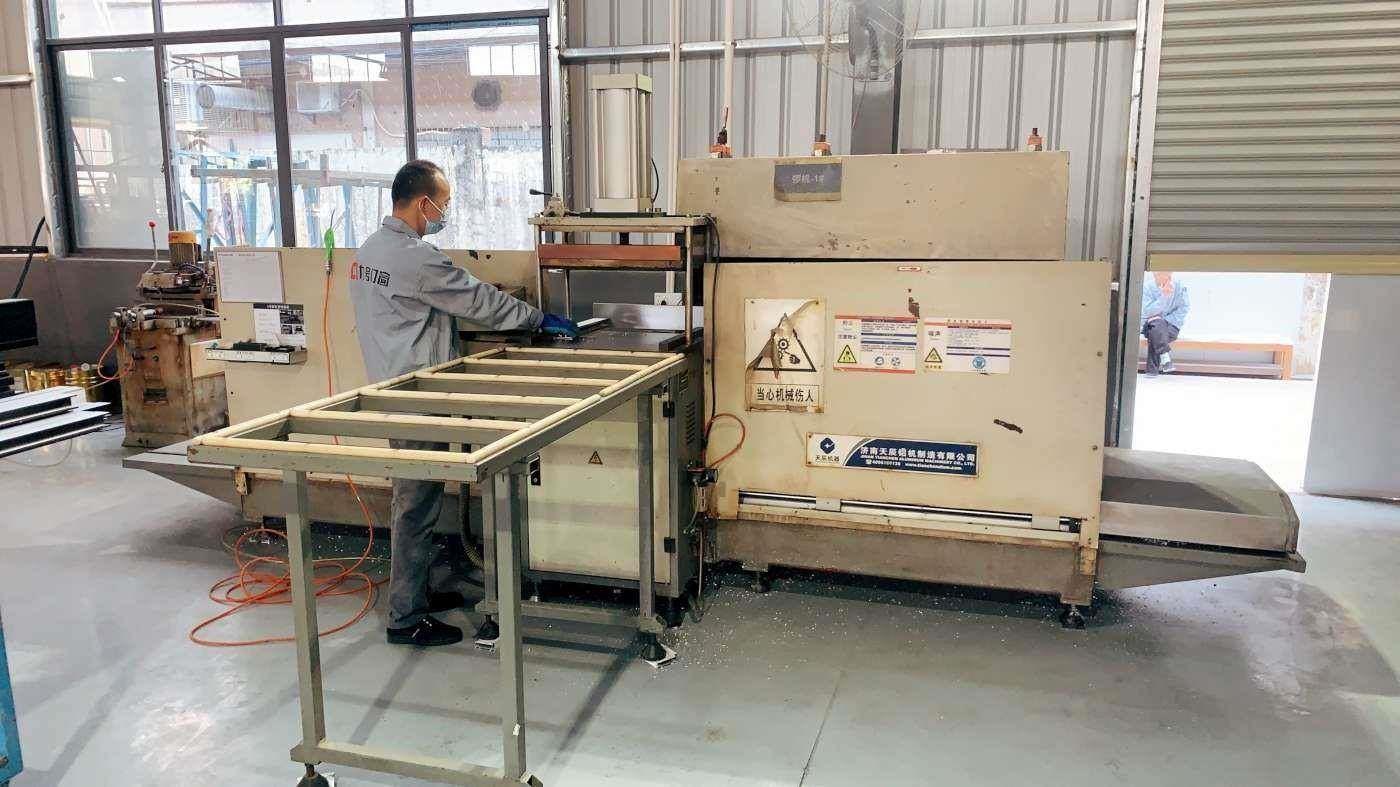
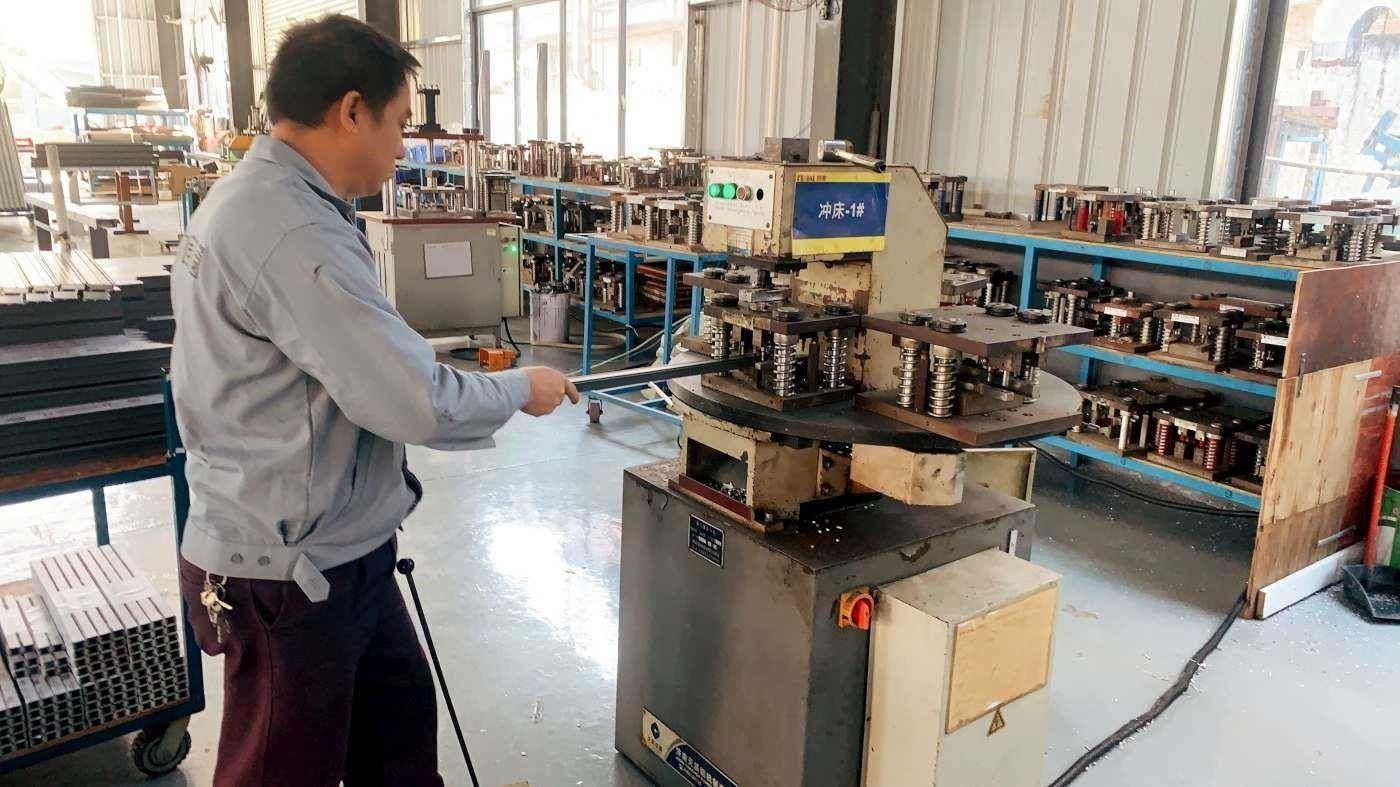
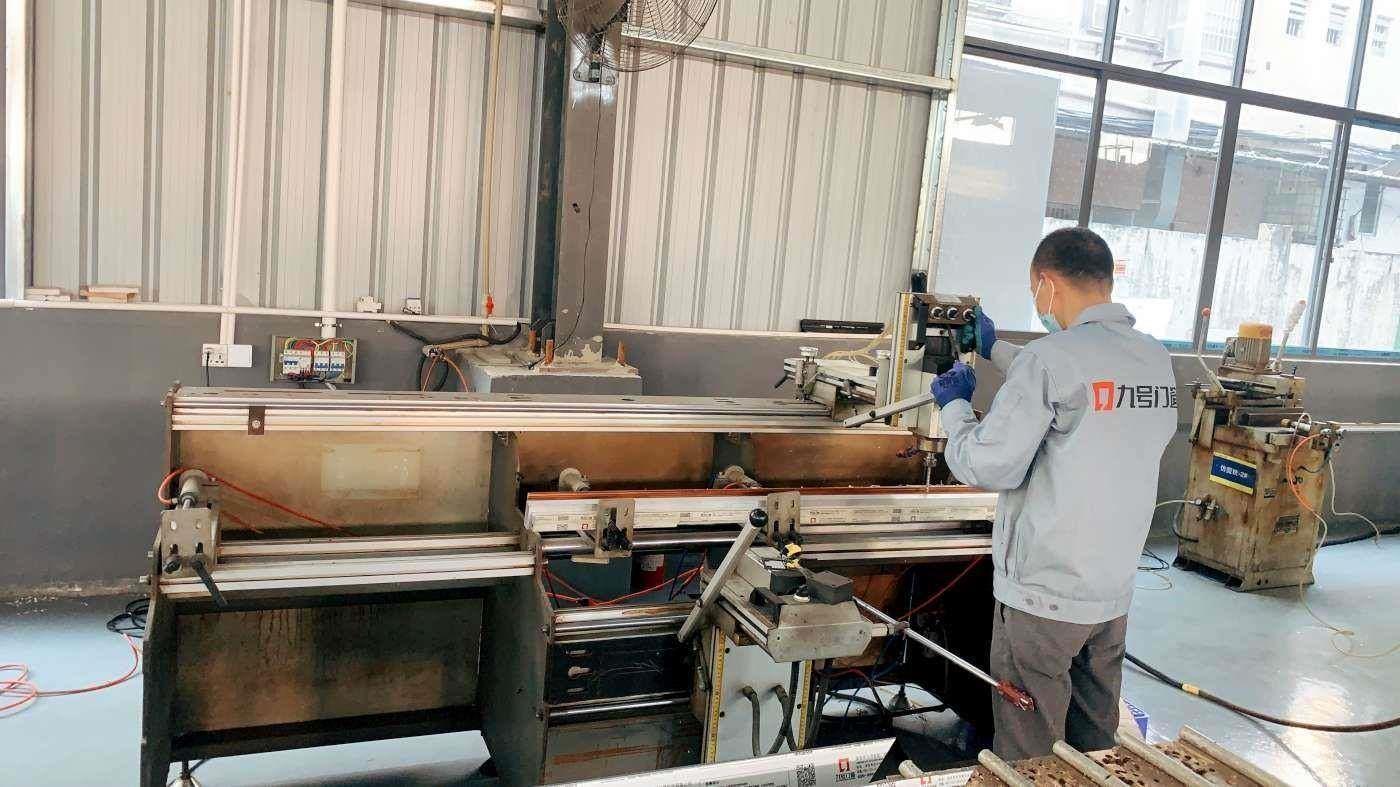
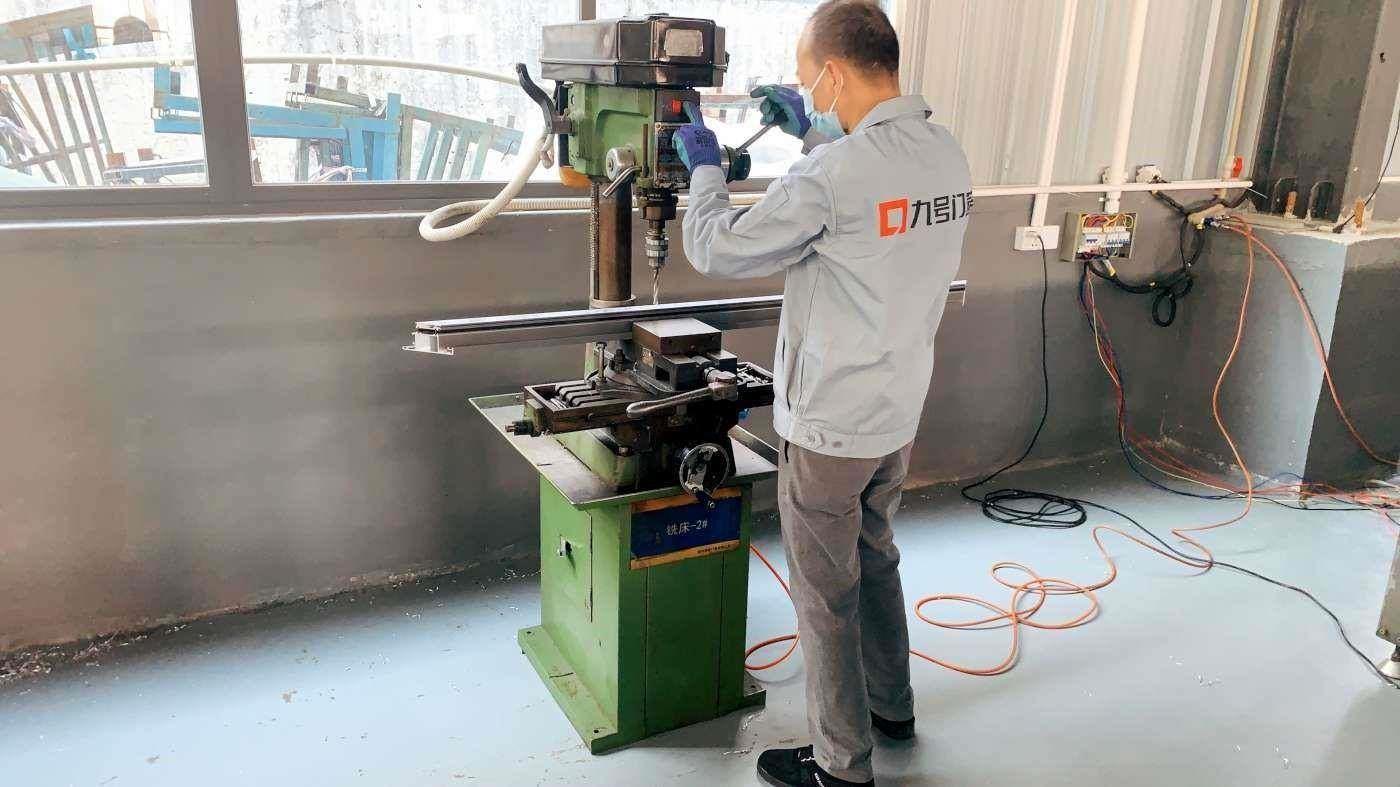
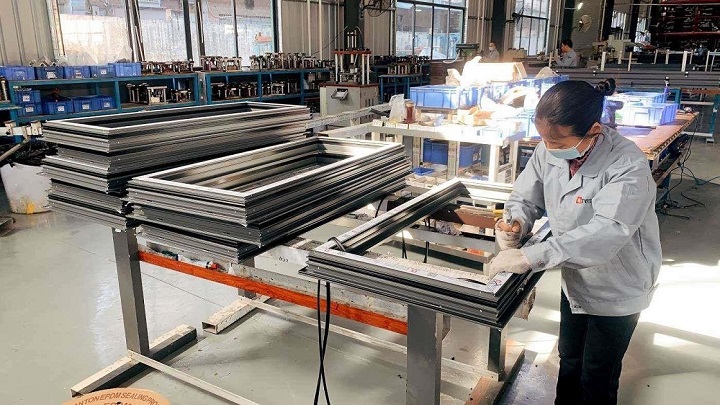
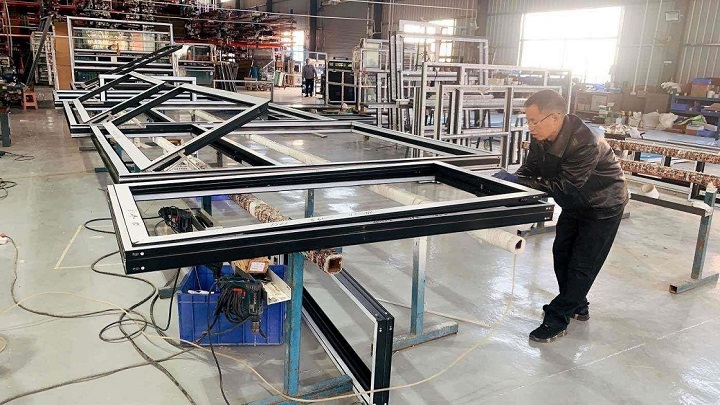
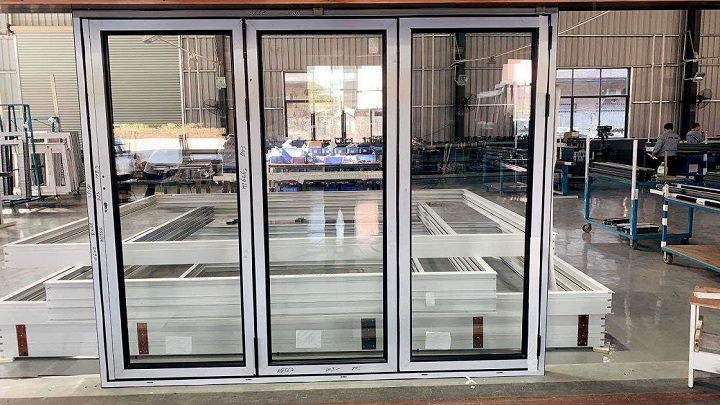
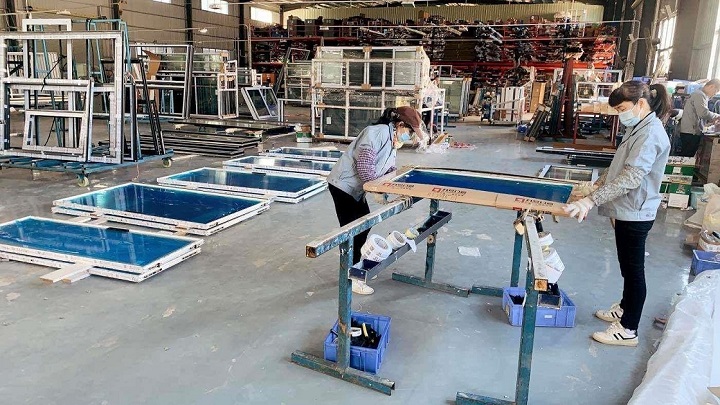
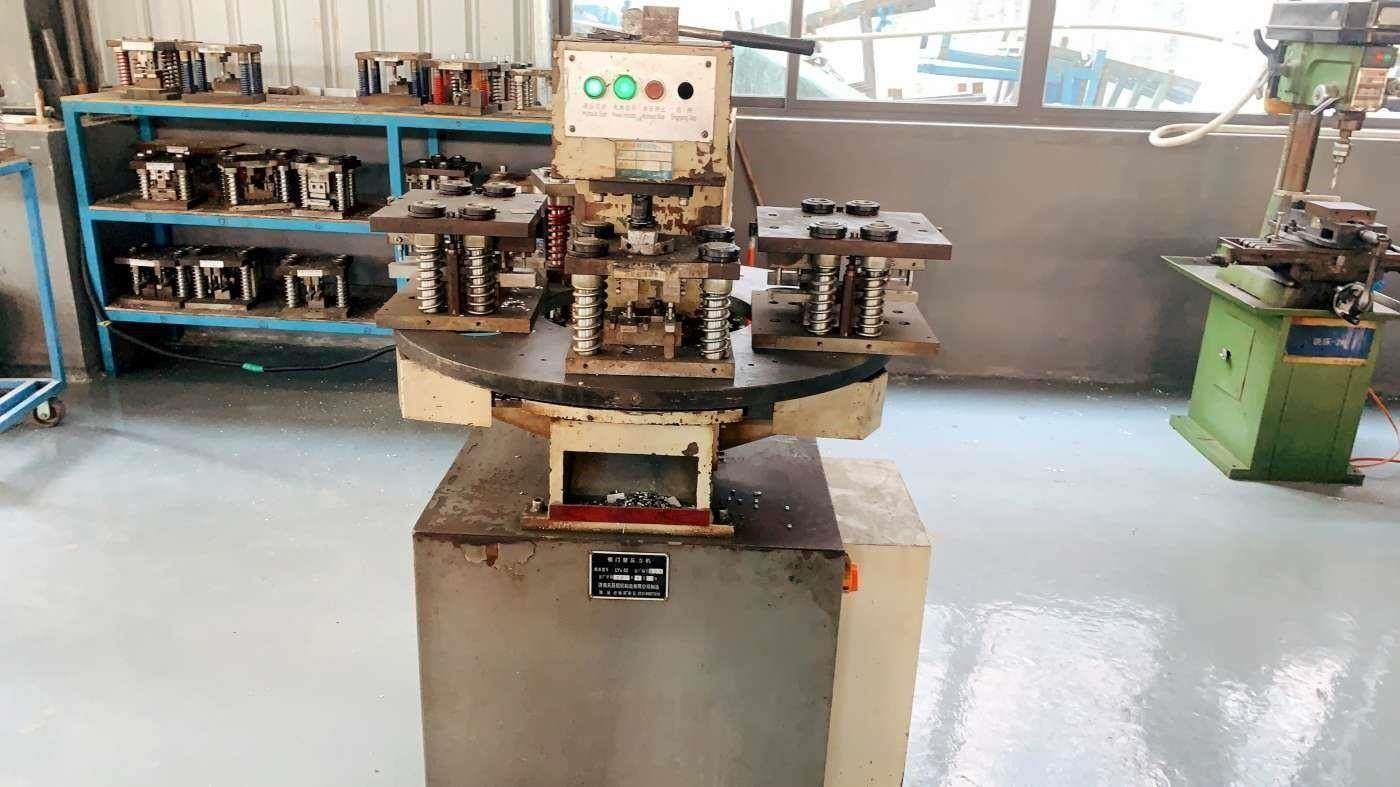
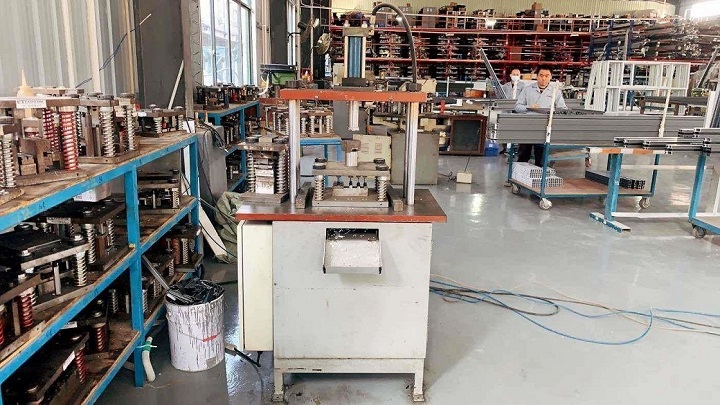
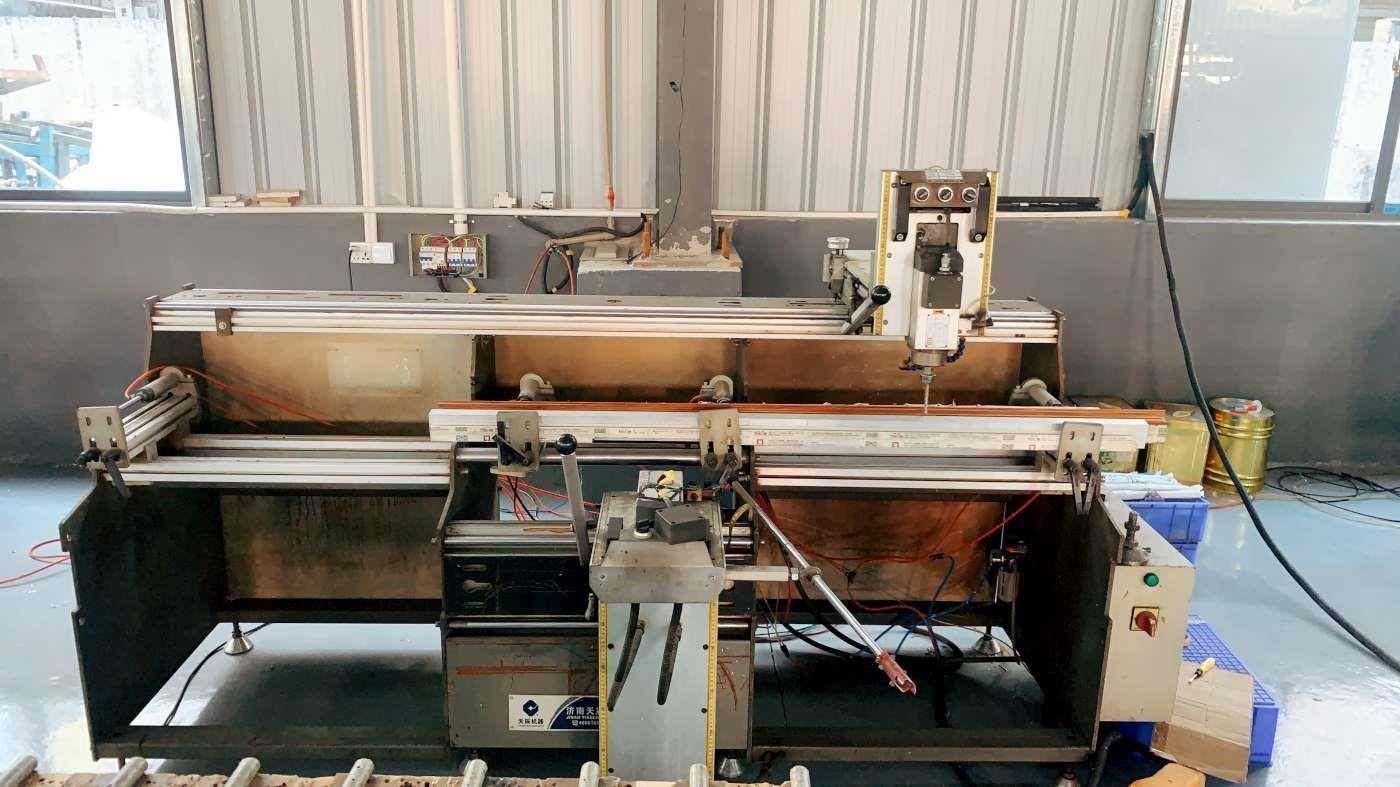
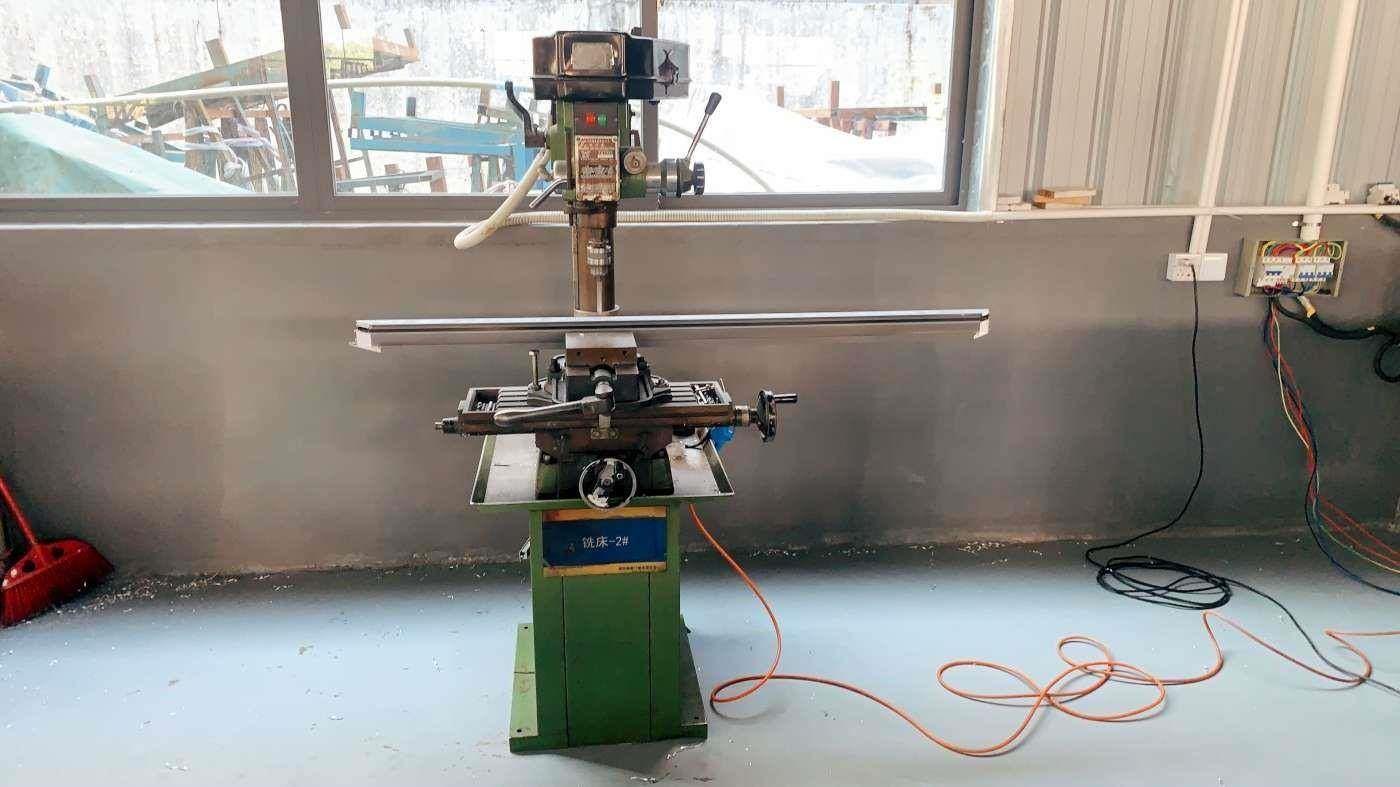
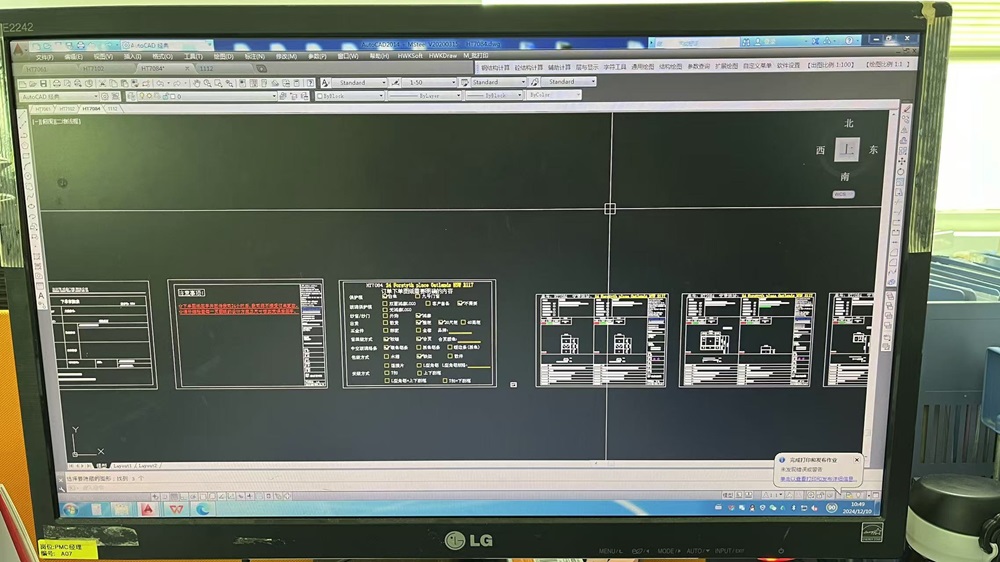
Our capital investment in high-precision CNC machinery ensures automated processing of complex profile geometries, thermal-break crimping, multi-point lock mortising, and architectural lattice alignment. Below is our heavy machine tooling inventory:
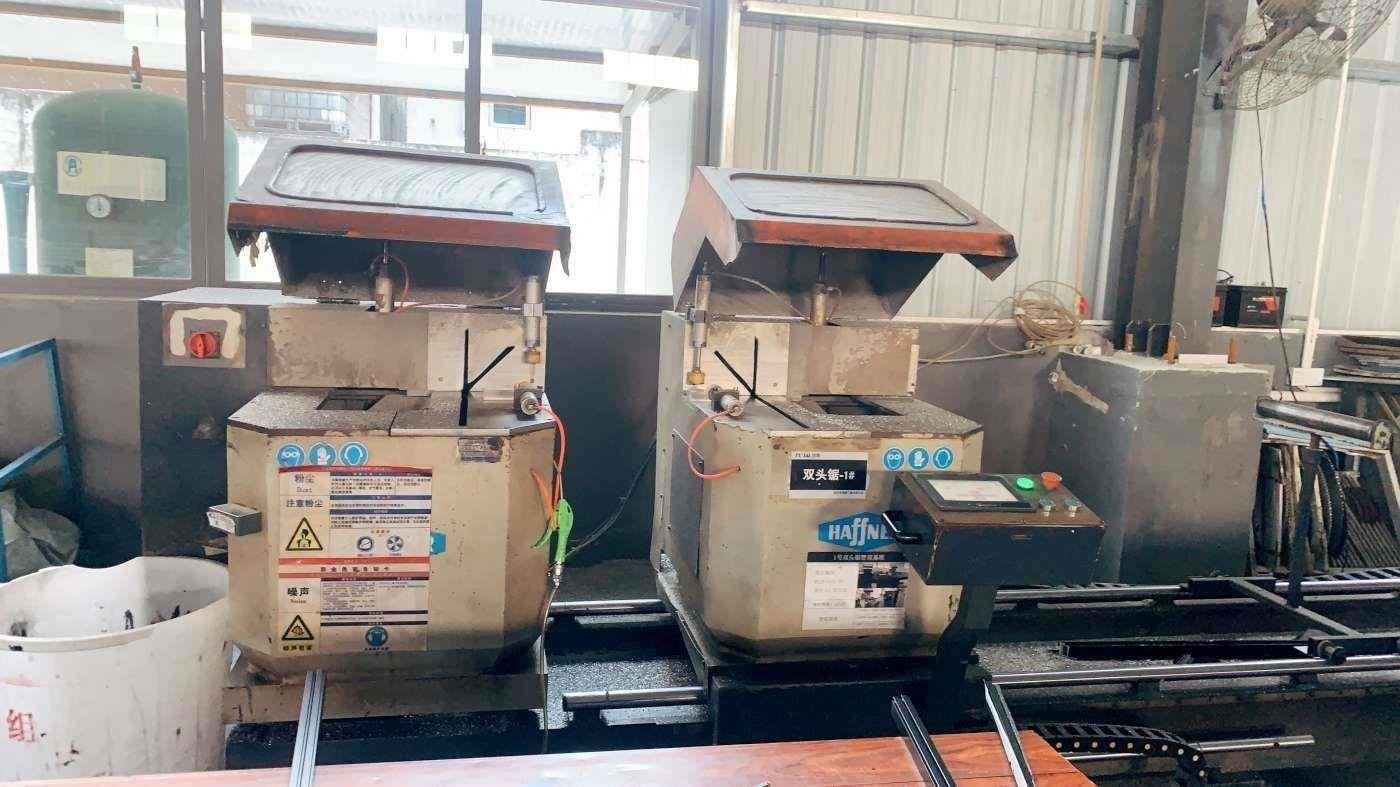
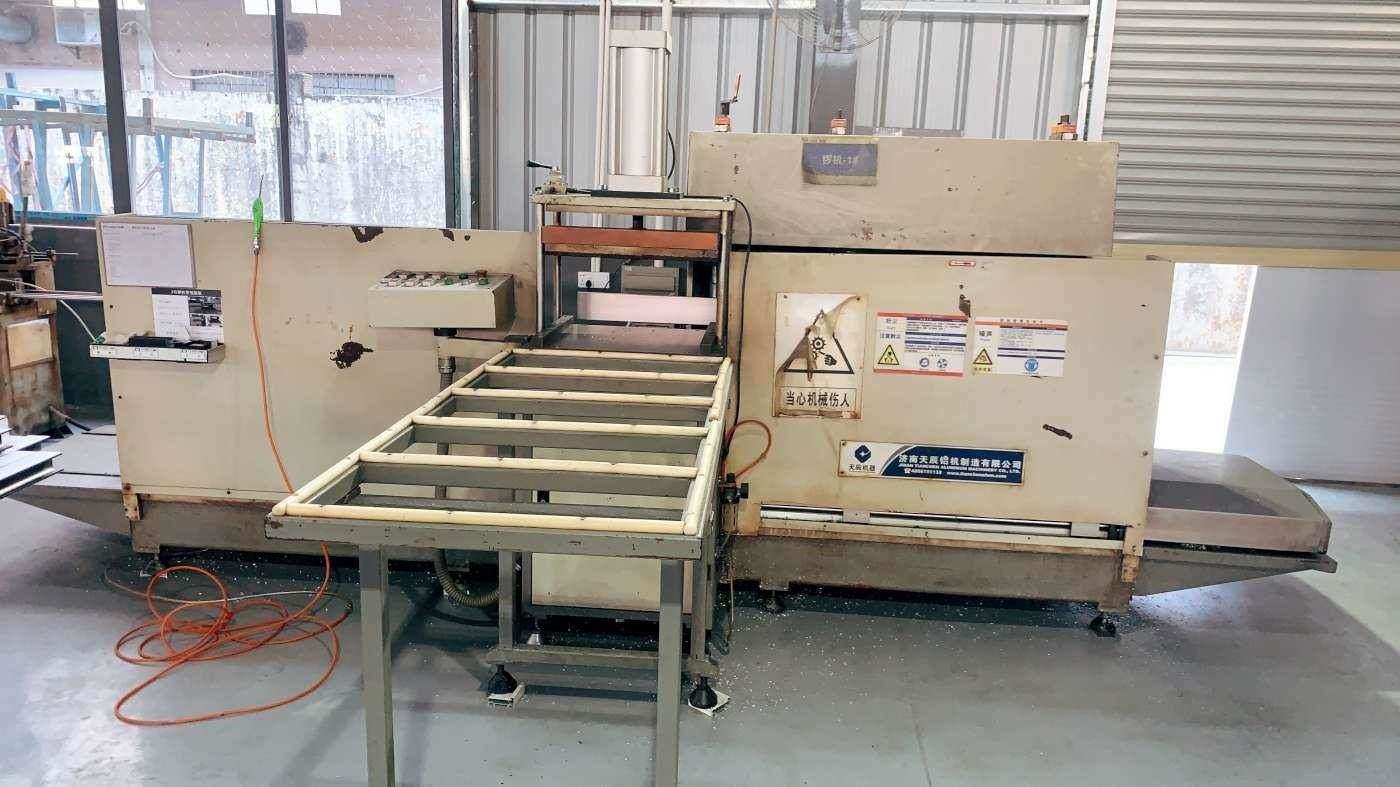
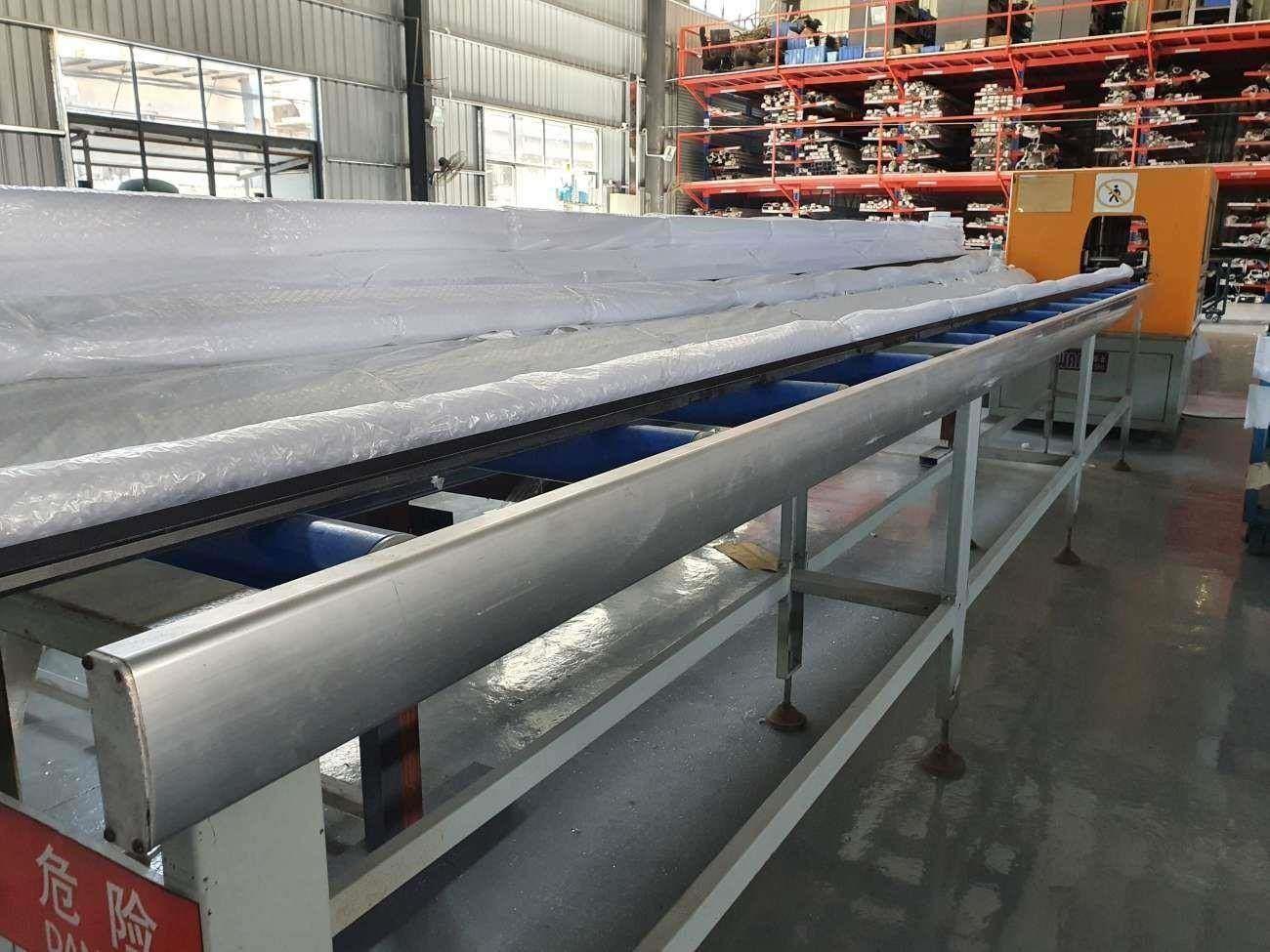
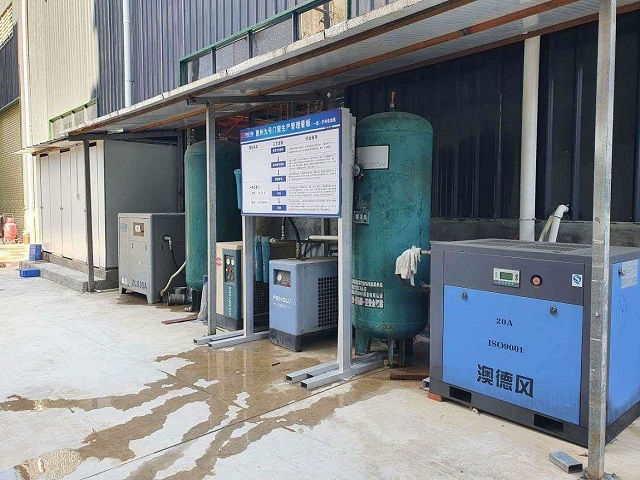
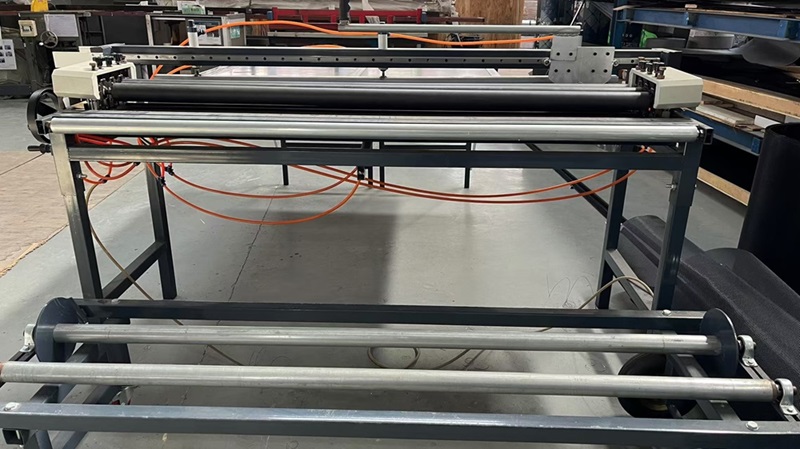
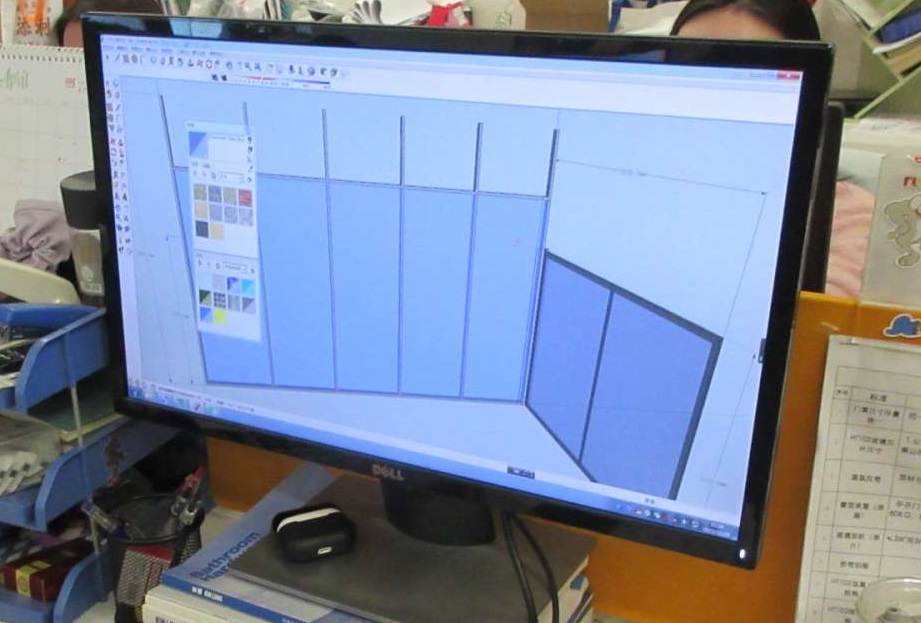
Modern fenestration system design must adapt to diverse geographical environments, building heights, and usage profiles. Below are four dominant installation scenarios requiring specific waterproof aluminum door engineering configurations:
Environmental Challenge: Severe salt-spray airborne salt concentrations (C5-M corrosive environment), tropical storm wind loads exceeding 250 km/h, intense UV degradation.
Engineering Solution: Heavy-duty thermal break sliding stacker doors featuring PVDF 3-coat fluorocarbon finishes, 316 marine-grade stainless steel rollers, multi-point lock mechanisms, and double laminated hurricane impact glass.
Environmental Challenge: High differential pressure at elevated heights, acoustic noise pollution from urban traffic, wind-driven horizontal rainwater intrusion.
Engineering Solution: Miami-Dade Approved PTAC sliding windows and heavy-duty tilt-turn doors with acoustic laminated glass (STC rating > 42 dB) and pressure-equalized concealed sub-sill drains.
Environmental Challenge: Heavy pedestrian traffic, strict ADA compliance threshold requirement, emergency egress accessibility, frequent door slam impact.
Engineering Solution: Aluminum powder-coated swing escape doors featuring low-profile ADA-compliant waterproof sills, aluminum kick plates, auto-closer hardware, and high-impact tempered safety glass.
Environmental Challenge: Sub-zero winter temperatures, extreme thermal expansion/contraction cycles, ice dams, and interior humidity condensation.
Engineering Solution: 6-Panel 3-Track bi-folding and sliding patio doors with European PA66 thermal breaks, triple Low-E insulated glass units (IGUs) filled with Argon gas, and quad-gasket weatherproofing seals.
Addressing key technical, architectural, and commercial queries from B2B buyers and structural engineers regarding waterproof aluminum door procurement.
Waterproof aluminum doors utilize pressure-equalized sill designs, cascading internal water drainage channels, continuous EPDM gasket arrays, and silicone structural sealant joints. When subjected to severe wind pressure, air pressure inside the internal profile chamber balances with external atmospheric pressure, preventing wind-driven rainwater from being sucked into the interior spaces.
Miami-Dade NOA (Notice of Acceptance) represents the absolute gold standard for hurricane impact and water tightness resistance in High-Velocity Hurricane Zones (HVHZ), requiring structural missile impact and cyclic pressure testing. Australian Standard AS2047 ensures windows and doors withstand rigorous structural deflection, air infiltration, and water penetration resistance tests tailored to Oceania’s extreme climate conditions.
We recommend 6063-T6 architectural grade aluminum alloy paired with AAMA 2605 compliant PVDF fluorocarbon coating (minimum 3-coat system) or high-micron anodized finishes (>25 microns). This combination provides superior corrosion resistance against atmospheric salt-spray and prevents aluminum oxidation over extended operational lifetimes.
Thermal break technology inserts a low-conductive polyamide bar (PA66GF25) between the outer and inner aluminum profile chambers. This breaks thermal bridging, dramatically lowering the door's U-Factor, reducing air conditioning energy loss by up to 40%, and preventing ambient indoor humidity from condensing on cold interior frame surfaces.
We provide fully customized frame depths, bespoke powder-coated RAL color matching, private-label branding, specialized hardware integration (316 stainless steel, smart electronic access locks), decorative double/triple glazing inserts, customized ADA sill heights, and tailored packaging solutions for container sea shipping.
Standard production lead times range between 25 to 35 business days following final CAD drawing sign-off and deposit confirmation. Flexible Minimum Order Quantity (MOQ) terms are tailored to support full-container load (FCL) mixed item shipments as well as specialized project LCL orders.
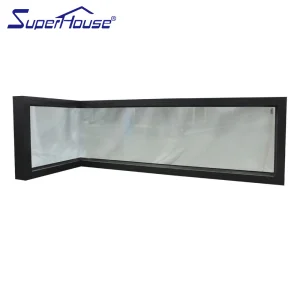
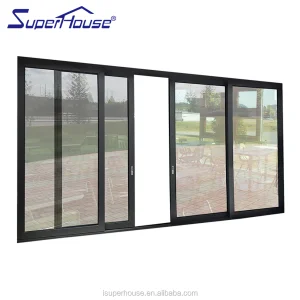
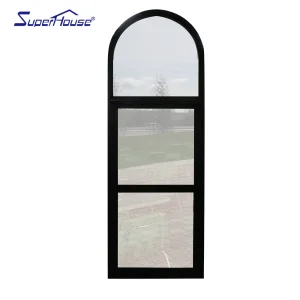
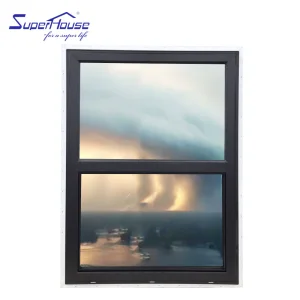
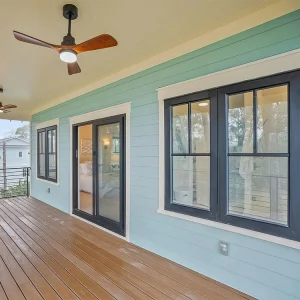
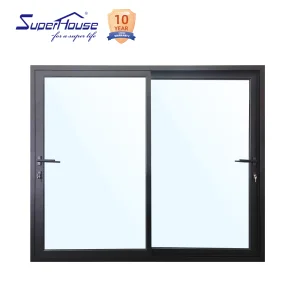
Explore the remainder of our export-grade waterproof door and window product portfolio, featuring impact-resistant fixed glazing, custom tilt-turn mechanisms, slimline stackers, and thermal double-hinged entrance doors.
 Primeval Doors