NFRC, AAMA, Florida NOA, and AS2047 Certified Architectural Doors & Windows Engineered for High-End Construction.
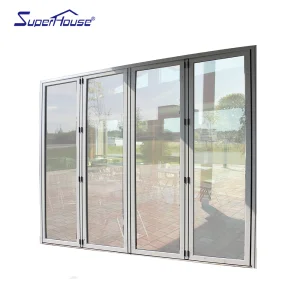
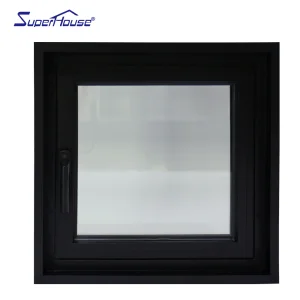
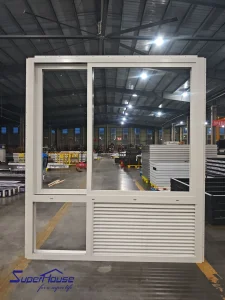
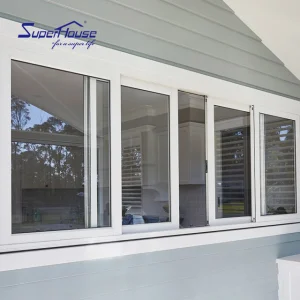
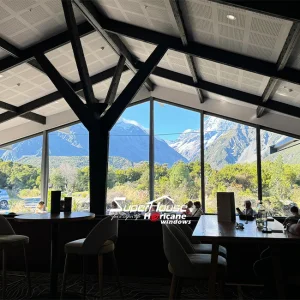
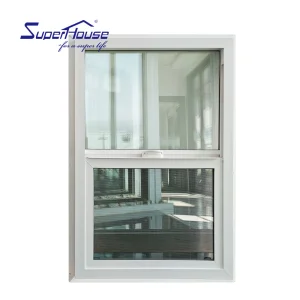
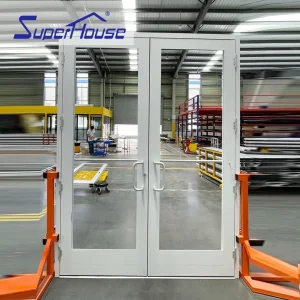
Analyzing global demand driving high-load extrusion alloys, thermal break insulation, and anti-forced entry structural design.
In contemporary architectural engineering, entry doors are no longer treated merely as aesthetic access portals; they represent the primary line of defense against atmospheric extremes, forced intrusion, and thermal exchange. The modern commercial and high-end residential sectors require entry systems capable of demonstrating high structural performance under severe wind pressures, high cyclic fatigue, and impact threats.
Aluminum extrusions, specifically 6063-T5 and 6061-T6 metallurgical alloys, have largely replaced traditional timber and mild steel systems due to their superior strength-to-weight ratios, intrinsic corrosion resistance, and spatial stability across extreme thermal shifts. Modern extrusion manufacturing utilizes precise thermal break technology (Polyamide PA66 nylon reinforced with 25% glass fiber) to isolate exterior thermal energy from internal conditioned spaces, meeting aggressive global net-zero operational standards.
Fenestration compliance across key markets like North America (NFRC, Florida Building Code NOA, AAMA 101) and Australia/New Zealand (AS2047, AS1170, WERS) has heightened performance benchmarks for international exporters. Projects located in coastal hurricane zones demand systems certified to withstand cyclic missile impacts (ASTM E1886/E1996 and TAS 201/202/203 protocols).
Concurrently, urban residential developments demand high acoustic attenuation (STC 40+ ratings) alongside multi-point security hardware that resists high mechanical loads. Global buyers, building supply distributors, and project developers are systematically pivoting toward manufacturer partners capable of combining strict metallurgical quality control with certified international compliance testing.
Advanced security doors require more than simple wall thickness increases. Structural integrity depends on corner assembly physics—utilizing solid cast aluminum corner keys combined with hydraulic crimping and dual-component polyurethane structural adhesive to prevent frame racking under high structural loads.
Structural mechanics, multi-layer weatherproofing, and multi-point locking mechanisms explained.
Utilizing high-grade primary aluminum billets subjected to precise artificial aging (T6 tempering). Tensile strength exceeding 205 MPa ensures frame stability against structural warping, deflection, and extreme pressure differentials during atmospheric events.
Integrated multi-point locking bars engaging stainless steel gear-driven shoot bolts into heavy-gauge frame keepers. Prevents structural prying and achieves European EN 1627 RC2/RC3 burglar resistance rating requirements.
Dual-chamber extrusion profiles mechanically joined via 24mm to 34mm polyamide strips reinforced with glass fiber. Eliminates thermal bridging to lower U-factors down to 1.2 W/m²K, optimizing Energy Star rating performance.
| Performance Parameter | North American Standard (NFRC/AAMA/Florida NOA) | Australian Standard (AS2047/AS1170) | European Rating Benchmark |
|---|---|---|---|
| Wind Load Resistance | DP50 to DP100 (ASTM E330) | Ultimate Design Pressure up to 4500 Pa | Class C5 / B5 (EN 12210) |
| Impact Resilience | Miami-Dade TAS 201/203 Large Missile Impact | Cyclic Wind & Debris Impact (AS1170.2) | EN 356 Resistance Class P6B to P8B |
| Thermal Transmittance (U-Value) | U-Factor 0.22 - 0.35 BTU/h·ft²·°F | U-Value 1.4 - 2.8 W/m²K (WERS Rated) | Uw ≤ 0.8 - 1.2 W/m²K (Passivhaus) |
| Acoustic Isolation | STC 35 - STC 45 (ASTM E90) | Rw 38 - Rw 46 dB Rating | Sound Reduction Class 4 / 5 |
| Air Infiltration & Water Resistance | Air < 0.1 cfm/ft² | Water ≥ 12 psf | Air < 0.5 L/s·m² | Water ≥ 600 Pa | Class 4 (Air) | Class 9A (Water) |
Foshan Primeval Doors Industry Co., Ltd. - 12,000 m² Manufacturing Facility Executing Strict IQC-IPQC-FQC Standards.
Established in 2017, Foshan Primeval Doors Industry Co., Ltd. operates from a modern manufacturing facility spanning 12,000 m². Backed by 11 years of specialized industry engineering experience and 5 years of international export trade operations, the company generates an annual export revenue of USD 8,500,000.
Quality control is strictly enforced through systematic IQC-IPQC-FQC inspection procedures along with rigorous thermal conductivity verification and salt-spray corrosion testing. A skilled QC team of 22 inspectors oversees every step of the production process. Supported by 420 trusted supply chain partners, our trade background covers direct OEM export and private-label customization, serving primary markets across Australia, New Zealand, and North America.
Our client base consists mainly of residential building supply importers, architectural designers, and regional wholesalers. Driven by continuous technical innovation, our R&D group of 38 engineers introduced 75 new entry door products last year. Customization options include custom frame depths, double-glazed decorative glass inserts, powder-coated color palettes, and heavy-duty weatherproofing seals.
Detailed breakdown of our 10-step precision manufacturing workflow, specialized equipment, and engineering R&D facilities.
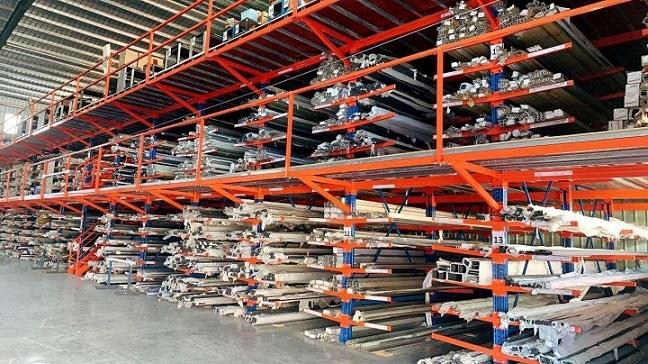 Raw Material
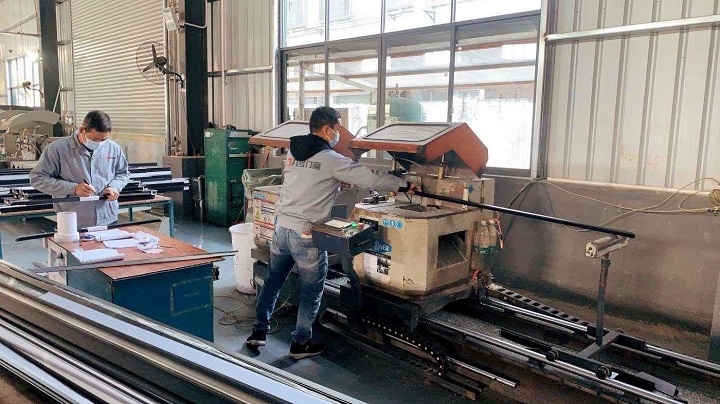 Profile Cutting
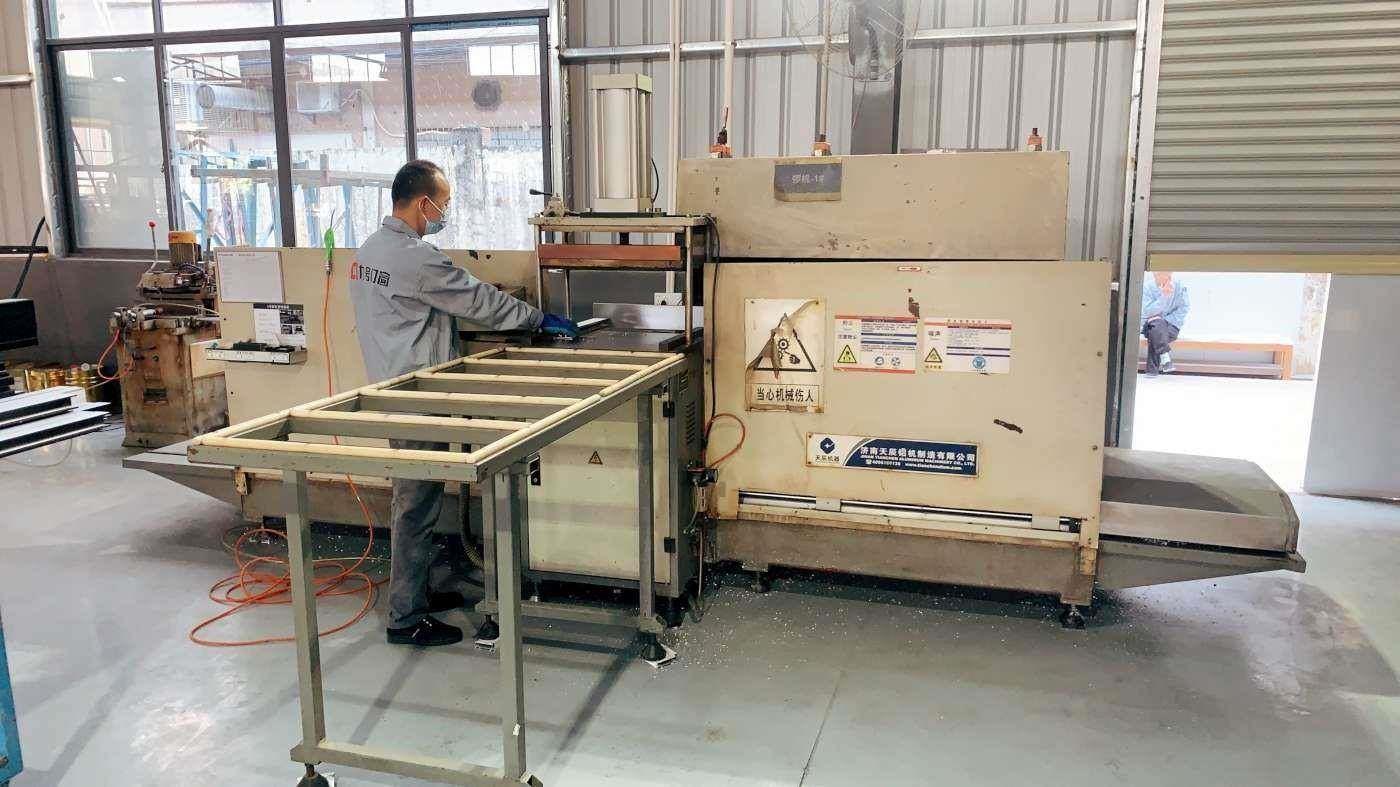 Milling Tenon
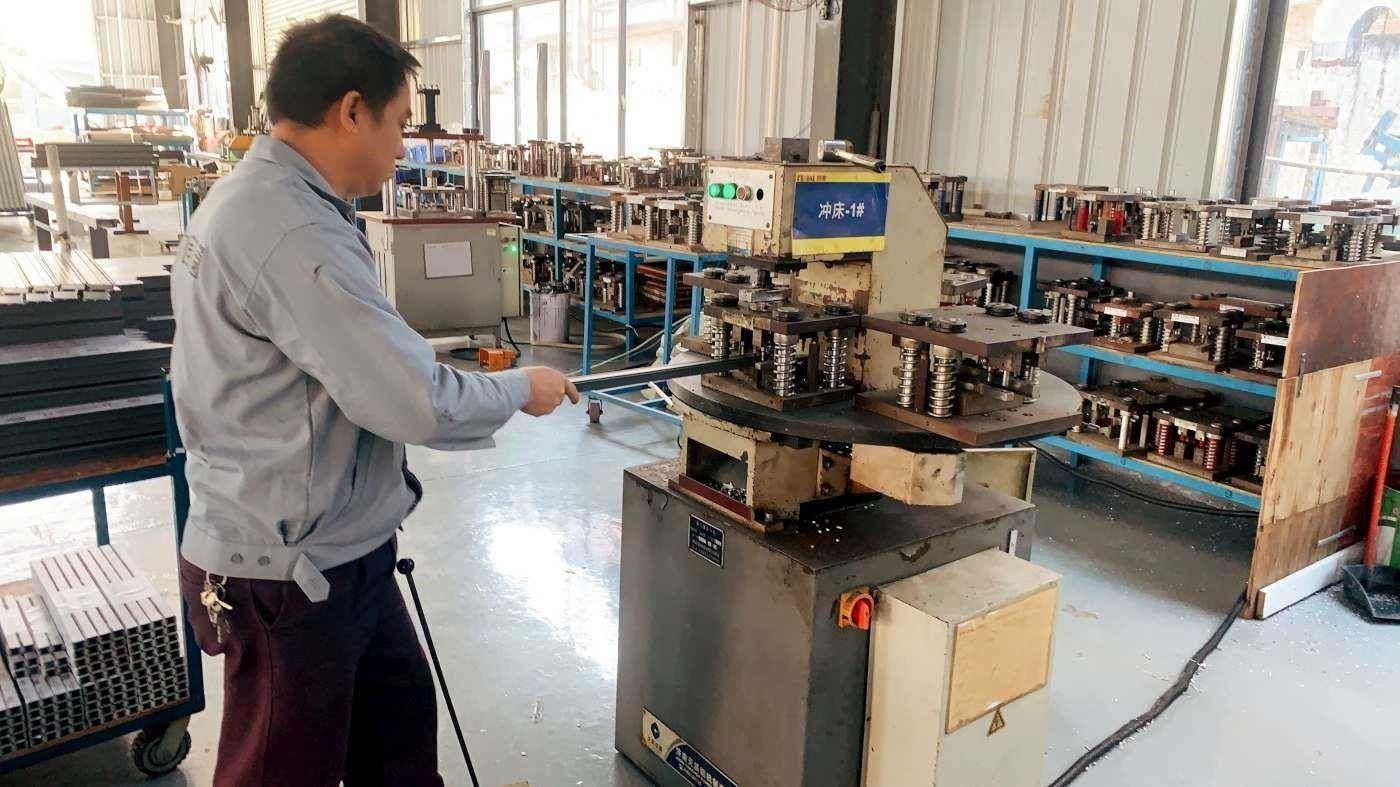 Punching
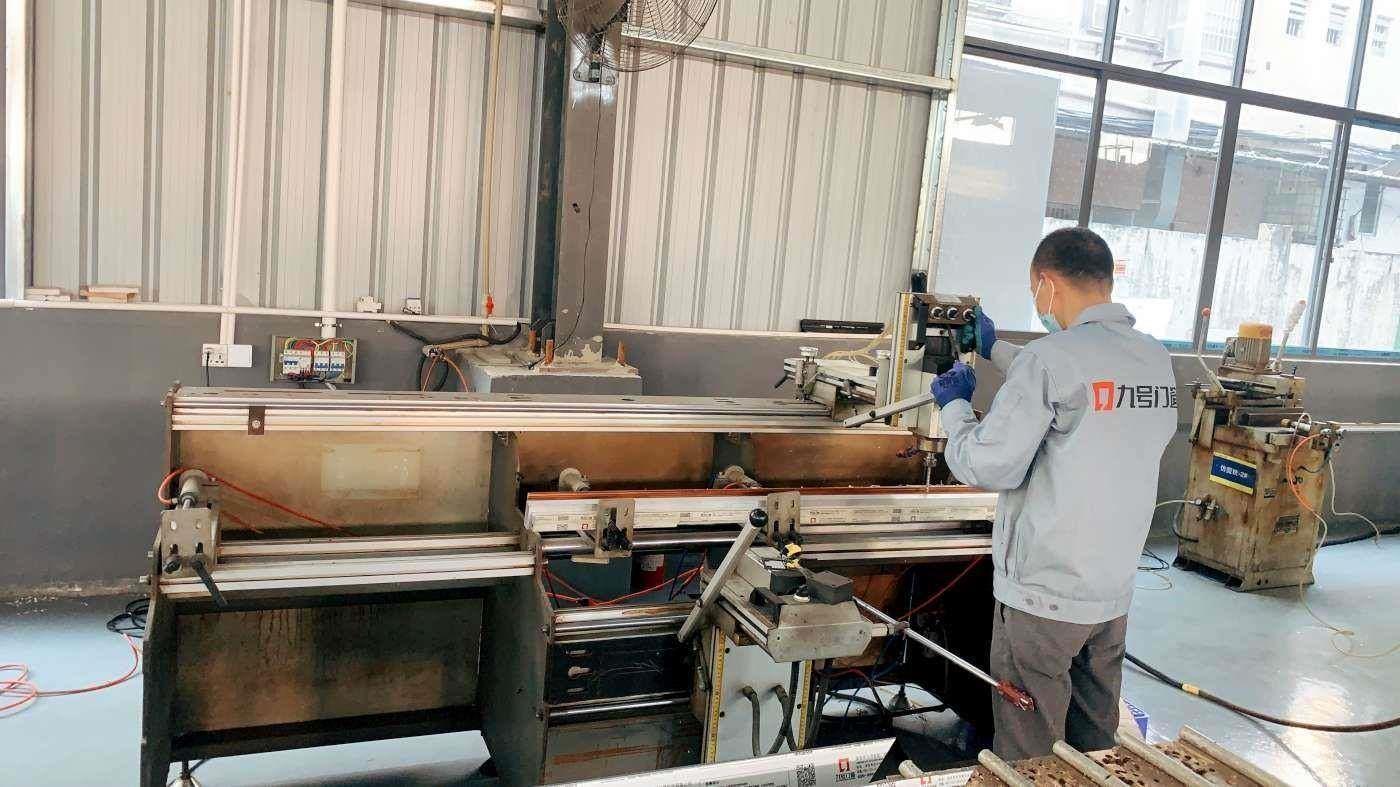 Profile Milling
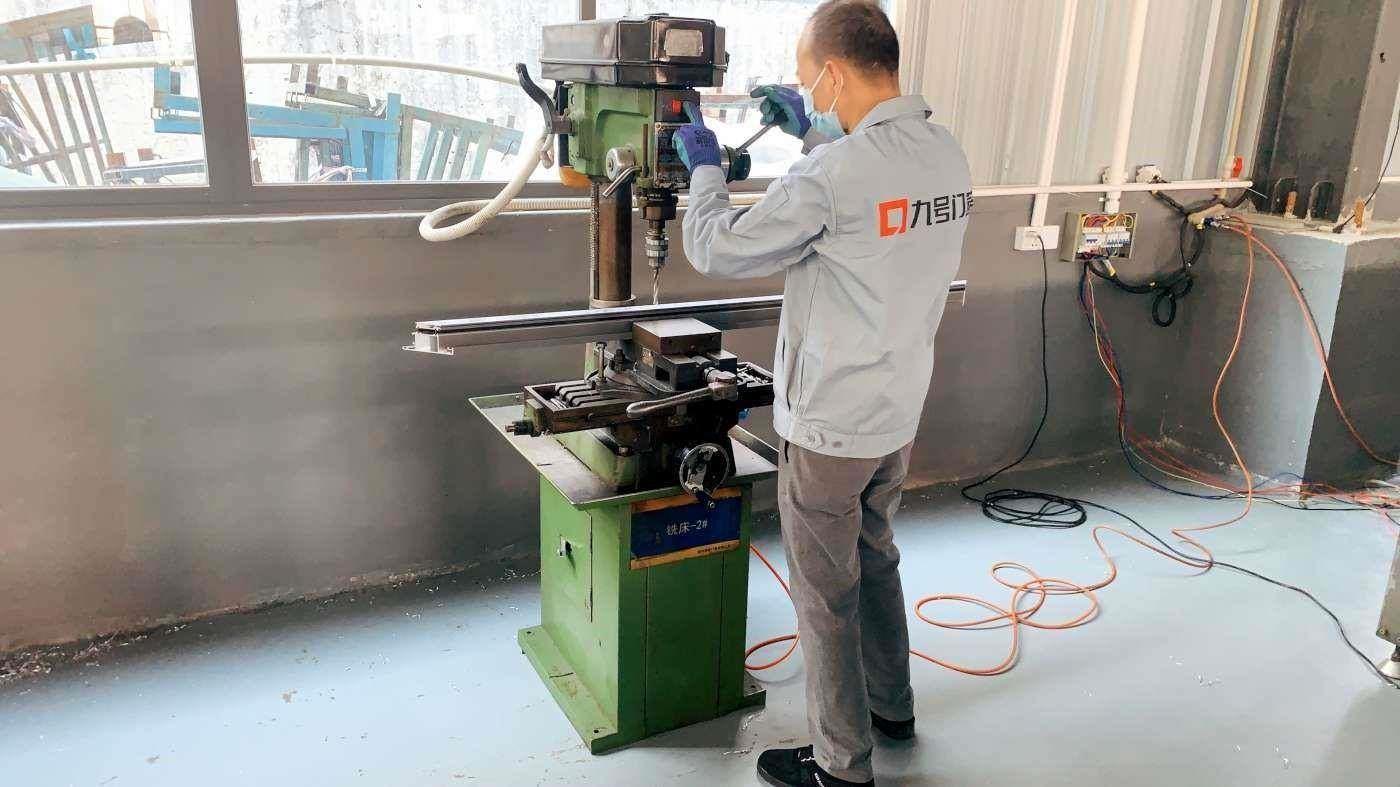 Drilling & Milling Holes
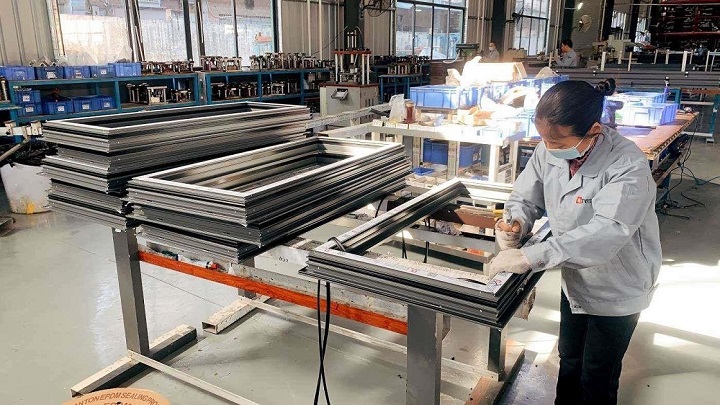 Frame Fan Assembly
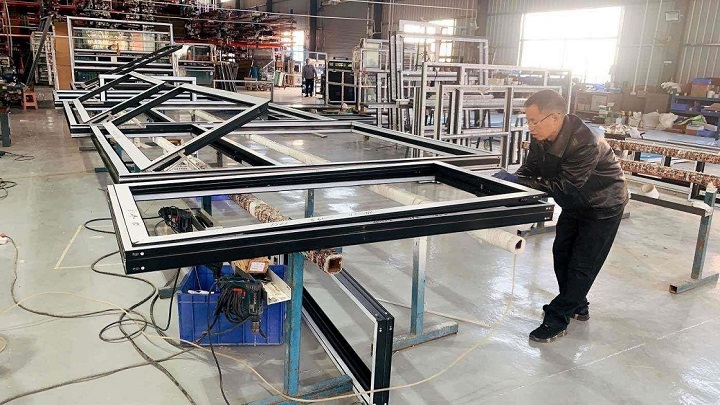 Hardware Assembly
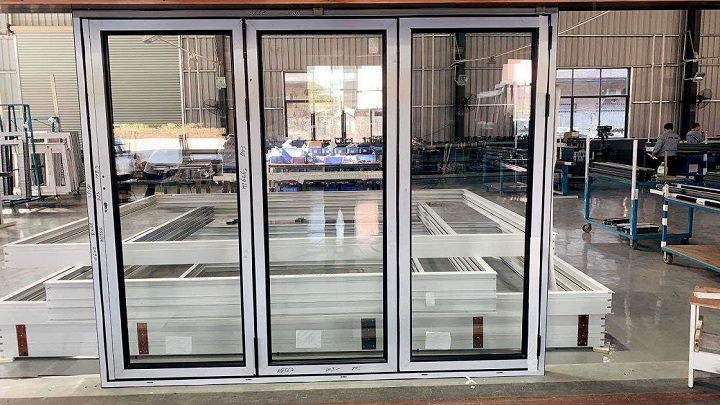 Product Commissioning
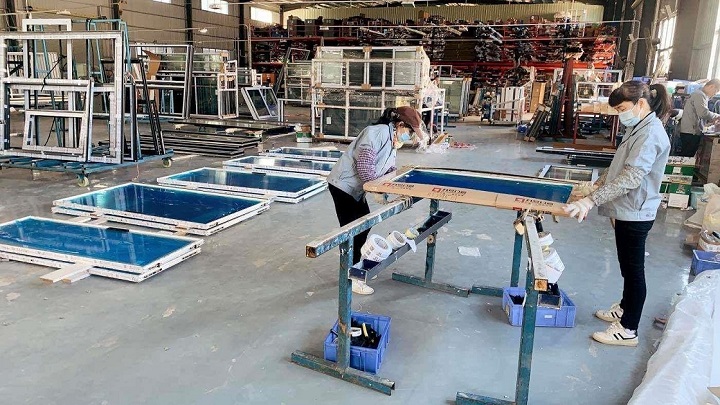 Product Packaging
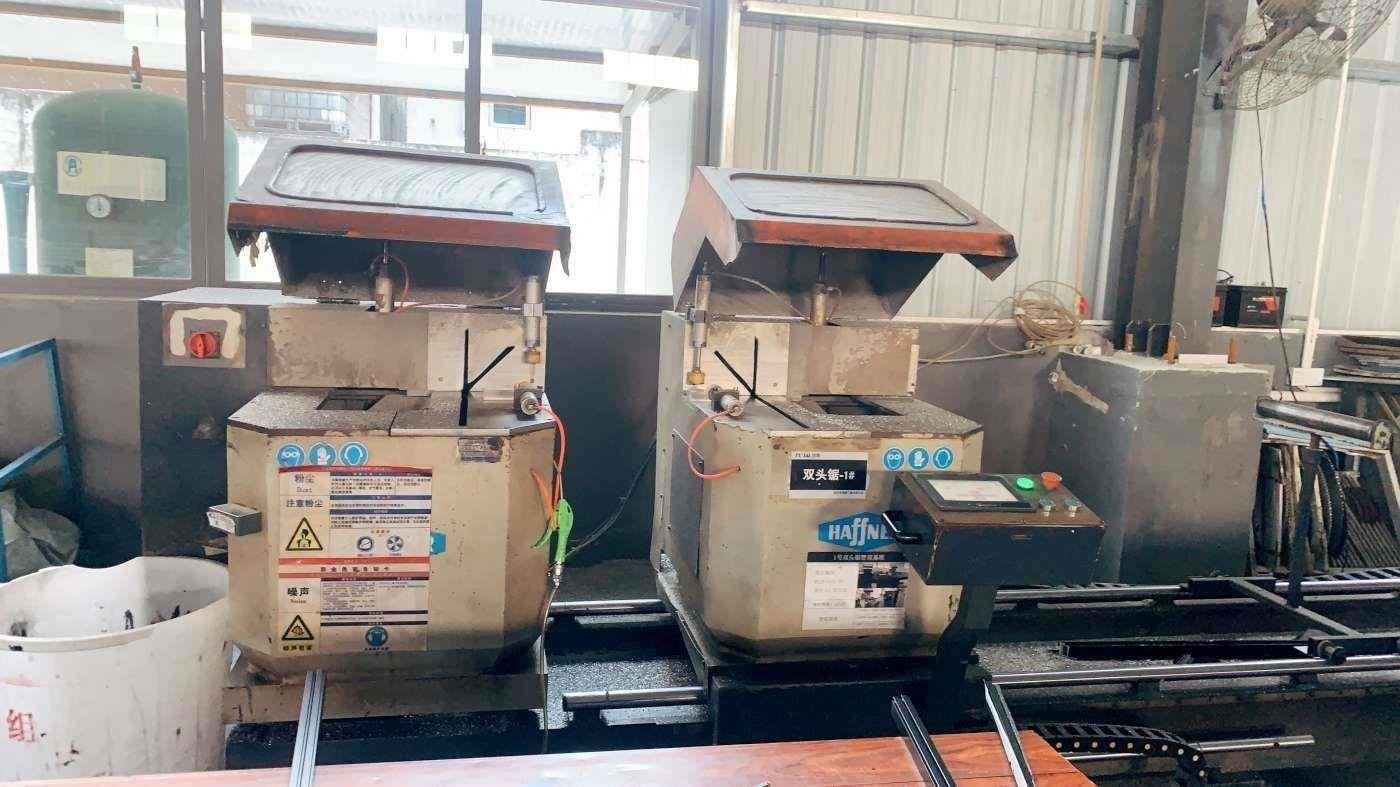 Profile Cutting Machine
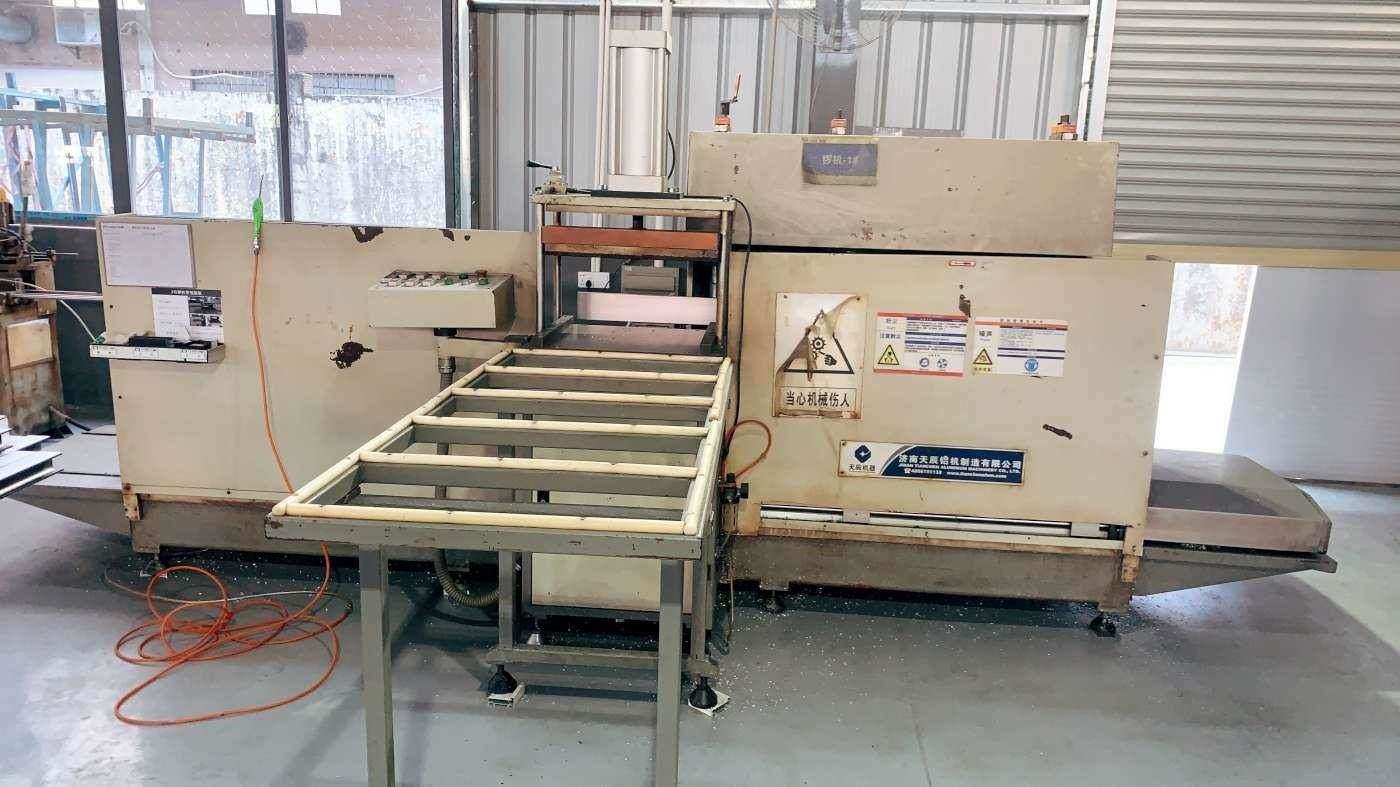 Milling Machine
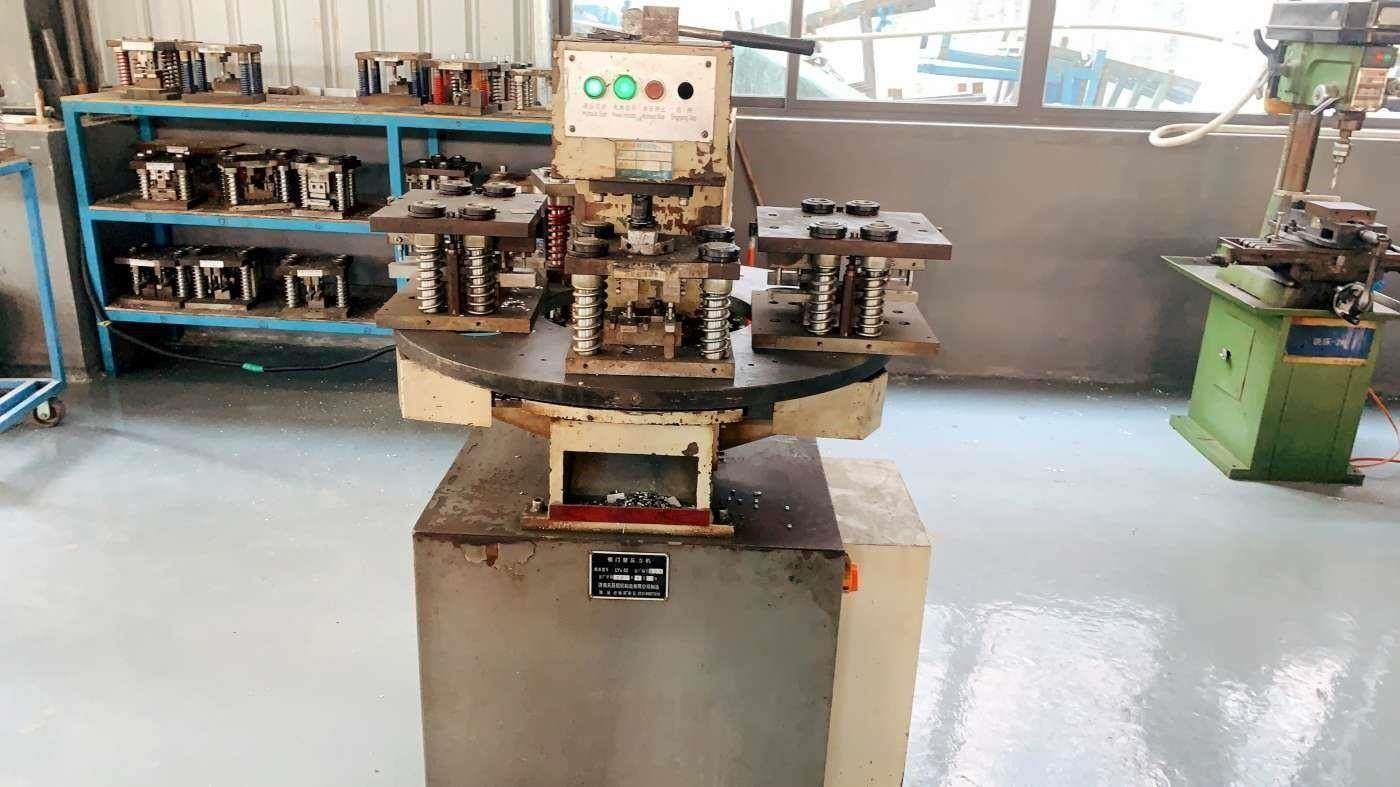 Punching Machine (Station A)
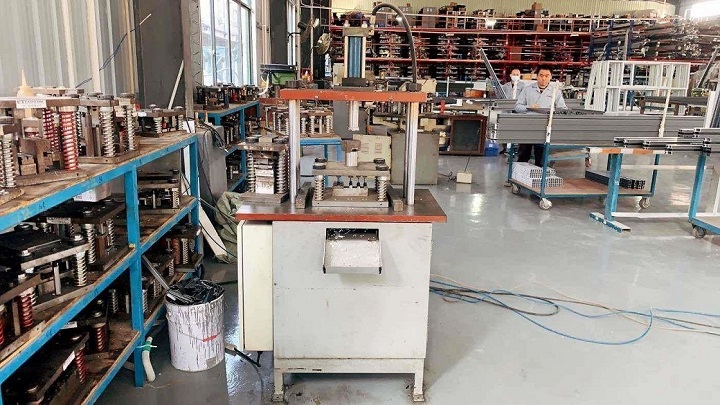 Punching Machine (Station B)
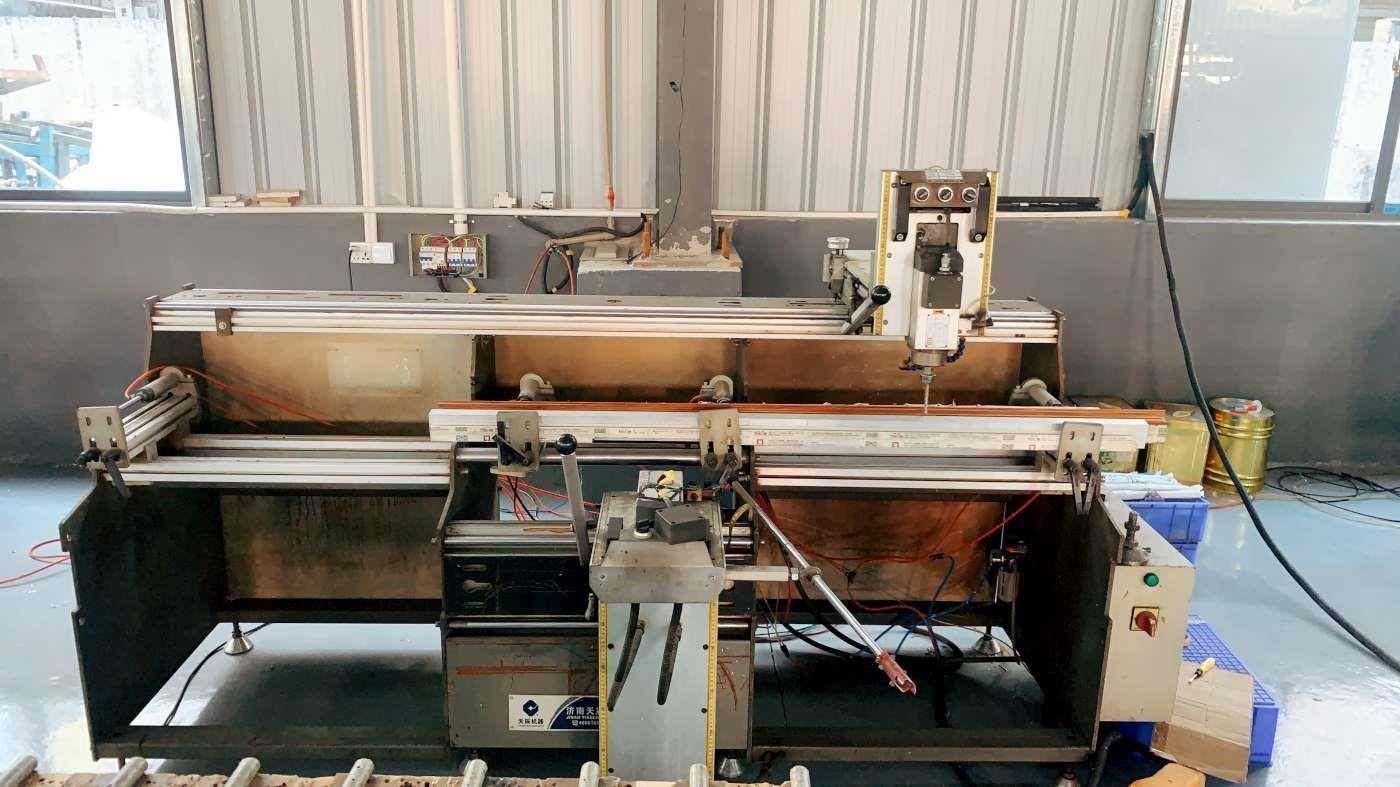 Profile Milling Machine
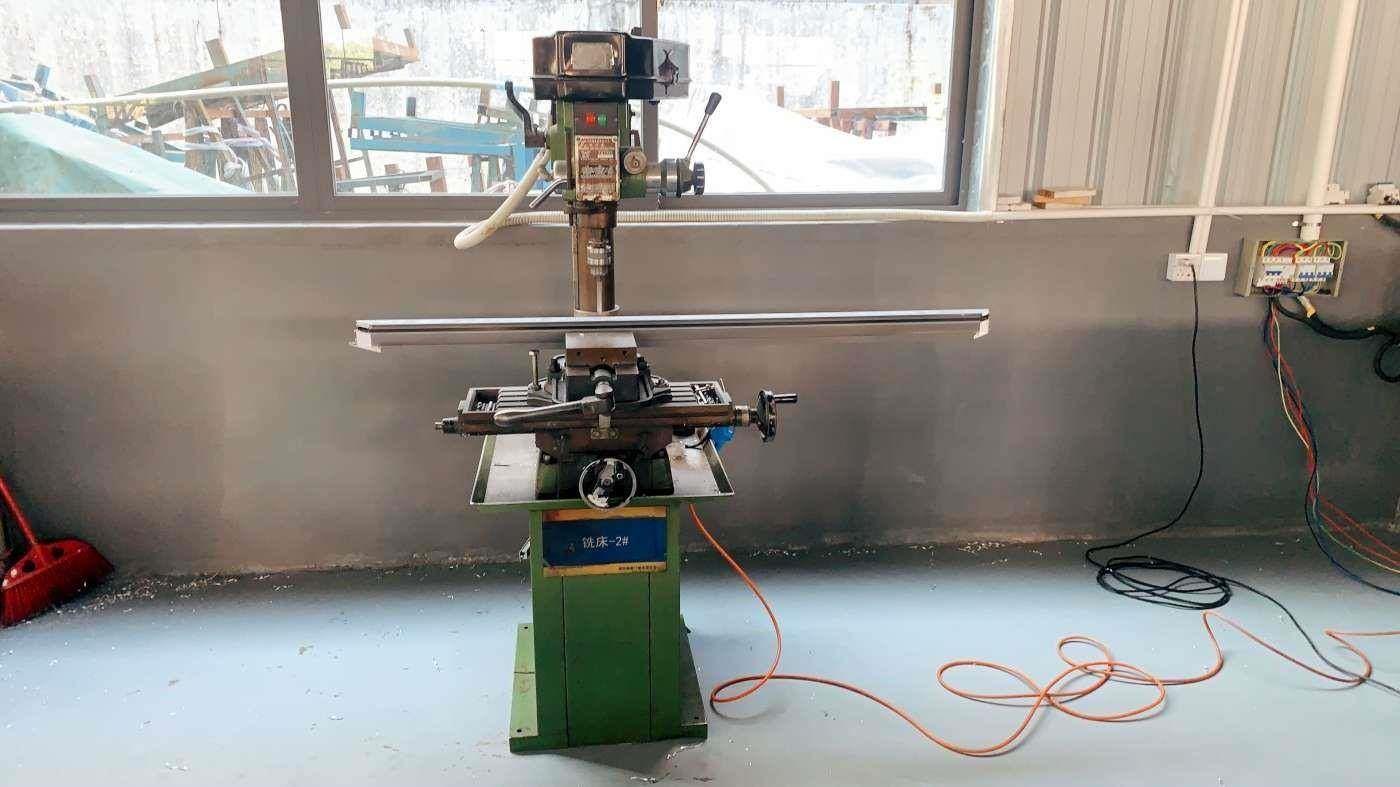 Drilling & Milling Machine
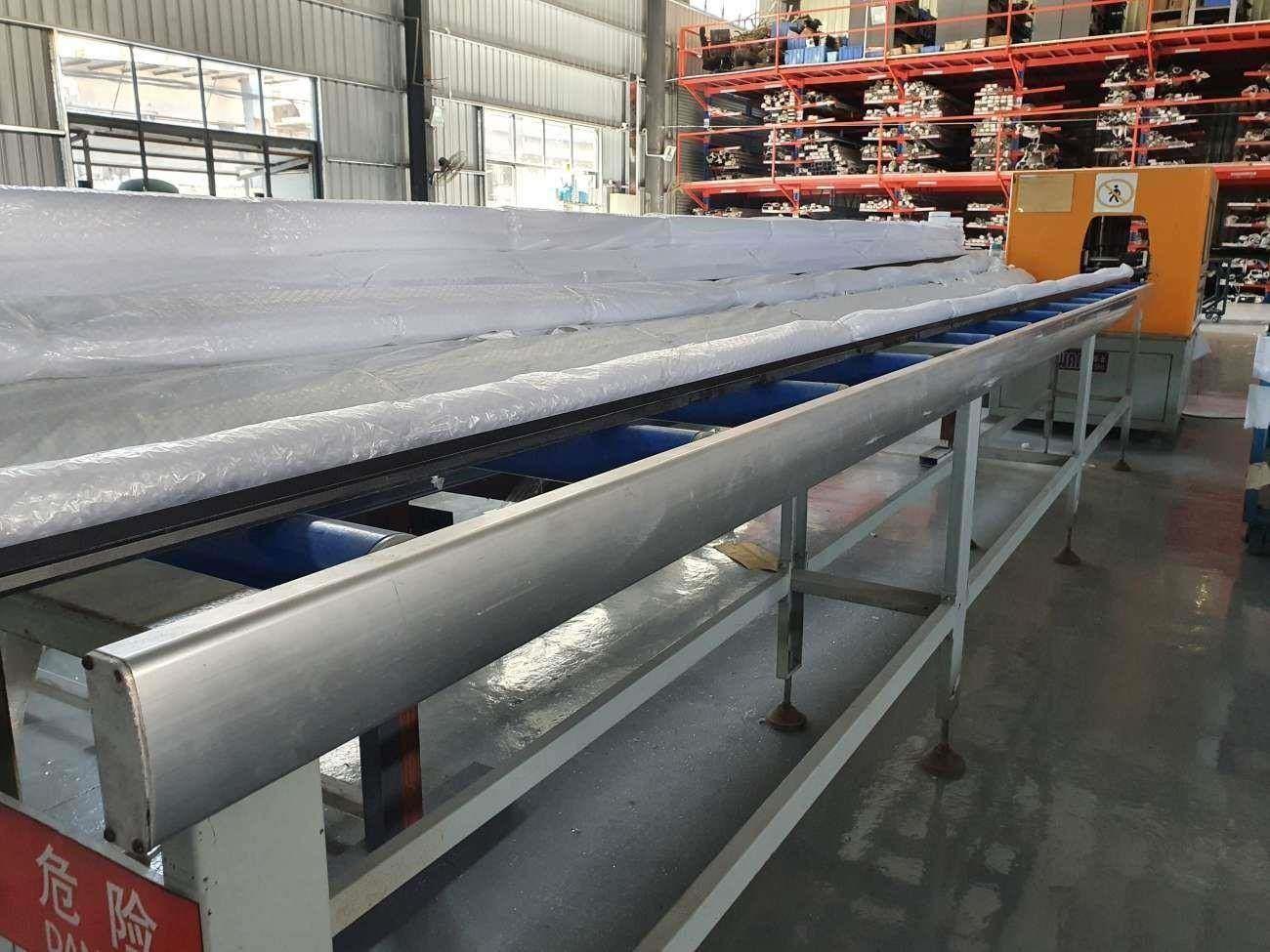 Lattice Machine
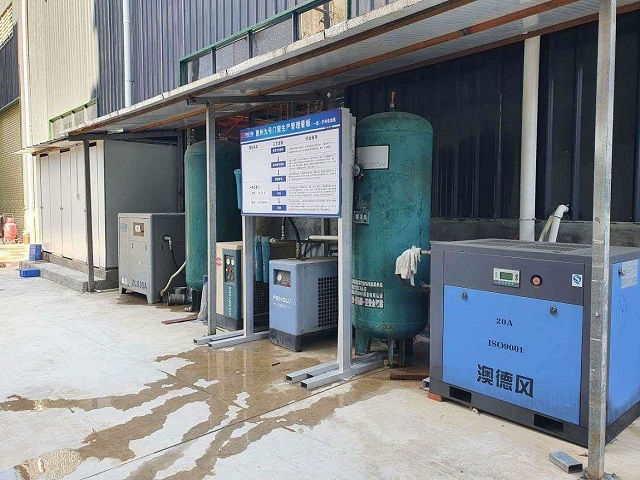 Air Compressor System
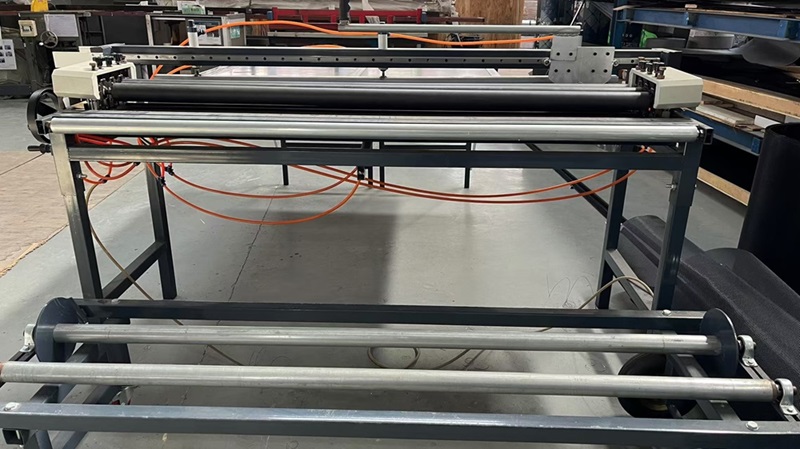 Flat Screen Cutting Machine
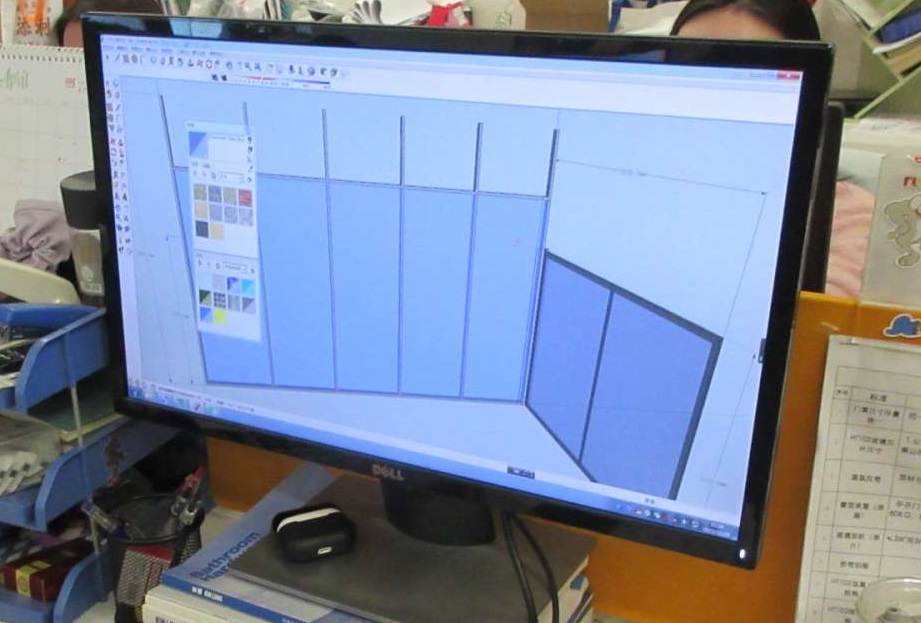 Architectural CAD Drafting
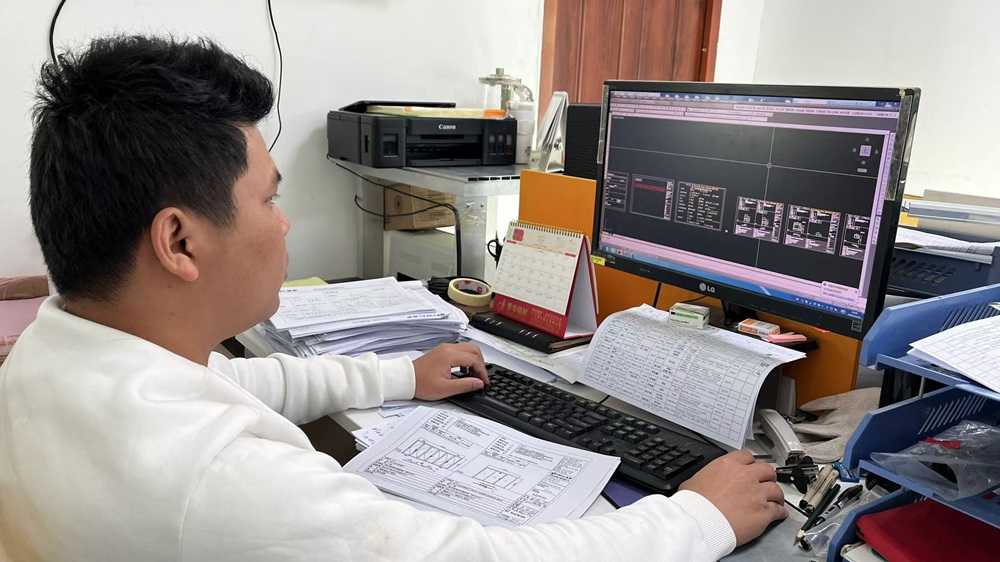 Cross-Sectional Engineering
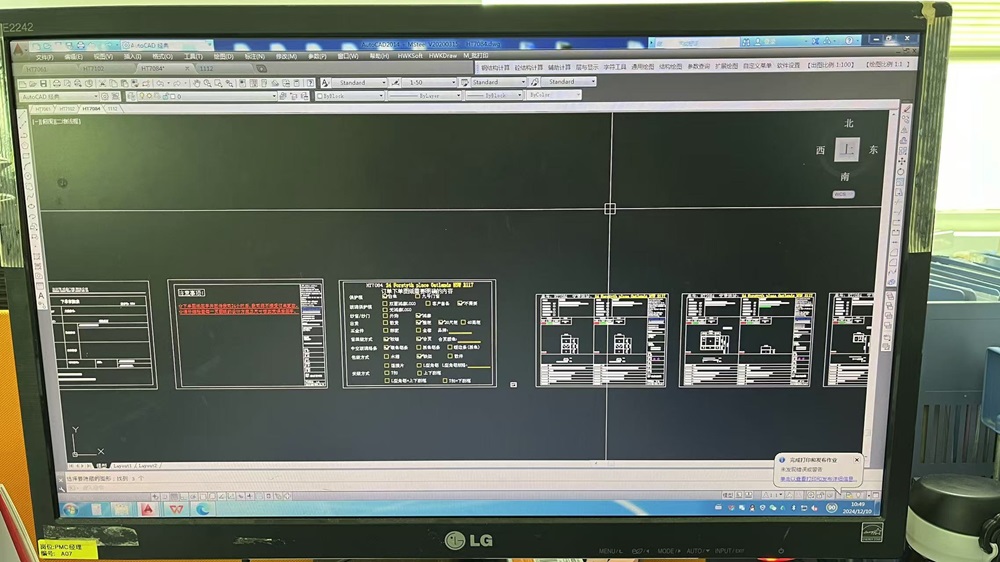 Computer FEA Simulation
Tailored structural fenestration engineered for diverse geographic regions and commercial requirements.
Primary Markets: Florida, Caribbean, Gulf Coast, Northern Australia.
Integrated with Miami-Dade NOA approved multi-layer laminated storm glass (0.090 SGP interlayers). Designed to resist wind pressure loads exceeding 100 psf and severe missile impacts without structural envelope breach.
Primary Markets: Australia, North American School Districts.
Heavy-duty entrance systems equipped with panic exit bar hardware, continuous hinges, and automatic door closers. Meets ADA accessibility standards and high-traffic endurance thresholds (exceeding 500,000 operating cycles).
Primary Markets: Global Architectural Projects.
Ultra-narrow sightline designs, oversized pivot doors, and flush threshold configurations. Features motorized multi-point lock integration, concealed hinges, and custom fluorocarbon (PVDF) surface finishes.
Pioneering future-ready fenestration through carbon reduction, IoT integration, and advanced thermal physics.
Integrating 0.3mm vacuum gap technology into double-glazed units to achieve U-values below 0.6 W/m²K, rivaling solid wall insulation profiles.
Transitioning primary extrusion lines to certified post-consumer recycled aluminum, reducing embodied carbon footprints by up to 65% per unit.
Embedded sensors monitoring structural lock status, seal compression integrity, and automated climate-responsive motorized venting system controls.
Concealed biometric handles with encrypted communication protocols designed for seamless high-security residential integration.
Technical guidance for architects, building supply importers, and general contractors.
6063-T6 aluminum undergoes artificial aging to achieve a higher tensile strength (minimum 205 MPa vs. ~150 MPa for T5) and higher yield strength. This ensures structural resistance against mechanical force, dynamic wind loads, and frame deformation under extreme operating conditions.
Miami-Dade NOA (Notice of Acceptance) compliance requires passing rigorous TAS 201 (Large Missile Impact), TAS 202 (Uniform Static Air Pressure), and TAS 203 (Cyclic Wind Pressure Loading) tests. Doors must withstand direct impact from a 9-pound 2x4 wooden plank fired at 50 ft/s followed by 9,000 positive/negative pressure cycles without glazing separation or latch failure.
Thermal breaks utilize low-conductivity materials (such as Polyamide PA66GF25) to physically split the inner and outer aluminum extrusions. This reduces the overall thermal transmittance (U-factor), preventing conductive heat transfer into air-conditioned spaces in hot climates or heat loss in cold regions, while eliminating internal surface condensation.
Foshan Primeval Doors Industry Co., Ltd. conducts full IQC-IPQC-FQC protocols. This includes salt-spray testing (ASTM B117) to verify finish corrosion resistance against coastal saline air, thermal conductivity meter verification, structural corner crimp shear testing, and 100% pre-shipment assembly commission testing.
Yes. Systems can be configured with Australian-compliant panic exit bars, continuous heavy-duty gear hinges, automatic hydraulic door closers, and low-profile ADA compliant thermal break thresholds suitable for school escape corridors and hotel applications.
Direct Factory Export Supply for Importers, Wholesalers, and Construction Developers.
 Primeval Doors