Explore our flagship, hurricane-rated, and thermally optimized architectural doors and structural fenestration systems tailored for modern luxury residential developments globally.
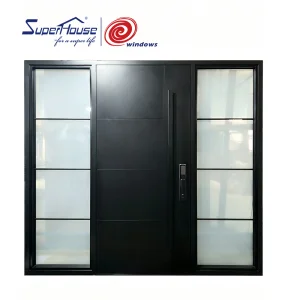
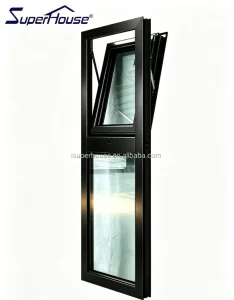
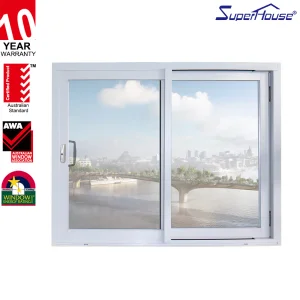
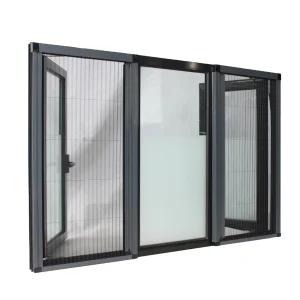
The global market for luxury villa doors and premium architectural fenestration systems is experiencing an unprecedented structural transformation. Driven by evolving high-end residential architecture, strict building energy codes, and increasing climate volatility, the demand for high-performance entry and exterior door systems has migrated from purely decorative millwork to multi-disciplinary structural engineering. Today's luxury villa entrance is expected to deliver structural resilience against extreme weather, acoustic isolation exceeding 45 dB, airtight thermal break barriers, and seamless integration with IoT biometric security systems.
According to recent global architectural procurement metrics, the high-end residential aluminum and composite door sector is expanding at a Compound Annual Growth Rate (CAGR) of 6.8% through 2030. Key geographical demand drivers include coastal regions in North America (Florida, California, Hawaii), Australia & New Zealand, the Gulf Cooperation Council (GCC) countries, and luxury enclave developments in Mediterranean Europe.
Modern villa architects no longer view doors as passive portal barriers. They are specified as massive, oversized architectural dynamic facades. Single-panel pivot doors exceeding 3.5 meters in height and multi-track hurricane-impact stacker doors with ultra-slim sightlines are now baseline specifications for ultra-luxury developments. To satisfy these rigorous demands, elite global manufacturers must harmonize aesthetic grandeur with stringent international testing standards including Florida NOA (Notice of Acceptance), Australian AS2047, European CE EN 14351-1, and NFRC thermal ratings.
When evaluating top-tier luxury villa door manufacturers, the industrial supply chain cluster in Foshan, China stands out as a global powerhouse of precision engineering, rapid prototyping, and cost-efficiency. Unlike fragmented regional workshops in Western Europe or North America, Foshan's fenestration ecosystem integrates raw material smelting, extrusion profiling, thermal barrier strip insertion, surface treatment (Fluorocarbon PVDF, AkzoNobel powder coating), hardware forging, and automated double-glazed IGU production within a 30-kilometer radius.
This concentrated supply chain density yields distinct strategic advantages for B2B procurement partners, real estate developers, and architectural importers:
Ability to execute bespoke architectural CAD/BIM designs with custom frame depths, non-standard structural thermal breaks, and integrated multi-point locking mechanisms within 15-20 days prototyping windows.
Achieving up to 40-50% operational cost optimization compared to North American or European custom fabricators without compromising profile wall thickness (typically 2.0mm–3.0mm structural grade T6063-T6 aluminum).
Direct integration of international testing protocols into the assembly line, ensuring every export shipment complies with high-velocity hurricane zones (HVHZ) and severe thermal conditions.
Established in 2017, Foshan Primeval Doors Industry Co., Ltd. operates from a modern manufacturing facility spanning over 12,000 m². Backed by 11 years of deep industry engineering experience and 5 years of dedicated international export trade, the enterprise generates an annual export revenue exceeding USD 8,500,000.
Quality control is strictly enforced through systematic IQC-IPQC-FQC inspection procedures along with rigorous thermal conductivity, structural air-tightness, and salt-spray anti-corrosion testing. A skilled QC team of 22 certified inspectors oversees every step of the production workflow. Supported by 420 trusted supply chain partners, our enterprise background covers direct OEM export and private-label customization, serving primary markets in Australia, New Zealand, North America, and the Middle East.
Our core client base consists mainly of luxury residential building supply importers, master architectural designers, real estate project developers, and regional building hardware wholesalers. Driven by continuous innovation, our internal R&D group of 38 specialized engineers introduced 75 new entry door and window systems over the past year. Bespoke customization options include custom frame depths, double/triple-glazed decorative glass inserts with Argon gas fill, custom powder-coated color palettes, and heavy-duty EPDM weatherproofing seals.
Below is an interactive view into our 10-stage quality-controlled production workflow and advanced machinery fleet:
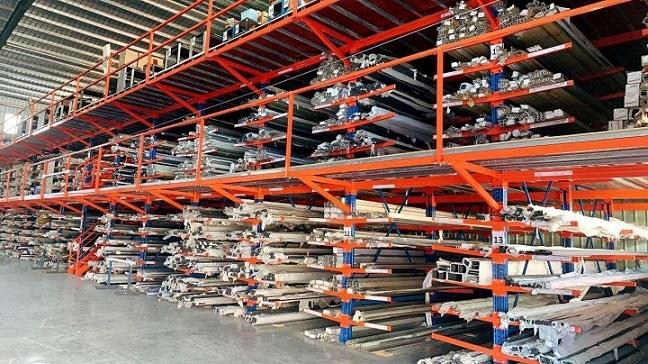 1. Raw Material Inspection
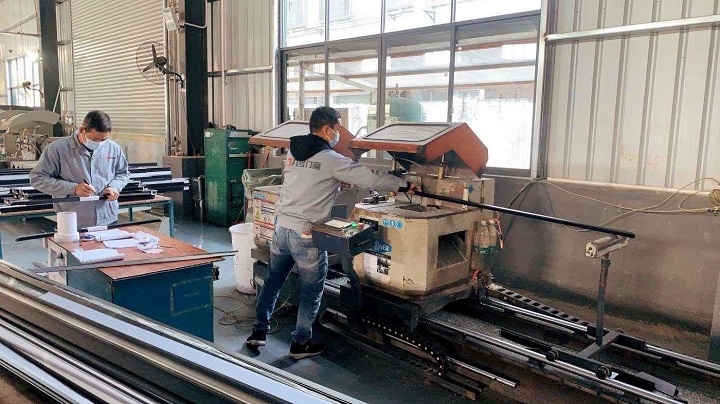 2. Profile Cutting
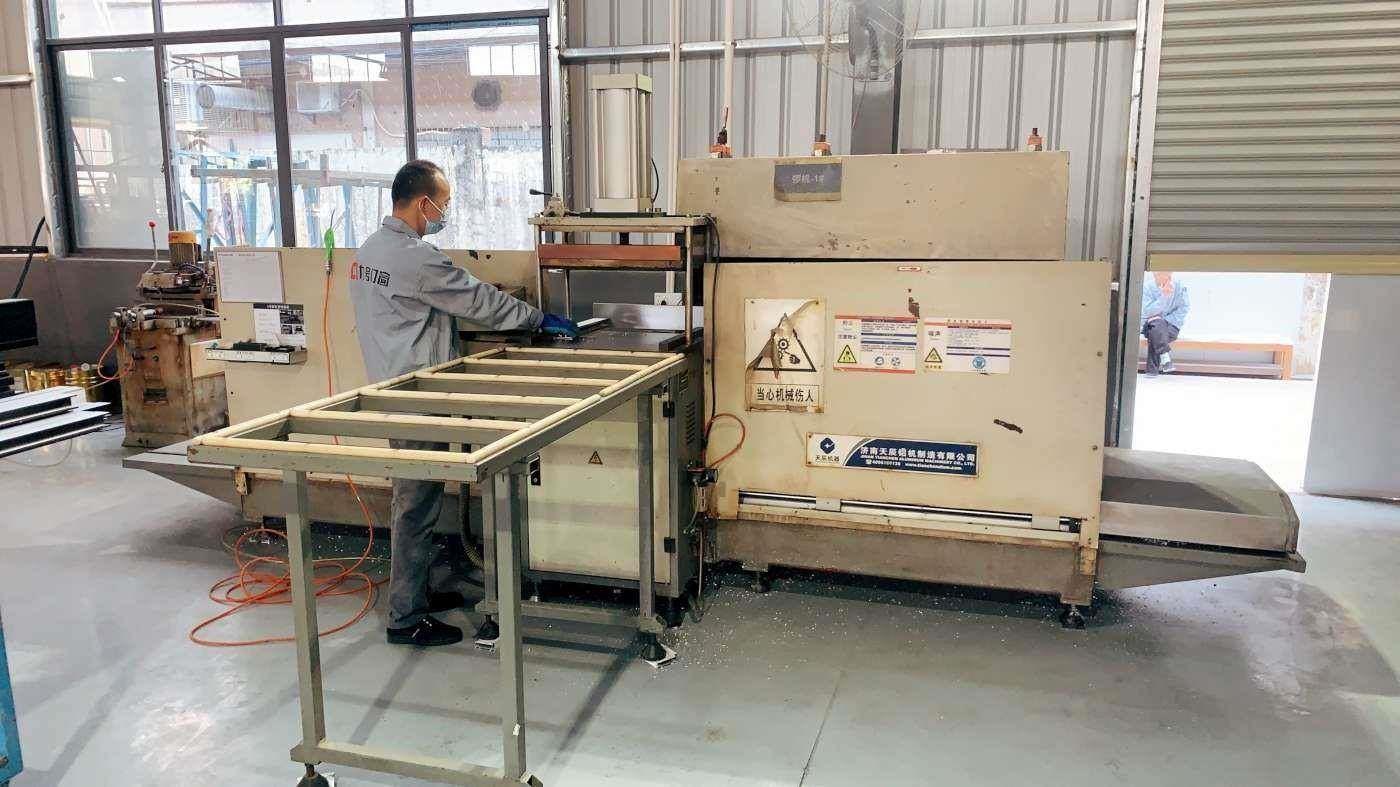 3. Milling Tenon
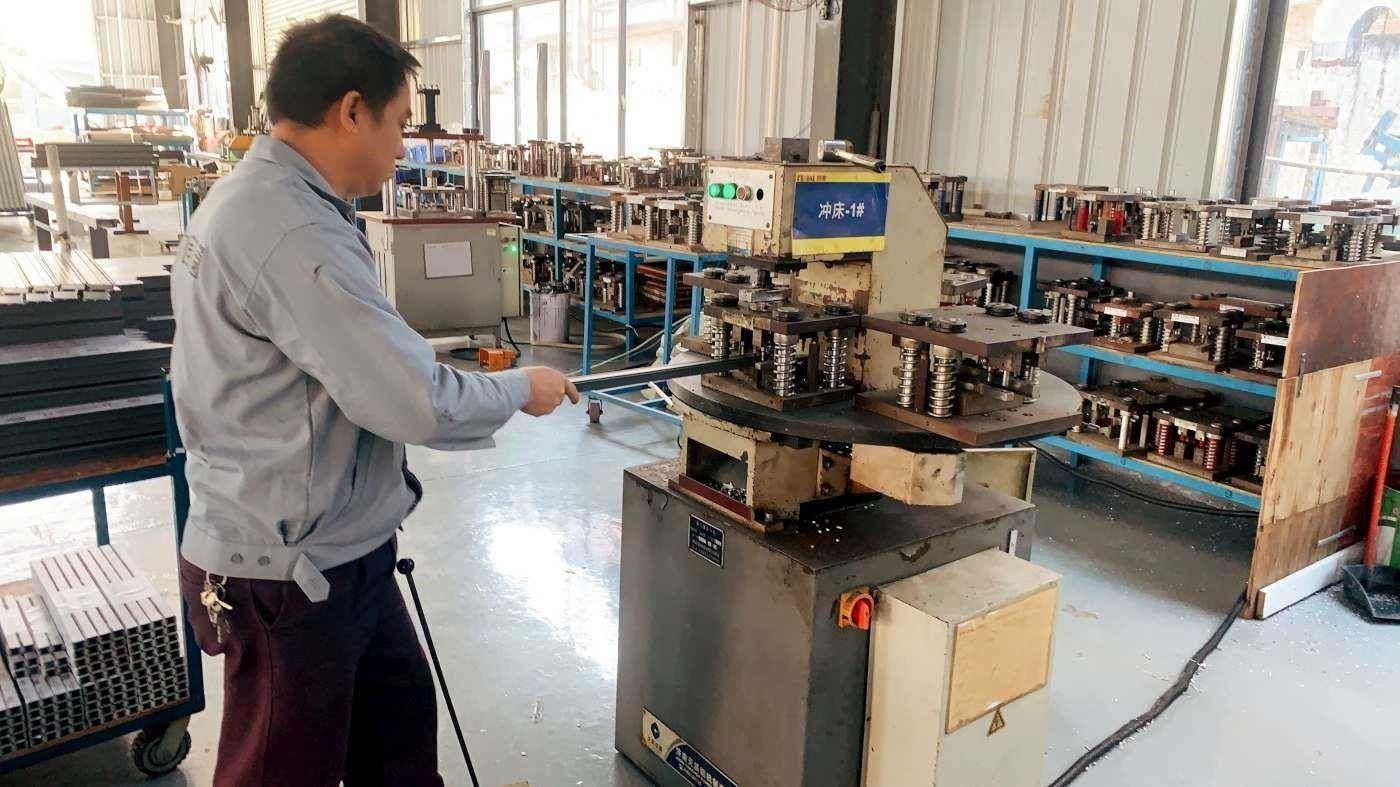 4. Punching Process
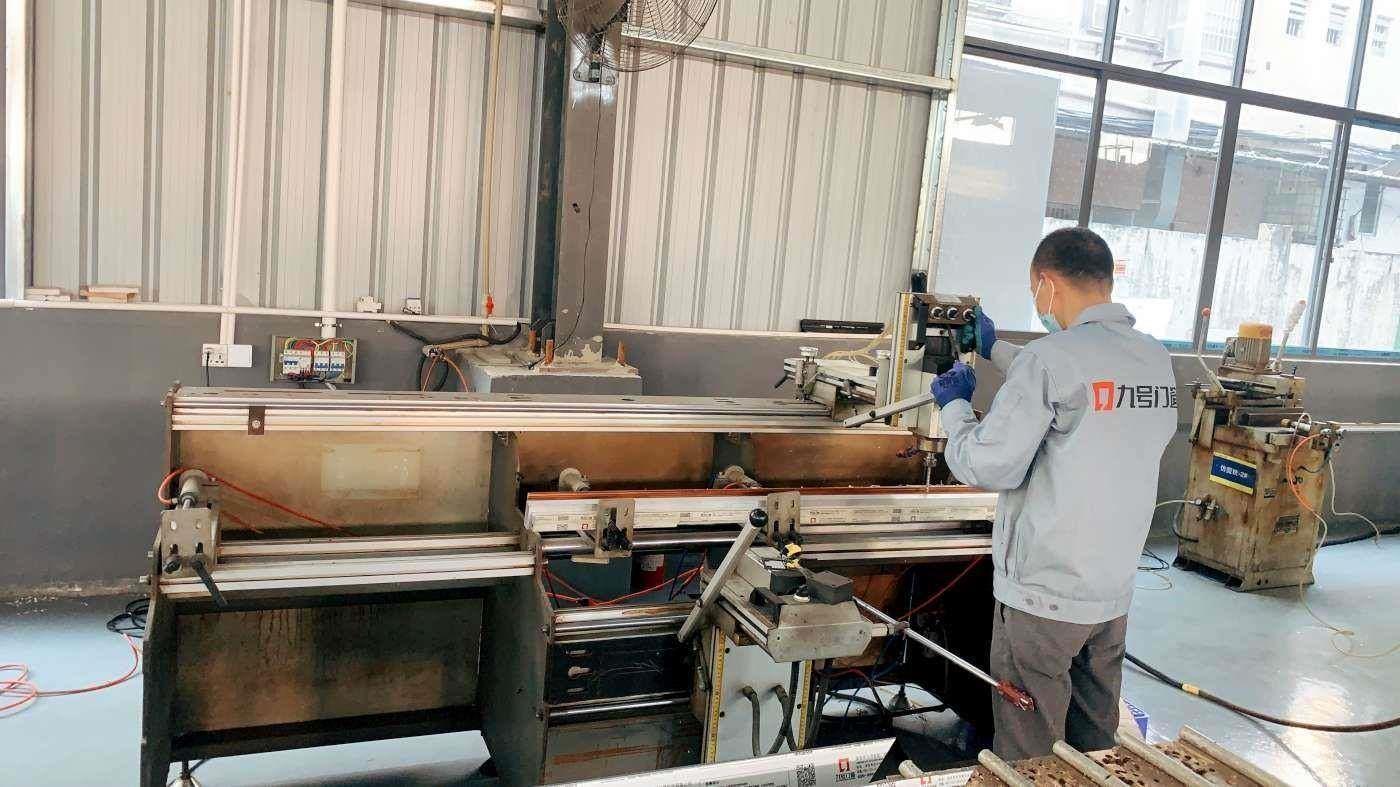 5. Profile Milling
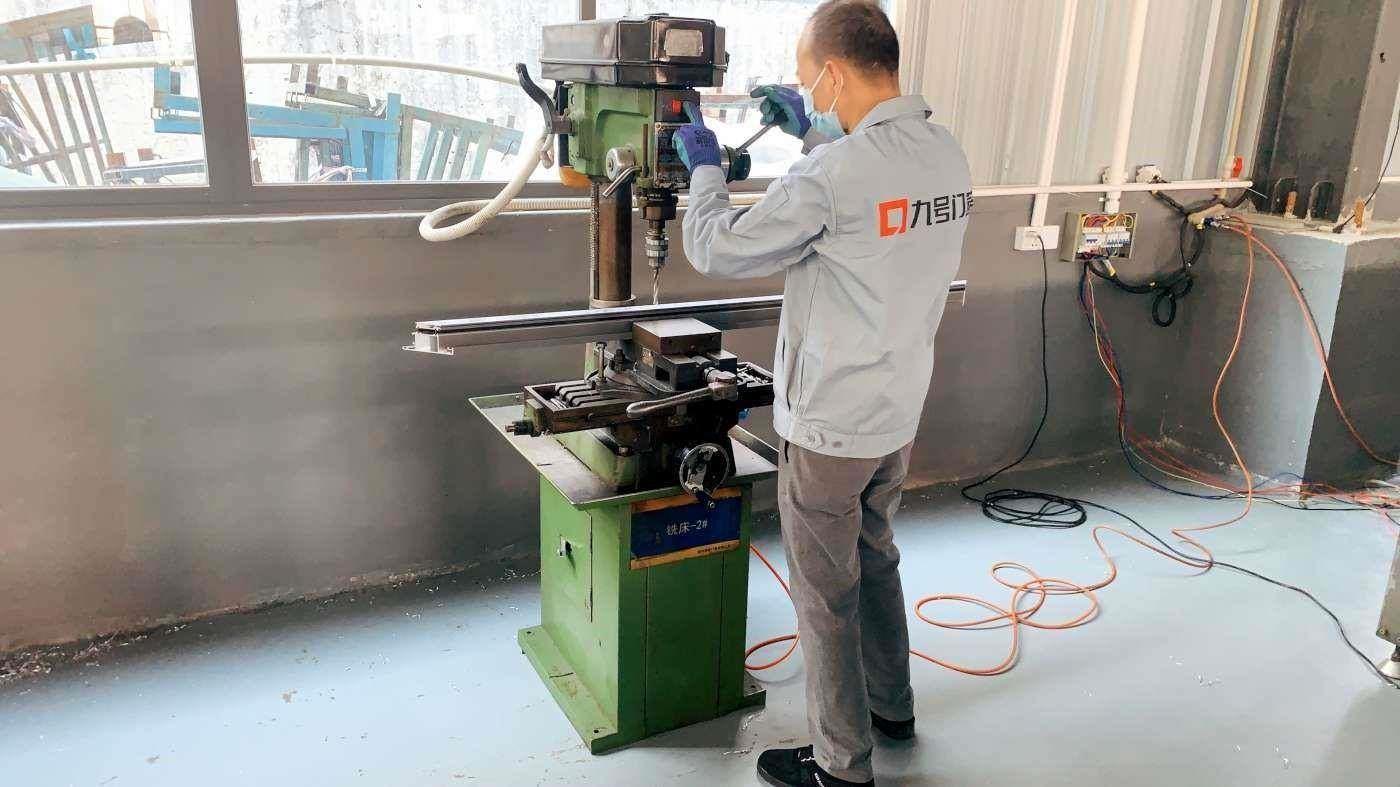 6. Hole Milling
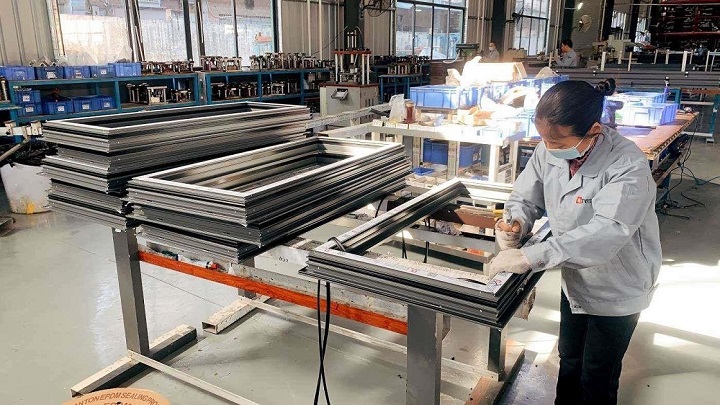 7. Frame Fan Assembly
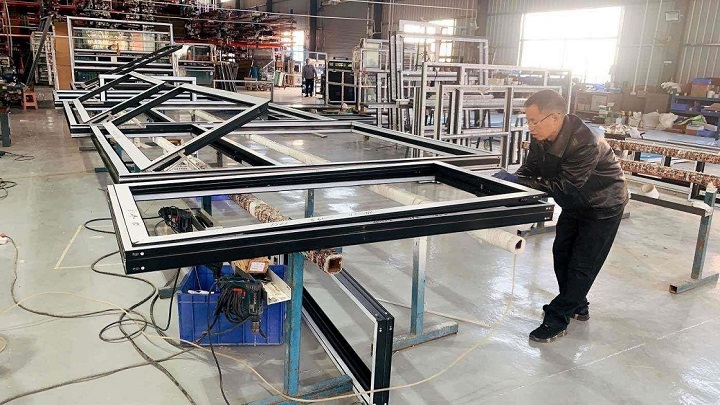 8. Hardware Assembly
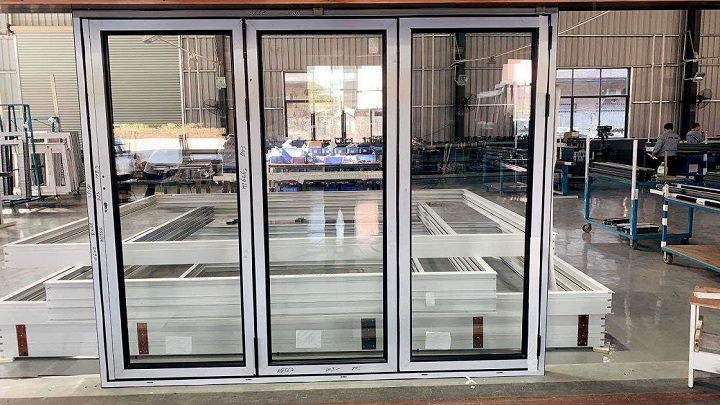 9. Product Commissioning
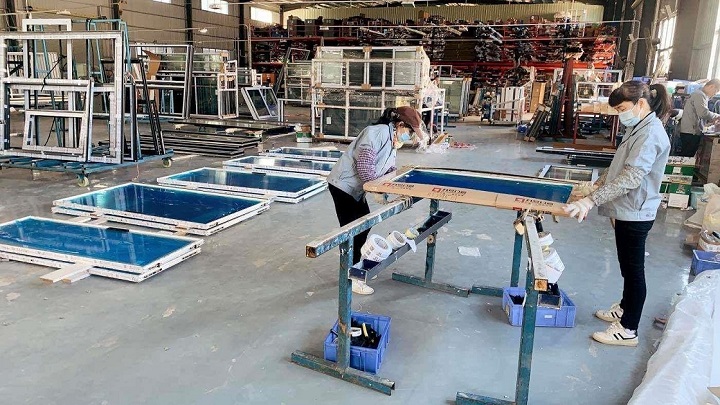 10. Packaging & QC
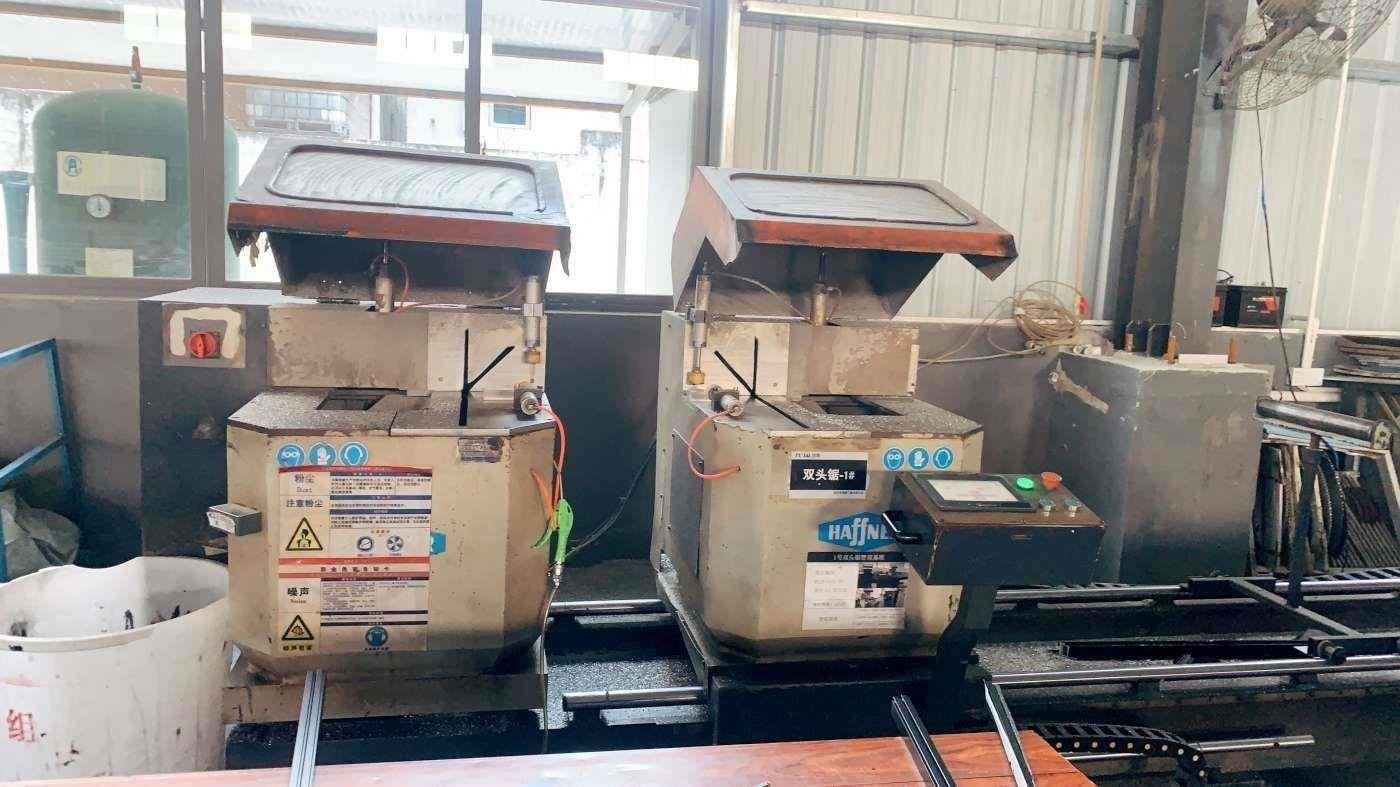 Profile Cutting CNC
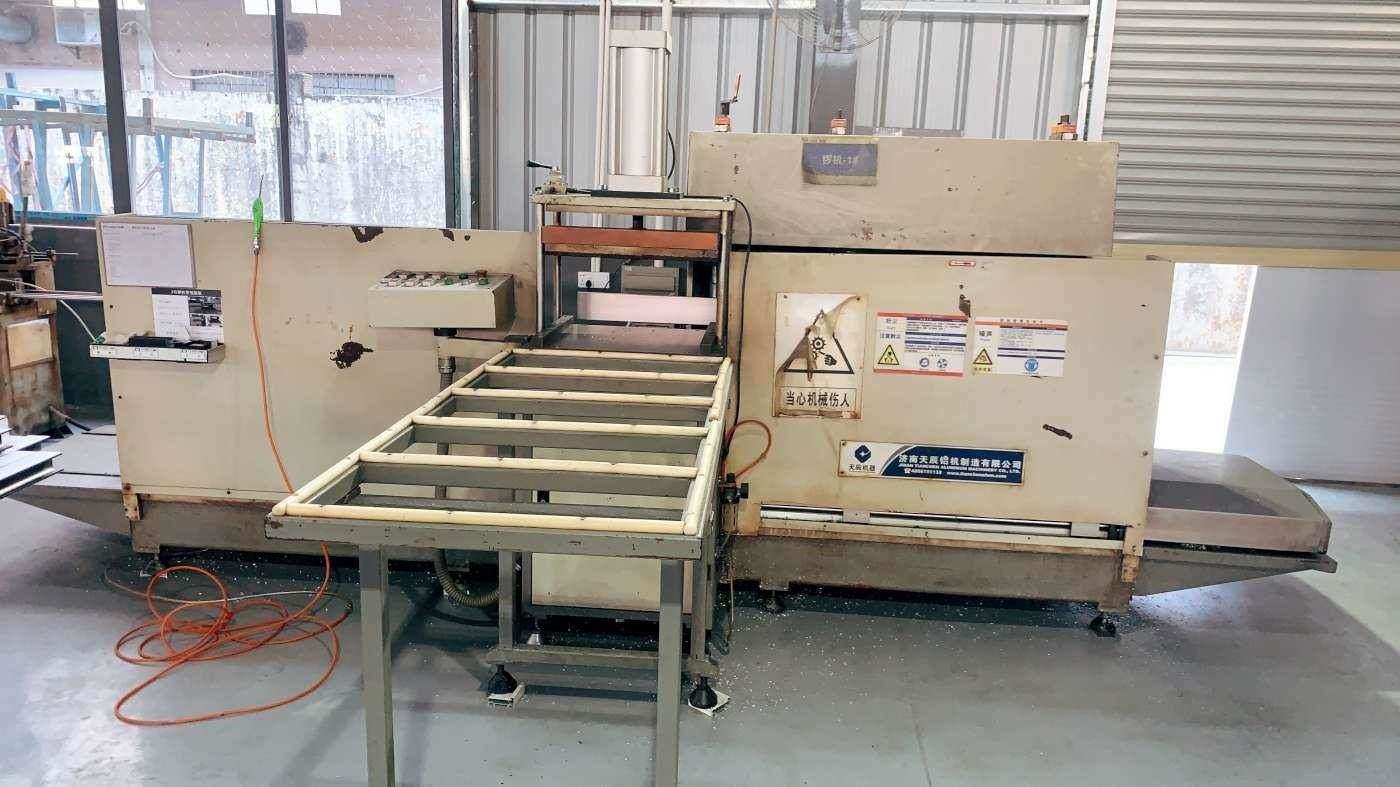 Precision Milling Machine
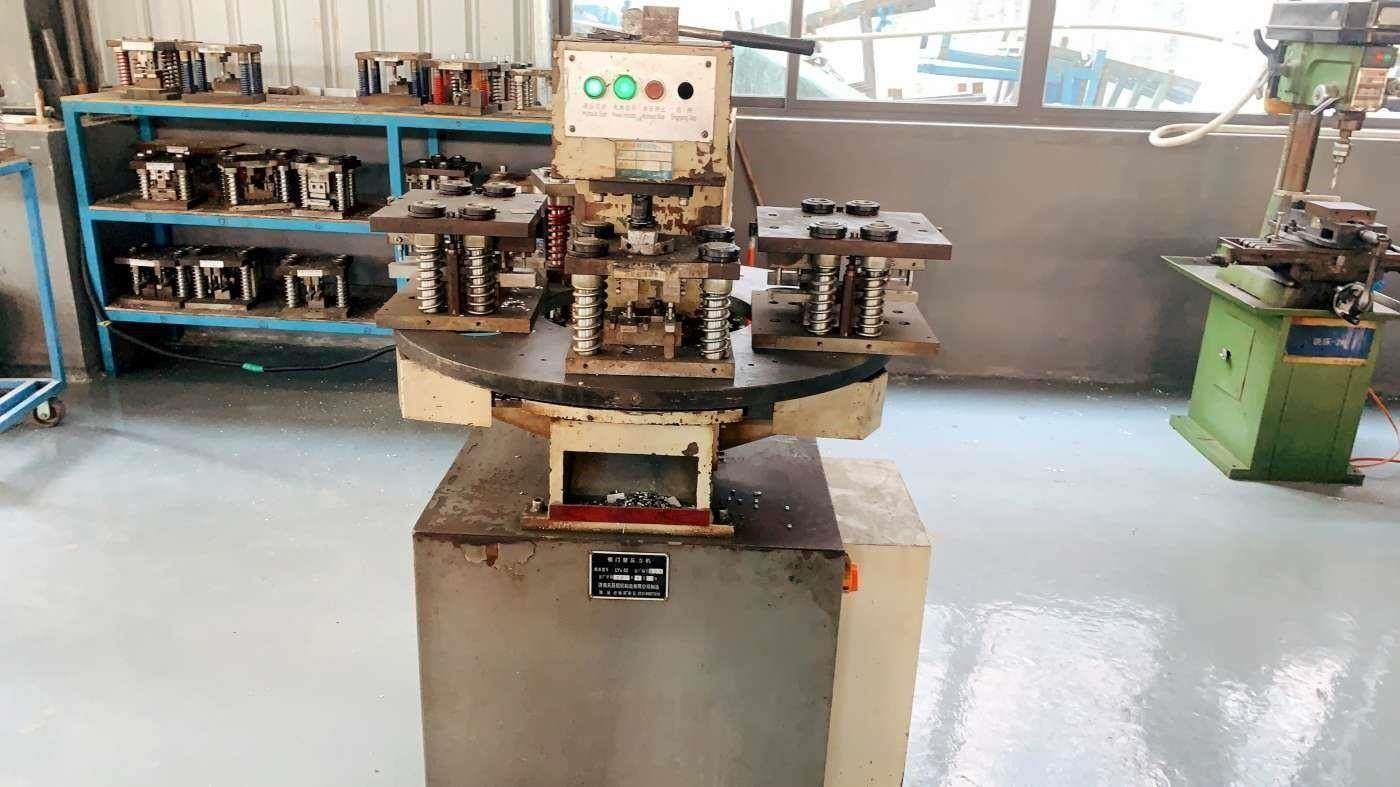 Hydraulic Punching Rig
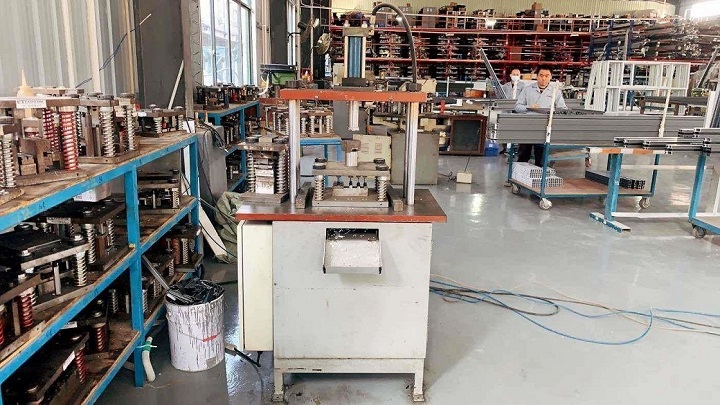 Heavy Punching Machine
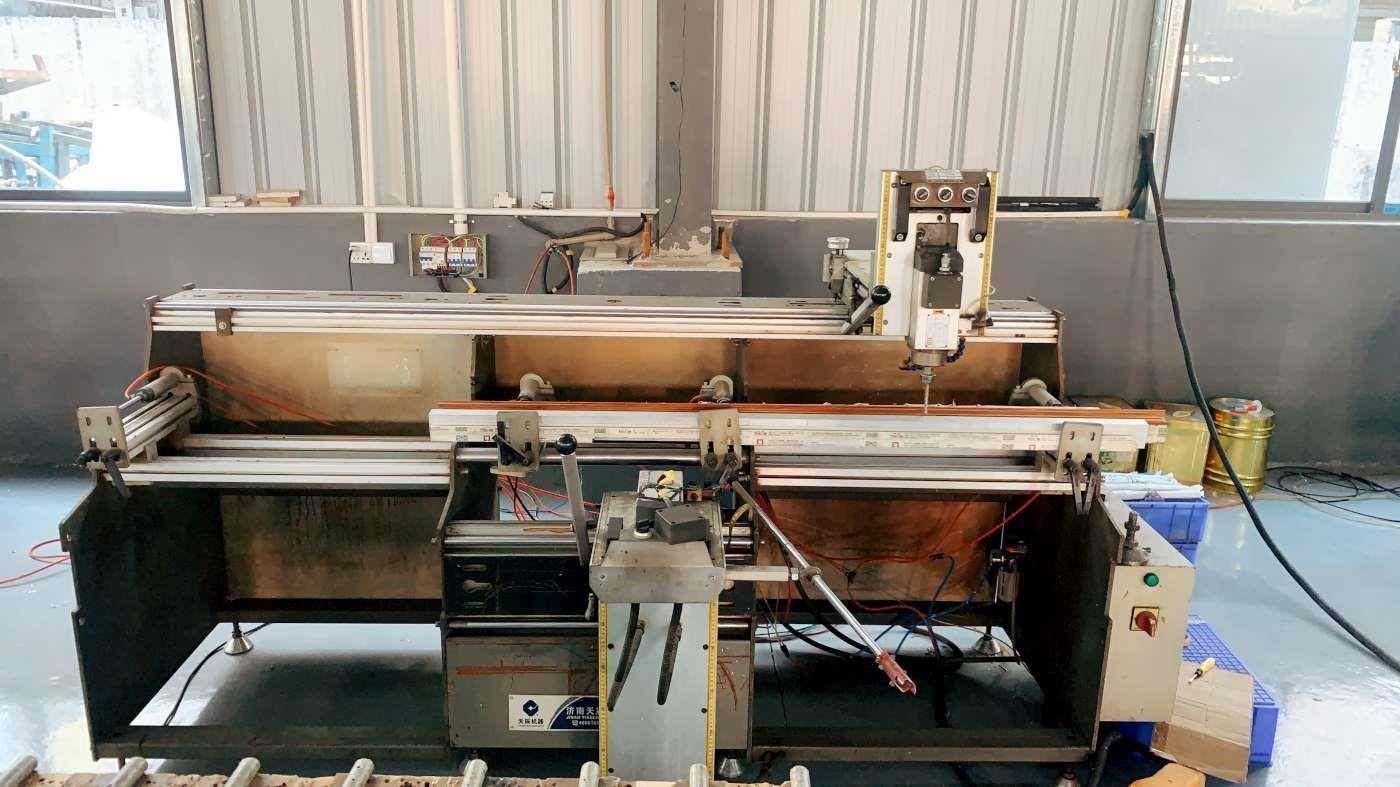 Profile Milling Rig
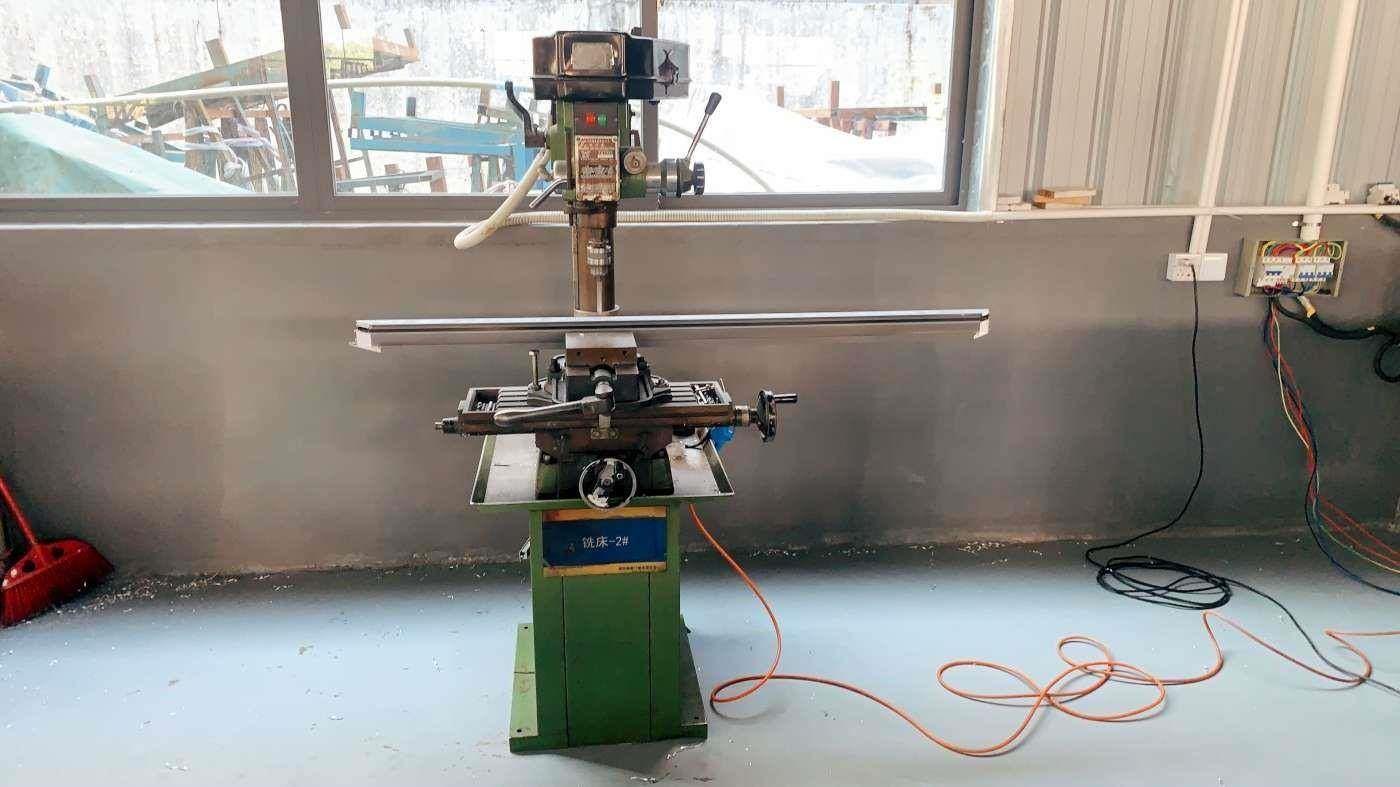 Drilling/Milling Machine
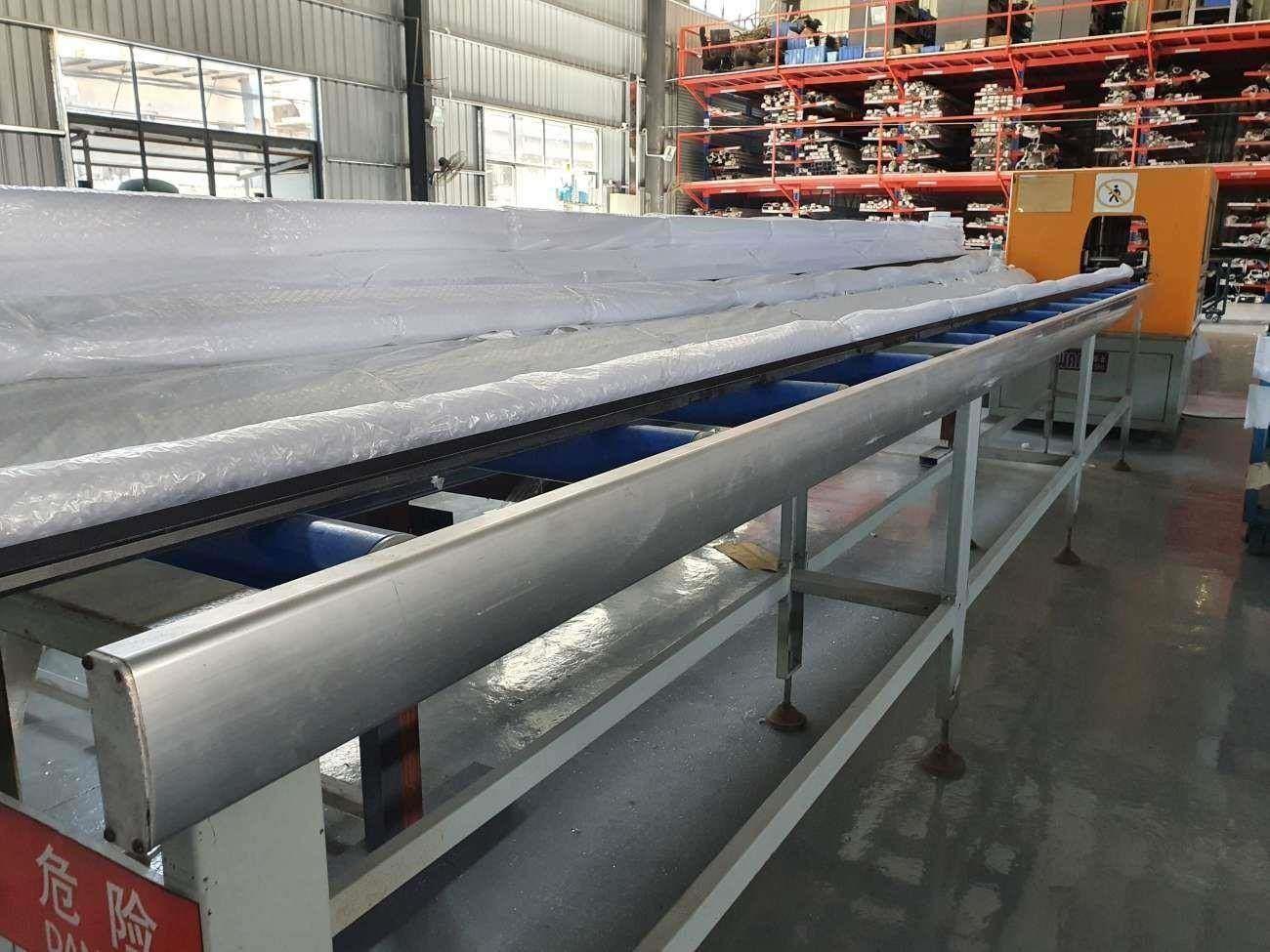 Lattice Fabrication Machine
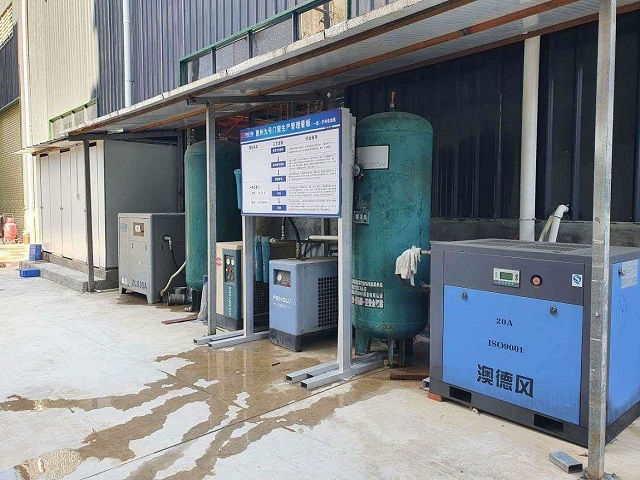 Industrial Air Compressor
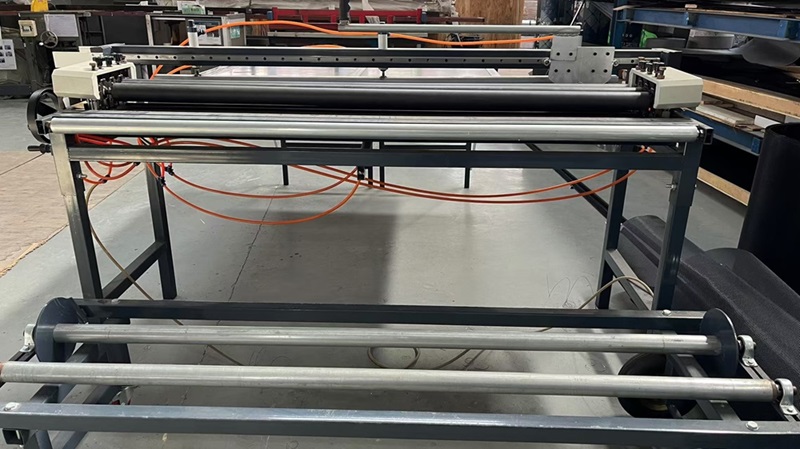 Screen Cutting Machine
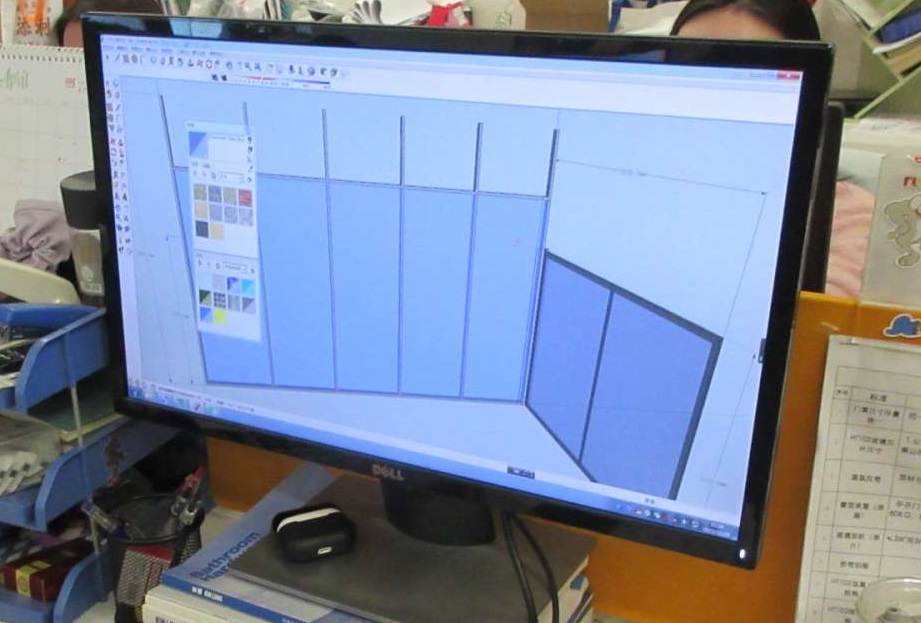 BIM CAD Drawing Station
 Architectural Schematics
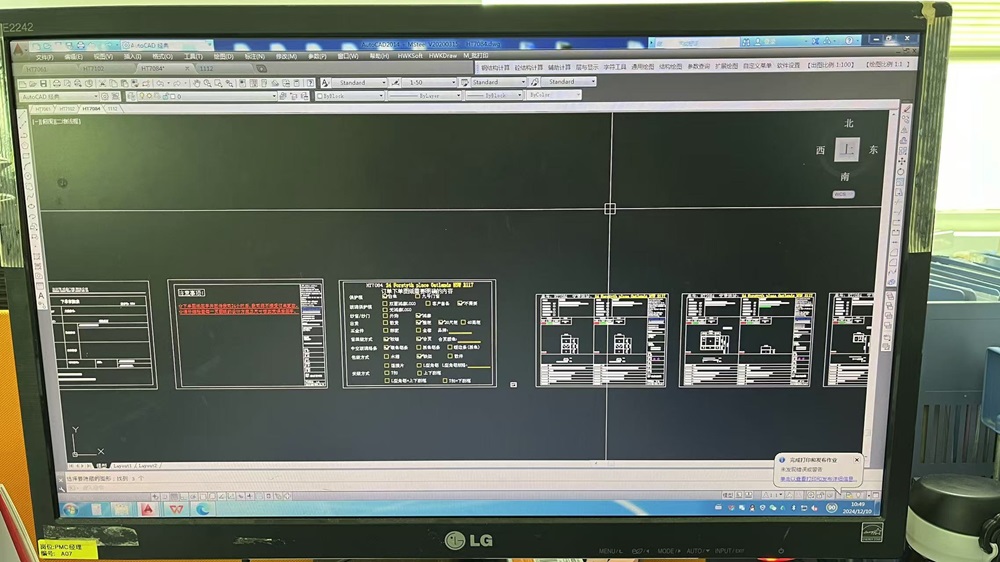 3D Parametric Modeling
Architectural specifications for luxury doors vary significantly based on geographic microclimates and structural building standards. Global buyers must ensure their chosen manufacturer possesses localized compliance testing and customized product engineering options.
| Target Region | Primary Environmental Challenge | Required Standards & Certifications | Architectural Solution & Profile Engineering |
|---|---|---|---|
| North America (Florida / Coastal) | Category 5 Hurricanes, Wind-borne Debris, Salt Air Corrosion | Florida NOA, TAS 201/202/203, ASTM E1886/E1996, NFRC | Laminated impact SGP interlayers, multi-point lock deadbolts, D2015 PVDF anti-corrosion coatings, heavy aluminum profiles (3.0mm). |
| Australia & New Zealand | High UV Index, Bushfire Exposure, Structural Wind Loading | AS2047, AS1170, AS3959 (BAL-40 / BAL-FZ), WERS Rated | Thermal break polyamide strips (PA66GF25), double glazed Low-E toughened glass, stainless steel mesh integration, heavy duty seals. |
| Northern Europe & Canada | Sub-Zero Winters, Thermal Loss, Condensation Build-up | CE EN 14351-1, Passive House Standard, U-Factor ≤ 0.15 | Triple-glazed units with Warm Edge Spacer, Argon gas filling, multi-chambered thermal break profiles with polyurethane insulation foam. |
| Middle East (GCC Region) | Extreme Ambient Heat (>50°C), Dust Storms, Thermal Expansion | ISO 9001, SASO, High Solar Heat Gain Coefficient (SHGC) resistance | Reflective heat-shield coatings, anti-expansion thermal breaks, dust-proof EPDM double perimeter seals, smart motorization. |
To guide institutional buyers, developers, and architects, our research team has benchmarked the top 10 global manufacturers and exporters based on structural performance, manufacturing scale, OEM responsiveness, and international certification coverage:
Global leader in premium aluminum facade and door systems. Renowned for hyper-engineered thermal break engineering and minimalistic design aesthetics. Premium price point tailored for European mega-projects.
Leading export specialist combining 12,000m² manufacturing facility with 38-engineer R&D division. Comprehensive Florida NOA & AS2047 hurricane impact lines with aggressive direct-factory pricing.
European pioneer in sustainable aluminum architectural solutions. Features sophisticated sliding and pivot door engineering with high recycled aluminum content and advanced acoustic dampening.
Established North American leader specializing in wood-clad aluminum and composite entry doors. Strong footprint in traditional luxury residential developments across USA and Canada.
Asian manufacturing giant known for high-precision hardware integration and ultra-durable anodized surface finishes engineered for extreme weathering conditions.
Bespoke manufacturer catering to modern luxury luxury estates in Western USA. Focuses on massive clear-span glass panels, motorized sliding tracks, and minimal aluminum sightlines.
High-end Italian safety and architectural entrance door artisan. Specializes in luxury armored pivot doors featuring exotic bronze, timber, and ceramic exterior cladding.
Major European exporter offering innovative minimalistic sliding systems and high thermal performance hinged villa door systems across European and Latin American markets.
Prominent Chinese exporter with certified NFRC and Australian standards compliance, supplying volume residential project developments across Australia and North America.
Specialized British manufacturer known for custom aluminum bi-folding and French doors featuring vibrant powder-coat options and high security internal locking systems.
The luxury architectural door segment is undergoing dynamic technological upgrades. Manufacturers leading the market are actively integrating the following advancements:
Modern villa blueprints demand statement entryways. Heavy-duty pivot hinges capable of supporting panels weighing up to 800 kg with floor-concealed hydraulic self-closing mechanisms are replacing traditional butt hinges.
Keyless luxury is becoming standard. Entry doors now seamlessly embed facial recognition scanners, 3D biometric fingerprint sensors, smartphone Bluetooth/Wi-Fi opening, and motorized automatic locking pins into the frame interior.
To comply with carbon-neutral building codes, thermal breaks utilize 25-34mm polyamide strips reinforced with 25% fiberglass, supplemented by aerogel insulation infill inside extrusion cavities to achieve U-factors below 0.18 BTU/hr·ft²·°F.
Luxury coastal villas require missile-impact resistance without thick, distorted glass. Kuraray SentryGlas (SGP) interlayers provide 5 times the tear strength and 10 times the stiffness of conventional PVB, ensuring post-breakage structural standing.
For commercial real estate procurement directors, architectural importers, and luxury homebuilders, procuring doors internationally requires rigorous factory auditing and technical vetting. Follow this structured checklist before issuing Purchase Orders (POs):
Verify aluminum alloy grade (6063-T5 vs 6063-T6) and wall thickness. Structural load-bearing door frames should maintain a minimum nominal wall thickness of 2.0mm to 3.0mm according to structural calculations.
Request valid test reports from certified third-party laboratories (e.g., Intertek, NAMI, SAI Global). Verify Florida NOA numbers directly on the Miami-Dade County product control database.
Ensure hardware components utilize 304 or 316 marine-grade stainless steel. Standardize on globally reputable lock systems (such as Siegenia, Hoppe, GU, or customized multi-point lock assemblies).
Essential technical answers regarding international procurement, hurricane ratings, thermal performance, and factory customization capabilities.
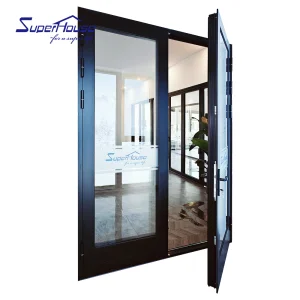
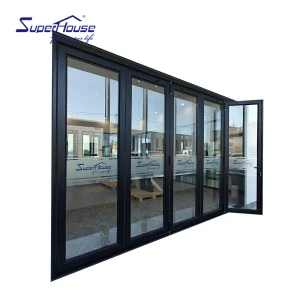
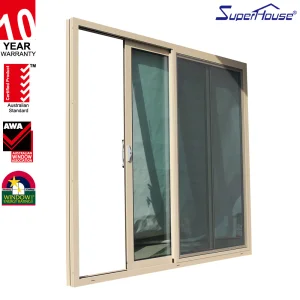
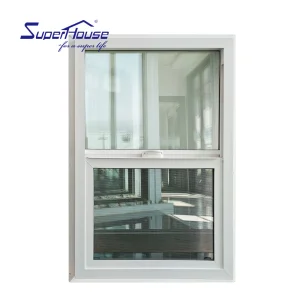
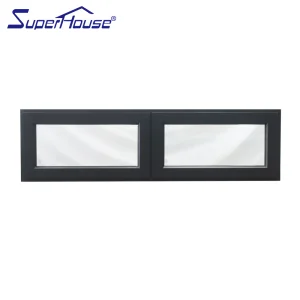
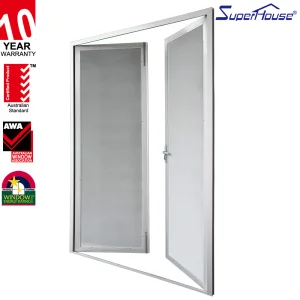
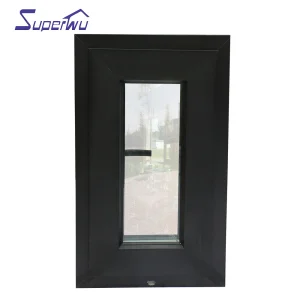
Explore additional high-performance window and door configurations engineered for high-end residential and commercial projects:
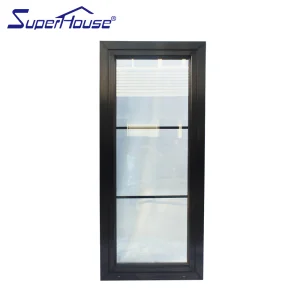
 Primeval Doors