Engineered to strict international standards including NFRC, Miami-Dade NOA, AAMA, and AS2047 for extreme wind-load, security, and thermal insulation demands.

The global market for access control aluminum doors is undergoing a structural paradigm shift. Driven by smart building integration, heightened physical security mandates, and decarbonization targets, modern architectural entrances are transitioning from static structural barriers into intelligent, thermal-break cyber-physical portals.
Modern entry hardware seamlessly combines heavy-duty 6063-T6 architectural extruded aluminum profiles with embedded electromagnetic locks, OSDP (Open Supervised Device Protocol) readers, biometrics, and IoT telemetry gateways.
Advanced polyamide (PA66) thermal break barriers ensure ultra-low U-factors (<0.24 Btu/h·ft²·°F), preventing thermal bridging while preserving structural integrity against DP-100 hurricane force pressure.
Tier-1 manufacturers offer agile engineering capabilities, supporting custom frame depth extrusions, private-label branding, customized wiring race-ways, and global regulatory compliance.
As a flagship enterprise operating out of Foshan—the global hub of architectural aluminum profile manufacturing—Foshan Primeval Doors Industry Co., Ltd. exemplifies the integration of advanced metallurgy, digital fabrication, and international quality management.
Established in 2017, Foshan Primeval Doors Industry Co., Ltd. operates from a state-of-the-art manufacturing facility covering 12,000 m². Driven by 11 years of core industry engineering experience and 5 years of dedicated international export trade, the enterprise generates an annual export revenue exceeding USD 8,500,000.
Our primary export destinations encompass high-compliance markets, notably Australia, New Zealand, and North America (United States & Canada), serving residential building supply importers, general contractors, architectural specifiers, and regional commercial wholesalers.
Quality control is strictly enforced through systematic IQC-IPQC-FQC (Incoming, In-Process, Final Quality Control) inspection protocols alongside rigorous thermal conductivity metrics and salt-spray corrosion testing. A skilled QC team of 22 dedicated inspectors oversees every phase of production.
Supported by 420 trusted raw material and hardware supply chain partners, our enterprise background covers direct OEM export and private-label customization. Driven by continuous innovation, our R&D team of 38 engineers introduced 75 new entry door products last year alone, offering frame depth adjustments, double/triple decorative glass inserts, powder-coated palettes, and heavy-duty weather seals.
Unlike standard structural door suppliers, specialized access control aluminum manufacturers pre-engineer internal high-voltage/low-voltage separated wire raceways within the extruded frame. This eliminates the risk of EMI (electromagnetic interference) on card reader communications and speeds up field installation for access control system integrators by up to 60%.
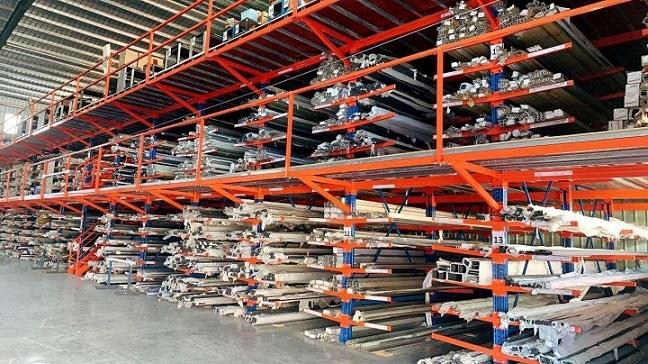
From raw aluminum billet handling to precision computerized milling and hardware Commissioning, every manufacturing stage is monitored to achieve tolerances within ±0.1mm.
 1. Raw Material
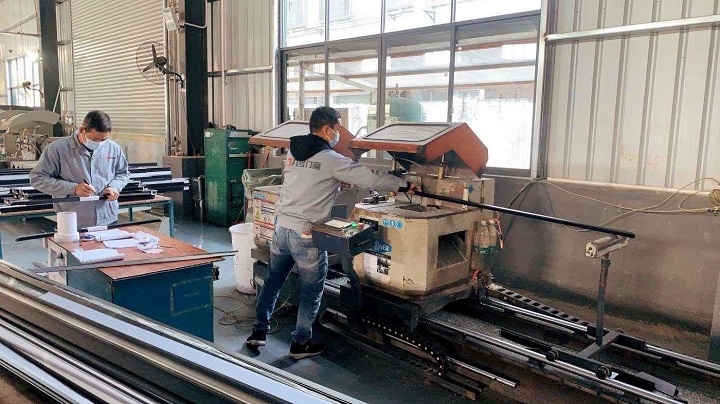 2. Profile Cutting
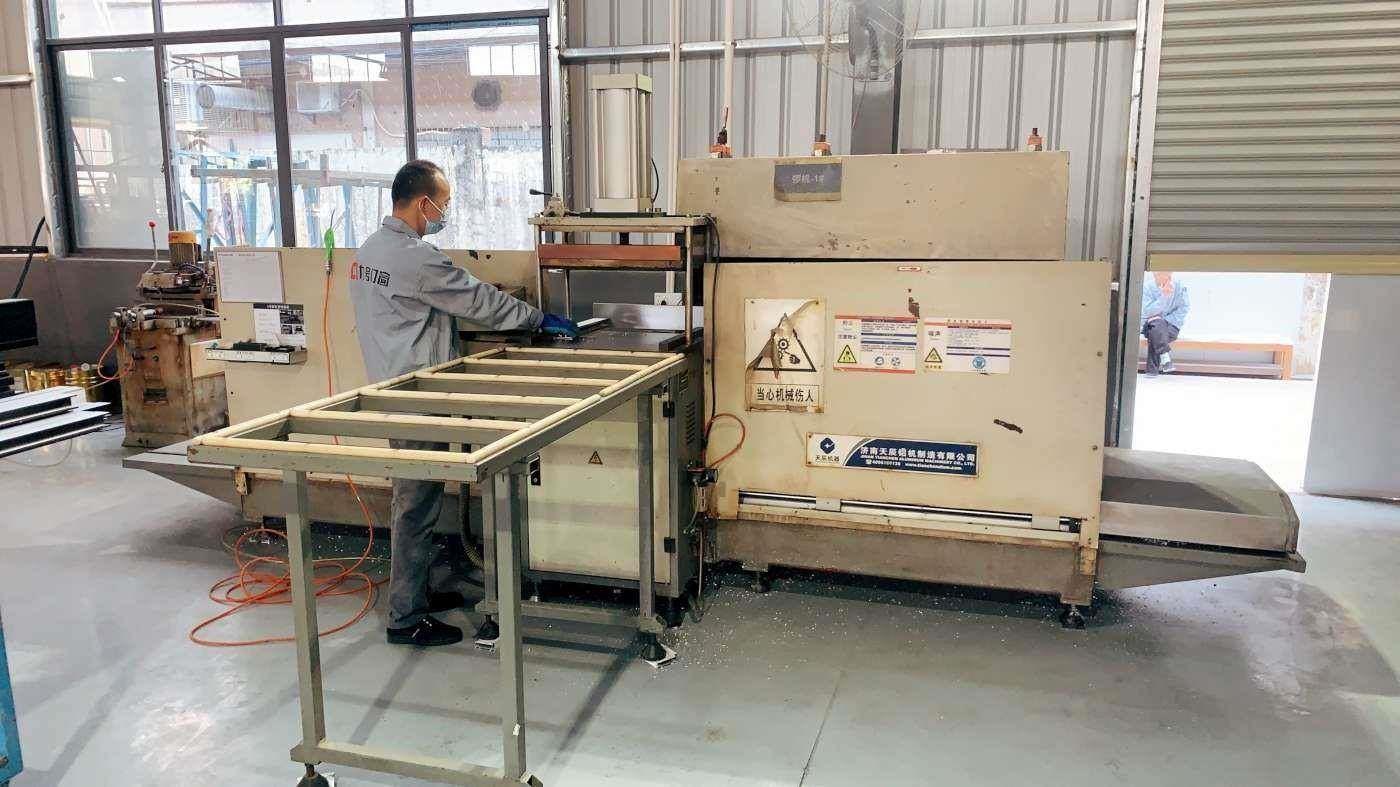 3. Milling Tenon
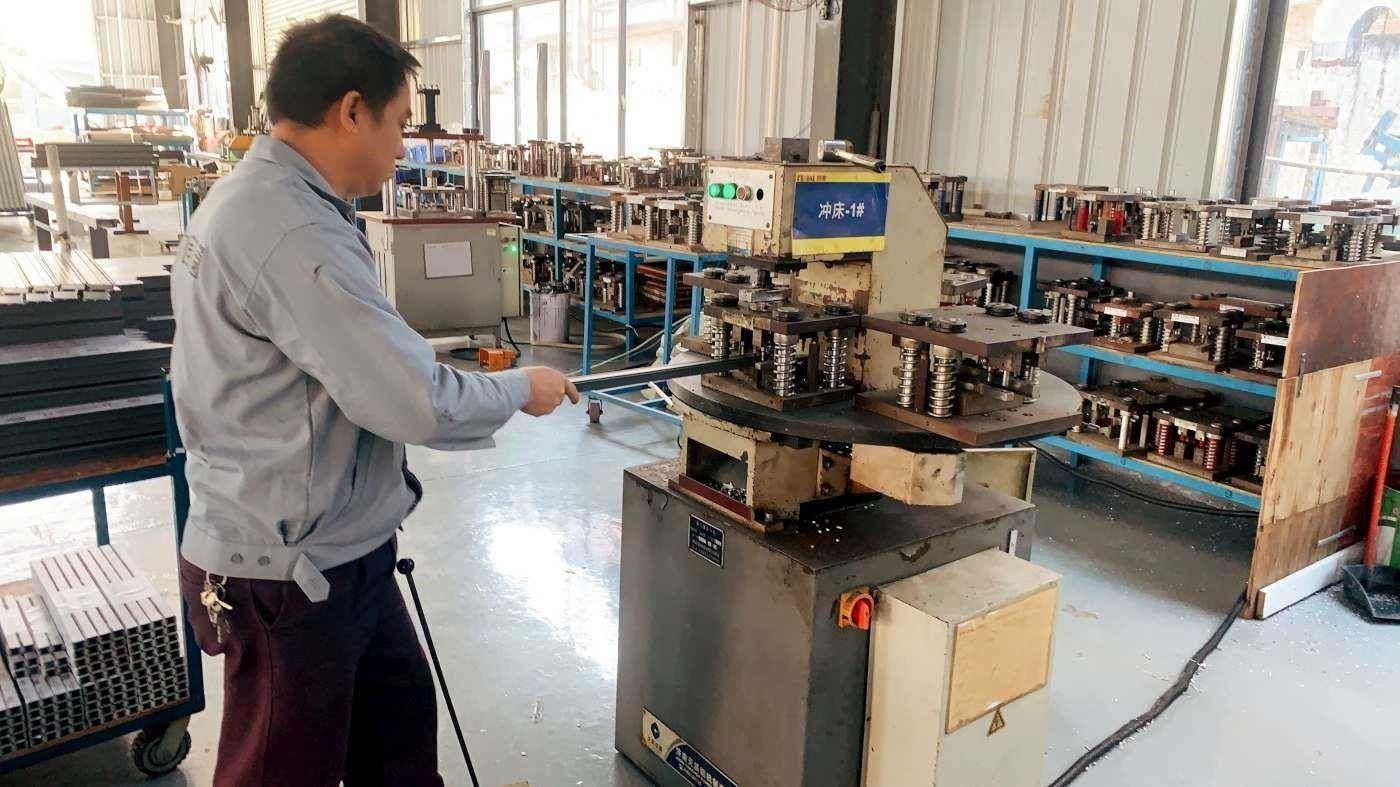 4. Punching
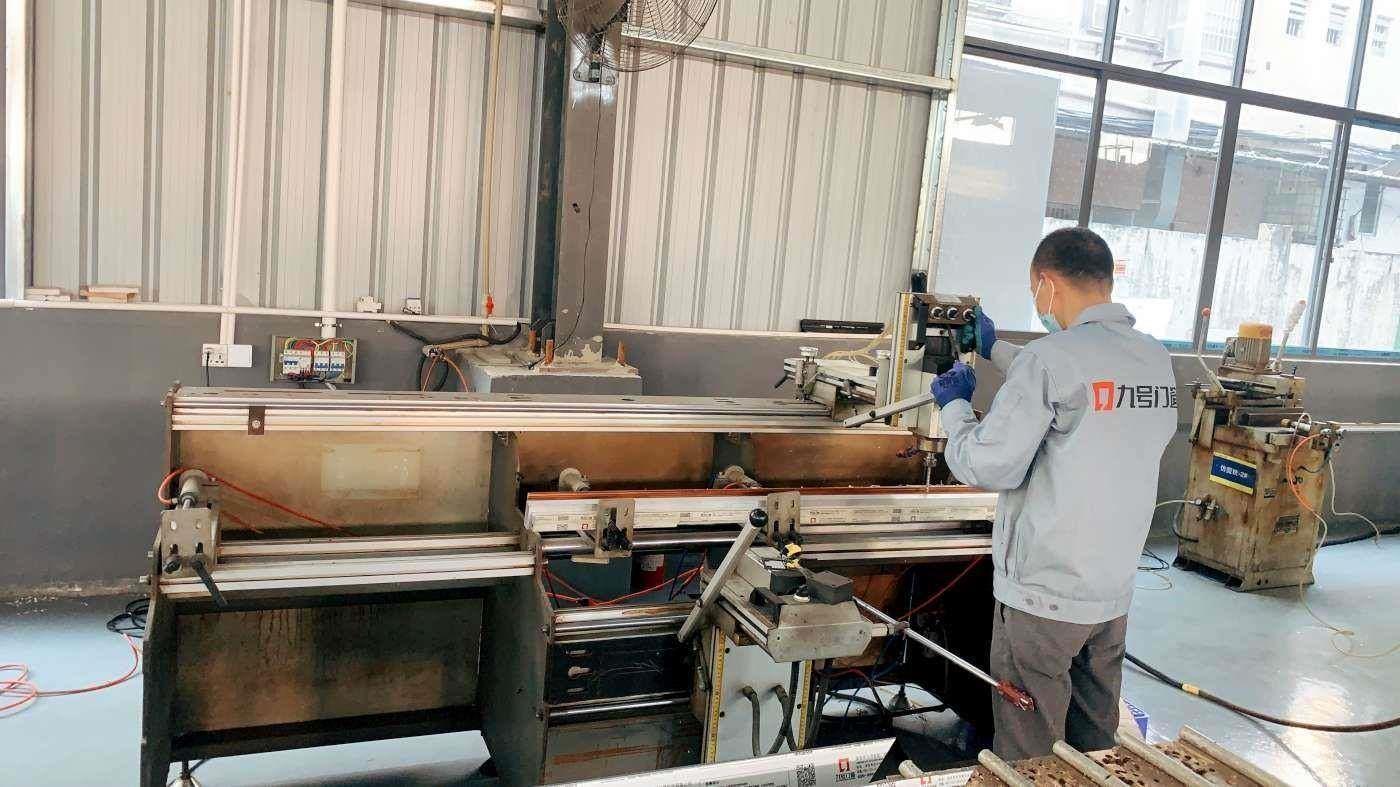 5. Profile Milling
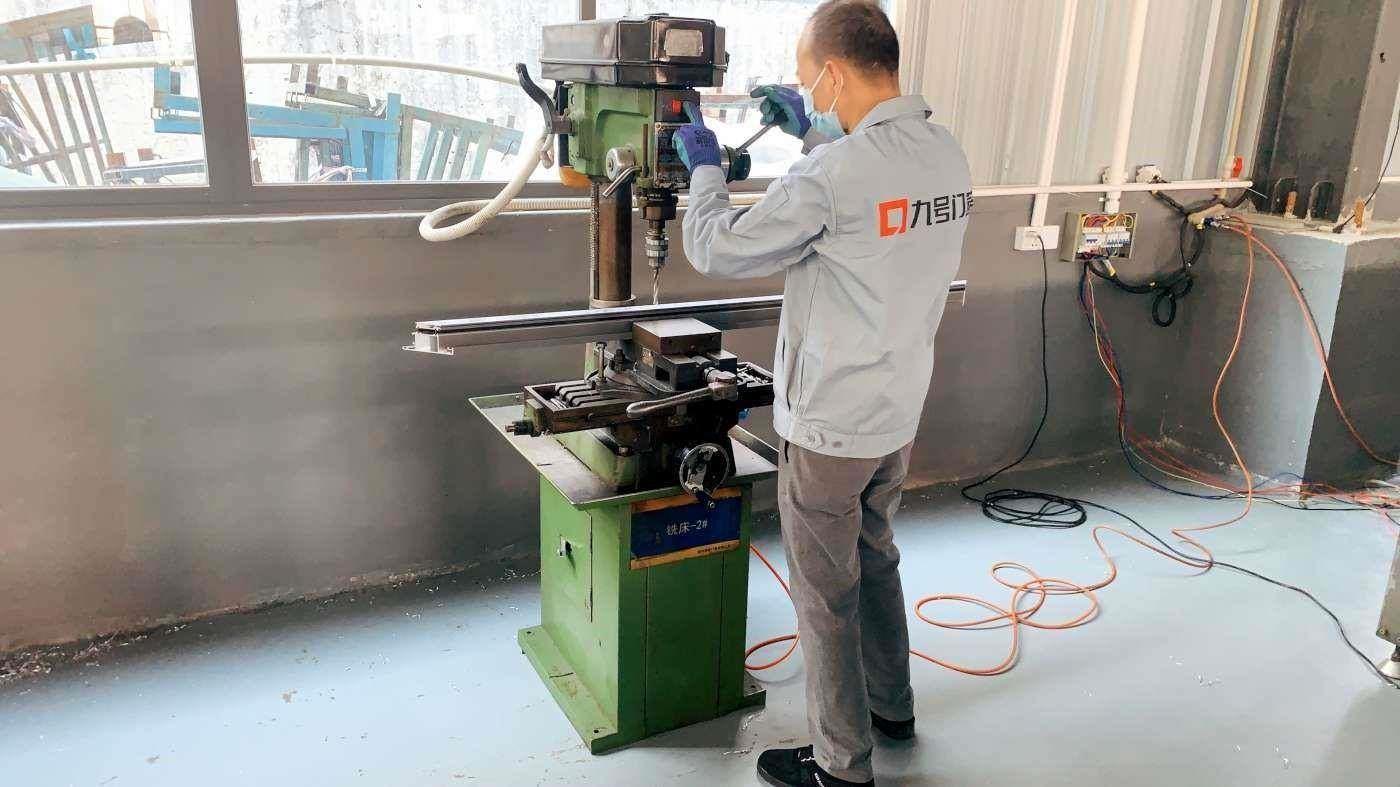 6. Hole Drilling/Milling
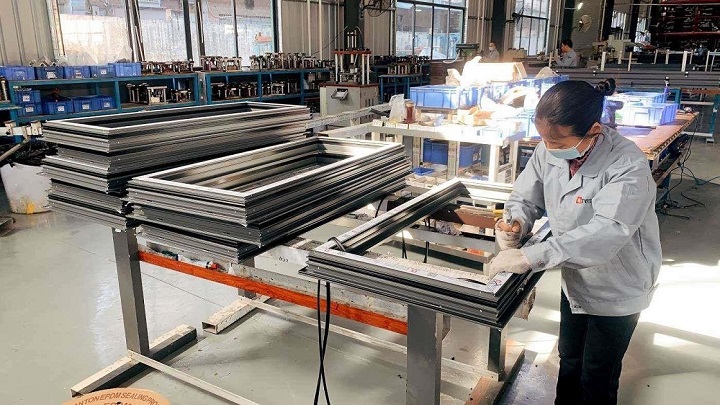 7. Frame Fan Assembly
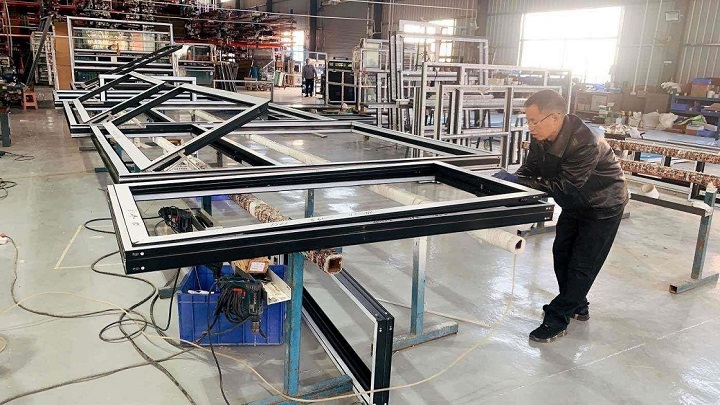 8. Hardware Assembly
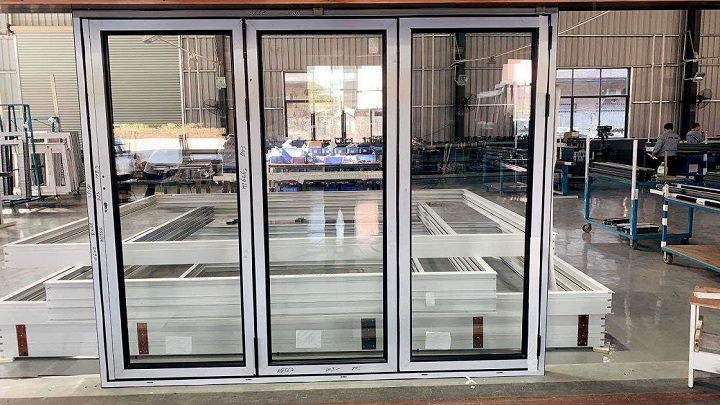 9. Product Commissioning
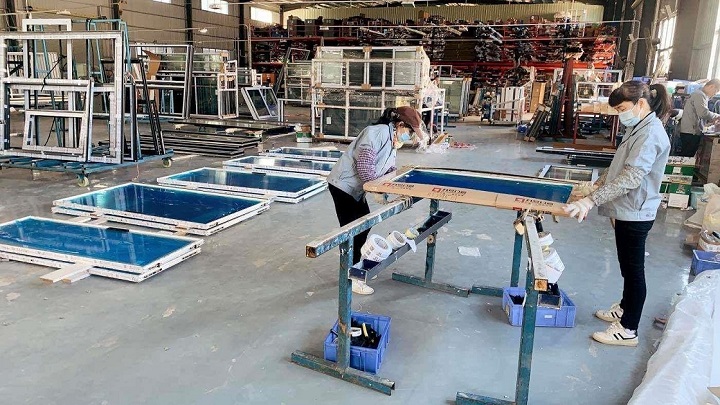 10. Packaging & QC
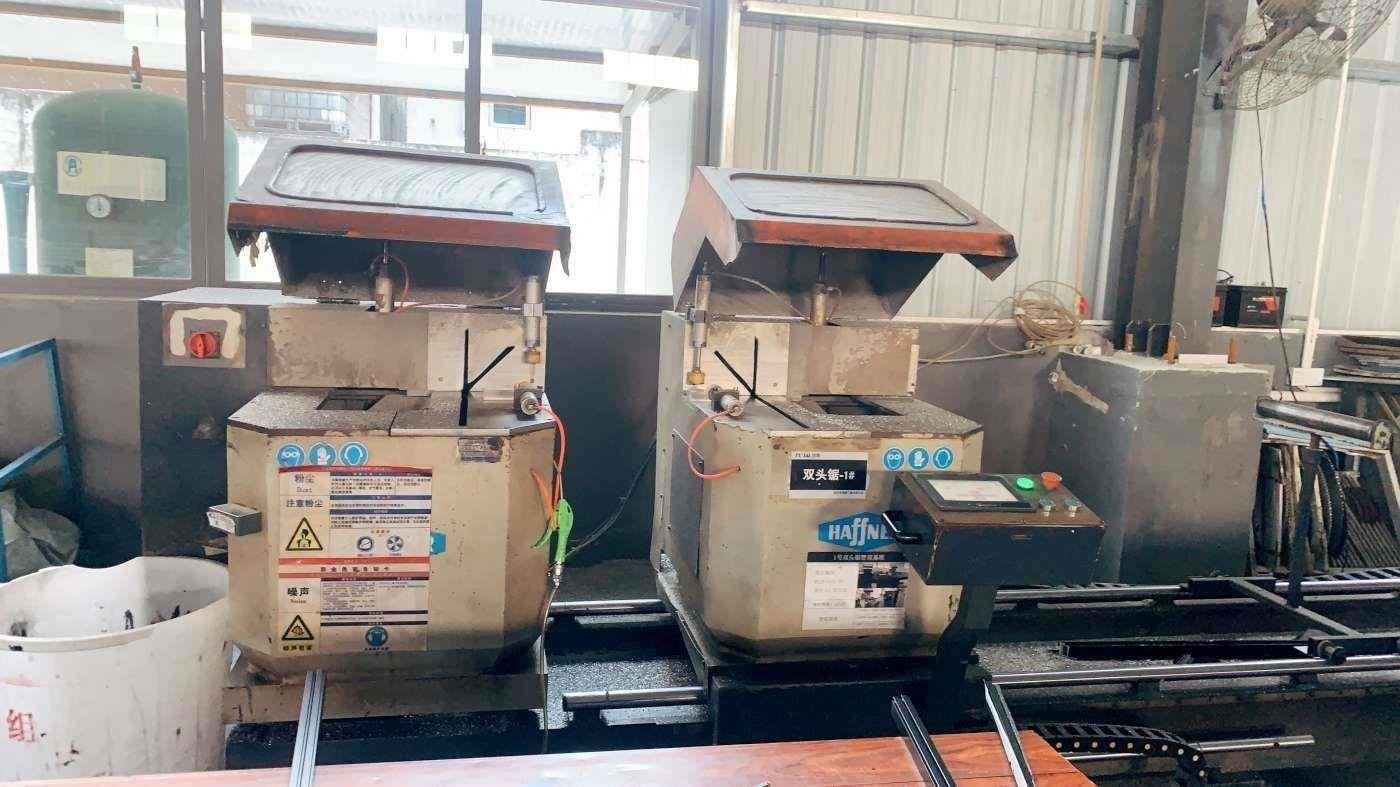 Profile Cutting CNC
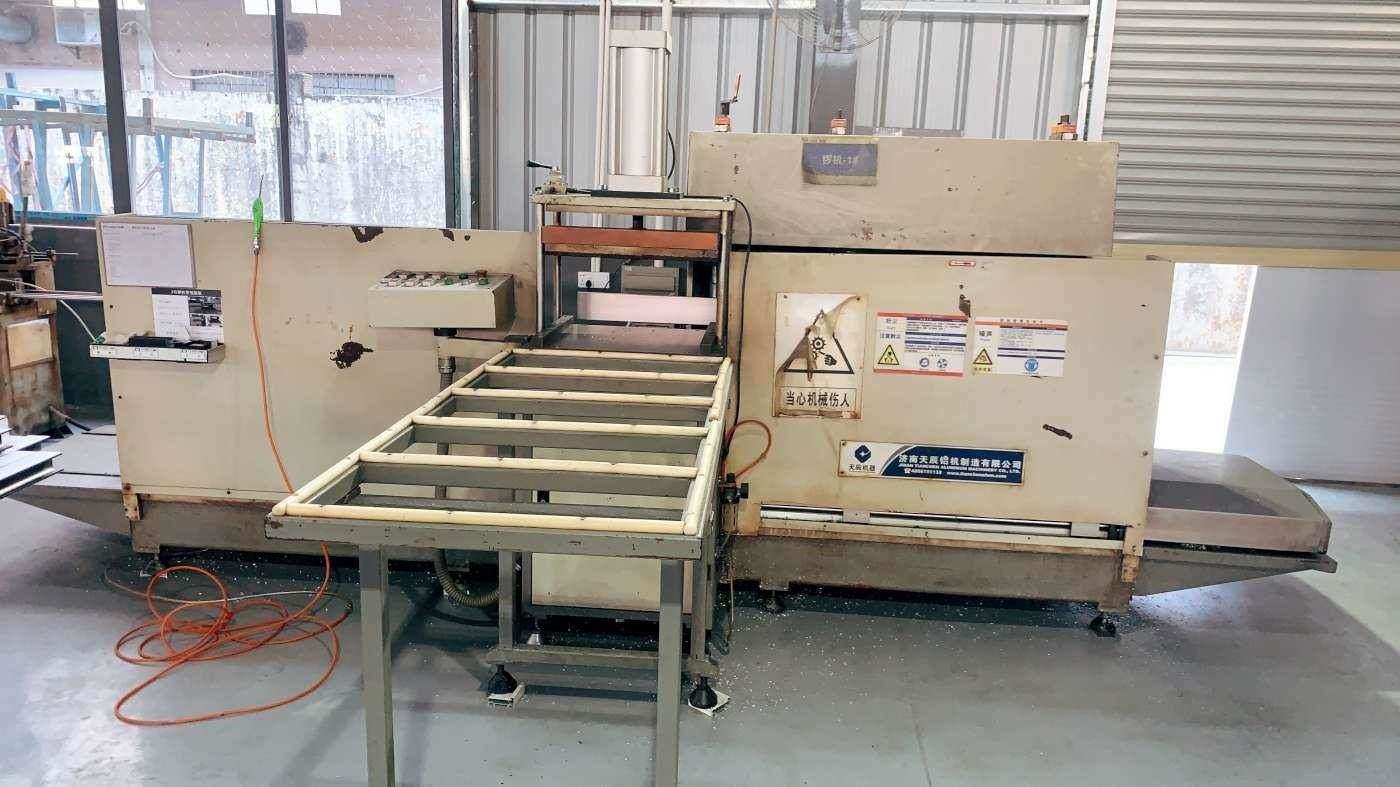 Precision Milling
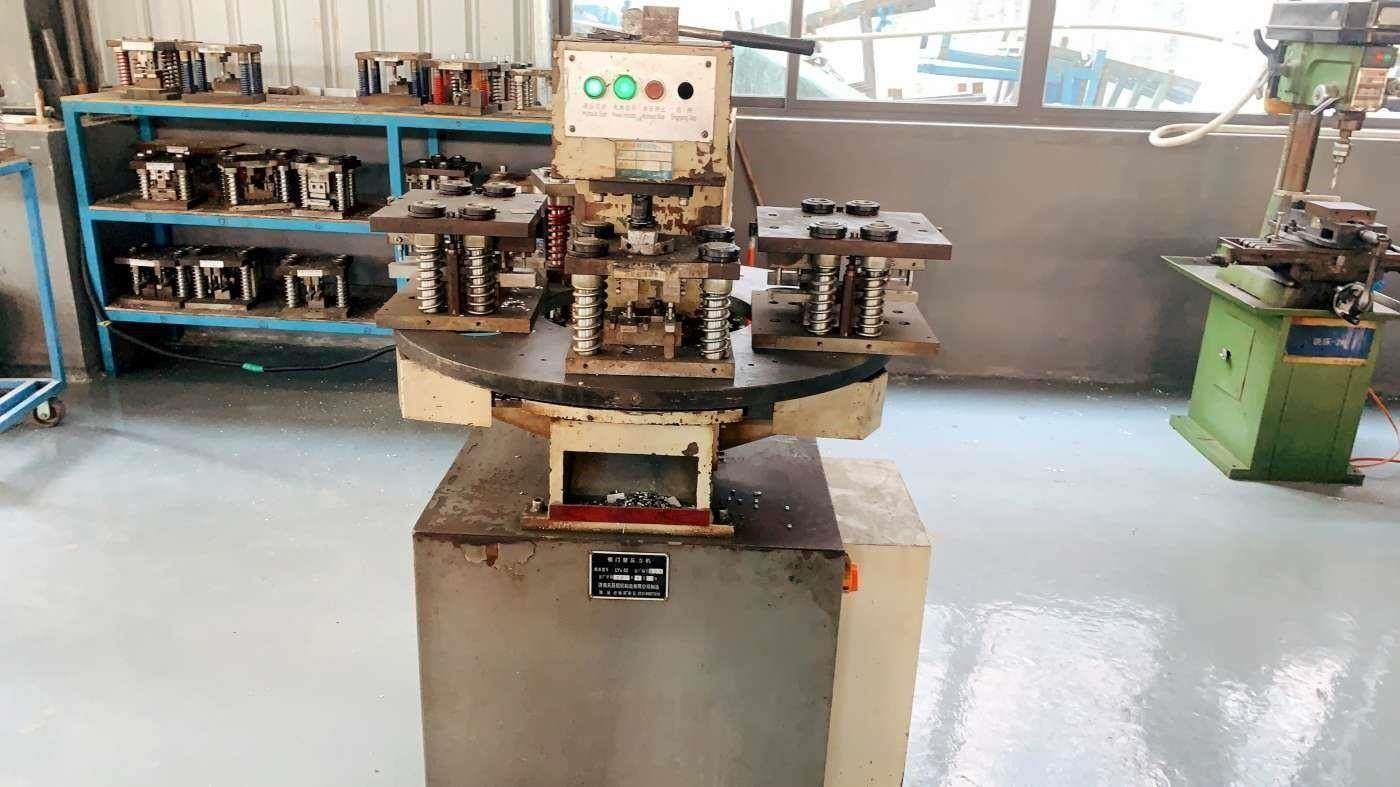 Hydraulic Punching
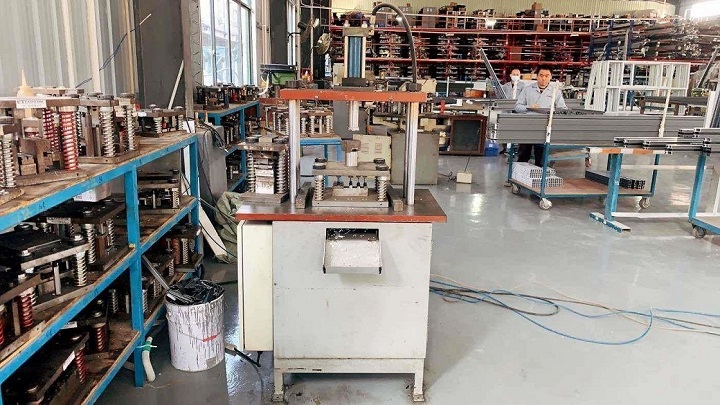 Multi-Axis Punching
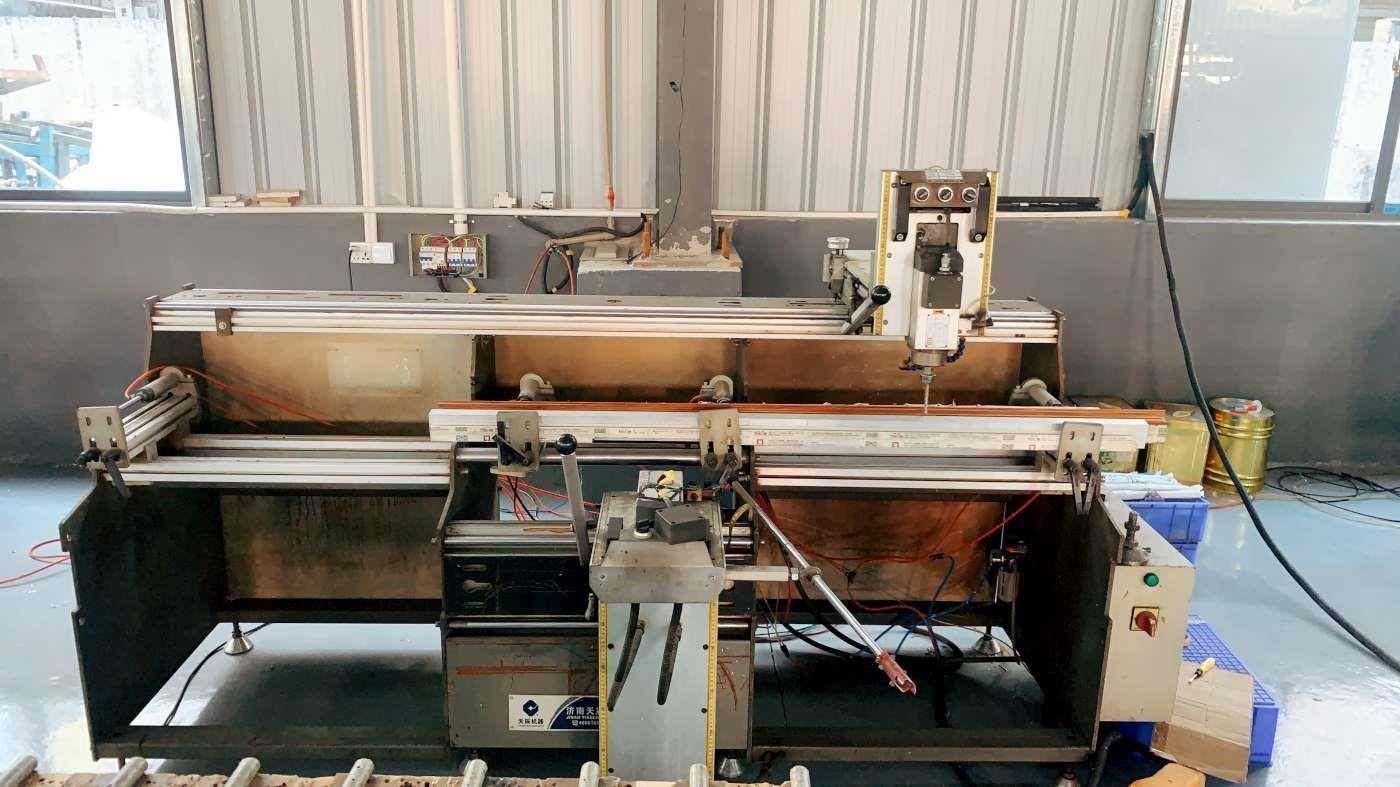 Profile CNC Router
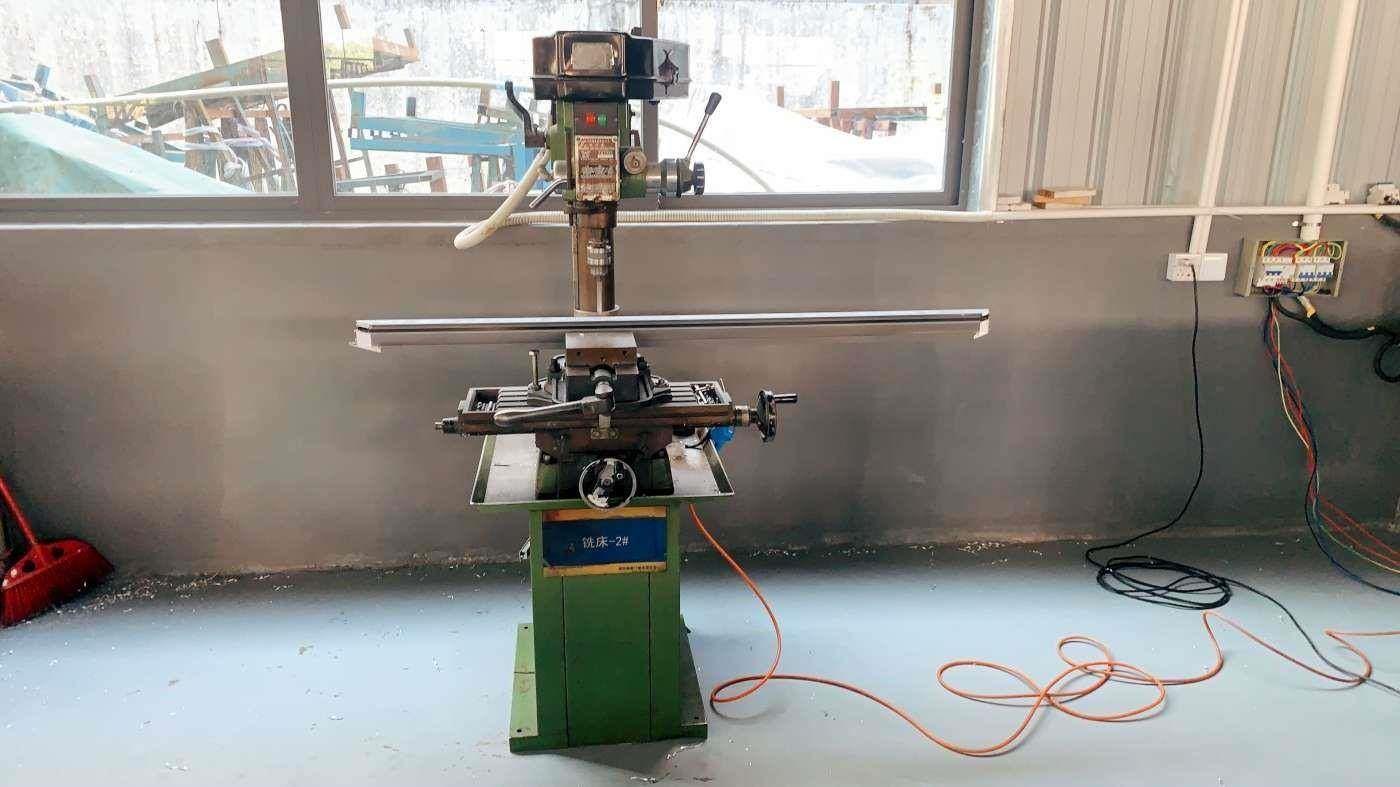 Auto Drilling Station
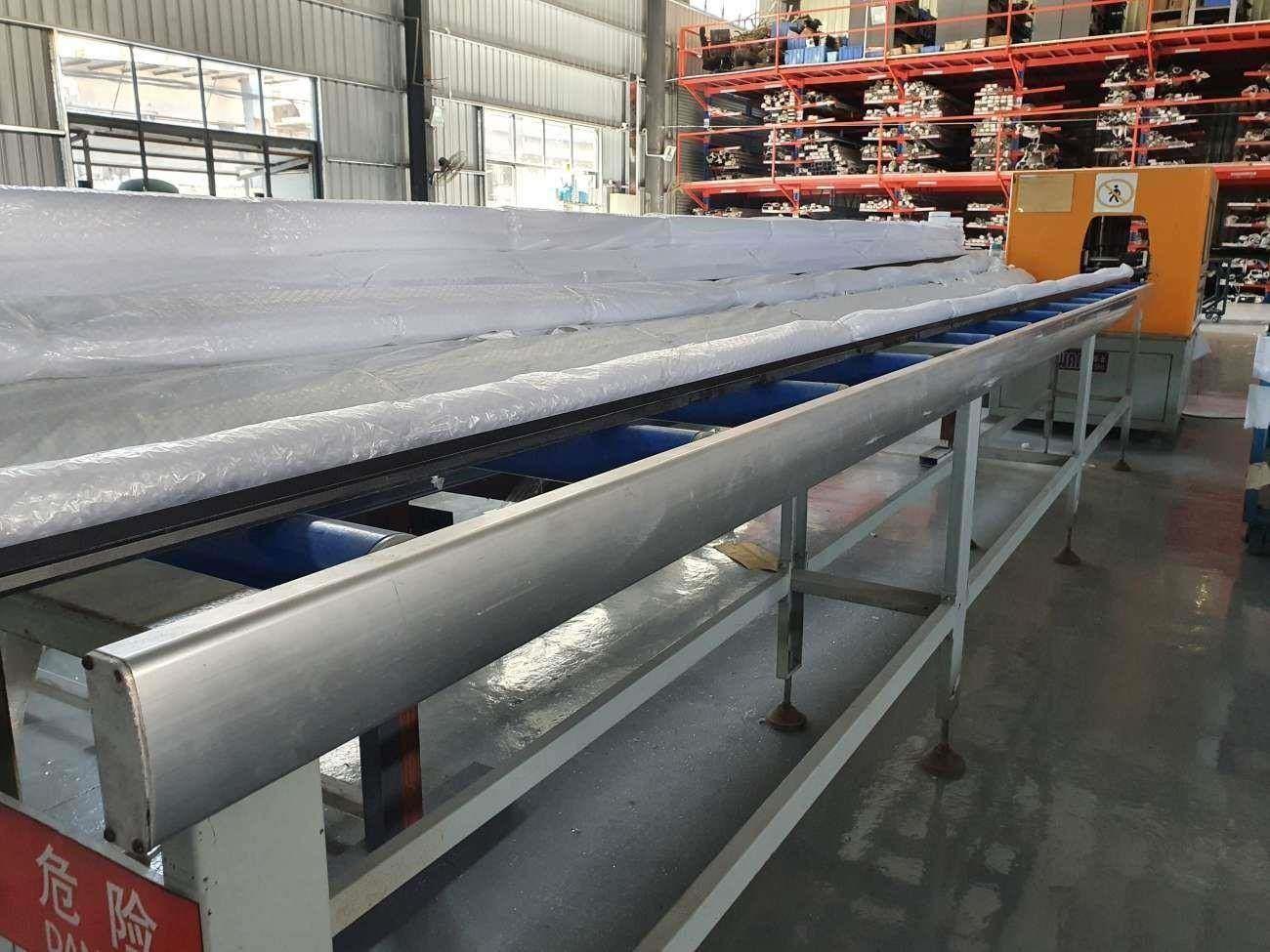 Lattice Fabrication
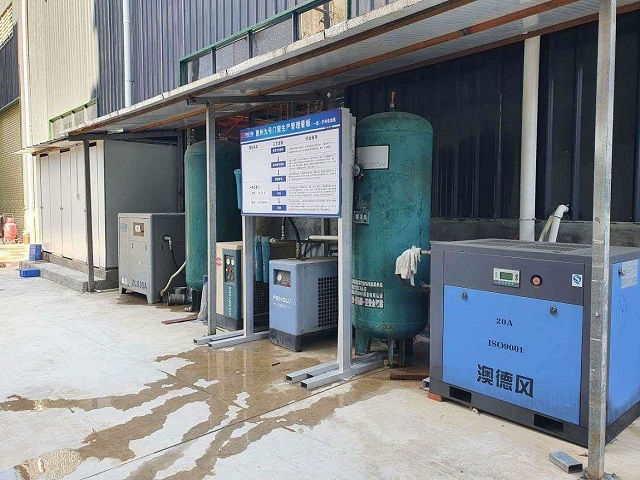 Industrial Air System
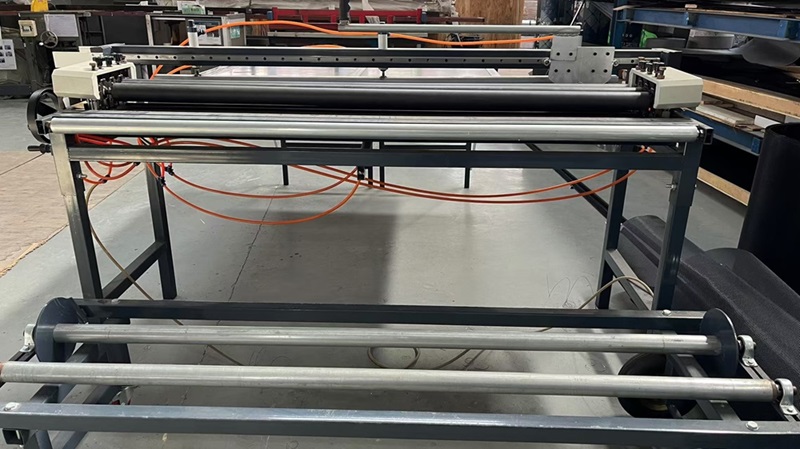 Screen Cutting CNC
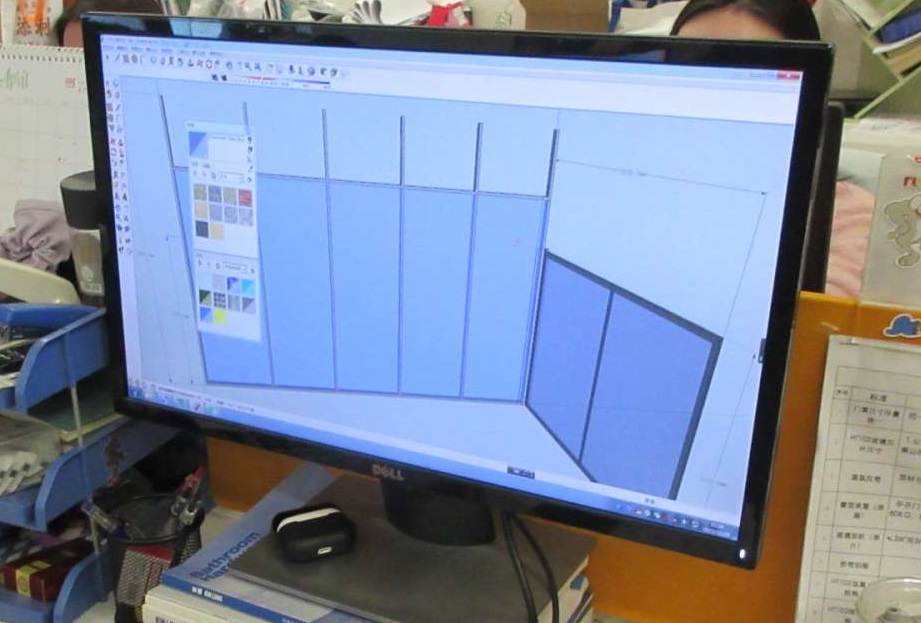 3D Structural CAD
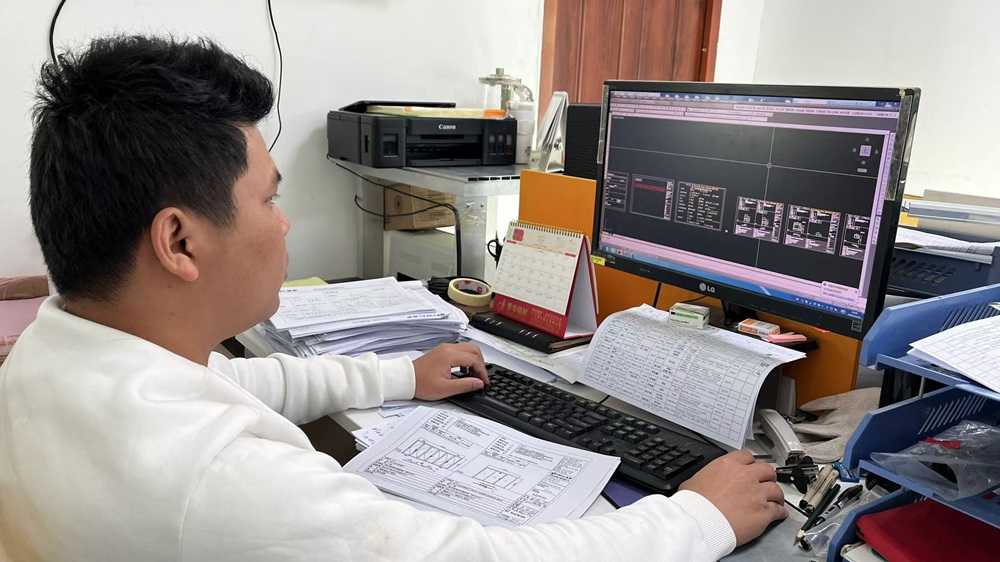 Schematic Drawing
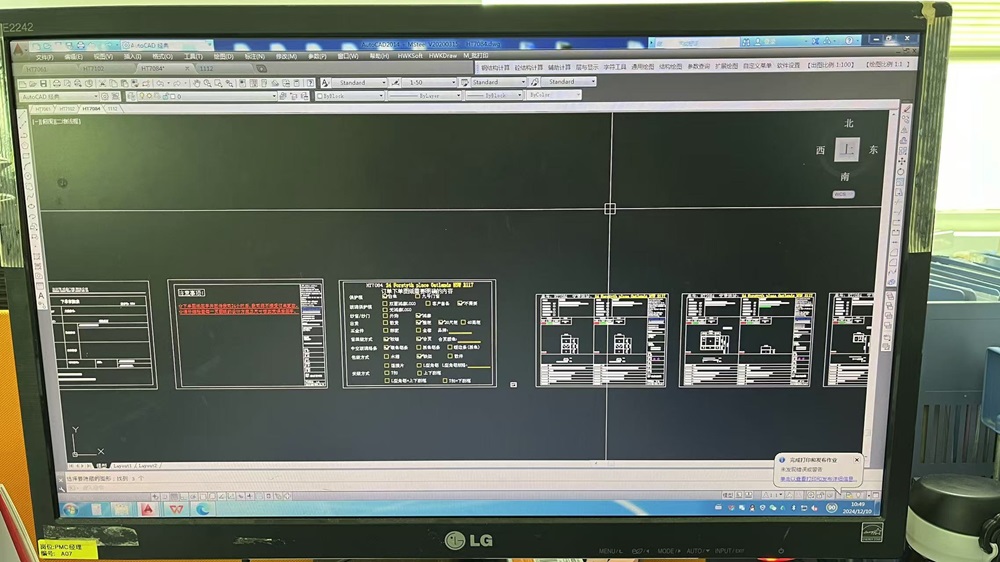 Digital CAM Modeling
The convergence of mechatronics, edge computing, and ultra-durable alloy profile engineering is redefining entrance security. Below is the technical roadmap adopted by top global exporters.
Transitioning from legacy mechanical keyways to concealed motorized multi-point locks integrated with 3D structured-light facial recognition, palm vein scanners, and UWB (Ultra-Wideband) hands-free proximity sensors.
Eliminating exposed power loops via heavy-duty concealed continuous hinges with embedded power transfer channels (EPT), supporting continuous 24V DC / 3A current flow for high-torque magnetic latches.
Implementation of encrypted OSDP v2.2 protocols between embedded door sensors and building management platforms (BMS), mitigating physical eavesdropping and signal replay attacks on lock actuators.
Engineered entry solutions tailored for high-frequency usage, strict environmental containment, and rigorous physical access control.
High-traffic storefront entry doors equipped with heavy-duty overhead concealed operators, emergency panic push bars, and rapid RFID/Bluetooth reader response times under 0.2 seconds.
Reinforced aluminum entry portals boasting EN 1627 RC3/RC4 burglar resistance ratings, airtight acoustic isolation (STC 45+), and dual-authentication keypad/biometric interlocks.
Hermetically sealed automated sliding aluminum doors featuring touchless infrared sensors, antimicrobial fluorocarbon powder coatings, and interlock airlock controls.
Custom aluminum center pivot doors up to 4 meters high, featuring thermal break profiles, hurricane impact glass, and smart home IoT ecosystem integration (Apple HomeKit, Crestron, Control4).
Navigating complex regional building codes is crucial for global compliance. Leading aluminum door exporters ensure structural and thermal testing alignment across target jurisdictions.
| Target Region | Primary Standards | Technical Criteria | Testing Protocol |
|---|---|---|---|
| North America | NFRC / Miami-Dade NOA / AAMA | TAS 201/202/203 (Impact), U-Factor < 0.26, Title 24 | Large Missile Impact & Cyclic Wind Pressure |
| Australia & NZ | AS2047 / AS1170 / AS1288 | Structural Deflection (Ultimate Limit State up to 4500Pa) | Water Penetration Resistance (450Pa+) & Air Infiltration |
| European Union | CE Mark / EN 1627 (RC2-RC4) / PHI | Security Resistance Class 3, Passive House U-val < 0.8 W/(m²K) | Static/Dynamic Loading & Manual Break-in Resistance |
| Global / Commercial | ISO 9001 / Qualicoat / Intertek | Fluorocarbon Powder Coating Corrosion Resistance Class 2 | 1000-Hour Salt Spray & Accelerated Weathering Test |
Evaluating global manufacturers requires looking beyond surface aesthetics. Our engineering assessment framework evaluates supply chain stability, technical depth, and OEM capabilities.
Top exporters utilize 6063-T5/T6 high-grade aluminum alloys with minimum wall thicknesses of 2.0mm to 3.0mm for commercial entrances, preventing frame warp under heavy hydraulic closure forces.
Automated multi-axis CNC machines prep lock pockets, drop seals, and wire channels prior to powder coating, ensuring total surface corrosion protection even inside hidden cutouts.
Rigorous 3-tier inspection protocols (Incoming raw profile check, In-process assembly verification, and Final commissioning test) guarantee zero defective units arrive on site.
Tier-1 suppliers maintain robust networks of 400+ supply chain partners, offering sea-worthy plywood crate packaging, custom glass protection film, and DDP/FOB logistics flexibility.
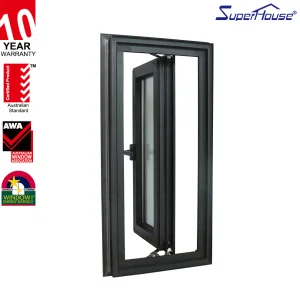
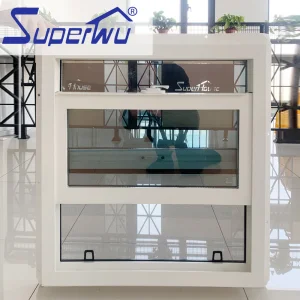
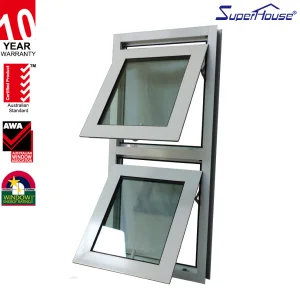
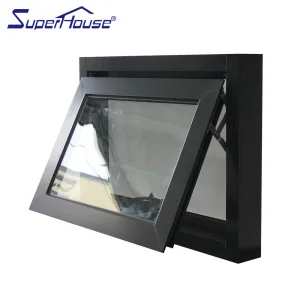
Explore customized center pivot doors, acoustic fixed glazing, awning windows, and integrated PTAC hotel solutions.
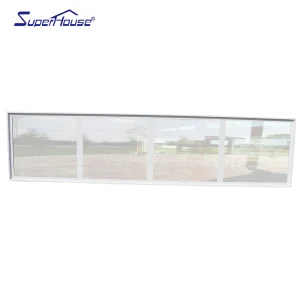
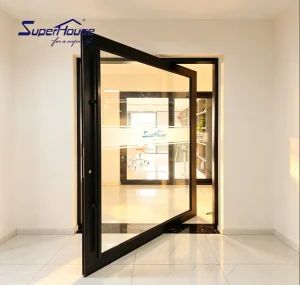
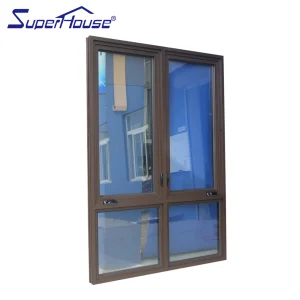
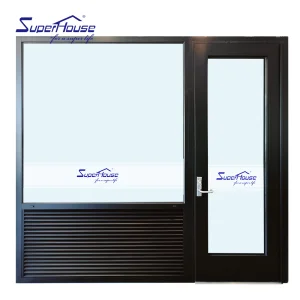
Key considerations for architectural importers, general contractors, and developers when sourcing access control aluminum doors from Chinese manufacturing hubs.
Always mandate 2D architectural shop drawings and 3D step files prior to mass fabrication. Standard practice involves producing a physical 1:1 scale sample mock-up for lock latch alignment and water-tightness testing.
Specify smart hardware brands during design freeze (e.g., Dormakaba, ASSA ABLOY, HID, or custom OEM smart handles). Verify that mortise cutouts match local lock cylinder offset dimensions (e.g., 35mm, 45mm, 60mm backset).
Ensure heavy aluminum doors are packaged with fully enclosed fumigated wooden crates, corner guards, and plastic stretch film to prevent surface scratches and transit distortion over long ocean routes.
Technical answers to common questions raised by architects, facade engineers, and hardware procurement managers.
 Primeval Doors