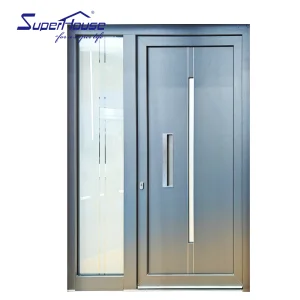
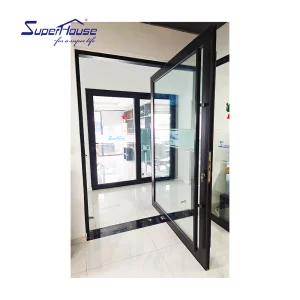
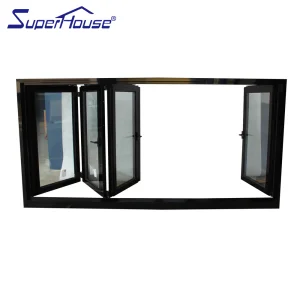
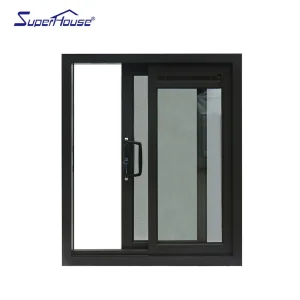
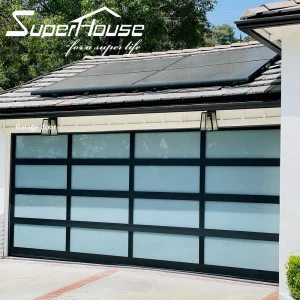
Engineered to comply with Miami-Dade NOA, NFRC, and AS2047 international structural standards.
Analyzing market demand, thermal performance standardizations, structural evolution, and green building decarbonization requirements across global architectural sectors.
The global architectural fenestration market is undergoing a structural paradigm shift driven by urban densification, stringent energy efficiency mandates (such as North America's IECC and Europe's EPBD), and an increase in climate-induced extreme weather occurrences. Custom OEM modern aluminum entry doors have transitioned from basic building access barriers to high-performance, multi-functional building envelope components. Modern architectural specifications demand entry systems that deliver low overall U-factors, exceptional structural deflection resistance under cyclonic wind forces, advanced acoustic attenuation, and seamless integration with smart home automation and smart lock systems.
Aluminum (specifically architectural alloy 6063-T6) has emerged as the material of choice over timber, PVC, and structural steel. Its superior strength-to-weight ratio, resistance to rot and atmospheric oxidation, dimensional stability across wide temperature gradients, and 100% recyclability make high-grade aluminum entry doors the primary solution for luxury residential villas, multi-family high-rises, and high-traffic commercial environments.
| Performance Indicator | T6 Thermal Aluminum (Foshan Spec) | Engineered Solid Timber | Standard UPVC Framing | Structural Carbon Steel |
|---|---|---|---|---|
| Tensile Strength (MPa) | 230 - 260 MPa | 40 - 70 MPa | 40 - 55 MPa | 350 - 450 MPa |
| Corrosion & Salt-Spray Life | 30+ Years (PVDF/Anodized) | 5 - 10 Years (Requires Coating) | 15 - 20 Years (UV Yellowing) | 5 - 15 Years (Rust Prone) |
| Thermal Expansion Coeff. | Controlled via Polyamide Strip | High (Humidity Expansion) | Very High (Warping Risk) | Moderate Expansion |
| Wind Load Deflection Limit | DP70 - DP100 (Miami-Dade Approved) | DP30 - DP45 | DP35 - DP50 | DP80 - DP120 |
| Recyclability & Eco-Footprint | 100% Recyclable (Circular Economy) | Biodegradable / Deforestation | Difficult Micro-plastic Waste | 100% Recyclable |
A fully integrated OEM/ODM manufacturing facility delivering certified structural entry systems for global trade partners.
Established in 2017, Foshan Primeval Doors Industry Co., Ltd. operates from a modern manufacturing facility of 12,000 m². Backed by 11 years of industry engineering experience and 5 years of international export trade, the company generates an annual export revenue of USD 8,500,000.
Quality control is strictly enforced through systematic IQC-IPQC-FQC inspection procedures along with rigorous thermal conductivity and salt-spray corrosion testing. A skilled QC team of 22 inspectors oversees every step of the production process. Supported by 420 trusted supply chain partners, our trade background covers direct OEM export and private-label customization, serving primary markets in Australia, New Zealand, and North America.
Our client base consists mainly of residential building supply importers, architectural designers, and regional wholesalers. Driven by continuous innovation, our R&D group of 38 engineers introduced 75 new entry door products last year. Customization options include custom frame depths, double-glazed decorative glass inserts, powder-coated color palettes, and heavy-duty weatherproofing seals.
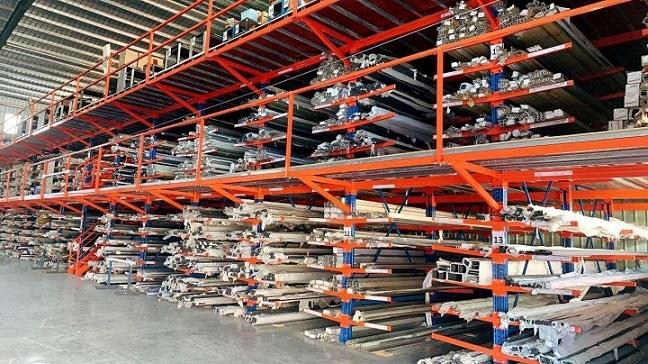 Raw Material
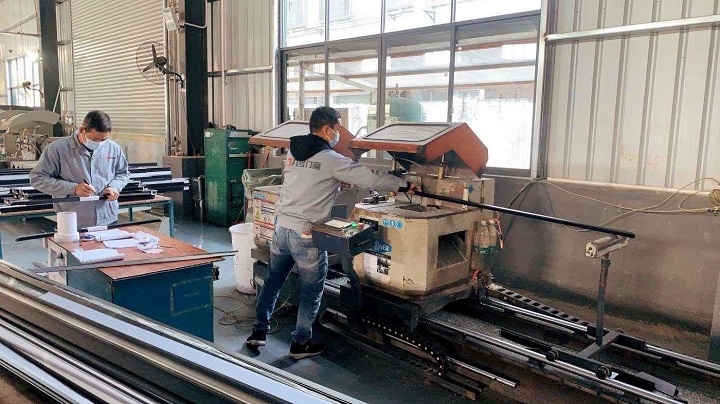 Profile Cutting
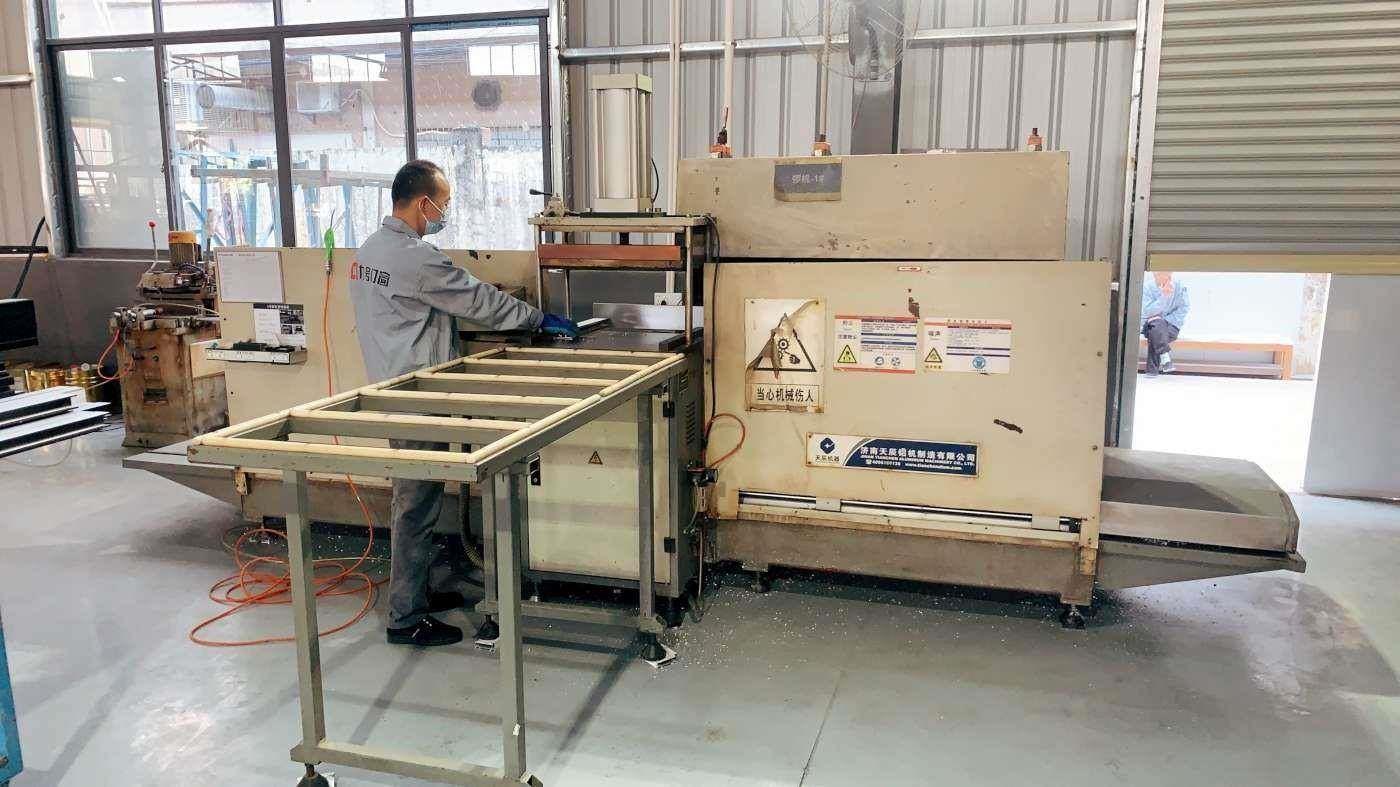 Milling Tenon
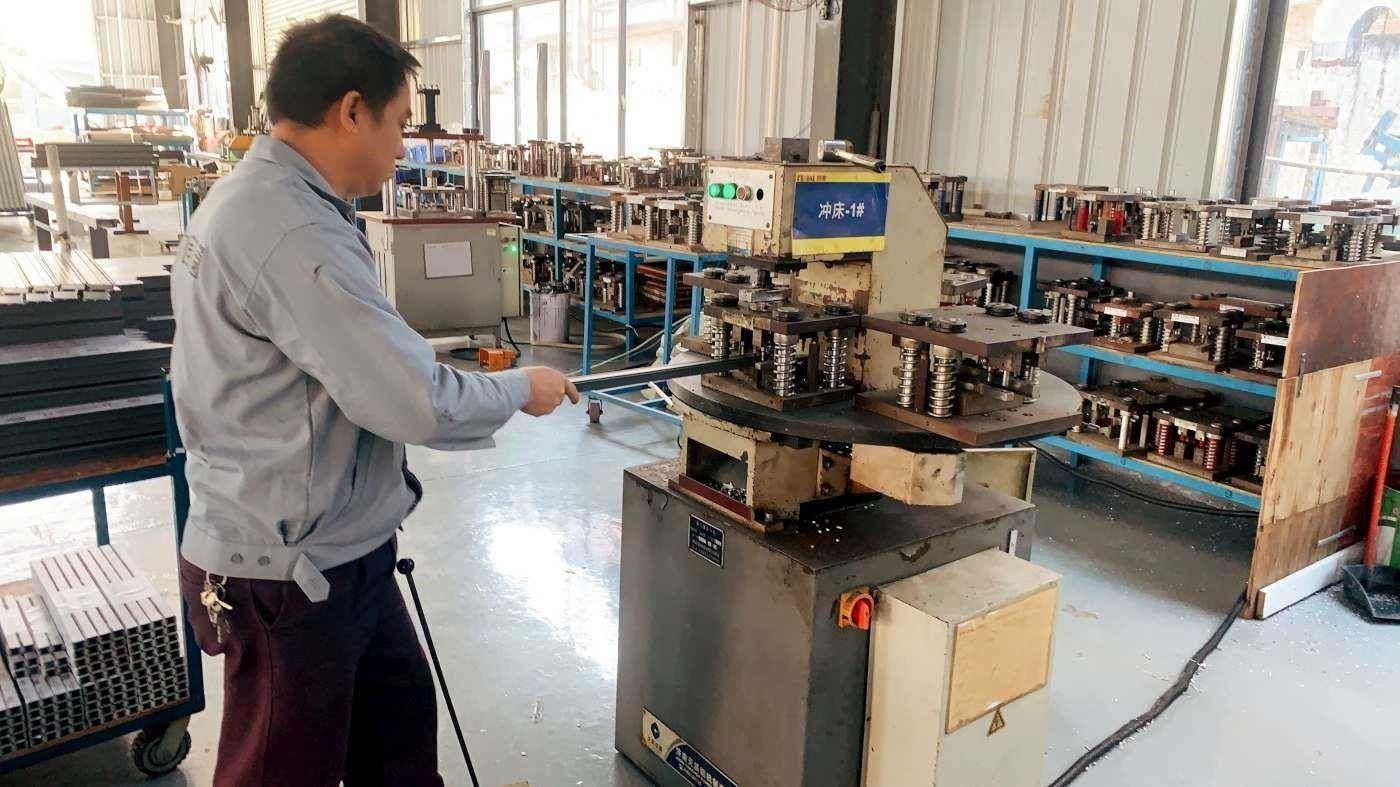 Punching
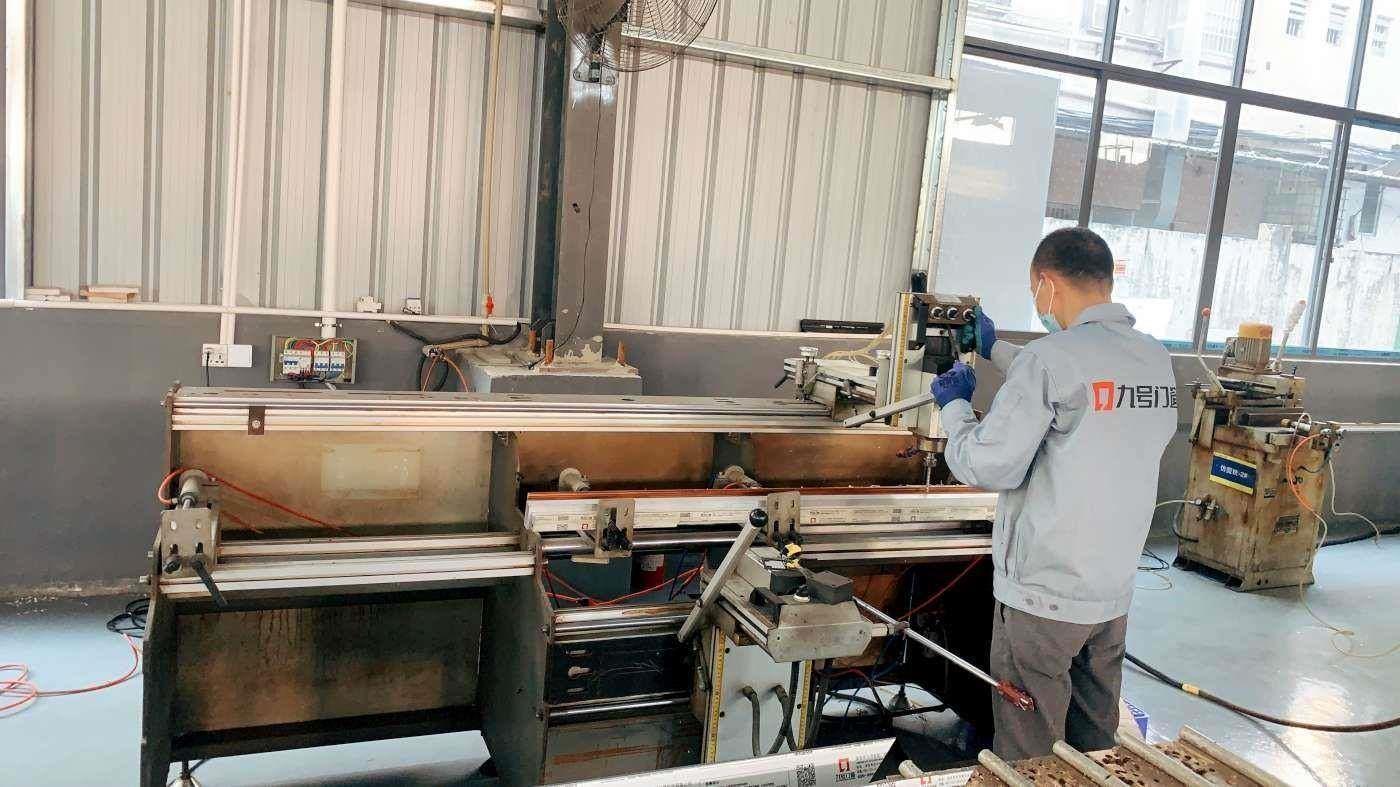 Profile Milling
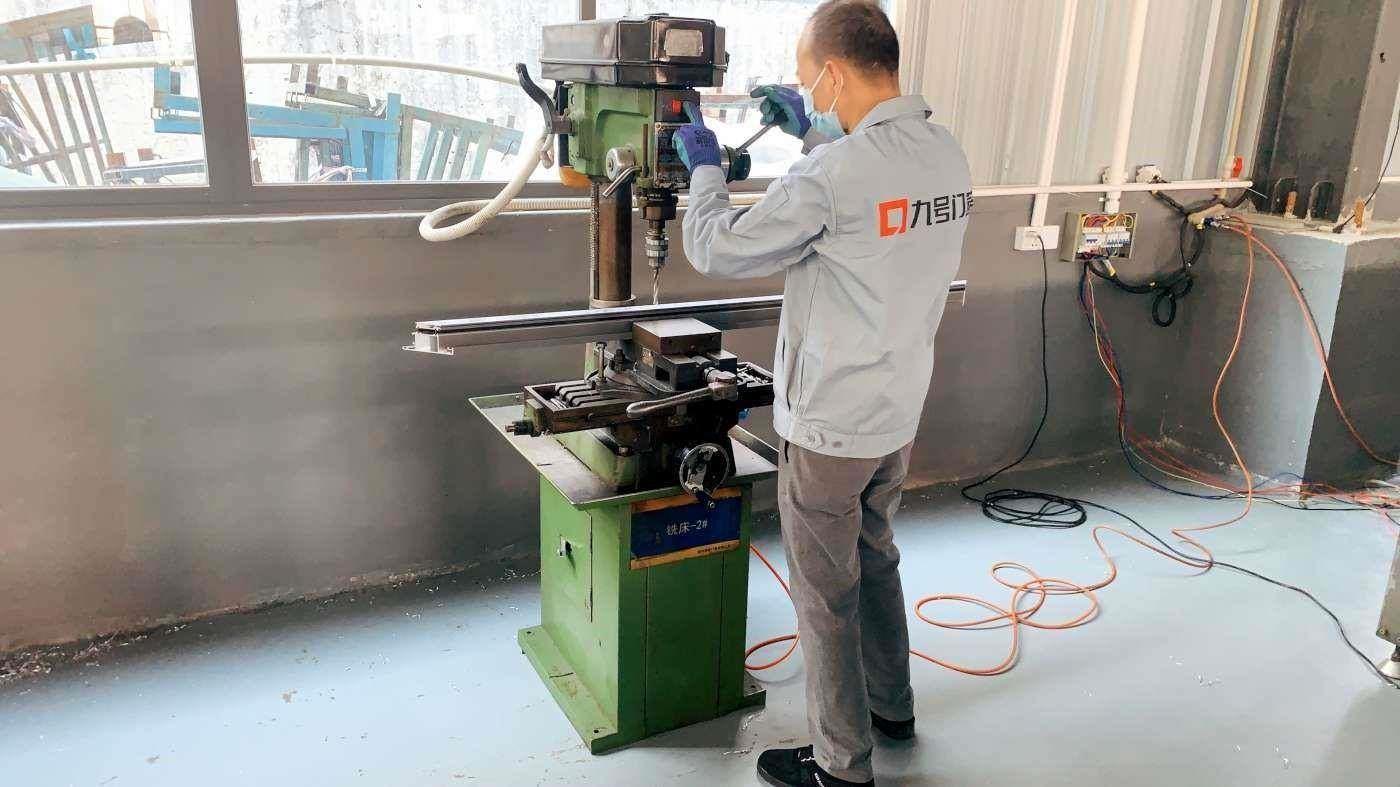 Drilling and Milling of Holes
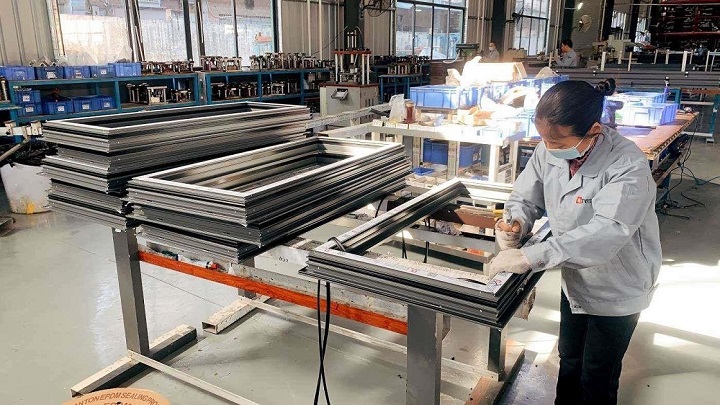 Frame Fan Assembly
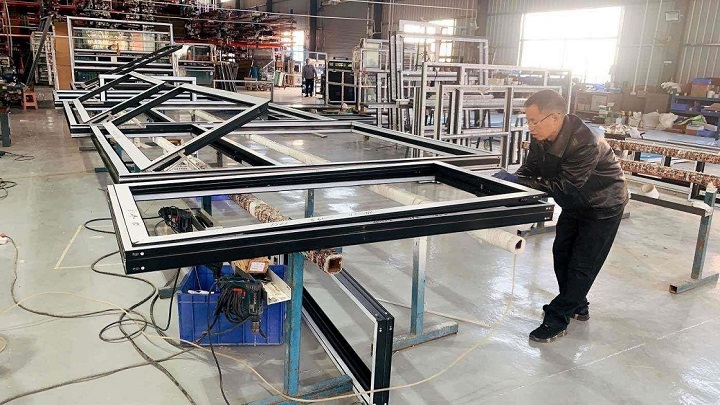 Hardware Assembly
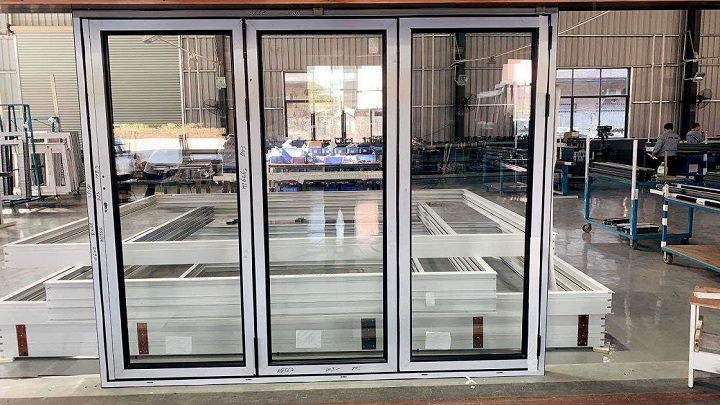 Product Commissioning
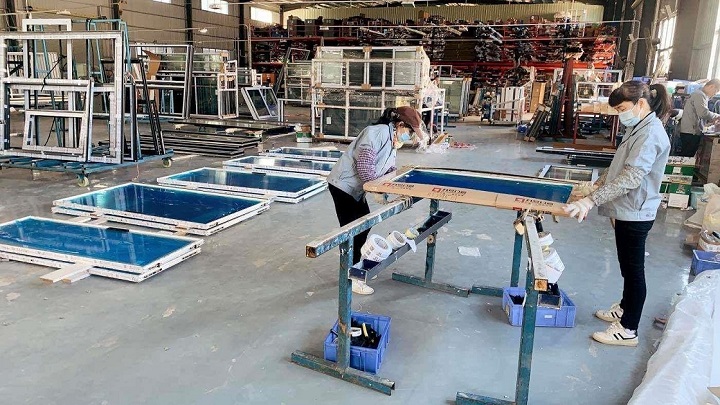 Finished Product Packaging
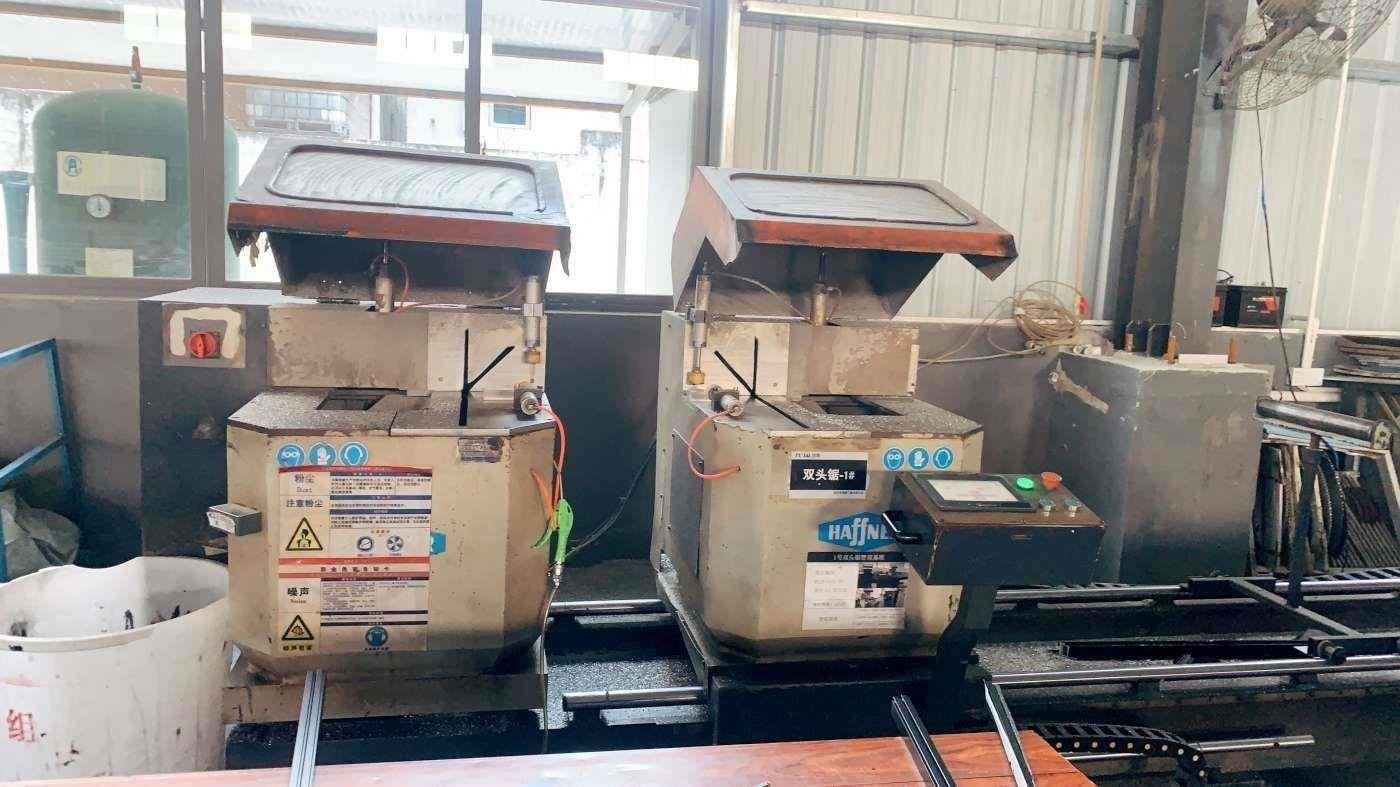 Profile Cutting Machine
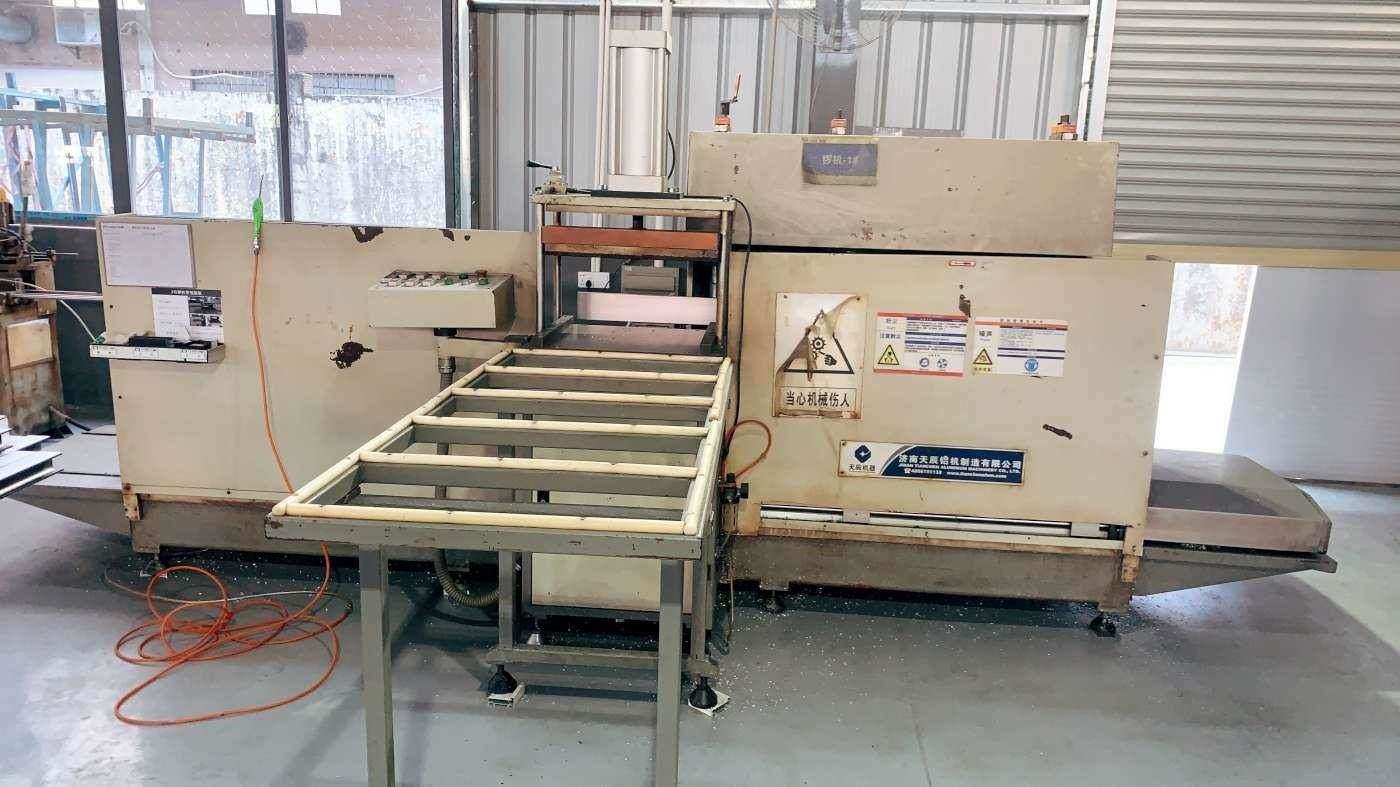 Milling Machine
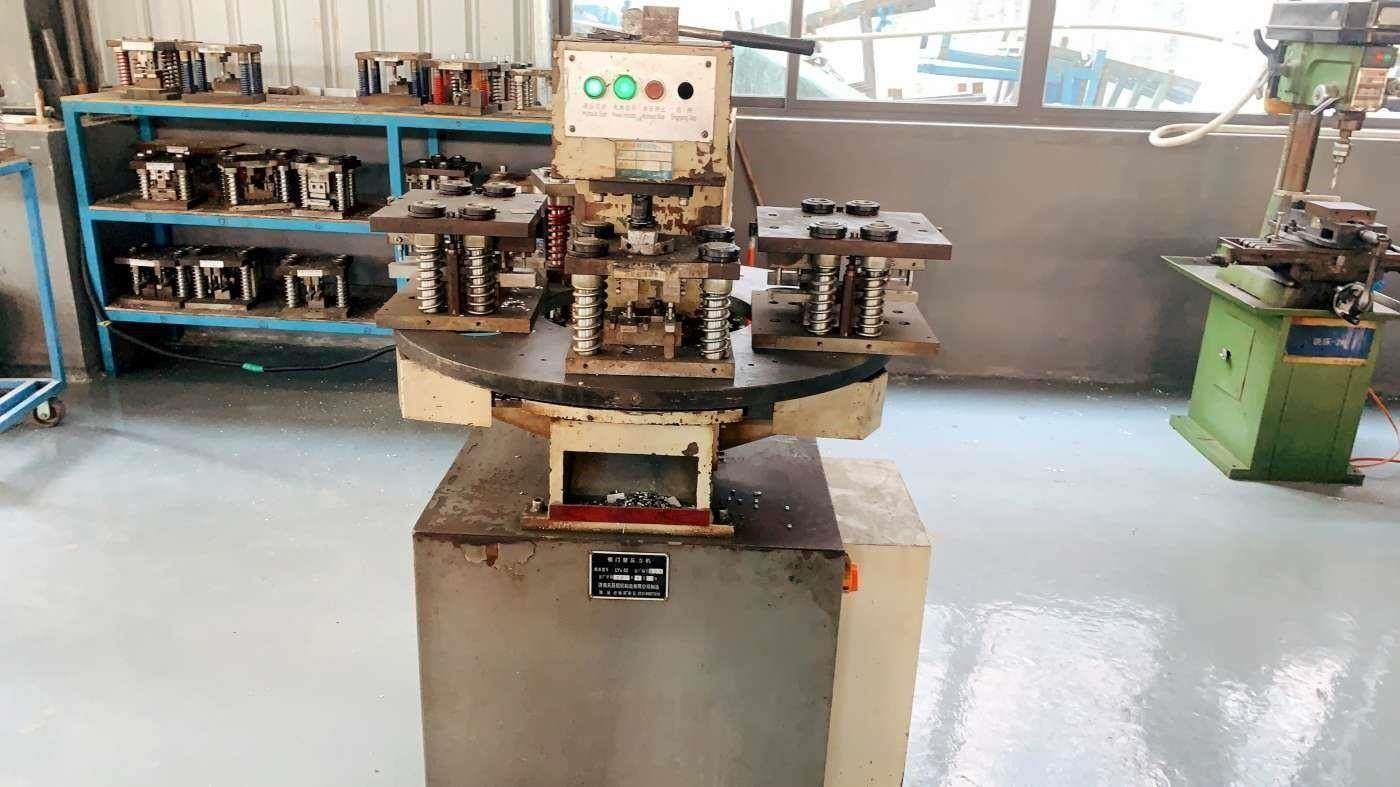 Punching Machine
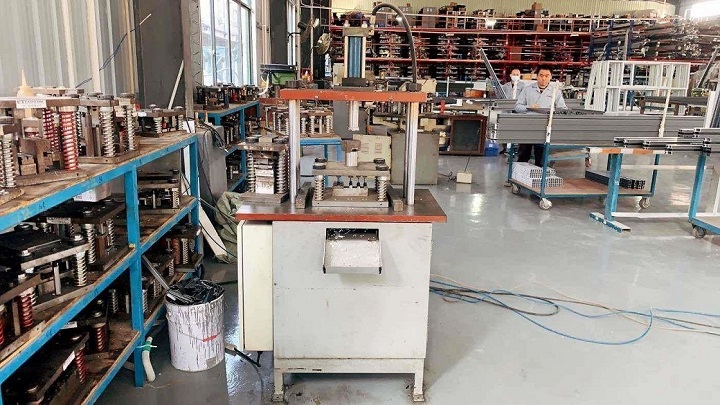 Punching Machine
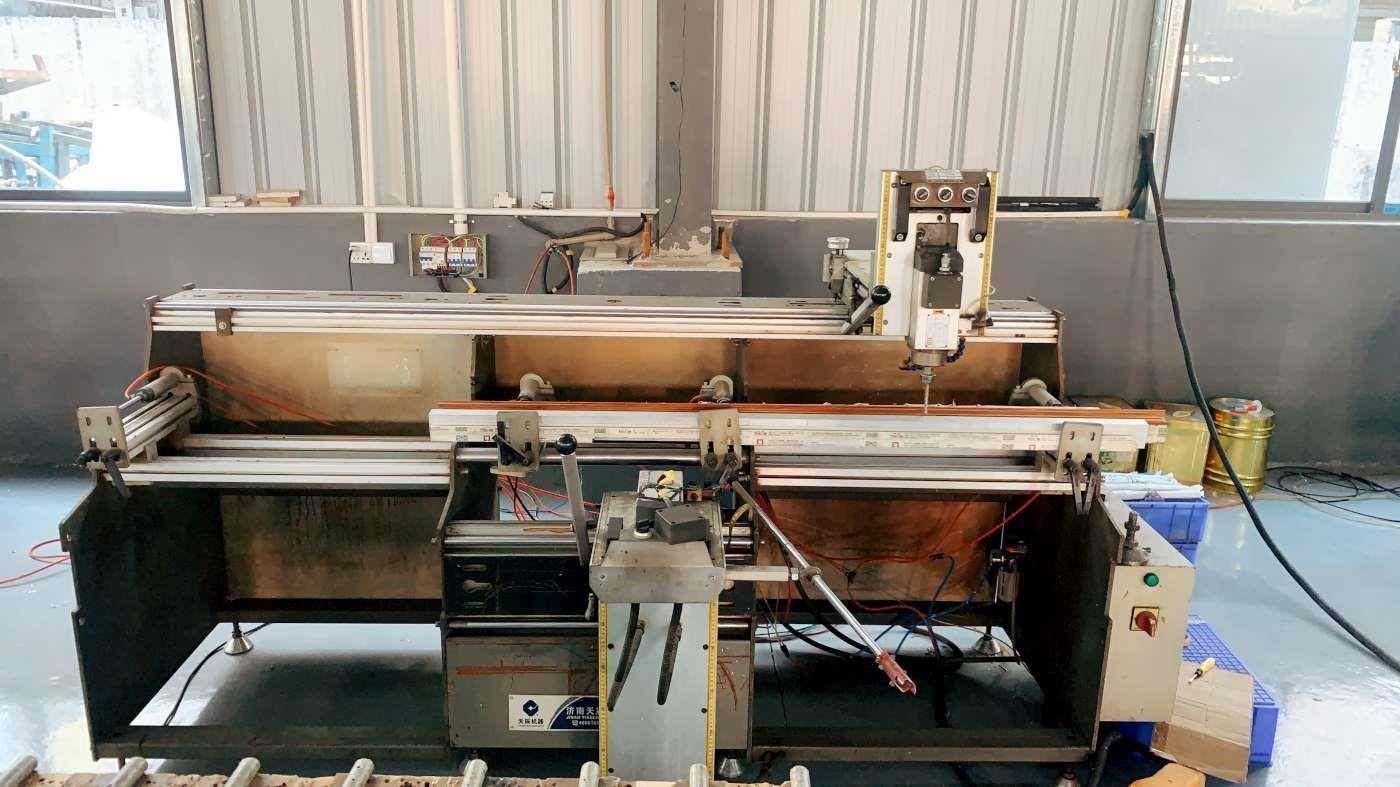 Profile Milling Machine
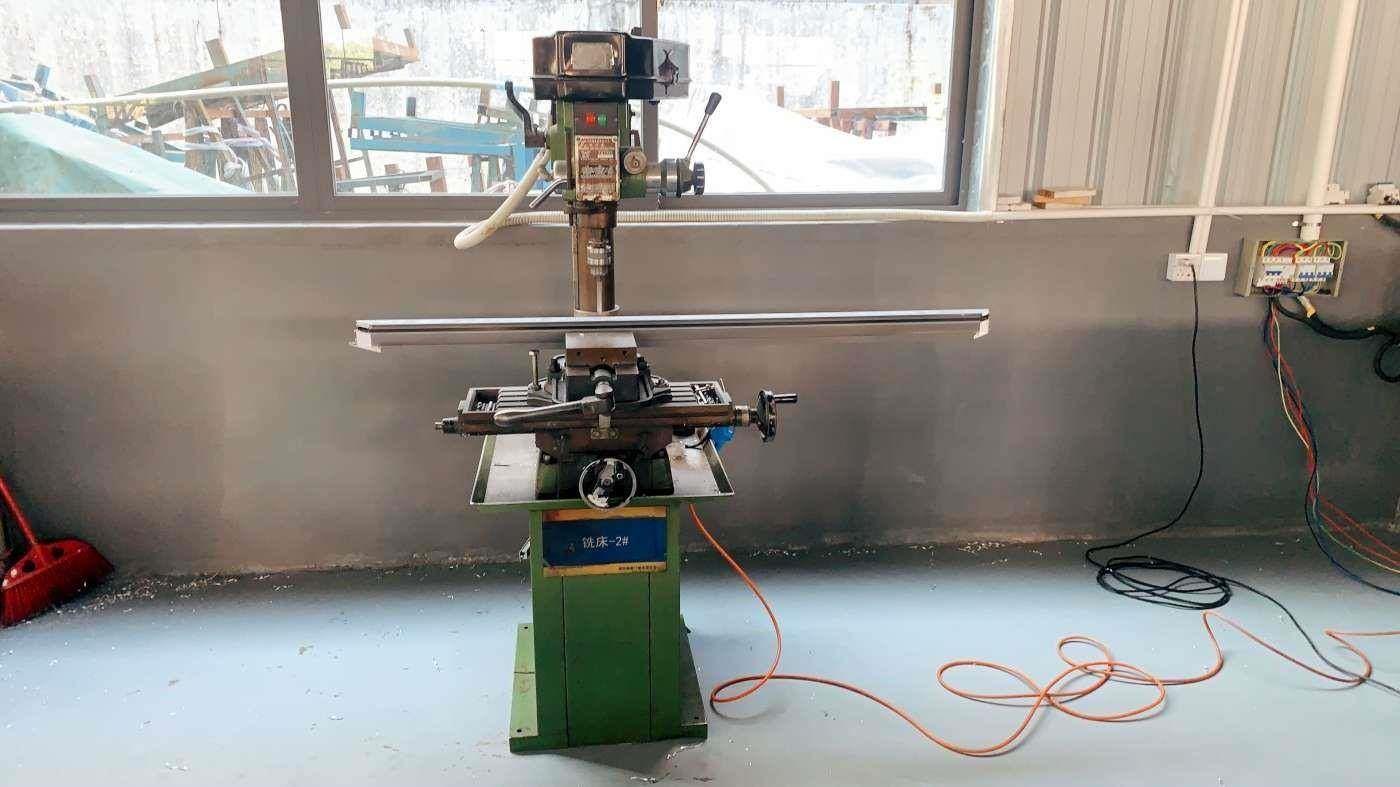 Drilling and Milling of Holes Machine
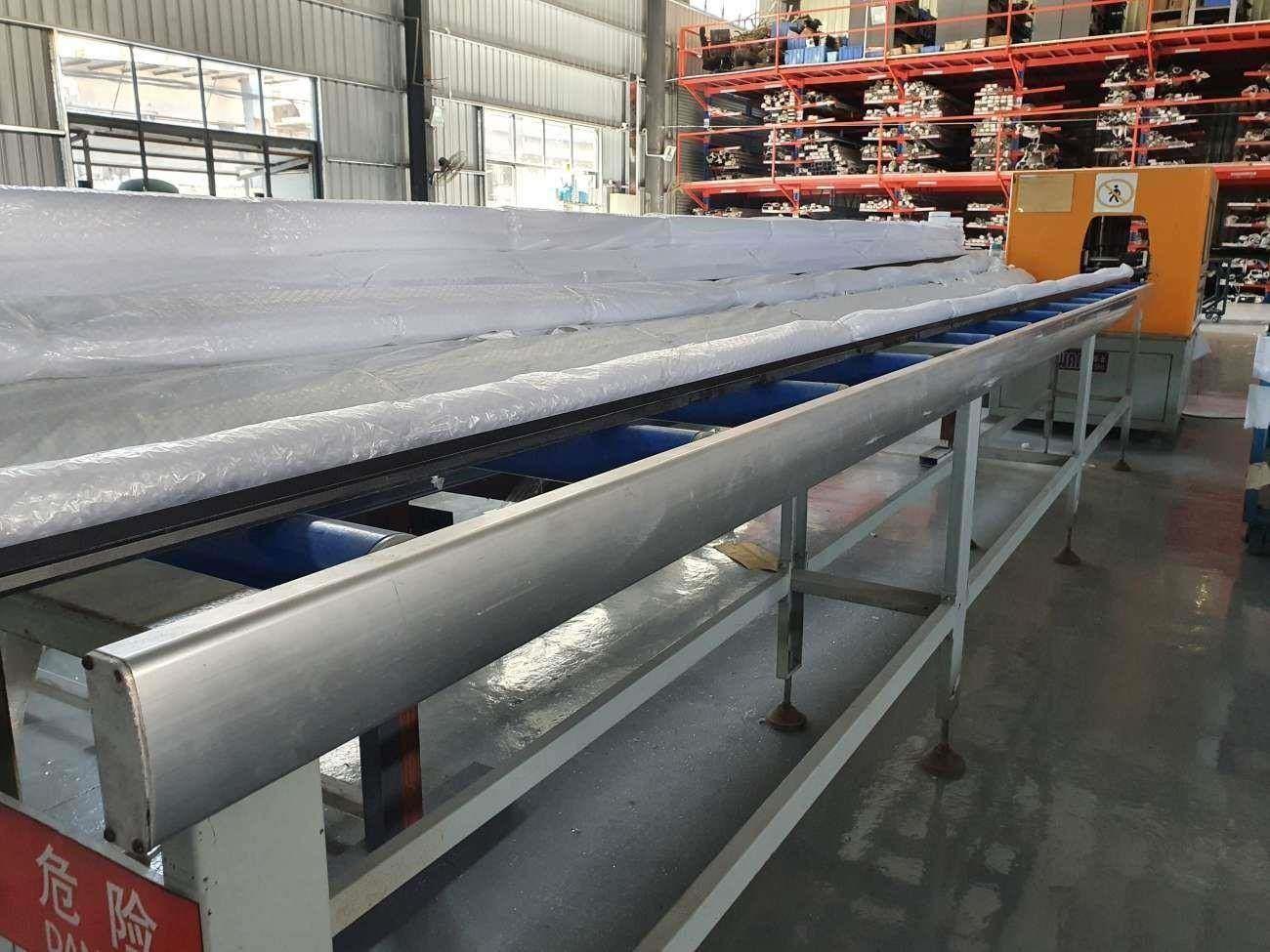 Lattice Machine
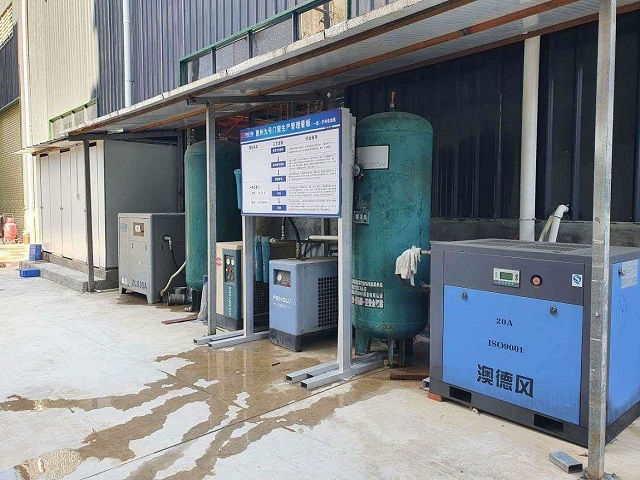 Air Compressor Machine
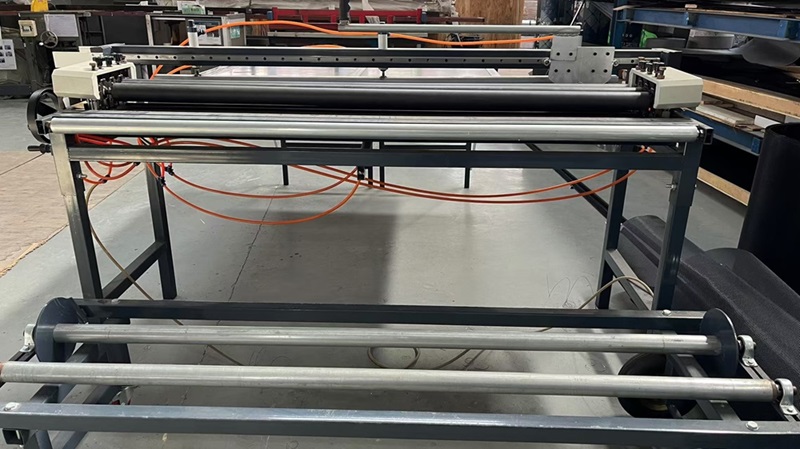 Flat Screen Cutting Machine
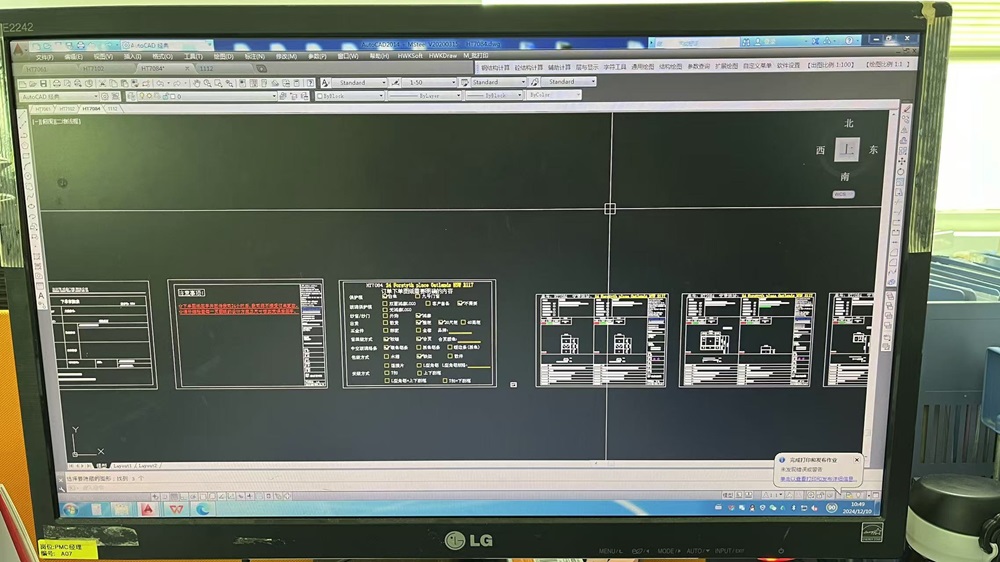
 Structural Profile CAD Design
 Thermal & Glass Infill Elevation
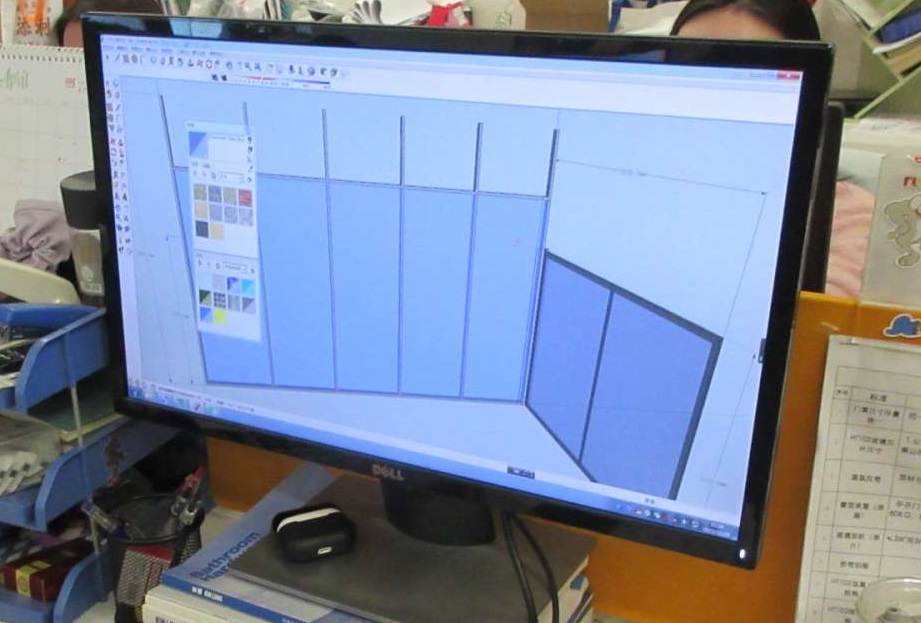
 3D Parametric Computer Modeling
Detailed examination of structural thermal breakdown, multi-point lock mechanics, weather-sealing elastomer technology, and smart biometric access.
Standard aluminum is a conductive metal with high thermal conductivity ($k \approx 200 \text{ W/m}\cdot\text{K}$). To stop thermal energy transfer between external weather and internal spaces, Foshan Primeval Doors incorporates precision-extruded **Polyamide (PA66GF25 - 25% Glass Fiber Reinforced)** thermal break strips.
This structural isolation creates a dual-chamber or triple-chamber profile system. It reduces condensation formation on the inner door surface by keeping internal face temperatures above dew point thresholds, ensuring compliance with strict building codes in North America and Northern Europe.
For high-velocity hurricane zones (HVHZ) such as South Florida and coastal Australia, entry doors must withstand both extreme static pressure differentials and flying debris impacts (TAS 201, 202, 203 standards).
Our heavy-duty entrance systems feature **0.060" / 1.52mm SentryGlas® (SGP) or PVB Interlayer Laminated Insulated Glass**. When struck by missile-level impact vectors during windstorms, the shattered glass adheres to the structural interlayer, preserving envelope integrity and maintaining interior pressure equilibrium.
Urban noise pollution control is achieved through multi-cavity EPDM (Ethylene Propylene Diene Monomer) gasket seal systems. Dual and triple weatherstripping buffers along the door perimeter create hermetic acoustic barriers.
When combined with asymmetric double-glazed acoustic glass setups (e.g., 6mm outer + 12mm Argon + 8.76mm laminated inner glass), our doors achieve Sound Transmission Class (STC) ratings up to STC 42 and Weighted Sound Reduction Index ($R_w$) up to 45 dB.
To resist salt-air corrosion in coastal environments, exterior aluminum surfaces undergo a multi-stage pre-treatment (chromate/zirconium conversion) followed by **Electrostatic PVDF (Polyvinylidene Fluoride) Spray Coating** or **Qualanod Certified Anodizing**.
This ensures 3000-hour Salt-Spray Resistance (ASTM B117 standard), preventing chalking, cracking, or color fading under intense ultraviolet radiation exposure.
Customizing OEM door configurations to satisfy localized architectural aesthetics, structural codes, and climate demands.
Compliance Standards: Miami-Dade County NOA, Florida Product Approval (FPA), NFRC Energy Certification, AAMA 101.
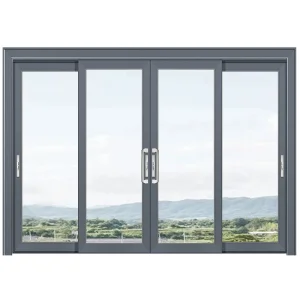
Design Focus: Oversized pivot doors, arched grand entrances, and modern ultra-slim horizontal sliding entry doors. Standardized with NFRC certified Low-E coatings (Argon filled) for climate zones 1 through 7.
Compliance Standards: AS2047 (Windows and External Glazed Doors in Buildings), AS1288 (Glass in Buildings), AS3959 (BAL Bushfire Construction).
Design Focus: Heavy-duty sub-head and sub-sill flashings, bushfire-rated mesh screens, BAL-40 fire performance, and dual-color powder-coated finishes matched to local Interpon / Dulux color charts.
Compliance Standards: High Corrosion Resistance, High Water Penetration Pressure Resistance (over 700 Pa rating).
Design Focus: 316-grade marine stainless steel hardware mortises, hidden continuous hinges, bottom drop-down automated seals, and anti-fungal silicone compounds.
In-depth answers to key architectural engineering, custom fabrication, and international freight queries.
Explore our certified commercial sliding, casement, garage, and specialty entry doors.
 Primeval Doors