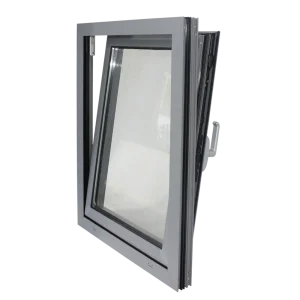
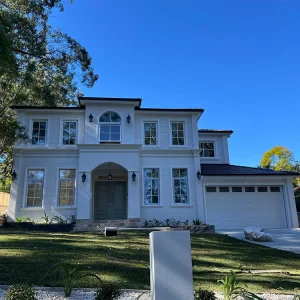
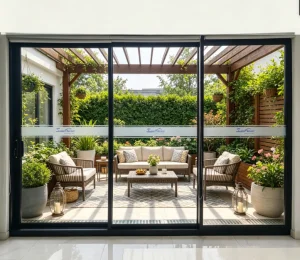
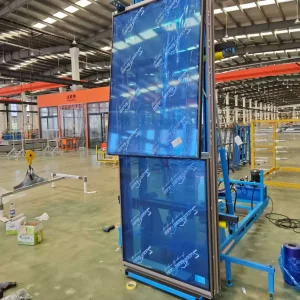
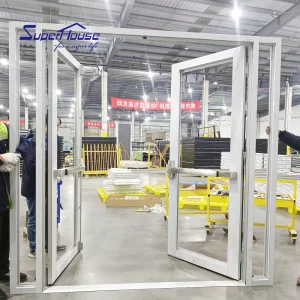
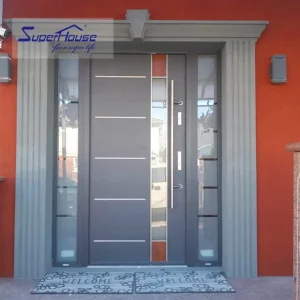
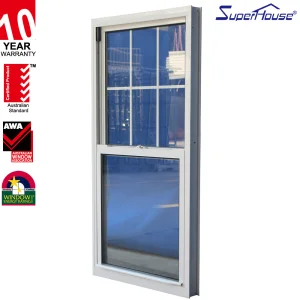
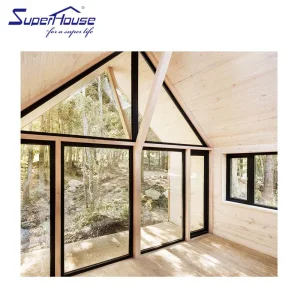
Established in 2017, Foshan Primeval Doors Industry Co., Ltd. operates from a modern manufacturing facility spanning over 12,000 m² in Foshan, China—the global epicenter of architectural aluminum production. Backed by 11 years of deep-tier industry engineering experience and 5 years of dedicated international export trade, the company generates an annual export revenue exceeding USD 8,500,000. We specialize in custom OEM/ODM solutions tailored specifically for marine environments, coastal severe weather zones, and high-end modern residential and commercial architectures.
Quality control is strictly enforced through systematic IQC-IPQC-FQC inspection procedures along with rigorous thermal conductivity and salt-spray corrosion testing. A skilled QC team of 22 certified inspectors oversees every step of the production process. Supported by 420 trusted supply chain partners, our trade background covers direct OEM export and private-label customization, serving primary target markets across Australia, New Zealand, North America, and the Caribbean Islands.
Our client base consists mainly of residential building supply importers, commercial architectural designers, structural engineering firms, and regional building material wholesalers. Driven by continuous technical innovation, our internal R&D group of 38 structural engineers introduced 75 new entry door products last year alone. Customization options encompass custom extrusion profile frame depths, double/triple-glazed decorative laminated glass inserts, AAMA 2605 powder-coated color palettes, and heavy-duty marine-grade weatherproofing seal gaskets.
Overwatched by 22 dedicated quality controllers following stringent IQC, IPQC, and FQC protocols. All batches undergo accelerated salt-spray and thermal transfer testing.
Our team of 38 R&D engineers transforms architectural sketches into fully compliant, certified window and door extrusions with engineered thermal breaks.
Strategic vertical integration backed by 420 core material suppliers guarantees raw aluminum procurement stability, reducing turnaround lead times by 25%.
Every single entry door and architectural window profile undergoes an automated 10-stage fabrication workflow within our Foshan production facility. From raw T6-6063 aluminum alloy billet verification to final structural silicone bonding and protective film packaging, our automated machinery maintains total accuracy across all dimensions.
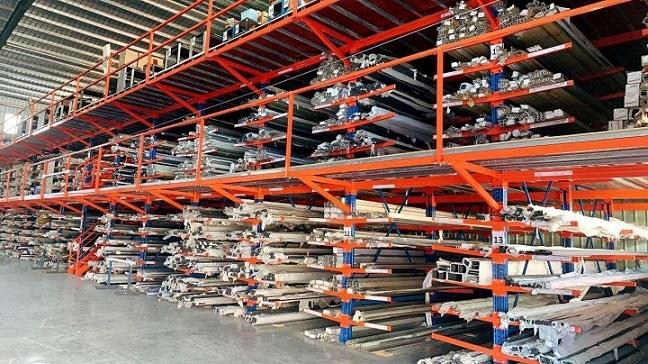 1. Raw Material
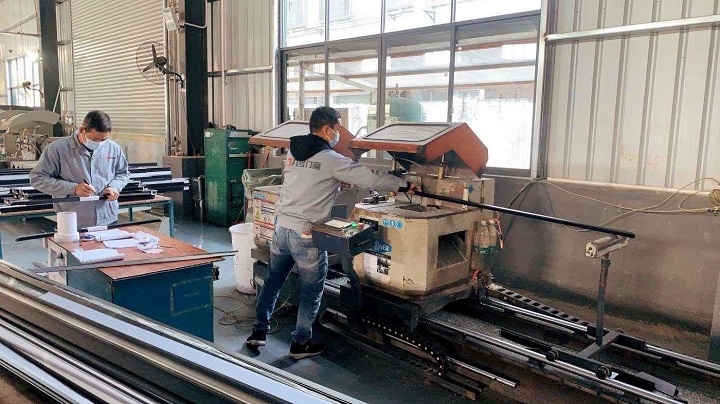 2. Profile Cutting
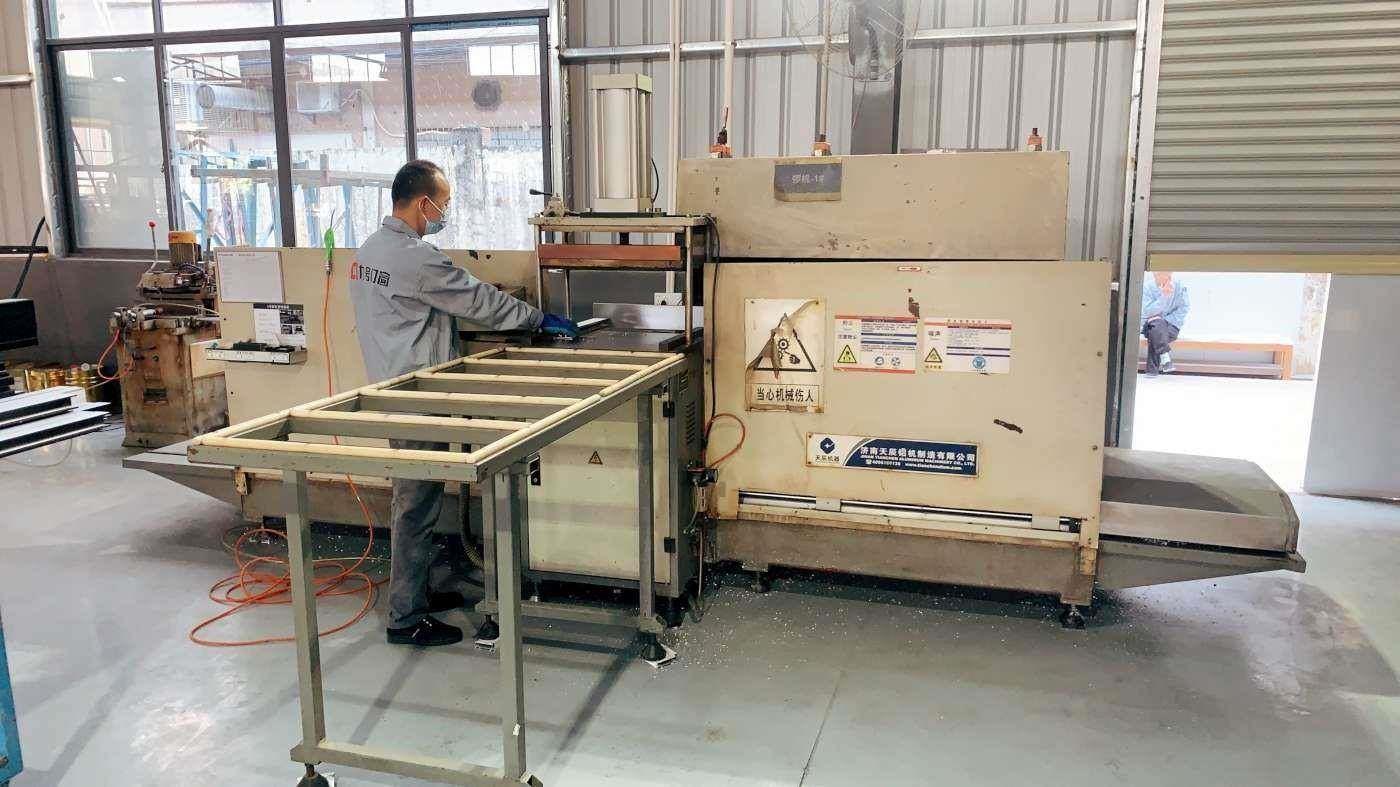 3. Milling Tenon
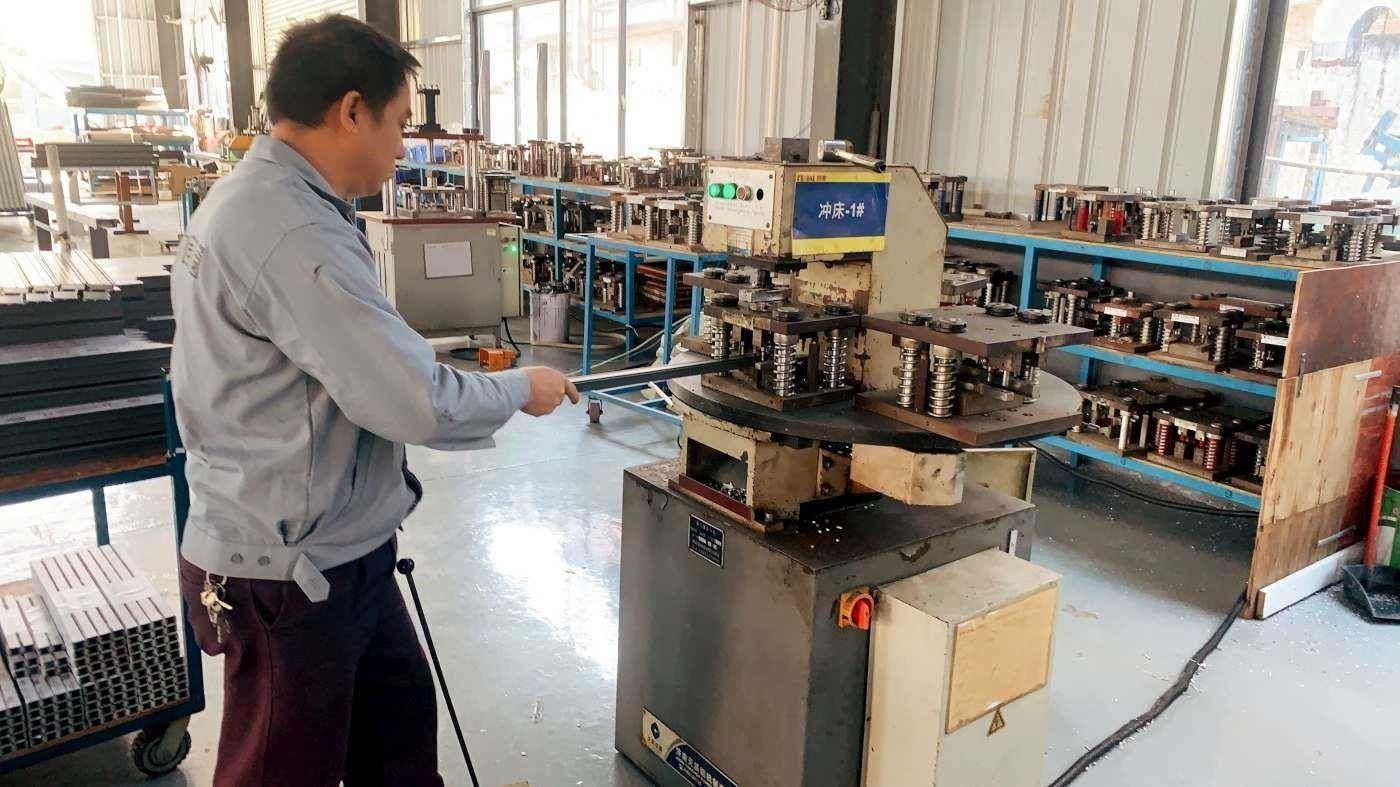 4. Punching
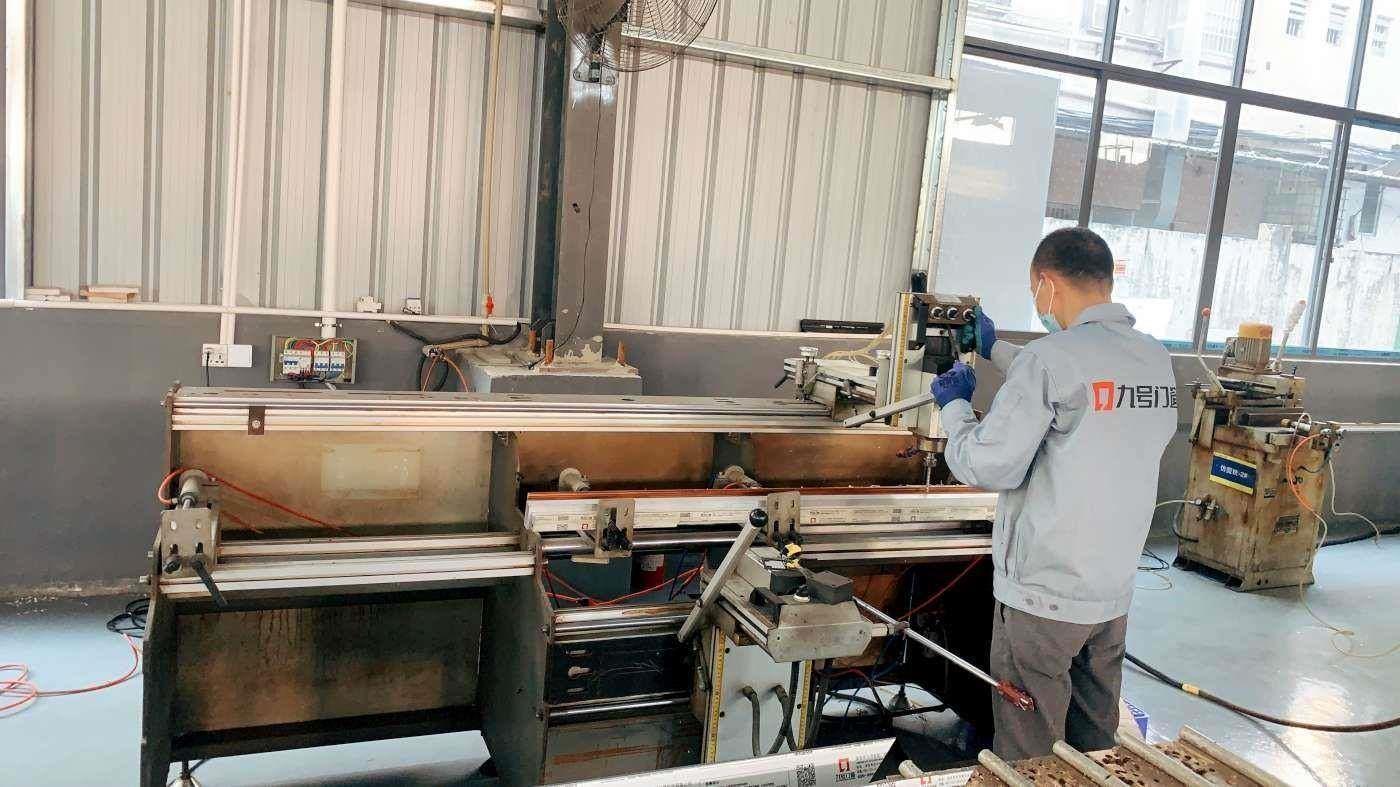 5. Profile Milling
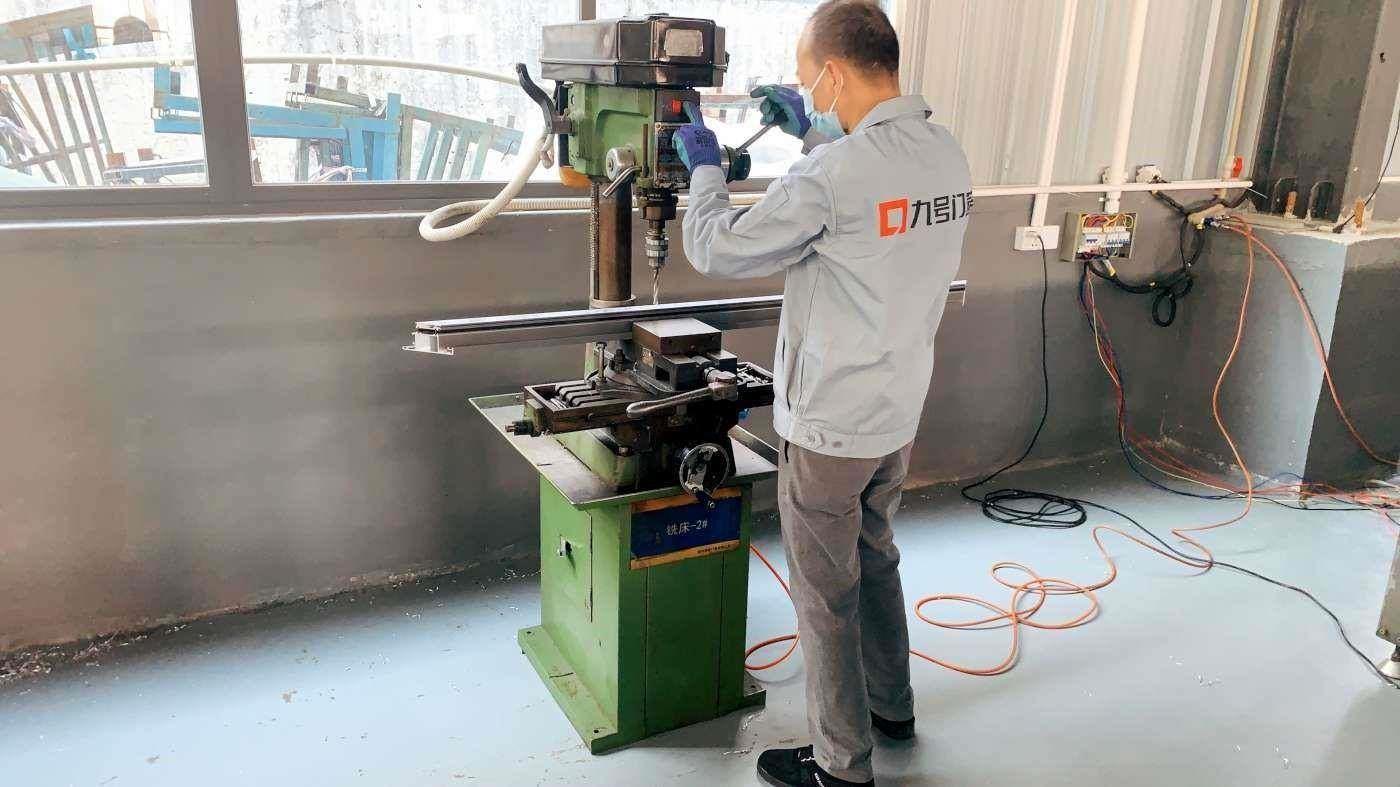 6. Drilling & Milling
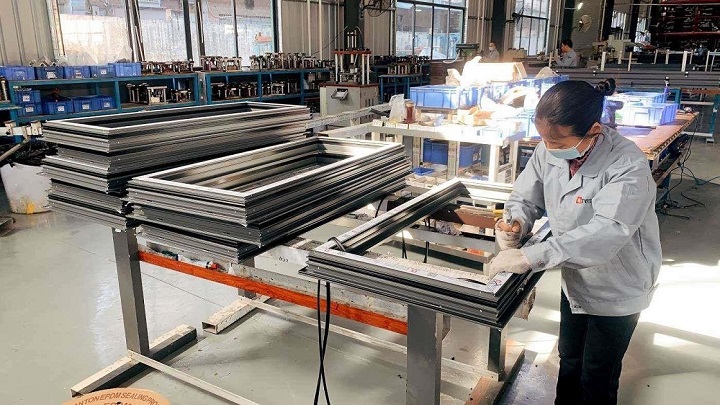 7. Frame Fan Assembly
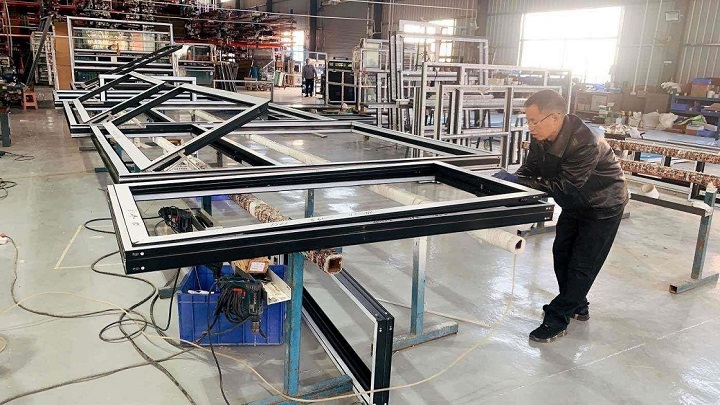 8. Hardware Assembly
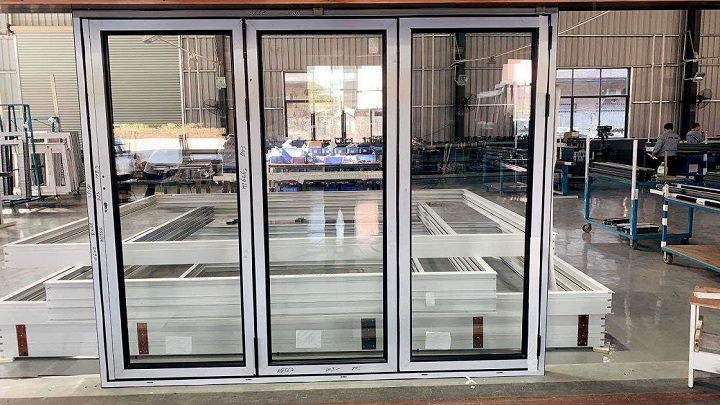 9. Commissioning
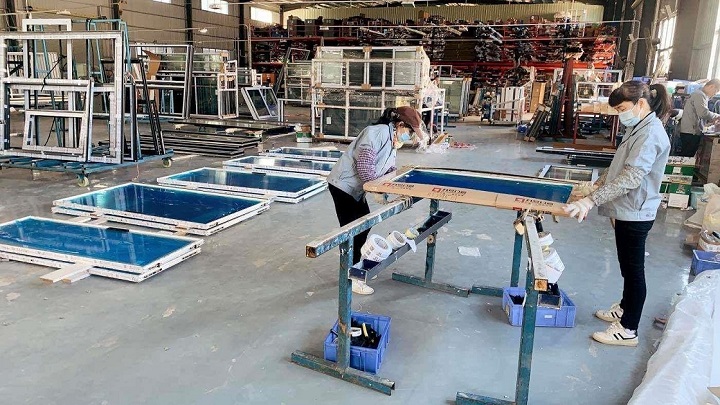 10. Packaging
Our workshop integrates multi-axis CNC double-head cutting saws, automatic profile corner key crimping machinery, and digital slot milling centers to guarantee structural joint stability under intense wind loads.
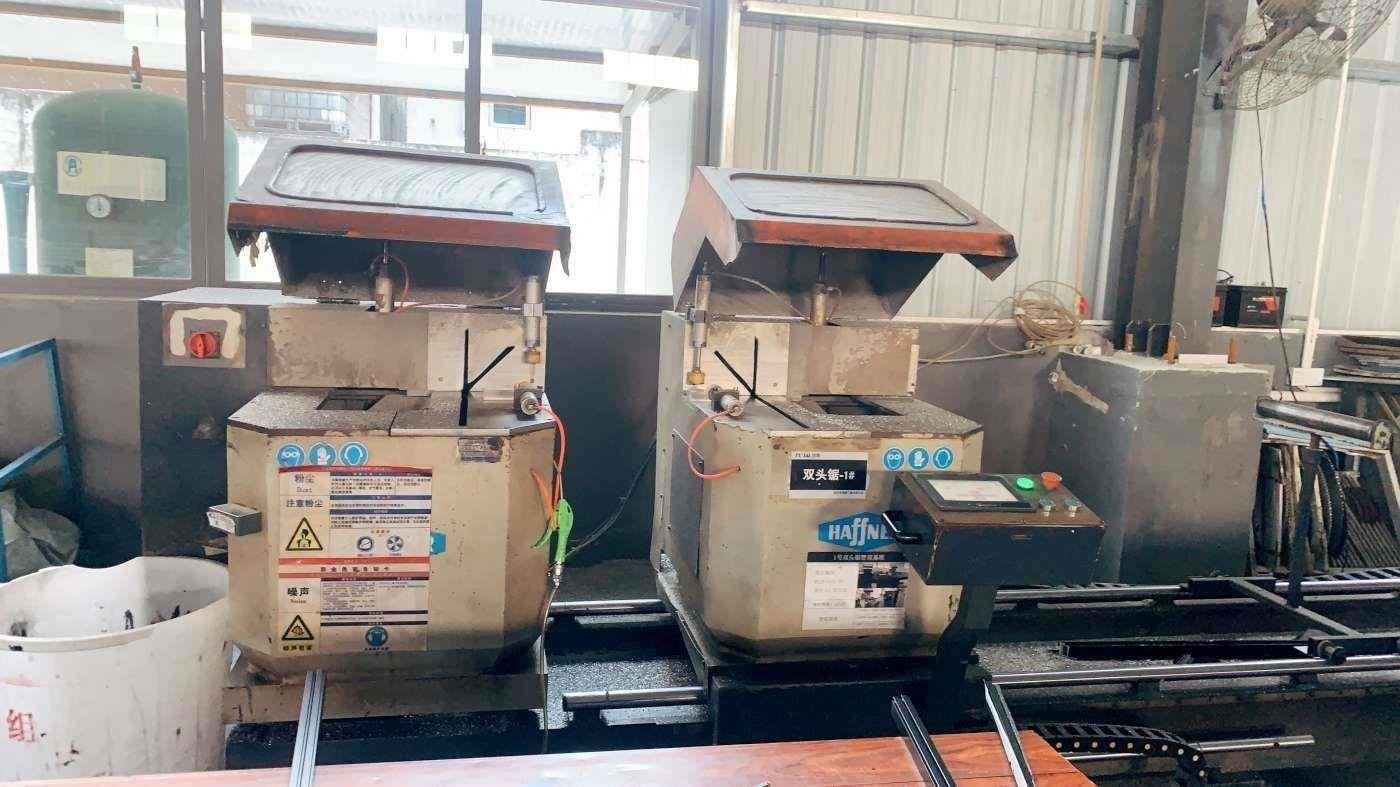 Profile Cutting Machine
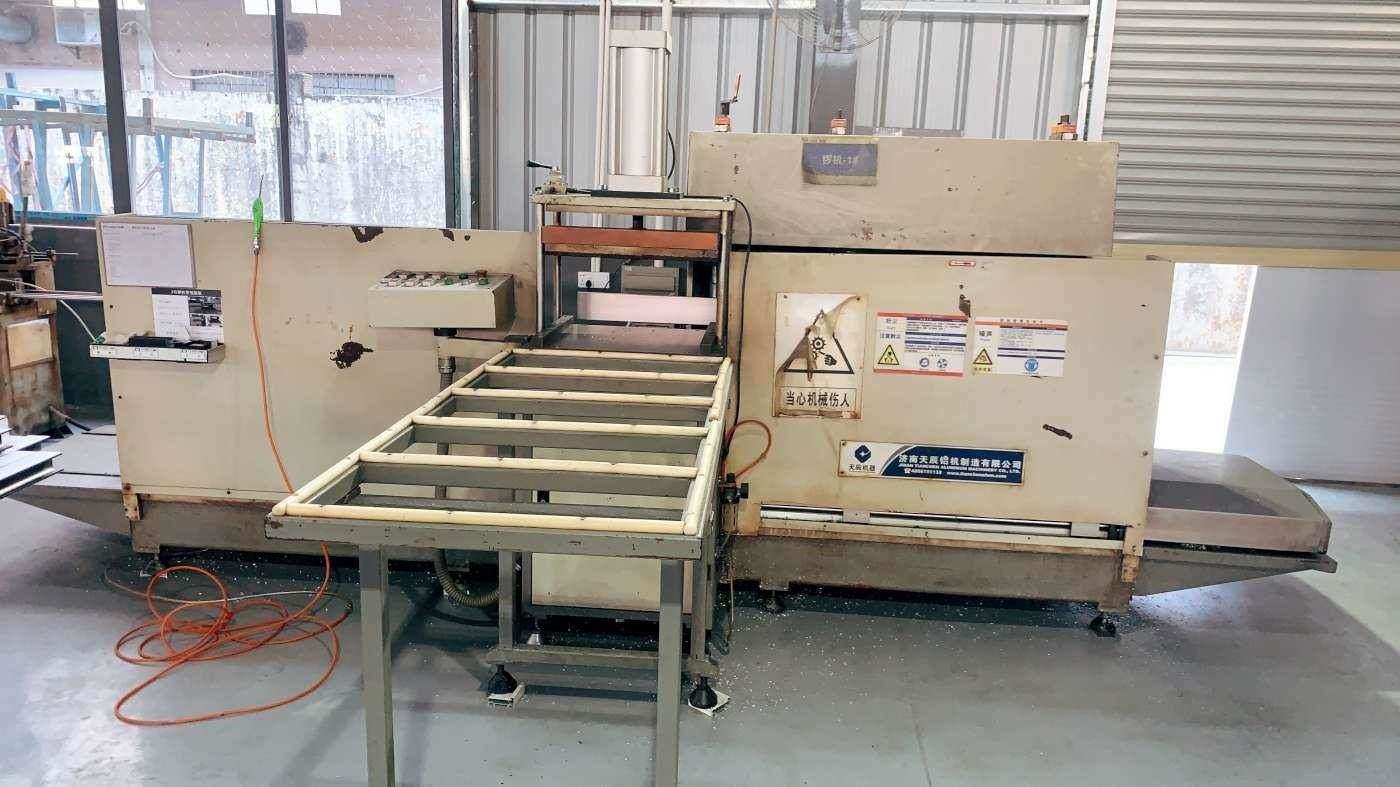 Milling Machine
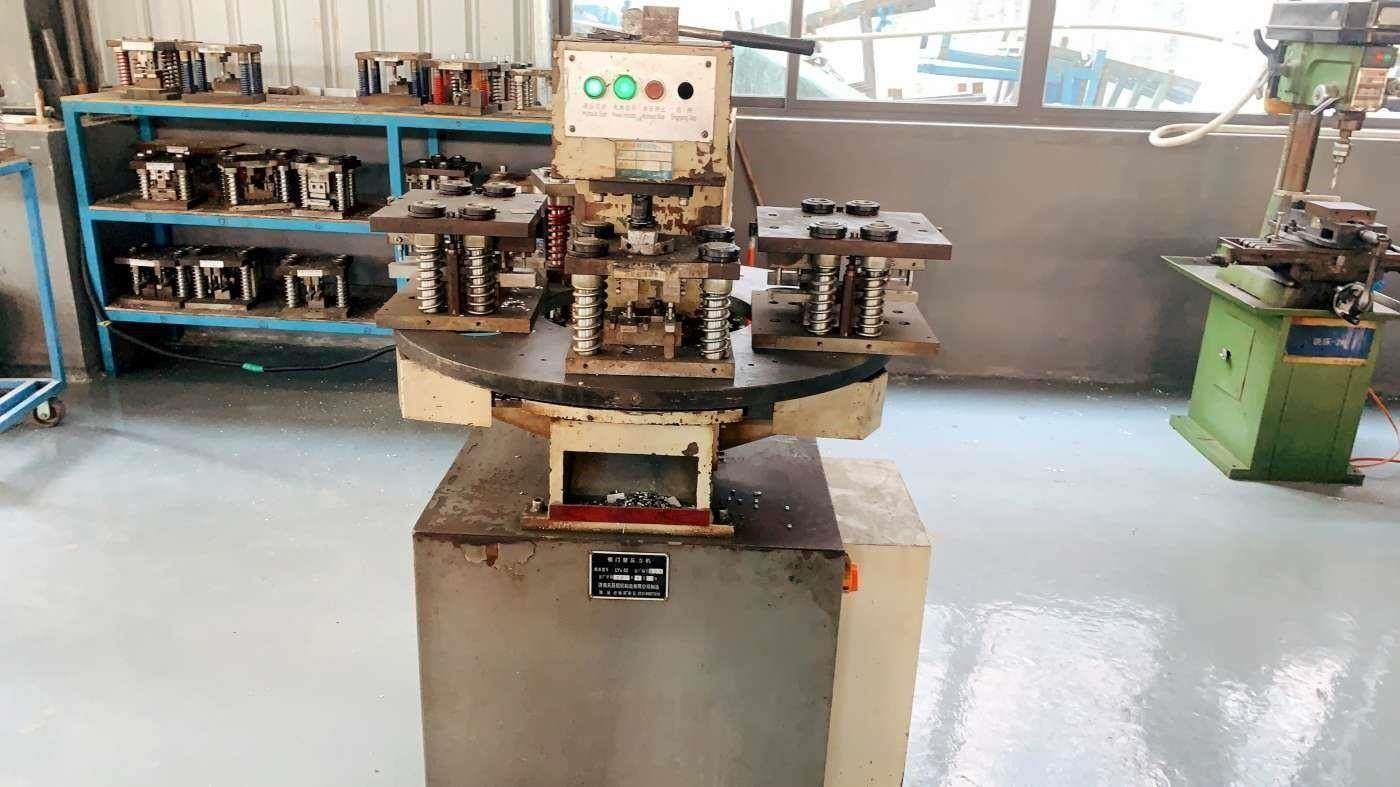 Heavy Punching Unit
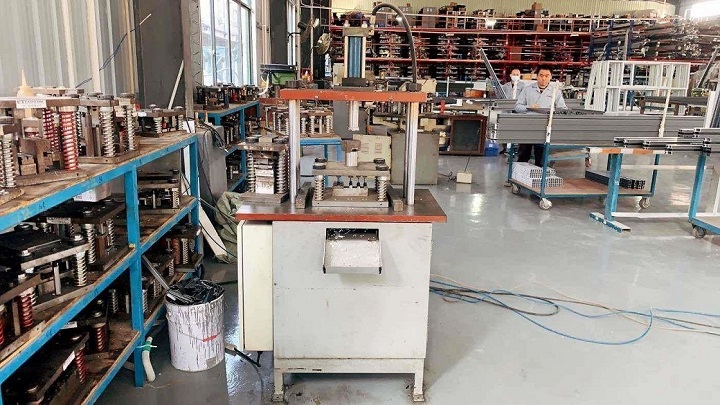 Precision Punching Unit
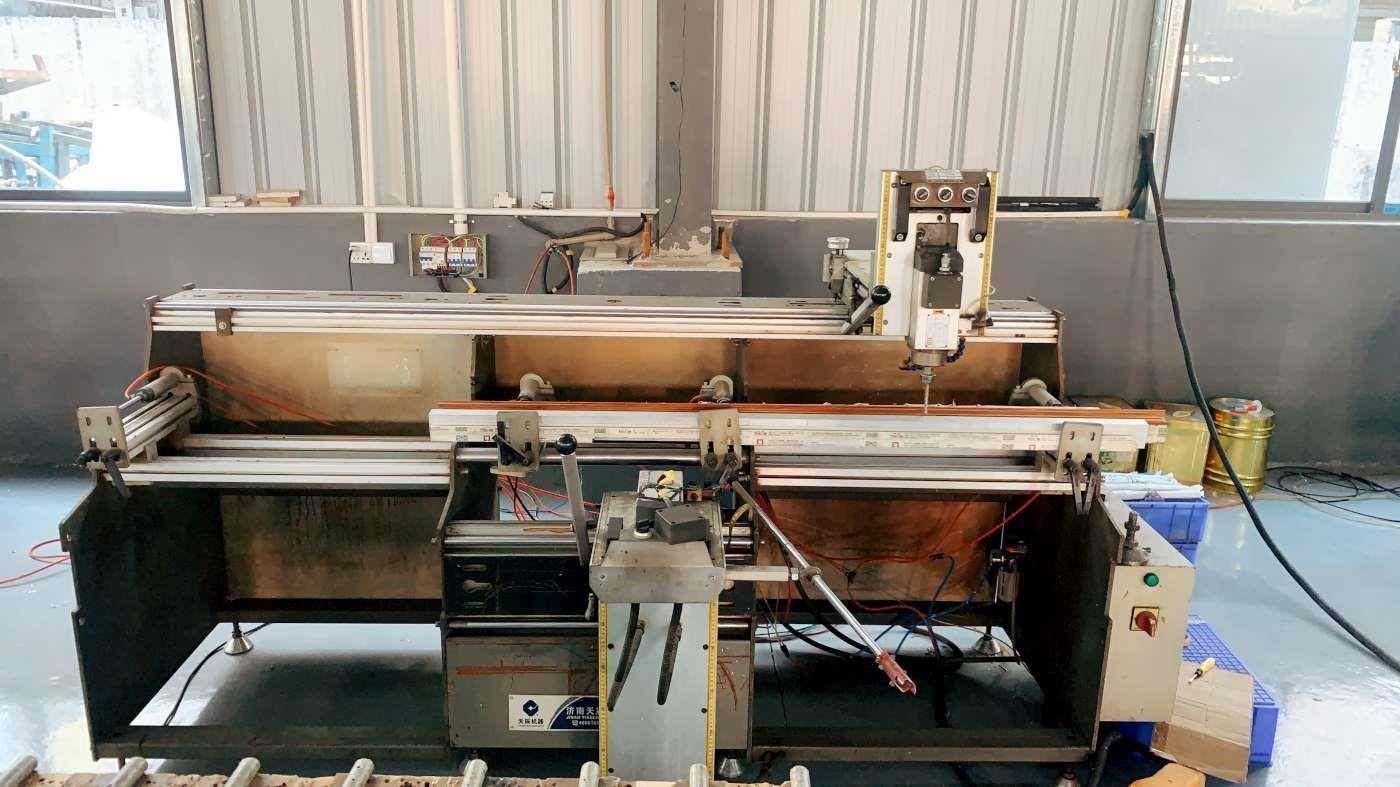 Profile Milling Machine
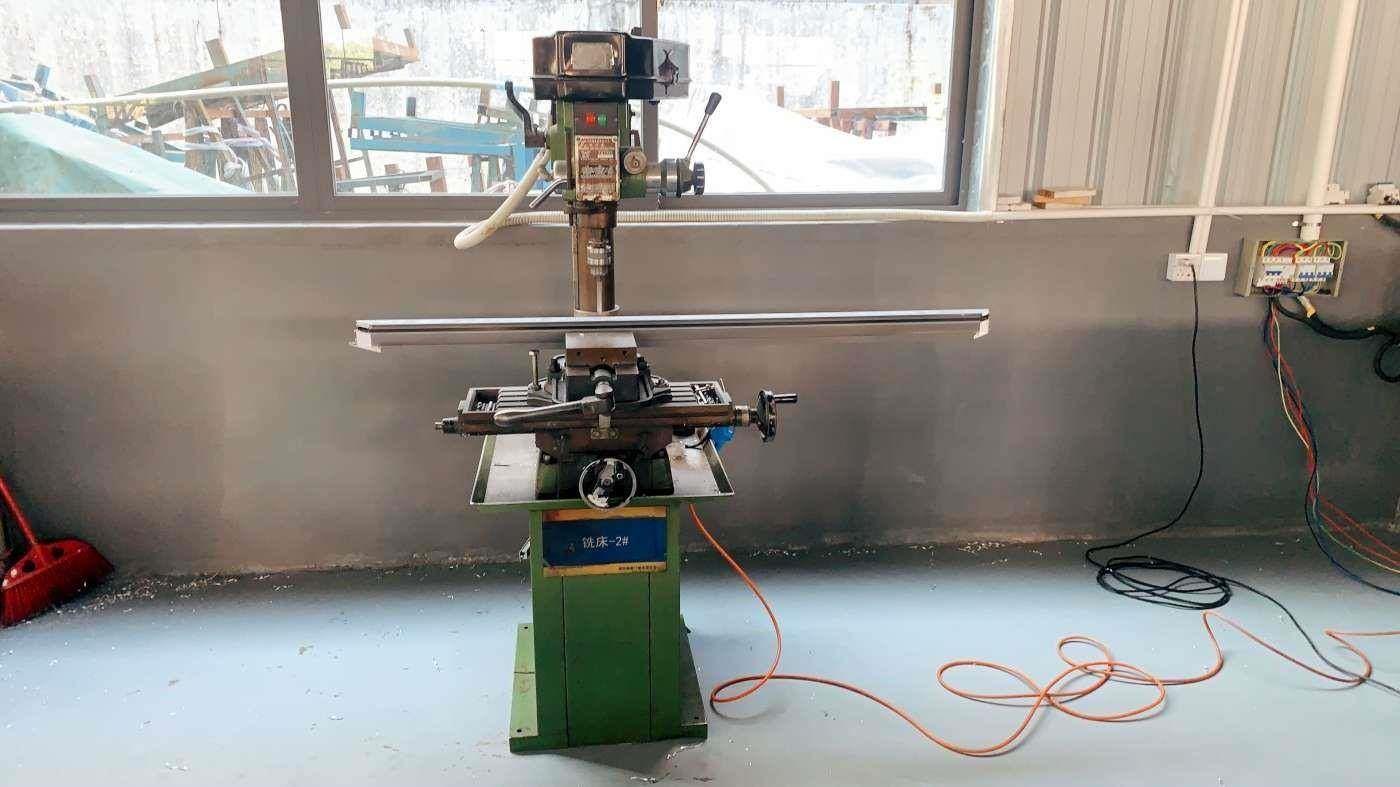 Drilling & Milling Machine
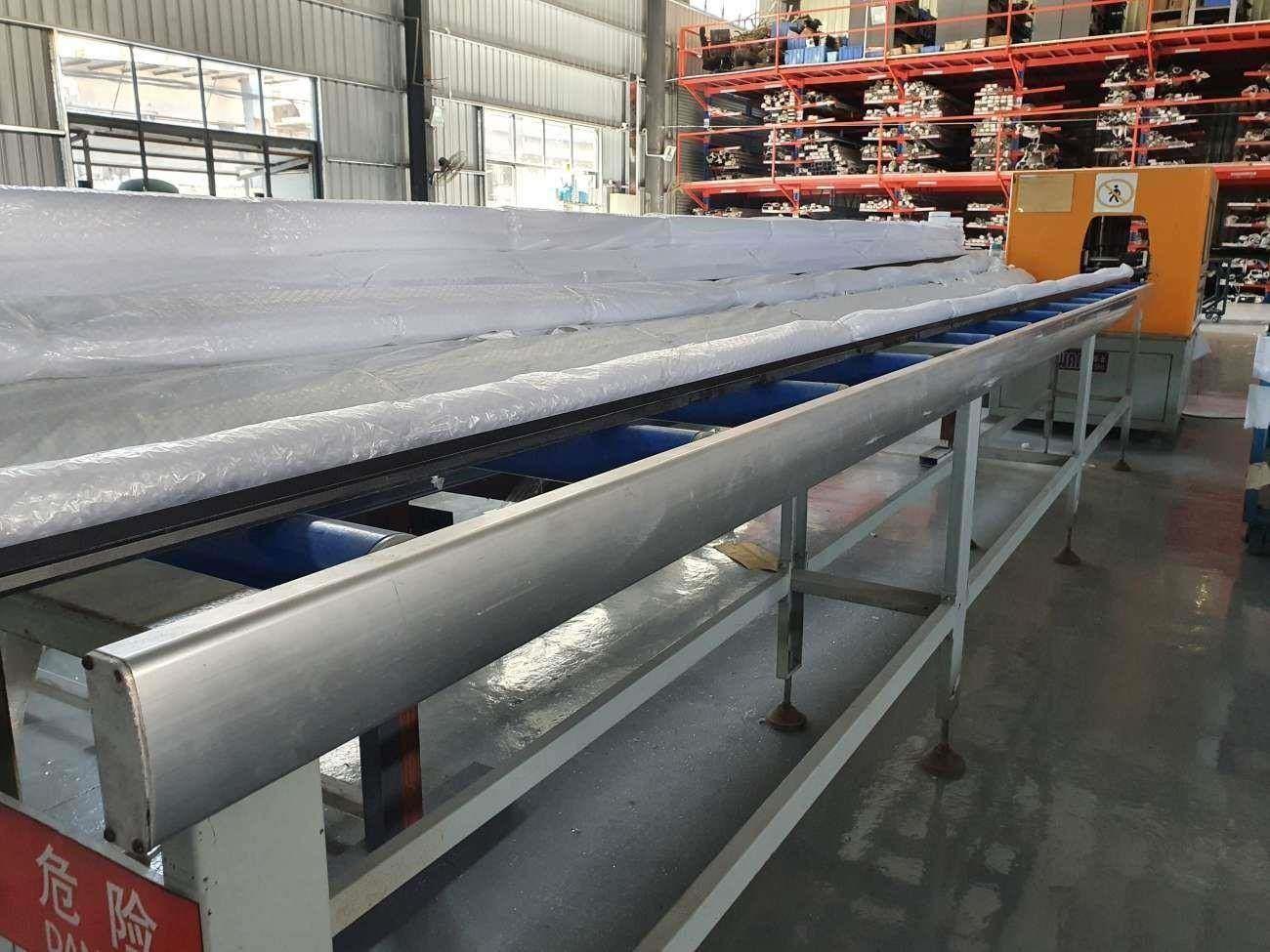 Lattice Machine
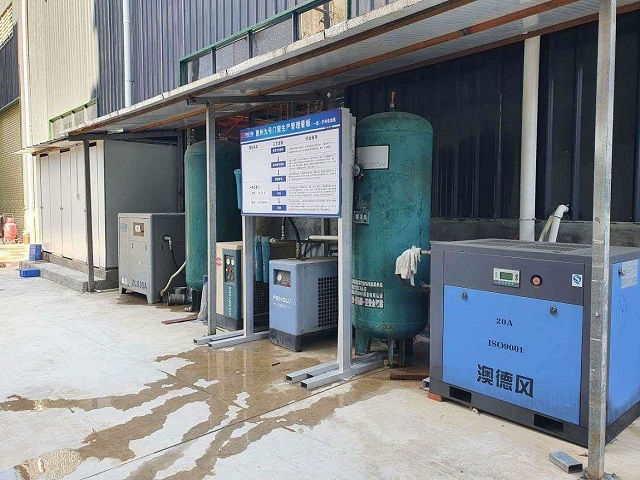 Air Compressor System
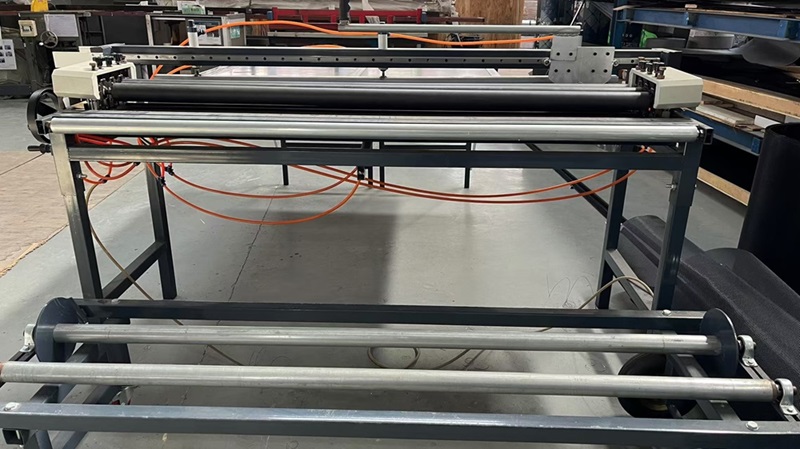 Flat Screen Cutting Machine
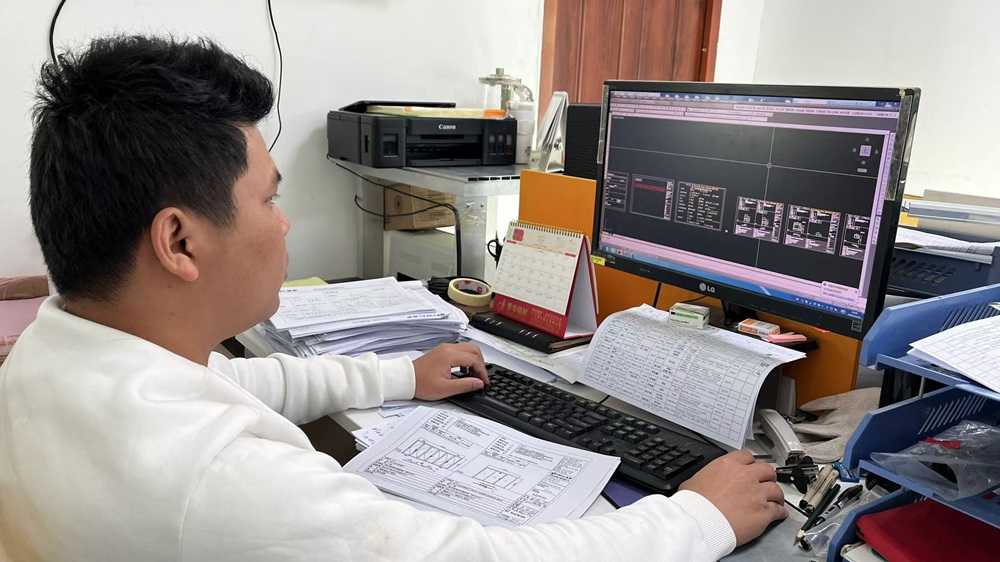
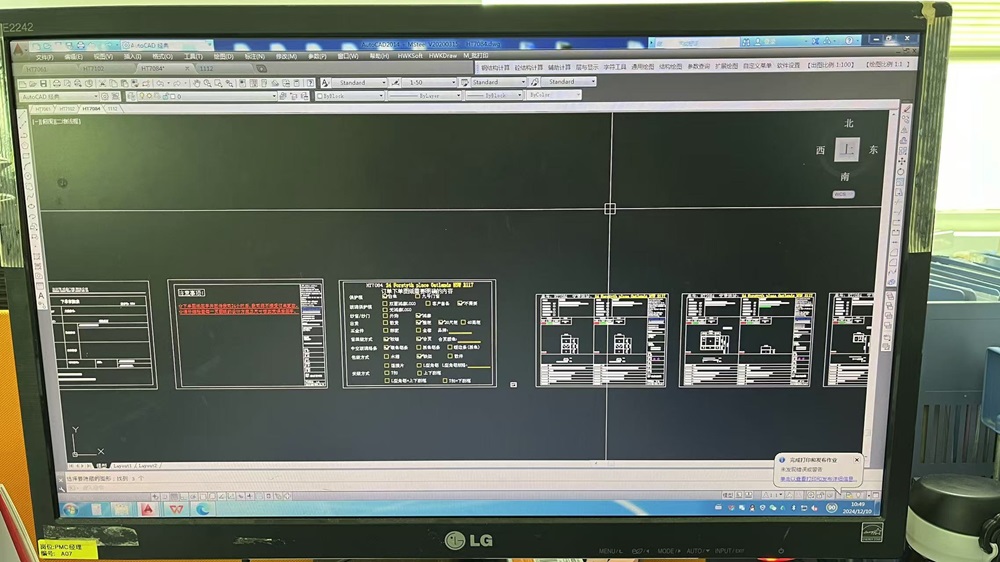
Before any aluminum extrusion is processed, our R&D engineers produce full shop drawings detailing glass penetration depths, drainage pathways, thermal breaks, and structural anchorage points customized to localized architectural specifications.
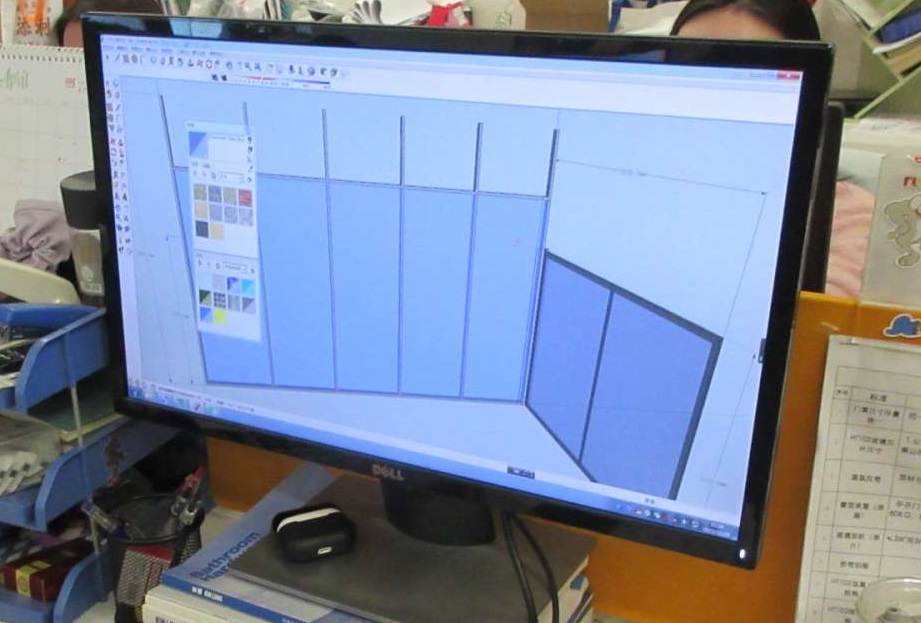 CAD Structural Blueprinting
 Elevation Detail Design
 Computer Structural Simulation
Deploying entry doors and fenestration systems in coastal environments presents severe engineering challenges. Standard aluminum alloys succumb to filiform corrosion and pitting when subjected to constant airborne ocean salt, airborne sand abrasion, and humidity levels fluctuating above 80%. Foshan Primeval Doors addresses these vulnerabilities through multi-tiered material innovations:
We utilize 6063-T6 and 6061-T6 structural aluminum alloys, extruded to strict wall thickness tolerances ranging from 2.0mm to 3.0mm depending on load-bearing requirements. Profile surface treatments are certified to AAMA 2605 and Qualicoat Class 2 / Class 3 standards. Utilizing fluoropolymer PVDF coatings containing 70% Kynar 500 resin, our finished doors withstand continuous 3,000-hour ASTM B117 salt-spray fog testing without chalking, color fading, or substrate delamination.
To eliminate heat bridging between scorching exterior coastal temperatures and air-conditioned interiors, our doors incorporate 24mm to 34mm PA66 GF25 (25% glass fiber reinforced polyamide) structural thermal break strips. This mechanical isolation yields exceptionally low overall U-factors (down to 0.28 BTU/hr·ft²·°F when configured with Low-E insulated glass units), preventing thermal expansion stresses that typically cause frame binding in tropical ocean climates.
Coastal entry systems are engineered to resist design pressures exceeding 70 to 100 PSF (Pounds per Square Foot). Our hurricane-rated options feature SentryGlas® (SGP) ionoplast interlayers sandwiched between tempered glass panels, retaining structural integrity even after high-impact debris strikes. Environmental sealing relies on continuous co-extruded EPDM quad-gaskets featuring vulcanized molded corners, blocking moisture intrusion during 140+ MPH wind-driven rainfall events.
| Engineering Parameter | Standard Commercial Grade | Primeval Coastal OEM Standard | Testing Protocol / Benchmark |
|---|---|---|---|
| Alloy Base & Temper | 6063-T5 (1.4mm - 1.6mm) | 6063-T6 / 6061-T6 (2.0mm - 3.0mm) | GB/T 5237 / ASTM B221 |
| Surface Finishing | Standard Powder Coating (AAMA 2603) | 70% PVDF Fluoropolymer / Hard Anodized (AAMA 2605) | ASTM B117 (3,000-hr Salt Spray Test) |
| Thermal Isolation | Non-Thermal Break or PVC Strips | PA66 GF25 Polyamide Structural Insulation | NFRC 100/200 Thermal Modeling |
| Impact Resistance | Standard Tempered Monolithic Glass | SGP / PVB Laminated Heavy Impact Glass | Miami-Dade NOA / ASTM E1886 & E1996 |
| Weather Sealing | Single Rubber Gaskets / Felt Strips | Quad Continuous Vulcanized EPDM Gaskets | ASTM E331 Water Penetration Resistance |
Designed to comply with Florida Building Code (FBC) High-Velocity Hurricane Zone requirements and Texas Gulf Coast storm surge criteria. Integrates heavy-duty panic escape hardware and multi-point lock systems suitable for commercial storefronts and luxury oceanfront villas.
Fully adaptable to AS2047 and AS1170 structural wind loading requirements. Features sub-framing drainage channels and BAL-40 bushfire flame resistance ratings, supporting coastal residential developments exposed to harsh Southern Ocean saltwater spray.
Tailored for high humidity, solar radiation, and extreme tropical storms. Combines oversized glass openings, hidden frame curtain wall profiles, and motorized automated entry configurations engineered to resist high wind pressure loads.
Purchasing directly from Foshan Primeval Doors gives international wholesalers, distributors, and general contractors a decisive structural advantage. By leveraging Foshan's consolidated aluminum ecosystem—which provides immediate access to specialized extrusion dies, high-durability surface treatment facilities, and world-class glass processors—we eliminate intermediate distributor markups while maintaining total design freedom.
Our OEM services accommodate complete custom extrusions, private-label branding, customized installation flange geometries (nail fins, flush fins, masonry clips), and tailored packaging (ISPM-15 certified wooden crates with moisture-absorbent silica vacuum wrap) to guarantee pristine delivery across international freight routes.
As architectural requirements shift toward zero-net-energy buildings and seamlessly connected smart environments, Foshan Primeval Doors' R&D division is driving innovations in three core domains:
Incorporating silent brushless DC electric actuators directly into thermal break door profiles. Future entry systems feature integrated biometric fingerprint scanners, facial recognition access control, and smart home IoT connectivity (Zigbee/Z-Wave/Matter) that automatically engage multi-point locking bolts upon sash closure.
Pioneering the application of silica aerogel insulating cores within internal aluminum profile cavities. This advance reduces thermal conductivity across the profile frame by an additional 40%, yielding Ultra-Low U-factors capable of meeting Passive House certification benchmarks even in hostile equatorial climates.
Integrating semi-transparent solar cells within double-glazed entry door transoms and side lites, allowing coastal entryways to generate clean electricity from solar exposure while maintaining optimal interior light transmission and solar heat control.
 Primeval Doors