Architectural-Grade Weatherproofing Engineering, NFRC & AS2047 Certified Systems, and Advanced Thermal Performance for Global Wholesalers & Commercial Projects
Explore high-performance certified door & window solutions customized for hurricane resistance, extreme insulation, and structural longevity.
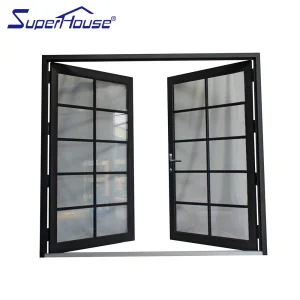
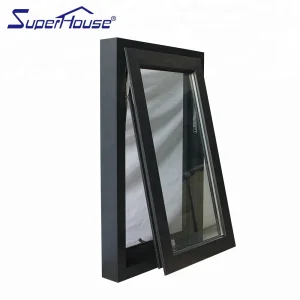
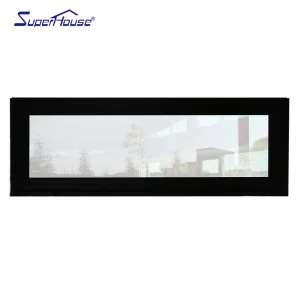
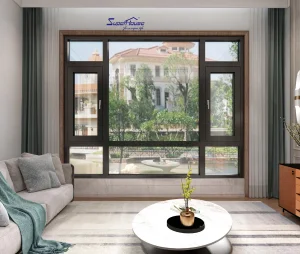
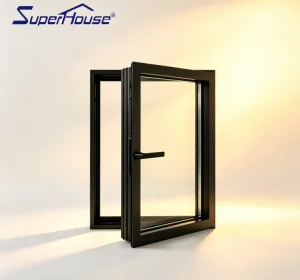
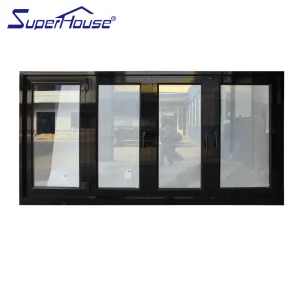
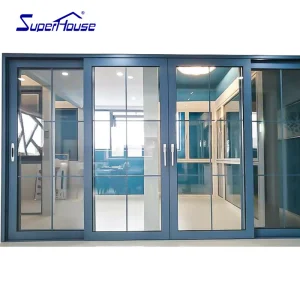
In contemporary architectural engineering, the exterior envelope of a building is subject to increasingly hostile climate extremes—ranging from Category 5 hurricane wind loads and intense solar UV radiation to freezing thermal shocks and high-salinity coastal atmosphere exposure. Consequently, global demand for weather resistant entry doors has expanded beyond mere visual aesthetics to encompass complex physics-based metrics: structural wind load pressure (Pa), water penetration resistance (Pa), air infiltration rates, and precise U-factor thermal conductivity values.
Established in 2017, Foshan Primeval Doors Industry Co., Ltd. operates from a modern manufacturing facility of 12,000 m². Backed by 11 years of industry engineering experience and 5 years of international export trade, the company generates an annual export revenue of USD 8,500,000. As a premier Chinese manufacturer located in the hardware powerhouse of Foshan, Guangdong, Primeval Doors bridges the critical gap between high-volume precision manufacturing and stringent international building codes (such as North American NFRC/Florida Miami-Dade standards and Australian AS2047 specifications).
Unlike standard entry doors that utilize basic rubber gaskets and non-thermal aluminum frames, modern weather-resistant systems engineered by top Chinese exporters incorporate multi-chambered polyamide (PA66 GF25) thermal break barriers, continuous EPDM (Ethylene Propylene Diene Monomer) triple weatherstripping seals, structural silicone glazing, and specialized pressure-equalized drainage tracks. This technical synthesis effectively eliminates thermal bridging, prevents water ingress even under 700 Pa rain storms, and maximizes acoustic attenuation up to 45 dB.
Unpacking the systematic engineering rigor, robust supply chain networks, and stringent quality assurance protocols behind Premier Chinese Export Leaders.
Quality control is strictly enforced through systematic IQC (Incoming Quality Control), IPQC (In-Process Quality Control), and FQC (Final Quality Control) inspection procedures along with rigorous thermal conductivity and salt-spray corrosion testing. A skilled QC team of 22 inspectors oversees every single step of the production process to guarantee flawless operational tolerances.
Supported by 420 trusted supply chain partners, our trade background covers direct OEM export and private-label customization, serving primary markets in Australia, New Zealand, and North America. This hyper-dense industrial integration in Foshan enables ultra-competitive raw material sourcing without compromising metallurgical specifications.
Our client base consists mainly of residential building supply importers, architectural designers, and regional wholesalers. Driven by continuous innovation, our R&D group of 38 engineers introduced 75 new entry door products last year. Customization options include custom frame depths, double-glazed decorative glass inserts, powder-coated color palettes, and heavy-duty weatherproofing seals.
Understanding the material science and structural designs required for severe climate zones.
To survive extreme meteorological environments—such as high-altitude freezing blasts, tropical downpours, or humid coastal salt air—exterior entry doors must employ multi-layered technical barriers. Chinese factories leading the export sector have adopted structural innovations that optimize energy ratings, structural deflection tolerance, and operational lifespan.
Standard aluminum profiles are conductive, allowing outside ambient cold or heat to transfer inside. Weather-resistant entry doors utilize high-grade PA66 GF25 (25% fiberglass reinforced polyamide) thermal break strips. This mechanical separation disrupts heat transfer paths, lowering overall U-factors down to passive house standards (< 1.0 W/m²K).
Sealing integrity dictates air and water tightness. Utilizing co-extruded EPDM gaskets with continuous vulcanized corners ensures elastic recovery even after decades of continuous compression. Dual and triple weather-strip barriers eliminate drafts and block wind-driven rain penetration under high static pressure testing.
Glass panels integrated into modern entry doors feature double or triple-glazed tempered safety glass filled with 90%+ Argon gas. Low-Emissivity (Low-E) coatings reflect infrared radiation, keeping interiors warm during winter and blocking radiant heat in summer, while capillary tubes equalize atmospheric pressure differentials in high-altitude installations.
Exposed door surfaces undergo 1000+ hours of neutral salt-spray corrosion testing. Utilizing AkzoNobel or PPG fluorocarbon PVDF coatings ensures resistance against chalking, UV fading, acid rain, and coastal salt rust, retaining vibrant finish aesthetics for decades.
High wind pressure can cause entry door leaves to deflect, breaching perimeter seals. Heavy-duty multi-point stainless steel locking mechanisms pull the door leaf tight against the frame at top, middle, and bottom points, maintaining structural sealing alignment under positive and negative wind pressure loads.
Advanced threshold and sills incorporate weeping channels designed around pressure equalization principles. Water that breaches the outer gasket is directed downward into an inner chamber and evacuated outward via non-return valves, preventing water backup into building interiors during intense storms.
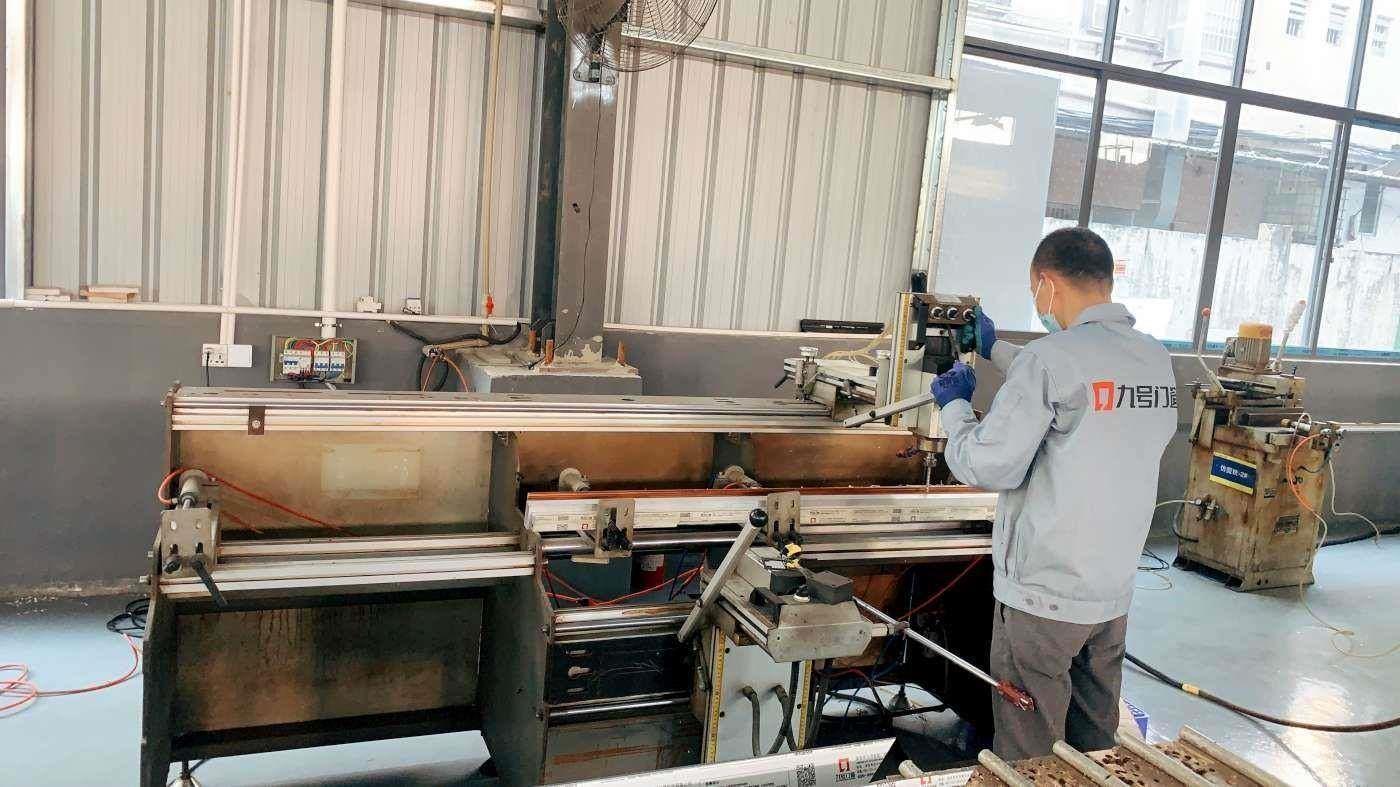
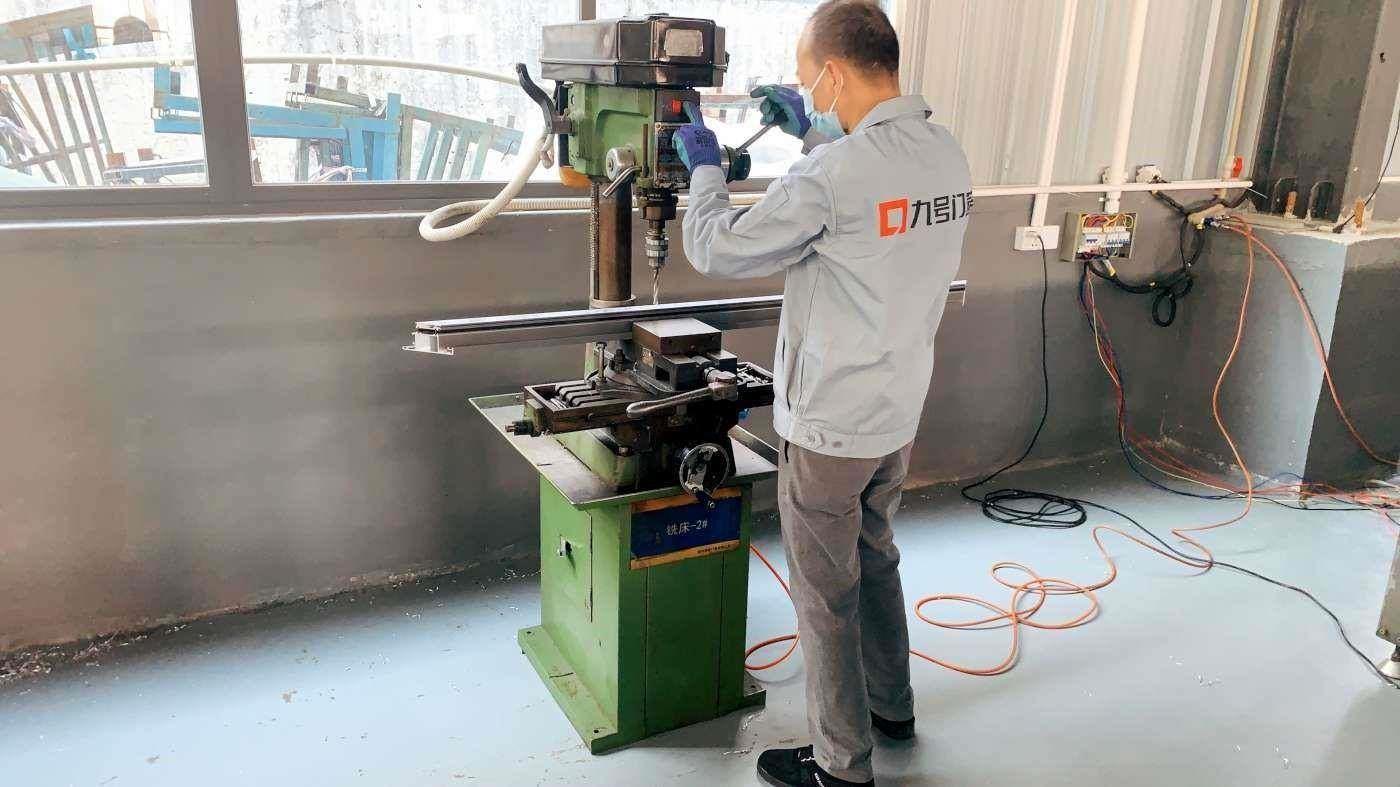
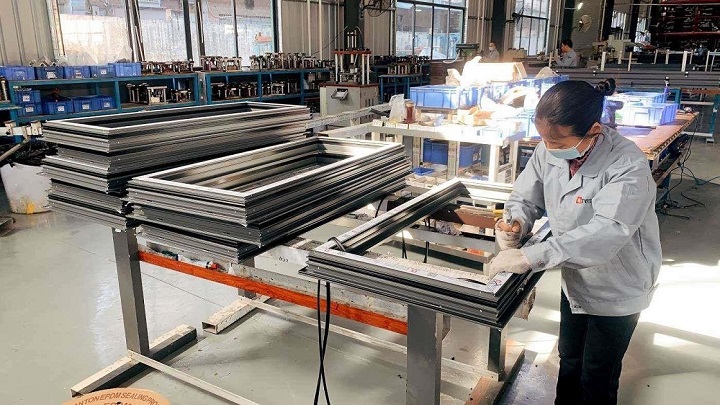
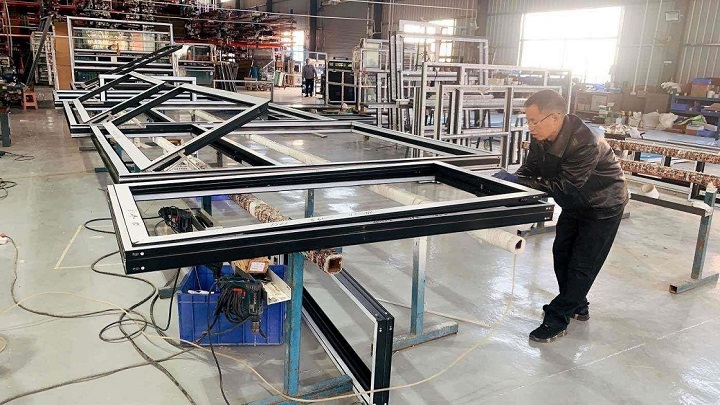
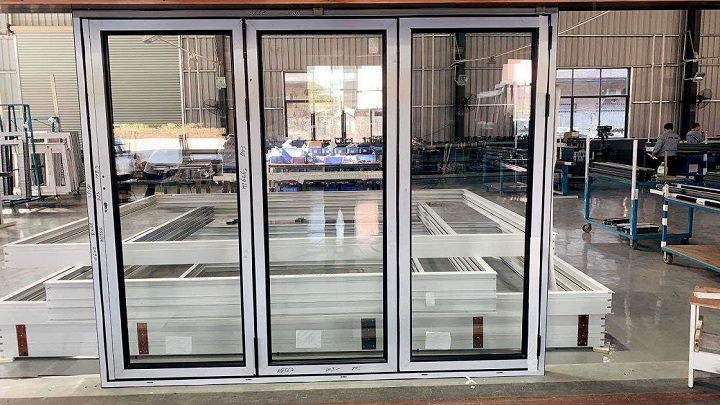
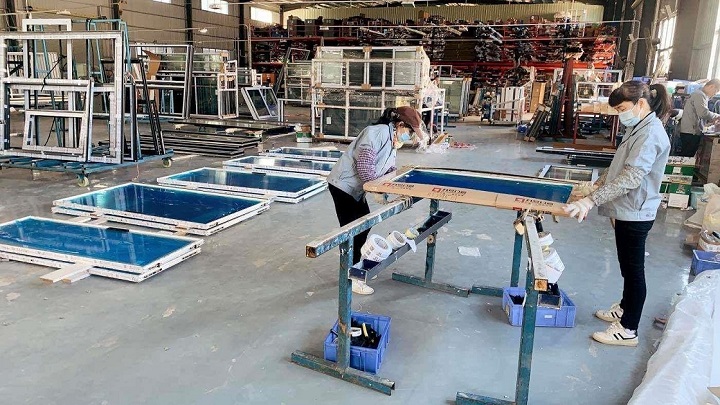
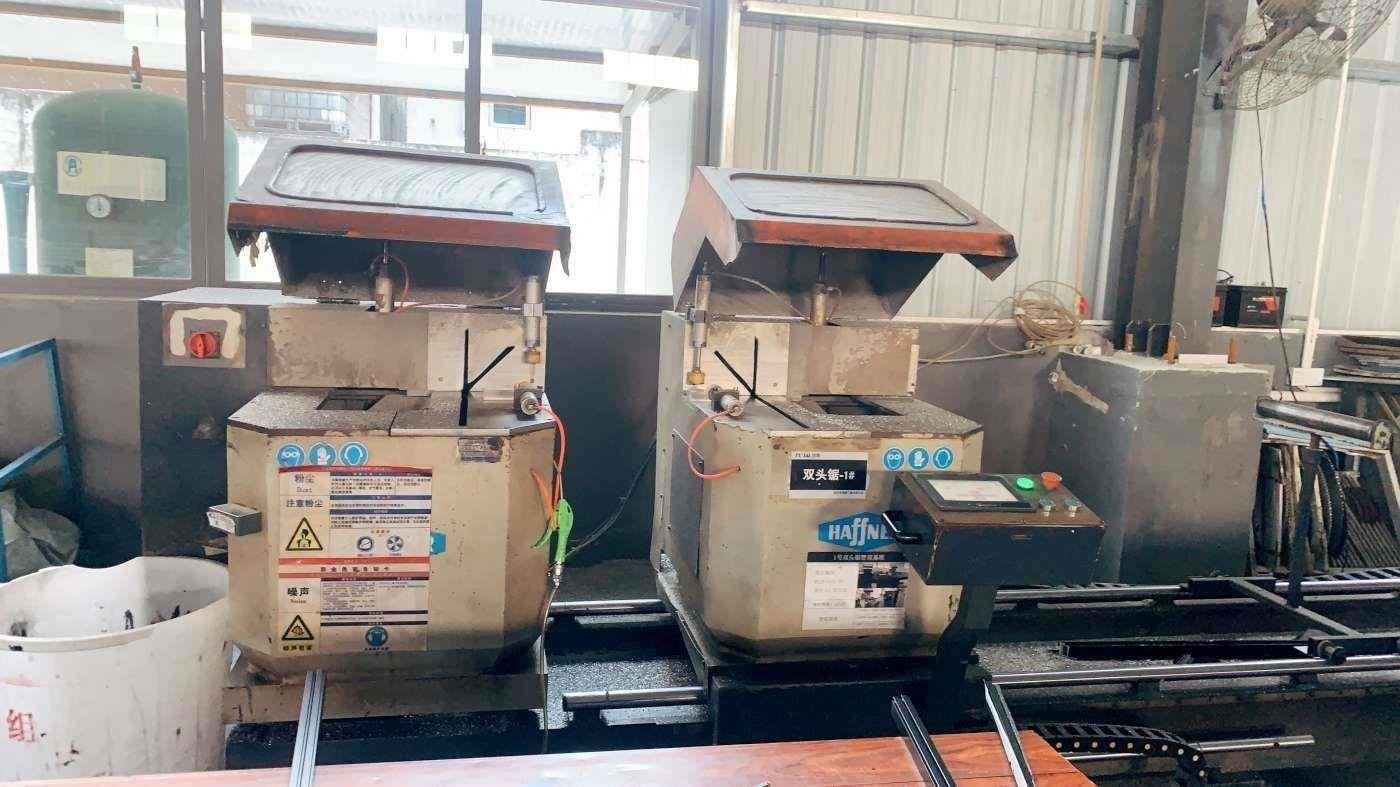
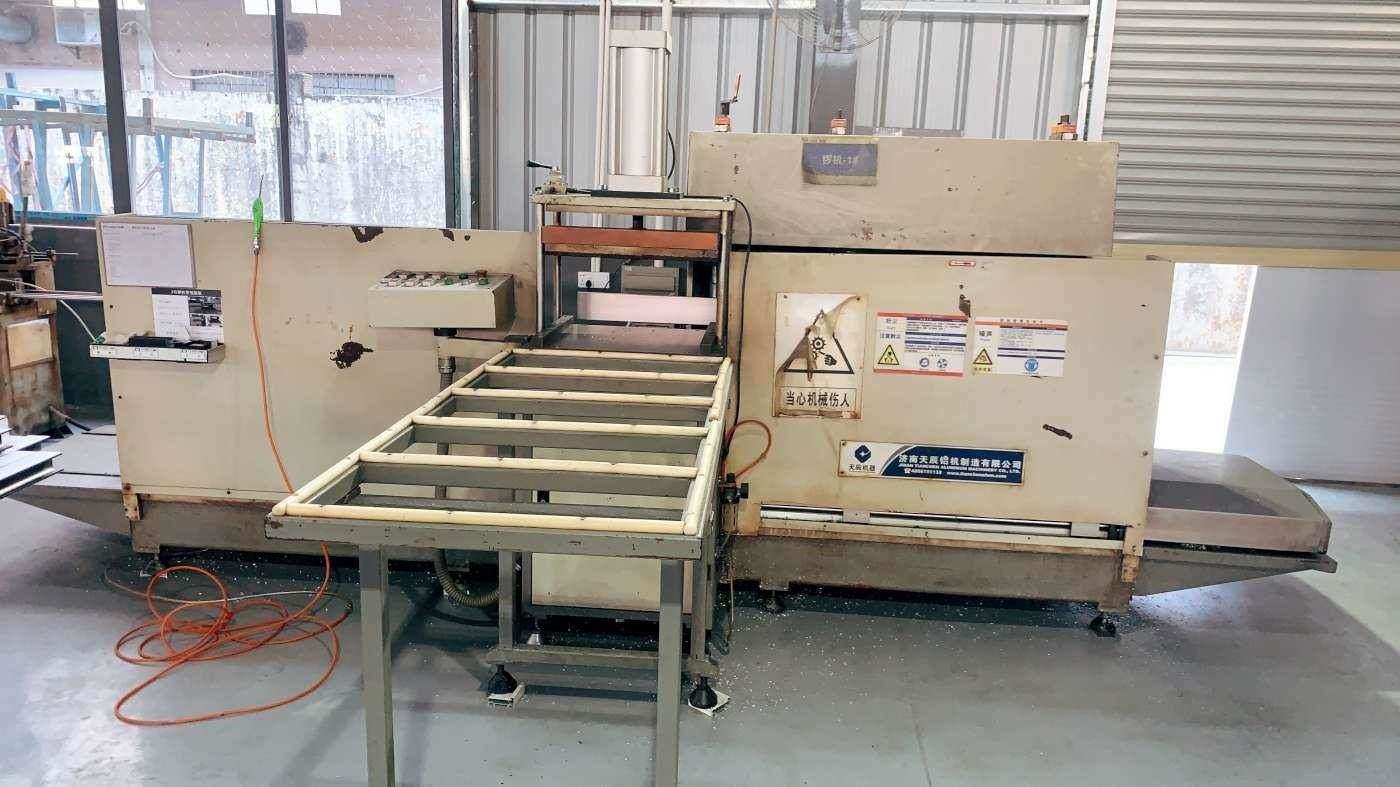
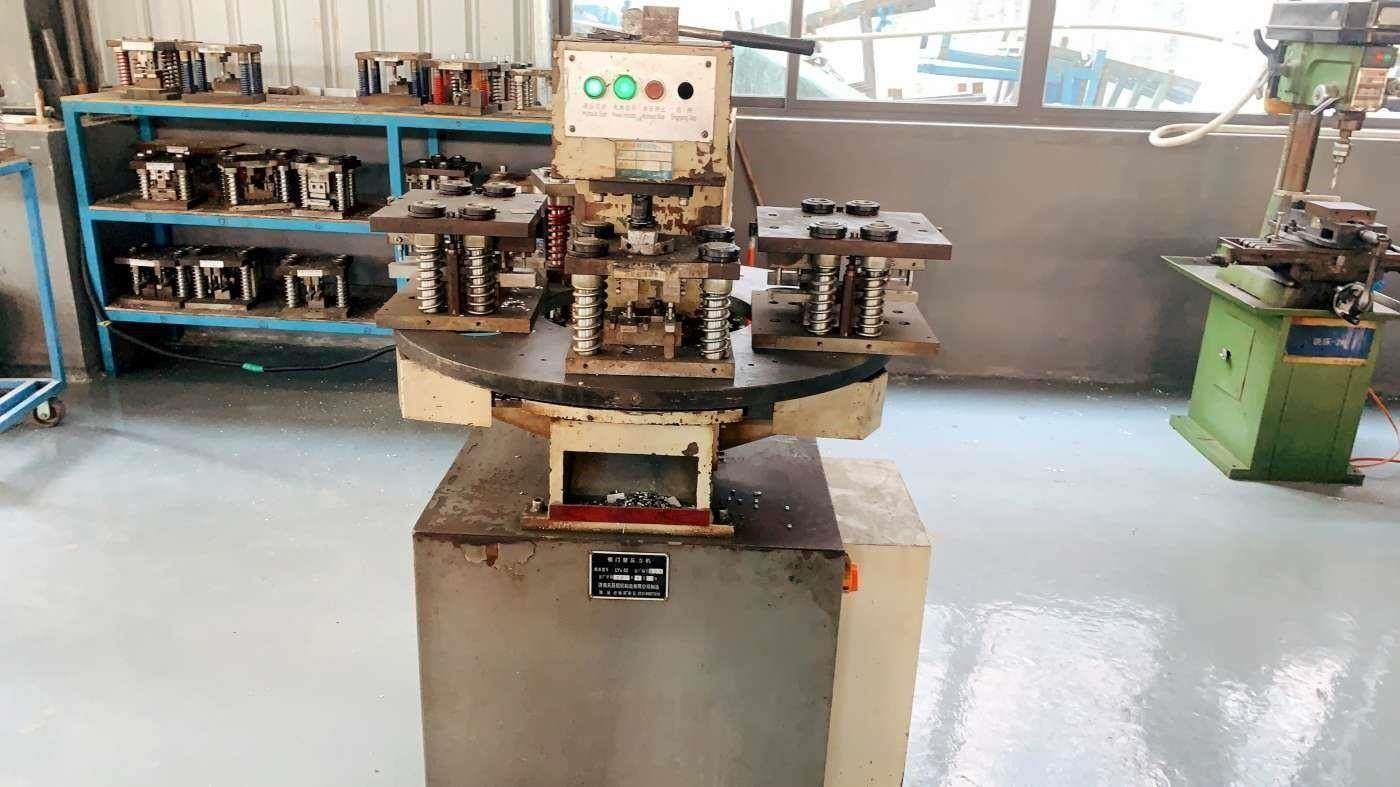
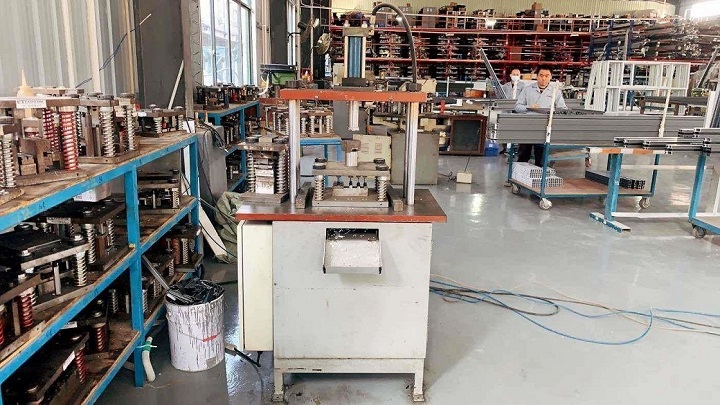
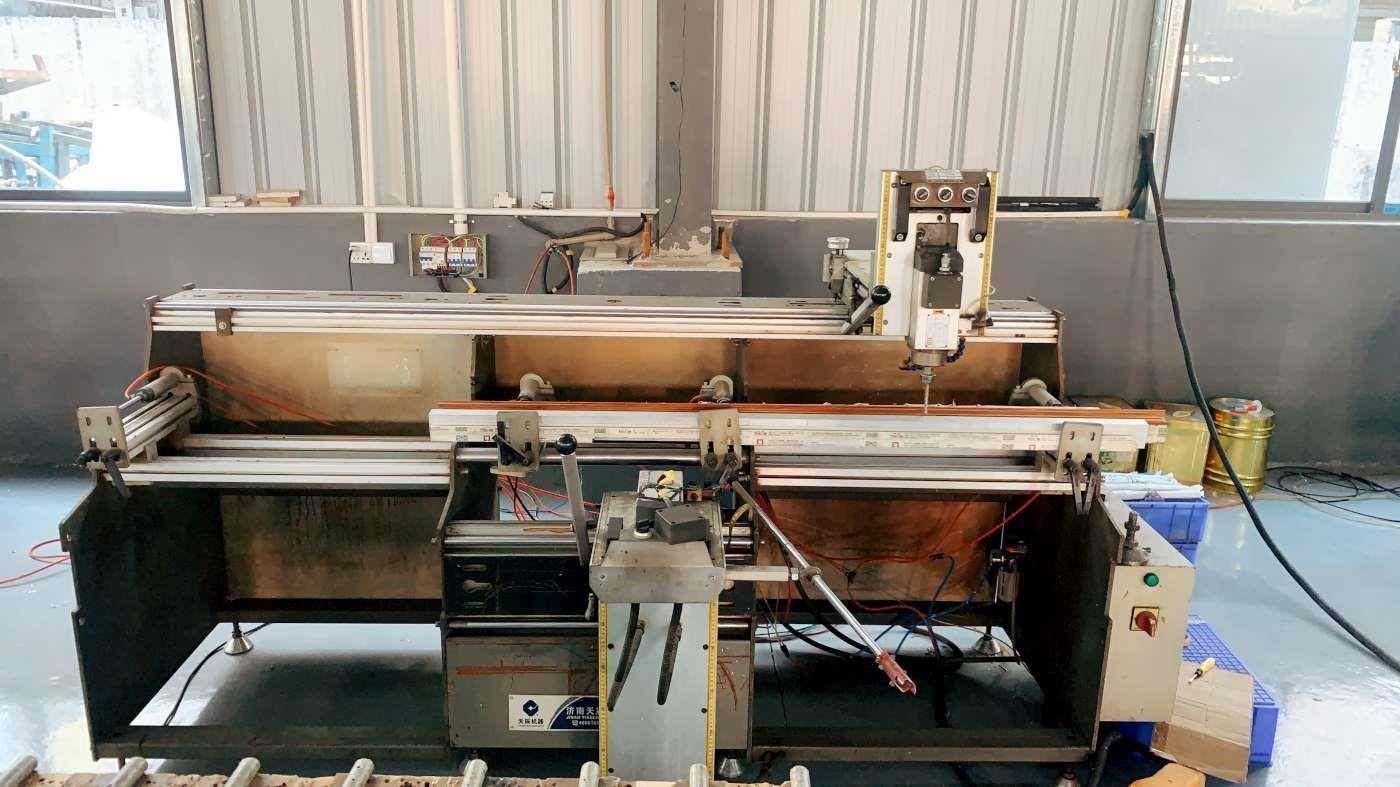
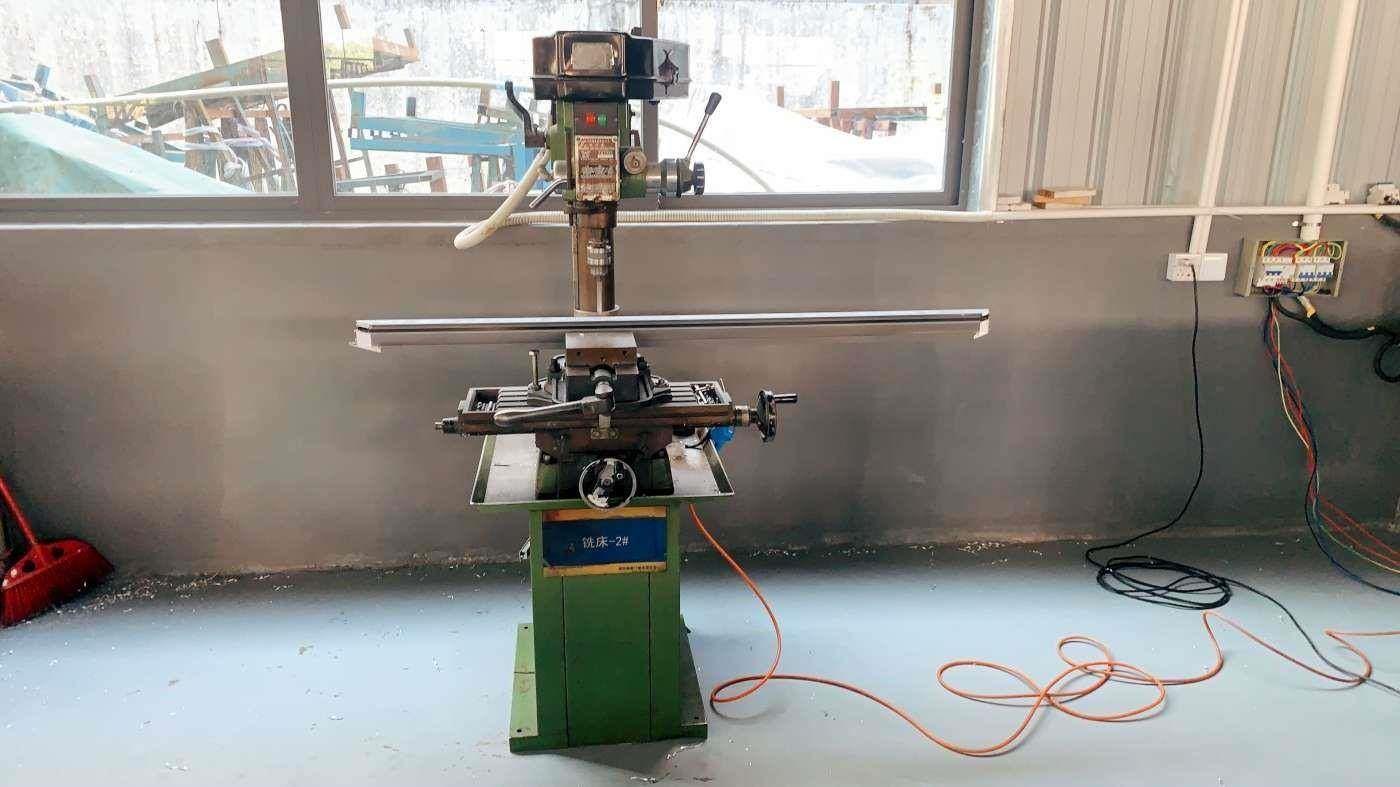
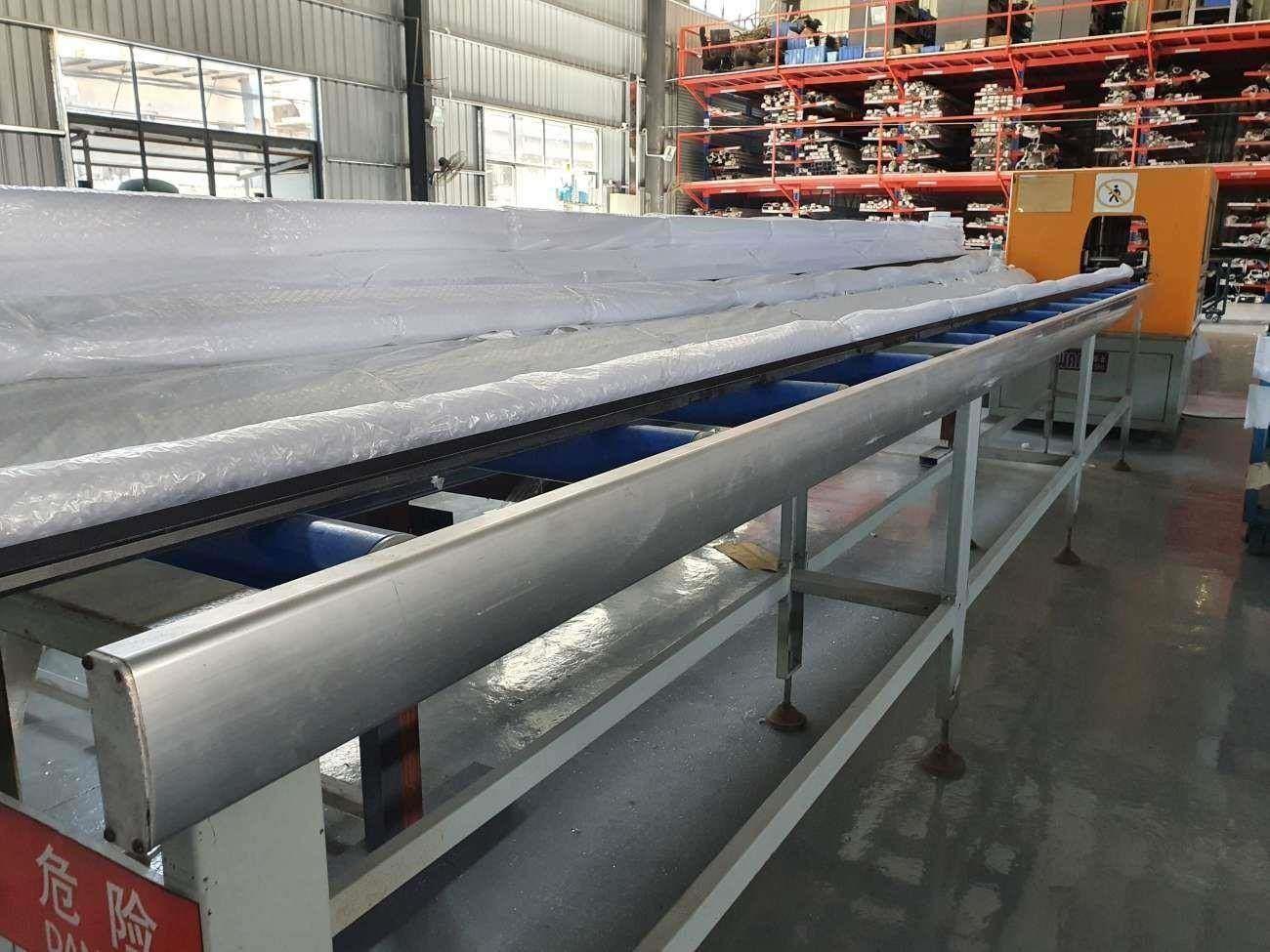
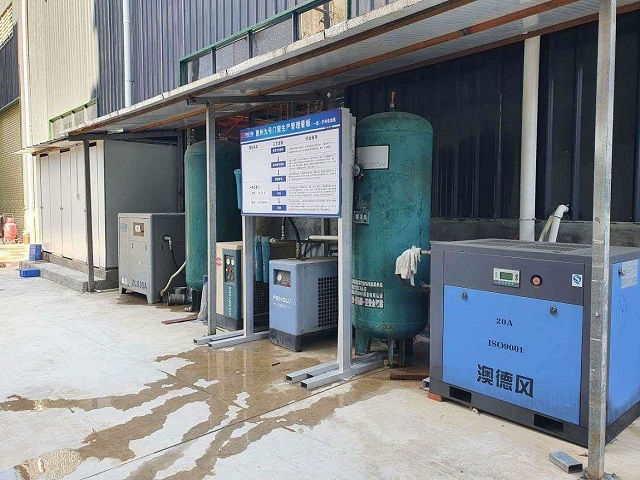
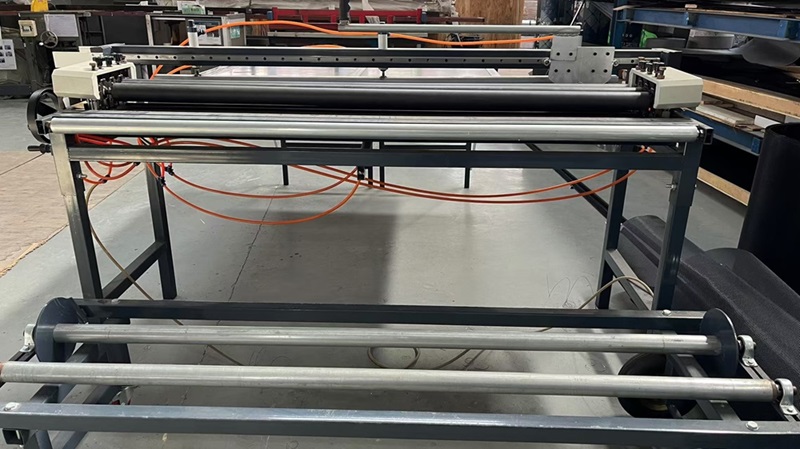
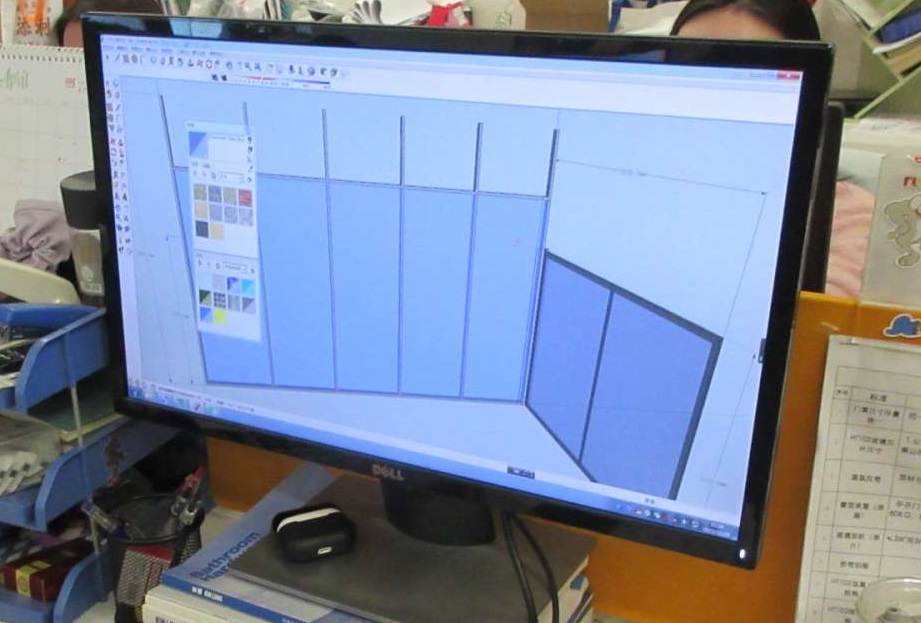
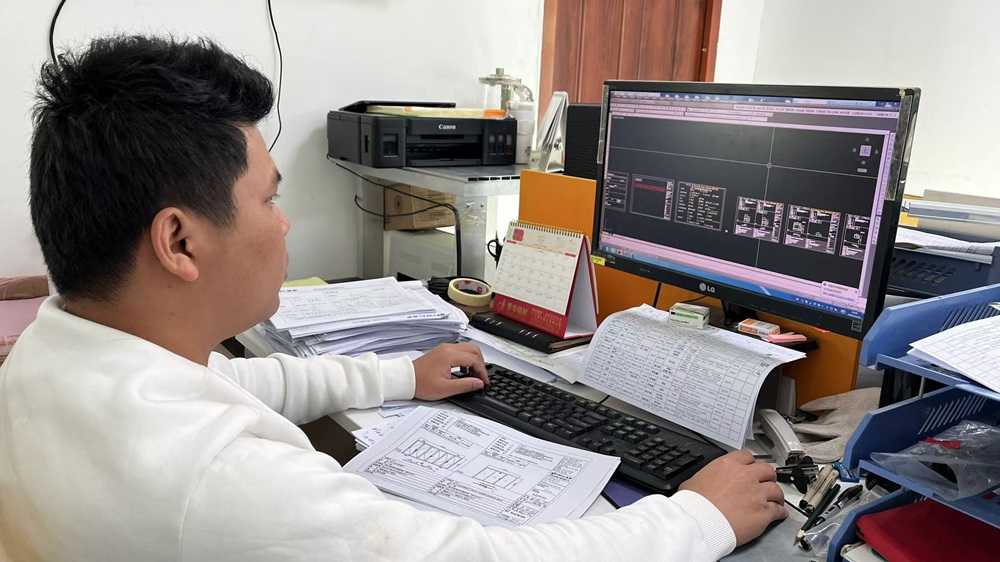
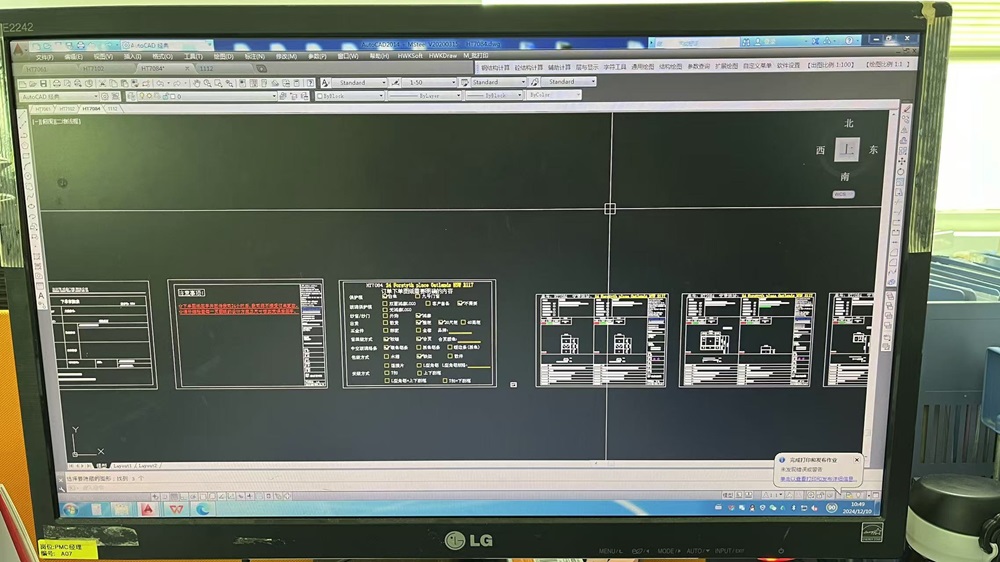
A step-by-step visual audit of our 12,000 m² factory production line, specialized machinery equipment, and computer-assisted engineering design workflows.
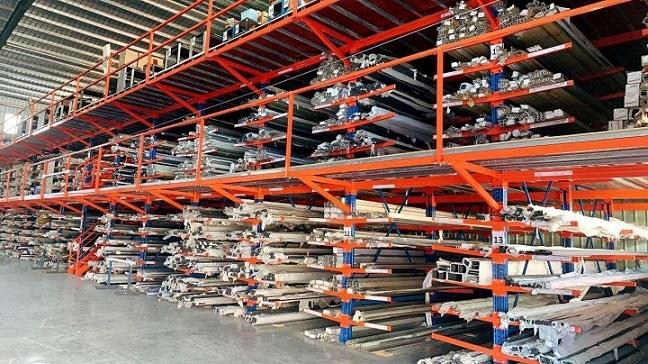
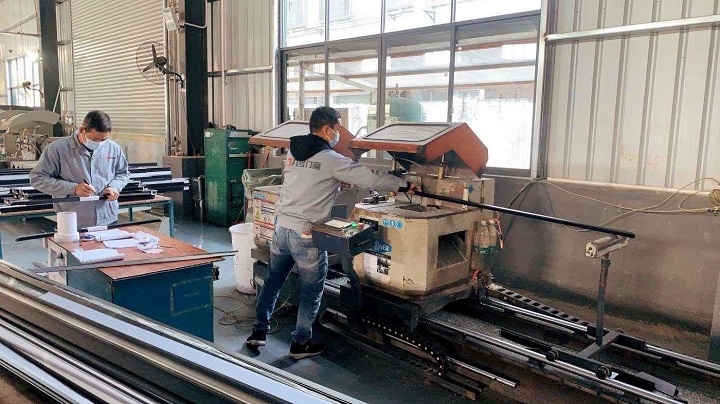
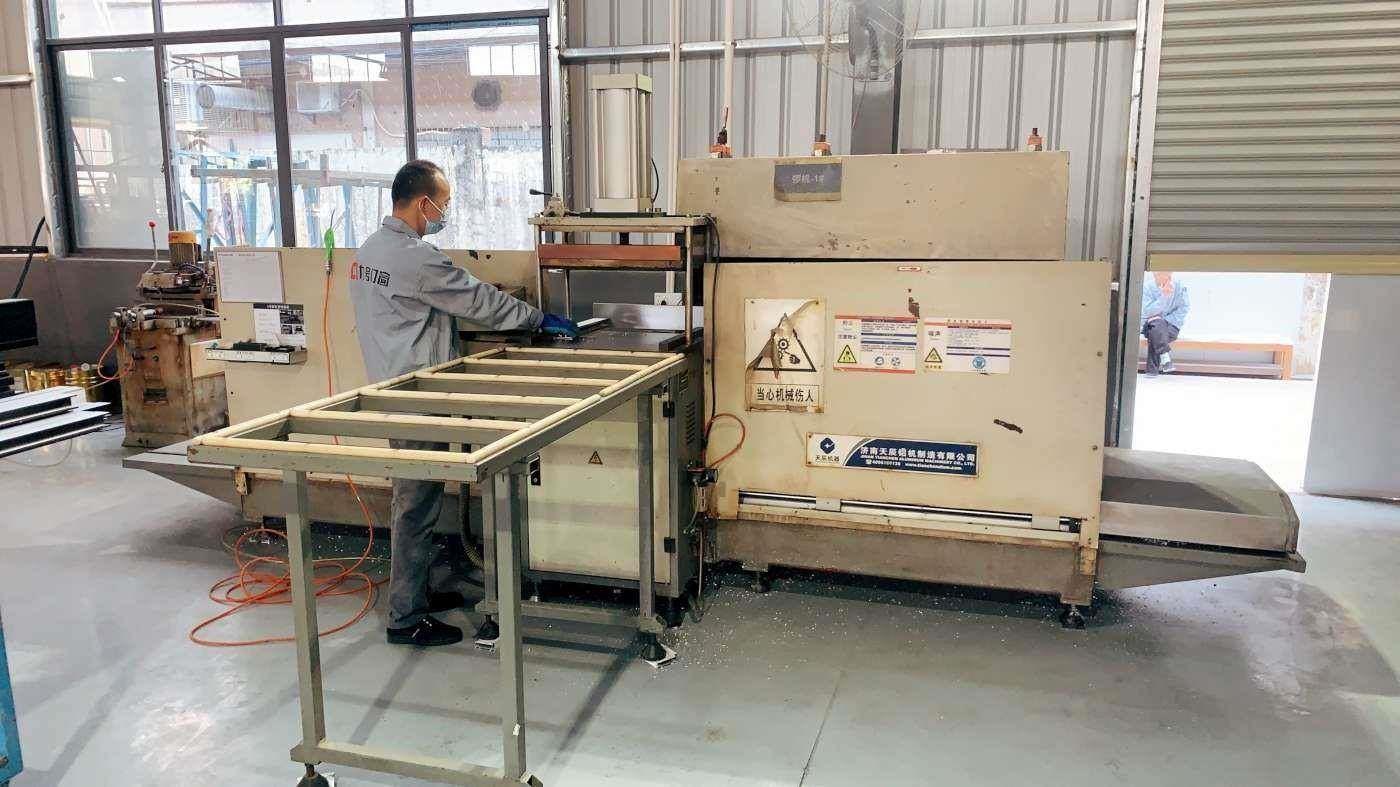
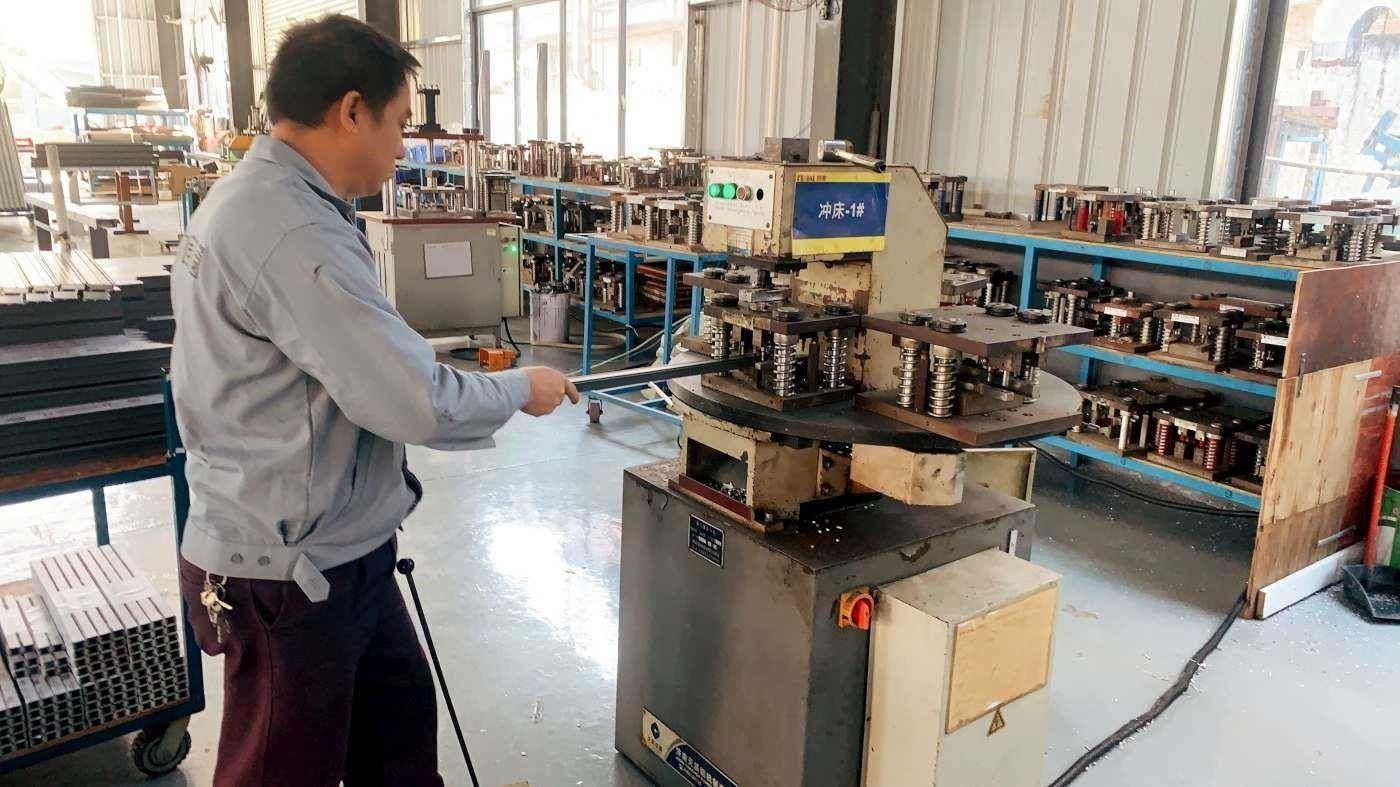
Custom fenestration engineering tailored to geographic climates, regional building codes, and operational demands.
Coastal properties in Florida, the Caribbean, and Northern Australia face severe salt spray corrosion and high-velocity hurricane winds. Solutions feature Miami-Dade and AS2047 tested impact-resistant laminated glass, heavy-wall aluminum extrusions, and multi-layer PVDF fluorocarbon coatings to prevent delamination and mechanical failure under storm conditions.
High-altitude hotels and alpine residences experience steep temperature swings and atmospheric pressure variances. By incorporating capillary tubes within double-glazed argon-filled Low-E glass units, pressure equilibrium is maintained, preventing glass bowing or seal rupture while achieving optimal heat retention.
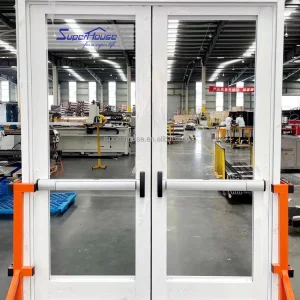
For public spaces, commercial complexes, and hospitality projects, entry doors must merge weather-resistance with strict fire alarm and panic escape protocols. Outfitted with automatic push-bar exit devices, tempered safety glass, and motorized access connections, these systems guarantee fast emergency egress without compromising perimeter security.
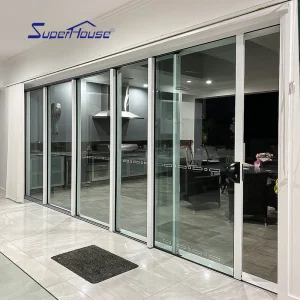
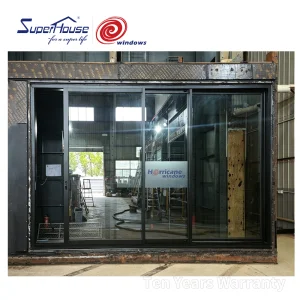
Modern architectural designs demand massive glass spans, slim sightlines, and effortless operation. Large sliding glass door systems and multi-panel stacker configurations utilize stainless steel tandem rollers and flush bottom tracks to offer panoramic views with superior air and water tightness.
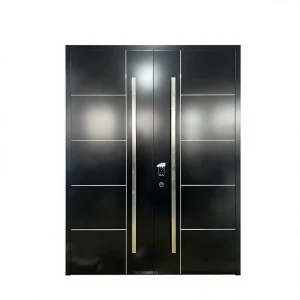
Integrating biometric fingerprint identification, encrypted keypads, app connectivity, and remote control into heavy-duty weather-sealed entry doors. Intelligent lock systems are housed within weather-proofed mechanical pockets to ensure reliable electronics operation despite humidity and ambient heat.
Designed for carbon-neutral residential developments, these doors utilize ultra-wide 34mm polyamide thermal breaks, triple Low-E glass, and warm-edge spacers. Achieving low U-factors helps green building developers fulfill California Title 24 and European Passive House energy certifications.
Key risk-mitigation insights for importers, developers, and architectural procurement managers sourcing fenestration from China.
When sourcing entry doors internationally, relying solely on FOB unit prices often hides expensive long-term risks. Substandard gaskets degrade quickly under UV exposure, leading to structural water leakage and costly warranty claims. Partnering with established exporters that utilize branded hardware (such as Siegenia, Hoppe, or custom heavy-duty stainless systems) along with certified EPDM seals ensures structural longevity, protecting your brand reputation in local markets.
Ensure that supplier product lines match target market building mandates. For North America, verify NFRC (National Fenestration Rating Council) thermal ratings, Title 24 compliance, and Miami-Dade hurricane impact certifications. For Australian and New Zealand importers, request verified AS2047 structural testing and AS1288 glass compliance certificates.
Severe sea freight movement can cause surface scratching, frame warping, or glass breakage. Leading Chinese exporters implement robust packaging protocols: fully enclosed ISPM 15 compliant fumigated wooden crates, protective PE film wraps, shock-absorbing corner guards, and desiccant packs inside sealed plastic wrapping to prevent moisture condensation during sea transit.
Direct answers to common technical, engineering, and commercial procurement inquiries.
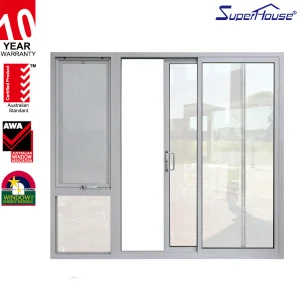
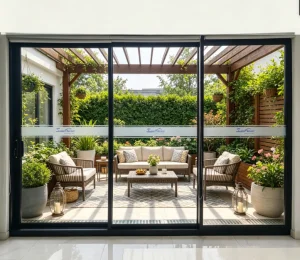
Browse our additional certified patio, sliding, tilt-and-turn, and specialized glass entrance systems.
 Primeval Doors