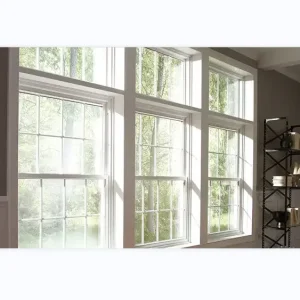
Engineered for extreme structural integrity, thermal efficiency, and contemporary architectural elegance.
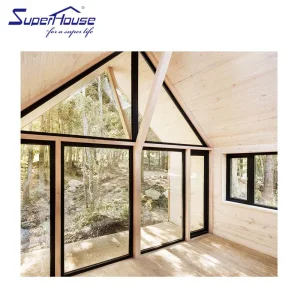
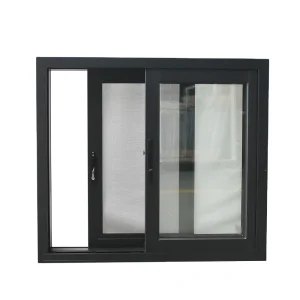
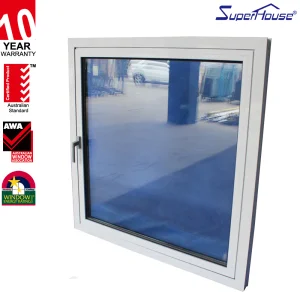
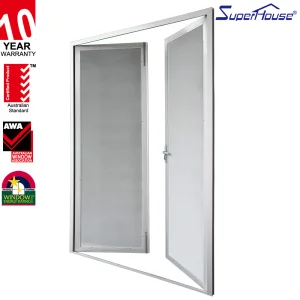
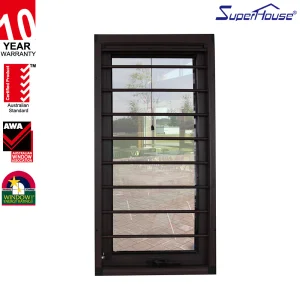
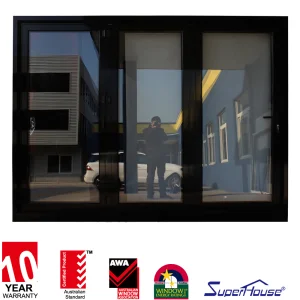
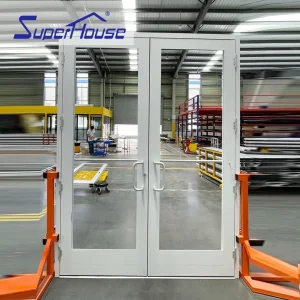
In modern architectural design, the entryway is no longer merely a point of egress; it represents the primary aesthetic nexus and energy envelope threshold of contemporary building structures. The global demand for CE-certified modern glass entry doors has experienced an unprecedented surge, driven by strict building performance mandates, energy decarbonization agendas, and the structural glazing revolution. Modern architectural concepts increasingly favor ultra-slim sightlines, floor-to-ceiling glass assemblies, high Visual Light Transmittance (VLT), and seamless indoor-outdoor fluid spatial transitions.
However, achieving vast expanses of transparent building facades requires overcoming massive engineering constraints regarding structural wind loads, solar heat gain, acoustic attenuation, and intrusion deterrence. Today’s architectural buyers—ranging from regional wholesalers and commercial contractors to luxury residential developers—require entryway solutions certified under international standards such as EN 14351-1 (European Conformity), NFRC (National Fenestration Rating Council), and AS2047 (Australian Windows Standard).
Incorporating multi-cavity thermal break extrusions with PA66 polyamide insulation strips to achieve U-values under 1.2 W/m²K, meeting stringent EU EPBD & US Title 24 energy standards.
Engineered aluminum alloys (6063-T6) combined with laminated impact-resistant glass withstand design pressures exceeding 5000 Pa (equivalent to Category 5 hurricane force winds).
Seamless integration with concealed multi-point motorized locks, biometric access controls, RFID systems, and smart home automation infrastructure.
Information Gain Insight: Modern architectural glass doors must balance structural deflection limits (L/175 or L/240) with aesthetic glass panel dimensions exceeding 3.5 meters in height. High-grade suppliers utilize structural silicone bonding (Dow Corning 983) and low-iron double/triple insulated units with argon gas filling to resolve structural shear stress under high thermal pressure differentials.
Compliance with the European Union's Construction Products Regulation (CPR 305/2011) requires rigorous third-party laboratory verification under EN 14351-1. For global procurement officers, verifying CE certification extends beyond static paperwork—it demands a deep understanding of performance classifications under European Norms (EN):
| Test Parameter | Standard Norm | Performance Grade / Metric | Engineering Significance |
|---|---|---|---|
| Air Permeability | EN 12207 | Class 4 (600 Pa) | Prevents uncontrolled air infiltration, drastically lowering HVAC thermal loads. |
| Watertightness | EN 12208 | Class E1050 (1050 Pa static press.) | Guarantees complete zero-water leakage under violent driving rain conditions. |
| Wind Load Resistance | EN 12210 | Class C5 (2000 Pa deflection limit) | Ensures structural frame stability without dynamic deflection or seal rupture. |
| Thermal Transmittance | EN ISO 10077-2 | Uf ≤ 1.3 W/(m²·K), Ug ≤ 0.6 W/(m²·K) | High-density PA66 thermal breaks stop conductive thermal bridge transfer. |
| Acoustic Performance | EN ISO 717-1 | Rw (C; Ctr) = 42 (-2; -5) dB | Attenuates urban ambient noise levels via asymmetrical acoustic PVB glass laminates. |
| Impact Safety Glass | EN 12600 / EN 12150 | Class 1(B)1 / Fully Tempered | Ensures blunt force fracture safety, forming blunt fragments to eliminate injury. |
Foshan Primeval Doors Industry Co., Ltd. utilizes primary 6063-T6 architectural grade aluminum extrusions with a minimum wall thickness of 2.0mm to 3.0mm for entry doors. Contrast this with standard commercial Grade 6063-T5 aluminum: T6 heat-treatment precipitation hardening elevates tensile strength to ≥ 205 MPa and yield strength to ≥ 170 MPa, preventing structural sag over decades of high-frequency operation.
The thermal barrier system incorporates imported 24mm to 34mm PA66GF25 (Polyamide 66 reinforced with 25% glass fiber), which mirrors the linear thermal expansion coefficient of aluminum (2.3 × 10⁻⁵ /K). This precision matching prevents dynamic thermal debonding under extreme temperature swings (e.g., direct summer solar radiation of +70°C exterior vs. +20°C interior air-conditioned spaces).
A Premier China Manufacturing Hub Delivering Resilient Supply Chains & Custom Engineering
Established in 2017, Foshan Primeval Doors Industry Co., Ltd. operates from a state-of-the-art 12,000 m² smart manufacturing facility in Foshan—the world’s hardware and aluminum fabrication epicentre. Backed by 11 years of deep industry engineering expertise and 5 years of dedicated international export operations, our enterprise yields an annual export trade volume exceeding USD 8.5 million, serving clients across Australia, New Zealand, North America, and Europe.
Quality assurance is systematically executed through strict IQC (Incoming Quality Control), IPQC (In-Process Quality Control), and FQC (Final Quality Control) protocols. A specialized, rigorous QC team consisting of 22 dedicated inspectors evaluates every door assembly across 36 inspection checkpoints. We conduct mandatory in-house thermal conductivity testing, structural load testing, hydrostatic head pressure verification, and 1,000-hour neutral salt-spray (NSS) corrosion testing to guarantee structural resilience in aggressive coastal C5-M marine environments.
Driven by continuous R&D innovation, our engineering hub of 38 senior structural engineers developed and introduced 75 breakthrough entry door designs over the past fiscal year alone. Customization capabilities cover multi-depth frame profiles (70mm to 150mm system depths), double/triple glazed glass configurations with internal decorative grills, custom powder-coating (AkzoNobel / PPG fluorocarbon coating with 25-year anti-fading warranties), and specialized weatherproofing EPDM double-compression seals.
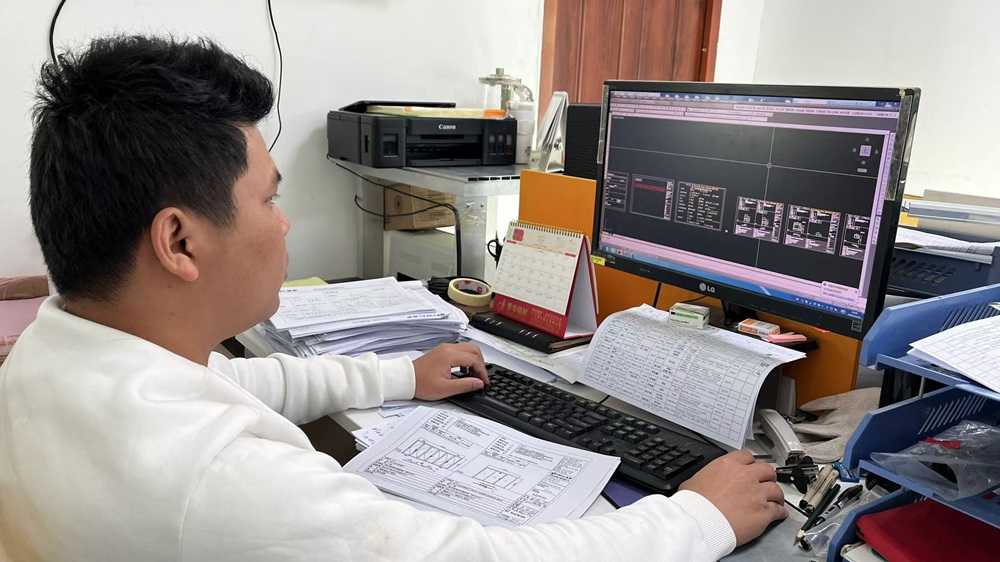
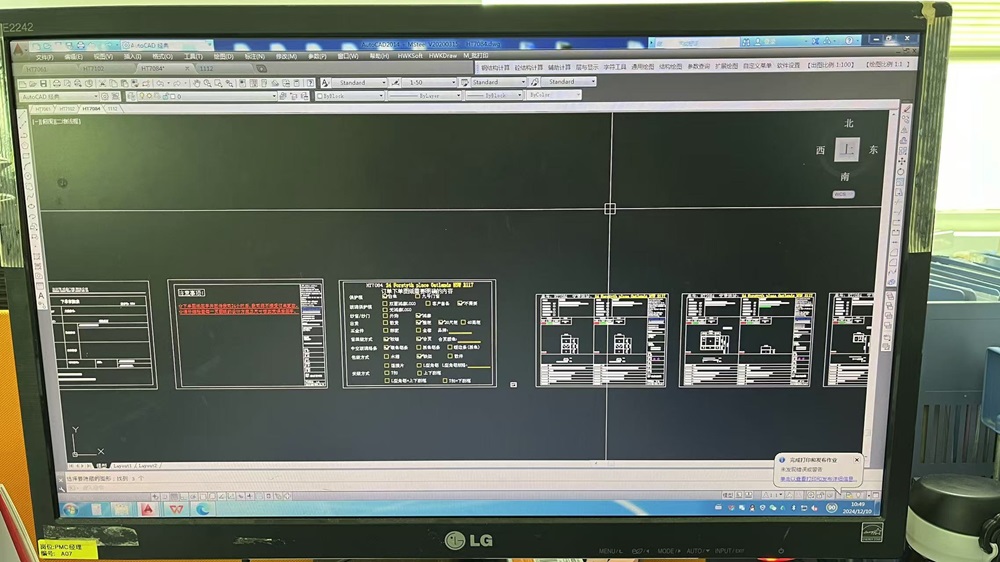
Full-spectrum OEM/ODM manufacturing driven by CNC precision machining, computerized profile milling, and strict digital quality control.
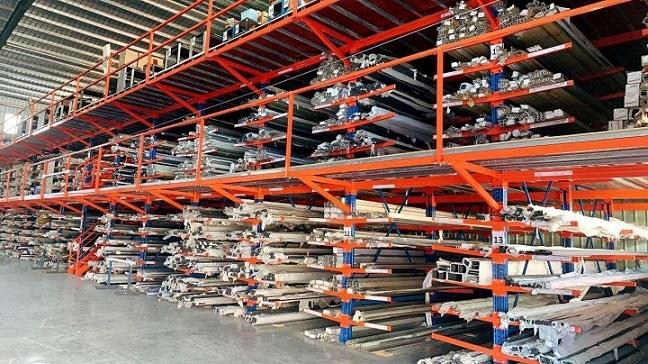
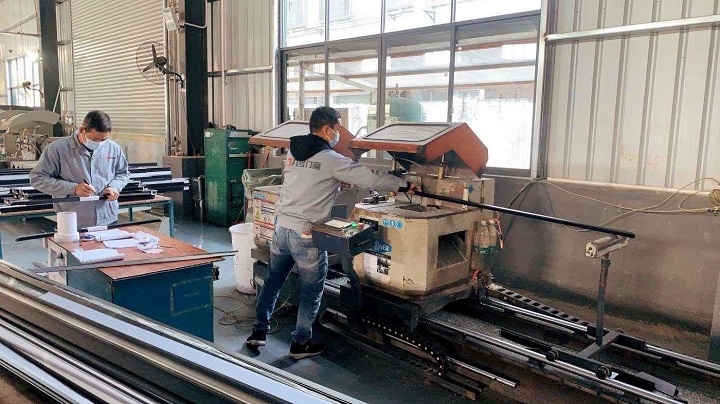
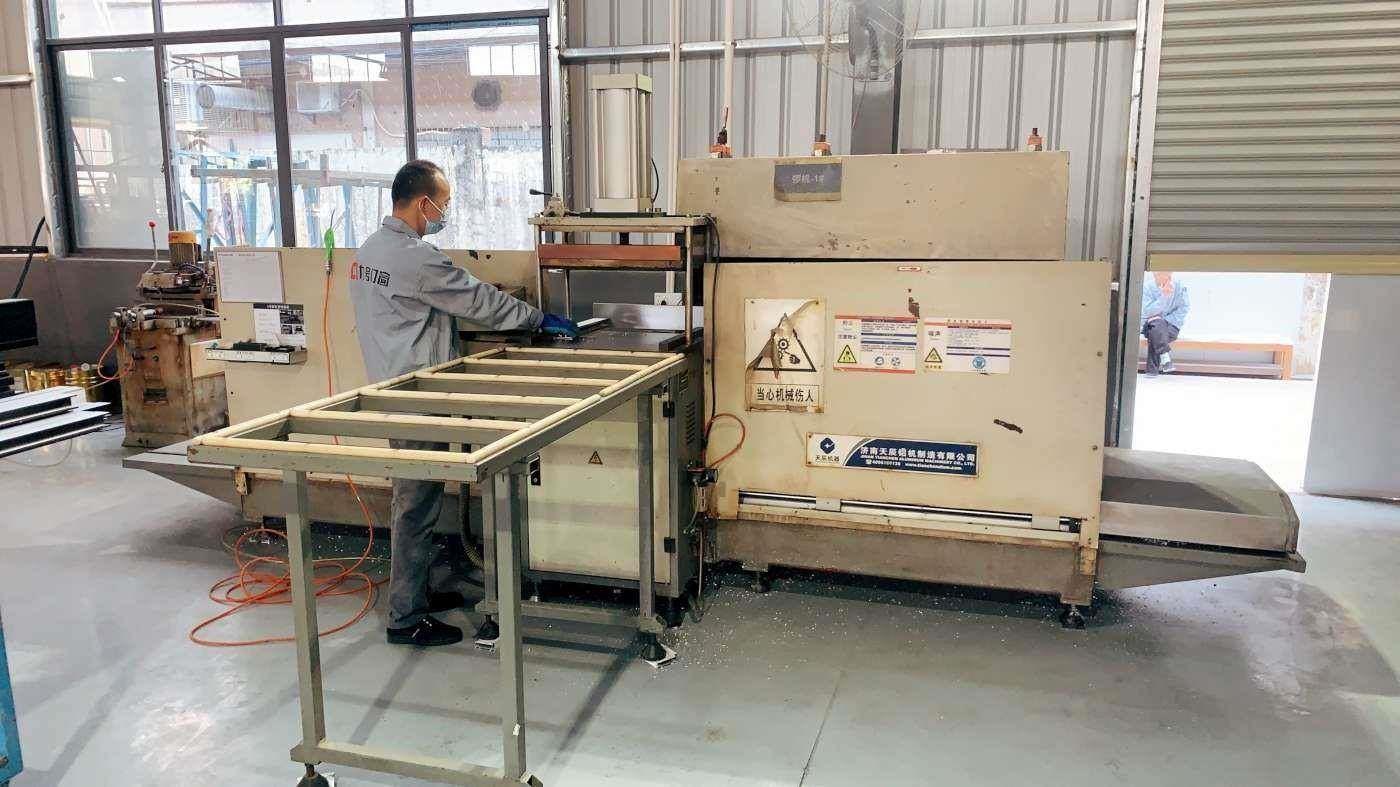
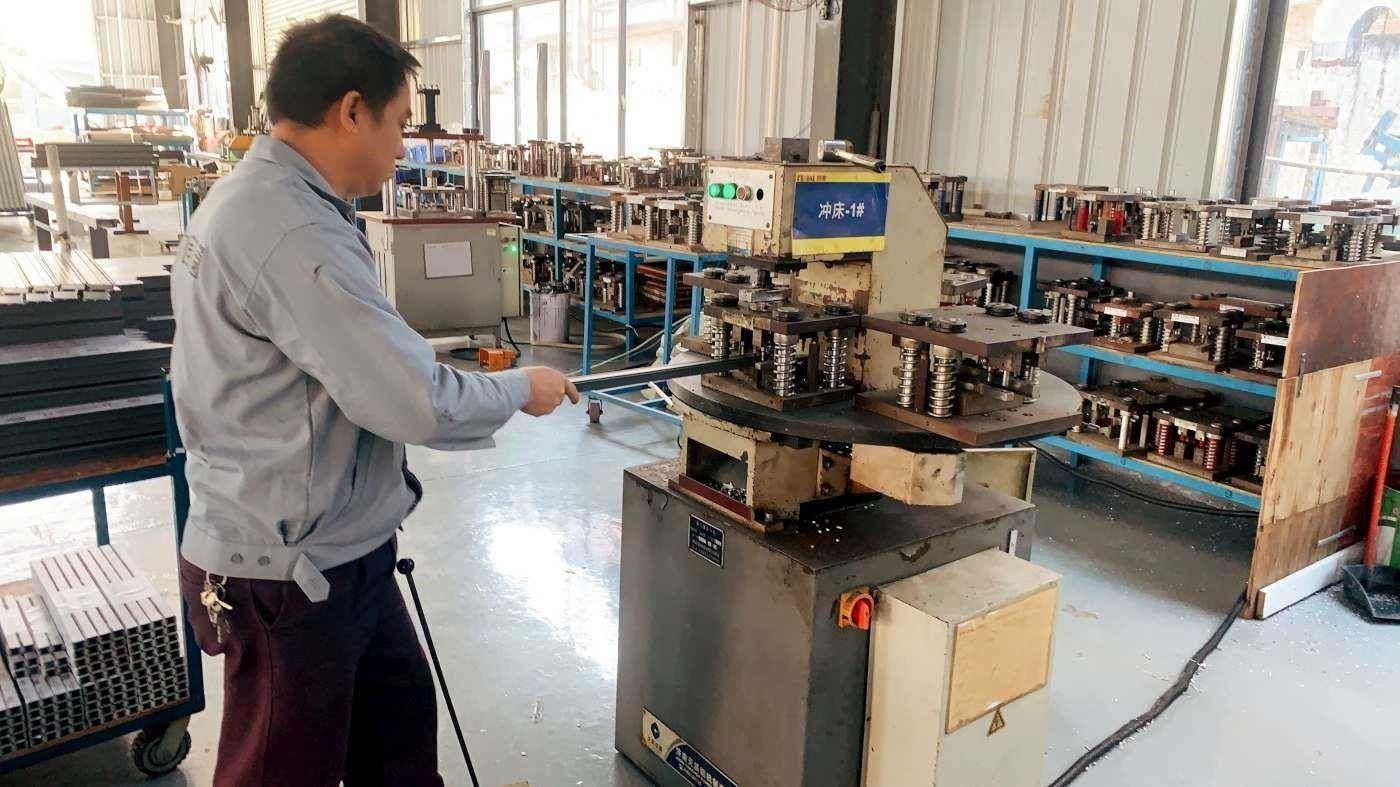
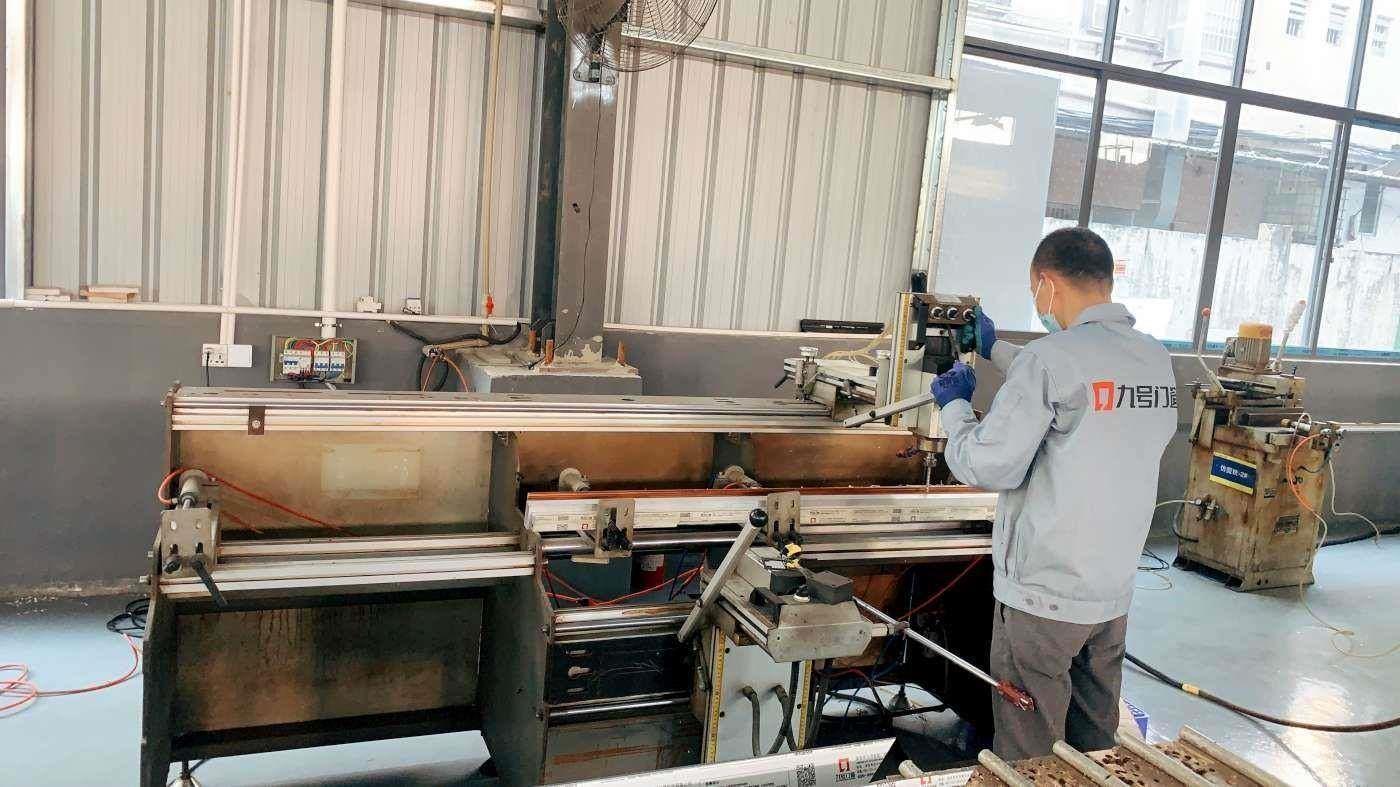
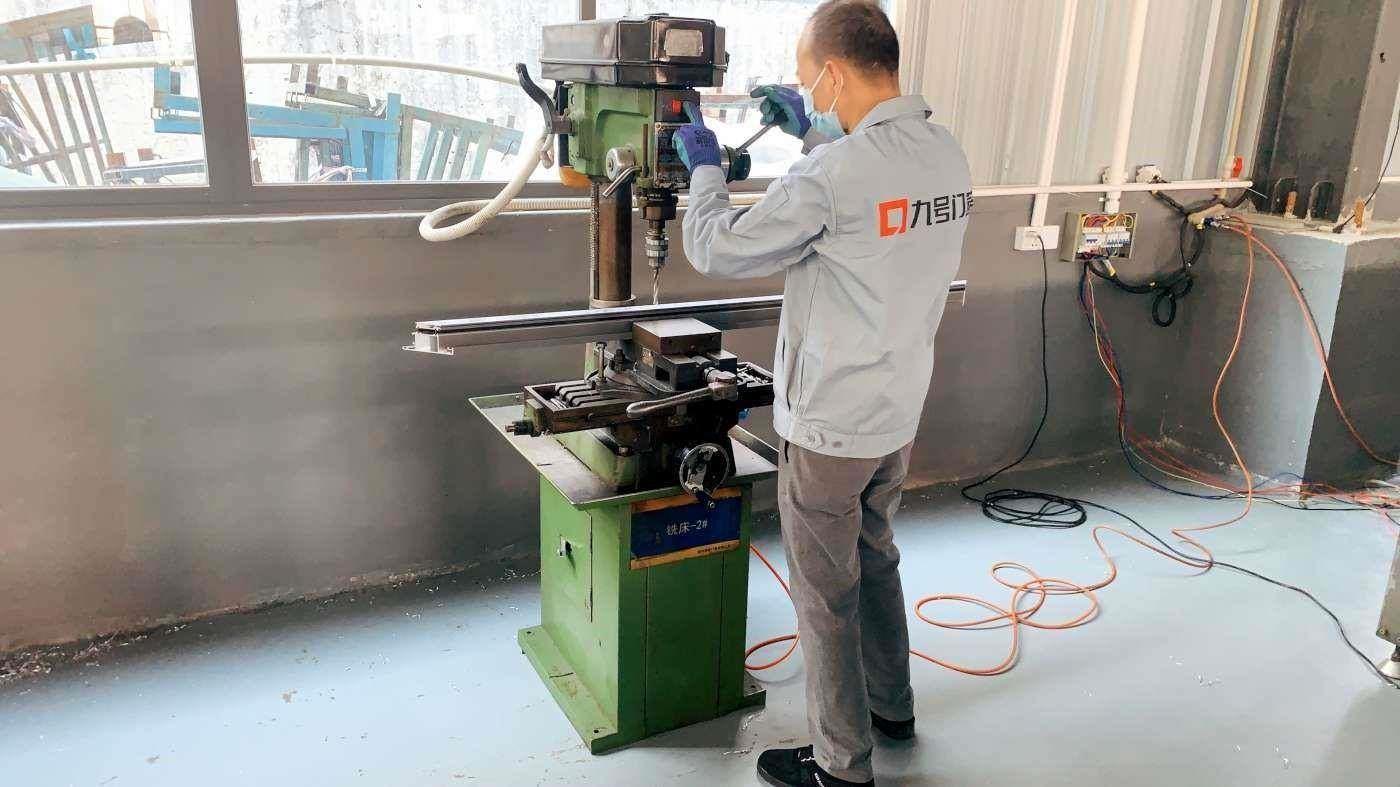
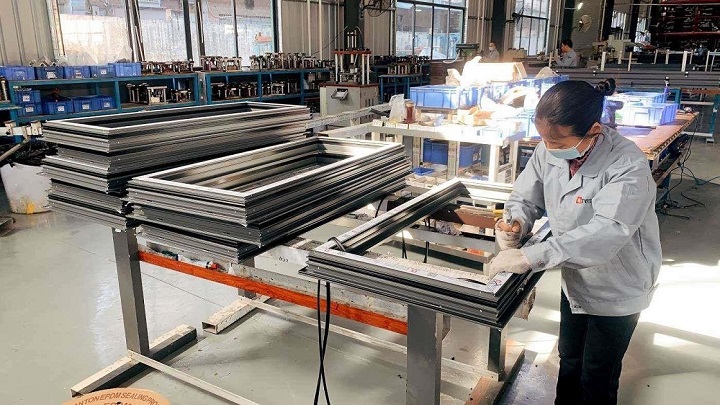
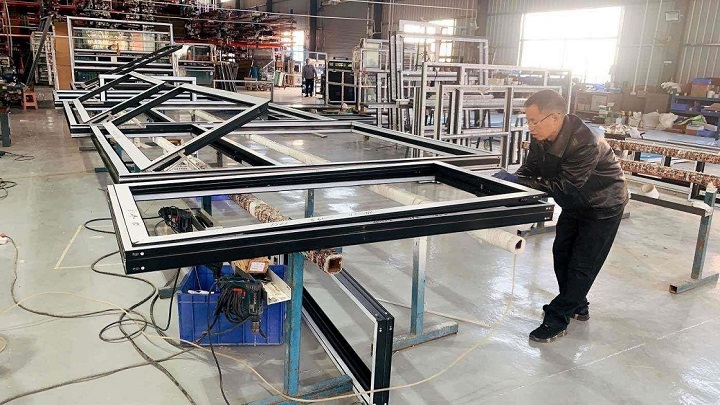
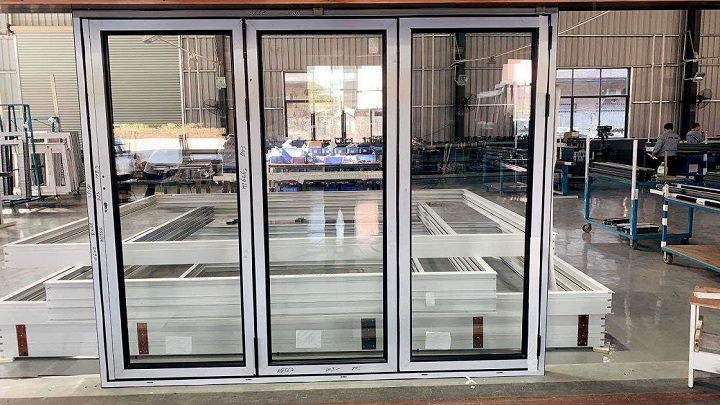
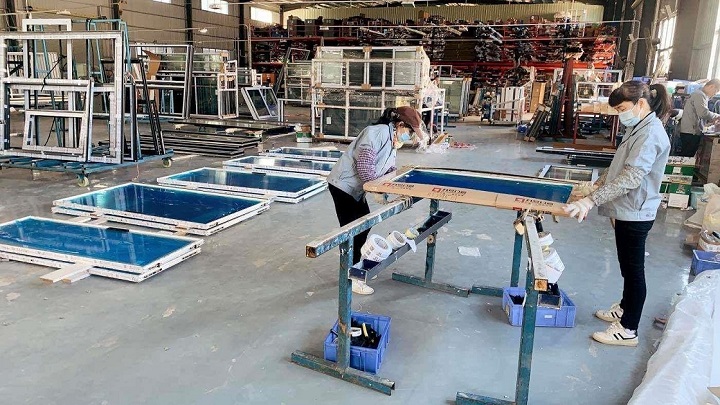
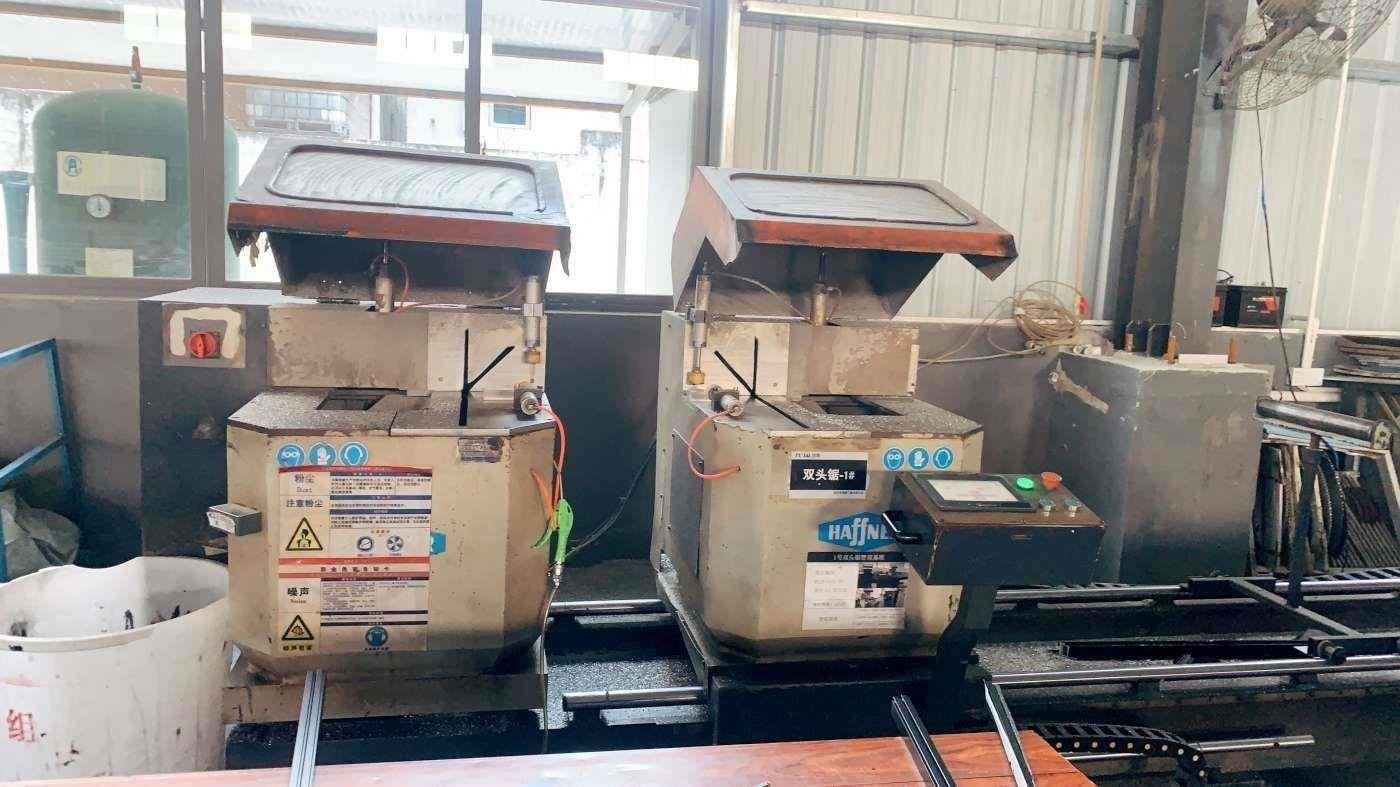
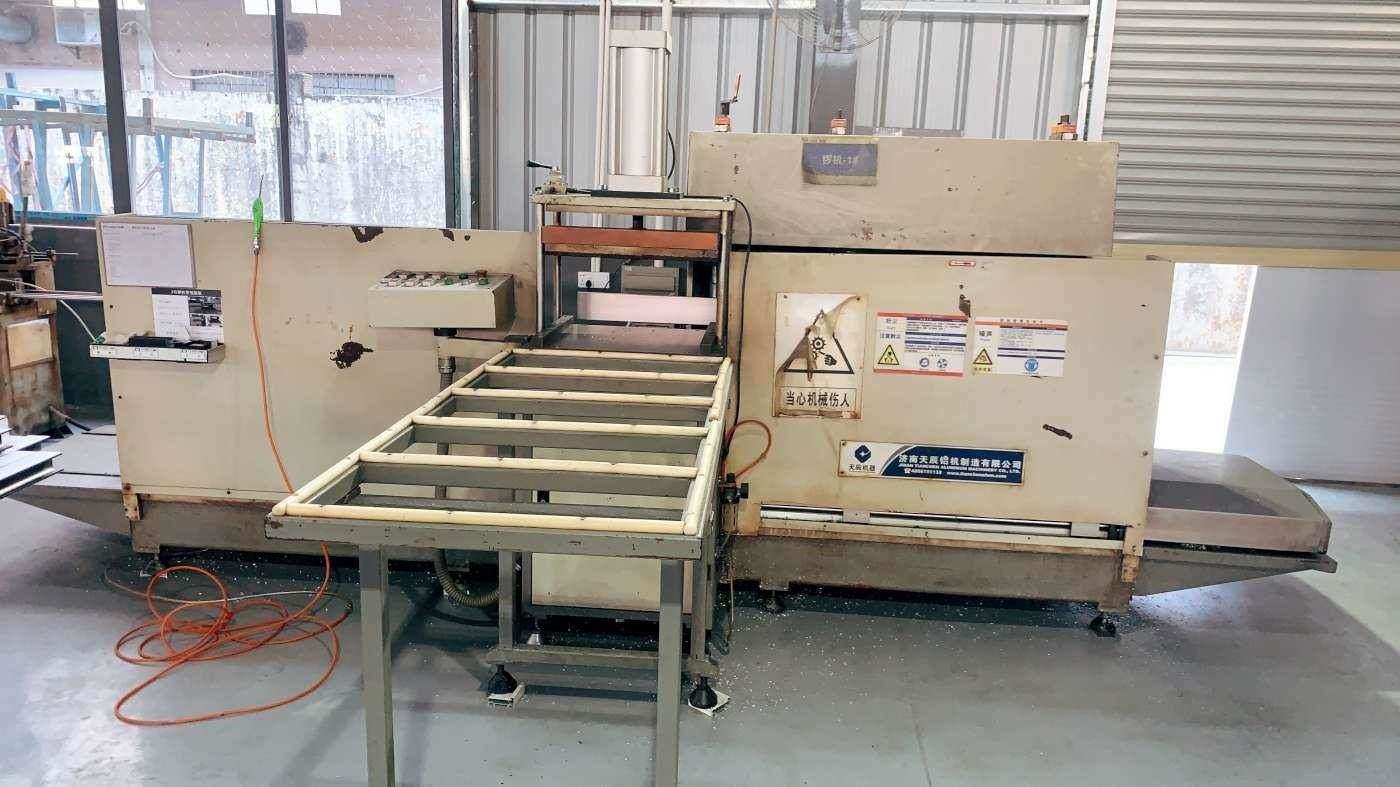
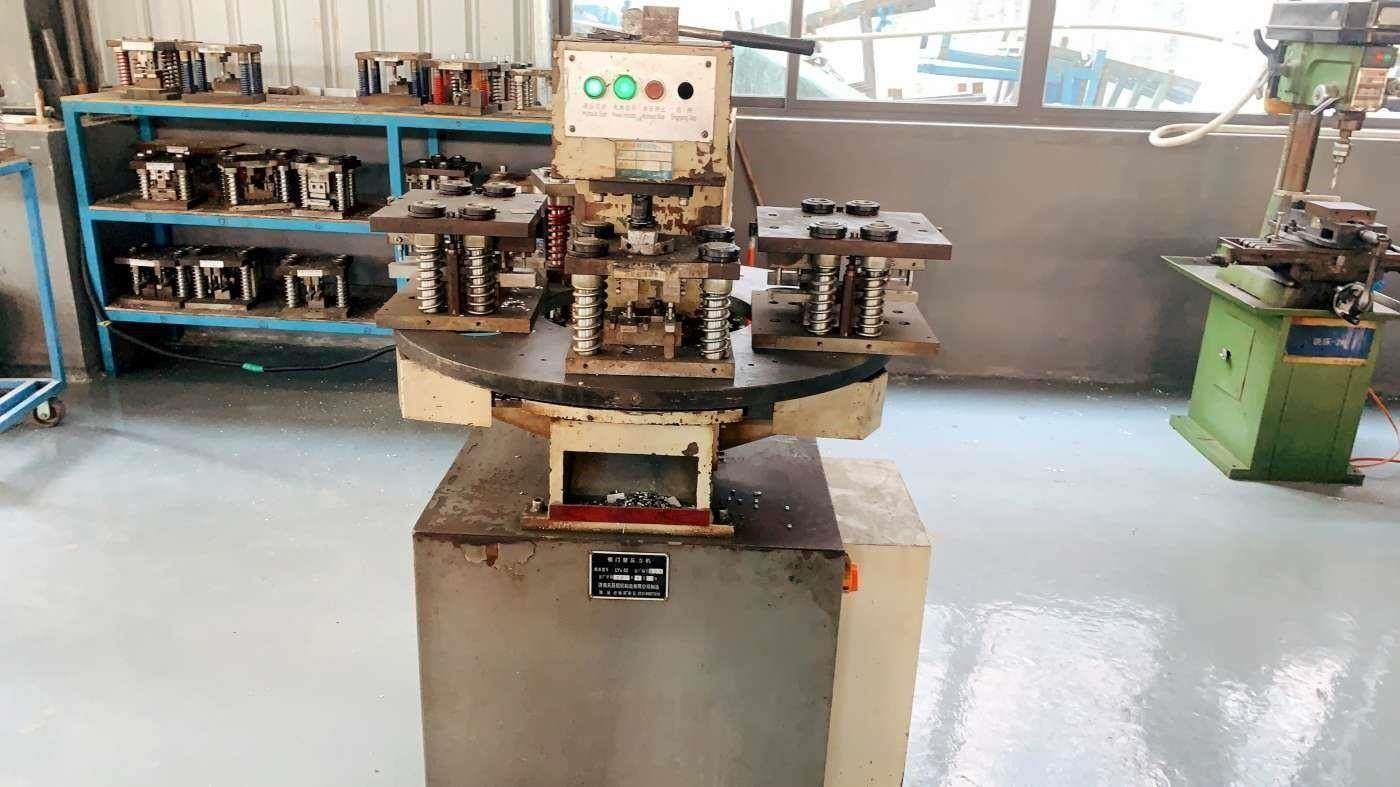
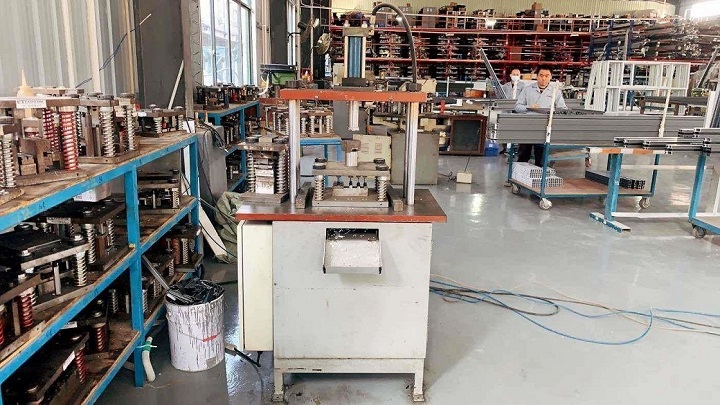
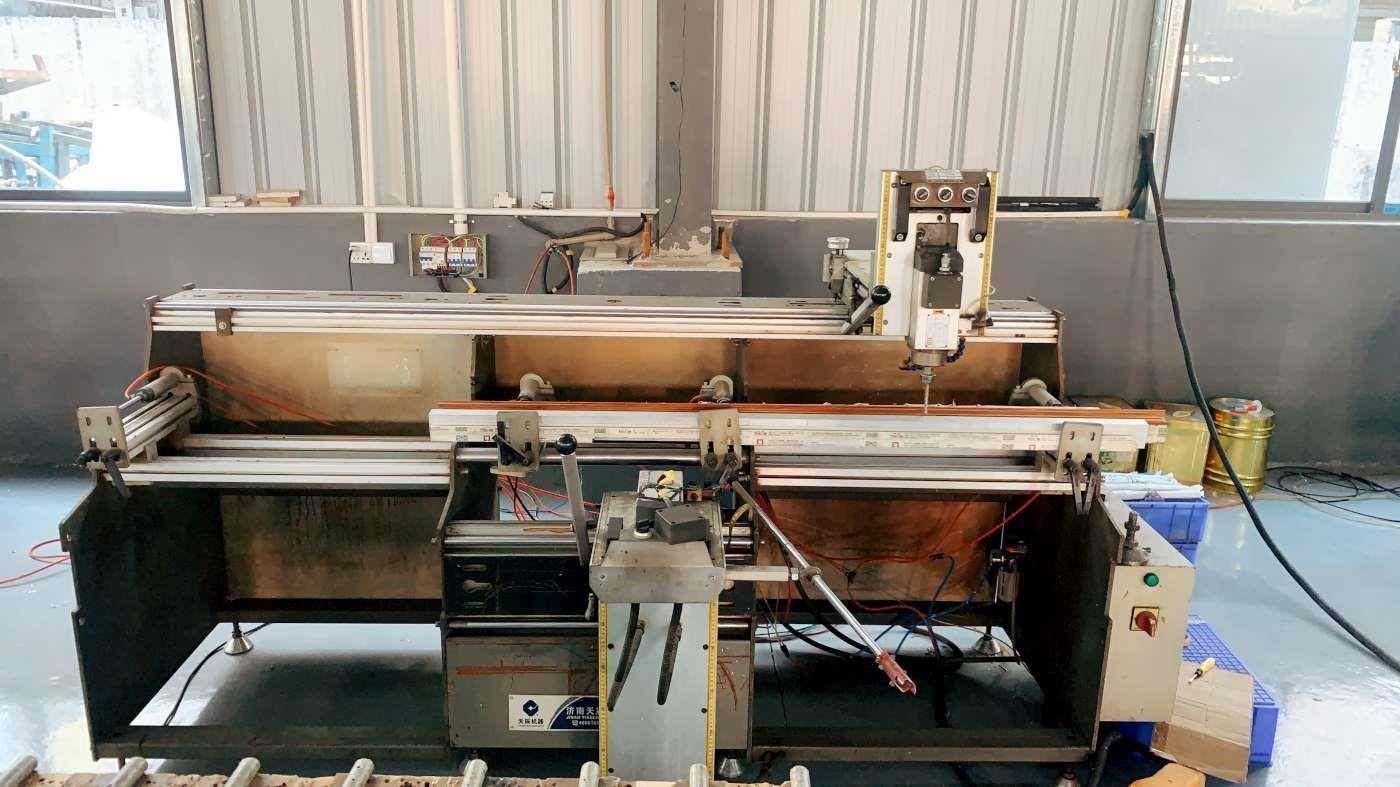
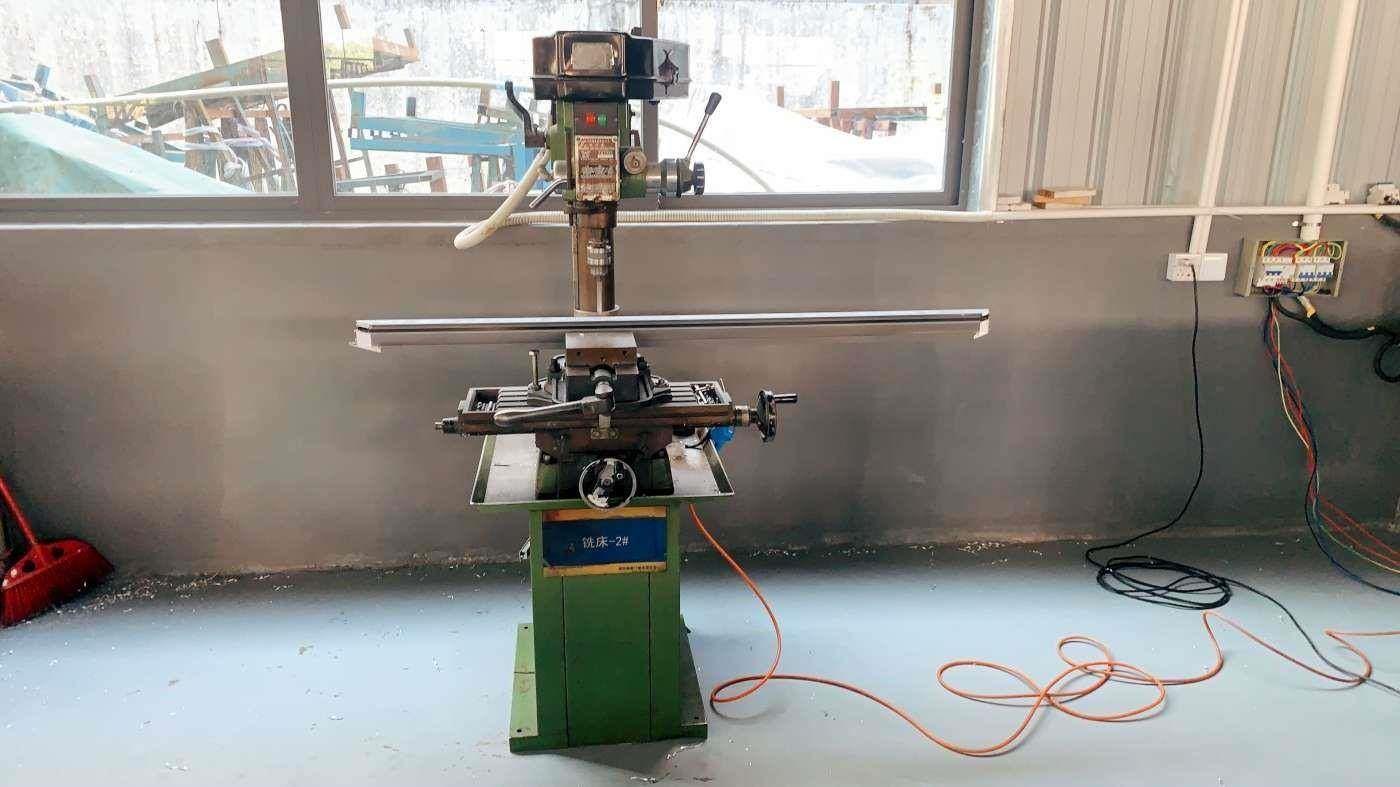
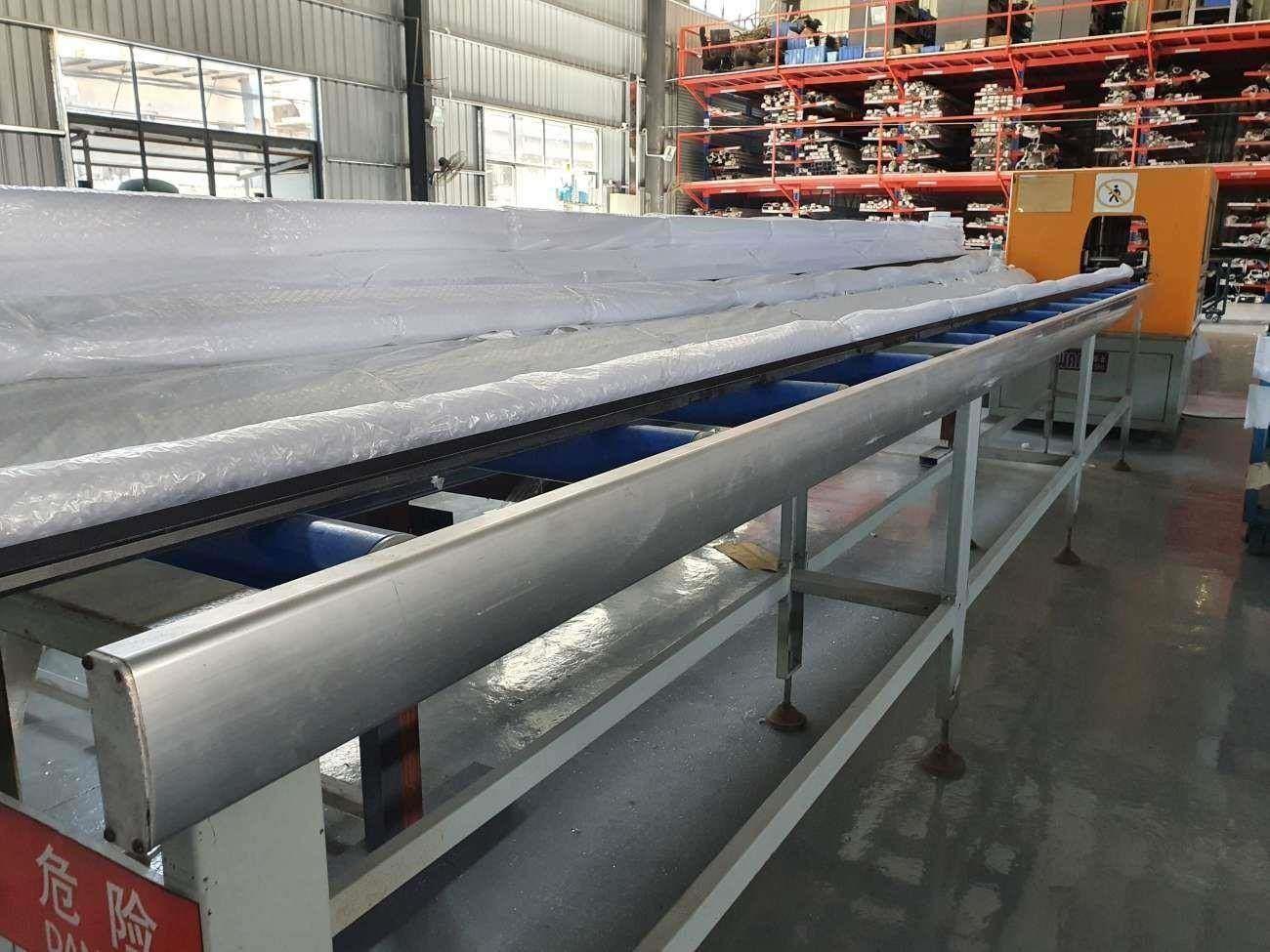
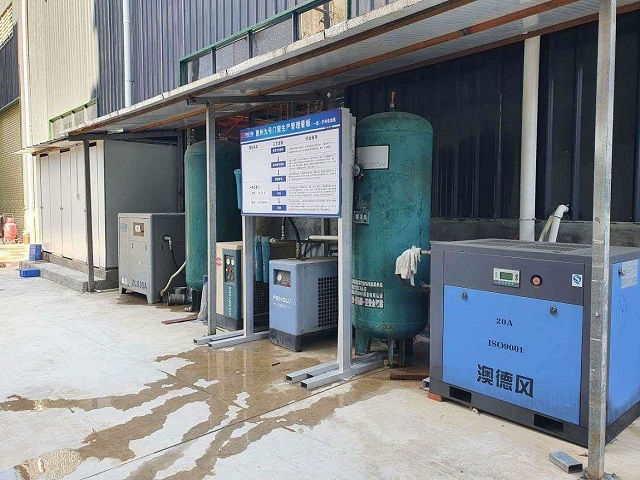
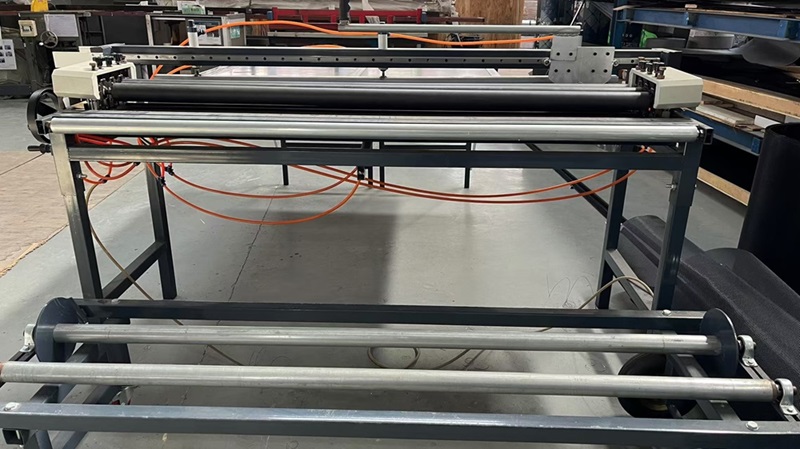
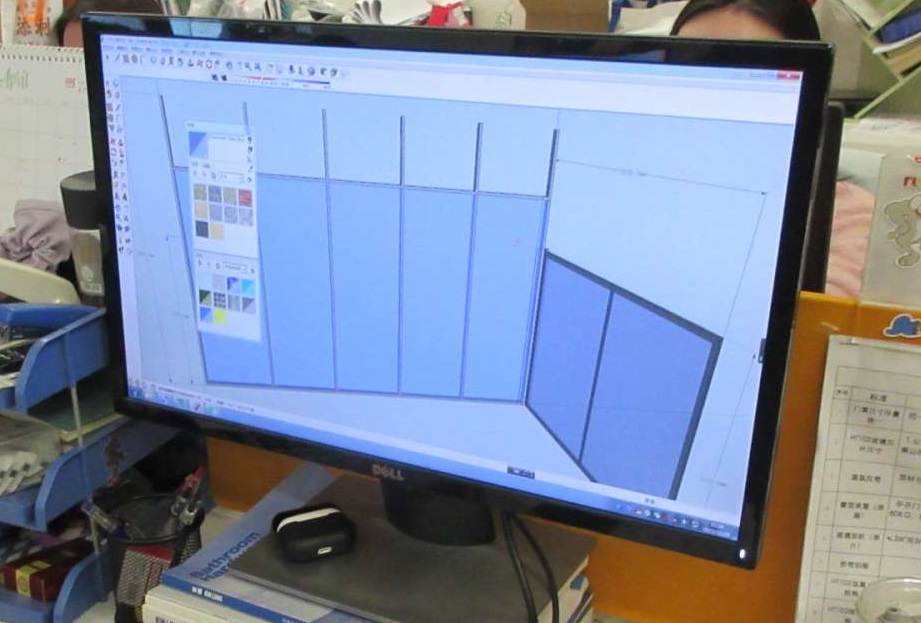
Different global geographies present unique environmental stresses and regulatory compliance requirements. Foshan Primeval Doors optimizes its product matrix to meet location-specific architectural demands:
Compliance Standard: NFRC, AAMA, Florida Building Code (NOA / Impact Standards).
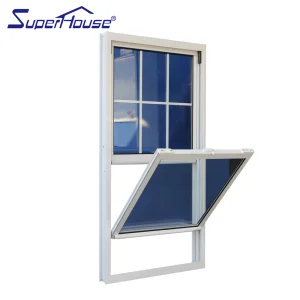
Engineering Focus: Heavy-duty single/double hung and tilt-turn systems featuring double toughened glass units with Low-E soft coatings, filling with 90%+ Argon gas to combat harsh winter U-factors and hurricane wind pressures.
Compliance Standard: AS2047, AS1288 glass selection.
Engineering Focus: High-performance bi-fold and sliding entrance systems equipped with sub-sills, continuous water flashing details, stainless steel 304 fly-screens, and custom powder coating tested under intense UV exposure.
Compliance Standard: CE Mark, EN 14351-1, German Passive House Standards.
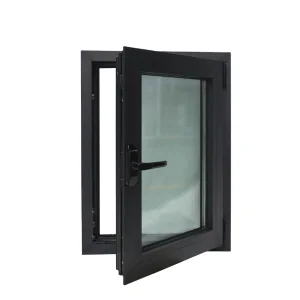
Engineering Focus: Micro-ventilation tilt-and-turn windows and French doors with multi-chamber thermal breaks, triple glazing (Ug down to 0.5 W/m²K), and concealed hinges with security multi-bolt locking points (RC2/RC3 anti-burglary rating).
To support architectural designers, building supply distributors, and project importers, Foshan Primeval provides complete engineering flexibility:
Explore our certified series tailored for hospitality, high-rise condos, and luxury residential projects.
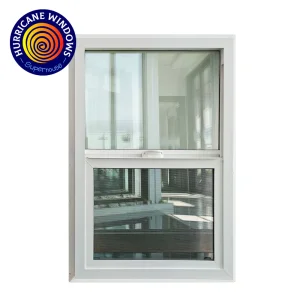
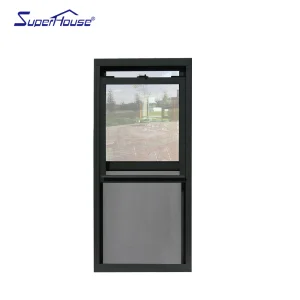
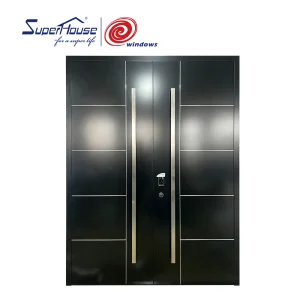
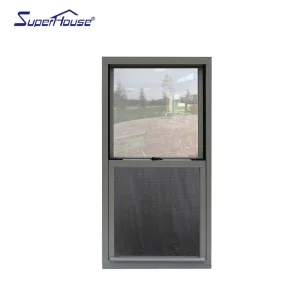
Direct technical guidance covering international certification, engineering limits, and global logistics.
CE certification under EN 14351-1 requires verified testing for air permeability (EN 12207), watertightness under positive pressure (EN 12208), wind load deflection resistance (EN 12210), acoustic attenuation (EN ISO 717-1), and thermal transmittance calculations (EN ISO 10077). Our products undergo third-party laboratory testing to ensure complete European compliance.
Thermal breaks utilize low-conductivity polyamide strips (PA66GF25) inserted between the outer and inner aluminum extrusion profiles. This creates a mechanical thermal barrier that disrupts conductive heat transfer, preventing indoor surface temperatures from dropping below dew point and eliminating condensation risks in cold climates.
Yes. We manufacture specialized impact-rated doors using heavy-duty 6063-T6 aluminum alloys combined with laminated safety glass incorporating SentryGlas (SGP) or thick PVB interlayers. Our hurricane-resistant series complies with Florida NOA and Australian AS2047 design pressure standards.
Standard custom fabrication lead time is 25 to 35 days depending on specification complexity. For export transport, products undergo a 5-layer protective packaging process: protective film coating, corner edge protectors, thick bubble wrapping, fully enclosed ISPM 15 fumigation-free plywood crates, and steel strapping to ensure 100% damage-free transit via ocean freight.
Absolutely. We partner with architectural wholesalers and brand owners to provide private-label branding, customized packaging, custom extrusions, and exact color matching using AkzoNobel or PPG powder coatings according to RAL or Pantone color standards.
Our aluminum entrance doors are pre-engineered to accept multi-point electronic lock systems including facial recognition scanners, fingerprint biometric keypads, RFID cards, and smart home protocols (Zigbee, Z-Wave, or Apple HomeKit) with emergency mechanical key overrides.
 Primeval Doors