High-performance certified door and window assemblies custom engineered for acoustic damping, hurricane impact resistance, and maximum thermal insulation.
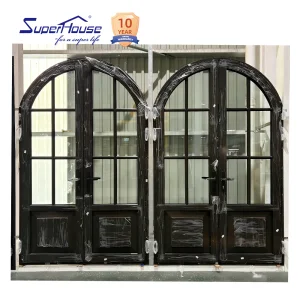
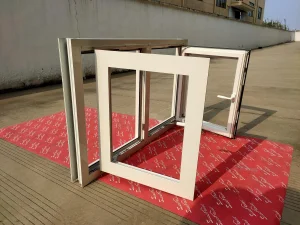
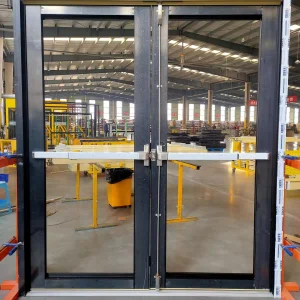
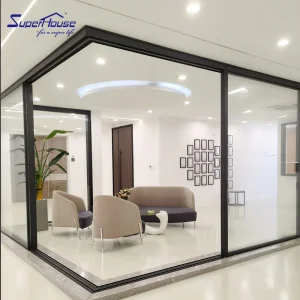
An exhaustive deep-dive into how architectural demands, stringent carbon-neutral mandates, and extreme climatic threats are accelerating the adoption of CE-certified laminated safety glass fenestration.
Modern commercial infrastructure and high-density residential towers suffer acutely from acoustic pollution. Standard double glazing often falls short in damping low-frequency noise (such as traffic and jet engines). By embedding a resilient polymer interlayer—such as Polyvinyl Butyral (PVB) or SentryGlas® (SGP)—laminated glass doors reduce sound transmission by up to 42 decibels (dB), providing unparalleled indoor acoustic comfort compliant with stringent urban building codes worldwide.
Global climate shifts have spiked the frequency of Category 4 and 5 hurricanes, severe windstorms, and seismic activity. Traditional tempered glass shatters into flying debris upon high-velocity impact. Conversely, laminated glass door panels maintain structural integrity even after fractured glass stress. The elastomeric interlayer absorbs mechanical kinetic energy, retaining fragments in place and preventing windward envelope pressure collapse.
Buildings account for over 30% of global operational carbon emissions. Heat gain and thermal loss via fenestration systems are prime contributors to high HVAC loads. Pairing multi-cavity thermal break extruded aluminum profiles (Alloy 6063-T5) with Low-E laminated glass insulated units delivers optimal U-factors below 1.4 W/m²K, directly reducing energy consumption in compliance with European Union EPBD directives.
Combining over a decade of structural engineering expertise with direct OEM export and private-label customization capabilities worldwide.
Established in 2017, Foshan Primeval Doors Industry Co., Ltd. operates from a state-of-the-art manufacturing plant. Backed by 11 years of structural fenestration engineering experience and 5 years of dedicated international export operations, our enterprise serves primary key markets across Australia, New Zealand, and North America. Supported by 420 trusted supply chain partners, our trade background encompasses direct OEM export and private-label customization for high-volume residential importers, regional wholesalers, and landmark commercial projects.
Quality control is strictly enforced through systematic IQC-IPQC-FQC inspection procedures alongside continuous thermal conductivity and salt-spray corrosion testing. Driven by continuous innovation, our R&D group of 38 structural engineers successfully introduced 75 new entry door products last year alone. Tailored customization options include custom frame depths, multi-layer double/triple glazed decorative glass inserts, fluorocarbon powder-coated color palettes, and heavy-duty weatherproofing EPDM perimeter seals.
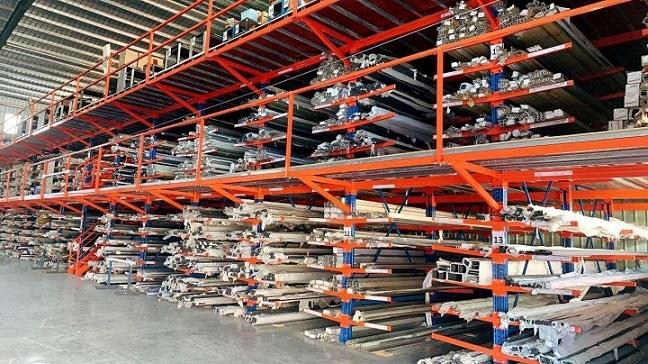 1. Raw Material
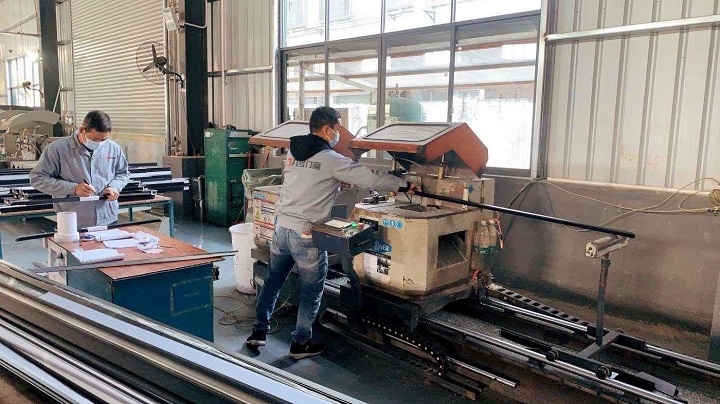 2. Profile Cutting
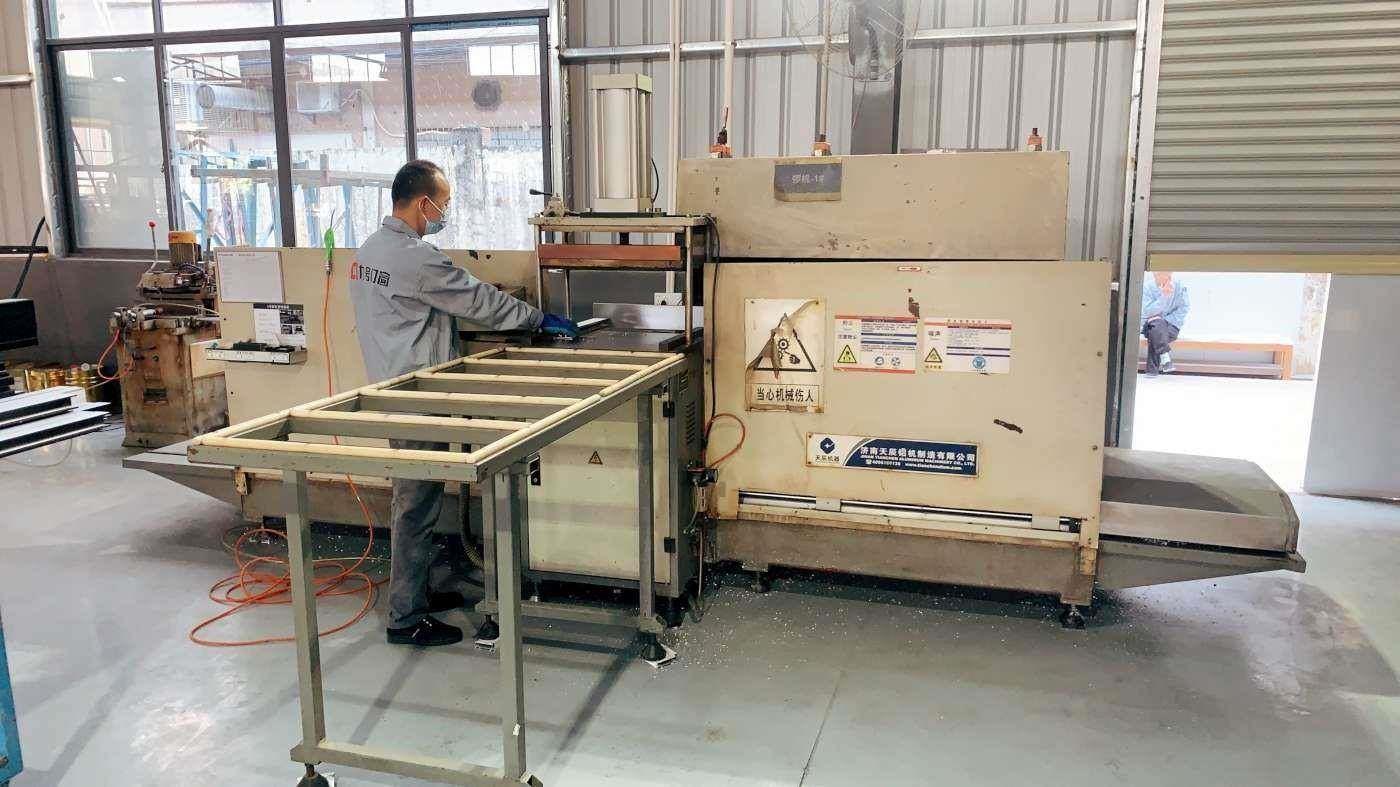 3. Milling Tenon
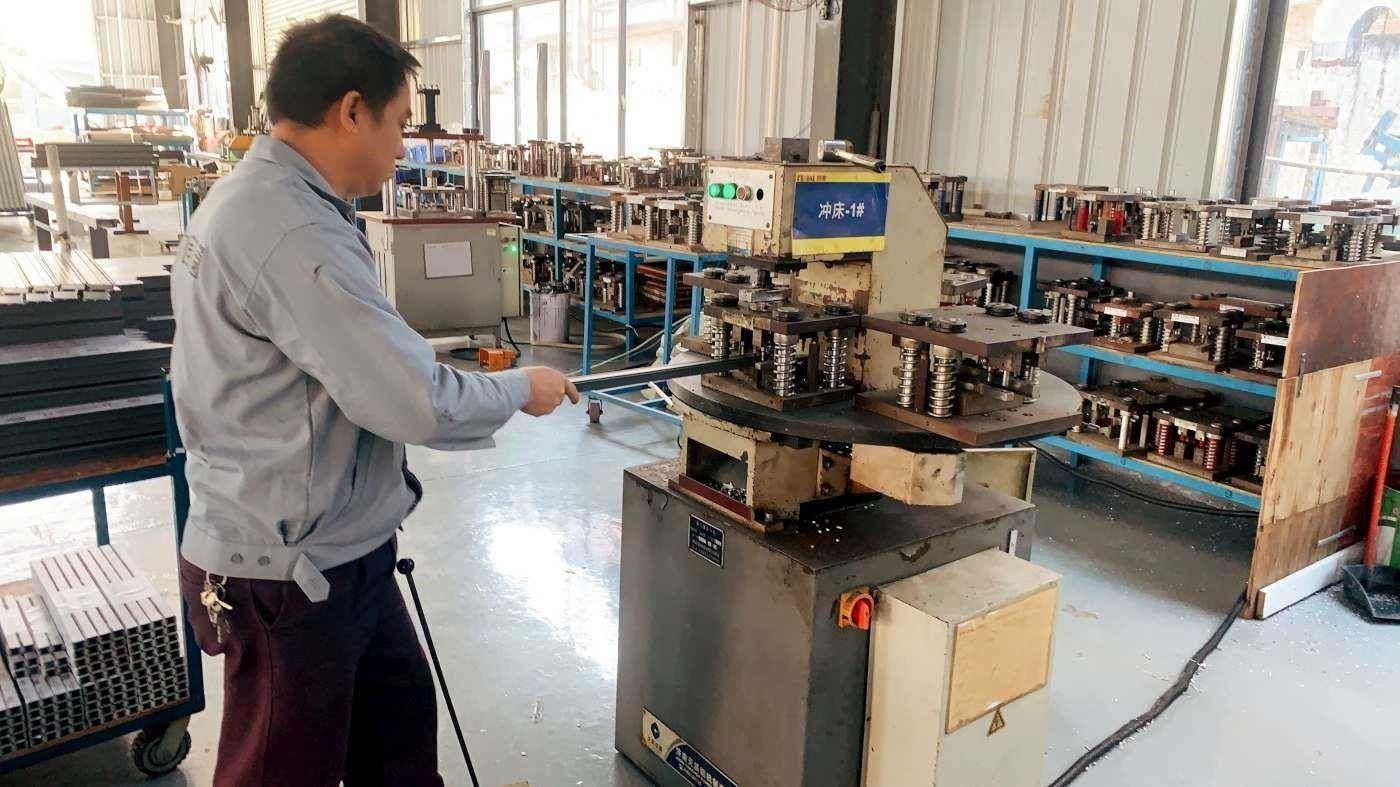 4. Punching
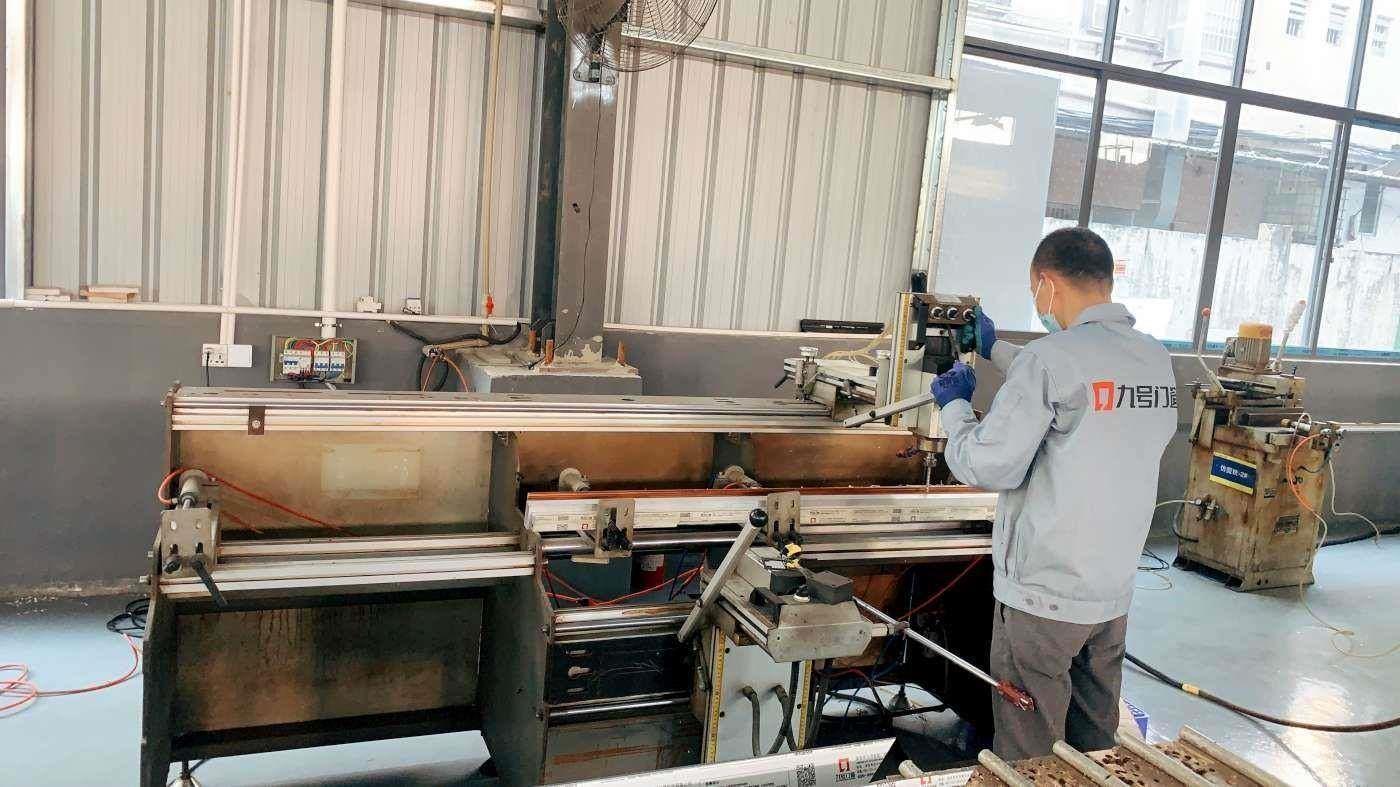 5. Profile Milling
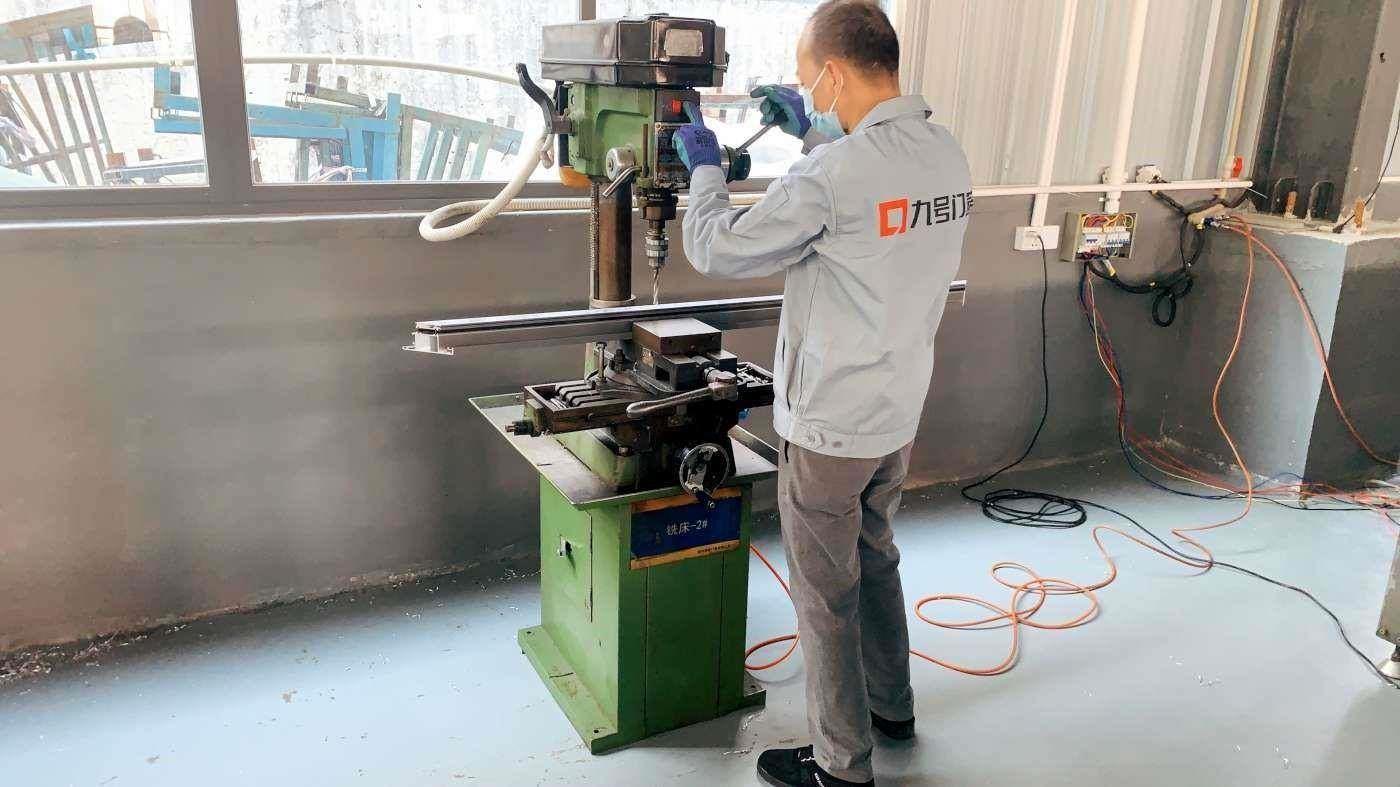 6. Drilling & Milling
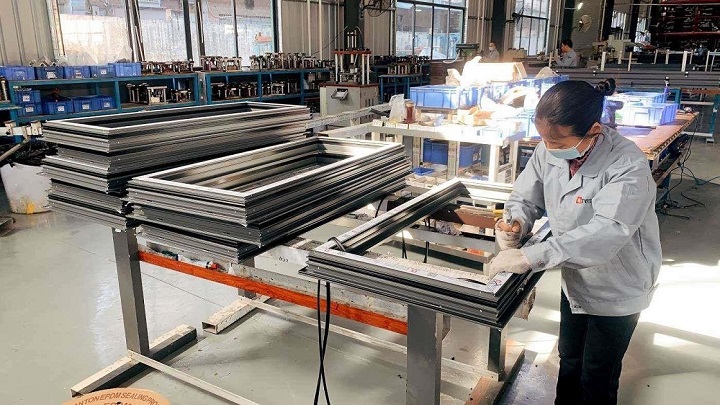 7. Frame Fan Assembly
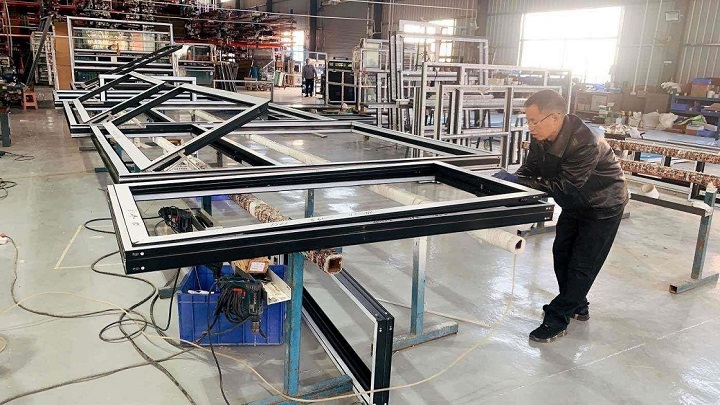 8. Hardware Assembly
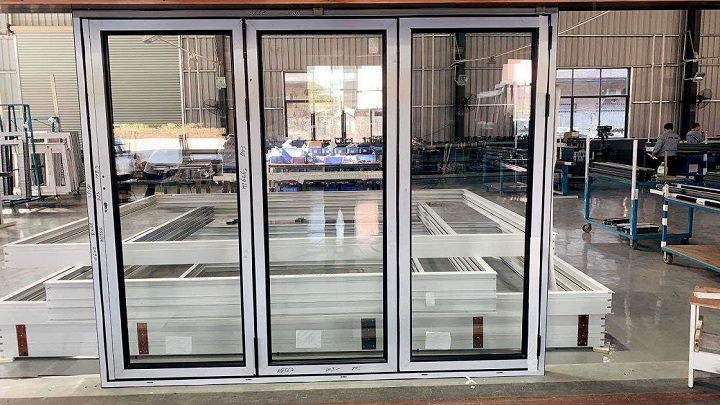 9. Product Commissioning
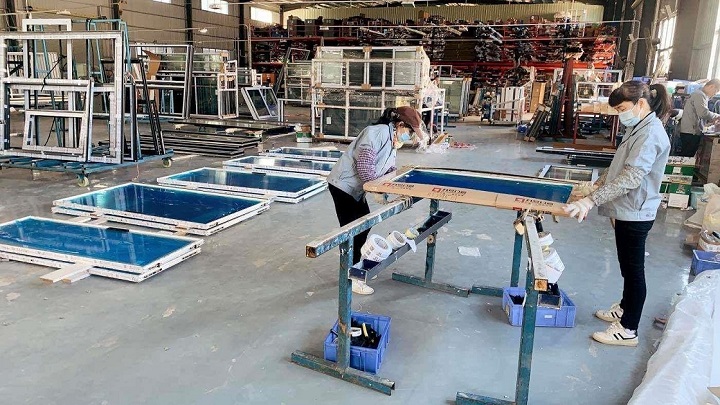 10. Product Packaging
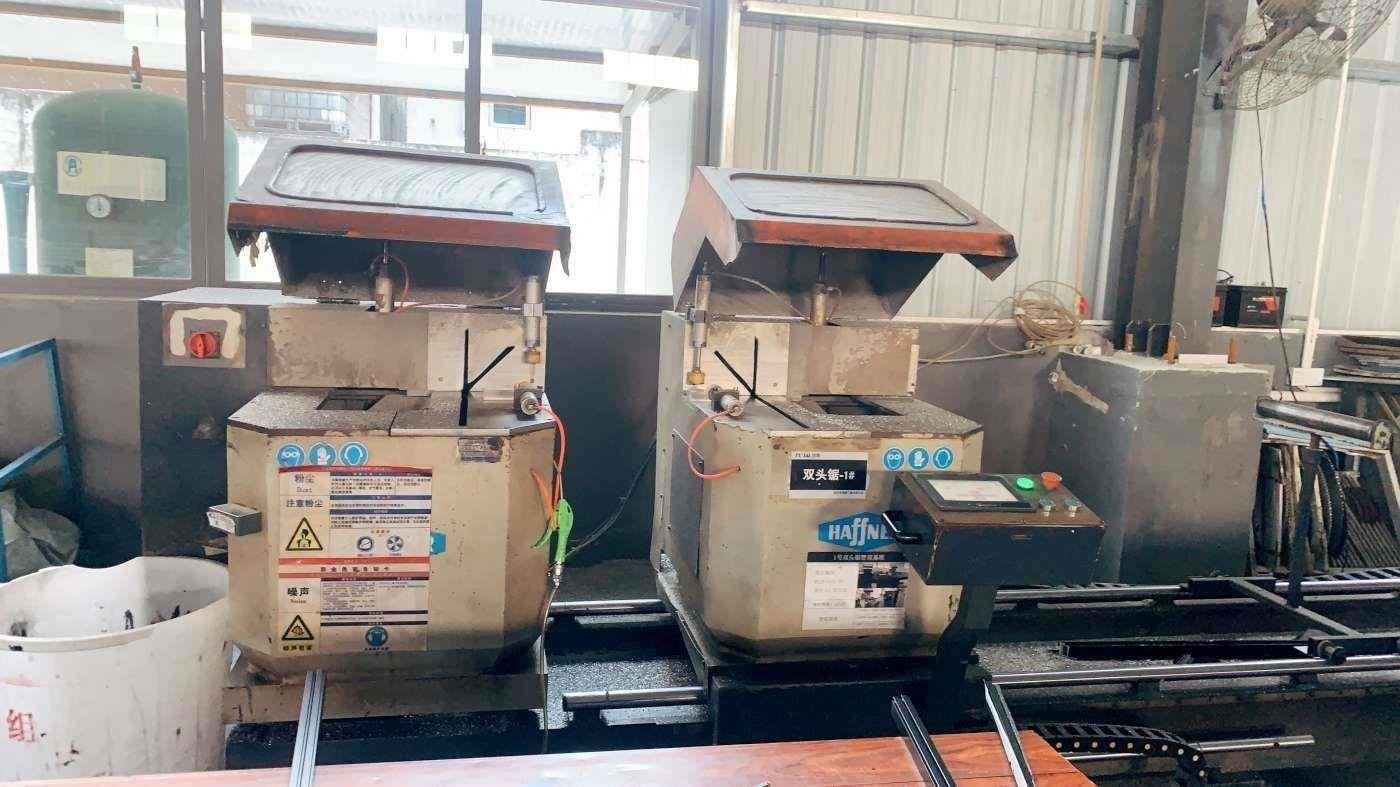 Profile Cutting Machine
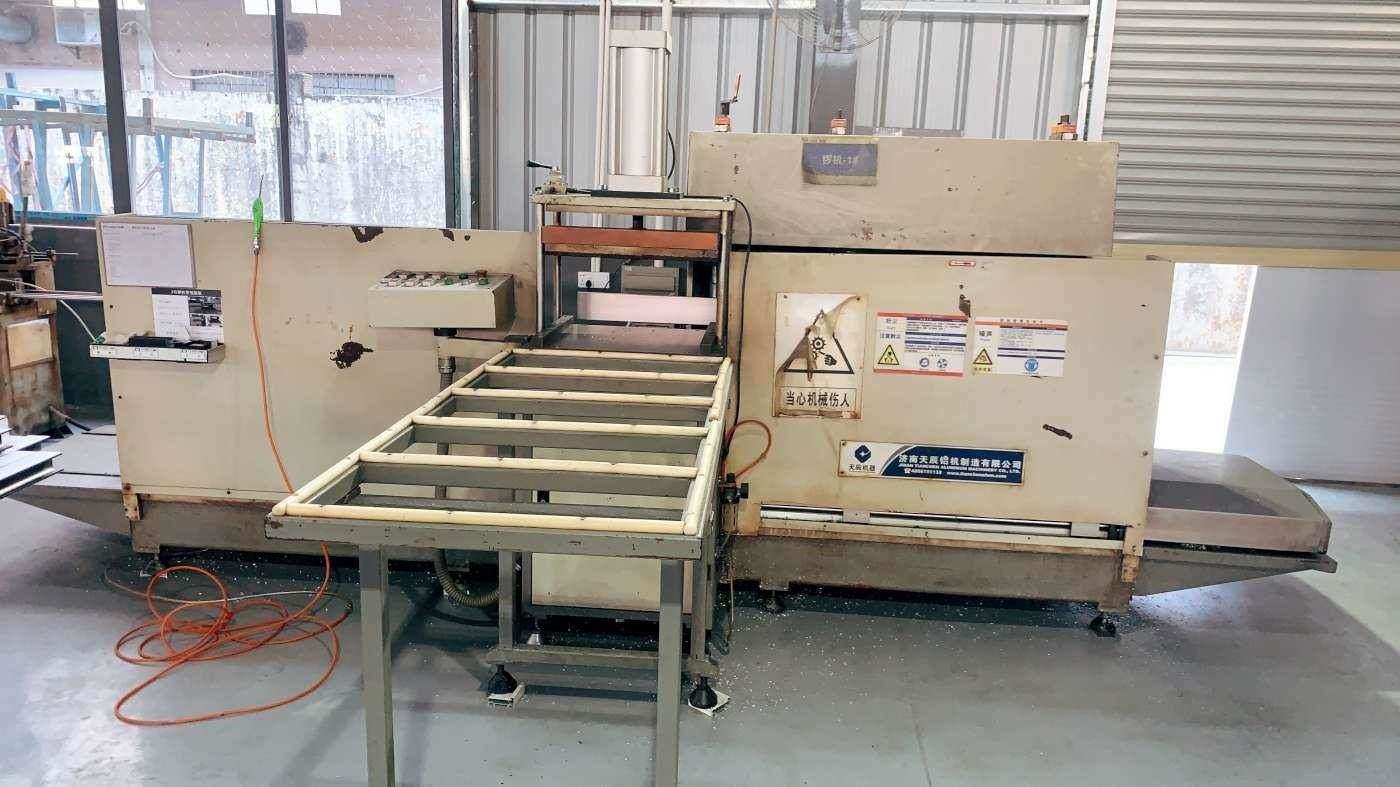 Milling Machine
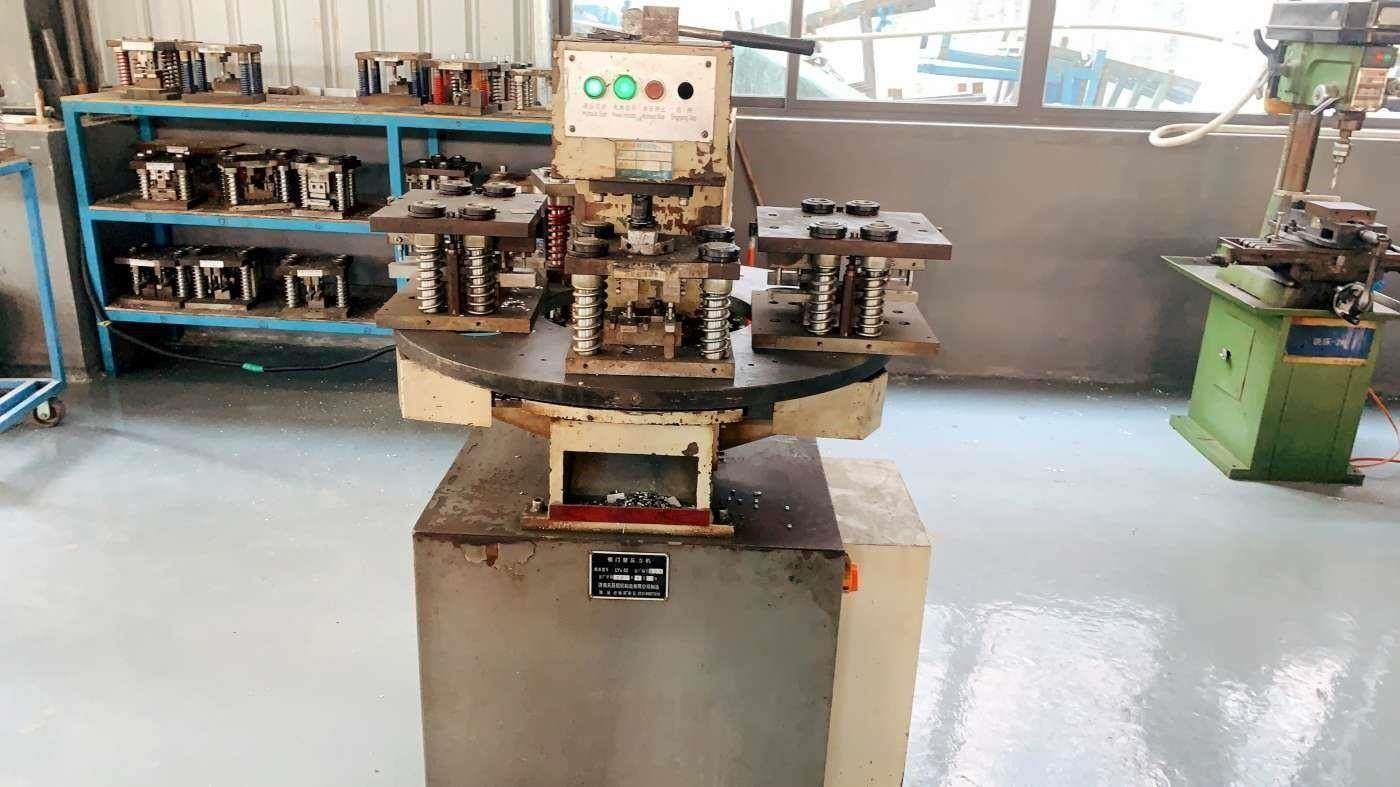 Punching Machine
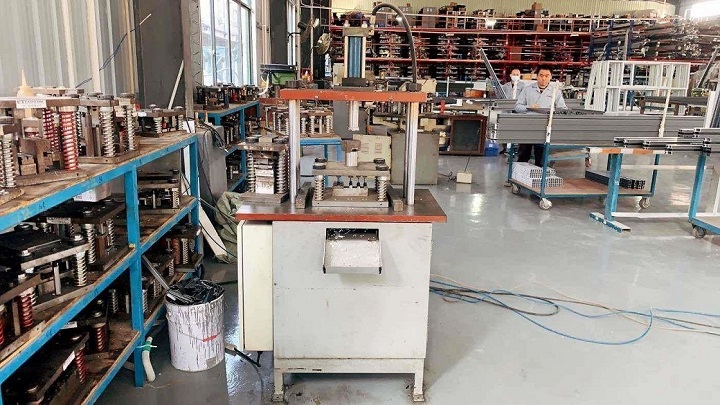 Punching Machine
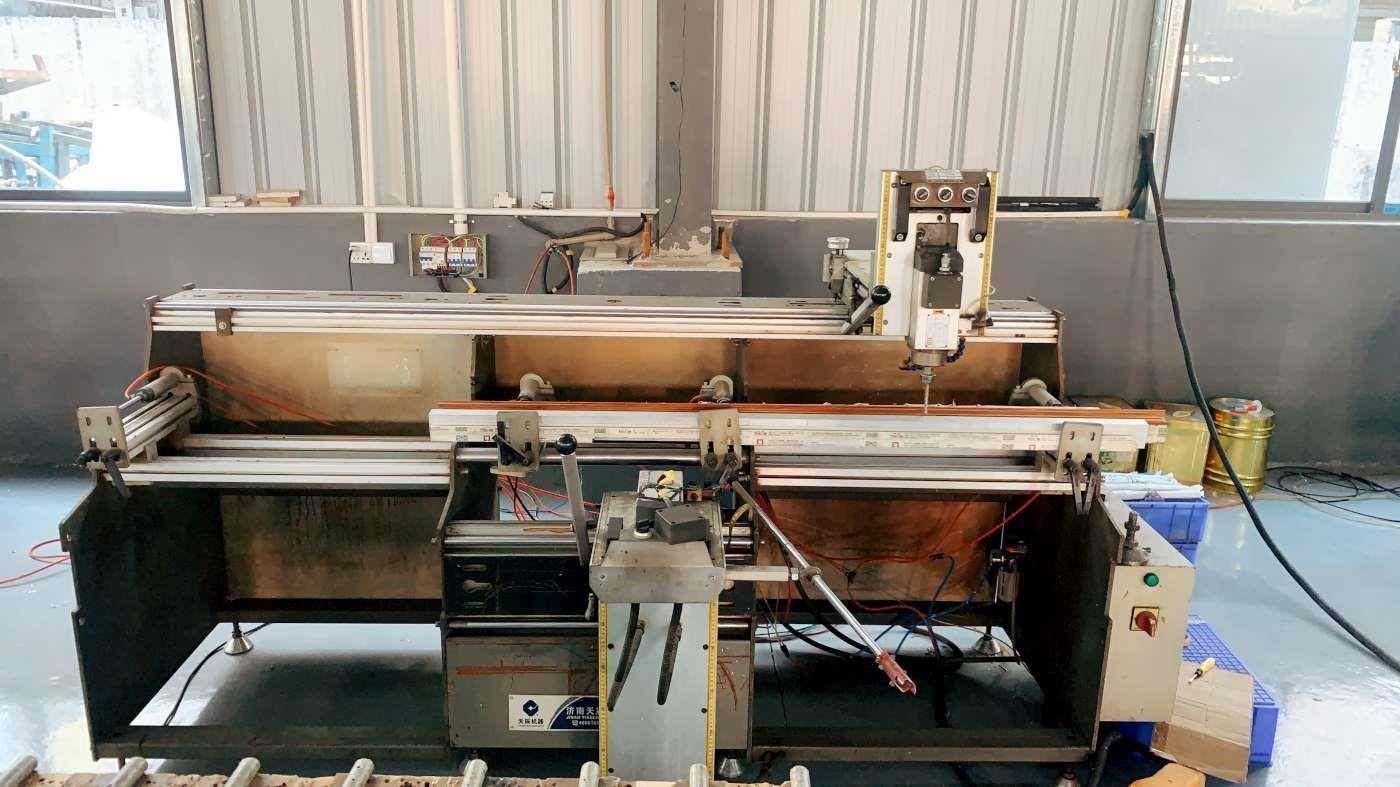 Profile Milling Machine
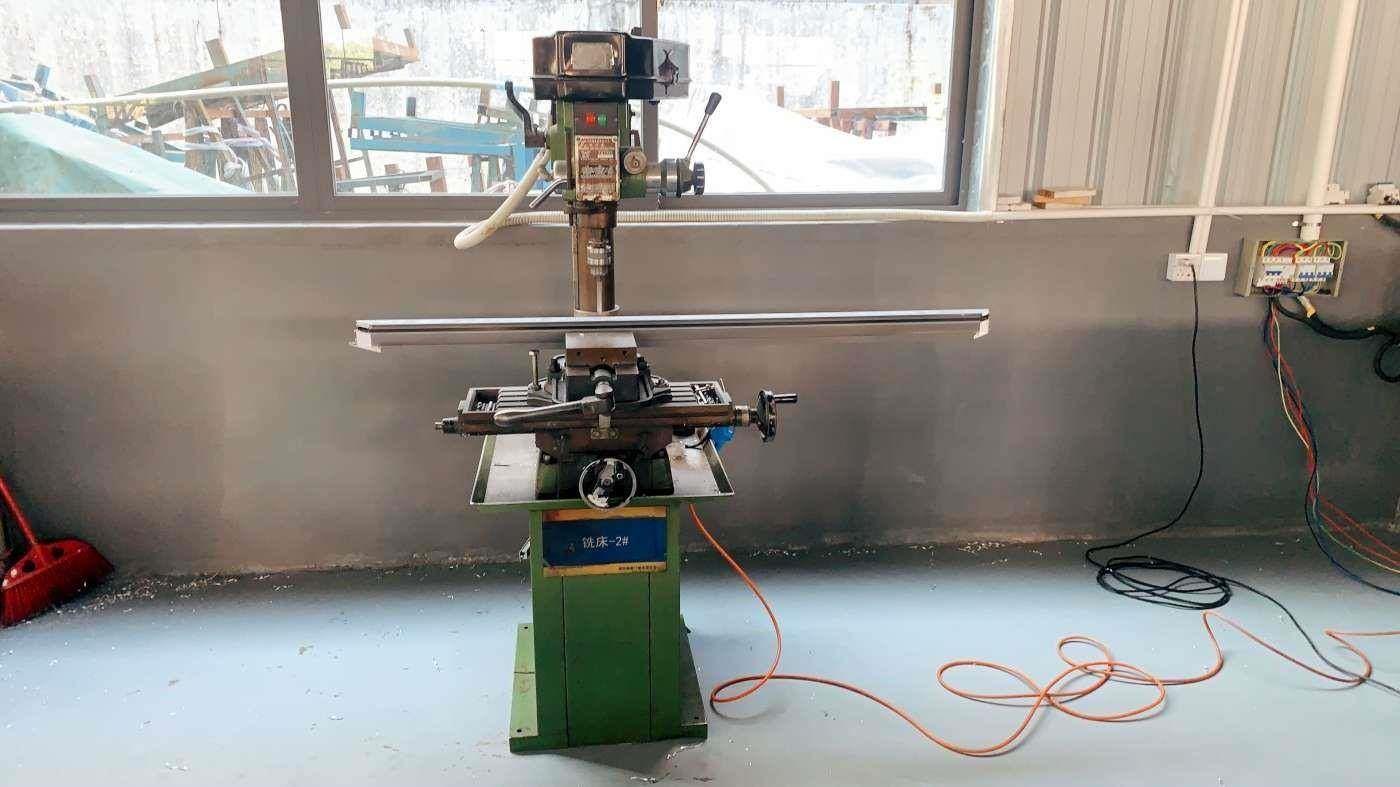 Drilling & Milling Unit
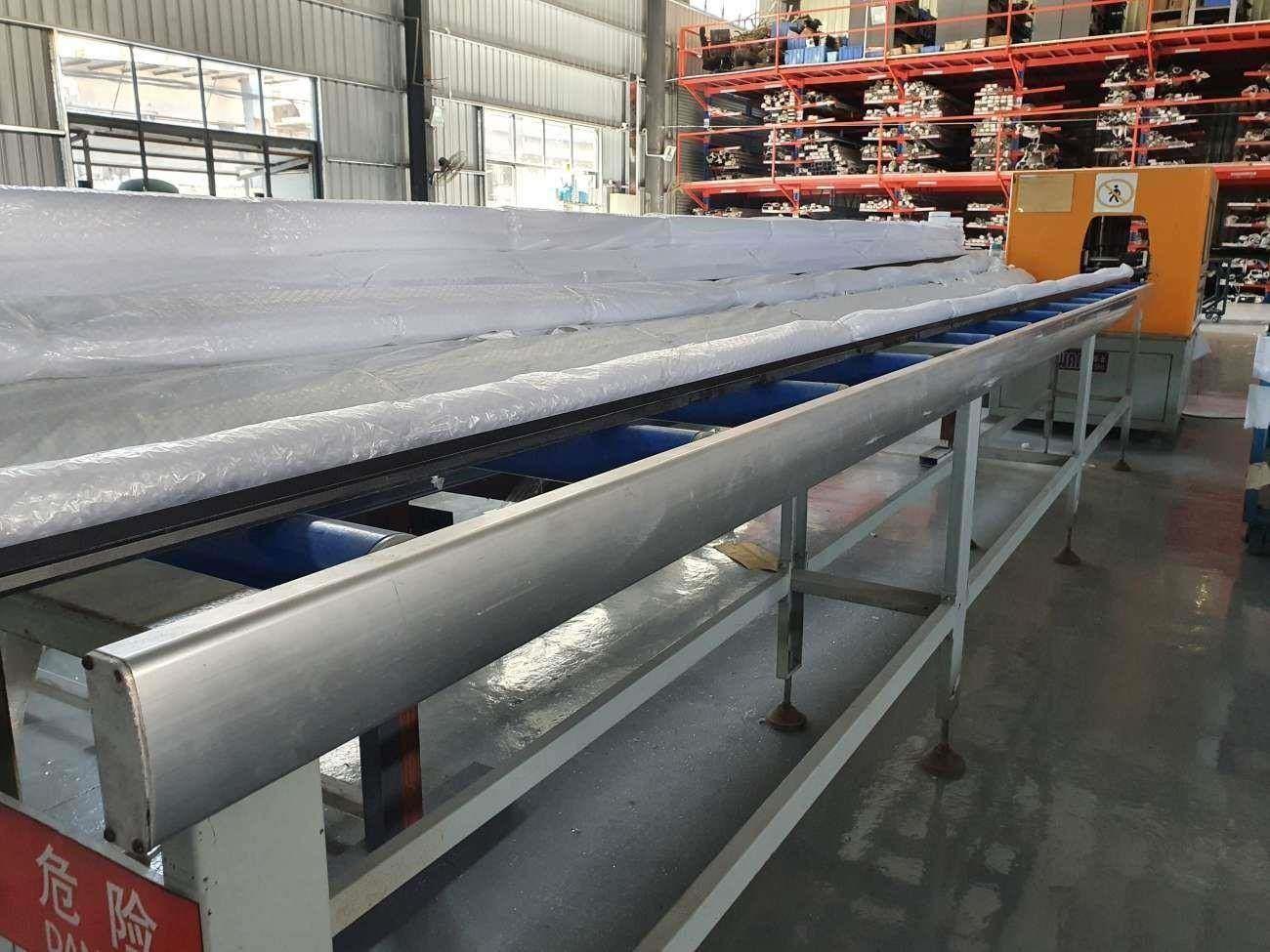 Lattice Machine
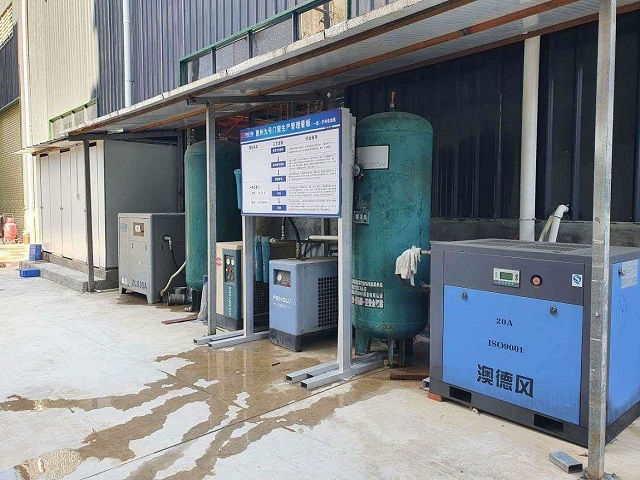 Air Compressor Station
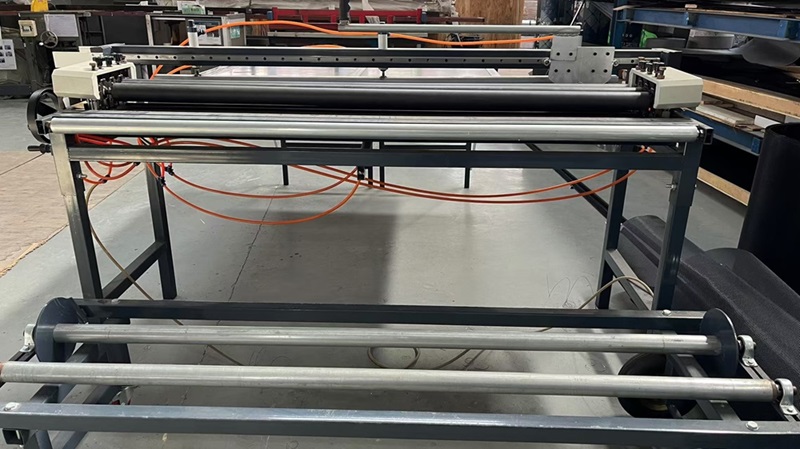 Flat Screen Cutting Machine
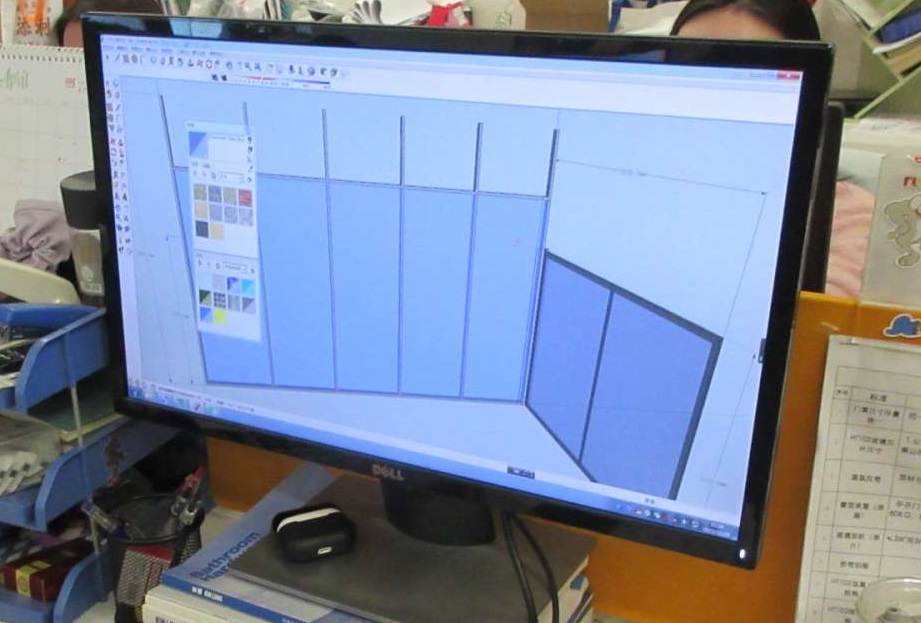 BIM/CAD Architectural Engineering
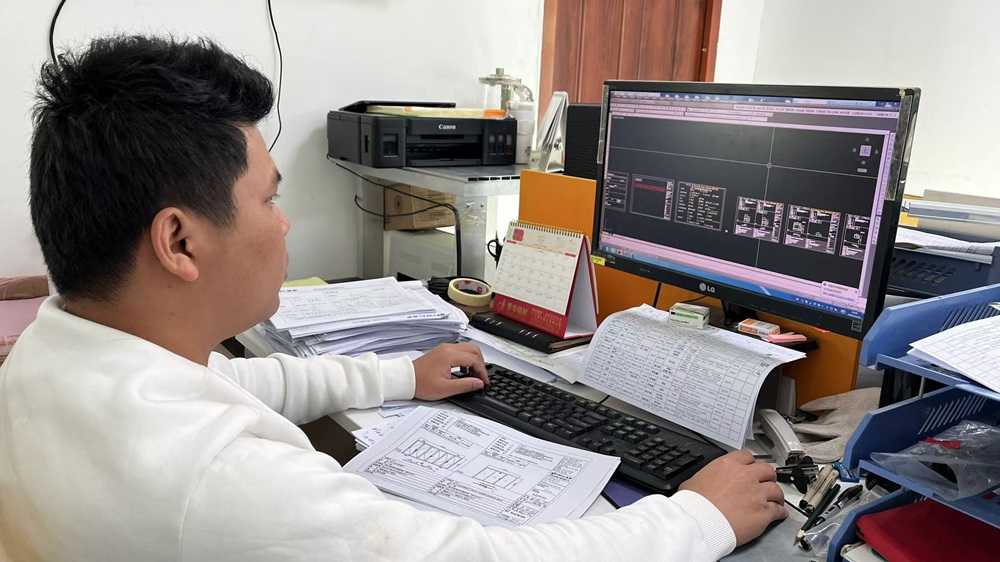 Custom Extrusion Die Simulation
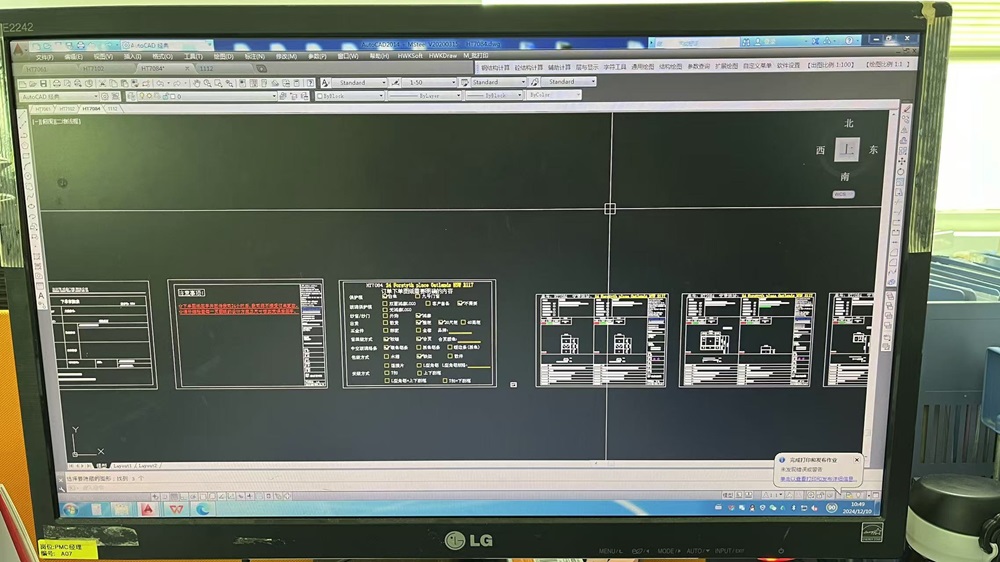 Finite Element Analysis (FEA) Station
Understanding the mechanical difference between standard PVB interlayers, rigid SGP structural interlayers, and thermal break extrusion profiles.
| Performance Metrics | Standard PVB Laminated Glass | SGP Structural Laminated Glass | Double Glazed Thermal Break Aluminum |
|---|---|---|---|
| Shear Modulus (20°C) | ~0.6 to 1.5 MPa | ~280 to 300 MPa (100x stiffer) | N/A (Structural Frame) |
| Post-Glass Breakage Load | Tends to sag under heavy weight | Maintains rigid upright barrier | High structural frame deflection resistance |
| Hurricane / Impact Rating | Small & Large Missile Tested | High-Velocity Hurricane Zone (HVHZ) | Miami-Dade NOA Compliant Frames |
| Sound Reduction Index (Rw) | 36 dB - 40 dB | 38 dB - 44 dB | STC 42+ Soundproof Barrier |
| Thermal Transmittance (U-Factor) | 2.2 - 2.8 W/m²K | 2.0 - 2.4 W/m²K | 1.2 - 1.6 W/m²K (With Polyamide Bar) |
| Primary Application | Balconies, Interior Partitions | Commercial Facades, High-Rise Windwalls | Exterior Villa Doors, Escape Doors, Bifolds |
Our engineering workflow ensures seamless approval across major global regulatory jurisdictions without costly re-testing or structural friction.
Compliant with EN 14351-1 (windows and pedestrian doorset performance features), EN 12600 (impact testing for pendulum safety glass), and EN 1279 (insulating glass units). CE marking guarantees free movement across the European Economic Area while ensuring strict VOC emissions control and structural safety.
For coastal United States regions requiring stringent hurricane safety, our products undergo rigorous cyclic wind-pressure and missile-impact testing compliant with AAMA/WDMA/CSA 101/I.S.2/A440-11 and Miami-Dade County Notice of Acceptance (NOA) standards. Thermal performance is certified via NFRC rating systems.
Engineered specifically to fulfill mandatory Australian Building Codes (NCC). Profiles and glass units undergo structural deflection, air infiltration, water penetration resistance, and ultimate limit state (ULS) wind load testing verified under AS2047 (Windows and external glazed doors) and AS1288 (Glass in buildings selection and installation).
From ultra-luxurious coastal villas to high-traffic institutional facilities, explore how custom aluminum door systems solve real-world architectural challenges.
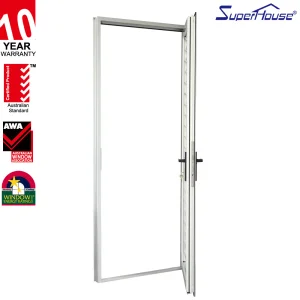
Heavy salt mist air severely degrades low-grade metal fittings. Our aluminum exterior doors utilize marine-grade anodized profiles or 2604-compliant fluorocarbon powder coatings coupled with 316 stainless steel multipoint locking gear, preventing electrochemical oxidation and resisting severe offshore wind pressure.
High-footfall environments like public schools, universities, and healthcare facilities require zero-compromise glass safety. Laminated glass ensures that accidental high-impact blows do not create dangerous falling shards, preserving a physical anti-burglary barrier even if shattered.
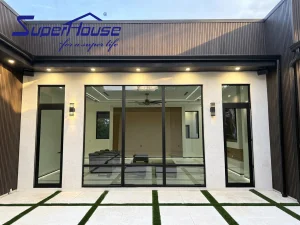
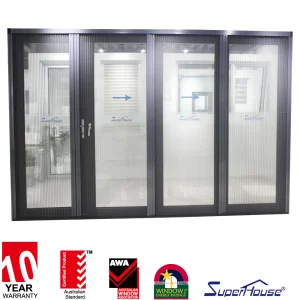
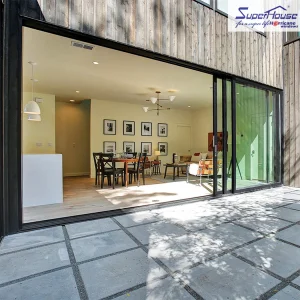
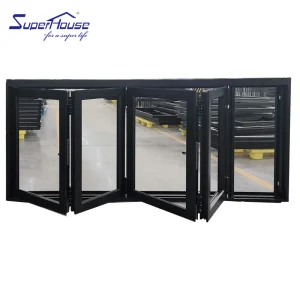
Featuring ultra-slim sightlines with heavy load-bearing bottom rollers, our double-glazed laminated sliding and folding door assemblies maximize panoramic views while meeting strict acoustic insulation criteria for luxury hotel suites adjacent to bustling airport hubs or urban centers.
How Foshan Primeval Doors Industry Co., Ltd. is pioneering smart glass integration, green manufacturing, and ultra-lightweight structural alloys.
Integrating PDLC (Polymer Dispersed Liquid Crystal) films directly into laminated glass layers. Users switch glass transparency from opaque to crystal clear instantly via smartphone control or automated building management systems (BMS), eliminating traditional window blinds.
Embedding semi-transparent thin-film solar photovoltaic cells inside laminated glass panels. Commercial aluminum doors and curtain walls become active clean energy generators without sacrificing exterior architectural aesthetics or natural light transmission.
Pioneering the application of nanoporous aerogel insulative strips within multi-chambered aluminum extrusions. This reduces door sash thermal bridging, pushing U-factors below 0.8 W/m²K for passive house standard certification in freezing climates.
Clear, authoritative responses to common inquiries from architectural designers, structural engineers, and global commercial importers.
While tempered glass is structurally tough, it collapses completely into tiny fragments when punctured. Laminated glass consists of two or more glass sheets bonded together with a tough inter-layer (PVB or SGP). Upon impact, fractured glass shards adhere to the plastic interlayer, maintaining structural weather protection, security against forced entry, and preventing falling glass hazards.
Aluminum is naturally conductive. A thermal break system inserts a low-conductive polyamide (PA66 reinforced with 25% glass fiber) bar between the interior and exterior aluminum extrusions. This continuous thermal barrier impedes heat transfer, dramatically lowering U-values, preventing condensation build-up indoors, and reducing HVAC energy overhead.
Yes. Backed by our 38-engineer R&D division and complete CAD/BIM tooling capabilities, Foshan Primeval Doors Industry Co., Ltd. routinely customizes profile extrusions, frame depths, glass thickness combinations, and hardware configurations to satisfy Miami-Dade NOA, Australian AS2047, or European EN standards seamlessly.
SGP (SentryGlas® Plus) interlayers are 5 times tougher and up to 100 times stiffer than traditional PVB interlayers. In extreme windstorm situations, if both glass lites break, SGP laminated glass remains standing vertically inside the aluminum sash frame under severe wind loads, whereas PVB may bend and fall out of the frame.
Our dedicated 22-inspector QC team executes rigorous IQC-IPQC-FQC routines. Profiles undergo accelerated neutral salt-spray (NSS) testing and acetic acid salt-spray (AASS) testing for up to 1,000 hours to guarantee that powder coatings and hardware anodization will not peel or corrode in harsh coastal marine environments.
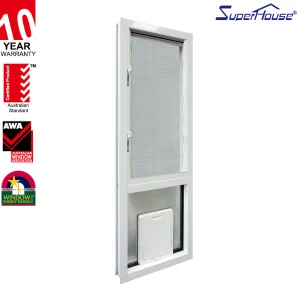
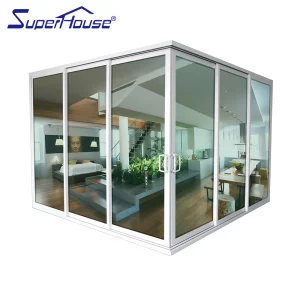
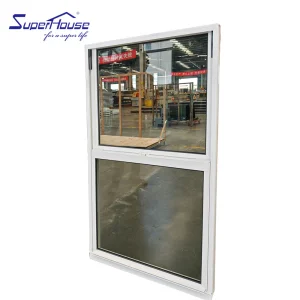
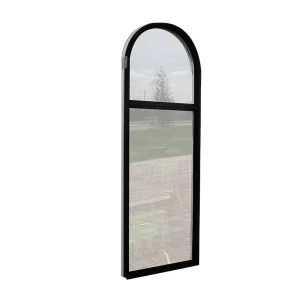
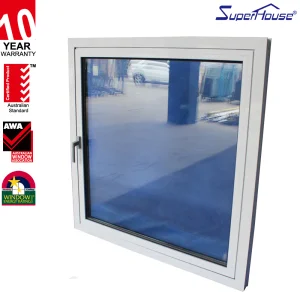
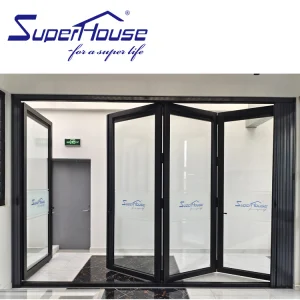
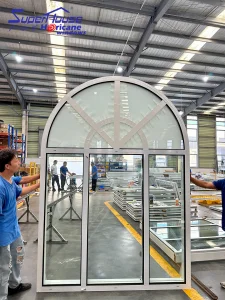
Explore our full line of thermal break sliding doors, hurricane-resistant casements, bifolding windows, and custom curved main entryways.
 Primeval Doors