What Are the Top Modern Aluminum Entry Door Suppliers?

Time:2026-11-02 Author:Madeline
0%

Choosing a supplier for a Modern Aluminum Entry Door involves more than comparing attractive finishes. Buyers should examine frame construction, glazing options, thermal performance, hardware, and installation support. These details affect comfort, security, and how smoothly the door operates over time. Small details matter.

A dependable supplier can explain available configurations and provide clear product specifications. Ask about thermal breaks, weather seals, finish durability, and compatible locking systems. Request documented performance information rather than relying on broad marketing claims. If installation is included, clarify who measures the opening, handles adjustments, and supports the product after delivery. A precise answer is reassuring. A vague one deserves a follow-up.

This guide explores leading supplier options and the practical differences buyers may encounter, from design flexibility to service and project suitability. “Top” does not mean the same thing for every home or building. A coastal property, a narrow renovation opening, and a contemporary new build may need different features. Compare written quotes, warranties, lead times, and local service coverage before deciding. One limitation is easy to overlook: published specifications cannot show how a door will feel in daily use. When possible, inspect a sample or completed installation. The right choice balances appearance with verified performance, clear communication, and support that continues beyond delivery.
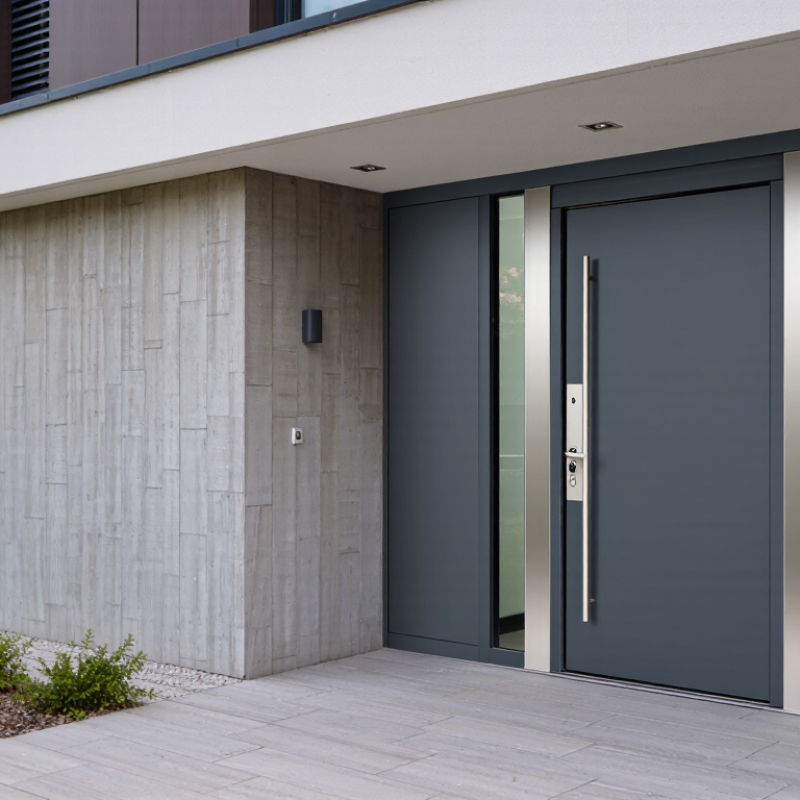
What Are the Top Modern Aluminum Entry Door Suppliers?

Modern Aluminum Entry Doors: Design, Materials, and Uses

Modern aluminum entry doors combine narrow sightlines with sturdy frames, making them useful for contemporary homes, offices, and small commercial spaces. Large glass panels bring daylight into an entry, while solid lower panels offer more privacy. The frame’s finish, handle, and threshold also affect how the door feels in daily use. A quiet close matters.

Material choice deserves close attention. Aluminum resists corrosion and supports slim profiles, but metal conducts heat readily. A thermal break separates the exterior and interior frame sections, reducing heat transfer. Pair it with insulated glazing, weather seals, and a well-fitted threshold. The U.S. Department of Energy’s 2020 Residential Energy Consumption Survey attributes about 42% of household site energy use to space heating. That figure is not a measure of door savings, but it underscores why drafts and thermal performance matter.

Durability can support a longer service life, though installation and upkeep still count. The International Aluminium Institute reports that roughly 75% of all aluminum ever produced remains in use. This is a broad industry statistic, not a guarantee about any single door. Ask for tested U-factor and air-leakage results, and check that the dimensions suit the opening. Aluminum is not magic; a poorly sealed frame can still feel cold beside a winter entry.

How to Evaluate Leading Aluminum Entry Door Suppliers

Evaluating a modern aluminum entry door supplier starts with the opening, not the brochure. Ask for frame depth, thermal-break construction, glass options, and tested air and water performance for the exact door configuration. The reported figures should match the size and hardware you plan to order. A showroom sample helps, but inspect a cutaway corner if available; it can show how the thermal barrier meets the frame. Small details matter. Check corner joints, weather seals, and sill drainage. A polished finish can hide weak detailing.

Request written information on finish durability, hardware cycle testing, warranty exclusions, and replacement-part availability. Compare lead times and installation support, not just quoted price. Ask how the supplier handles a damaged coating or an opening that is out of square. Good answers include a clear process and a named contact. Check references for projects in a similar climate, and speak with the installer when possible. Specifications can still disappoint. A complete information packet may leave service expectations vague; treat that gap as a warning, not a verdict. Favor suppliers whose evidence is specific, current, and easy to verify.

Profiles of Notable Modern Aluminum Door Suppliers

Modern aluminum entry-door suppliers tend to fall into three groups. System manufacturers develop frame profiles, thermal breaks, and tested hardware packages. Regional fabricators cut and assemble those components, often offering more control over sizing and finishes. Project integrators coordinate glazing, access hardware, and installation. Details matter: ask who handles field adjustments when a heavy door rubs against the threshold.

Performance deserves careful comparison. UNEP and the Global Alliance for Buildings and Construction reported that buildings and construction used 32% of global energy and produced 34% of energy-related CO₂ emissions in 2023. That context makes thermal performance relevant, but a door’s rating depends on the complete assembly, not aluminum alone. Check product-specific U-factor, air-leakage results, and test documentation; the National Fenestration Rating Council provides standardized ratings for comparing products. A glossy finish is not proof of a well-sealed entrance.

Tips: Request a drawing showing the frame, threshold, glazing, and weather seals. Confirm who measures the opening and who installs the unit. Ask for references from projects in a similar climate. Small gaps matter. I would also confirm lead times in writing; supplier estimates can shift, and that part is easy to overlook.

Comparing Product Ranges, Customization, and Services

A modern aluminum entry door supplier may offer hinged doors, pivot systems, sidelights, and matching frames. Compare the actual range, not just the website gallery. Some suppliers provide standard sizes for quicker ordering, while others build to measured openings. Ask which finishes, glazing types, hardware, and thermal options are available on each model. A broad catalog can look impressive, but availability may vary by region.

Customization is where quotes become less comparable. Check whether the supplier can adjust frame depth, threshold height, handle placement, and panel dimensions. Request finish samples; a dark coating can look different in daylight than on a screen. Also ask how glass and hardware choices affect price and delivery time. Small changes add up.

Service matters after selection, too. Find out who measures the opening, reviews drawings, and handles installation questions. Clear documentation helps prevent avoidable fitting problems. Ask for written care instructions and warranty terms, then confirm what they cover. Performance claims are worth checking against product specifications, not relying on verbal assurances alone. Comparisons are rarely perfectly tidy: one supplier may offer more finishes, while another provides clearer technical support. That trade-off deserves a closer look.

Factors to Consider When Selecting a Supplier

Choosing a modern aluminum entry door supplier involves more than comparing frame styles. Ask how the frame manages heat transfer, especially if your home faces cold winters or strong afternoon sun. A thermal break can improve insulation, while properly specified weather seals help limit drafts and water entry. Request details about glass options, hardware, finish durability, and available sizes. Specific answers matter.

Tips: Ask for a written warranty, installation scope, and realistic lead time. Check a finish sample in daylight; colors can look different indoors. Clarify who handles adjustments if the door sticks after installation.

A reliable supplier should explain measurements, threshold choices, drainage, and maintenance without rushing you toward a sale. Ask for references or examples of completed projects with similar openings. Confirm that the quoted price includes delivery and any installation preparation. A low quote may leave important work out. Compare the full specification, not just the door’s appearance. No supplier is perfect, and a polished catalog is not proof of careful service. If a response feels vague, pause and ask for the details in writing.

FAQS

What should I check before choosing an aluminum entry door supplier?

Start with your opening. Ask for frame depth, thermal-break details, glass options, and test results for your exact door size.

Why should performance figures match my planned door configuration?

Door size and hardware can affect reported results. Ask for documentation covering the configuration you intend to order.

What details should I inspect on a showroom sample?

Check corner joints, weather seals, and sill drainage. A cutaway corner can reveal how the thermal barrier meets the frame.

How can I compare thermal performance?

Request product-specific U-factor and air-leakage results. Compare standardized ratings for the complete assembly, not aluminum alone.

What service details should I get in writing?

Ask about finish durability, hardware testing, warranty exclusions, and replacement parts. A clear contact person helps.

How can I assess installation support?

Confirm who measures the opening, installs the door, and handles field adjustments. Ask what happens if the opening is out of square.

Should I compare suppliers only by price?

No. Compare lead times, installation support, and references from similar climates. A low quote may leave important details unclear.

What should I do if a heavy door rubs against the threshold?

Ask who will adjust it and how quickly. Get the process in writing; estimates can shift, and I might overlook that too.

Conclusion

Modern Aluminum Entry Door systems combine clean lines, durable materials, and practical performance for contemporary homes and commercial spaces. Their designs can range from minimalist frames with expansive glass panels to more solid styles that prioritize privacy. When comparing suppliers, consider frame construction, finish options, thermal and weather performance, security features, and the range of available sizes and configurations.

Leading suppliers may differ in how much customization they offer, the consistency of their product ranges, and the support provided before and after purchase. Some focus on flexible design choices, while others emphasize straightforward specifications or coordinated services such as measurement guidance and installation support. A thoughtful selection should balance appearance, performance needs, budget, lead times, warranty terms, and service reliability. Reviewing these factors together can help buyers choose a supplier whose products and support suit the project.

Madeline

Madeline

Madeline is a dedicated marketing professional with a wealth of expertise in our company's core offerings. With a keen understanding of the industry, she brings a unique perspective to her role, consistently delivering high-quality content that highlights the superior aspects of our products. As......