Choosing a Premium Aluminum Entry Door for 2026 means looking beyond a polished finish. Global buyers compare thermal performance, weather seals, hardware, glazing, and installation support. A door may look substantial in a showroom yet feel poorly balanced on its hinges. Small details matter: the threshold should drain cleanly, the lock should engage without force, and the frame should sit square against the opening.
Building-science expert Joseph Lstiburek is known for emphasizing moisture control in building design. A useful paraphrase of that principle for entry doors is: “Durability starts where water is kept out.” This is a paraphrase, not a verified verbatim quotation about aluminum doors. That distinction matters when buyers assess claims. Ask suppliers for documented test results, clear specifications, and details about finish warranties. Compare thermal-break construction and glazing options against the project’s climate and intended use. A coastal entrance, for example, faces different exposure from a sheltered urban doorway.
This guide surveys the leading premium aluminum entry door types for global buyers, from minimalist pivot designs to insulated, glazed systems. It also considers customization, security features, lead times, and after-sales service. Product performance varies by configuration and installation quality. The best choice is not always the most elaborate one; even a premium system can disappoint if its site measurements or installation are careless. A little skepticism helps.
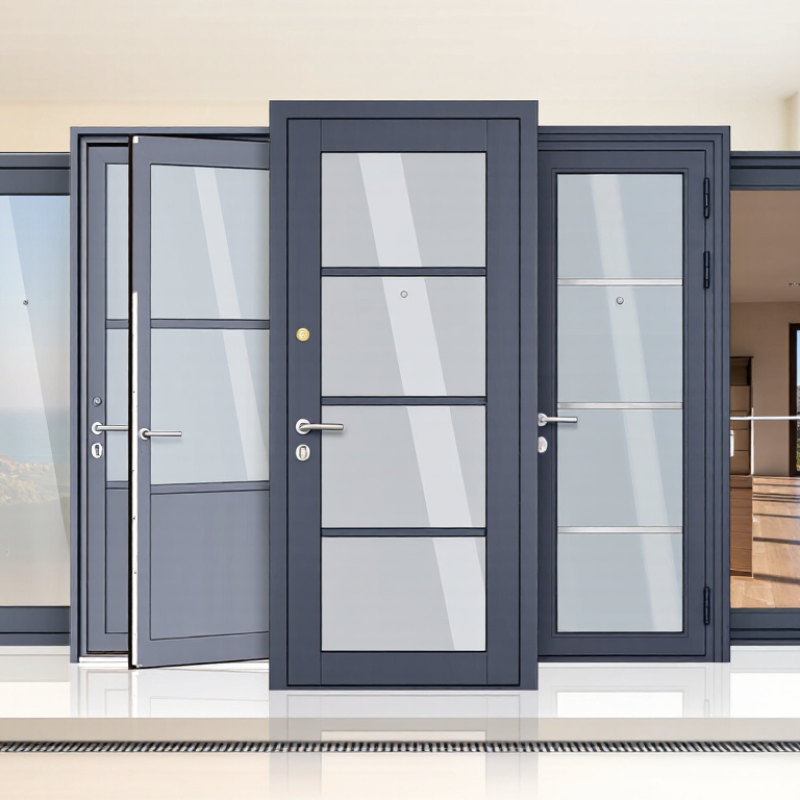
Premium aluminum entry doors use engineered aluminum profiles to create a strong, stable entrance with a clean, modern appearance. Their defining features often include durable surface finishes, insulated glazing, secure multipoint locks, and weather seals around the frame. Aluminum resists rot and does not need repainting as often as many timber doors, though its finish still benefits from routine cleaning and inspection.
Details matter. A thermal break separates the interior and exterior parts of the frame, helping reduce heat transfer and interior condensation. Buyers should check the door’s tested thermal and air-leakage performance, not rely on appearance alone. Glass choice also affects comfort: clear panels bring in daylight, while textured or insulated options can offer more privacy or improved heat control. Ask how the finish performs in the local climate and whether hardware can be adjusted or replaced. Installation is just as important as the door itself; an uneven threshold or poorly sealed joint can let in drafts and rain. Fit matters more. Premium features cannot compensate for careless measurements, and that practical detail is easy to underestimate.
Definition: A premium aluminum entry door is an exterior entrance door made with aluminum framing and panels, glazing, or a combination of materials. Its performance depends on the complete door system—including frame, hardware, seals, glazing, threshold, and installation—not aluminum alone.
| Door Type | Typical Configuration | Key Features | Common Applications | Buyer Checks |
|---|---|---|---|---|
| Single Hinged Door | One leaf mounted on side hinges; inward- or outward-opening, subject to local requirements. | Simple operation, broad hardware availability, and a straightforward perimeter-seal arrangement. | Residential main entrances, apartment entrances, and smaller commercial entryways. | Confirm handing, clear opening, hinge capacity, weather seals, threshold details, and applicable local accessibility requirements. |
| Double Hinged Door | Two leaves in one frame, commonly with an active leaf and a secondary leaf secured by flush bolts. | Can provide a wider passage when both leaves are open; requires careful coordination of meeting-stile seals and locking hardware. | Large entrances, public buildings, and openings that need occasional wider access. | Check the clear opening with the active leaf, secondary-leaf operation, flush-bolt security, and weather sealing between leaves. |
| Pivot Door | A single leaf rotates on pivot hardware positioned away from the side edge, often toward the centerline. | Supports wide or tall door designs; hardware position changes the opening path and usable clear width. | Contemporary homes, hospitality projects, and architectural entrances with generous openings. | Verify leaf weight limits, pivot and closer capacity, floor and head clearances, wind exposure, and safe passage dimensions. |
| Thermally Broken Aluminum Door | Aluminum frame sections are separated by a lower-conductivity insulating barrier between interior and exterior metal. | Reduces direct heat transfer through the frame compared with a similar non-thermally-broken aluminum frame; overall performance still depends on the full assembly. | Heated or cooled buildings, energy-conscious projects, and locations with significant indoor–outdoor temperature differences. | Request whole-door thermal performance data where available; check glazing, frame, seals, and condensation performance for the project climate. |
| Glazed Aluminum Entry Door | Door leaf includes a glass lite, from a small panel to a larger glazed area. | Introduces daylight and visibility; glass choice affects thermal, acoustic, privacy, and safety performance. | Homes, offices, and commercial entrances where daylight or visual connection is desired. | Specify safety glazing where required by local code; confirm glass build-up, edge support, privacy, and documented thermal properties. |
| Aluminum Door with Sidelights or Transom | A hinged door combined with fixed glazed panels at one or both sides, above the door, or both. | Expands the glazed opening and can increase daylight; fixed panels and their junctions add components that must be sealed correctly. | Main entrances where a broader architectural opening or additional daylight is needed. | Check the complete assembly’s structural and weather-test scope, glazing safety requirements, and connections between fixed panels and door frame. |
| Aluminum-Clad or Panel-Faced Door | Aluminum frame or exterior faces combined with insulated infill panels or other specified materials. | Can provide a more opaque appearance than a fully glazed design; the panel core and edge construction influence insulation and durability. | Residential and commercial projects requiring privacy, reduced glazing, or a solid-panel appearance. | Confirm panel composition, moisture management, finish suitability, panel-to-frame joints, and the complete door’s performance documentation. |
Specification note: Product performance varies by design, size, glazing, hardware, installation, and test method. For project comparisons, request reports for the complete door assembly and check the requirements applicable in the destination market. Relevant methods may include ASTM E283 for air leakage, ASTM E330 for structural performance, and ASTM E547 for water penetration; applicability and acceptance criteria depend on the project and jurisdiction.
It often has a thermally broken frame, insulated glazing, weather seals, and a multipoint lock. Good installation matters just as much.
Aluminum resists rot and usually needs less repainting than timber. Clean the finish and inspect seals and hardware regularly.
A single hinged door often fits a narrower opening. Measure carefully; even a small error can affect the threshold seal.
They can make a large panel feel light. Still, their hardware and weather seals need precise installation. Looks can mislead.
Clear glass brings in daylight. Textured glass offers more privacy, while insulated glazing can help control heat.
Review test data for the complete door assembly. Compare U-values only when the measurement methods and door sizes are similar.
Look for tight compression seals, drainage channels, and a suitable threshold. Wind-driven rain can expose small gaps.
No. Reinforced frames, secure hinges, laminated safety glass, and compatible locks can help. Wall fixings and installation matter too.
Ask how the finish performs in local conditions. Salt and moisture may call for more frequent cleaning and inspection. I might overvalue appearance.
This guide explores what defines a Premium Aluminum Entry Door, from its durable aluminum construction and clean architectural appearance to the design flexibility that suits both contemporary and traditional homes. It compares popular options for 2026, including hinged, pivot, sliding, and double-entry styles, and explains how frame profiles, glazing choices, surface finishes, and hardware can shape a door’s appearance and everyday use.
The article also outlines how to assess security, thermal performance, and resistance to wind and moisture by considering the complete door system, not just its frame. For global buyers, it offers a practical way to compare products across markets by reviewing dimensions, specifications, climate suitability, customization, installation requirements, and after-sales support. These factors help buyers select an entry door that balances appearance, performance, and long-term value.

 Primeval Doors